REVIEW · TOKYO
tokyo city walk tour visit Tokyo in one day
Book on GetYourGuide →Operated by Rui liu · Bookable on GetYourGuide
Tokyo in one day, paced to your energy. This private walk tour with Rui lets you choose your own route, from Tokyo Tower to Sensoji, while you get story and practical city guidance built for a full day. I like that you’re not stuck on a fixed checklist, and I also like the way Rui keeps the day flexible around what your group actually wants.
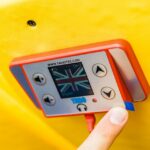
You’ll move with the help of personal earphones, so your guide’s voice stays clear even when you’re in crowds or on the metro. In real life, that matters in Tokyo because you’re constantly crossing streets, hopping stations, and trying to hear directions without losing time.
One thing to plan for: it’s a lot of walking in a day, and the tour cost doesn’t cover meals or paid entries. If you want lots of stops, you’ll need solid stamina and you’ll probably want to pick fewer if anyone in your group gets tired.
In This Review
- Key things to know before you go
- A One-Day Tokyo Plan You Can Actually Keep Up With
- Pickup From Ginza or Shinjuku City: Start Where You’re Already Close
- The Route Spirit: Walk Like Locals, Eat Like Locals
- Tokyo Tower: Drama TV Landmark With Photo-Ready Angles
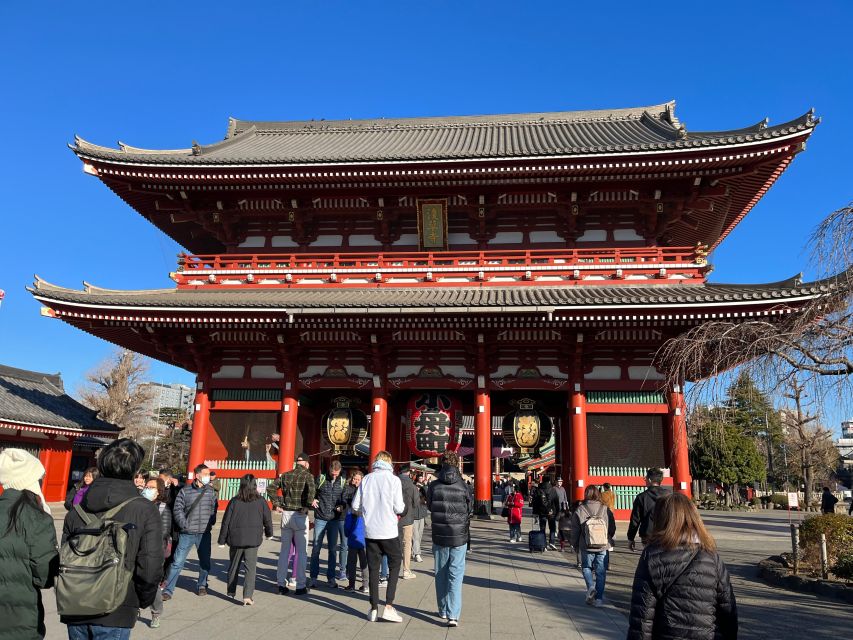
- Sensoji Temple: A Huge-Scale Icon With Real Meaning
- Meiji Shrine: Shinto Basics and Imperial-Era Connections
- Shibuya: Fashion District Energy and a Sunset View You’ll Actually Remember
- Akihabara and the Anime Culture Stop
- Museums as Choice Stops: Pick Your Mood, Not a Random Schedule
- Shinjuku at Night: Shopping Streets and Kabukicho Glimpses
- Ginza: Brand Shopping, Discount Guidance, and Clean Streets
- Imperial Palace and Tsukiji Market: Swap-In Options for Extra Flavor
- Secret Stop and the 6-Hour Sightseeing Block: Where the Day Gets Personal
- Price and Value: Why $258 Per Group Can Be a Deal
- Practical Comfort Tips for a Long Tokyo Day
- Who This Tour Fits Best (and Who Might Want Another Plan)
- Should You Book This Tokyo City Walk Tour?
- FAQ
- What is the price for this Tokyo city walk tour?
- How long is the tour?
- Where do you pick up the group?
- What transportation is used during the tour?
- What languages are available for the guide?
- Is this a private tour?
- Are entrance tickets included?
- Are meals included in the price?
- Is the tour wheelchair accessible?
- Can I cancel for a full refund?
Key things to know before you go
- Pick-your-sights flexibility: choose places based on what your group cares about and your energy level
- Hear-every-word earphones: easier directions in loud stations and busy temple areas
- Walk + local food rhythm: the day is built around moving like locals, not just seeing icons
- Major Tokyo highlights, fast: Tokyo Tower, Sensoji, Meiji Shrine, Shibuya, Akihabara, and more
- A secret stop slot: room for a surprise segment based on the day and your preferences
- Private group up to 5: easier pacing and question time, in English, Japanese, or Chinese
A One-Day Tokyo Plan You Can Actually Keep Up With
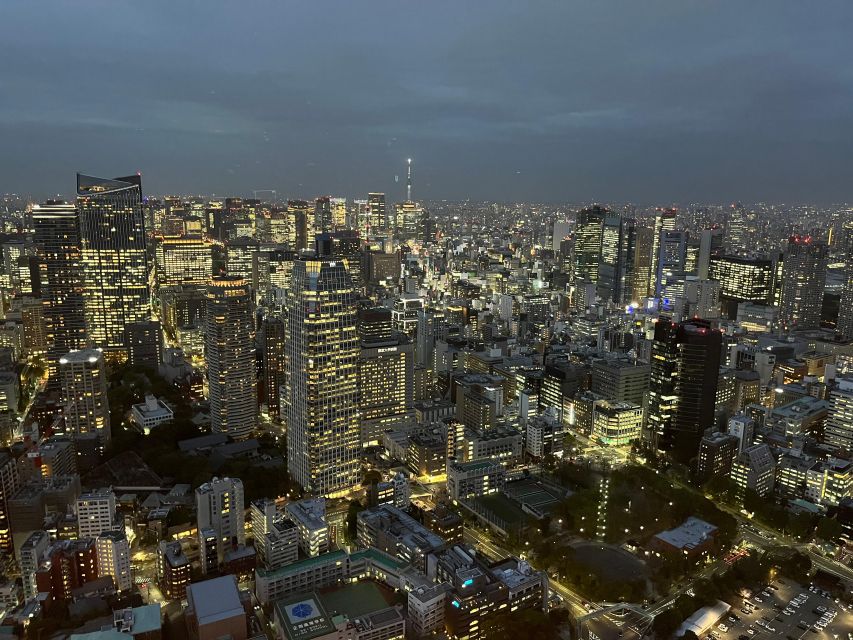
This tour is designed for the reality of Tokyo: the city is huge, and one day can evaporate fast. The smart part is that you’re not forced into an ultra-rigid itinerary. Rui lets you pick from the key areas and adjusts how many stops you can realistically handle.
The format also matches how Tokyo days work. After pickup, there’s a short metro hop (about 10 minutes), then you settle into sightseeing that mixes big landmarks with street-level walking. The day includes a long sightseeing block with a secret stop component, which is where your route often feels most personal.
You can also read our reviews of more walking tours in Tokyo

Pickup From Ginza or Shinjuku City: Start Where You’re Already Close
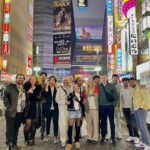
You get two pickup options: Ginza or Shinjuku City. The tour also notes pickup is included for a hotel around Ginza, so if you’re staying in that area, starting is usually straightforward.
Why this matters: Tokyo is easier when you begin from a convenient neighborhood instead of spending your best hours crossing town. If you’re coming in from another area, you’ll appreciate that the tour starts with a plan, not a guessing game.
The Route Spirit: Walk Like Locals, Eat Like Locals
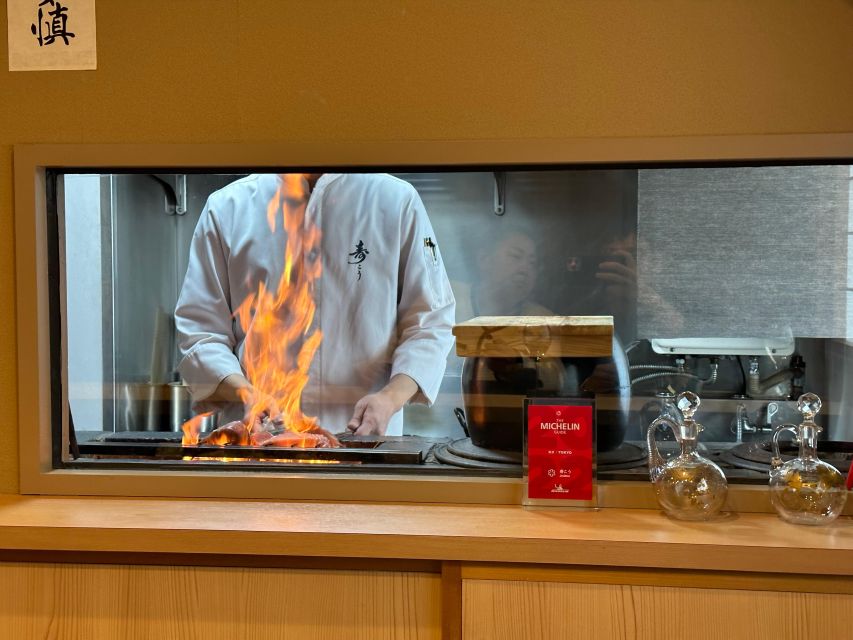
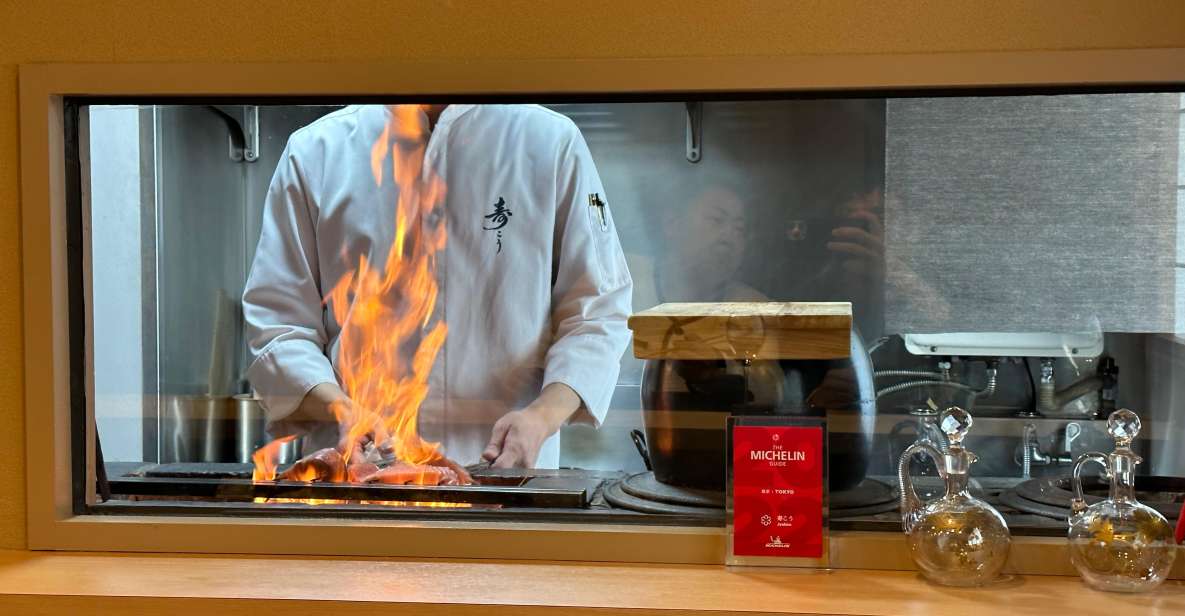
One of the best promises here is the approach, not just the list of stops. You’re meant to walk like locals and eat like locals, which usually translates to two things in practice: calmer pacing and more “what to do” guidance instead of only photo stops.
You’ll also get frequent context while you move. Rui is set up to share stories and history as you go, so the sights aren’t just scenery. It also helps you ask better questions in real time, because you’ll know what you’re looking at.
Tokyo Tower: Drama TV Landmark With Photo-Ready Angles
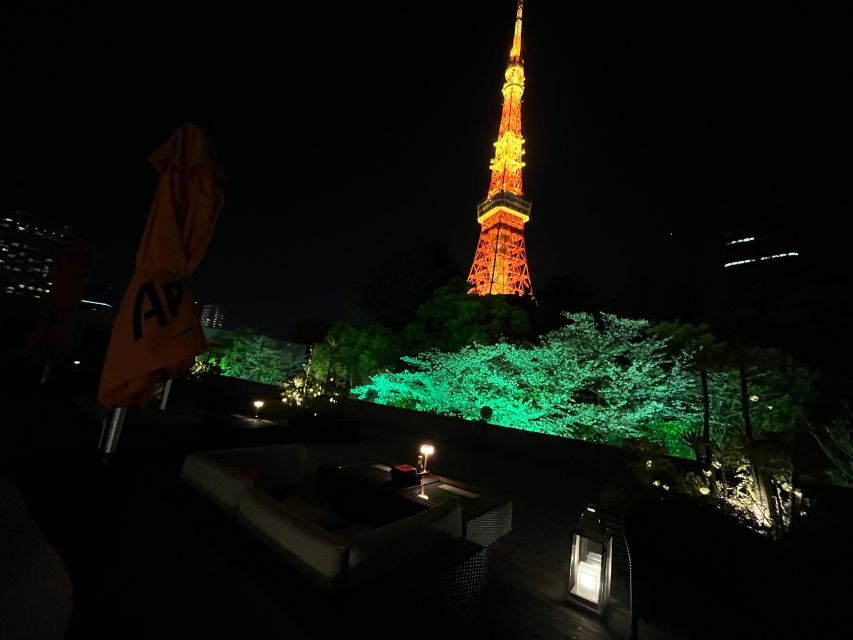
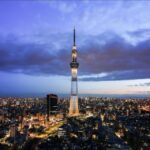
Tokyo Tower is one of those icons that always shows up in Japanese media. If you like Japanese dramas, this is the landmark that will feel instantly familiar.
What you’ll actually do here is straightforward: you’ll visit the tower area, take photos, and learn the little context that makes the place feel more than a postcard. The tower is also described as having secrets Rui will share, which usually means useful local perspective—like how to look at the structure from different angles and what to notice while you’re there.
A practical consideration: the area around big photo spots can get crowded. Earphones help here because you’ll get quick guidance on where to stand and when to move.
Sensoji Temple: A Huge-Scale Icon With Real Meaning
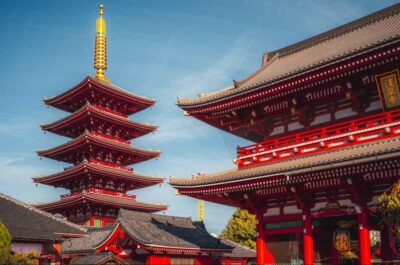
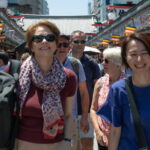
Sensoji is framed as Japan’s most popular temple, with tens of millions of annual visitors. That scale sounds overwhelming, but the value of going with a guide is that you can still experience it without feeling lost.
You can expect long history, striking architecture, and a sense of what people believe is special here. The tour description also mentions “special powers” trusted by millions, plus lots of interesting things to do in the complex. In a day tour, that combination matters: you get the atmosphere, not just a quick walk-through.
What to watch for: crowds can be intense. If your group gets impatient, treat Sensoji like the place you slow down for—pause for photos, take in the details, and don’t rush the meaningful parts.
You can also read our reviews of more city tours in Tokyo


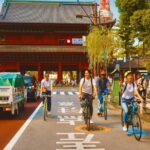

Meiji Shrine: Shinto Basics and Imperial-Era Connections
If you want a reset from the big city energy, Meiji Shrine is the best kind of contrast. The tour highlights it as the most famous shrine in Tokyo, and it’s a great place to understand Shinto basics in a way that feels grounded.
You’ll also get cultural context tied to Japan’s empire family. Even if you don’t know the details today, Rui’s storytelling approach helps you connect what you see to why it matters.
Practical note: depending on the season, shrine areas can be a little cooler or calmer than nearby streets. That can be a nice moment for your group to regroup before you head toward busier districts.
Shibuya: Fashion District Energy and a Sunset View You’ll Actually Remember
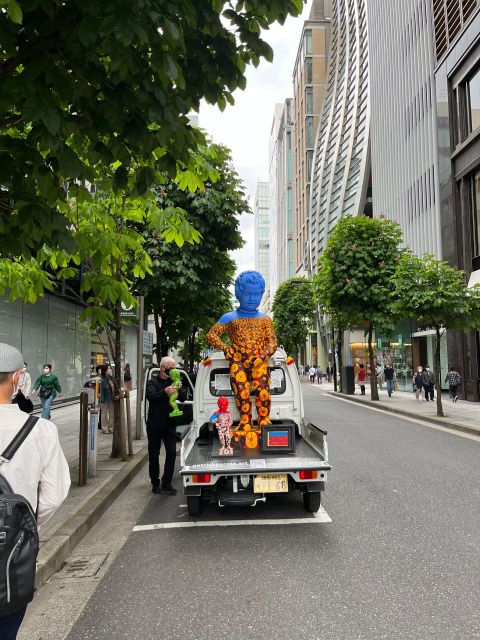
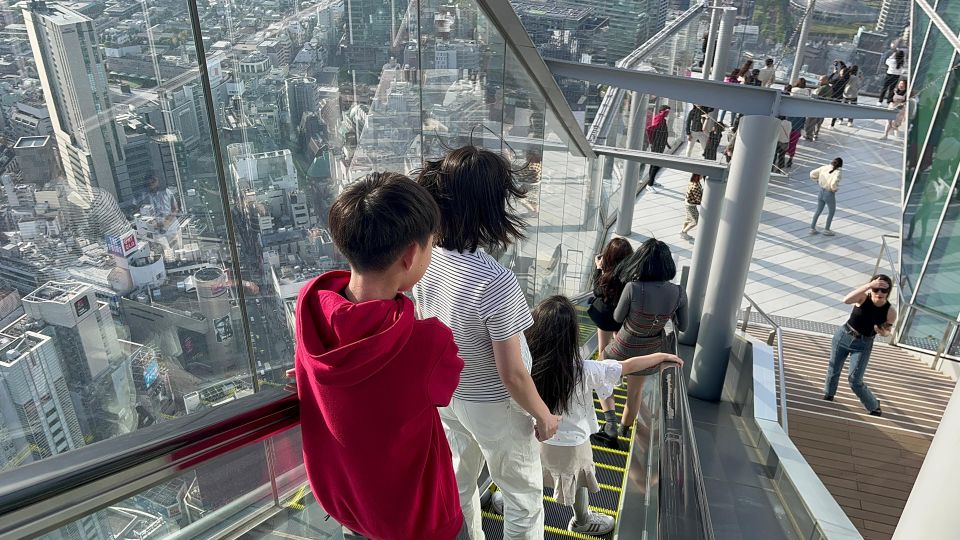
Shibuya is positioned as Tokyo’s fashion center, but the real reason it belongs in a one-day plan is the viewpoint energy—especially around sunset. The tour explicitly calls out that the sunset here is best in Tokyo, which is exactly the kind of timed experience a local guide can help you catch.
In Shibuya, your day tends to turn into street theater: crossings, storefront light, and the feeling that Tokyo is always moving. The photo opportunities are part of it, but what you’ll benefit from most is timing—so you don’t miss the light while you’re busy trying to find the right spot.
A consideration: Shibuya can be a lot for kids or anyone who hates crowds. If that’s your situation, you’ll want to rely on Rui’s pacing and keep your photo breaks short and targeted.
Akihabara and the Anime Culture Stop
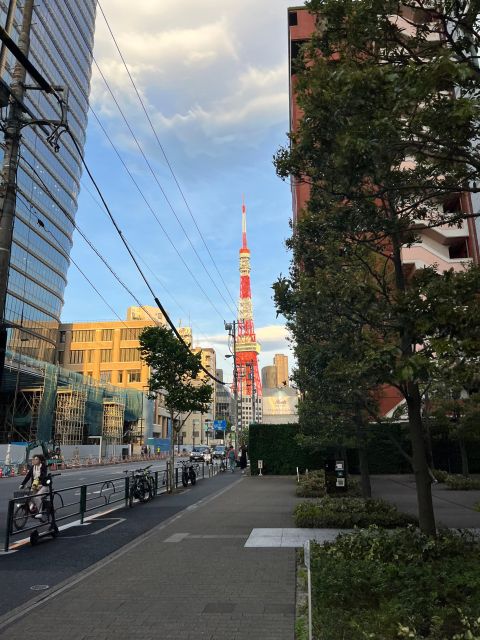
If anime is your interest, Akihabara is the obvious win. The tour describes it as a must for anime lovers, but it also works if you don’t know the genre yet. Even as a newcomer, you can learn how Japanese anime culture shows up in stores, collectibles, and the everyday shopping vibe.
There’s also a useful practical edge here: if kids ask for something very specific—like a Pokemon store visit—this kind of tour can often route you around the day’s bigger icons to make room for those requests. That’s the value of having a private guide guiding the flow.
Museums as Choice Stops: Pick Your Mood, Not a Random Schedule
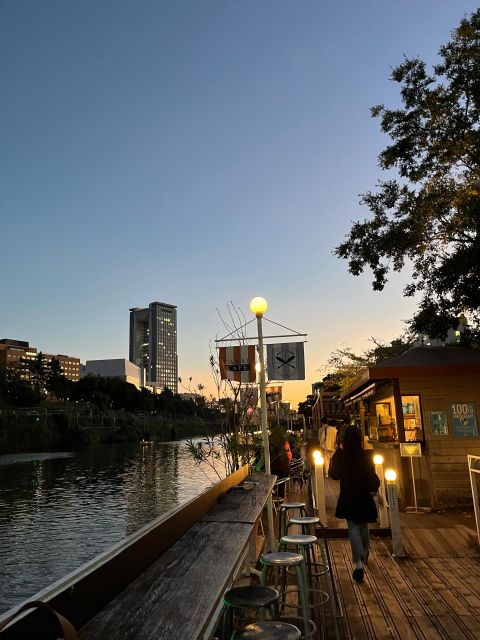
Tokyo museums can be perfect or pointless depending on your interests and your group’s age. This tour gives you options: you might choose art for kids or adults, a light-based museum for photo lovers, or a science museum that works well for families.
That flexibility is more than a convenience. In a one-day day, you don’t want to waste time indoors on the wrong match. A good museum choice can make the day feel complete without burning your energy.
A simple way to decide: if your group likes hands-on learning, go science. If you’re aiming for photos, consider the light-focused option. If you want calmer culture, pick art.
Shinjuku at Night: Shopping Streets and Kabukicho Glimpses
Shinjuku is a shopping area by day and a different world at night. The tour connects it to Kabukicho, described as one of the world’s biggest red-light district windows.
This is one of those parts of Tokyo where curiosity is fine, but comfort matters. If you’re traveling with teens or you simply prefer calmer streets, you can treat this segment as a brief look from the edge and keep the time controlled.
The practical value here is contrast. After temples and historic context, Shinjuku shows how Tokyo’s nightlife energy works—what people see, how the streets feel, and why this city can feel both modern and strange in the best way.
Ginza: Brand Shopping, Discount Guidance, and Clean Streets
Ginza is famous for brand shopping, and the tour says Rui can show you shopping discount options. In a one-day plan, that’s not just about saving money. It’s also about knowing where to look so you don’t spend hours hunting for the right store or deal.
Ginza is also a good “wrap-up neighborhood” for many groups. It’s easy to understand, and it often feels less chaotic than some other central areas. If your group wants a smooth landing after a long day, Ginza is a reliable option.
Imperial Palace and Tsukiji Market: Swap-In Options for Extra Flavor
The tour mentions additional worthy stops like Imperial Palace and Tsukiji Market. These can be great if your group wants variety beyond the classic tower-temple-shibuya loop.
How to use them: treat these as swap-ins rather than musts. If you’re aiming for fewer stops with more quality time, Imperial Palace can offer a calmer feel. If you want food energy and Tokyo’s market vibe, Tsukiji is the kind of place that adds texture quickly.
Secret Stop and the 6-Hour Sightseeing Block: Where the Day Gets Personal
You’ll have a long sightseeing stretch labeled as a secret stop segment. That uncertainty can sound scary, but it’s often the part that makes a private tour feel fresh. A guide can adjust the secret stop based on weather, energy, and what your group still wants to do.
This is also where Rui’s style shines, because she’s known for building a day around your choices. The private format helps here: you’re not competing with strangers for time, and you can ask for quick clarifications as you go.
Price and Value: Why $258 Per Group Can Be a Deal
The price is $258 per group up to 5 for a 1-day city walk tour. That may sound like a lot at first if you’re thinking per person. But if you split it across a small group, the cost can feel reasonable—especially because the tour includes guide service plus personal earphones.
Here’s the value equation I’d use:
- You’re paying to save time and confusion in a city that punishes inefficient planning.
- You get a private guide to adapt the day to your interests.
- You get earphones, which reduce stress and keep the day moving.
What’s not included matters too. Eating fees, entrance tickets (when something isn’t free), and transaction fees like bus rides are extra. The good news is that the tour hints that many stops in Tokyo can be free. Still, budget a little for meals and any paid entry you choose.
Also note: pickup is included, and that removes one more logistical headache.
Practical Comfort Tips for a Long Tokyo Day
Even with a great guide, one-day Tokyo requires smart choices. My advice is to:
- Pick a top priority for the day (temple, anime, shopping, or views) and let the rest support it.
- Plan on short photo stops instead of long wandering.
- If your group includes older visitors or kids, choose fewer landmarks and add time buffers.
Rui’s approach is built around adjusting the number of places based on your body’s ability, which is exactly what you want in a day tour.
Who This Tour Fits Best (and Who Might Want Another Plan)
This one-day tour is a great fit if you:
- Want to see major Tokyo highlights without a full-day planning headache
- Prefer a private group pace (up to 5) over big-group tours
- Like story and context, not just walking between landmarks
- Need help with trains and how to move efficiently
It may be less ideal if you:
- Want a totally slow, no-rush day with only one neighborhood
- Don’t want any crowd time (some stops can be busy)
- Plan to stop for many paid attractions and sit-down meals throughout the day
Should You Book This Tokyo City Walk Tour?
Yes—if your goal is to cover classic Tokyo sights with real guidance and you like the idea of customizing the day. The combo of private pacing, earphones, and the ability to choose stops based on energy level is a strong match for a first-time Tokyo visit.
Before you book, sanity-check two things: you’ll be walking a lot, and meals or paid entries won’t be included. If your group is ready for a full day and you want a guide to connect the dots between tower, temple, shrine, views, and pop-culture districts, this is a smart way to spend your time.
FAQ
What is the price for this Tokyo city walk tour?
It costs $258 per group, up to 5 people, for 1 day.
How long is the tour?
The tour lasts 1 day.
Where do you pick up the group?
Pickup options are Ginza or Shinjuku City. Pickup for a hotel around Ginza is also included.
What transportation is used during the tour?
The tour includes a short subway/metro segment (about 10 minutes) as part of the plan.
What languages are available for the guide?
The live tour guide is available in Japanese, Chinese, and English.
Is this a private tour?
Yes. The group type is private, up to 5 people.
Are entrance tickets included?
No. Enter ticket fees are not included if a stop requires paid entry.
Are meals included in the price?
No. Eating fees are not included.
Is the tour wheelchair accessible?
Yes. The tour is listed as wheelchair accessible.
Can I cancel for a full refund?
Yes. It offers free cancellation up to 24 hours in advance for a full refund.