REVIEW · TOKYO
Tokyo: teamLab Planets TOKYO Digital Art Museum Entry Ticket
Book on GetYourGuide →Operated by LINKTIVITY Inc. · Bookable on GetYourGuide
Tokyo turns your art-viewing into full-body play. At teamLab Planets TOKYO, your presence changes the artwork in huge, room-sized installations, with sound, light, and water pushing every sense at once. It’s a rare Tokyo stop where you don’t just look—you step in and participate.
The big watch-out: you enter barefoot and some areas involve knee-high water, so plan your clothing and comfort level. If you’re sensitive to light or have certain health concerns, this setup may not be a great fit.
In This Review
- Key Things to Know Before You Go
- The Heart of teamLab Planets TOKYO: Art That Responds to You
- Price and Value: Is $25 Worth It?
- Timing Rules: The “First 30 Minutes” Entry Window
- What “Barefoot” Really Means (and How to Dress)
- The Water Gallery: The Room That People Keep Talking About
- Orchids, Flower Walls, and the Falling Flowers Moment
- The Forest and Semi-Outdoor Atmosphere
- How the Experience Flows Across 10,000+ Square Meters
- Accessibility and Health Notes You Shouldn’t Ignore
- Transportation: Plan Your Day Around the Entry Time
- Solo vs. Group: When It Feels Fun, When It Feels Awkward
- Final Verdict: Should You Book teamLab Planets TOKYO?
- FAQ
- How long is the ticket valid?
- Can I buy tickets on the same day?
- What time do I need to arrive for entry?
- What do I need to bring to enter?
- Do I need a voucher to enter?
- Is the experience barefoot?
- Are lockers available?
- Is it accessible for wheelchair users?
- Is it okay if I have light sensitivity?
- Are there refunds if I’m late or change plans?
Key Things to Know Before You Go
- Your entry time matters: you can only get in during the first 30 minutes of your selected slot.
- The art reacts to you: interactive zones are designed so your movement affects what you see.
- Water rooms are real: in some areas, water can rise up to knee height.
- It’s designed barefoot: some floor areas include mirrored surfaces, so wear roll-up-ready pants.
- Accessibility is limited: some areas aren’t wheelchair-accessible, due to the exhibition’s design.
The Heart of teamLab Planets TOKYO: Art That Responds to You
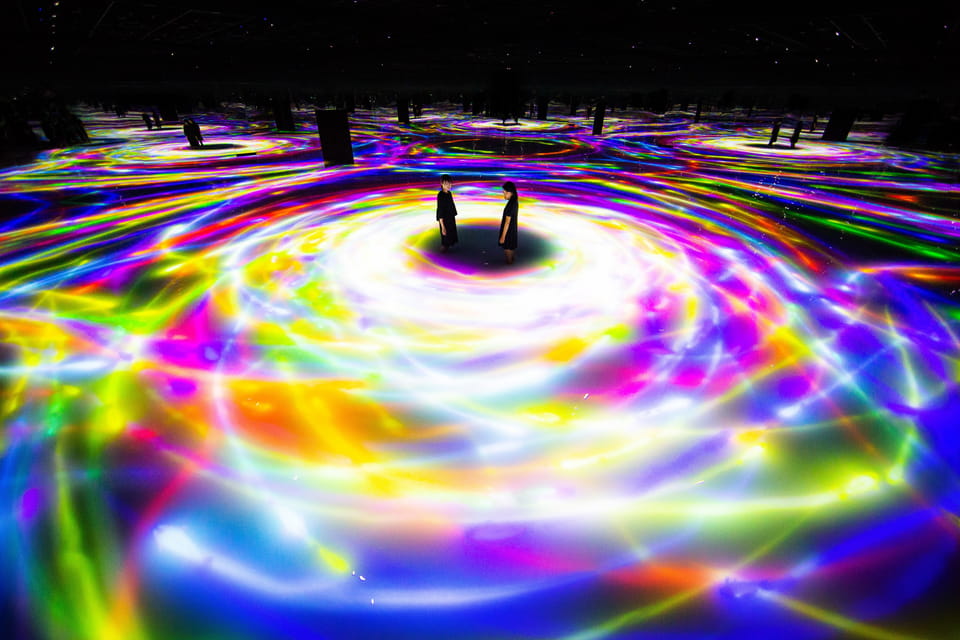
teamLab Planets TOKYO is built around a simple idea: you are part of the exhibit. As you move through each installation, your presence can change what happens—light patterns shift, visuals respond, and the space becomes something you’re moving through instead of looking at from a distance.
That design choice is why this place feels different from the typical museum flow. You’ll keep adjusting your pace. Stop to watch how an area responds to your movement, then slowly drift onward when you’ve got the hang of the rhythm. It’s the kind of art experience where the “story” isn’t printed on the wall—it’s created in real time by your actions.
I also like that it’s not just visual. The installation environment uses sound and sensory cues to guide you, so even when the visuals are complex, the experience remains easy to follow. Several rooms lean into dramatic atmosphere: soft light transitions, shifting audio, and full-space interactions that feel like stepping into a living scene rather than a screen.
One more thing: the museum covers over 10,000 square meters, so you’re not stuck in one or two “Instagram rooms.” The floor plan spreads out the experience across multiple zones—different lighting, materials, and effects—so the day doesn’t feel repetitive.
You can also read our reviews of more tours and experiences in Tokyo

Price and Value: Is $25 Worth It?
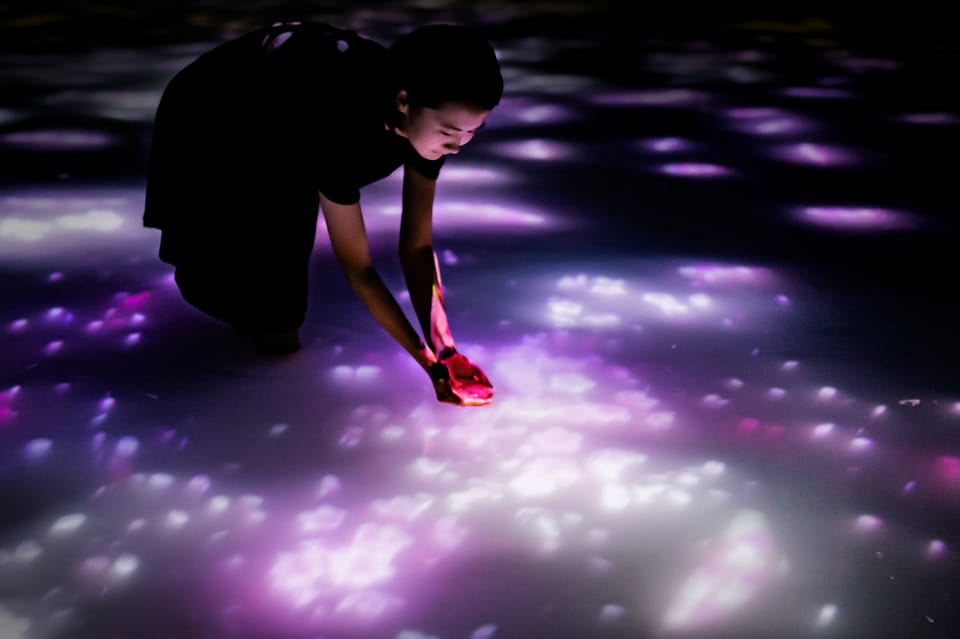
At about $25 per person, this is priced like a premium attraction, not a bargain museum ticket. But it usually plays like value if you treat it as a real time sink rather than a quick stop.
Why the value can be strong:
- You’re paying for multiple installations in one ticket, not a single highlight.
- The experience is participatory, which changes how “replayable” it feels compared with static displays.
- Reviews often point out the “wow factor” and how memorable it becomes—especially the water-related gallery and the flower-focused rooms.
A reality check: if you only have a tight schedule, the entry system and the way the space works may make it harder to squeeze in. You’ll want a bit of unhurried time so you can actually experience what each room is doing, not just rush through.
Also, transportation isn’t included. So your true cost is ticket + getting there. If you’re already planning a day around central Tokyo sights, this is easier to justify. If you’re coming from far out, you may want to pair it with nearby plans to keep the day efficient.
Timing Rules: The “First 30 Minutes” Entry Window
This is a ticket with a built-in schedule. Once you pick your entry time, you must arrive and enter within the first 30 minutes after your selected slot. Late arrivals aren’t refunded, and there’s no same-day ticket purchase option.
That affects your strategy. Don’t treat the ticket time as a vague target. It’s more like a doorway you need to reach promptly. If you’re pairing this with lunch or another activity, build in cushion.
You’ll also receive an official voucher by email, and you use it to enter. Plan to have it ready on your phone (or wherever you’re storing travel docs). Keep your passport or ID on you as well, since visitors may be asked to show ID for proof of age/school affiliation.
What “Barefoot” Really Means (and How to Dress)
You have to go barefoot inside. Some areas use mirroring materials on the floor, and that can change how slippery or reflective surfaces feel as you walk. More importantly, some zones include water that can rise up to knee height.
My practical take: wear trousers you can roll up past your knee comfortably. This isn’t about “fashion”—it’s about making sure you don’t spend the experience thinking about your clothes instead of enjoying the artwork.
A few other useful tips based on what people run into:
- If you get cold easily, remember the exhibition includes areas that feel semi-outdoor. Dress warm enough that you won’t be miserable once water enters the equation.
- If you’re carrying small items, there are lockers available. Don’t overpack—inside rules prohibit eating/drinking/smoking, so you’ll want to keep your gear simple.
One more comfort factor: the flow is managed, but some installations require a bit of walking and positioning. If you’re expecting a fully seated experience, adjust your expectations.
The Water Gallery: The Room That People Keep Talking About
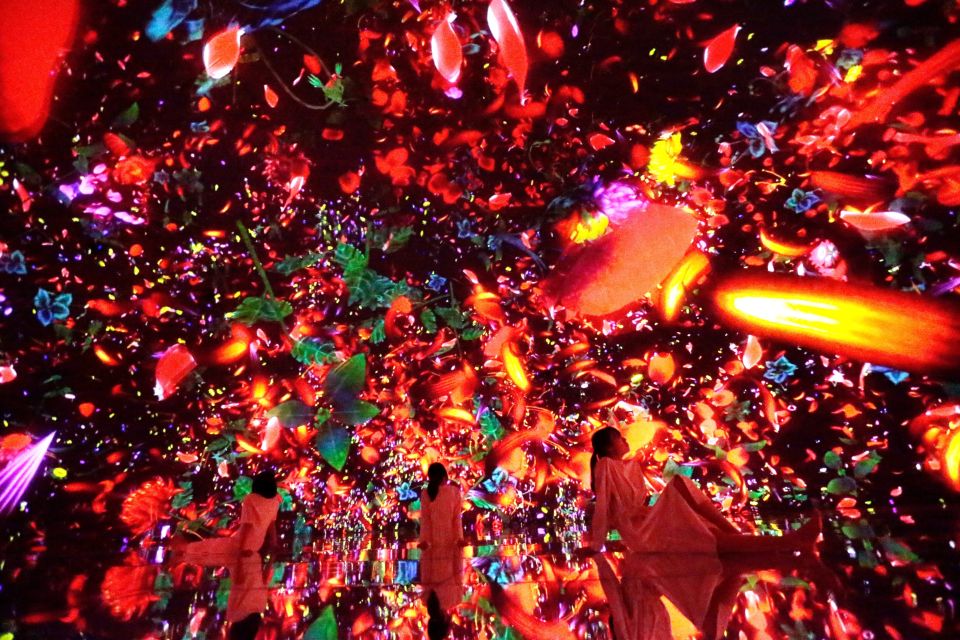
If you want one “anchor” experience, make it the water-focused installations. This is repeatedly called the standout area, and it makes sense: the combination of interactive visuals, guided movement, and real water turns the art into something physical.
Here’s what to expect in the water zones:
- You’ll enter areas where water is part of the artwork environment.
- Water levels can rise up to knee height, so expect a physical sensation, not just mist or decorative wet spots.
- The visuals react as you move, so your body language matters—slow changes can produce different effects than rushing.
Why this hits so hard: digital art is often something you watch. Here, you become part of the scene’s physics. When water surrounds your legs and the light shifts around you, the artwork stops feeling like a projection and starts feeling like a world.
This is also a place where you’ll want to be mindful of safety and comfort. If you have heart problems, this experience isn’t recommended. And if you don’t like unpredictable sensory environments, water rooms can feel intense—so pace yourself.
You can also read our reviews of more museum experiences in Tokyo

Orchids, Flower Walls, and the Falling Flowers Moment
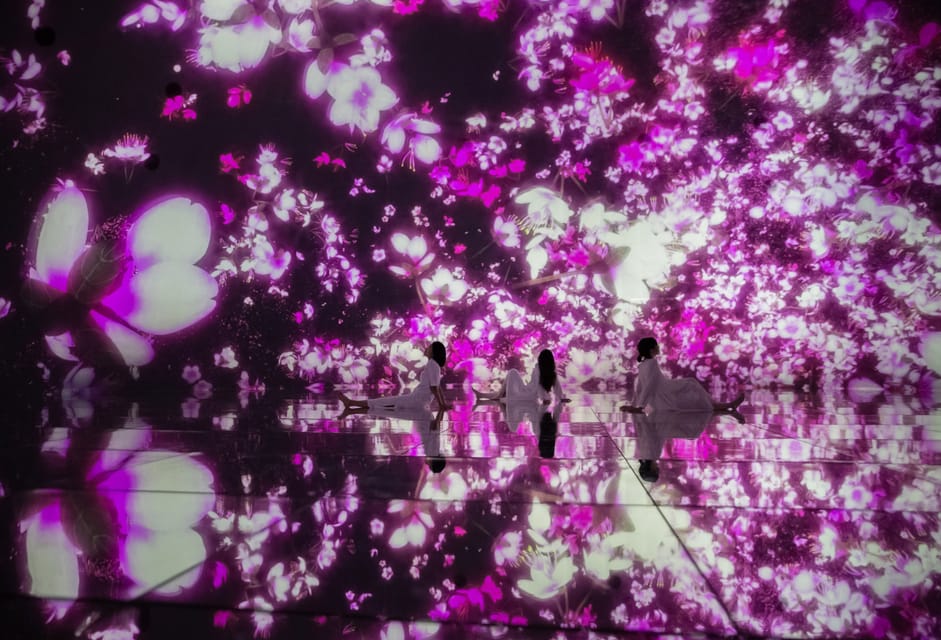
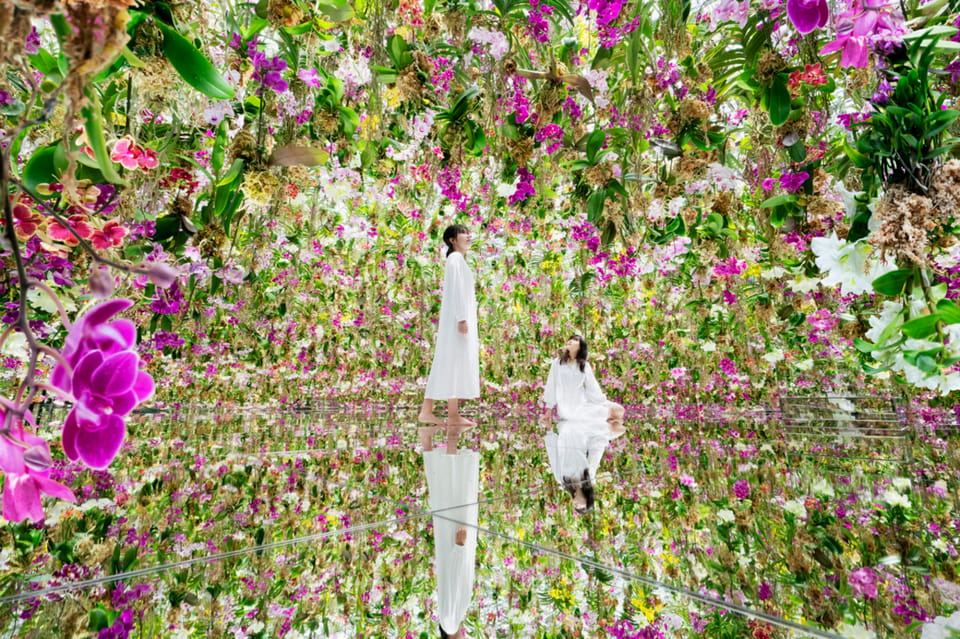
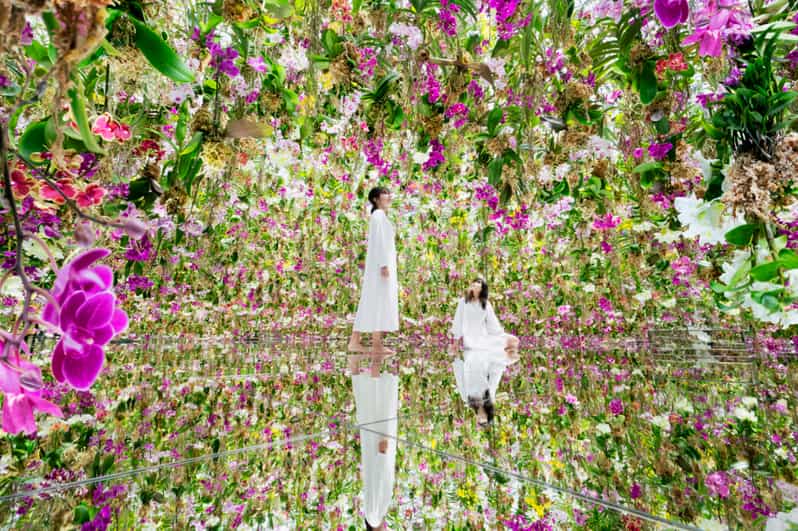
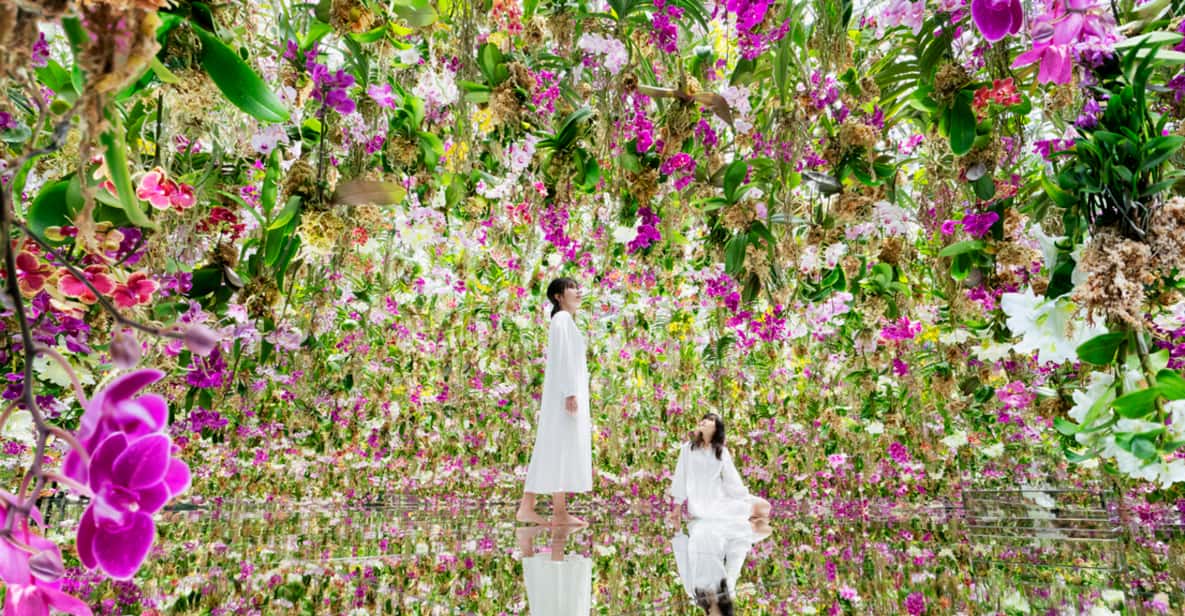
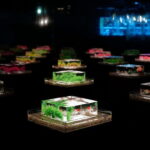
Beyond water, the museum leans heavily into flower-themed installations. The most repeated “wow” element is the feeling of being surrounded by falling flowers. There’s also a lot of love for orchid-centered rooms and flower petal walls.
What makes these spaces special is the way they use motion and scale:
- A flower room isn’t just a decoration. It becomes a moving environment where light and petals change around you.
- The scale is big enough that you can pause and look from different angles, almost like you’re walking through a living screen.
If you like photography, this is one of the easiest places to get great results—without needing to chase perfection. But my bigger advice is simpler: don’t just shoot. Spend a few minutes watching what happens when people move in and out of frame. The exhibit’s “reaction” quality makes the experience more interesting in motion than in a single still shot.
One thing to keep in mind: some areas can feel awkward solo. A few visitors mention that the interactive nature can feel a little self-conscious when you’re alone. If you get that vibe, it helps to focus on the visuals rather than your own performance. Move slowly, let an area play out, and then step to the side when you’re done.
The Forest and Semi-Outdoor Atmosphere
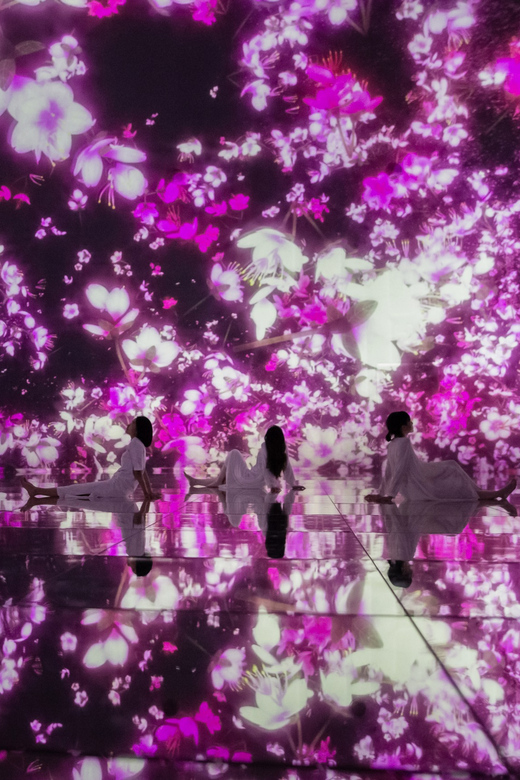
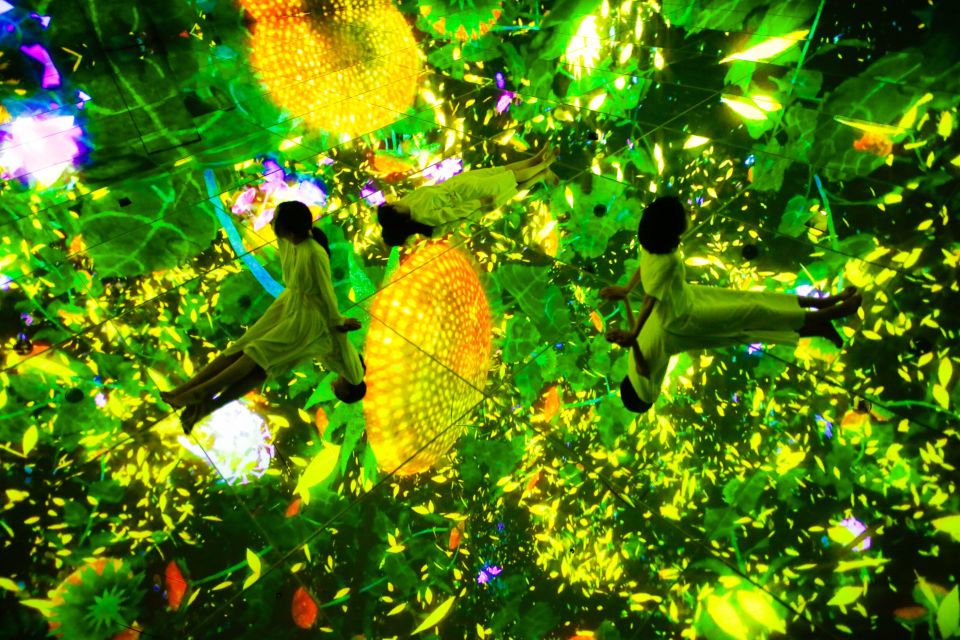
Some rooms create a forest-like feel and a calm, atmospheric tone. You might notice the exhibition doesn’t feel like one sealed cube. Parts of the experience can feel semi-outdoor, which helps the art environment breathe and also explains why you’ll want warm layers even in cooler months.
These sections tend to be good if you want a break from water intensity. They’re often described as emotional or reflective experiences—less like a ride, more like an environment you can slow down in.
Still, the museum uses sensory effects and lighting changes. If you’re sensitive to light, this won’t feel like a gentle walk. You may want to skip entirely if bright and shifting visuals affect you.
How the Experience Flows Across 10,000+ Square Meters
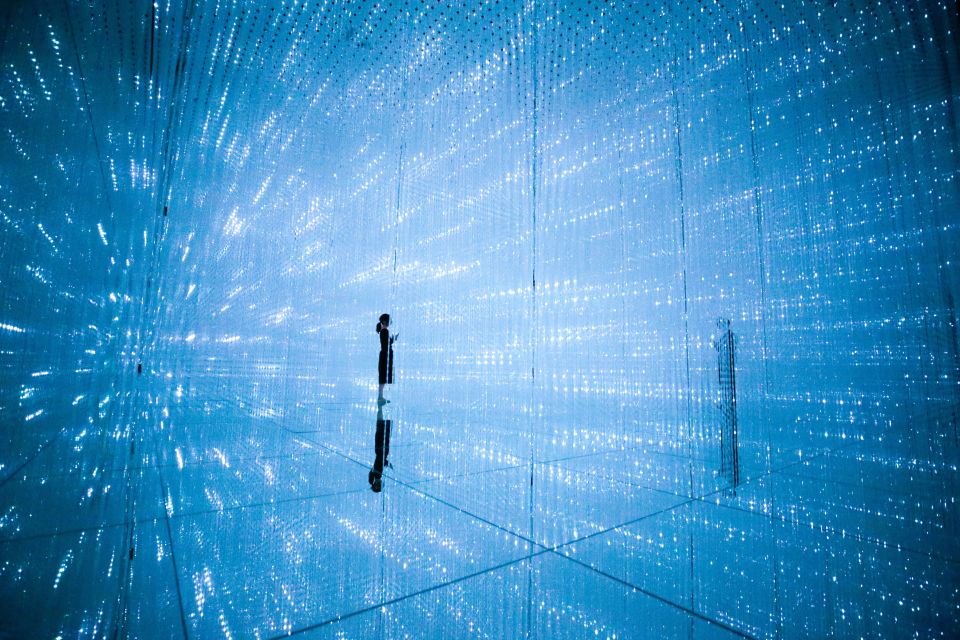
One of the best things about teamLab Planets is that it’s spread out. With over 10,000 square meters, you get variety without feeling like you’re sprinting between isolated “set pieces.”
The typical flow you’ll experience:
- You start with a digital environment you can walk into and explore.
- You move through zones with different visual rules—some more active, some more atmospheric.
- Then you hit the major sensory areas (water and flower-focused rooms), which are the most memorable and easiest to plan around.
This matters because it affects how you manage your energy. Don’t try to “finish” every room as fast as possible. Instead, pick your priorities—water gallery, falling flowers, orchids—and then let the rest support those anchor moments.
Also, plan for the fact that it can get busy. The experience is managed, and staff control the traffic, but the environment can feel hectic in certain zones if you show up during peak times. If you have the option to choose a less busy entry slot, that can make a noticeable difference.
Accessibility and Health Notes You Shouldn’t Ignore
This exhibition is not designed for every body.
- Some areas are not accessible by wheelchair due to the exhibition layout and how certain zones work.
- It’s not recommended for people with heart problems.
- It’s not recommended for people with epilepsy.
- It’s also not recommended for people with light sensitivity.
Even if you don’t have a listed condition, ask yourself honestly: do you handle bright, changing lights and sensory stimulation well? teamLab Planets is a full-environment experience. It isn’t a calm “look and learn” museum.
If accessibility is important to you, you should confirm which areas are reachable based on the exhibition’s setup before committing your day.
Transportation: Plan Your Day Around the Entry Time
Transportation isn’t included, and that’s a bigger deal than it sounds. With the strict entry window rules and the voucher-based entry, you’ll want predictable transit.
My recommendation: pick your entry time, then plan your route so you arrive early enough to settle in and get ready. If you’re coming from elsewhere in Tokyo, treat this as a primary appointment, not a last-minute add-on.
If you’re aiming to minimize waiting, earlier or less busy time slots tend to help. You may still experience crowd flow (especially around the most popular rooms), but the overall experience is managed.
Solo vs. Group: When It Feels Fun, When It Feels Awkward
This is one of those experiences that works for couples and families, but it can feel different solo.
Good solo moments:
- Watching how the visuals react as you move at your own pace.
- Spending extra time in the flower or reflective zones.
Potential awkward moments:
- Interactive setups can feel like you’re performing, especially when there’s a lot of attention from around you.
The fix is simple: treat the exhibit like a slow walk with pauses. Step into an installation, let it play, then step aside. You’re not graded on how “right” you do it.
Final Verdict: Should You Book teamLab Planets TOKYO?
Book it if you want a high-impact, sensory, interactive art day. It’s especially worth it if you love the idea of being part of the artwork—then the water and flower rooms deliver the kind of memory you’ll keep talking about after Tokyo.
Skip or think twice if:
- You’re sensitive to light or easily overwhelmed by shifting visual effects.
- You have health concerns like heart problems or epilepsy.
- Accessibility needs are strict, since parts of the exhibition aren’t wheelchair-friendly.
Best move for value: treat the ticket as your main activity. Give it time to breathe, dress for water and barefoot rules, and plan your arrival so you can enter within that first 30 minutes.
If you’re choosing between a “quick museum” and a “whole-body Tokyo experience,” teamLab Planets TOKYO leans strongly toward the second.
FAQ
How long is the ticket valid?
The ticket is valid for 1 day. Check availability to see starting times.
Can I buy tickets on the same day?
No. It is not possible to purchase tickets for admission on the same day.
What time do I need to arrive for entry?
Entrance is only possible in the first 30 minutes after your selected entry time. Late arrivals aren’t refunded.
What do I need to bring to enter?
Bring a passport or ID card.
Do I need a voucher to enter?
Yes. An official voucher is emailed to you, and you must use it to enter the facility.
Is the experience barefoot?
Yes. Visitors have to enter barefoot.
Are lockers available?
Yes. Lockers are available for small items.
Is it accessible for wheelchair users?
Some areas are not accessible by wheelchair due to the nature of the exhibition.
Is it okay if I have light sensitivity?
This experience is not recommended for people with light sensitivity.
Are there refunds if I’m late or change plans?
No refunds are provided. The activity is non-refundable, and there are no refunds for late arrivals.
If you tell me your travel month and whether you prefer earlier or later entry times, I can help you pick the most comfortable strategy for timing and clothing.