REVIEW · TOKYO
Tokyo: Shinjuku tour with university students in Tokyo
Book on GetYourGuide →Operated by And Nature Corporation · Bookable on GetYourGuide
Night Shinjuku helps you read Tokyo fast. This English tour with university student guides strings together shrine atmosphere, entertainment districts, and night views in just two hours—plus real talk about what changes with the seasons. You’ll get a side-by-side look at Shinjuku as a mix of tradition and modern city life.
I especially like seeing Hanazono Shrine at night and then switching gears to the entertainment streets, because it makes Shinjuku feel understandable instead of overwhelming. I also like that the guides bring seasonal event context, so your photos come with meaning, not just labels.
One consideration: food and drink aren’t included, so plan to eat before or after the tour, especially if you’re using it as your main evening plan.
In This Review
- Key highlights worth planning around
- Shinjuku After Dark: What 2 Hours Really Covers
- Starting at Hanazono Shrine: Calm before the city noise
- Golden Gai: A guided way to understand an entertainment maze
- Kabukicho: Turning nightlife into something you can navigate
- Tokyo Metropolitan Government Building: The night-view payoff
- Price and value: Is $67 fair for this mix?
- The university student guides: Friendly, English-speaking, and practical
- Seasonal event context: Why it matters in Shinjuku
- Who this tour suits best
- Should you book this Shinjuku tour?
- FAQ
- How long is the Shinjuku tour?
- Where does the tour start?
- Where does the tour end?
- Is the tour guided in English?
- Are food and drinks included?
- What major stops are included?
- What does the $67 price include?
- What are the booking and cancellation rules?
Key highlights worth planning around
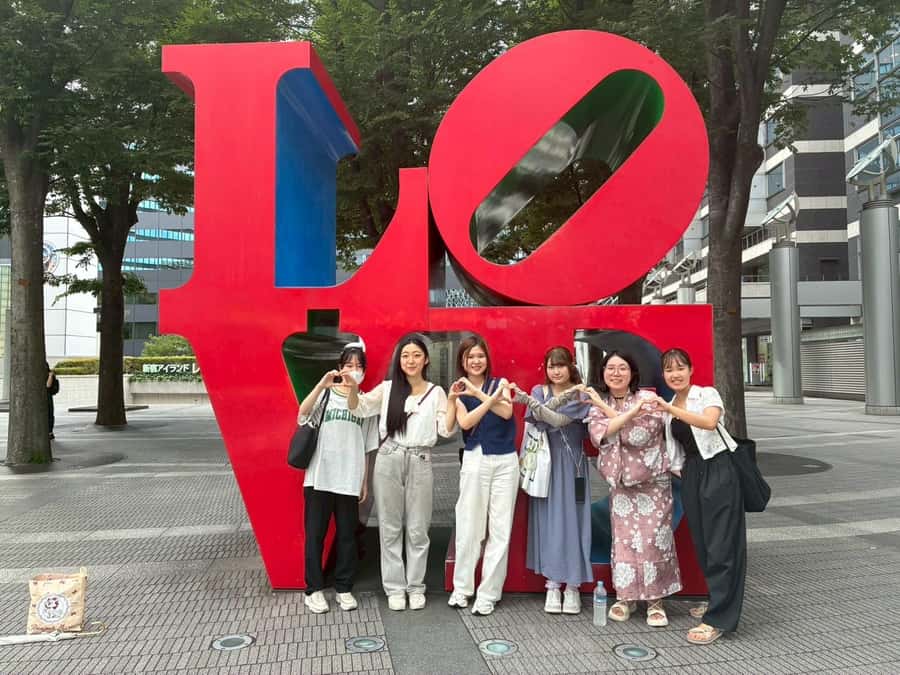
- English-speaking university student guides keep the pace relaxed and the explanations clear
- Hanazono Shrine at night shows Shinjuku’s quieter, historical side
- Golden Gai and Kabukicho give you a guided entry into Tokyo’s entertainment districts
- Tokyo Metropolitan Government Building observation deck delivers a payoff night panorama
- Seasonal event info helps you understand what’s happening beyond the streets
Shinjuku After Dark: What 2 Hours Really Covers
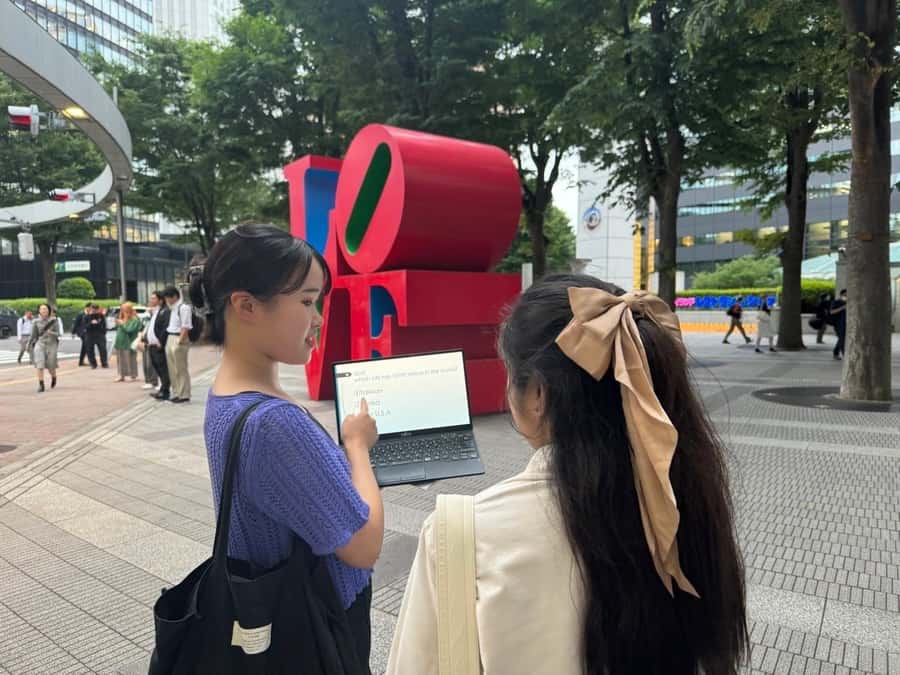
Shinjuku can feel like it has too many settings at once. One minute you’re surrounded by shops and business buildings; the next, you’re near shrines and parks with a much older rhythm. This tour leans into that contrast on purpose. In two hours, you’ll move through parts of Shinjuku that represent the daytime city and the night city, without trying to do everything.
The big value here is focus. You’re not just passing landmarks—you’re getting pointed context from university students who guide in English. That matters because Shinjuku is famous for being crowded and complicated. A guided night route turns the noise into a storyline: where tradition fits, where entertainment lives, and how the city looks when you step back from street level.
And yes, you’ll get the night view payoff. The Tokyo Metropolitan Government Building stop is built for that moment when you finally see the scale of the area at once.
You can also read our reviews of more tours and experiences in Tokyo.

Starting at Hanazono Shrine: Calm before the city noise
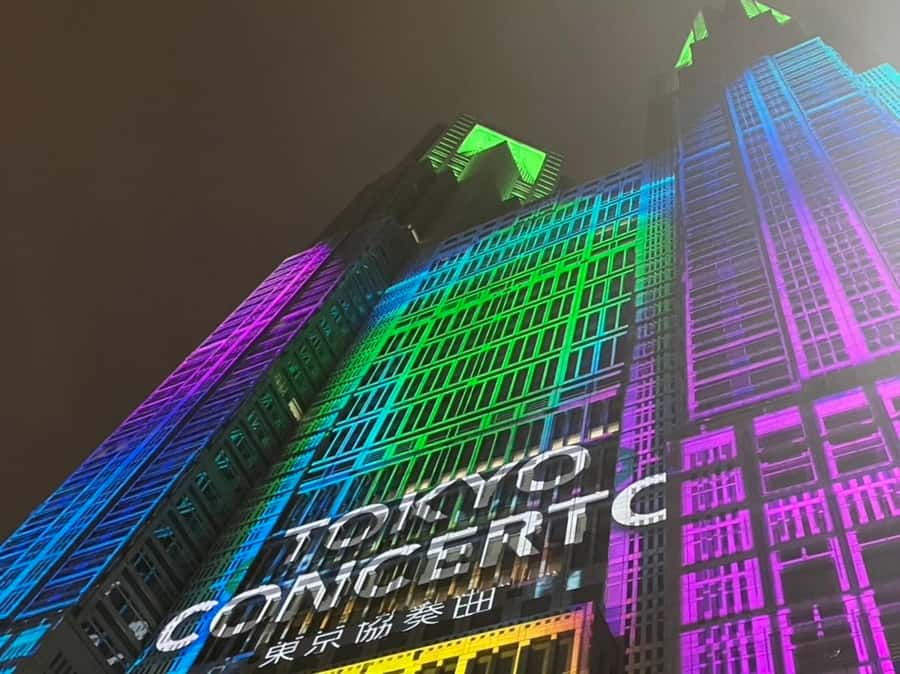
Your tour starts at the entrance of 花園神社 (Hanazono Shrine). This opening sets the tone. Even if you’ve seen Shinjuku’s crowds on other trips, starting at a shrine grounds you in Tokyo’s longer timeline first.
From there, the tour’s logic is simple: you’ll go from the shrine atmosphere into the entertainment-heavy sections of Shinjuku. That shift is exactly why this start works. It’s not only scenic; it helps your brain stop treating Shinjuku as one giant blur.
If you’re the type who enjoys learning what you’re looking at—how shrines operate, what to notice, how the atmosphere changes at night—this first stop is a strong foundation. The tour also includes information about events that show up depending on the season and month, which means your questions will have somewhere to land.
Golden Gai: A guided way to understand an entertainment maze
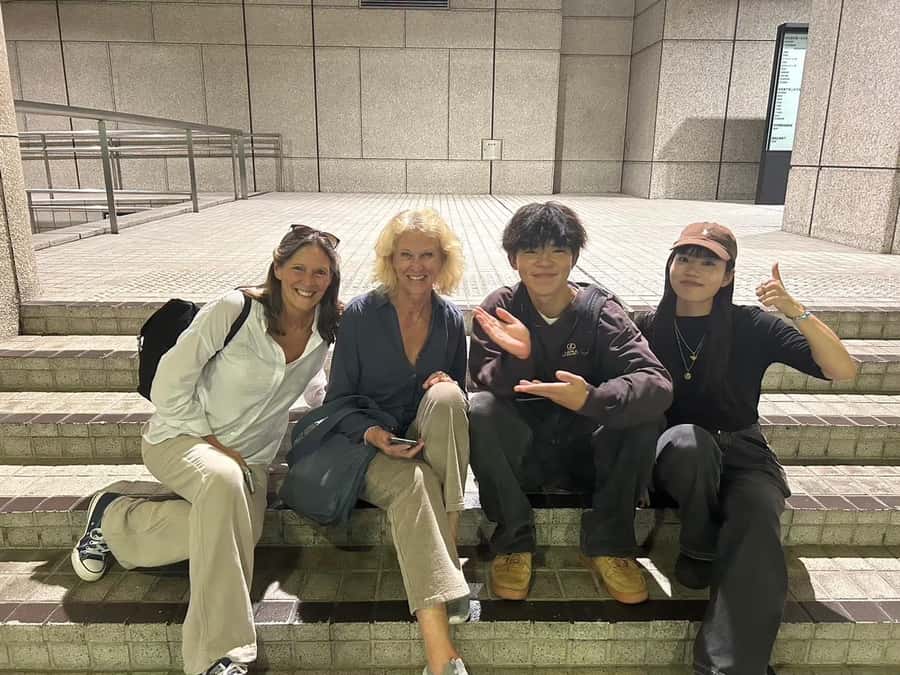
After Hanazono Shrine, you’ll head into Golden Gai, one of Shinjuku’s best-known entertainment areas. It’s the kind of place where the streets can look like they’re made for wandering. But wandering is easier when you understand what you’re actually walking through.
The tour approach here is to make Golden Gai feel legible. Instead of leaving you to guess, the university student guides connect what you’re seeing to how the district works at night and why it has its reputation.
There’s also a practical side: the tour is designed to be comfortable timing-wise for moving through a busy area. You’re not solving Shinjuku’s crowd problem alone. You’re doing it with a plan.
The drawback with Golden Gai, like with most entertainment districts, is that it can move fast. Two hours means you’ll get snapshots, not long stays. If you want a slow, linger-and-relax night, you may enjoy using the tour as your introduction and then coming back on your own with more time.
Kabukicho: Turning nightlife into something you can navigate
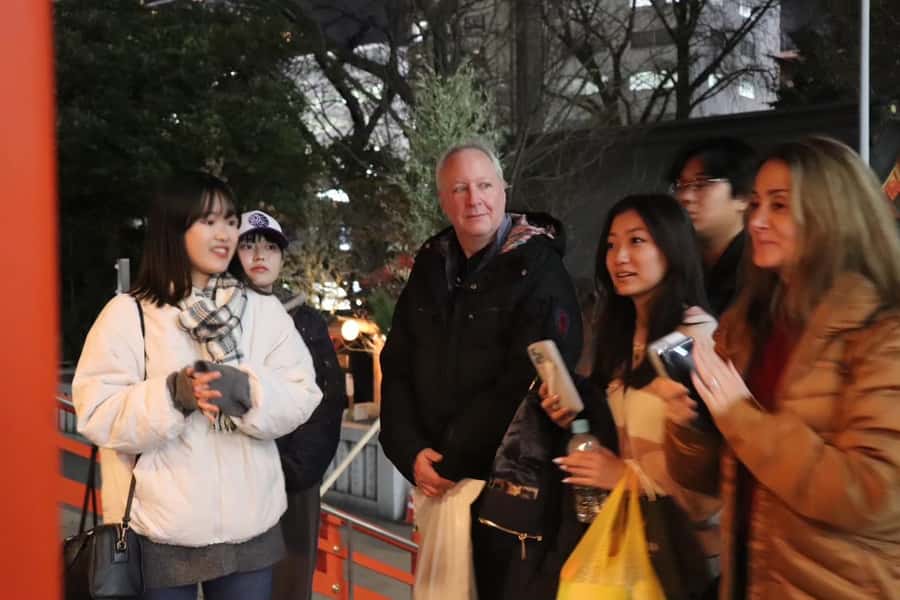
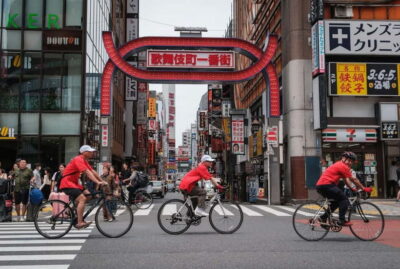
Next up is Kabukicho, another major entertainment zone. This stop is where Shinjuku really shows its modern pulse. The streets here are part of Tokyo’s night identity, and they can overwhelm visitors who expected Shinjuku to be only shopping towers and office buildings.
On this tour, Kabukicho isn’t treated like a one-note party zone. You’re guided through it as a place with structure—where entertainment concentrates, what kind of atmosphere to expect, and how it fits into the larger Shinjuku picture.
One of the most praised aspects of the tour is the way the guides speak English and keep things friendly. That shows up especially in areas like Kabukicho, where it’s easy to feel out of place if you don’t know what to look for or how to ask questions. The guides don’t just point; they explain in plain language and keep the conversation moving.
Also, the tour includes info about seasonal events that can’t be fully covered anywhere else in a quick evening walk. That gives you something to think about besides the lights and crowds.
Tokyo Metropolitan Government Building: The night-view payoff
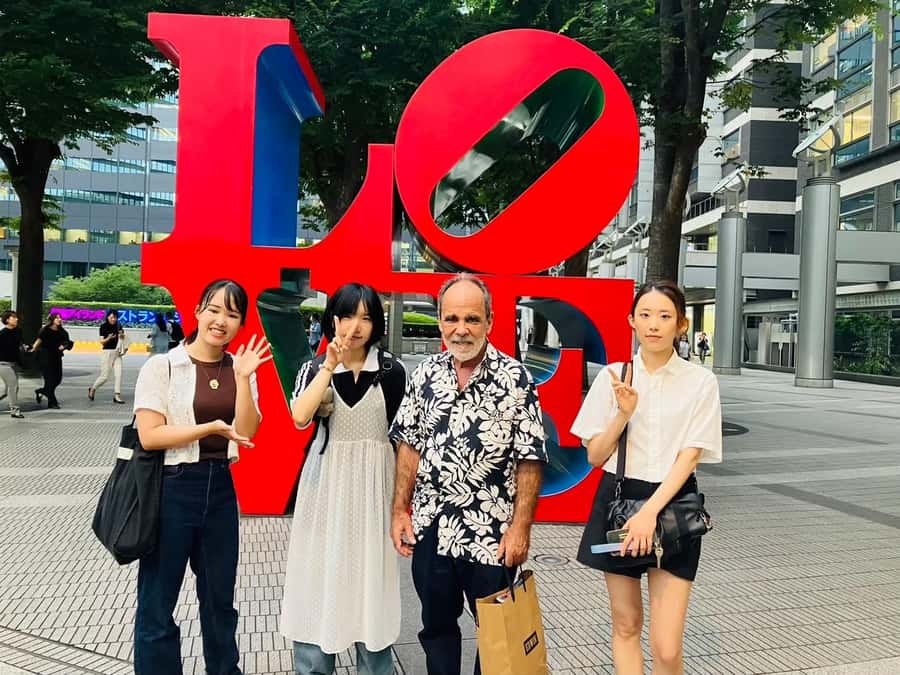
The tour’s final big visual moment is the Tokyo metropolitan government building observation deck. This is where the whole night route makes sense. At street level, Shinjuku can feel like a tangle of activity. From an observation deck, you get the scale—how different neighborhoods sit next to each other and how dense the city really is.
This stop is a good reminder of why guided tours can be worth it even when you already know the famous landmarks. The deck isn’t just another viewpoint. It’s the clean, high-contrast end to a route that starts with Hanazono Shrine and then shifts into entertainment districts.
If your goal is photos, this is your easiest win. If your goal is understanding, this is your biggest learning moment. Either way, it’s a strong finish.


Price and value: Is $67 fair for this mix?
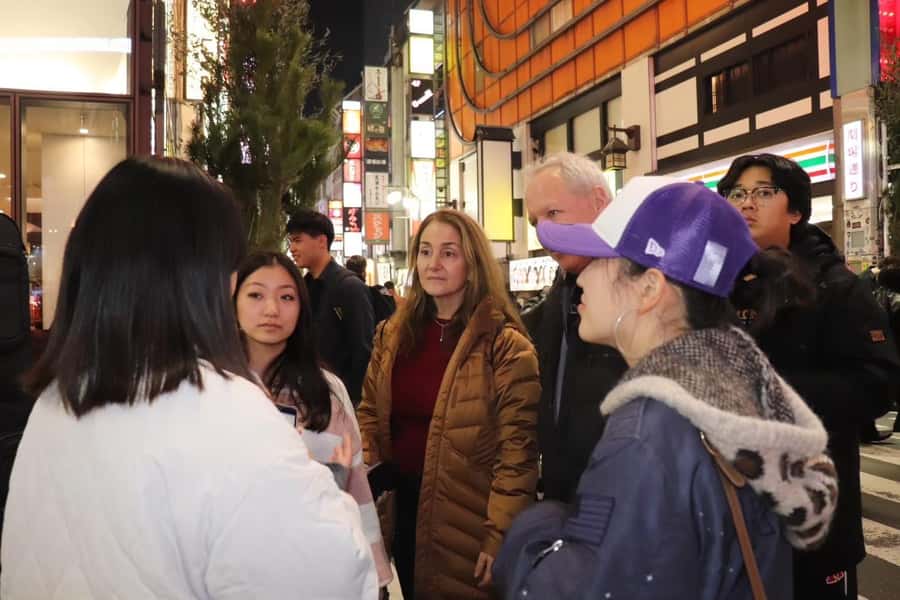
At $67 per person, you’re paying for two things: time and guidance. The tour includes university student guides, which is the core product here. Food and drink aren’t included, so your money goes toward the guided route and the explanations that connect each stop.
For a two-hour evening tour in a top area like Shinjuku, $67 is a reasonable value if you want structure. You’re saving yourself the effort of figuring out how to connect shrine atmosphere with entertainment streets and still end with a proper city-view moment.
If you’re the kind of traveler who enjoys self-guided wandering with no need for background, you might feel like you could do it cheaper on your own. But that’s not what this tour is selling. It’s selling clarity—English explanations, seasonal event context, and an easy path through a place that can feel complex.
So think of it this way: you’re paying to make Shinjuku feel navigable, not just to check off names.
The university student guides: Friendly, English-speaking, and practical
This tour’s standout in the feedback is the human element. The guides are described as kind and fun to talk with, and they come across as genuinely informative. One recurring theme is how well they connect the dots: shrines and night streets, entertainment areas and Tokyo life, and what changes with the seasons.
Because they’re university students speaking English, you can ask basic questions without feeling like you’re holding up a professional lecture. That’s a big deal in Shinjuku, where travelers often want context fast and don’t want to wade through a lot of technical detail.
Also, the tone matters. The tour is described as easy-going, and that matches the plan: a comfortable, two-hour evening route. You’re not being rushed, but you are moving through multiple areas, so the pacing needs to stay manageable. Based on the feedback, the guides did that well.
If you enjoy learning how a place fits into everyday Tokyo—how young people talk about growing up in the city—this tour style is a good fit. It’s not only about what you see, it’s about how locals frame it.
Seasonal event context: Why it matters in Shinjuku
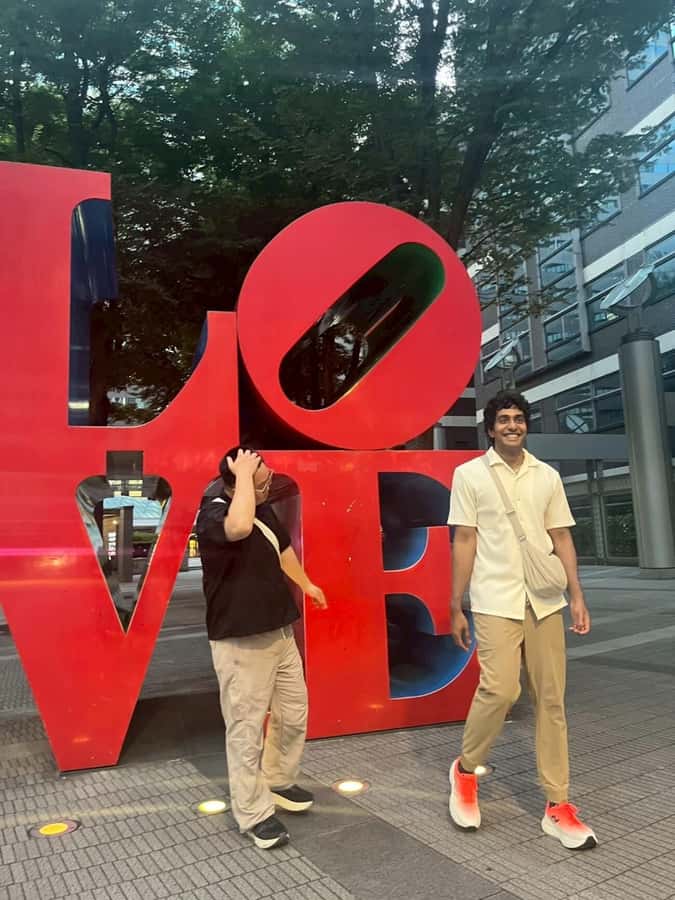
Shinjuku changes with the calendar. The tour includes information about events happening in different seasons and months, and it notes that the guides cover what you can’t fully get elsewhere during a short visit.
This is more than trivia. Seasonal context helps you stop treating the city like a static postcard. When you understand what’s happening now—what kind of events season brings—you interpret the streets differently. Even if the events themselves aren’t your main focus, the explanations add meaning to the places you pass.
It’s also a smart way to make a short tour feel less short. Without seasonal context, two hours in a crowded area can feel like a quick highlight reel. With it, you leave with a better mental map of Shinjuku over time.
Who this tour suits best
This experience is a strong match if you want:
- English guidance in Shinjuku, especially at night
- A mix of shrines plus entertainment districts, not just shopping or just nightlife
- A simple way to understand a complex-feeling area without overplanning
It’s also a good option if you’re traveling with a group vibe that likes conversation. The guides being approachable and friendly is part of the product, not an add-on.
If you’re looking for long, slow downtime, or you want a full meal included, you may prefer something else. Here, the format is short and focused, and food isn’t part of the price.
Should you book this Shinjuku tour?
Book it if you want a straightforward introduction to Shinjuku that covers the contrast you came for: Hanazono Shrine at night, then Golden Gai and Kabukicho, capped with the observation deck view. The guide style is a big part of why people rate it so highly—English-friendly, kind, and genuinely informative.
Skip it (or pair it with something else) if you’re only interested in self-directed sightseeing, or if you need your evening to include a meal. Since food and drink aren’t included, treat this tour as a guided route plus viewpoints, and plan dinner around it.
Given the two-hour structure and the variety of stops, I think it’s a solid value for anyone who wants Shinjuku to feel less confusing and more meaningful.
FAQ
How long is the Shinjuku tour?
The tour runs for about two hours.
Where does the tour start?
It starts at the entrance of 花園神社 (Hanazono shrine).
Where does the tour end?
The tour ends back at the meeting point.
Is the tour guided in English?
Yes, the tour is offered in English.
Are food and drinks included?
No, food and drink during the tour aren’t included.
What major stops are included?
You’ll visit Hanazono Shrine, Golden Gai, Kabukicho, and the Tokyo metropolitan government building observation deck.
What does the $67 price include?
The price includes university student guides.
What are the booking and cancellation rules?
You can reserve and pay later (book your spot and pay nothing today). You can cancel up to 24 hours in advance for a full refund.
If you tell me your travel dates and whether you’re aiming more for nightlife photos or shrine atmosphere, I can suggest a simple plan for what to do before and after this 2-hour tour.