REVIEW · TOKYO
Tokyo: Private Customizable Day Tour with Chauffeur
Book on GetYourGuide →Operated by Sky Land · Bookable on GetYourGuide
Tokyo can feel like a maze. This private day tour helps you hit the big icons without wasting hours figuring out trains.
I really like the private, customizable flow and the fact that an English-speaking chauffeur keeps the logistics simple while you concentrate on seeing Tokyo. The built-in guided time at each stop is a second win, because you get context instead of wandering with only a map.
One thing to weigh: this plan is not for everyone, since it’s 10 hours of walking and it’s explicitly not suitable for wheelchair users, children under 5, or pregnant women.
In This Review
- Key takeaways before you go
- A Private Chauffeur Day That Keeps Tokyo Straight
- Price and value: $335 per group up to 6
- Where you’ll get picked up and how drop-offs work
- Shibuya City: the energy switch on day one
- Tsukiji Outer Market: seafood in the middle of the action
- Senso-ji Temple: history you can walk through
- Tokyo Tower: classic skyline views
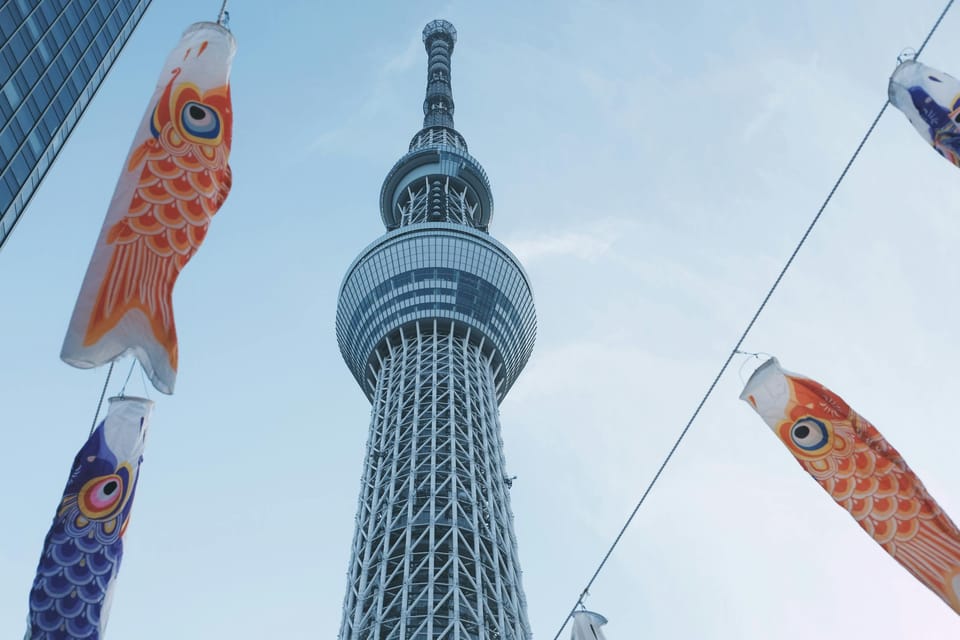
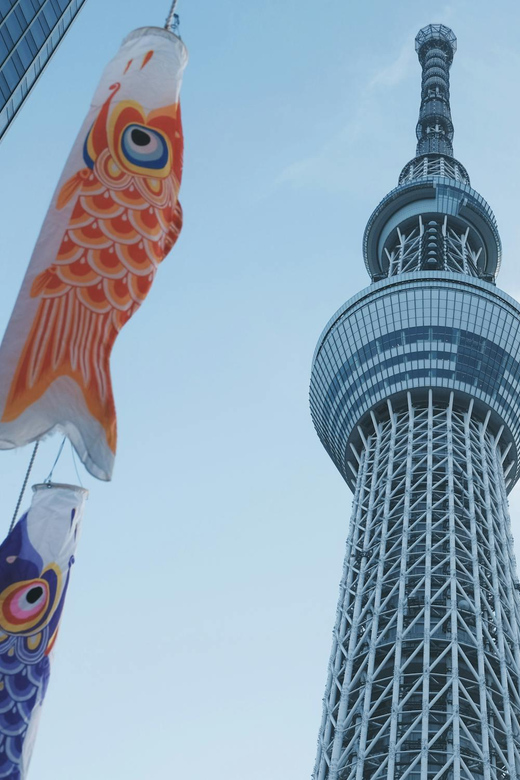
- Tokyo Skytree: a second viewpoint with a different feel
- Meiji Shrine: a calm break from the city rush
- Tokyo Imperial Palace area: grandeur without the chaos
- Shibuya Crossing finish: the day ends where Tokyo moves
- Timing: 10 hours is a lot, but the structure matters
- Language support: English plus Arabic, Urdu, Hindi
- What to bring, and what the rules mean for your day
- Small-group perks: up to 6 people
- Should you book this Tokyo private custom day with chauffeur?
- FAQ
- How long is the Tokyo private customizable day tour?
- How much does the tour cost?
- What’s included in the price?
- Are drinks included?
- Where are pickup and drop-off available?
- Is pickup available from a ferry or cruise terminal?
- What languages are available for the guide?
- What are the key restrictions during the tour?
Key takeaways before you go
- Private group up to 6 means you can move at your pace without rushing strangers.
- Tsukiji Outer Market + guided stops gives you structure where Tokyo can be chaotic.
- Tokyo Tower and Tokyo Skytree cover two different city-view styles in one day.
- Meiji Shrine and the Imperial Palace area balance the loud streets with calmer, traditional spaces.
- Shibuya City and Shibuya Crossing end your day with real Tokyo energy.
- Multiple pickup areas across Tokyo wards and the Mt. Fuji area helps you avoid extra transfers.
A Private Chauffeur Day That Keeps Tokyo Straight
For a first-time Tokyo visit, the biggest problem isn’t the sights. It’s everything around the sights—timing, directions, and getting from one area to the next without burning your whole day on transit.
This tour solves that with a private group and a chauffeur. You’re not waiting for a crowded bus, and you’re not guessing which station is closest to the entrance you actually want.
The “customizable” part matters too. Even with major landmarks on the route, you get room to slow down, take photos, or spend a little longer where your interest actually lands. Think: fewer check-box vibes, more control.
You can also read our reviews of more private tours in Tokyo
Price and value: $335 per group up to 6
You’re paying $335 per group for up to 6 people, with a full 10-hour day, chauffeur service, and guided time at each stop.
Here’s the real value math: if you fill the group, it’s roughly $56 per person for a full day of transport plus multiple guided segments. If it’s just 2 people, the price per person jumps—but you’re still paying for convenience, not just sightseeing.
I also think this kind of day tour is often worth it when your itinerary has heavy “distance” days. Tokyo is huge, and moving across neighborhoods costs time. If you want Tsukiji, Asakusa (Senso-ji), major viewpoints, shrine space, and Shibuya in one day, a chauffeur is a practical shortcut.
Where you’ll get picked up and how drop-offs work
Tokyo is your starting line. Pickup is included from Tokyo’s 23 wards and the Mt. Fuji area. The listed wards cover basically all the places most visitors stay, including Chuo, Chiyoda, Minato, Shibuya, Shinjuku, and more.
There’s also a heads-up that the tour isn’t set up for pickup from ferry or cruise terminals. If you’re arriving that way, you’ll want to plan a separate meeting point.
Drop-off is flexible too, including Shibuya City, Tokyo, and Kanagawa. That’s great because it prevents the classic problem of getting dumped back somewhere inconvenient for dinner or your hotel.
Timing-wise, you’ll be asked to wait in the hotel lobby 10 minutes before your scheduled pickup time. The driver waits no longer than 60 minutes after the scheduled time, and traffic on Tokyo highways can cause delays. I’d treat that as a “buffer” warning, not a surprise strategy—plan to be ready.
Shibuya City: the energy switch on day one
You start in Tokyo and then head to Shibuya City for a guided visit. This is a smart opening stop because Shibuya is where Tokyo feels most modern and fast-moving.
A guide here helps you “read” the area instead of just staring at giant screens. You’ll be able to connect the vibe to what’s around you—street layout, movement patterns, and why Shibuya is such a magnet for both locals and visitors.
If you’re sensitive to crowds, you might want to pace yourself on this part. Shibuya is popular, and you’ll likely do some walking and looking up. Comfortable shoes are not optional here.
Tsukiji Outer Market: seafood in the middle of the action
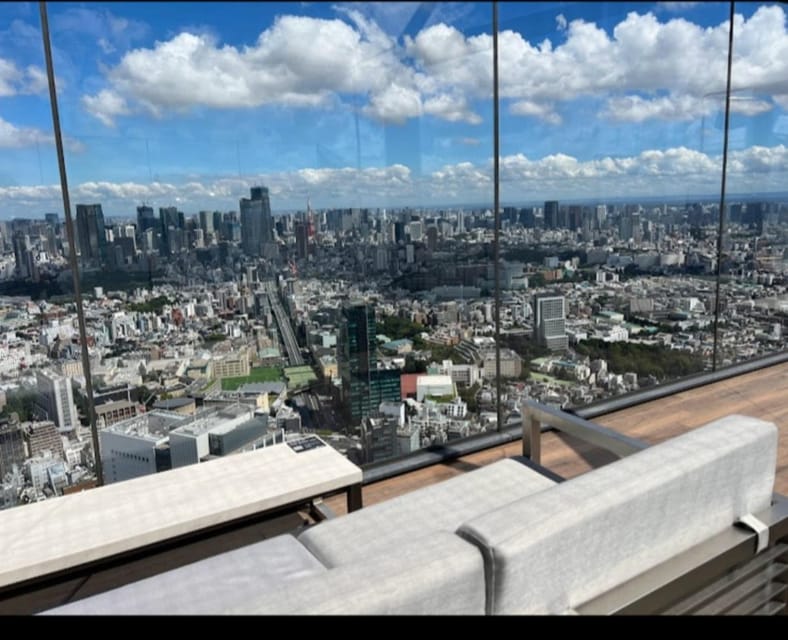
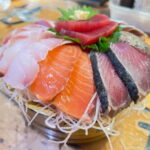
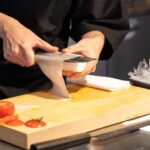
Next up is Tsukiji Outer Market. This is the place where Tokyo’s food culture feels immediate and hands-on: narrow streets, busy stalls, and people flowing in tight lanes.
The tour includes a guided visit at this stop, which is a big deal. Market areas can be overwhelming, especially when signs and menus are moving fast. A guide helps you focus on what’s worth your time rather than just what looks loudest.
About food: the tour highlights mention fresh seafood tasting, but the rules also say no eating during the tour. That doesn’t mean Tsukiji isn’t for food lovers—it means you should follow the guide’s instructions at the moment. If sampling is part of the plan, it’ll happen within the tour’s rules. If not, you’ll still enjoy the market experience and can plan your meal separately after.
You can also read our reviews of more tours and experiences in Tokyo

Senso-ji Temple: history you can walk through
After Tsukiji comes Sensō-ji Temple. If Tsukiji gives you Tokyo’s stomach, Sensō-ji gives you Tokyo’s memory.
This stop is guided, and that matters because Sensō-ji isn’t just a photo spot. It’s a layered place with religious meaning and a well-worn visitor path. A guide can help you understand what you’re seeing as you move through it.
You’ll also appreciate that the tour is designed for your pace. Temple visits work better when you can slow down for details—lanterns, incense area rules, and the rhythm of the crowds.
Practical note: you’ll be on your feet. You’ll want comfortable shoes, and water helps. The tour specifically asks you to bring water and wear sunscreen if needed, which is smart for outdoor walking.
Tokyo Tower: classic skyline views
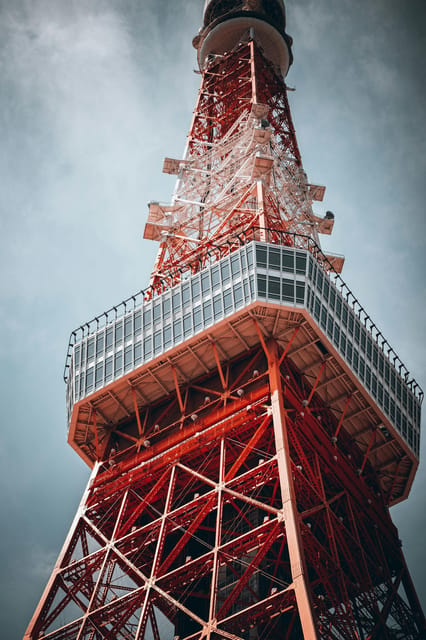
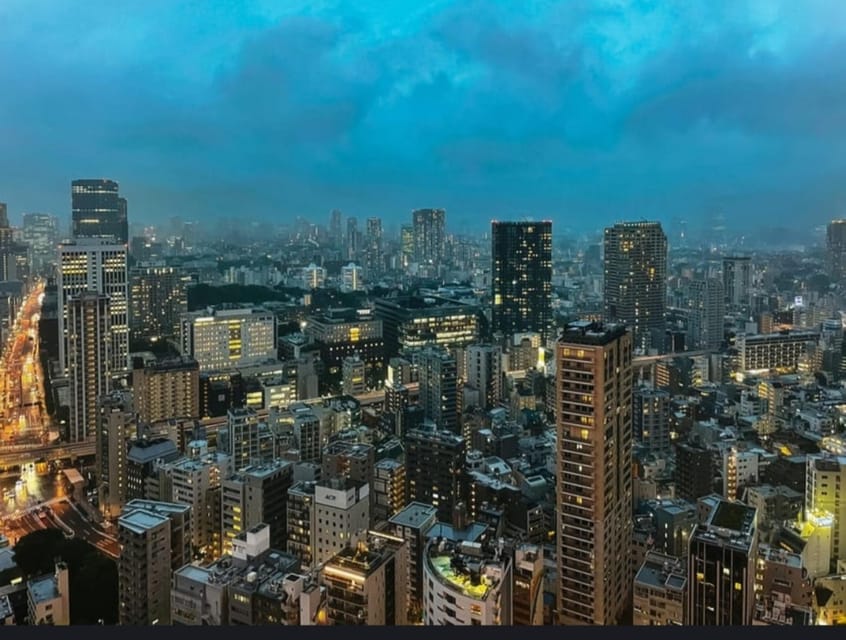
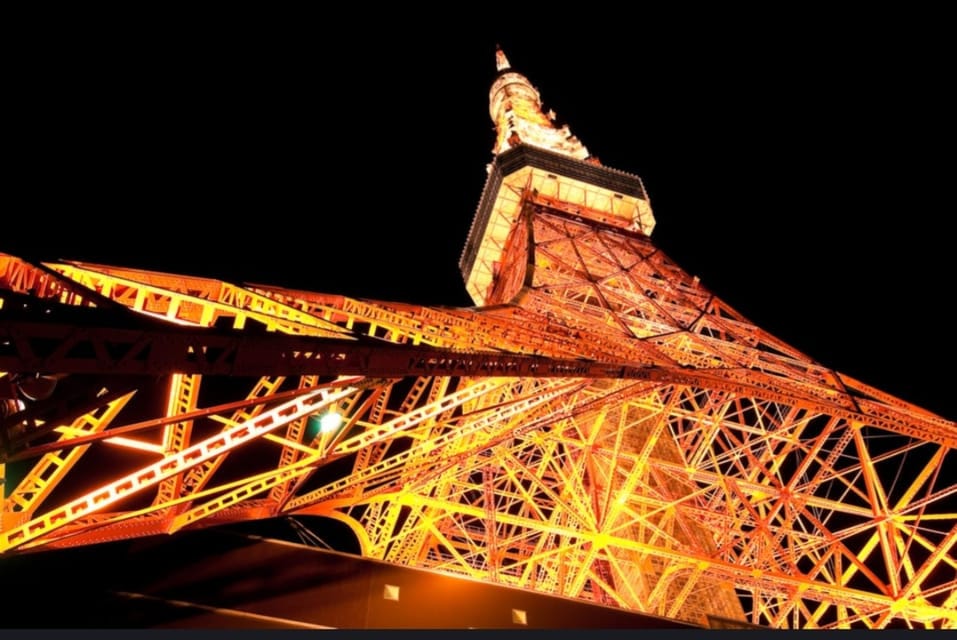
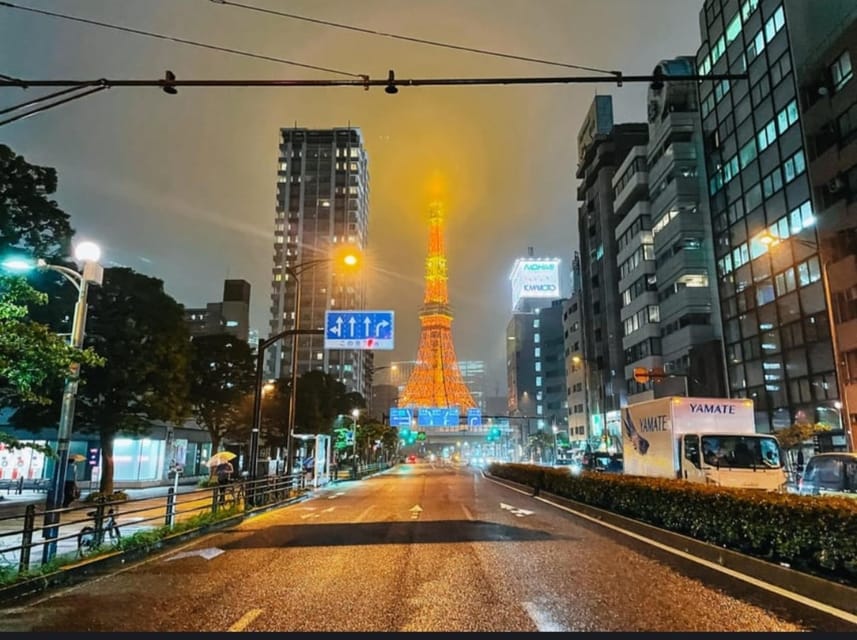
Then it’s time for Tokyo Tower, with a guided visit. Tokyo’s skyline has multiple “personalities,” and Tokyo Tower represents a classic era of the city’s viewpoint culture.
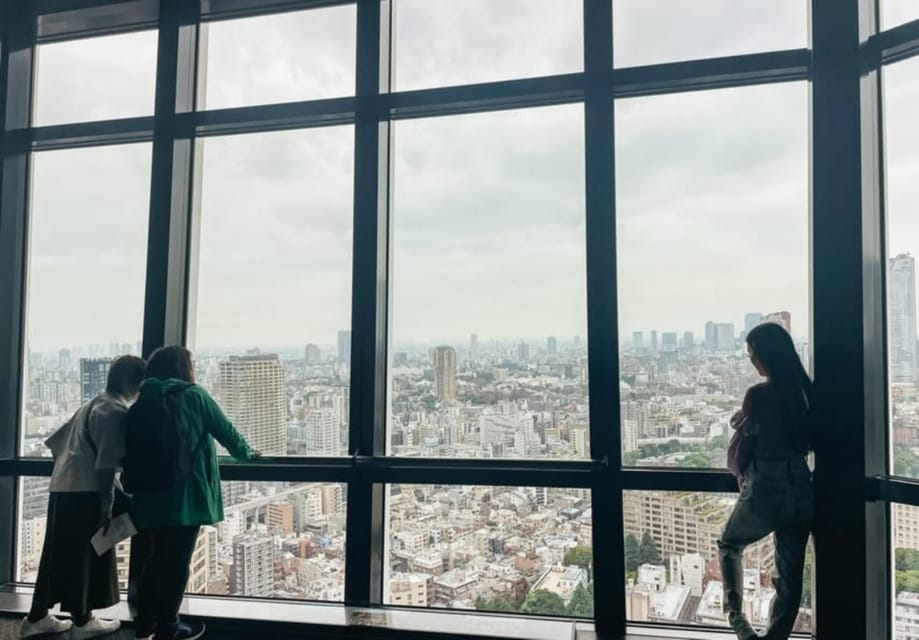
I like this stop because it gives contrast. You’ve had market noise and temple grounds; now you get a high, structural view that helps you understand how Tokyo organizes itself vertically.
It’s also a good place for photos, as long as you follow the tour rules: no flash photography. So bring a camera strategy—use normal lighting, and if you’re shooting at night or in dim areas, plan for steadier settings.
Tokyo Skytree: a second viewpoint with a different feel
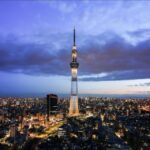
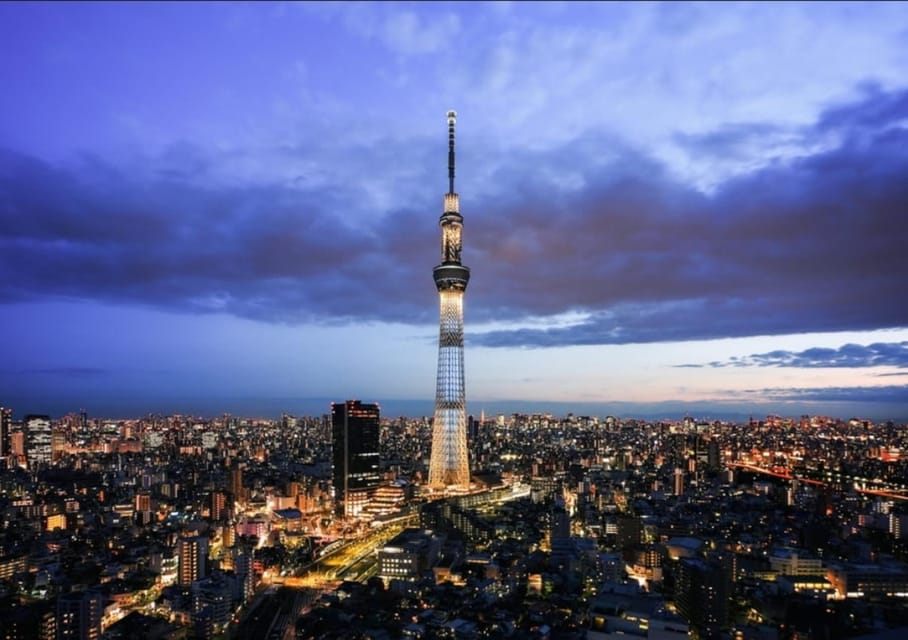
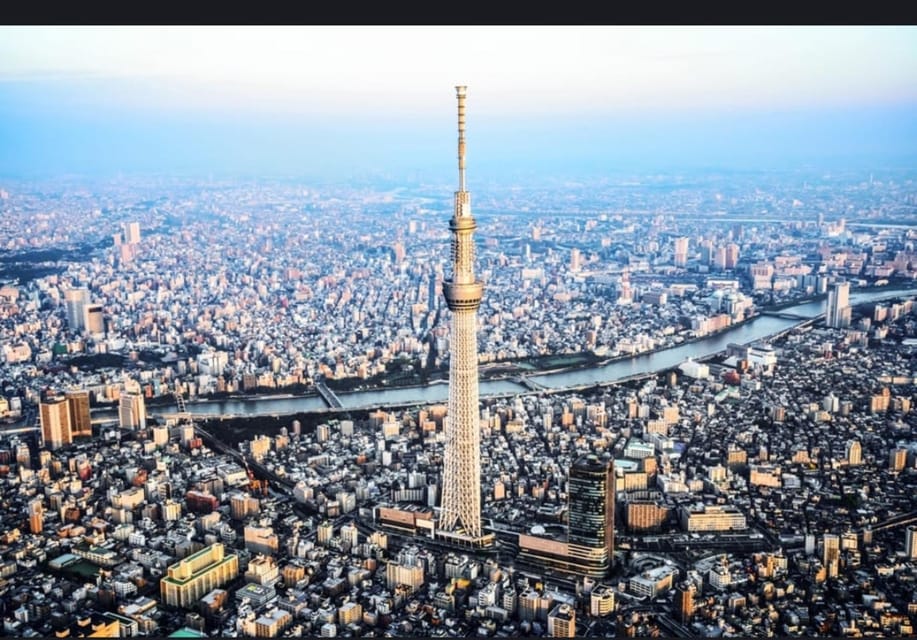
Next is Tokyo Skytree, again with guided time. Two viewpoint landmarks in one day can sound like overkill, but the value here is variety. Tokyo Tower is iconic and traditional; Skytree tends to feel more modern and “big city” in its scale.
Having both viewpoints in a single day means you don’t have to choose now and regret it later. Even if you’re not the type to chase every skyline photo, comparing the perspective types can be surprisingly useful for orienting yourself in Tokyo.
This is also where you’ll see how your guide helps you make choices at the moment. With a guide, you’re not left figuring out what to prioritize once you reach the top-level zones.
Meiji Shrine: a calm break from the city rush
After the skyline stops, you go to Meiji Shrine. This is the reset button on the itinerary.
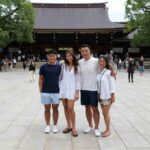
Instead of city views and big monuments, you’re moving into a calmer, more traditional space. The guided visit here helps you appreciate what makes the shrine atmosphere different—how the area is meant to feel, and what to notice as you walk through it.
If Tokyo crowds tire you out, this is usually the kind of stop that helps your day feel balanced. It’s a useful contrast to the earlier “see everything fast” vibe.
Tokyo Imperial Palace area: grandeur without the chaos
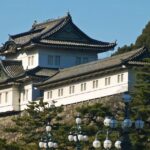
Then comes Tokyo Imperial Palace. Even if you’re not deeply into palace history, this stop carries weight because of scale and design.
The guided visit can help you understand why this area feels different from the rest of the city. It’s less about shopping streets and more about formality and space, and that change is part of why it’s worth including.
The tour rules still apply: you’re walking, and you’ll want to stay aware of photo rules. No smoking is also listed, so you can focus on the sights without that distraction.
Shibuya Crossing finish: the day ends where Tokyo moves
To close, you’ll experience Shibuya Crossing with guided time, plus guided Shibuya City earlier in the day. That’s intentional. Seeing Shibuya twice helps you understand how the area works: once as a neighborhood experience, then as the famous crossing moment.
The crossing itself is energetic and visual. Even if you’ve seen it in videos, standing there with a guide is better because you’ll know where to look and how to time your photos with pedestrian flow.
This is a strong ending point because it’s near plenty of dinner options and transit connections. The tour also offers drop-off flexibility in Shibuya, Tokyo, and Kanagawa, so your final steps are smoother.
Timing: 10 hours is a lot, but the structure matters
A 10-hour day can feel like a marathon, even when the route is well planned. The good news is that the tour is built around guided segments, which keeps you from drifting into dead time.
Still, manage expectations. This is a full day with multiple major stops. Bring water, wear comfortable shoes, and plan for intermittent walking even if you’re not doing long hikes.
If you’re the type who needs frequent breaks, you’ll probably want to use the customizable pace part of the day to build in small pauses. A private group makes that easier than joining a fixed schedule tour.
Language support: English plus Arabic, Urdu, Hindi
The tour lists live guide language options: English, Arabic, Urdu, and Hindi. Even though the chauffeur is described as English-speaking, it’s helpful to know the guide can match your language preferences.
For many visitors, this is more than a comfort thing. Understanding what you’re seeing—especially at places like Sensō-ji and the Imperial Palace area—turns landmarks into stories instead of just buildings.
So if your group includes non-English speakers, this language flexibility can make the experience land much better for everyone.
What to bring, and what the rules mean for your day
Bring the basics that the tour requests: comfortable shoes, hat, camera, sunscreen, and water. That’s a solid kit for a day that includes outdoor walking, temple areas, and long transit time between neighborhoods.
Also note the “not allowed” list:
- No smoking
- No flash photography
- Smoking, eating, and flash photography are not allowed during the tour (so follow the guide’s instructions at market areas)
No flash matters if you’re hoping to shoot inside or near controlled areas. It’s best to practice quick photo changes before the day starts, and keep your camera ready for normal lighting.
Not suitable for wheelchair users and limited for children under 5 and pregnant women. If anyone in your group falls into those categories, you’ll want to rethink the format—Tokyo is rewarding, but this particular day is designed for walking.
Small-group perks: up to 6 people
Because it’s a private group up to 6, you get a nice middle ground between total independence and tour-group energy.
You can ask questions, adjust pacing at each stop, and keep the day feeling personal. For families or friends traveling together, this often turns into the best kind of compromise: you don’t need to be experts at transit, but you also aren’t stuck with a rigid group pace.
And since there are guides at each stop, you’re not stuck with a single “one size fits all” explanation. The guidance is segmented, which helps keep things relevant.
Should you book this Tokyo private custom day with chauffeur?
I’d book this if you want a high-efficiency Tokyo day that covers major icons plus classic neighborhoods, and you prefer not to spend your vacation doing logistics. It’s especially useful for groups of friends, couples, and small families who can fill up to 6 and make the price feel fair.
You might skip it if your group needs heavy accessibility support or if 10 hours of walking will be uncomfortable. Also think twice if you hate structured visiting—this tour has guided stops throughout, so it won’t feel like pure wandering.
If you’re trying to build a first-day or first-full-day plan that gives you Tokyo orientation fast, this is the kind of tour that makes the rest of your trip easier. You’ll leave with clearer geography, more context at landmarks, and a day that stays focused instead of scattered.
FAQ
How long is the Tokyo private customizable day tour?
It runs for 10 hours.
How much does the tour cost?
The price is $335 per group, for groups of up to 6 people.
What’s included in the price?
You get an expert English-speaking chauffeur, guided tours at each stop, and flexible drop-off options.
Are drinks included?
No, drinks are not included.
Where are pickup and drop-off available?
Pickup/drop-off are included for Tokyo’s 23 wards and the Mt. Fuji area. Other areas have a JPY 5,000–20,000 surcharge. Drop-off options include Shibuya City, Tokyo, and Kanagawa.
Is pickup available from a ferry or cruise terminal?
The tour notes that it does not provide pickup service from ferry or cruise terminals.
What languages are available for the guide?
The guide language options are English, Arabic, Urdu, and Hindi.
What are the key restrictions during the tour?
Smoking is not allowed, and flash photography is not allowed. The tour also lists no smoking, eating, and flash photography during the tour. It’s not suitable for wheelchair users, children under 5, or pregnant women.