REVIEW · TOKYO
Tokyo: Zen Meditation at a Private Temple with a Monk
Book on GetYourGuide →Operated by Travel Japan Together · Bookable on GetYourGuide
Tokyo slows down when you sit with a monk. This private Zen experience in Asakusa takes you to a small temple that’s not normally open to the public, where you practice Zazen and learn what daily monk life feels like. It lasts about 90 minutes and centers on calm, focus, and a real conversation with the resident teacher.
What I like most is how hands-on it is: you don’t just hear about meditation, you’re guided while you sit, with support from the English-speaking guide (often Tamami-san). I also really enjoy the way the session ends—matcha tea and sweets, plus Q&A time with the monk (often Namiki-san), so the teachings stay practical instead of vague.
One possible drawback: this is a compact program, so the sitting time is broken into shorter guided rounds rather than one long meditation block. Also, you’ll need to coordinate by WhatsApp to meet smoothly at the correct Family Mart near Tawaramachi Station.
In This Review
- Key things to know before you go
- Why Zazen at a Private Asakusa Temple Feels Like a Real Reset
- Meeting at Family Mart by Tawaramachi: Small Detail, Big Difference
- Zazen Practice: How You Actually Sit With the Monk’s Guidance
- Calligraphy With Chanting: Brushwork as a Mental Brake
- Matcha Tea Ceremony and Sweets: Closing the Loop on Calm
- Q&A With the Monk: Practical Zen Advice for Stress
- Price and Time: Is $55 Worth It for 90 Minutes?
- Who Should Book This Zen Meditation Experience (and Who Might Skip It)
- Booking Verdict: Should You Do It in Tokyo?
- FAQ
- How long is the Zen meditation experience?
- Where do I meet the guide?
- What’s the price per person?
- Is transportation included?
- What’s included in the tour?
- Is there a tea ceremony as part of the experience?
- Do I need WhatsApp for this tour?
- What languages is the tour offered in?
Key things to know before you go
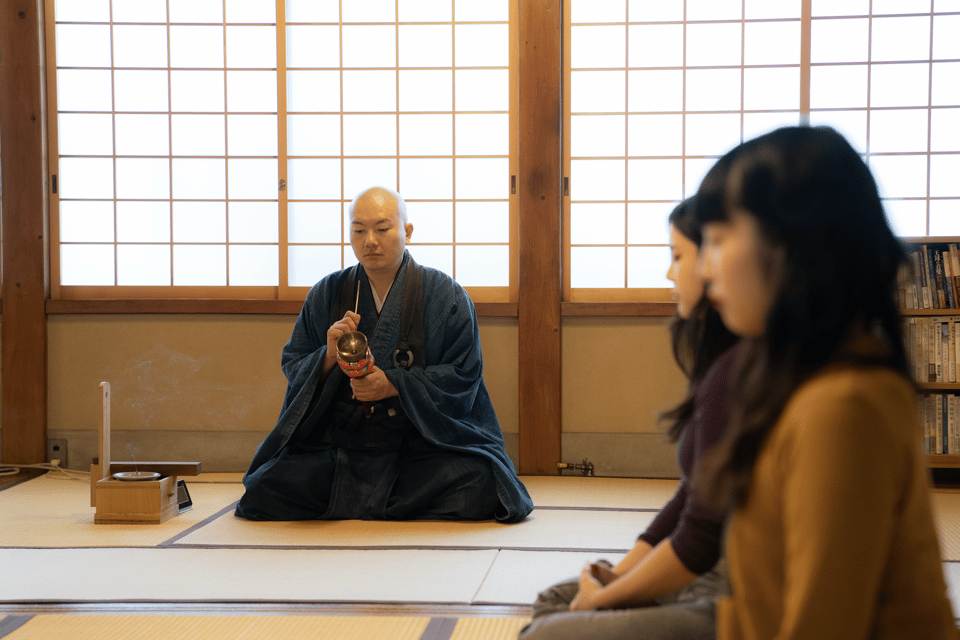
- Private temple setting in Asakusa: calmer than most Tokyo sightseeing, and off-limits to the general public
- Zazen instruction, not just observation: you practice seated meditation with the monk’s guidance
- English support with named guides: Tamami-san commonly translates, and she keeps the flow clear
- Calligraphy practice included: you get hands-on with chanting and sutra-style brushwork
- Matcha tea and sweets to close: you finish with a sensory reset, then a free talk with the monk
- Questions are part of it: Q&A time is built in, so you can ask what you actually want to know
Why Zazen at a Private Asakusa Temple Feels Like a Real Reset
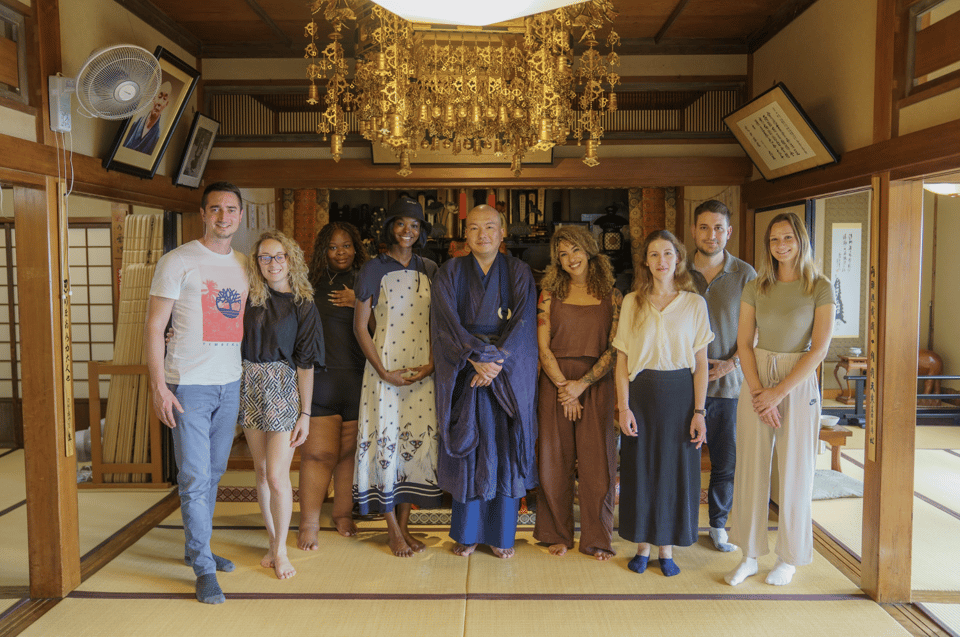
Tokyo is loud, even when it looks orderly. This experience is the opposite: you step into a quiet temple environment and slow down on purpose, with structure that helps you pay attention instead of fidgeting. The temple you visit is described as hidden from the general public, and it traces back more than 400 years—old enough that the place has its own rhythm.
I also like that the program isn’t trying to sell Zen as a trend. You get explanations tied directly to how you sit, how you breathe, and how you think during practice. That makes it easier for you to take something home, even if you’re not religious and even if you’ve never meditated before.
One more thing: the guide and monk connection matters. In this setting, you’re not stuck with a scripted lecture. You’re supported through the monk’s teaching, and you can ask questions at the end—something that often turns a spiritual activity into a conversation.
You can also read our reviews of more private tours in Tokyo

Meeting at Family Mart by Tawaramachi: Small Detail, Big Difference
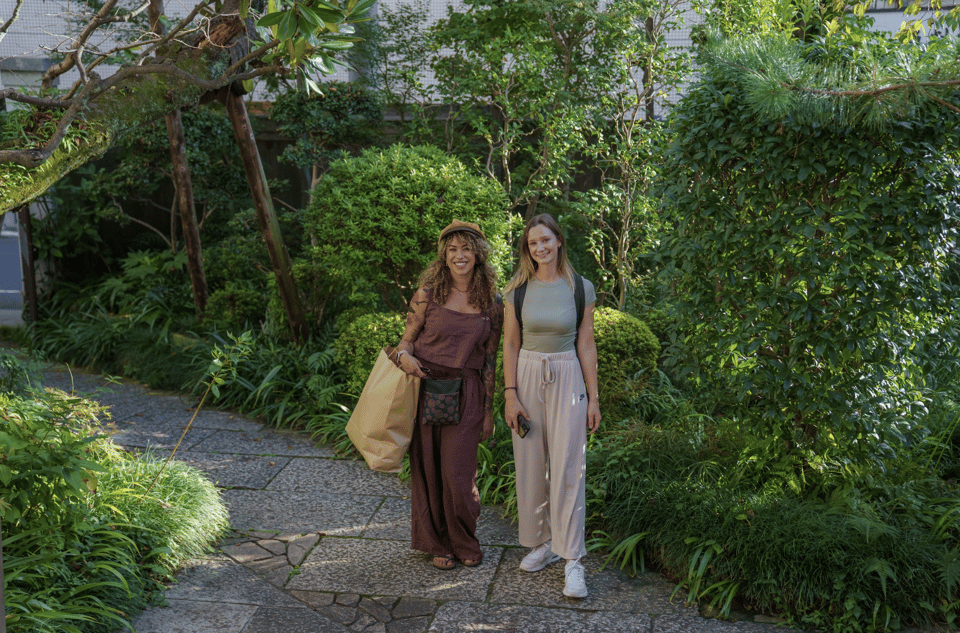
Logistics here are simple, but one detail can trip you up: there are two Family Mart branches in the Asakusa area. The meeting point is in front of the Family Mart near Tawaramachi Station (Ginza line), about a 2-minute walk from the station.
Your guide contacts you via WhatsApp, so download it before you go. This matters because “meet at the front” only works if your guide can quickly confirm you’re in the right place.
Once you arrive, you’ll enter through a separate entrance to avoid waiting. That’s a smart touch in a city like Tokyo, where queues can eat up your morning. Since transportation isn’t included, plan on arriving on your own and leaving with enough buffer to return to your next stop.
Zazen Practice: How You Actually Sit With the Monk’s Guidance
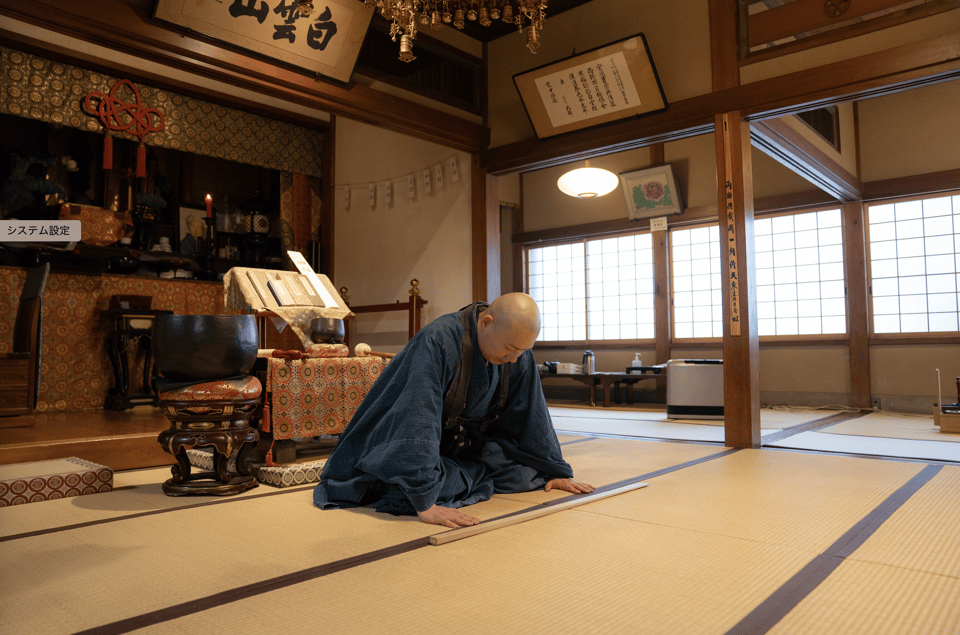
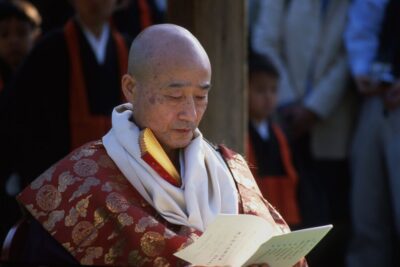
The heart of the tour is Zazen—seated meditation in the Zen tradition. Before you sit, you get a short introduction to Japanese culture and how Zen practice fits into daily life. This helps you understand why the instructions are so specific, instead of feeling like random rules.
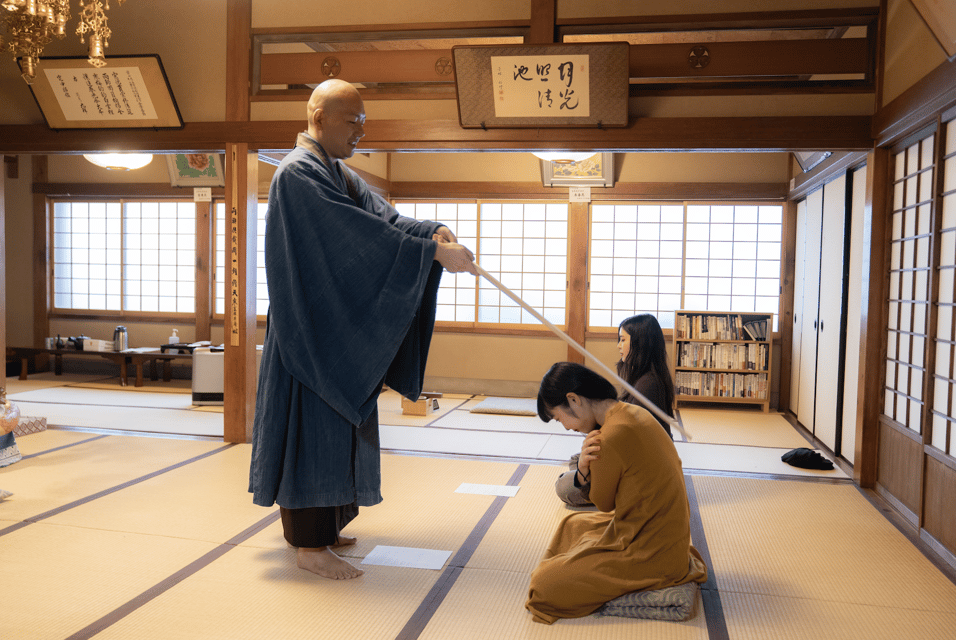
Then the monk teaches the principles and techniques. You’ll likely get coaching on posture and breathing rhythm—what to focus on, what to do when the mind wanders, and how to settle without forcing your way into calm. The atmosphere stays serious, but it doesn’t feel cold. The goal is steadiness, not performance.
Based on what you’ll see in practice, expect meditation in short guided segments. Many experiences here are split into two sittings of roughly 10 minutes each, which is friendly if you’re new. Other sessions may start with a longer silent sitting before moving to the next activity. Either way, you’re not left to guess—guidance is part of the experience.
A small tip that makes a difference: if the monk offers a helpful cue or uses props (one guest specifically mentioned asking to use the stick during meditation), don’t be shy about participating. Zen instruction is often subtle, and it’s easier to understand when you’re willing to follow the teacher’s method.
Also, don’t stress about sitting in a group. Several people describe expecting self-consciousness, then finding the tone surprisingly grounding. In a private temple setting, the silence has support built into it.
Calligraphy With Chanting: Brushwork as a Mental Brake
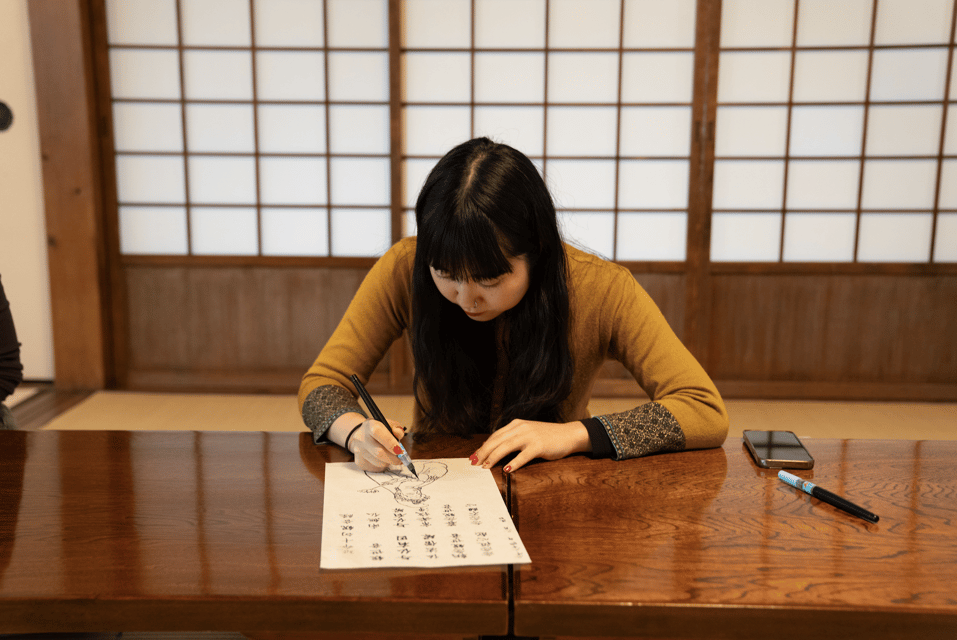
After the meditation, you’ll move into calligraphy. This isn’t just “do this with a brush.” You’re guided into an activity that has its own pacing, especially when it’s tied to chanting. Even if you never held a brush before, the structure helps you slow your thinking down.
This part feels surprisingly meditative in a different way. Meditation asks you to watch your mind; calligraphy asks you to control your hand while staying relaxed. That combination can help you notice tension patterns you didn’t realize you were carrying.
Bring a simple mindset: do it slowly and follow the teacher’s cues. People leave with something tangible—often described as a calligraphy piece from the session. That makes the experience easier to remember on normal days, when you’re not sitting in a temple.
Matcha Tea Ceremony and Sweets: Closing the Loop on Calm
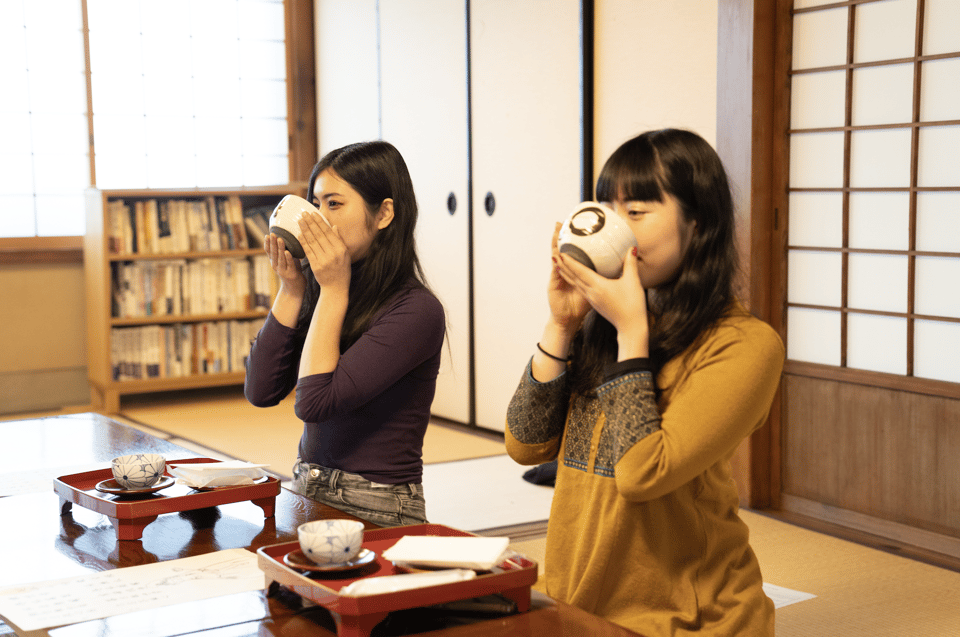
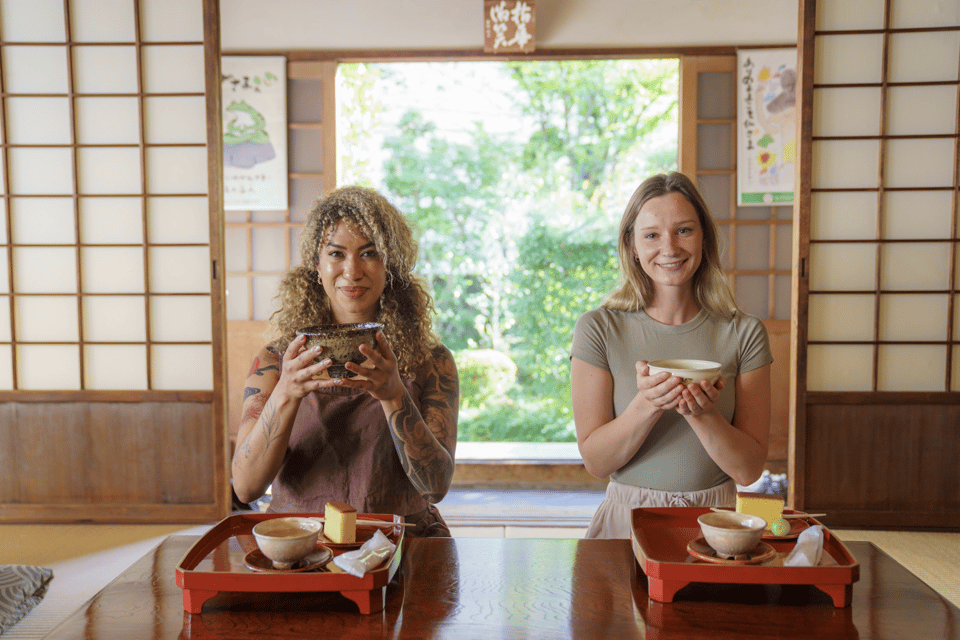
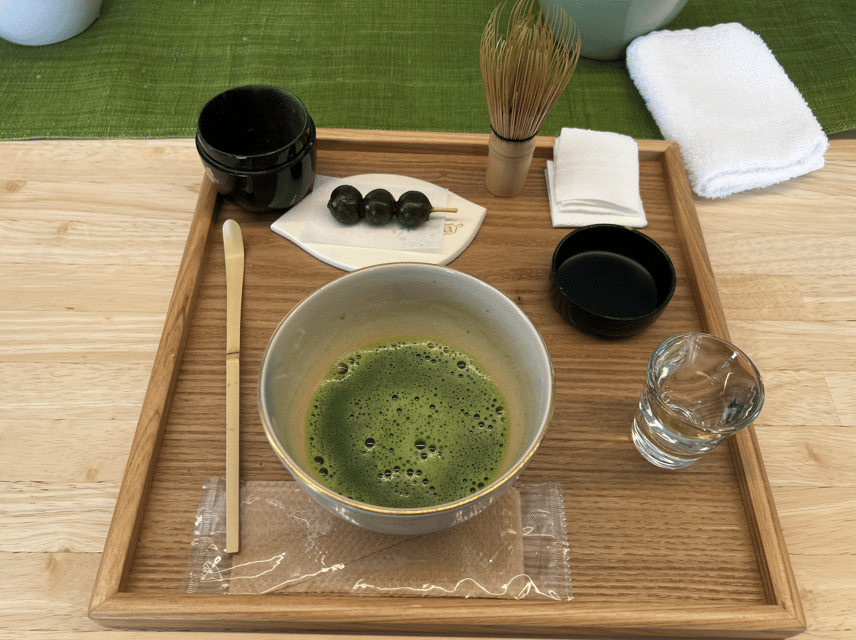
Tea here isn’t an afterthought. You end with a matcha tea ceremony experience, plus traditional sweets. The point isn’t fancy theatrics. It’s sensory attention: you slow down enough to notice smell, taste, and the small movements involved.
This is a good “landing” activity after sitting in stillness. If meditation leaves you a little unsure what to do next, the tea and sweets give you a respectful transition back into the day. You’re still practicing mindfulness, just with taste and texture instead of breath.
If you’re the kind of person who likes rituals (and even if you’re not), this portion helps you connect the teachings to everyday life. Zen often shows up as small actions done carefully—tea is a perfect example.




Q&A With the Monk: Practical Zen Advice for Stress
The free talk with the monk is one of the best parts, because it turns philosophy into something you can use. You get a chance to ask questions, and the conversation can cover the temple, Zen Buddhism, meditation practice, and even daily life in Japan.
What I find especially helpful is that the answers tend to stay grounded. One guest shared that the monk’s stress-management advice included ideas like fully focusing on small tasks (even something ordinary), keeping your space tidy, and not comparing yourself to others.
There’s also a clear attitude toward emotions. In one example, the monk suggested exploring anger’s root rather than just reacting. That’s not just spiritual talk—it’s a mental framework you can use the next time your day goes sideways.
And you’ll have translation support through your guide. In the cases where Tamami-san is leading, people highlight her ability to translate smoothly and keep things clear. That reduces the awkwardness and helps you get real answers instead of partial ones.
Finally, if you want photo memories, photos and videos appear to be allowed during the temple portion based on at least one experience. Just be respectful of the moment and follow whatever guidance the staff gives you.
Price and Time: Is $55 Worth It for 90 Minutes?
At $55 per person for about 90 minutes, this is priced like a guided cultural experience, not like a quick temple stop. What you get for the money matters:
- Temple entry to a space not open to the general public
- Monk-led explanation and instruction tied to Zazen practice
- A guide who supports you in English (and often helps with translation)
- Matcha tea included
- A closing discussion/Q&A time
So you’re paying for access plus teaching, not just “a place to sit.” If you’ve already paid Tokyo prices for museum tickets and generic tours, this may feel like better value because it’s interactive and personal.
The trade-off is time. Ninety minutes is enough to learn the basics and practice, but it’s not enough for deep long-form training. Think of this as a powerful introduction and a reset, not a replacement for ongoing meditation classes.
Who Should Book This Zen Meditation Experience (and Who Might Skip It)
This experience is ideal if you want a calm, meaningful morning or afternoon that feels distinctly Japanese. It’s also a great fit if you’re curious about Zen but don’t want to figure everything out alone. With English support and translation, you won’t be left guessing posture, timing, or meaning.
It’s also good if you like structure. Some meditation experiences are “sit and hope.” Here, you get instructions, coaching, and follow-up questions.
You might consider skipping if you hate quiet environments or if you’re expecting a long meditation retreat. This is a compact session with multiple activities: Zazen practice, calligraphy, tea, and discussion. If you want hours of silence only, you’ll be more satisfied with a longer program.
Booking Verdict: Should You Do It in Tokyo?
If you want one experience in Tokyo that slows your brain down and gives you real takeaways, I’d strongly consider booking this. The combination of Zazen practice, calligraphy, and matcha tea—plus a chance to ask questions of the monk—turns “spiritual sightseeing” into something usable.
Book it if:
- you’re open to hands-on instruction and short guided meditation
- you want an intimate setting away from crowds
- you like the idea of learning how Zen handles stress and attention
Skip it if:
- you want a self-guided temple visit only
- you’re looking for a long retreat-style meditation session
- you can’t or won’t use WhatsApp to coordinate meeting details
If you can do it, do it early in your trip. This kind of calm tends to make the rest of Tokyo feel easier to enjoy.
FAQ
How long is the Zen meditation experience?
It runs for 90 minutes.
Where do I meet the guide?
Meet in front of Family Mart in the Asakusa area, about a 2-minute walk from Tawaramachi Station (Ginza line). There are two Family Mart branches nearby, so confirm you’re at the correct one.
What’s the price per person?
The price is $55 per person.
Is transportation included?
No. Transportation is not included, so you’ll need to get yourself to the meeting point.
What’s included in the tour?
The tour includes the Zen experience, a guide, entry to the temple, monk explanation, and matcha tea.
Is there a tea ceremony as part of the experience?
Yes. You’ll participate in a matcha tea ceremony and you’ll also have tea as part of the closing moments.
Do I need WhatsApp for this tour?
Yes. Your guide contacts you through WhatsApp so you’ll want to download it before the tour.
What languages is the tour offered in?
The tour is offered in English.