REVIEW · TOKYO
Tokyo: Private Walking Tour with a Local Guide
Book on GetYourGuide →Operated by Tokyo Vibes · Bookable on GetYourGuide
First day in Tokyo can feel like a maze. What helps here is a private walking plan built around your interests, with an English-speaking guide who knows where to go and what to look for. You can mix old-school Tokyo (temples and shrines) with the modern city (shopping streets and photo-famous intersections), and the route can be adjusted to your schedule.
I especially like the customizable pacing. Each stop has its own time window, so you’re not forced into a rushed stamp-collecting day. The guides behind the tour—people like Miwa, Rika, Momo, and Hina—are consistently praised for great English, thoughtful explanations, and helpful follow-up before and after the walk.
One consideration: you’ll be walking and using public transit, so it’s not a good fit if you have limited mobility or if you need a wheelchair or a baby stroller. On a long day, comfortable shoes and a smart pace matter more than you’d think.
In This Review
- Key points worth knowing before you go
- Tokyo by Foot, Guided by a Native
- How the Custom Plan Works (and Why It Matters)
- Hotel Pickup and Public Transport: The Practical Side
- Senso-ji and Asakusa: Old Tokyo in Full Ceremony
- Ueno and Ameya-Yokocho: Parks, Museums Energy, and Market Buzz
- Akihabara: Tech, Pop Culture, and the Tokyo You Picture
- Shibuya Crossing and Harajuku: Street-Style Tokyo With Real Explanations
- Meiji Shrine: A Breathing Space in the Middle of the Noise
- Tsukiji Outer Market, Ginza, and the Imperial Palace Area
- Shinjuku: Big City Tokyo Without the Guesswork
- Price and What You’ll Still Need to Budget
- Best-Fit Travelers and Pace Expectations
- Should You Book This Tokyo Private Walking Tour?
- FAQ
- How long is the private walking tour?
- Is the tour fully private?
- What’s included in the tour price?
- What is not included?
- What should I bring and what’s not allowed?
- How does pickup and communication work?
Key points worth knowing before you go
- Fully private, English-led tour lets you steer the day instead of following a script
- Pickup in central Tokyo makes it easier to start where you’re staying
- Temple and shrine entrance fees are covered so your budget is simpler
- Route options cover both classics and less-frequent neighborhoods for contrast in one day
- Public transport help is part of the value, including practical subway/rail guidance
- Guides often help with photos, so you don’t have to keep asking strangers
Tokyo by Foot, Guided by a Native
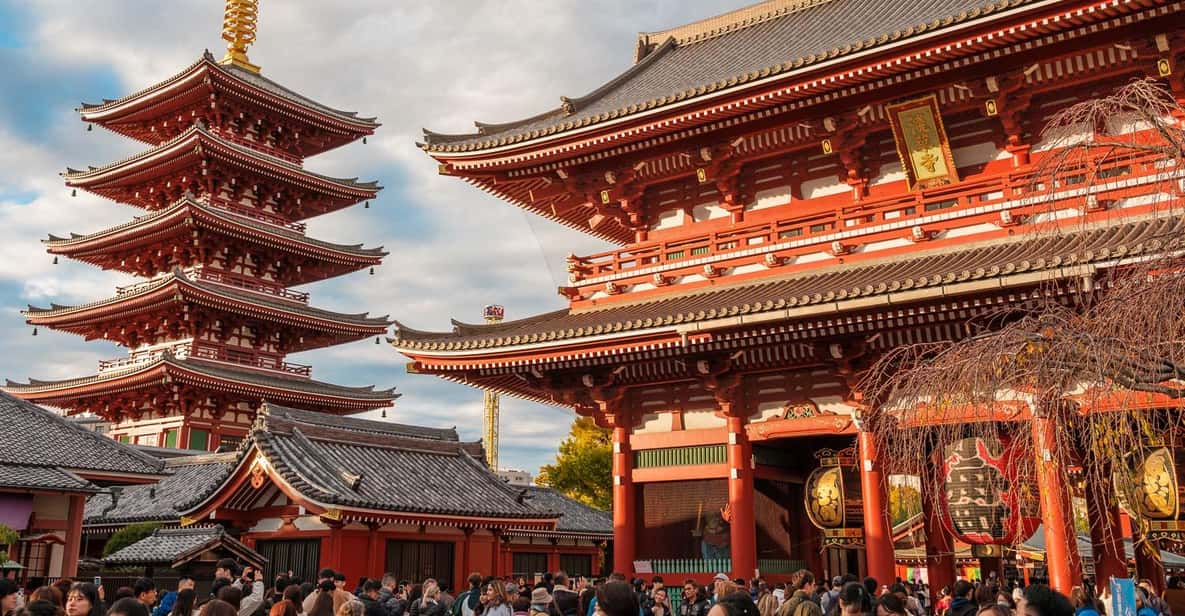
Tokyo is one of those cities where the details matter. On this tour, I love that you’re not just told what something is—you’re coached on what to notice as you pass it. The experience is designed to connect street-level Tokyo to the traditions behind temples, shrines, markets, and everyday neighborhoods.
A private guide also changes the feel of sightseeing. You can ask follow-up questions without feeling like you’re holding up a big group. And if you want more context (or less), the day can bend.
You can also read our reviews of more walking tours in Tokyo

How the Custom Plan Works (and Why It Matters)
This is a choose-your-own-day style tour. You pick the must-sees or the kinds of areas you want—famous landmarks, quiet religious sites, shopping streets, or more local neighborhoods—and the guide builds a route around you.
That flexibility is valuable because Tokyo is huge. If you try to self-tour everything, you end up spending time moving between neighborhoods instead of actually experiencing them. With a guided route, you’re more likely to make deliberate choices, and your day feels purposeful.
Right before the tour, you’ll share your preferences and any specific places you want. The final itinerary is handled with the guide about 24 hours before, so you can still adjust when your plans change.
Hotel Pickup and Public Transport: The Practical Side
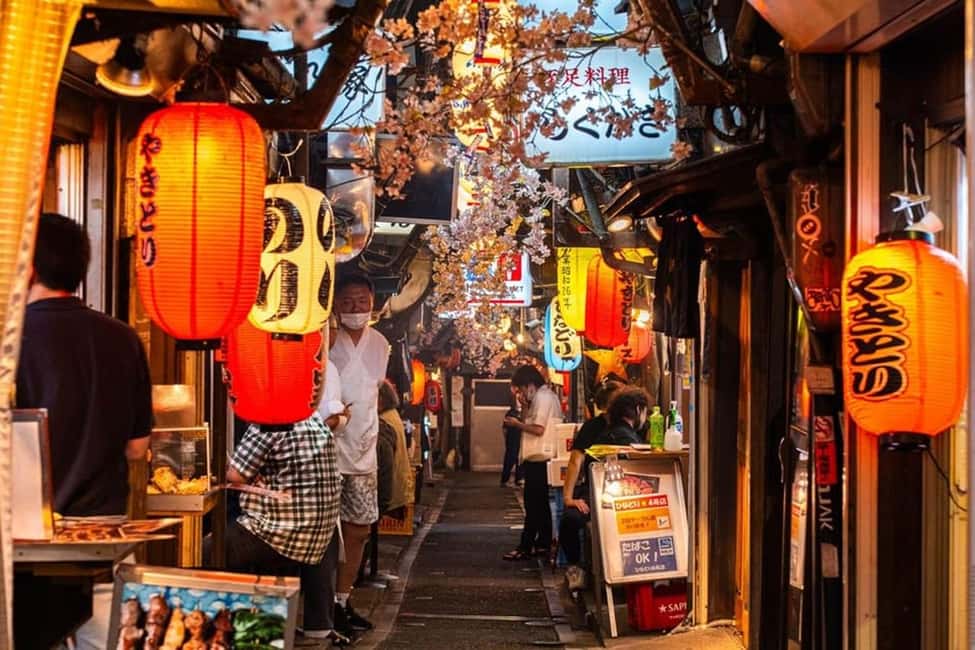
Pickup is offered from many areas in central Tokyo, and your guide will meet you at your hotel or a preferred meeting point. Then you’ll travel on foot and via public transportation, with the guide accompanying you the whole time.
This is one of those “small” details that ends up being a big deal. Tokyo rail and subway can be intimidating on day one, and having someone show you the system saves energy for the fun parts. Several past guests specifically called out how efficiently their guides handled the trains and how much calmer that made the day.
One thing to plan for: a long walking day means you’ll want your legs ready. Bring comfortable shoes, and don’t schedule anything strenuous right after the tour ends.
Senso-ji and Asakusa: Old Tokyo in Full Ceremony
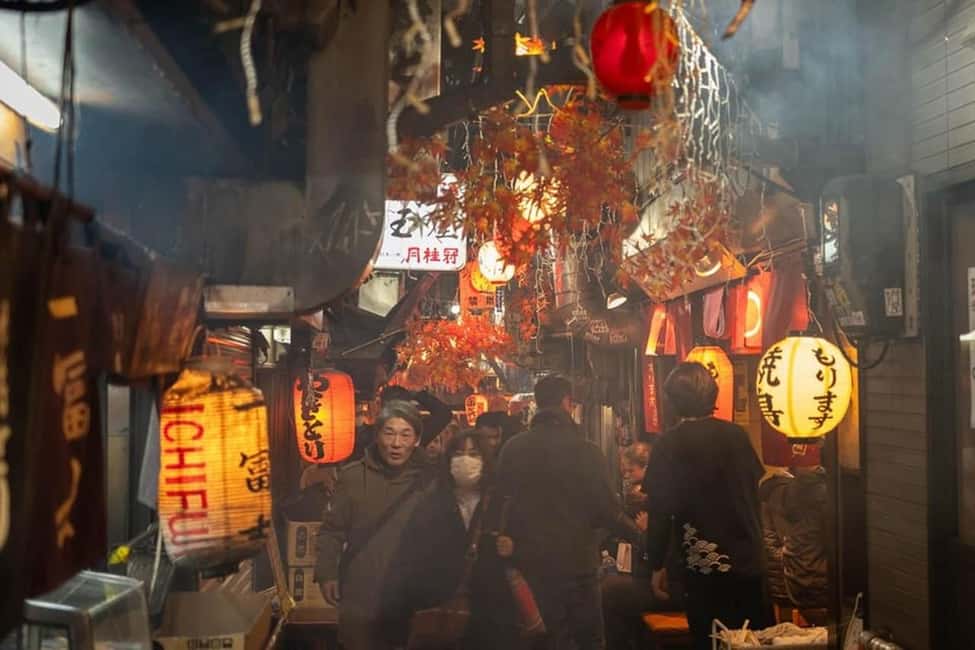
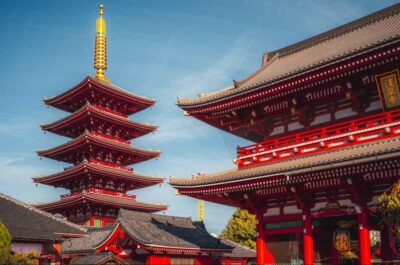
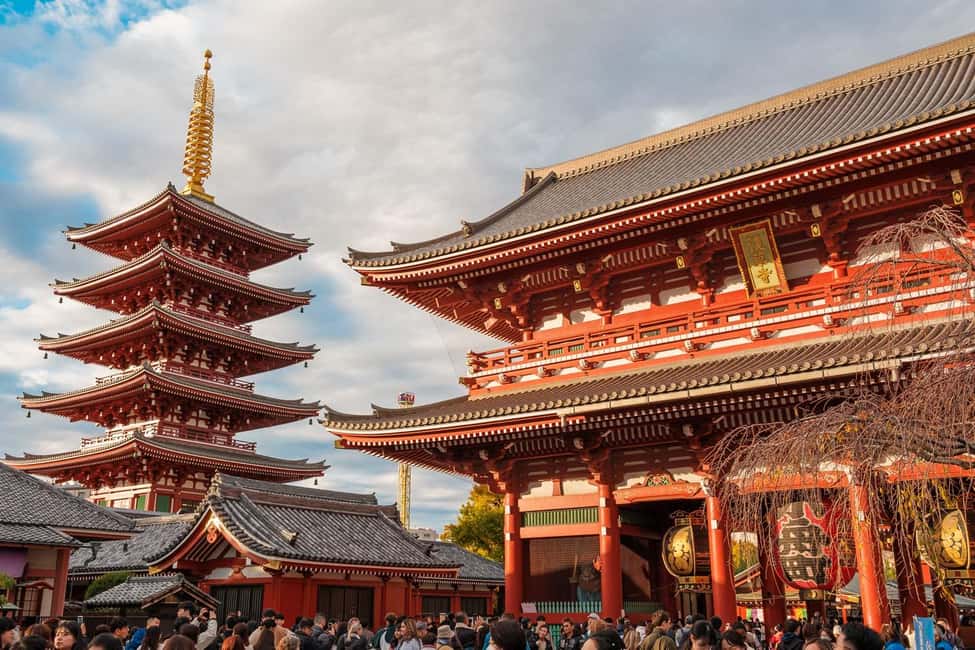
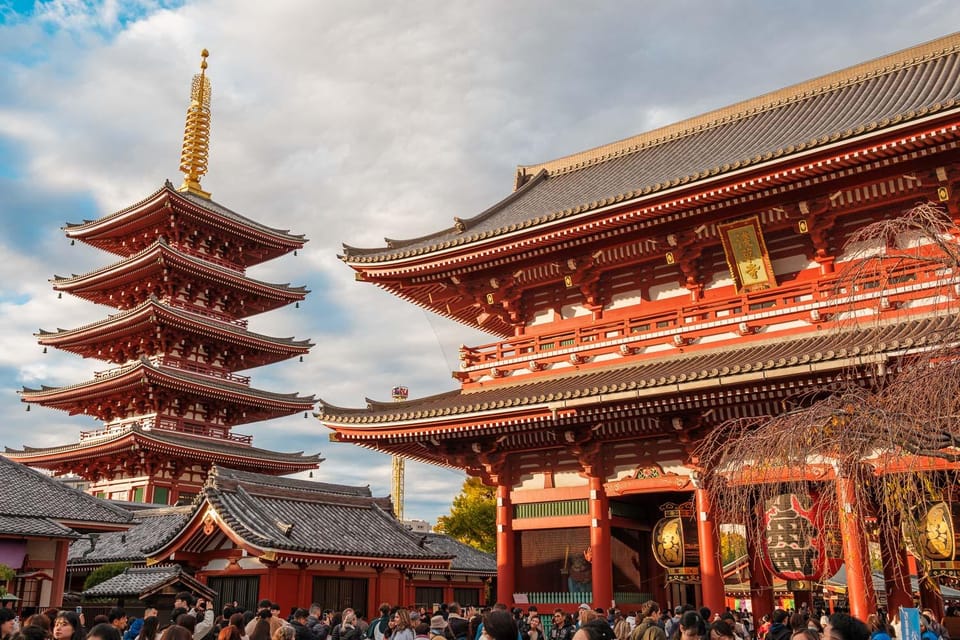
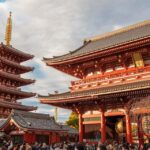
If you’re trying to understand Tokyo, start with Asakusa. The tour commonly pairs Sensō-ji Temple with the Asakusa area, which gives you a strong sense of the city’s older religious traditions while still being close to lively street life.
Sensō-ji is a place where people come to pray, browse, and simply watch the rhythm of the crowd. Your guide can point out what you’d otherwise miss—why certain areas feel busier at particular times, and what the space is really for beyond photos.
Asakusa also gives you an easy introduction to how everyday Tokyo looks when you step away from the most famous districts. It’s a good choice if you want spiritual Tokyo without feeling like you’re entering a museum.
Ueno and Ameya-Yokocho: Parks, Museums Energy, and Market Buzz
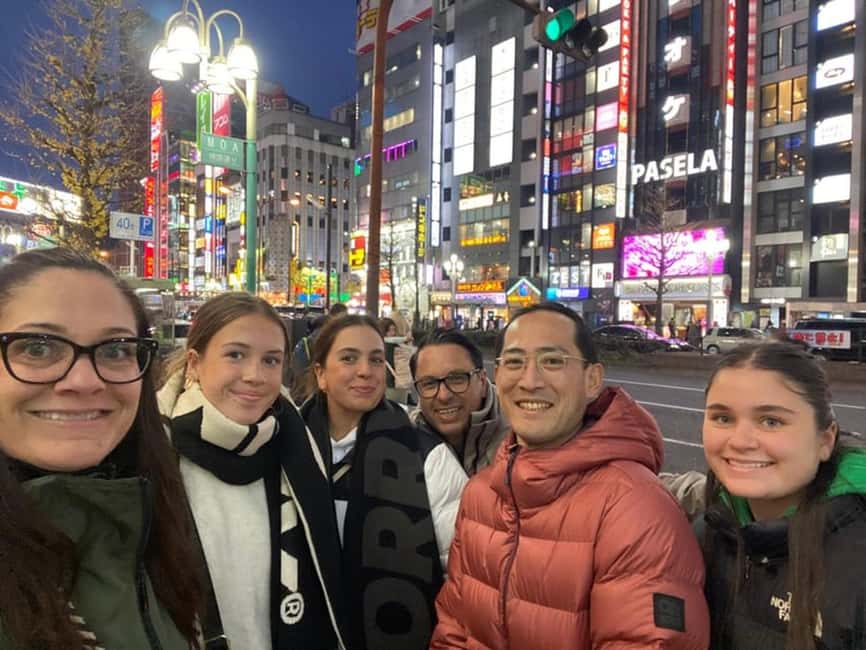
Ueno is a different kind of Tokyo day. The tour often includes Ueno as a stop, which works well because it blends history-minded sightseeing with neighborhood energy.
From there, Ameya-Yokocho is a logical next step if you like markets and people-watching. It’s the kind of place where the sensory overload can be fun, especially when you’ve got a guide steering you toward the spots that match your interests.
If you’re the type who gets overwhelmed in crowded market streets, don’t worry. This tour is private, and your guide can manage the tempo—slower browsing, quicker transfers, or more time in calmer side areas depending on what you want.
You can also read our reviews of more guided tours in Tokyo

Akihabara: Tech, Pop Culture, and the Tokyo You Picture
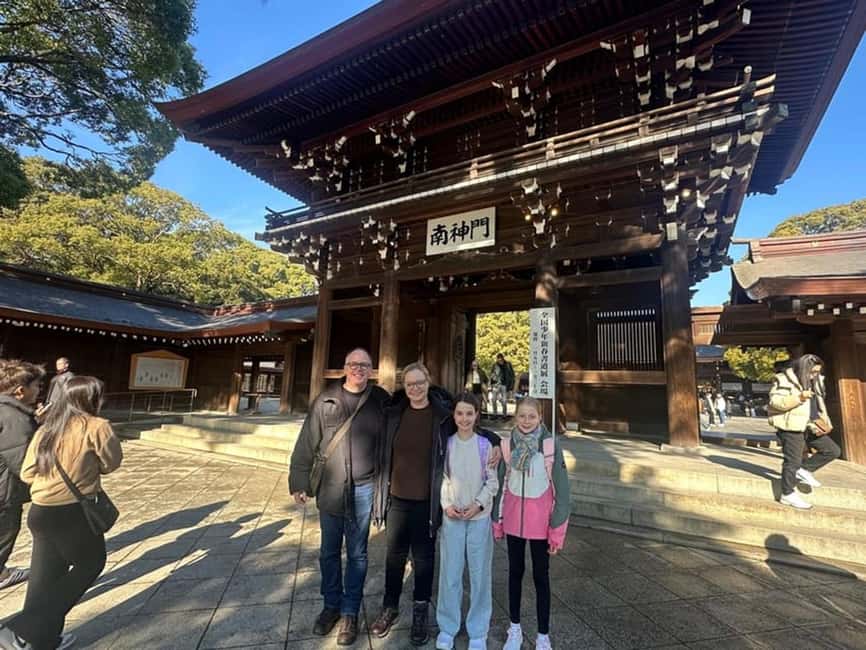
Akihabara shows a totally different personality. When the route includes it, you’re stepping into electronics, games, and pop-culture shopping zones where the atmosphere feels youth-forward and fast-moving.
This stop works best if you actually enjoy browsing. If you only want to see one area for a quick photo, tell your guide up front and you can keep it short. The value here is in understanding what you’re looking at—why certain stores attract certain crowds, and how the culture around the area fits into modern Tokyo.
Guides also help with practical navigation here. Tokyo shop streets can be maze-like, and having someone walk you through them reduces the chance you’ll waste time circling.
Shibuya Crossing and Harajuku: Street-Style Tokyo With Real Explanations
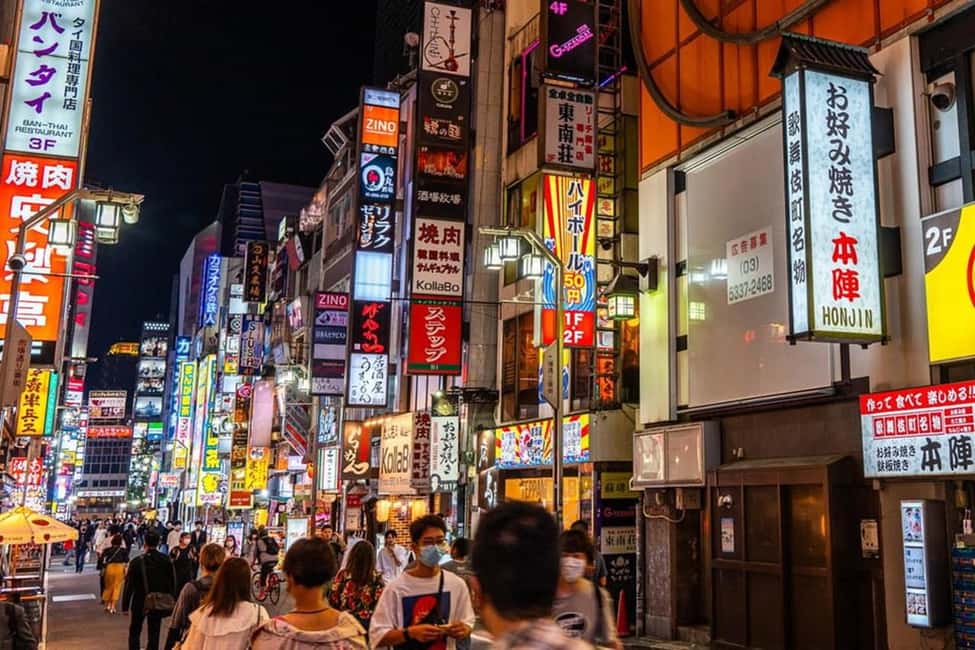
Shibuya Crossing is almost impossible to avoid on a first Tokyo trip, but you get to decide how much you want it to dominate the day. One past guest even pointed out that if you’re not into the big iconic-crowd experience, you may want to swap the time for something else your guide suggests.
After Shibuya, Harajuku tends to bring the energy down a notch, while still staying very modern. It’s a great area for street style and youth culture, but what makes it worth your time on a guided tour is the context—your guide can explain what’s going on beyond the storefronts.
Tip: if your goal is photos and people-watching, Harajuku gives you more variety per minute. If your goal is calm sightseeing, ask the guide to balance the Harajuku time with quieter stops.
Meiji Shrine: A Breathing Space in the Middle of the Noise
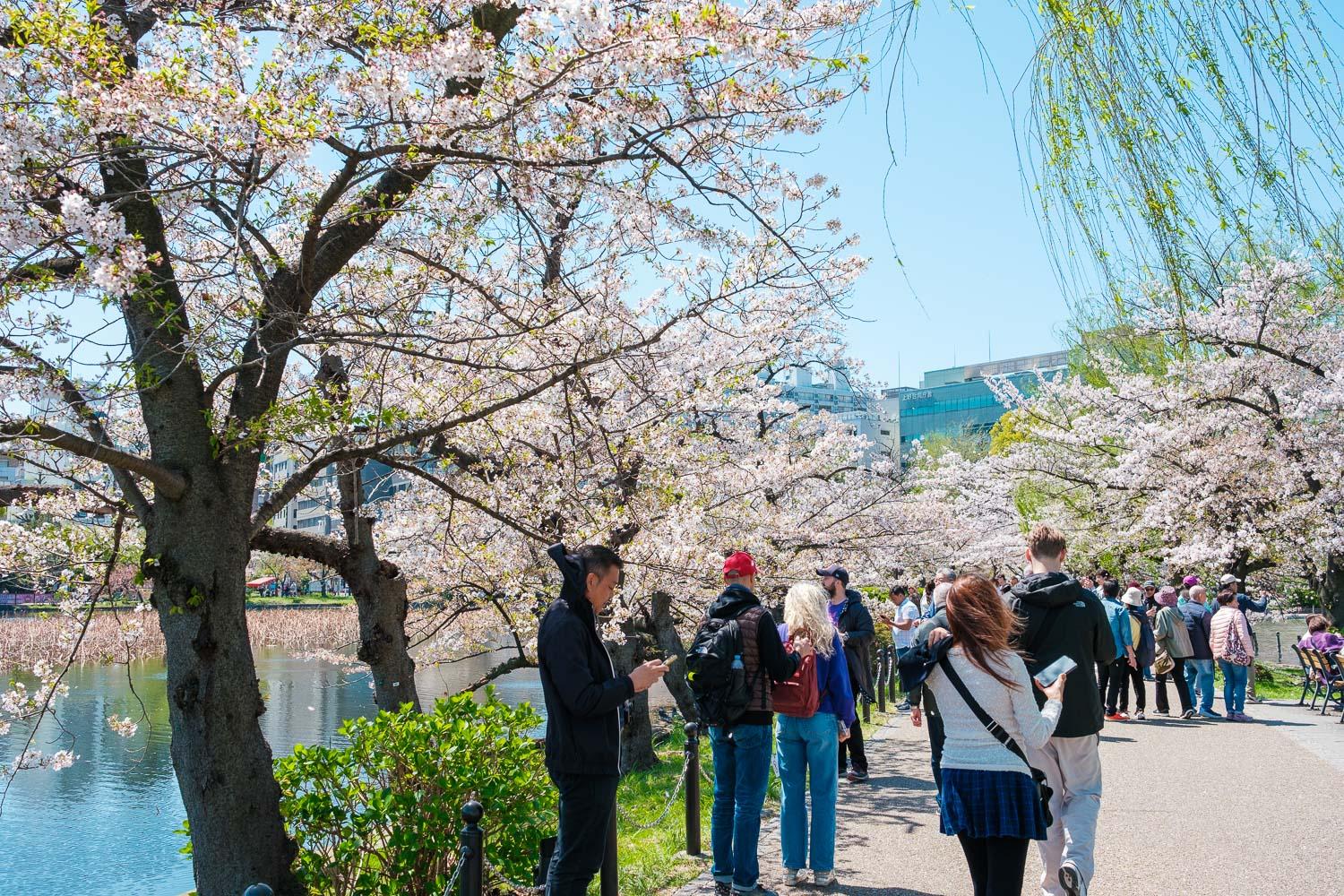
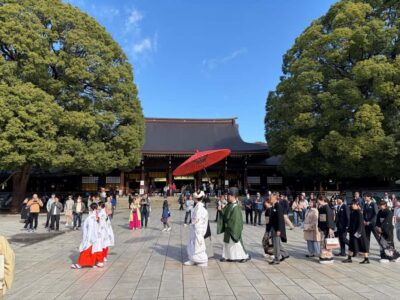
When the itinerary includes Meiji Shrine, it acts like a reset button. You move from the city’s high-decibel style zones into a more wooded, reflective space.
This stop is valuable because it changes the pace of the day. You’re not just seeing another monument; you’re experiencing a different atmosphere and learning how Shinto customs show up in everyday life.
If you’ve only seen Tokyo from train windows, Meiji Shrine is the moment that helps it click. It shows you that the city holds tradition in the same geography as fashion, tech, and shopping.
Tsukiji Outer Market, Ginza, and the Imperial Palace Area
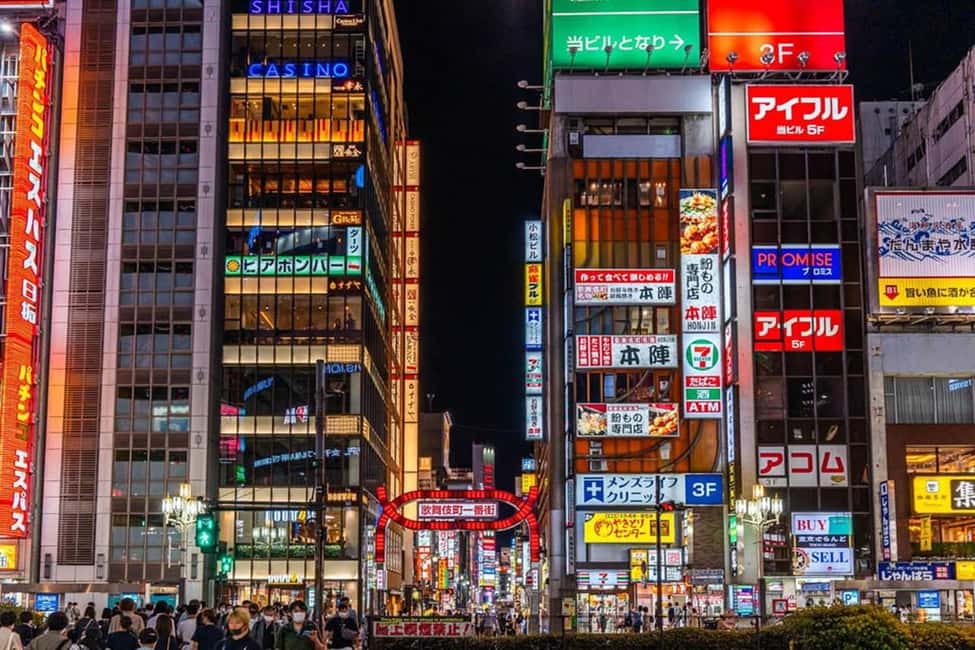
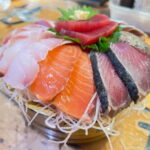
Food and shopping can fit into this tour without taking over. When Tsukiji Outer Market is included, you get a chance to experience one of Tokyo’s most famous food zones in a way that often feels more approachable than the hype suggests.
The key advantage of a guided visit is focus. Your guide can steer you toward what matches your tastes and help you navigate crowds so you’re not just standing in lines. Some guests specifically enjoyed food and tastings with their guide, and many noted easy photo help during the market stop.
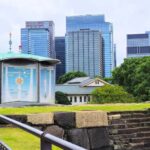
Ginza usually pairs well afterward because it shifts the mood—sleeker streets, polished shopping energy, and a more polished feel to the neighborhood. And the Tokyo Imperial Palace area offers a different form of classic Tokyo sightseeing, especially if you like landmarks with a bigger historical context.
This whole combination is good for a full-day mix: market bites, refined shopping streets, and a major historical anchor.
Shinjuku: Big City Tokyo Without the Guesswork
Shinjuku is often where Tokyo starts to feel like a movie set—tall buildings, dense streets, and constant movement. When the tour includes it, you get a structured way to experience it without constantly checking your map.
Even if Shinjuku is on your list, a guide helps you decide what’s worth your time. For example, you might want more time in neighborhoods with a local feel rather than only the busiest corridors.
Also, Shinjuku is a great place to ask questions about daily life in Tokyo—how people navigate transit, how neighborhoods differ, and where locals tend to spend time. Guides like Miwa, Momo, and Rika were praised for explanations that didn’t turn into a lecture.
Price and What You’ll Still Need to Budget
At $53 per person, this tour can be good value because you’re paying for several things at once: a private guide, hotel pickup in central Tokyo, temple and shrine entrance fees covered, and guided transport support through public transit.
What’s not included is the part you should plan for. Meals & beverages aren’t included, and if you decide to have lunch or dinner during the tour, you’re expected to invite the guide to join and cover the guide’s meal cost. Your guide can help choose options, but you’ll want cash or a card ready for your own purchases.
Also, tickets for additional attractions or special requests aren’t included. If you want a paid museum, a tower, or another ticketed site, ask your guide early so you can budget without last-minute surprises.
Finally, since entrance fees for temples and shrines are covered, you’ll likely spend less time calculating costs mid-day. That’s one of the practical reasons this tour works well.
Best-Fit Travelers and Pace Expectations
This is best for you if you want a first or second-day Tokyo orientation without the stress of planning every route. People with short stays—like first-time visitors—often find this kind of day helps them understand how neighborhoods connect.
It also fits well if you like contrasts: old temples and modern streets, markets and shrine paths. The tour’s strength is balancing those themes so the day feels like Tokyo, not like six random stops.
One more practical note: because it’s a private walking tour, it’s not suitable for wheelchair users and it does not allow baby strollers. If you’re traveling with someone who has mobility limitations, you’ll want to look for a different format.
Should You Book This Tokyo Private Walking Tour?
I’d book it if you’re craving a Tokyo day that feels personal and well organized. You’ll get a guided route, help with the transit side, and you can steer the day toward what you actually care about—temples, markets, shopping streets, or a bit of everything.
Skip it (or rethink it) if you know you want a low-walking sightseeing plan, or if you’re only interested in one narrow theme. This tour works best when you’re open to a mix and willing to move through neighborhoods on foot.
If you want a strong first impression, this is a smart way to do it. And if you get a guide like Miwa, Rika, or Momo, the tour’s standout strength is that it feels less like a checklist and more like spending time with someone who actually lives the city.
FAQ
How long is the private walking tour?
You can choose a tour duration from 2 to 8 hours. Each location has its own time, and your itinerary is finalized with your guide about 24 hours before your tour date.
Is the tour fully private?
Yes. It’s a private group experience with a dedicated local guide.
What’s included in the tour price?
The tour includes the private walking tour with a local guide, authentic experiences tailored to you, exploration on foot and via public transport, and hotel/accommodation pick-up and drop-off. Temple and shrine entrance fees are also covered.
What is not included?
Meals and beverages are not included. Other transportation beyond the guide’s public transport support (such as trains or private cars beyond what’s arranged for the walk) and airport pick-up/drop-off are not included. Tickets for additional attractions or special requests are also not included.
What should I bring and what’s not allowed?
Bring a passport or ID card, comfortable shoes, a credit card, and cash. The tour does not allow baby strollers or baby carriages, smoking, drones, or littering.
How does pickup and communication work?
Your guide will meet you at your hotel in central Tokyo or at your preferred meeting place in Tokyo and accompany you using public transportation. You’re asked to download WhatsApp, since the guide will reach out within 24 hours before the tour. You should share your preferences and any specific places you want to visit after booking.