REVIEW · TOKYO
Tokyo: Tsukiji Fish Market Guided Walking Tour
Book on GetYourGuide →Operated by Traveling Tokyo · Bookable on GetYourGuide
Tsukiji feels like Tokyo’s food engine, and this guided walk helps you read it fast. In just 2 hours, you’ll start with a temple visit at Tsukiji Hongan-ji, then move into the Tsukiji Outer Market for a practical street-food route and real-life pointers on Japanese ingredients. I like that guides such as Jim and Rie explain what you’re seeing (and eating), not just where to stand in line, and I also like that you can choose foods that fit your tastes instead of being stuck with a preset menu. One consideration: food is not included, so your total can creep up depending on what you order.
The other big win is the small-group feel—10 people max—which matters in a place that can get loud and crowded. I also really like that you get photos during the tour, plus free entry to the market areas and the temple. If you’re not a confident walker or you hate crowds, you may feel the pace, but the guide’s job is to keep it moving and help you avoid wasting time.
In This Review
- Key highlights you’ll feel right away
- Tsukiji Fish Market in 2 Hours: What $22 Really Buys
- Meeting at Tsukiji Station: Quick Start, Less Stress
- Tsukiji Hongan-ji Temple: Carvings First, Food Second
- The Outer Market Walk: How the Guide Saves You Time
- Choosing Street Food Like a Pro: Order What You Want
- Photos, Temple Entry, and the Hidden Value of Logistics
- Ingredient Lessons You Can Use Beyond Tsukiji
- What to Watch For Before You Book
- Should You Book This Tsukiji Guided Walking Tour?
- FAQ
- Where do I meet the guide?
- How long is the tour?
- How much does it cost?
- Is the tour in English?
- What’s included in the price?
- Is food included?
- What should I bring?
- What is the group size?
- Can I cancel if my plans change?
Key highlights you’ll feel right away
- Small group (max 10) keeps the market from swallowing your plans.
- Tsukiji Hongan-ji temple stop gives you quick cultural context before the food chaos.
- Outer Market tastings are choice-based, so you can adapt for seafood-lovers or seafood-avoiders.
- Bring cash and you’ll be able to say yes to more stalls without stress.
- Guide expertise shows in routing, helping you reach better spots without wandering for hours.
- Photos during the walk are included, so you don’t have to play photographer mid-line.
Tsukiji Fish Market in 2 Hours: What $22 Really Buys
Let’s talk value, because this is one of those tours where the price is only part of the story. At $22 per person, you’re paying for a live English guide, smart timing, and the work of turning Tsukiji into something you can actually navigate. You’re not paying for a full meal, since food and drinks are not included—but that can be a good thing, because you control your budget at each stall.
The tour is short on purpose. You’ll cover the temple area and the Outer Market without spending your whole morning lost in crowds. For many people, the best part isn’t the seafood counter; it’s learning how Japanese cooking uses the ingredients you’re looking at in front of you.
And yes, the price also includes free entry to the market/temple areas and photos taken during the tour. For a place like Tsukiji, that kind of “I’ll do the busy work” value is exactly why this works.
You can also read our reviews of more walking tours in Tokyo

Meeting at Tsukiji Station: Quick Start, Less Stress
You meet your guide at Starbucks Coffee in front of Tsukiji Station. The guide stands in front of the bench at Starbucks, so you’re not hunting around a huge station entrance.
From there, it’s mostly walking. The tour includes short on-foot transfers between stops, and it’s designed to keep you moving in a way that fits a 2-hour plan. That matters because Tsukiji isn’t a place where you want to spend half your time figuring out directions. The guide’s job is to keep you from turning your first visit into an accidental scavenger hunt.
Tip: be ready a bit early. You’ll want your bearings before you enter the market lanes.
Tsukiji Hongan-ji Temple: Carvings First, Food Second
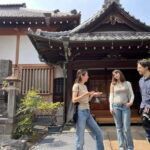
Before you hit the loudest part of Tsukiji, you visit Tsukiji Hongan-ji for about 15 minutes. The description you’ll see on this tour isn’t just decorative—this temple stop is a mood shift. You get intricate carvings, a quieter interior, and a chance to understand the spiritual and cultural side of the area before the seafood frenzy.
I like this order because it trains your brain. Instead of treating Tsukiji like an amusement ride, you start seeing it as part of Tokyo’s daily food culture and local tradition. On tours led by guides like Nicolas and Haydn, people often comment on how the temple explanation makes the market make more sense.
Drawback to consider: you’re still in a schedule, so this isn’t a slow, sit-down temple experience. It’s a focused introduction, then you’re back outside.
The Outer Market Walk: How the Guide Saves You Time
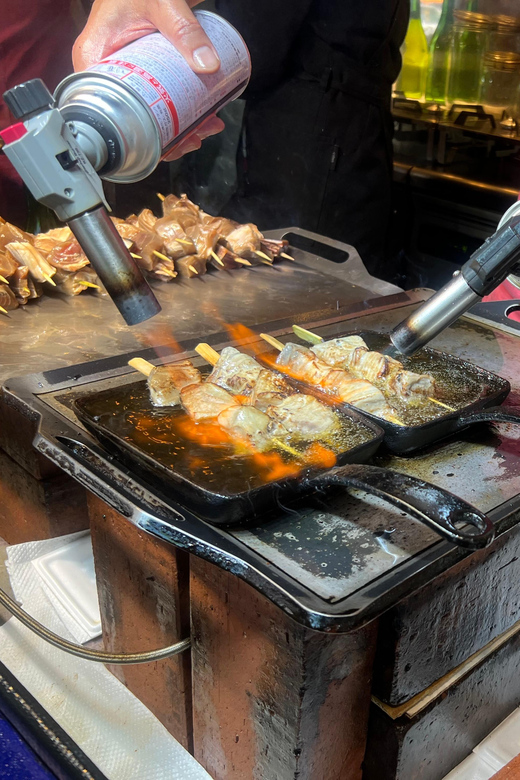
Most of your tour time is spent at the Tsukiji Outer Market—two guided blocks of about 50 minutes each. That split matters because it’s long enough to taste and compare, but not so long that you feel you’re doing the same street twice.
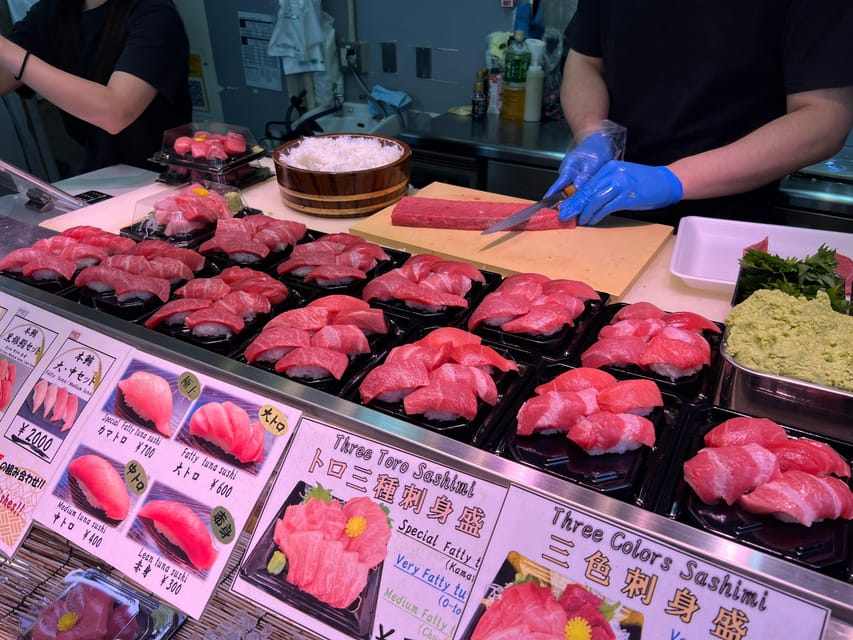
Your guide leads you through the market’s lanes where stalls line up with fresh seafood, produce, dried goods, spices, and all the little extras Japanese cooking is built on. The point isn’t only to show you where things are sold. It’s to make you understand the ingredients—what they are, how they’re used, and why they show up in Japanese menus again and again.
A big theme from excellent guides (people like Rie, Yayoi, and Sayaka have been singled out) is that they keep it easy to decide what to try. Instead of dumping you in front of 30 options and hoping you guess right, they guide you to stalls and explain what makes each stop worth your money and your time.
One practical drawback: the Outer Market can be busy. Even when it’s not your worst-case scenario, it’s still a market. The guide helps you avoid aimless wandering and keeps you moving through the crowd without turning it into a stop-and-start mess.
Choosing Street Food Like a Pro: Order What You Want
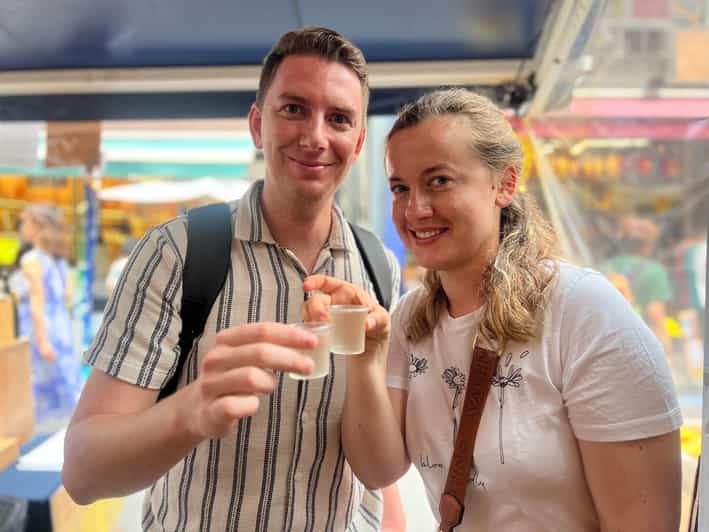
Here’s the best part for food lovers and cautious eaters: food is not included, and you order what you want at each stall. That means:
- you can sample small bites instead of one big meal
- you can steer away from what you don’t like
- you can adjust for preferences without feeling trapped
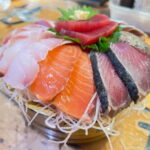
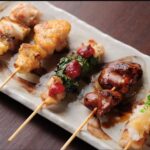
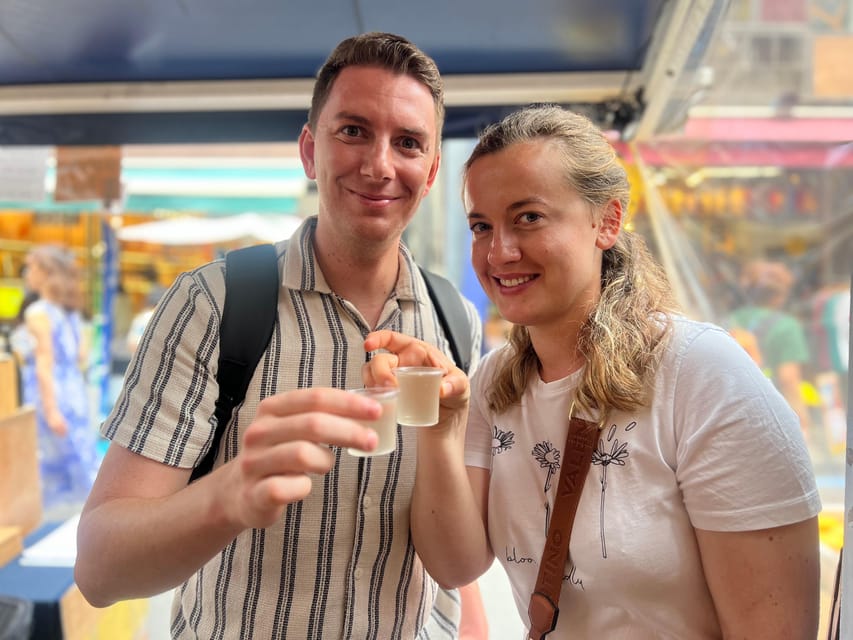
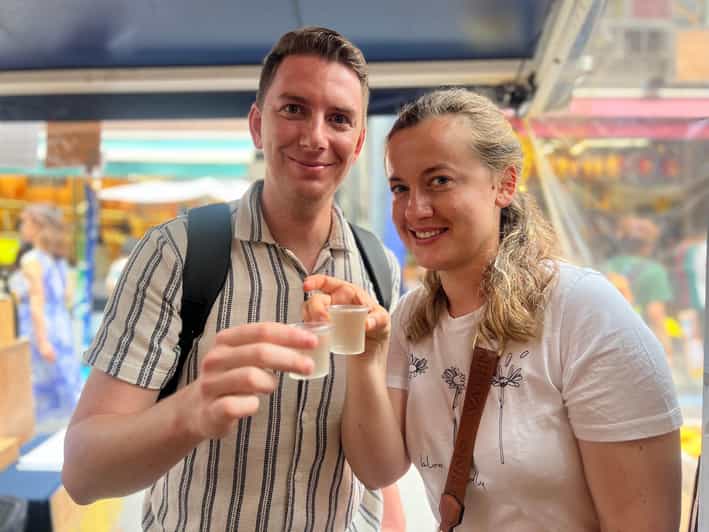
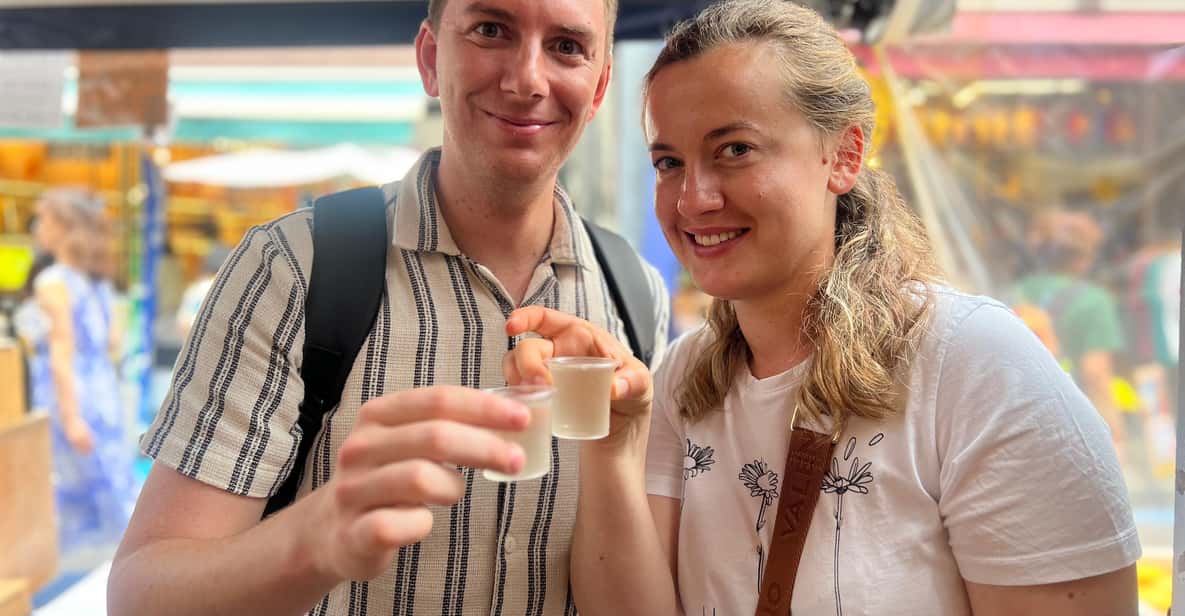
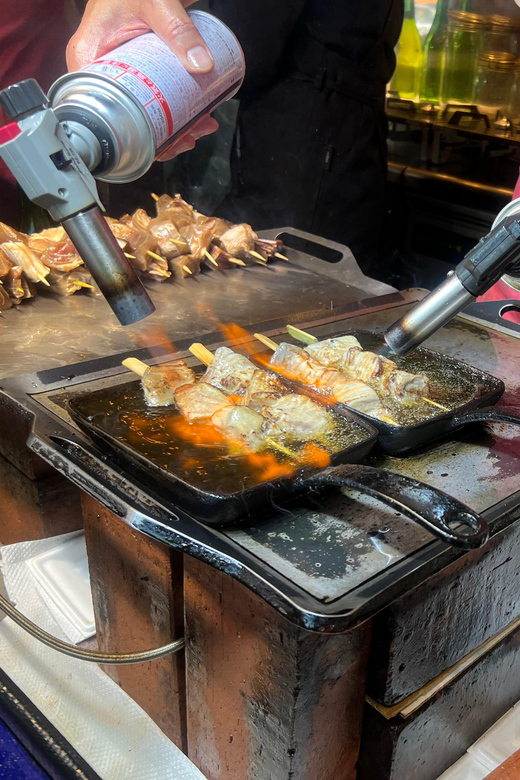
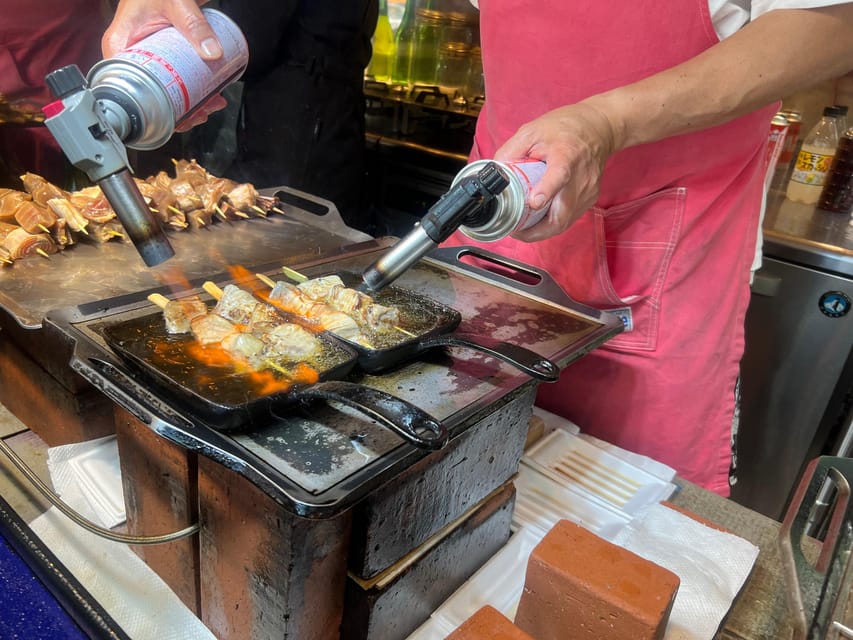
Several guides get praised for doing exactly this. People mentioned having options that helped them try foods they might not have chosen on their own—like wagyu beef skewers, unagi eel, oyster tastings, tamago (egg-based items), sushi, dried goods, and sweets. Even if you don’t love seafood, you’re not forced into a seafood-only route.
The instruction to bring cash is not a suggestion; it’s how you make this tour work smoothly. Many stalls are pay-at-the-counter, and if you rely on card only, you may end up skipping something you’d otherwise try. You’ll also avoid the awkward moment of figuring out payment after you’ve already lined up.
Also keep your expectations realistic: this isn’t a formal tasting menu. It’s a guided “choose-your-own” snack route. That’s why it’s such good value for the price—you control the spend.
You can also read our reviews of more guided tours in Tokyo

Photos, Temple Entry, and the Hidden Value of Logistics
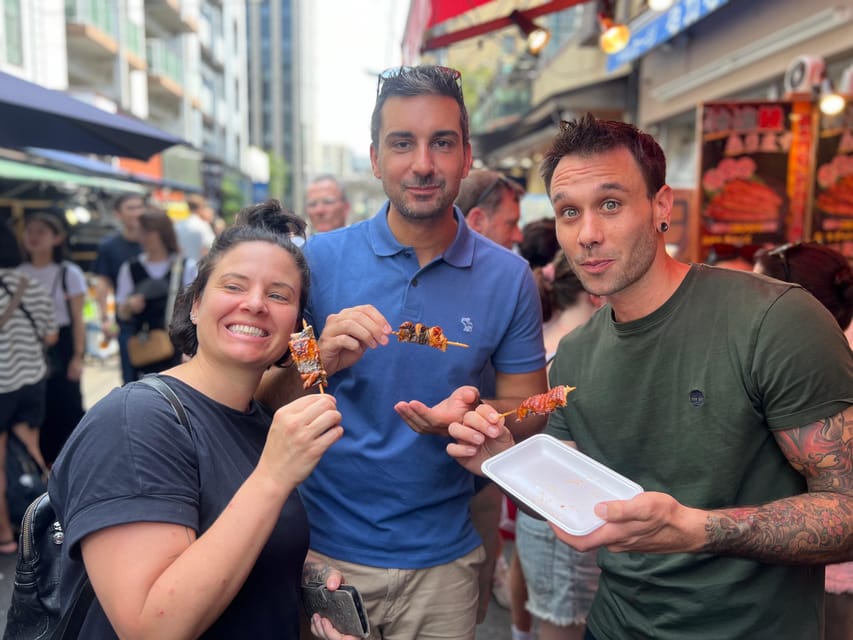
This tour includes photos taken during the walk, plus free entry to the market and the temple areas. That’s small on paper, but it adds up in real life. In Tsukiji, you’re often focused on what you’re eating or learning, and you don’t want to stop every 20 seconds to organize your camera and angles.
The free entry also reduces friction. You show up, meet your guide, and you get access as part of the experience instead of spending time figuring out tickets or whether you’re in the right spot.
The best guides also handle the “how do I do this” part. A few people specifically praised guides for helping with ordering at stalls and choosing spots that are easier than walking in alone. That alone is worth a lot, because the Outer Market can feel like a maze if it’s your first time.
Ingredient Lessons You Can Use Beyond Tsukiji

The tour doesn’t stop at food samples. Your guide also explains what’s on sale and why it matters for Japanese cooking. You’ll hear about a range of ingredients, including seafood varieties and specialty items, plus how spices and dried goods fit into everyday meals.
I love this angle because it makes the market practical, not just sensory. You leave with a better sense of:
- how Japanese flavor is built from different types of seafood and seasoning
- how egg, beef, and seafood each have their own role
- why you’ll see similar ingredients repeat across shops and menus
People also praised guides for giving clear, direct explanations and pointing out what to look for. When it clicks, Tsukiji stops being random and starts being readable.
If you’re a home cook or a curious eater, this is where the tour stays useful after the snack crumbs are gone.
What to Watch For Before You Book
Tsukiji is famous, so it can attract all kinds of expectations. Here’s what you should consider so the experience feels good:
Food isn’t included. That’s the tradeoff. You’ll pay for what you order, so your final cost depends on your appetite. If you want only a light snack or two, you can do that. If you want to try everything, plan to spend more cash.
It’s still a working market. Expect a crowd and constant motion. Your guide can help you navigate, but you should still wear comfortable shoes and be ready for standing and walking.
Seafood preferences vary. Good guides handle this well. Some guests noted that even if they don’t normally like seafood, the guide found options to satisfy them. Still, if you’re extremely seafood-averse, tell your guide early so you’re not stuck choosing from only a narrow set of stalls.
Short time, lots of choices. Two hours passes quickly. If you want a slow, unhurried wander where you read every sign, this may feel brisk. For most people, that pace is exactly what makes it manageable.
Should You Book This Tsukiji Guided Walking Tour?
I’d book this tour if you want the Tsukiji experience without the wasted time. The combination of a temple intro, a guided Outer Market route, and small-group navigation makes it an efficient way to get your bearings and start tasting with confidence. The price is also fair for what you get: guidance, photos, and free entry, while still letting you control your food budget stall by stall.
I’d skip it if you already know Tsukiji well and plan to come with a fixed list of stalls. Also skip if crowds stress you out badly and you want a fully relaxed pace. This is more “guided snack mission” than “sit and soak.”
If you do book, I recommend bringing enough cash for the tastings you truly want—not just a token amount. And if seafood isn’t your thing, don’t hesitate to share that preference with your guide early. The best routes are the ones that match your tastes, not someone else’s.
FAQ
Where do I meet the guide?
You meet your guide at Starbucks Coffee in front of Tsukiji Station, and the guide stands in front of the bench at Starbucks.
How long is the tour?
The tour lasts 2 hours.
How much does it cost?
It costs $22 per person.
Is the tour in English?
Yes. The live guide speaks English.
What’s included in the price?
The price includes the guided walking tour, photos taken during the tour, and entry to Tsukiji Fish Market / Fish Market areas and Hongwanji Temple (entry fees are listed as free).
Is food included?
No. Food and drinks are not included. You’ll order what you want at stalls.
What should I bring?
Bring cash.
What is the group size?
The group is small, limited to 10 participants.
Can I cancel if my plans change?
Yes. You can cancel up to 24 hours in advance for a full refund.