REVIEW · TOKYO
Tokyo: Hop-On Hop-Off Sightseeing Bus Ticket
Book on GetYourGuide →Operated by SKY HOP BUS · Bookable on GetYourGuide
Tokyo feels huge; this bus helps you steer. With open-top panoramic views and unlimited hop-on hop-off across Tokyo’s key areas, this ticket turns a stressful first visit into a simple plan you can adapt on the fly. You can move around as you please, then rely on an audio guide that runs on your own device in multiple languages.
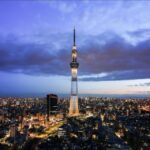
I love that the routes connect the big-name stops people actually want on a first trip, like Tokyo Skytree, Asakusa, Tokyo Tower, Tsukiji, and Ginza. I also like the practical setup: you can hop off, explore, then get back on later without re-buying anything. The one real consideration is comfort: it’s an open-air bus with no air-conditioning, so hot or rainy weather can make the ride less cozy.
In This Review
- Key Things I’d Focus On
- Entering the System: Why This Ticket Works in Tokyo
- Getting On Board: Mitsubishi Building Meeting Point and QR Stops
- Audio Guide on Your Phone: 10 Languages, Less Hassle, One Catch
- Route 1: The Skytree–Asakusa–Ueno–Akihabara Course
- Route 2: Tokyo Tower and Tsukiji Ginza Loop
- Route 3: Shinjuku, Shibuya, Harajuku, Meiji Jingu After-Dark Potential
- On the Bus: Open-Air Comfort, Seating Rules, and Weather Reality
- Timing and Frequency: How to Build a 1- or 2-Day Plan
- Price and Value: Is $30 Worth It for You?
- Should You Book the Tokyo Sky Hop Bus?
- FAQ
- How much does the Tokyo Hop-On Hop-Off sightseeing bus ticket cost?
- How long is the ticket valid for?
- Where is the meeting point, and can I board elsewhere?
- Can I hop on and off as often as I want?
- What routes are included with the ticket?
- Is an audio guide included, and what languages are supported?
- Do I need my own smartphone and earphones for the audio guide?
- Is hotel pickup or transfers included?
- Is the bus air-conditioned, and where are the seats?
Key Things I’d Focus On
- Unlimited access to all routes: pick what you want, skip what you don’t, repeat stops on a 2-day ticket.
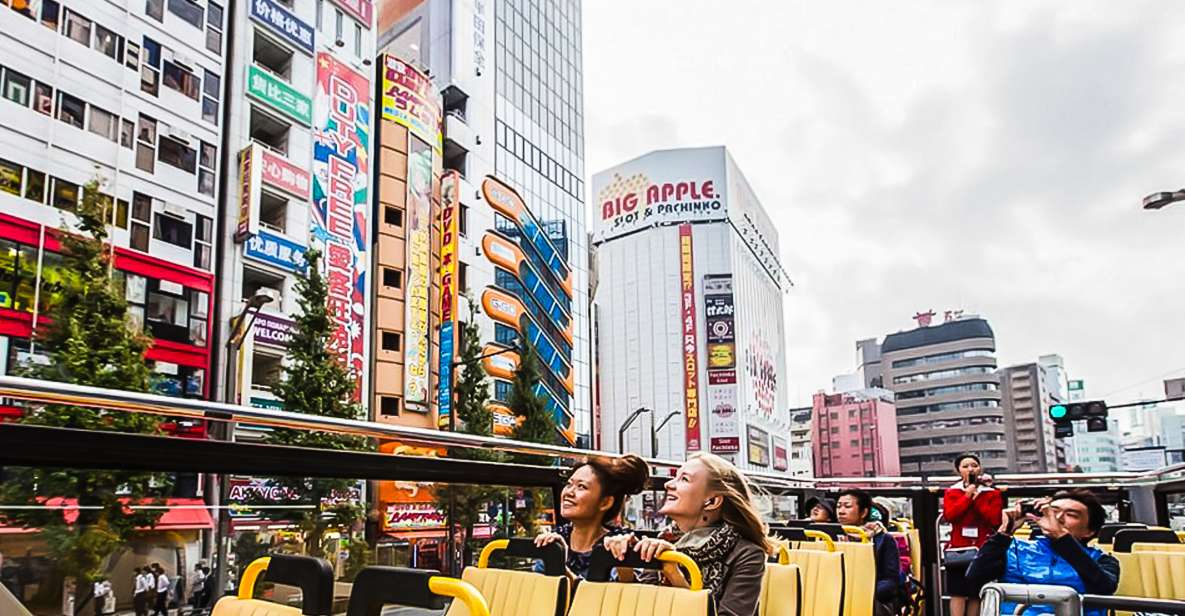
- Open-top panoramic viewing: great for skyline moments, especially when crowds and schedules get chaotic.
- Audio on your own smartphone/tablet: 10 languages supported through the personal-device system.
- Three major courses: Skytree/Asakusa/Ueno/Akihabara, Tokyo Tower/Tsukiji-Ginza, and Shinjuku/Shibuya/Harajuku/Meiji Jingu.
- Watch the bus rules: seats are on the second floor; the first floor is storage, and you can’t stand while it’s moving.
Entering the System: Why This Ticket Works in Tokyo

Tokyo can mess with your sense of distance. Neighborhoods feel close on a map, then you realize you’ve still got cross-town time. This bus ticket is built for exactly that problem: you buy once, then use the hop-on hop-off setup to stitch together multiple parts of the city without constantly re-planning transportation.
The big reason it’s worth your attention is the combination of coverage and flexibility. You’re not stuck with one straight route. You can choose among three courses, and the ticket gives unlimited access to all routes. That means you can ride start-to-finish for an overview, or you can hop off at one highlight and ignore the rest until later.
I also like that it’s not just about sightseeing from a window. The ride includes an audio guide, and it’s designed to match stops so you can connect what you’re hearing with what you’re seeing outside. For first-timers, that matters. For repeat visitors, it still helps you organize your next day around what you liked most.
You can also read our reviews of more tours and experiences in Tokyo

Getting On Board: Mitsubishi Building Meeting Point and QR Stops
The meeting point is simple: you start in front of the Mitsubishi Building. If you don’t want to walk to that spot, you can often go directly on board from other bus stops using the QR code sent with your voucher.
Here’s the practical mindset I’d use: plan to arrive a bit early to find your stop and get settled before departure. And don’t treat the ride like a reserved “exactly when you want it” service. The setup is more flexible than a timed tour, but if seats fill up, you’ll need to board the next bus.
Also, one small detail that can save time: the driver operates in English and Japanese, so if you do need help orienting yourself, you’re not going to be stuck on one language only.
Audio Guide on Your Phone: 10 Languages, Less Hassle, One Catch
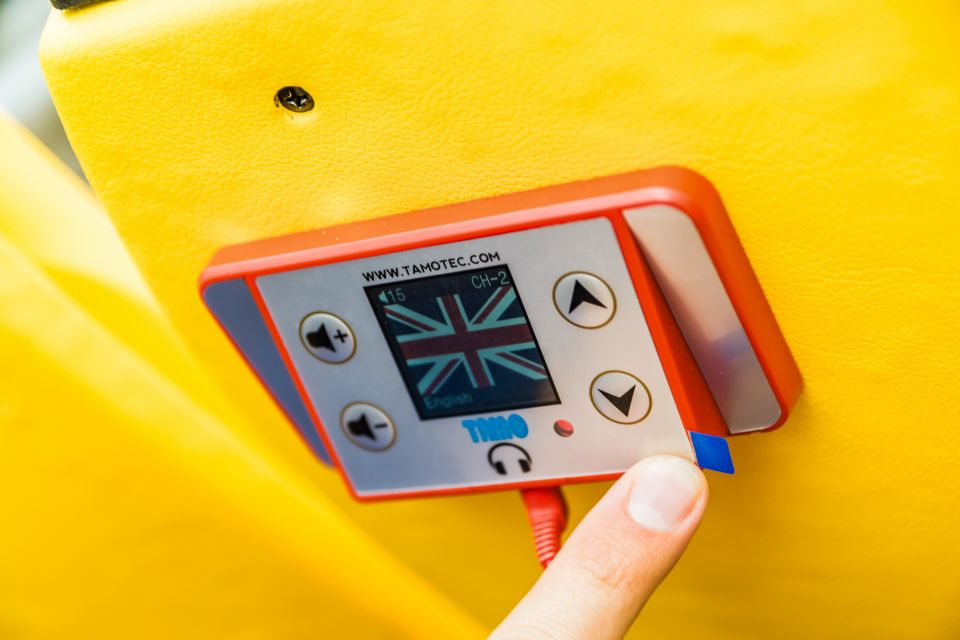
This is where the experience gets more modern. Sky Hop Bus Tokyo offers a new audio guide system that uses your own smartphone or tablet. The audio supports 10 languages: Japanese, English, Korean, Chinese, French, German, Spanish, Thai, Vietnamese, and Indonesian.
You bring the device and earphones. Data charges may apply, and that’s on you. So I’d treat this as a “plan ahead” situation: download if you can before boarding, and bring earphones you already trust.
There’s another practical twist: the older vehicle-mounted audio guide may not be available on some buses. Some buses use the personal-device system only. The safest approach is to assume you’ll be using your device regardless, then hope for the best if an additional audio method is present.
Good news from real-world experience: when the audio works well, it makes the route feel tied to the street views. It’s also handy because you control the pace. You’re not trapped listening to one long section you don’t care about.
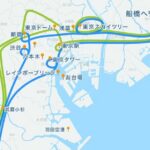
Route 1: The Skytree–Asakusa–Ueno–Akihabara Course
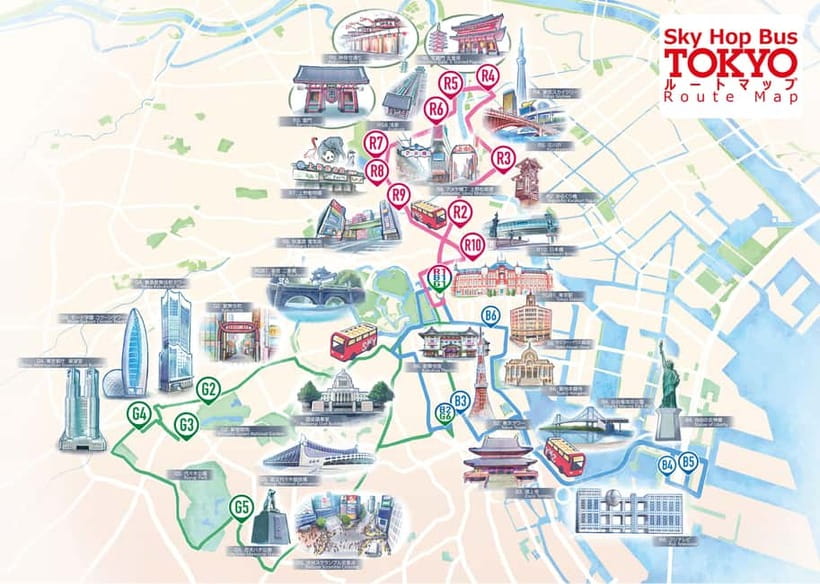
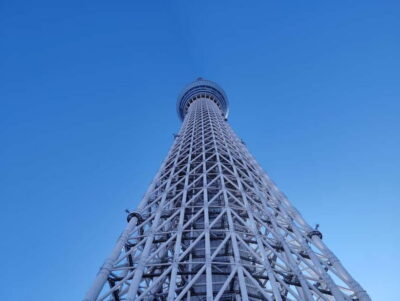
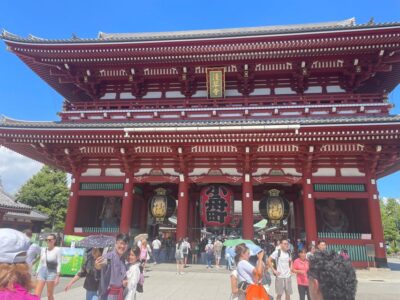
Route 1 is your “east side highlights” loop, starting and ending near Marunouchi Mitsubishi Building. Along the way, you pass through stations and stops like Kodemmacho, Ryogoku, Edo-Tokyo Museum, Tokyo Skytree, and then down into Asakusa—Hanakawado, Tawaramachi—before continuing toward Ueno Matsuzakaya and Akihabara (Suehirocho). It rounds back through Shin-Nihombashi and returns.
Why I think this course is a smart first-pick: it hits a classic set of central areas without forcing you to bounce across the city by train multiple times in one day. If your energy is limited, this is the route that gives you the most “you can decide later” payoff—because you’ll see enough landmarks that you’ll know what to target the next day.
How to use it well:
- If you’re trying to get your bearings, ride longer stretches without hopping off right away.
- If you already know you want one stop—like Tokyo Skytree or Asakusa—hop off, then come back later for Ueno or Akihabara.
One drawback to watch: this kind of route can be popular, so boarding might get tight at major stops. If you’re determined to get on at one specific point, give yourself buffer time.
Route 2: Tokyo Tower and Tsukiji Ginza Loop
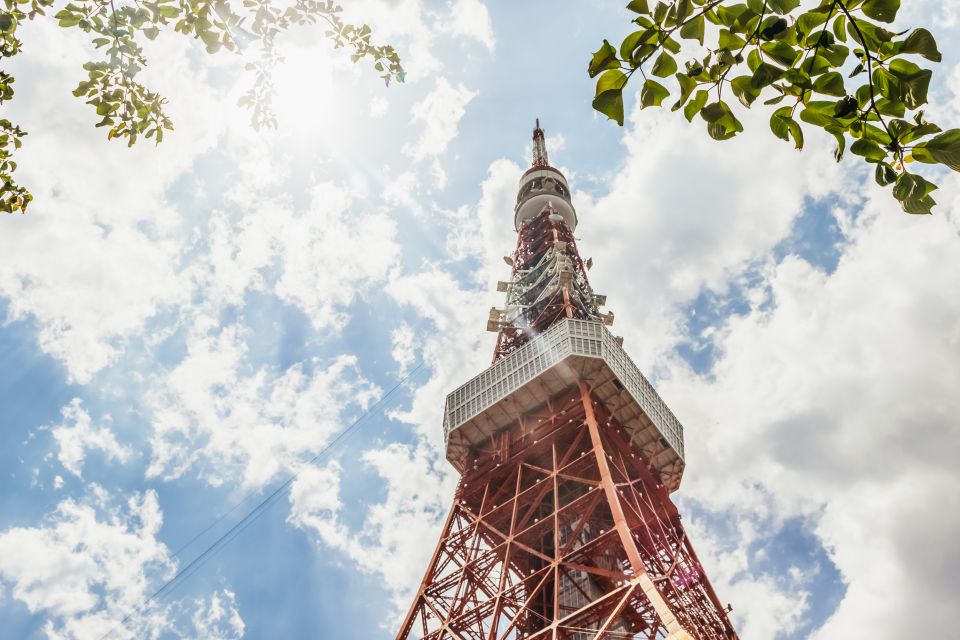
Route 2 centers on the skyline-and-market combination. It runs from Marunouchi Mitsubishi Building to Tokyo Tower, then continues past the Tokyo Prince Hotel/Zojo-ji Temple area. After that, the route goes by Tokyo Teleport Station and lands you in Tsukiji Ginza before looping back to Marunouchi Mitsubishi Building.
If you’re the kind of traveler who wants a Tokyo day that mixes iconic views with neighborhood atmosphere, this route is built for you. Tokyo Tower is the main visual anchor here, and Tsukiji Ginza is the “plan your walking time after the ride” payoff.
Practical way to do it:
- Use the bus as your orientation tool, then plan a longer walk around whichever stop you liked most.
- If you’re short on time, don’t try to rush every stop. Pick one main target and treat the rest as bonus.
A note on pacing: traffic can affect the bus, so if your schedule is tight, don’t treat the bus arrival as your only timing reference. Let yourself be slightly early for your next plan.
Route 3: Shinjuku, Shibuya, Harajuku, Meiji Jingu After-Dark Potential
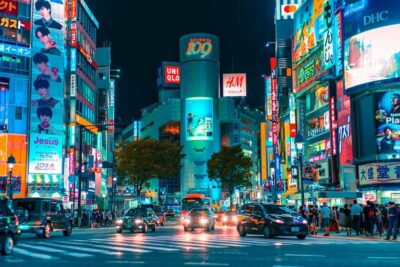
Route 3 focuses on the west side and the places people associate with Tokyo’s energy: Shinjuku-gyoemmae, Shinjuku Station South Exit/Hotel Century Southern Tower, Shinjuku Mitsui Building (Nishi-Shinjuku), then toward Shibuya City Hall and areas that connect with Harajuku and Meiji Jingu Shrine.
This course is ideal when you want a view of Tokyo that feels more modern and more layered. You’re moving through major hubs where the city changes fast from block to block.
One review detail I’d trust: people specifically liked the after-dark runs because city lights come on and the ride feels different. Another detail: some routes include freeway stretches, which can make the ride more fun than you expect—snapping you out of slow-stop city travel.
How to get the most out of this route:
- If you can, consider using it in the evening.
- If you’re doing a 2-day ticket, you can save this course for day two after you’ve learned what parts of the city you actually want to revisit.
On the Bus: Open-Air Comfort, Seating Rules, and Weather Reality
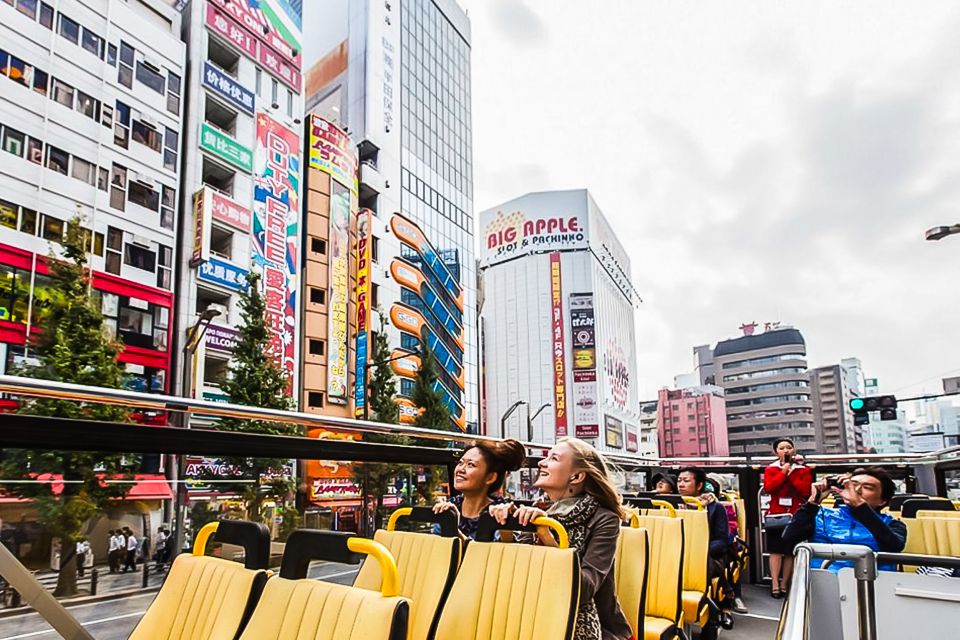
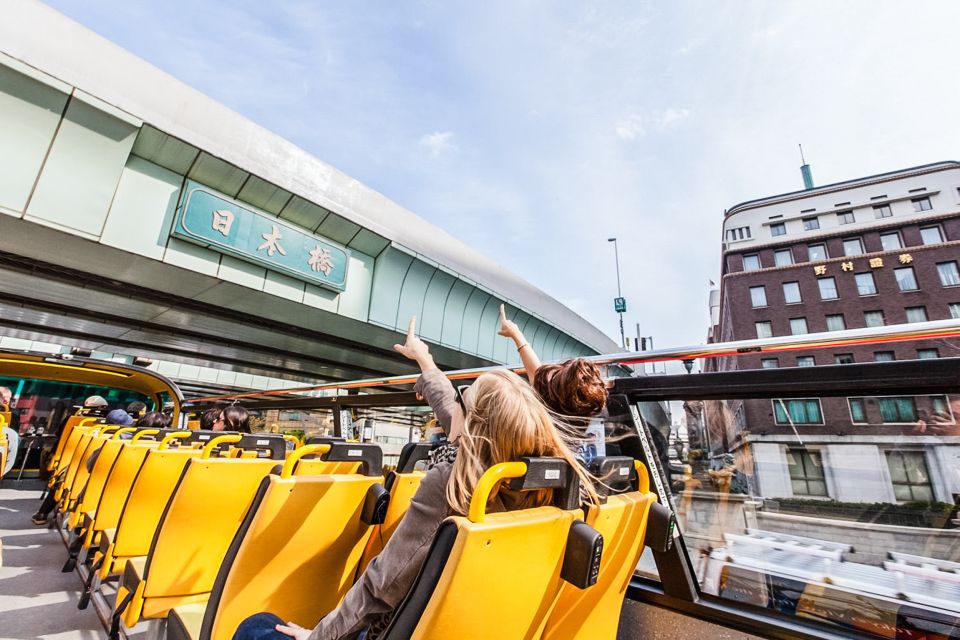
Let’s talk comfort like an adult. This is an open-air bus with no air-conditioning. On a hot day, that can feel brutal, even with a breeze. The upside is that it’s better for seeing and photographing, since you’re not trapped behind tinted glass.
Seating rules are straightforward:
- Passenger seats are on the second floor.
- The first floor is for storage.
- Standing is prohibited while the bus is in motion.
So if you want a steady viewpoint, aim for a seat early. Also, if it gets windy, hold on to yourself and your belongings. Open-top rides can mean less controlled airflow than you’re used to.
Rain is managed in a simple way. Raincoats may be distributed if needed, and umbrellas are prohibited on the bus. That’s worth taking seriously. If you’re traveling in wet season, pack a compact rain layer you can use fast once you get outside the vehicle.
From the experience side, I’ve seen reports of staff handing out ponchos and even frozen towels during extreme heat. That doesn’t mean it’ll happen every time, but it does suggest the crew watches for comfort when conditions get ugly.
Timing and Frequency: How to Build a 1- or 2-Day Plan
Tokyo is big, so timing matters more than you’d think. One common point to prepare for: there can be waits between buses. Some people reported intervals in the 30 to 45 minute range, and if you hop off and miss your next bus, the delay can stretch longer.
That’s why I think a 2-day ticket is the cleanest way to enjoy this. You can treat day one like orientation: ride, hop off once or twice, get your bearings. Then day two becomes targeted: return to your favorite stops without the pressure of catching every bus perfectly.
A smart tactic: if you get off mid-route, take a picture of the stop timetable and use your maps to mark exactly where you are. It’s a simple move that prevents the “I missed it by 10 minutes” spiral—and it keeps you confident when you’re planning where to go next.
Also, don’t underestimate the value of riding one full loop. People like it because it gives context fast. Tokyo can feel overwhelming, and seeing how areas connect helps you decide what to do with the rest of your trip.
Price and Value: Is $30 Worth It for You?
At about $30 per person for 1–2 days, the ticket isn’t cheap-cheap. It’s not a budget bargain. But it can be good value if your time is limited or your route-planning energy is low.
Here’s how I’d judge it:
- If you want to see multiple major districts in a short window, the unlimited routes can justify the cost quickly.
- If you like the idea of learning while you look—through a multilingual audio guide on your device—this is a more efficient way to get context than wandering blindly.
- If you’re already confident with Tokyo transit and you’re comfortable moving by train, you might save money by building your own itinerary.
One real-world tip from the ride logic: if you’re going to pay, use it to reduce stress. A 2-day approach helps a lot, because you’re not trapped chasing every stop in one shot.
Should You Book the Tokyo Sky Hop Bus?
Book it if:
- You’re on a first trip and want a fast orientation across major neighborhoods.
- You want an easy “choose-your-own-adventure” day with stops like Tokyo Skytree, Asakusa, Tokyo Tower, and Tsukiji Ginza.
- You’ll use the audio guide on your phone and enjoy getting context while you ride.
Skip it or think twice if:
- You’re sensitive to heat, since it’s open-air with no air-conditioning.
- You have a very rigid schedule and can’t handle delays from traffic or waiting for the next bus.
- You prefer saving money by using trains and building your route from scratch.
If you want, tell me when you’re going (month or rough weather) and how many full days you have in Tokyo. I’ll suggest the best way to split these routes so you don’t spend your trip chasing buses.
FAQ
How much does the Tokyo Hop-On Hop-Off sightseeing bus ticket cost?
The price is listed as $30 per person.
How long is the ticket valid for?
The duration is 1 to 2 days, based on available starting times.
Where is the meeting point, and can I board elsewhere?
The meeting point is in front of the Mitsubishi Building. You can also board directly from other bus stops using the QR code sent with your voucher.
Can I hop on and off as often as I want?
Yes. Your ticket provides unlimited access to all routes, and you can hop off and back on at your convenience.
What routes are included with the ticket?
You get access to three courses:
- Route 1: Tokyo Skytree course (includes areas like Ryogoku, Edo-Tokyo Museum, Tokyo Skytree, Asakusa, Ueno, and Akihabara)
- Route 2: Tokyo Tower, Tsukiji Ginza course
- Route 3: Shinjuku Shibuya course
Is an audio guide included, and what languages are supported?
Yes, the audio guide is included. It’s offered through a vehicle-mounted system on some buses (Japanese, English, Korean, Chinese, French, German, Spanish) and through a personal-device system (Japanese, English, Korean, Chinese, French, German, Spanish, Thai, Vietnamese, Indonesian).
Do I need my own smartphone and earphones for the audio guide?
If your bus uses the personal-device system, you need to bring your own smartphone or tablet and earphones. Data charges may apply and are your responsibility.
Is hotel pickup or transfers included?
No. Transfers from/to your hotel are not included, though a free shuttle service is listed as included.
Is the bus air-conditioned, and where are the seats?
No. There is no air-conditioning because it’s an open-air bus. Passenger seats are on the second floor, while the first floor is for storage. Standing is prohibited while the bus is in motion.