REVIEW · TOKYO
Kamakura Private & Customizable Tour – All-in-One Experience
Book on GetYourGuide →Operated by ShogunTours · Bookable on GetYourGuide
Kamakura feels different with a guide. This private, fully customizable tour lets you shape the day around what you actually want to see, from temples and shrines to calm nature moments, without getting dragged by a fixed group schedule. You get an expert-recommended plan that you can tweak on the spot, plus guidance in English and a pace that stays under your control.
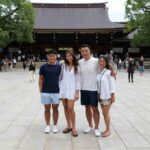
I love two things most. First, the pre-booking planning and flexible itinerary mean you can build a day for your interests, not someone else’s checklist. Second, the guide can take photos during the tour, which is a big deal when you want pictures without juggling a camera and walking at the same time.
One key consideration: this experience isn’t set up for everyone. It’s not suitable for wheelchair users and it also expects a solid walking level, so if your mobility is limited, you’ll want to think carefully.
In This Review
- Key things to know before you go
- Kamakura at your pace, not your timeline
- How the English guide changes the whole experience
- The 2–8 hour window: planning the right kind of day
- Building your day around Kamakura’s major stops
- Kotoku-in: the big focal point
- Hasedera: steps, views, and a calmer rhythm
- Hachimangu: shrine atmosphere and cultural context
- Enoshima: the common add-on when you want scenery
- Optional pickup on foot in Tokyo, Yokohama, or Kamakura
- What the tour price really covers (and what it doesn’t)
- Walking and stamina: the reality check
- Food and local stops: where the guide’s judgment helps
- Who this Kamakura tour suits best
- Should you book this Kamakura Private & Customizable Tour?
- FAQ
- How long is the Kamakura private tour?
- Is this a private tour or a group tour?
- What about pickup? Is it included?
- Are entrance tickets included?
- What language is the guide?
- Who can join, and what should I bring?
Key things to know before you go
- Custom planning before the tour so you start with a smart route and adjust as you walk
- Private, English-speaking guide who can explain what you’re seeing at the pace you want
- Optional on-foot pickup in Tokyo, Yokohama, or Kamakura areas only
- Built around temples, shrines, and nearby spots with examples like Kotoku-in, Hasedera, Hachimangu, and Enoshima
- Expect to handle transport and tickets yourself since public/transport and entrance fees are not included
Kamakura at your pace, not your timeline
Kamakura works best when you’re allowed to wander a bit. With this private setup, you’re not stuck “moving on” just because someone else needs a photo in the next 10 minutes. The guide starts by building an itinerary you can follow as-is, then keeps it adjustable so the day can bend around your interests and energy.
What that means in practice is simple: you can go calmer, you can go faster, and you can skip or swap stops without the whole plan collapsing. I also like that the tour is framed as a real conversation. Your guide helps shape the day before you arrive, then keeps offering local context while you walk.
You can also read our reviews of more private tours in Tokyo
How the English guide changes the whole experience
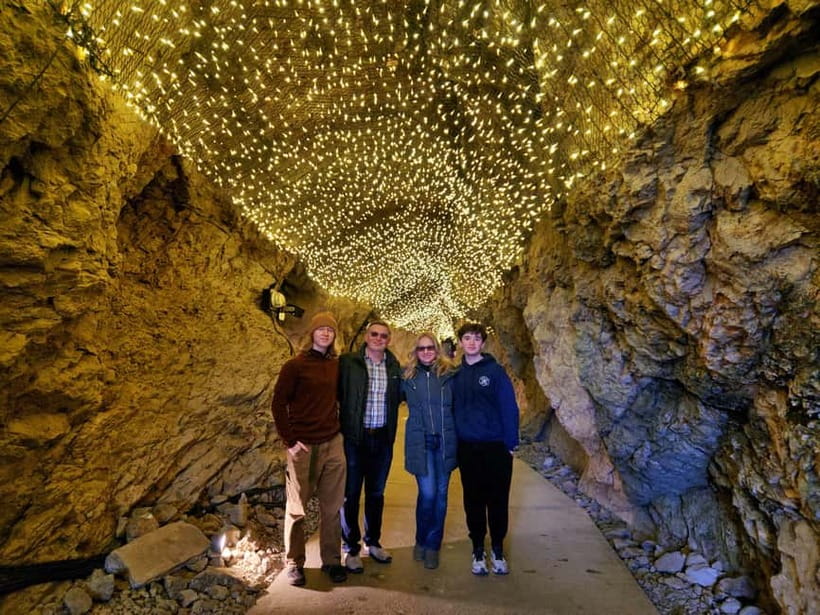
An English-speaking guide isn’t just about translation. It’s about interpretation—what a shrine sign means, why certain details show up again and again, and how modern Japan fits next to older traditions. The guides on this tour include people like Deen, Marco, Sofia, and Lauren, and the common thread is clear: they match the tone to the group.
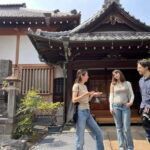
If you’re traveling as a family, the guide can steer attention when kids need a break. If you’re traveling solo, the guide can help you slow down in the right places and get the kind of photos that usually don’t happen when you’re doing everything yourself. There’s also real value in how guides handle momentum—some guests mention that guides were patient, paced the walk to mobility needs, and still made sure the day didn’t feel rushed.
The 2–8 hour window: planning the right kind of day
This is one of those tours where duration matters because Kamakura isn’t “one-stop.” In 2 hours, you’ll likely focus on a tight cluster of major sites and keep transit and walking short. In 5–8 hours, you can add more stops and still have time for pauses—views, quiet corners, and less crowded pathways.
Your starting time depends on availability, and the tour runs 9:00 AM to 6:00 PM (JST). One small wrinkle: if you see a 9:00 AM placeholder during booking, your actual start time gets confirmed after the request is reviewed. After booking, you’ll receive a confirmation email within 72 hours, then your assigned guide sends a personal follow-up with start-time options and a proposed itinerary based on your interests.
Building your day around Kamakura’s major stops
Because the tour is customizable, there isn’t one single “official” path. But you can plan a day around classic Kamakura highlights that match the themes many people want: big landmarks, serene temple grounds, and spiritual stops that feel connected rather than random.
Here are stops you can often build into your itinerary, and what to watch for.
Kotoku-in: the big focal point
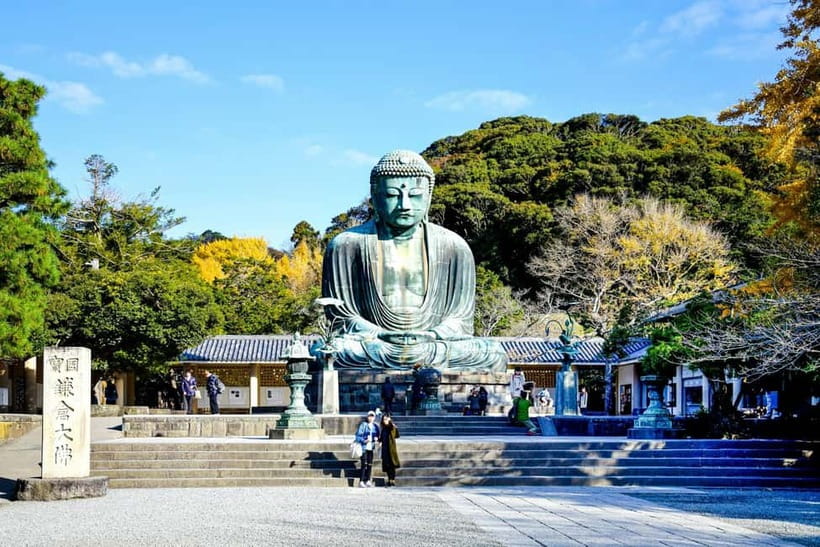
If you want one moment that instantly tells you why Kamakura is famous, Kotoku-in is where to start. This stop is a natural magnet for photography and first-time orientation: you’ll spend time looking, then you’ll likely get context on the site’s significance and the traditions connected to it.
Practical note: because it’s a major draw, plan to arrive with patience for crowds, especially if you choose a mid-morning start. A private guide helps because you can adjust timing on the fly if it feels too packed.
Hasedera: steps, views, and a calmer rhythm
Hasedera is the kind of stop that rewards slowing down. It has a “walking through the site” feel, where the value isn’t only one photo—it’s the series of viewpoints and the atmosphere as you move. Many guides also use this stop to connect stories to what you’re seeing, so the time on the grounds feels more meaningful than just checking a box.
If you like scenery and don’t want a day that’s only about monuments, this is a smart anchor. Wear comfortable shoes because the site is all about movement.
Hachimangu: shrine atmosphere and cultural context
Hachimangu brings a different vibe than the temple-focused stops. You’ll get a sense of how shrine spaces function—how people behave there, what you’re expected to notice, and how the broader belief world shows up in everyday details.
This is also a good place to adjust pace. If your group wants explanation, the guide can go deeper. If your group is tired and wants a lighter pace, you can still enjoy the atmosphere without feeling like you’re missing the “important” part.
Enoshima: the common add-on when you want scenery
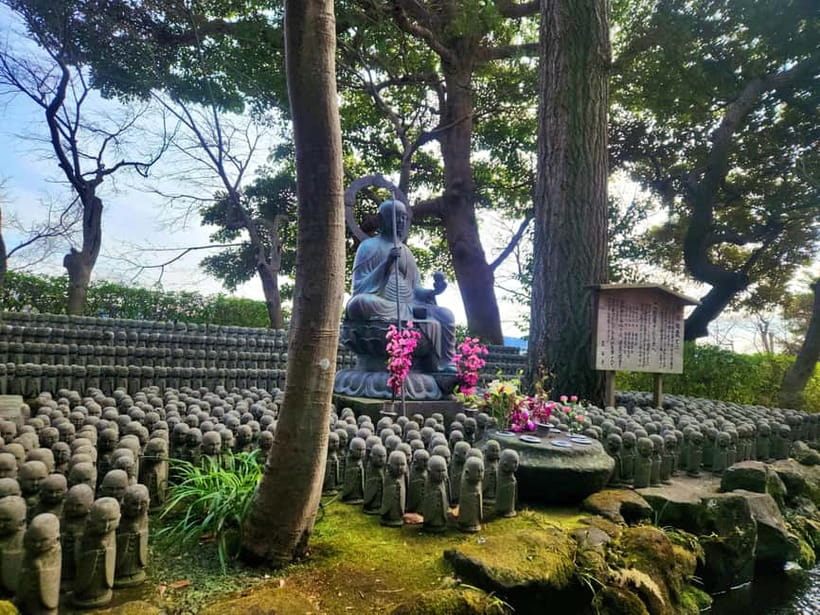
Many people add Enoshima island when they want sea air and a change of pace from inland temples. Enoshima is a nice contrast: you can spend time with coastal views, then still keep the day connected to Kamakura’s cultural landmarks.
If your interests include both nature and tradition, Enoshima is often the bridge. It also gives you an easy way to build a half-day that feels like a full experience, not just a temple hop.
Optional pickup on foot in Tokyo, Yokohama, or Kamakura
Pickup is optional, and it’s specifically described as on foot within Tokyo, Yokohama, and Kamakura areas. That’s useful if you’re staying close to transit hubs or within walking distance of key meeting points, because it removes one awkward part of the day: figuring out exactly where to start.
Do note that this is not private car service. If you’re expecting a vehicle pickup, you’ll want to plan on your own transportation to the local meeting point and then let the guide handle the local pacing from there.
What the tour price really covers (and what it doesn’t)
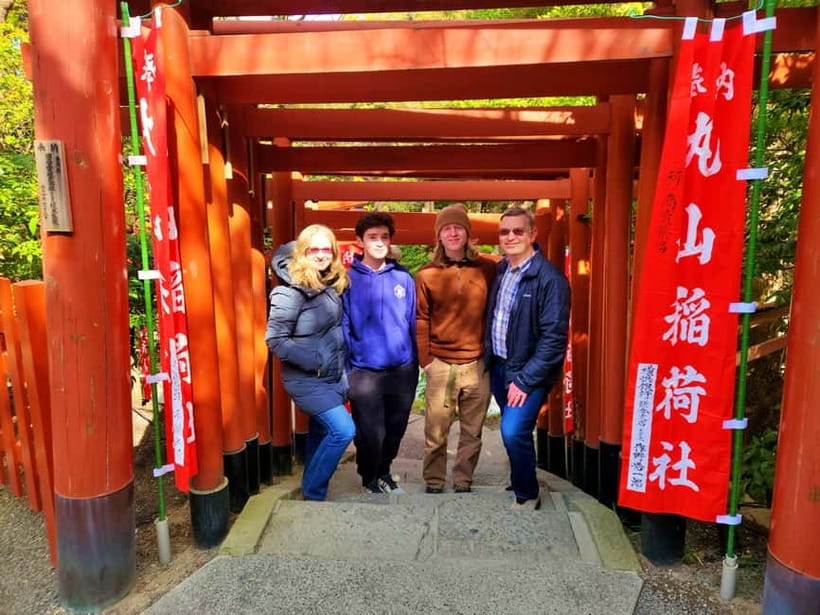
At $51 per person, this can be strong value if you want a private guide plus planning help. You’re paying for a guide’s time, custom itinerary support, and a private experience that doesn’t force the whole group into your plan.
But you should budget for two gaps:
- Entrance tickets are not included. If a stop charges a fee, you’ll pay on site.
- Transport is on you. The tour does not include private transport (bus/car) or public transportation.
Still, the “all-in-one” part is that you’re not left alone. Your guide helps you decide what fits your timing, and many people come away feeling they saw exactly what they wanted within their chosen duration.
Walking and stamina: the reality check
This tour is not listed as suitable for wheelchair users and it expects a low level of fitness is not a match. That doesn’t mean you need to be an athlete, but you should be honest with yourself about stairs and steady walking.
My practical advice:
- Bring comfortable shoes you can wear for longer than you think you’ll need.
- If you have mobility limits, tell your guide early. Several guests highlight that guides adjusted pacing and were patient with logistics like carry-ons and movement between spots.
- Plan bathroom breaks into your head. Private tours feel flexible, but you still need to manage the physical rhythm.
Food and local stops: where the guide’s judgment helps
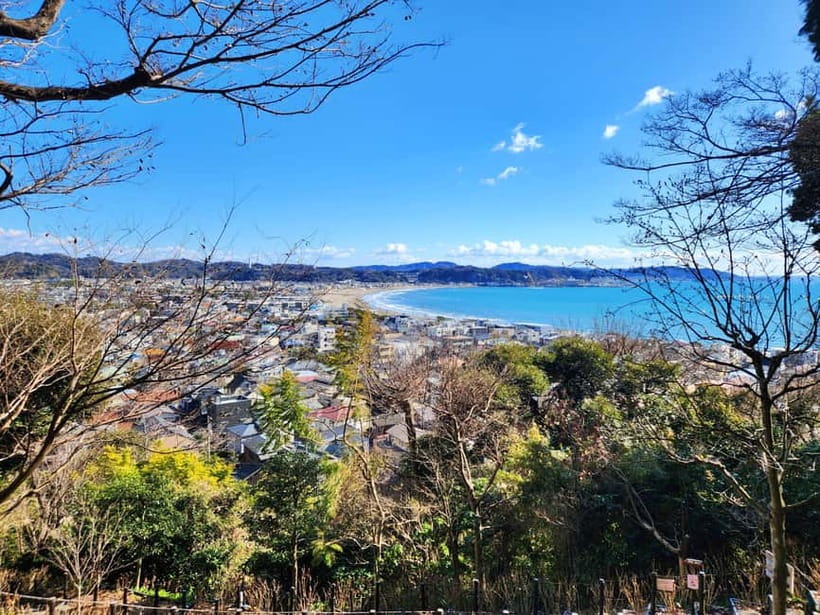
This tour doesn’t list meals as included, but the guide can help with practical choices. In the real world, that matters because Kamakura and nearby Yokohama areas can be overwhelming when you’re deciding what looks good and what fits your schedule.
From the kinds of advice guests report getting, the guide often recommends food stops and gives cues for what to prioritize based on your interests and timing. If you want a day that feels like local life, this is an easy place where a private guide adds value.
Who this Kamakura tour suits best
This is a great fit if you:
- Want a private day with an English guide rather than a group tour
- Prefer flexibility over a rigid schedule
- Have specific interests, like temple and shrine culture plus nature time (with options like Enoshima)
- Travel with kids and want a guide who can handle attention span shifts
It may be a less ideal fit if you:
- Need wheelchair access
- Struggle with sustained walking or stair-heavy sites
- Expect that tickets and transit are fully handled for you
Should you book this Kamakura Private & Customizable Tour?
If your ideal day in Kamakura is shaped by curiosity rather than a countdown clock, I’d book it. The combination of custom planning, a private English guide, and the ability to swap in/out stops gives you control without losing the benefits of local expertise.
I’d hold off if you know you can’t do the walking level. And I’d go in with a simple budget mindset: entrance fees and transit are your responsibility, so plan to spend a bit more on the ground.
If you’re flexible on timing, good with shoes, and want a day that feels personal, this tour is one of the best ways to experience Kamakura without turning it into a rush job.
FAQ
How long is the Kamakura private tour?
The duration is listed as 2 to 8 hours, depending on availability and the start time options offered after booking.
Is this a private tour or a group tour?
This is a private group experience, meaning you get a dedicated guide rather than joining a mixed group.
What about pickup? Is it included?
Hotel or location pickup is available as an optional add-on, described as on-foot pickup in Tokyo, Yokohama, and Kamakura areas. Private transport is not included.
Are entrance tickets included?
No. Entrance tickets are not included in the tour.
What language is the guide?
The live tour guide offers English.
Who can join, and what should I bring?
It’s not suitable for wheelchair users or people with low level of fitness. You should bring comfortable shoes and cash. Cancellation is free up to 24 hours in advance for a full refund, and you can reserve and pay later.