REVIEW · TOKYO
Tokyo: Meiji Shrine, Asakusa, Skytree Bus Tour and Cruise
Book on GetYourGuide →Operated by Japan Panoramic Tours · Bookable on GetYourGuide
Tokyo in one long, well-planned day. SkyTree views and shrine calm, packed into one day. You get skip-the-line Tembo Deck access and a Uji first-flush matcha stop, plus a multi-language audio setup that helps you keep up without squinting at explanations.
I love that the day is structured like a guided “greatest hits” route, but with enough breathing room at key places to actually enjoy them. The trade-off is pace: there’s lots of walking, and some groups report 11,000+ steps, so comfy shoes matter. Also, the Bay Cruise isn’t guaranteed every day.
In This Review
- Key Things to Know Before You Go
- Why This Deluxe Coach Circuit Works
- Starting in Shinjuku (and Getting Oriented Fast)
- Meiji Jingu: Forest Calm Without Leaving the City
- Imperial Palace: A Short Stop With Big Meaning
- Asakusa: Nakamise Street + Two Unique Experiences
- Nakamise and Kaminari-mon
- The matcha experience (premium Uji style)
- Izakaya lunch in Asakusa (if you choose it)
- Tokyo Skytree and Sora-machi: Why the Skip-the-Line Matters
- Odaiba and the Bay Cruise Under Rainbow Bridge
- When the cruise doesn’t run
- How the Return to Shinjuku Feels (and What to Do After)
- Price and Value: Is $122 Worth One Long Day?
- Who This Tour Suits Best (and Who Might Feel Frustrated)
- Should You Book This Tour?
- FAQ
- How long is the Tokyo Meiji Shrine, Asakusa, Skytree bus tour and cruise?
- Where does the tour start?
- What is included for Tokyo Skytree?
- Is the Tokyo Bay Cruise included every day?
- Are vegetarian or gluten-free meals available?
- What food is included in the lunch option?
Key Things to Know Before You Go
- Skip-the-line Sky Tree Tembo Deck means less waiting for one of Tokyo’s signature skyline moments
- Asakusa includes both matcha and a local izakaya-style lunch (if you choose lunch)
- Your guide can make the cultural stops click, from shrine etiquette to city history, not just “here’s a building”
- The cruise can change: some days it’s replaced by the Fukagawa Edo Museum or Hamarikyu Garden
- Diet options are limited to vegetarian and gluten-free at booking; other specific needs require booking without lunch
Why This Deluxe Coach Circuit Works
Tokyo can be overwhelming. This tour is built for the “I have limited time” reality: you cover major neighborhoods in one day with an air-conditioned coach and clear narration. What feels smart here is how the route mixes big icons (Meiji Shrine, Asakusa, SkyTree) with in-between city textures you’d otherwise miss while hopping trains.
You also get Wi‑Fi on the bus and audio headsets in Spanish, French, Italian, German, Portuguese, and Ukrainian. That matters more than you’d think. When the guide is talking while the bus is moving, you can still follow along without losing the thread.
If you hate rushing, set expectations. This isn’t a slow wander with a coffee shop stop every 30 minutes. It’s a well-run highlight sprint—worth it if you like structure and hate map anxiety.
You can also read our reviews of more boat tours in Tokyo
Starting in Shinjuku (and Getting Oriented Fast)
The tour kicks off in central Tokyo with pickup options. Depending on what you choose, you’ll meet near Matsuya Ginza or at the Love statue in Shinjuku (the meeting point can vary by option).
Right away, you get that “okay, I can handle this city” feeling. You’ll pass major landmarks and recognizable areas from the bus—Kabukicho (pub-hopping energy), Harajuku and Omotesando, and the National Diet Building. Those ride-by segments are useful. Even if you don’t stop, you see how Tokyo’s districts layer together.
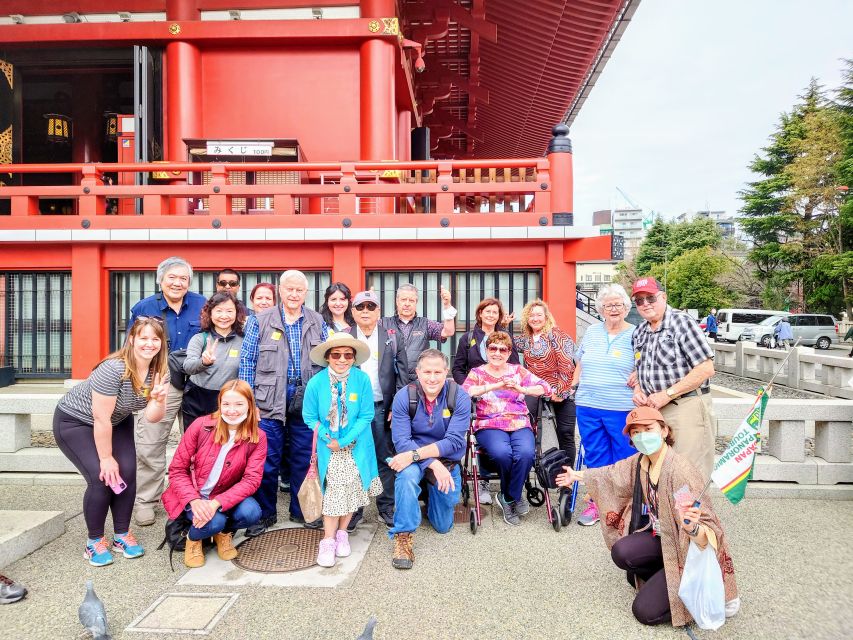
You’ll also get a tour guide onboard. Based on the names you might encounter—Aya, Sora, Hiro, Levin, Yuta, and Tsubasa—the common thread is energy and organization. You’ll be nudged on what to watch for and how to keep the day smooth.
Tip: bring a small day bag and keep your phone charged. With multiple stops, you’ll want quick access for photos and boarding instructions.
Meiji Jingu: Forest Calm Without Leaving the City
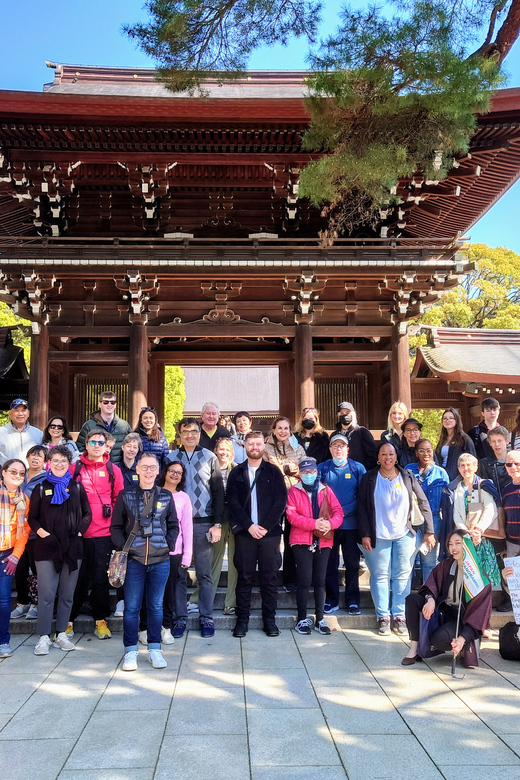
One of the best parts of this tour is how it starts with Meiji Jingu (Meiji Shrine)—and not just as a quick photo stop. You’ll have about one hour here, which is enough to slow down. The shrine grounds are surrounded by forest, and that contrast hits hard: you walk into quiet, then look up and realize you’re still in Tokyo.
What makes it special on a guided day is the context. A good guide will explain shrine behavior—how people approach, what rituals mean, and why the space is designed the way it is. If your guide shares those details, pay attention. It turns a pretty place into something you understand.
Practical note: there’s walking and standing around. Dress for it. This is where your shoe comfort pays off later.
Imperial Palace: A Short Stop With Big Meaning
Next up is the Tokyo Imperial Palace area, with around 30 minutes for sightseeing. You won’t be doing a deep, museum-style visit. But you’ll see the “seat of power” contrast—Edo-era roots expressed in a modern capital setting.
Depending on operations, you may visit the East Garden (traditional Japanese gardens) or view Niju-bashi Bridge as part of the outer garden area. Either way, it’s a good way to connect Japan’s past to what you see today.
If you’re the type who loves symmetry, don’t ignore what you see from the bus while passing the National Diet Building—those straight lines tell a story about design and order in the capital.
Asakusa: Nakamise Street + Two Unique Experiences
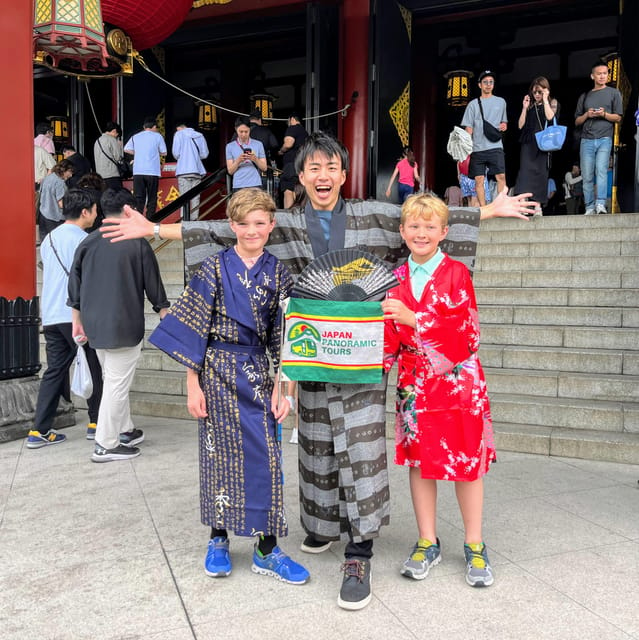
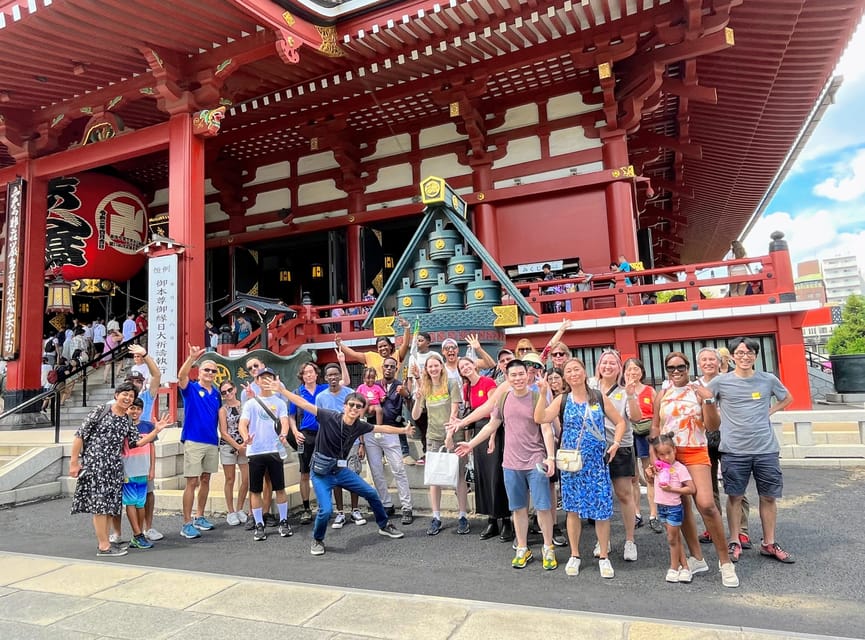
Asakusa is where the tour gets hands-on. First, you’ll head into the neighborhood for food tasting time (about 30 minutes), then you’ll have a lunch block (if selected), and later free time (around one hour) to roam.
Nakamise and Kaminari-mon
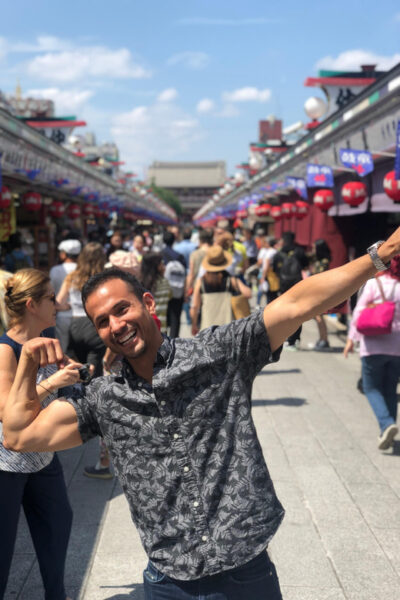
You’ll get time around Nakamise Avenue—the classic street packed with shops—and you’ll also get the iconic photo setup at Kaminari-mon Gate with the red lantern. It’s touristy, yes. But it’s also the place where Asakusa’s “old Tokyo” vibe is easiest to feel.
The matcha experience (premium Uji style)
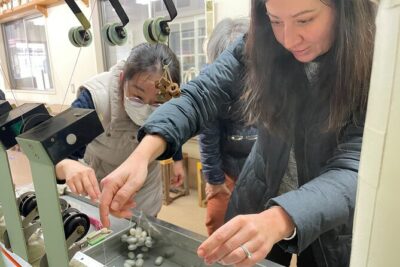
Then comes the highlight: an authentic matcha experience featuring not-bitter matcha described as “premium matcha,” using Ichibancha first flush from Uji, Kyoto. You may also have options like sweet matcha gelato or matcha beer.
This is one of those tours where the food isn’t an afterthought. The matcha stop is timed so it doesn’t feel rushed, and it breaks up the day nicely before SkyTree.
Also note: if your date falls on May 14, the matcha shop may be closed, and you’ll receive matcha souvenirs as the experience instead.
Izakaya lunch in Asakusa (if you choose it)
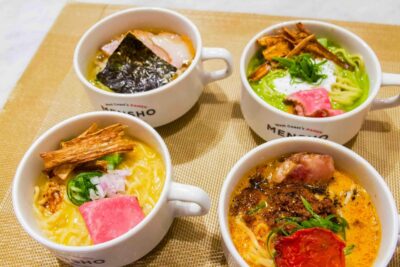
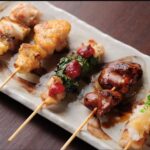
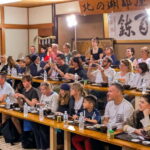
If you select lunch, you’ll eat an izakaya-style set meal designed around local staples:
- KARAAGE (Japanese fried chicken)
- TOFU set meals
- A soft drink
Diet details are important here. The tour says vegetarian and gluten-free meal requests should be made at booking. The meal described has no pork and no seafood, but the notes also mention dashi contains fish broth—so strict dietary needs should be handled carefully. Lunch also avoids nuts and crustaceans, but if you have serious allergies beyond the listed accommodations, the tour advises booking without lunch.
If you’re traveling with someone who wants full customization (lactose-free, Muslim-friendly, allergy-heavy beyond the stated options), plan to skip the included lunch and eat independently.
One balancing note from the day’s reality: lunch gets praised for quality often, but not every set hits the mark for every palate. If you’re picky, bring a backup snack mentality.
Tokyo Skytree and Sora-machi: Why the Skip-the-Line Matters
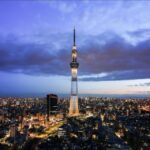
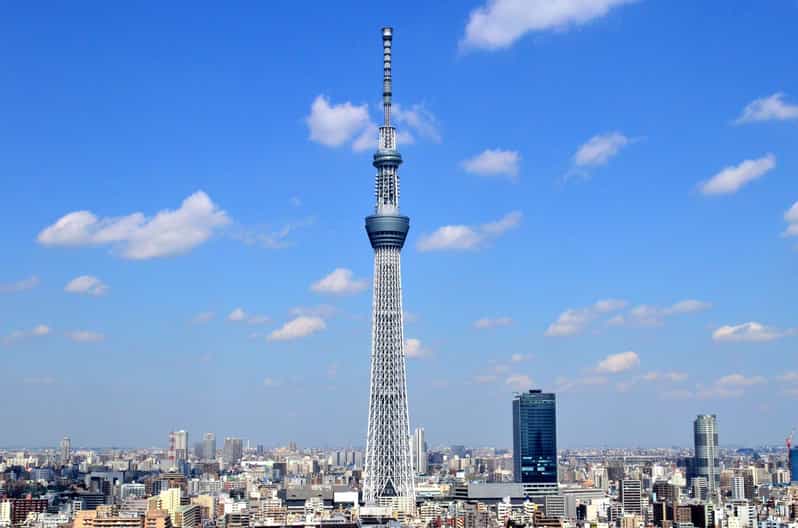
SkyTree is the big vertical flex of the day. You’ll go up to the Tokyo Skytree Tembo Deck at 350 meters, and this tour includes the skip-the-line admission for that deck. That’s not a small perk. When you’re doing multiple major stops in one day, any saved waiting time is bought with real minutes.
You also get time at Sora-machi shopping area alongside the Skytree visit. Even if shopping isn’t your thing, it’s a convenient place to regroup, snack, and reset before the next leg.
How to enjoy it best:
- Go with the mindset that it’s a photo moment. You’ll want to take a bunch, then look slowly.
- If you care about views, check the light. The tour timing can land you with gorgeous conditions, depending on the day.
Some people wish there were a little less time at SkyTree. That’s a sign the stop is popular and the schedule can feel tight. If you’re the type who wants less time shopping and more time staring at the skyline, you may want to keep your browsing quick.
Odaiba and the Bay Cruise Under Rainbow Bridge
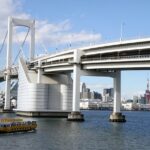
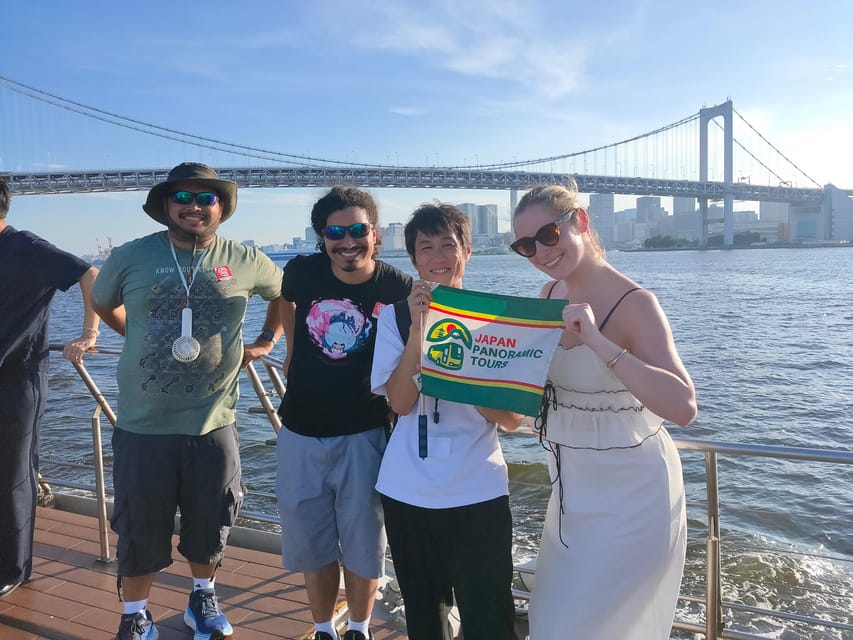
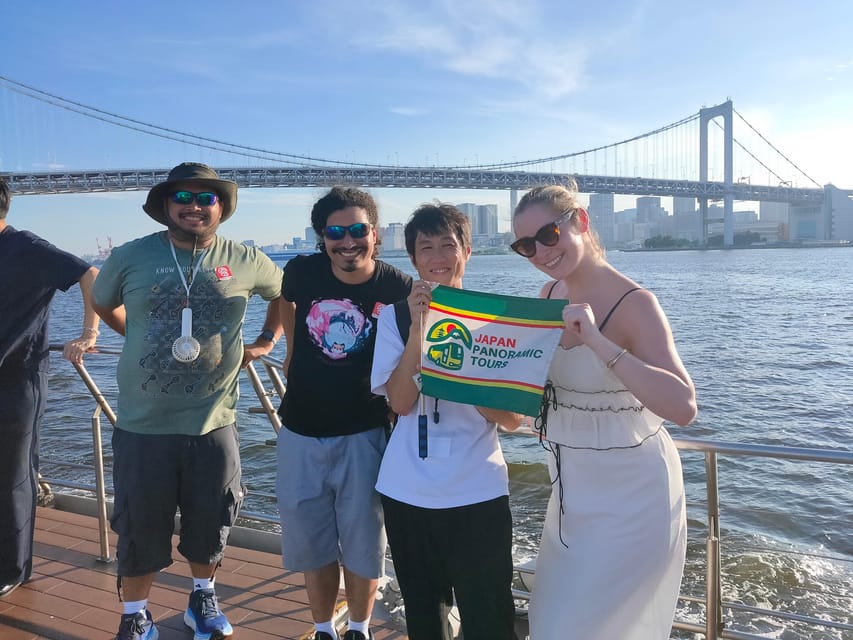
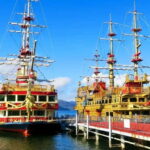
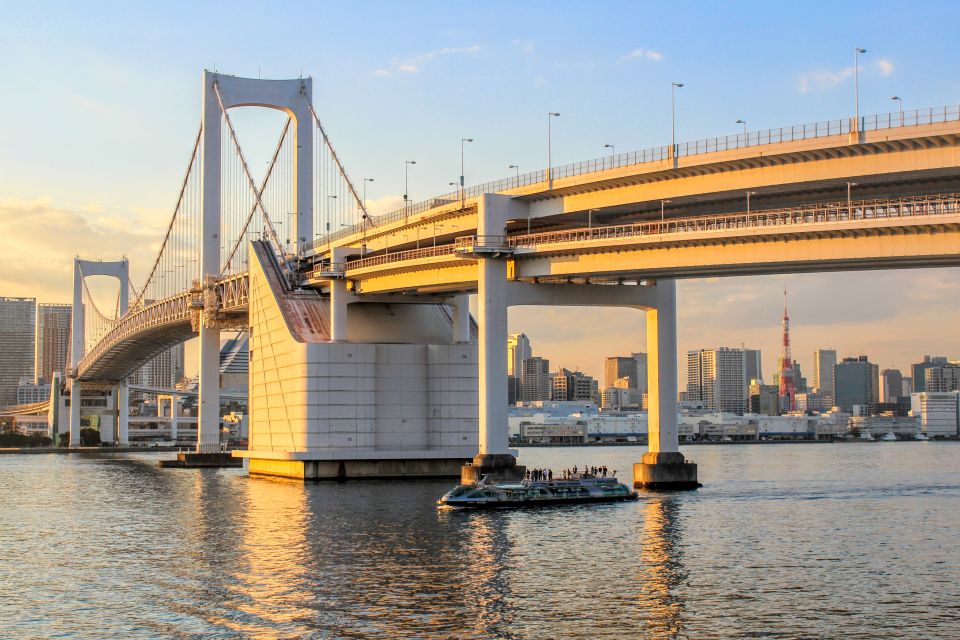
After Skytree, you head toward Odaiba, where the day can end with a Tokyo Bay Cruise. The cruise portion is described as about 20 minutes and includes sailing under Rainbow Bridge with views of Tokyo’s skyscrapers.
This is often the emotional payoff of the whole loop: you’ve been on land with crowds and history stops, and then suddenly you’re moving through water with the skyline as the backdrop. Even if 20 minutes sounds short, it’s the right length to feel special without turning into a half-day detour.
When the cruise doesn’t run
Heads-up: the cruise is except on Tuesday. On Tuesday, the tour swaps in Fukagawa Edo Museum or Hamarikyu Garden.
Also, even on other days, the cruise can be changed due to high tide or technical maintenance. When that happens, the tour visits Hamarikyu Garden or Fukagawa Edo Museum instead, and the tour notes that refund won’t be given for that change. So if the cruise is the main reason you booked, Tuesday is the day to double-check your priorities.
The good news: the swap options are still worthwhile. One is museum-focused, one is garden-focused, and both give you a break from the “icon photo” rhythm.
How the Return to Shinjuku Feels (and What to Do After)
The tour finishes back in the Shinjuku area—your end point may be listed around Tokyo Mode Gakuen. By then, you’re usually tired in the good way: you’ve seen the big Tokyo landmarks in one sweep and you have a mental map for the next day’s independent exploring.
My practical advice: don’t try to squeeze in a long train-based “one more neighborhood” after this tour. Instead, pick something close to where you’ll be staying. You’ll enjoy it more, and you won’t turn your feet into bargaining chips.
If you do have energy, use what you learned during the tour. You’ll know why certain places feel the way they do—why shrines are quiet, why Asakusa feels older, and why SkyTree is the modern anchor.
Price and Value: Is $122 Worth One Long Day?
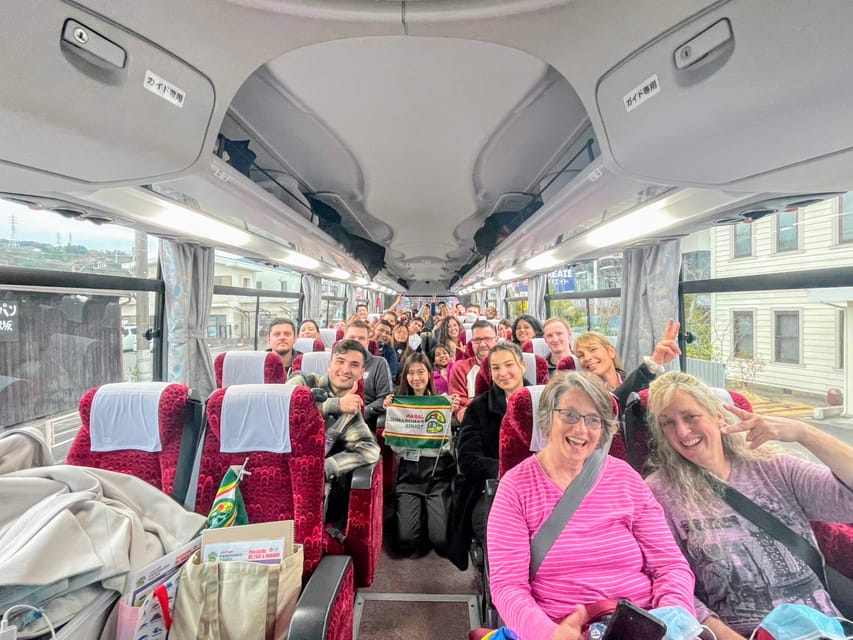
At $122 per person for a 10-hour day, this isn’t a bargain bus tour. You’re paying for five main things:
- A professional English-speaking guide
- Transportation by air-conditioned coach (so you’re not spending your day switching trains)
- Included SkyTree admission with skip-the-line benefits
- Cultural and food add-ons (matcha experience, and lunch if selected)
- Optional Bay Cruise on most days
Where the value really shows is when you compare what it costs in time. Doing this route on your own means you’d pay in effort: transit, ticket lines, coordinating timing, and trying to understand what to prioritize. Here, the hard parts are handled for you.
The only real “value risk” is the pace. If you want slow travel, you’ll feel the time pressure. If you’re okay with a packed day and you wear comfortable shoes, the structure can actually feel like a gift.
Who This Tour Suits Best (and Who Might Feel Frustrated)
This tour fits you if:
- You have a limited number of Tokyo days and want the most recognizable landmarks
- You like a plan that covers Meiji Shrine, Asakusa, and SkyTree in a single shot
- You want help with the story behind places, not just snapshots
- You appreciate the convenience of a coach + audio system
You might feel less happy if:
- You dislike walking and standing in lines, even if some stops are time-boxed
- You have dietary restrictions beyond vegetarian or gluten-free at booking
- You’re traveling on a day when the cruise won’t run (Tuesday) and you’d be disappointed by the swap
Should You Book This Tour?
Yes, book it if you want a well-run highlight circuit with real access perks—especially skip-the-line Tembo Deck—and you’ll enjoy matcha and a local-style lunch stop. This is a strong choice for first-time Tokyo visits or for anyone who wants a map of the city without spending a day figuring it out.
Skip it or plan carefully if you’re sensitive to pacing or if the Bay Cruise is non-negotiable for your trip day. In that case, the Tuesday swap rules matter a lot.
If you decide to go, do one simple thing: wear shoes you’d wear for a long walk. Tokyo can be flat in theory, but your feet won’t agree.
FAQ
How long is the Tokyo Meiji Shrine, Asakusa, Skytree bus tour and cruise?
The duration is 10 hours.
Where does the tour start?
You’ll start at one of the provided meeting options, including pickup near Matsuya Ginza or at the Love statue in Shinjuku. The meeting point may vary depending on the option booked.
What is included for Tokyo Skytree?
The tour includes admission to Tokyo Sky Tree’s Tembo Deck (350m), and it’s described as skip-the-line entry.
Is the Tokyo Bay Cruise included every day?
The cruise is included except on Tuesday. The tour also notes that sometimes the cruise may be unavailable due to high tide or technical maintenance, and it may be replaced by a visit to Hamarikyu Garden or the Fukagawa museum.
Are vegetarian or gluten-free meals available?
Vegetarian and gluten-free meal requests should be indicated at booking. If you have other needs like lactose-free or Muslim-friendly meals, the tour states those options are not available, and it suggests booking without lunch if your needs are more complex.
What food is included in the lunch option?
The set meal described includes Japanese fried chicken (karaage) and tofu, plus a soft drink. The notes also say there is no pork and no seafood, and dashi stock contains fish broth.