REVIEW · TOKYO
Tokyo Dinner Cruise & Tradition Show & Drinks & Tokyo Tower
Book on GetYourGuide →Operated by Orange Tour Co., Ltd · Bookable on GetYourGuide
Tokyo looks better from the water. On this yakatabune dinner cruise, I love the live shamisen show and the sukiyaki-style hot pot, and you’ll take in Tokyo Bay views in daylight before ending at Tokyo Tower. One consideration: it’s a small boat, so shoes-off etiquette and possible shared seating are part of the deal.
You’ll also get an English-speaking host, and the experience has a friendly, family-run feel thanks to guides like Karen and Yoyo on recent sailings. Expect a calm, cultural evening that mixes simple onboard comfort with a real Tokyo landmark payoff at the end at Tokyo Tower.
In This Review
- Key things that make this tour worth your time
- Why a yakatabune dinner cruise feels like a Tokyo you can taste
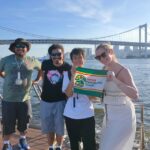
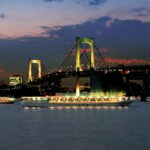
- Getting oriented at Etchūjima Pier and cruising past Rainbow Bridge
- The onboard dance break near Eitai Bridge
- Shamisen, singing, and the kind of cultural performance you can actually follow
- Dinner that’s more than filler: the sukiyaki-style hot pot setup
- Tokyo Tower at 150 meters: panoramic views after the water part
- Price and value: what you’re really paying for at around $95
- What to watch for: shoes off, shared seating, and boat comfort limits
- The host and performers: why Karen, Yoyo, and Lulu matter
- Who this cruise suits best in Tokyo
- Should you book the Tokyo Dinner Cruise & Tradition Show & Tokyo Tower?
- FAQ
- FAQ
- Where is the meeting point for the cruise?
- How early should I arrive?
- How long is the experience?
- What food and drinks are included?
- Are there vegetarian or pork options?
- Does the tour include Tokyo Tower tickets?
- Do I need to remove my shoes?
- How much does alcohol cost if I want it?
- Do I need my own transportation to Tokyo Tower?
Key things that make this tour worth your time
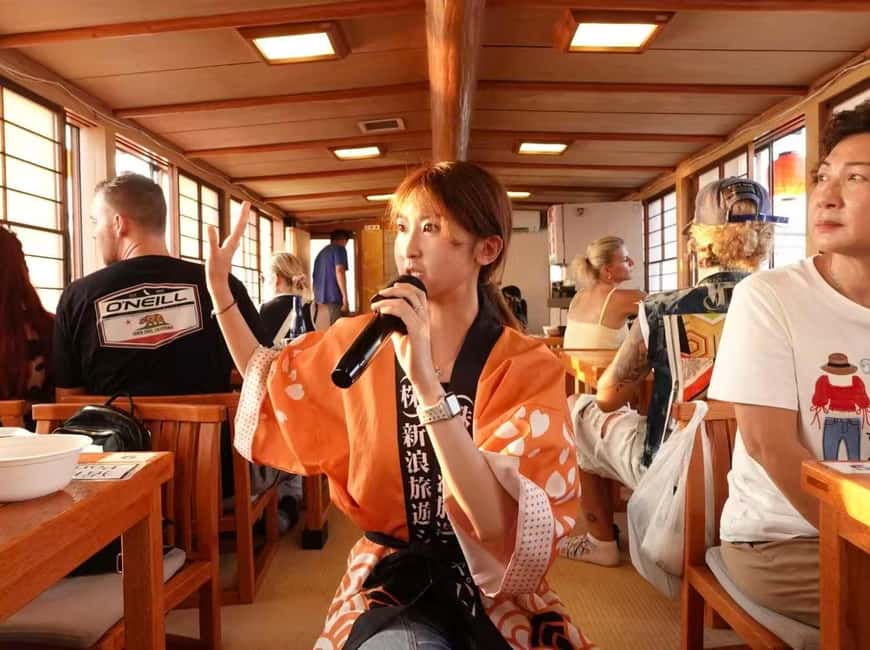
- Traditional yakatabune houseboat on Tokyo Bay for an old-meets-modern city view
- Live shamisen (and often singing/dancing) performed during the cruise
- Sukiyaki-style hot pot plus unlimited soft drinks included in the price
- Daytime skyline viewing with the chance to enjoy a night-skyline feel too
- English-speaking hosts known for welcoming you and helping with photos
- Small-space reality: shoes off, and shared tables may be required
Why a yakatabune dinner cruise feels like a Tokyo you can taste
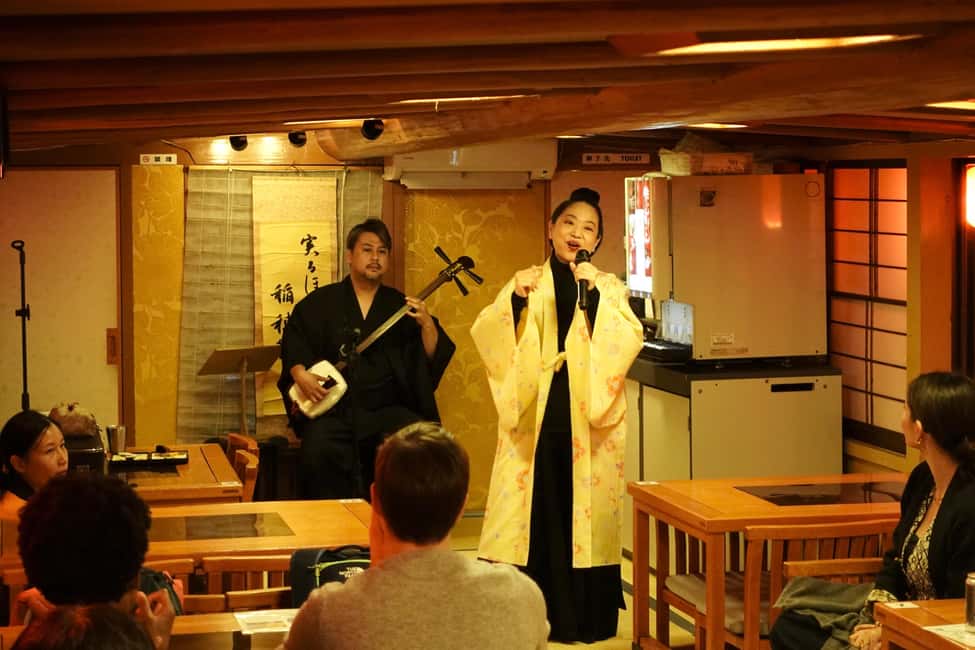
Tokyo is famous for neon. But this is for a different mood: a quieter city evening where the sights slide by at water level. A yakatabune houseboat is the big draw here. It’s a traditional-style craft once associated with leisure and entertainment, and on the bay you still get that enclosed, cozy feel compared with a glassy big tour boat.
The second reason I like this format: the entertainment is not just playing in the background. The shamisen performance is live onboard, so you hear the instrument’s punchy, soulful sound close up. And then you add the meal. A cruise where you’re fed, not just parked in front of a view, usually wins in my book.
You can also read our reviews of more boat tours in Tokyo
Getting oriented at Etchūjima Pier and cruising past Rainbow Bridge
Your day starts at Etchūjima Pier in Koto City. The meeting point you’ll use is listed on the activity details, and you’ll want to arrive about 15 minutes early. Late arrivals aren’t accommodated, so give yourself a little buffer—Tokyo is easy to navigate, but piers can feel slightly confusing if you’re rushing.
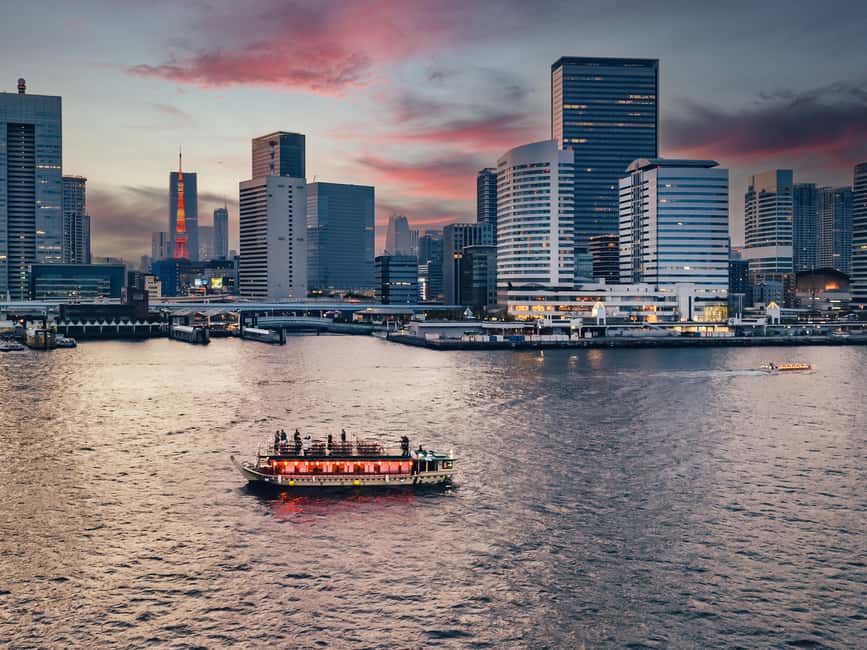
From there, you head onto the bay and cruise for about five minutes past Rainbow Bridge. Even though the time is short, this is a good opener. You get your first skyline glimpses right away, and it sets the tone for the rest of the evening.
There’s also a practical note that matters for your expectations: boarding can be on SINA boats 1 or 2 depending on traffic. That doesn’t change the overall experience, but it can affect which boat you end up on that day.
The onboard dance break near Eitai Bridge
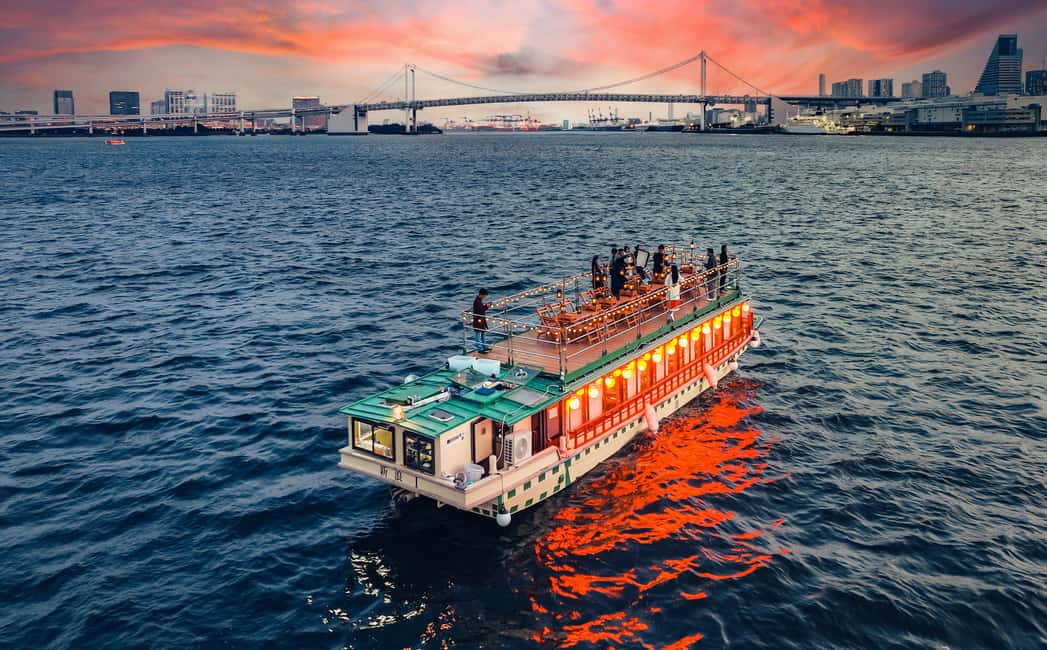
About halfway through the cruise, there’s a moment built in for entertainment around Eitai Bridge, including a dance show segment lasting around 15 minutes. This is a nice pacing change. If you tend to feel restless on longer boat rides, that structured performance break gives your evening rhythm.
What I find smart about this approach is that it keeps the show from feeling like one continuous block. You eat, you watch the city, and then you get a clear performance highlight. It also helps first-timers understand how the evening flows without needing to decode anything.
Shamisen, singing, and the kind of cultural performance you can actually follow
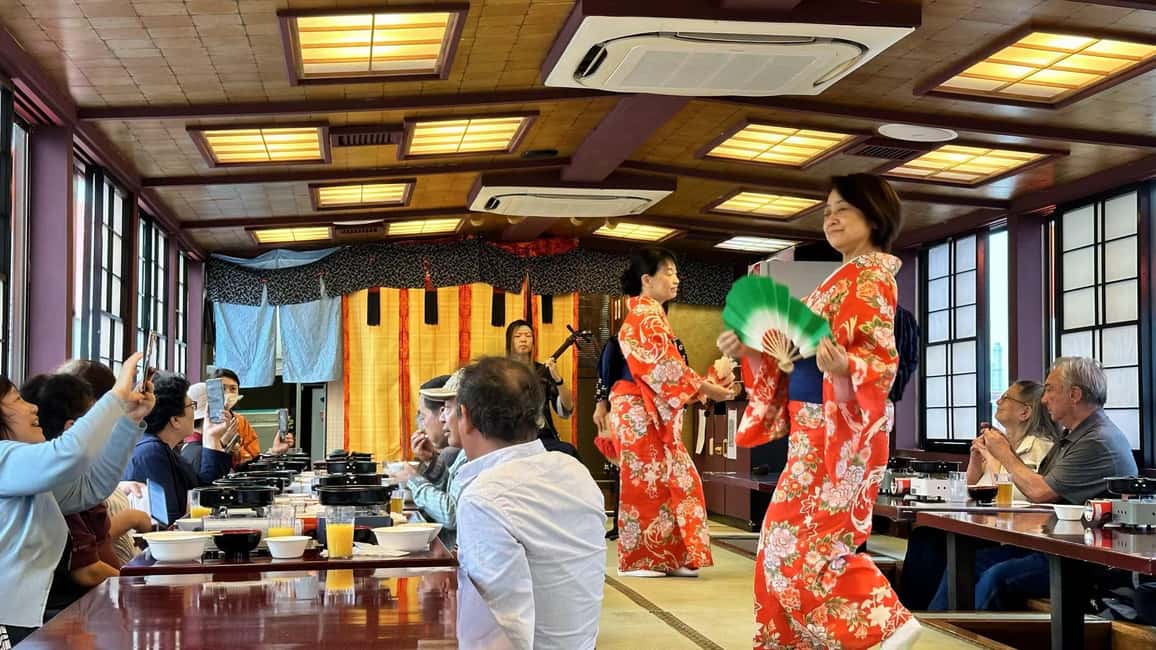
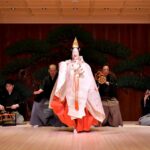
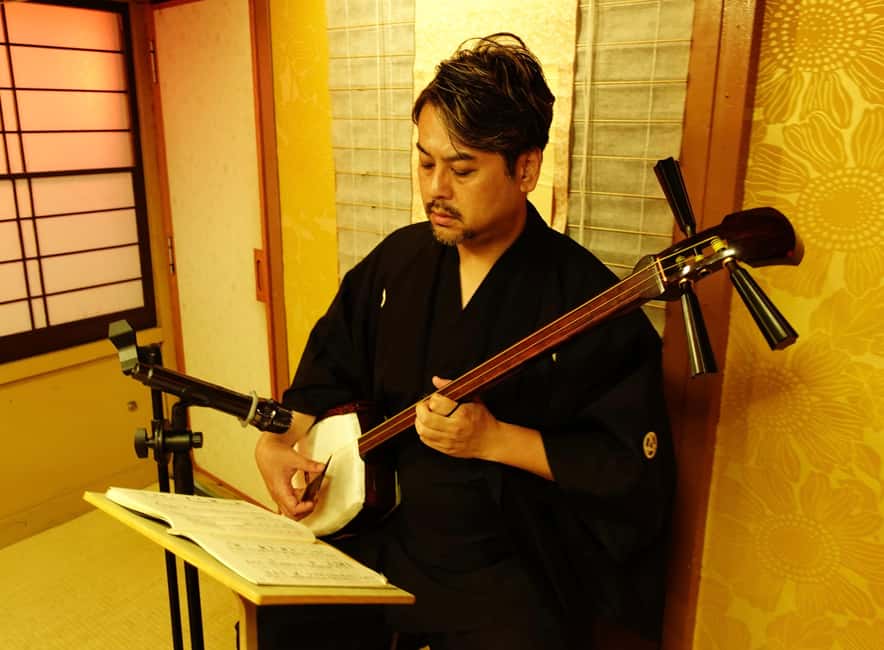
The star event is live shamisen music. This three-string instrument has a distinct, slightly dramatic sound that carries really well in open air—and it’s even more noticeable on a boat. The sound is not the kind of thing you can replace with a Spotify playlist.
You should also expect variety. The performance is not in a fixed format, and different professionals may perform on different days. On recent departures, you might hear performers like Yuzu, Hibiki, Yoki, or others, plus singing and sometimes guest participation. One bonus you’ll probably appreciate: hosts often help the group get involved without making it awkward.
In plain terms, you’re paying for a live cultural moment, not a generic cruise playlist. If you’re the type who gets annoyed when a show feels staged for tourists, this one generally feels more hands-on because the music is performed live in your space.
Dinner that’s more than filler: the sukiyaki-style hot pot setup
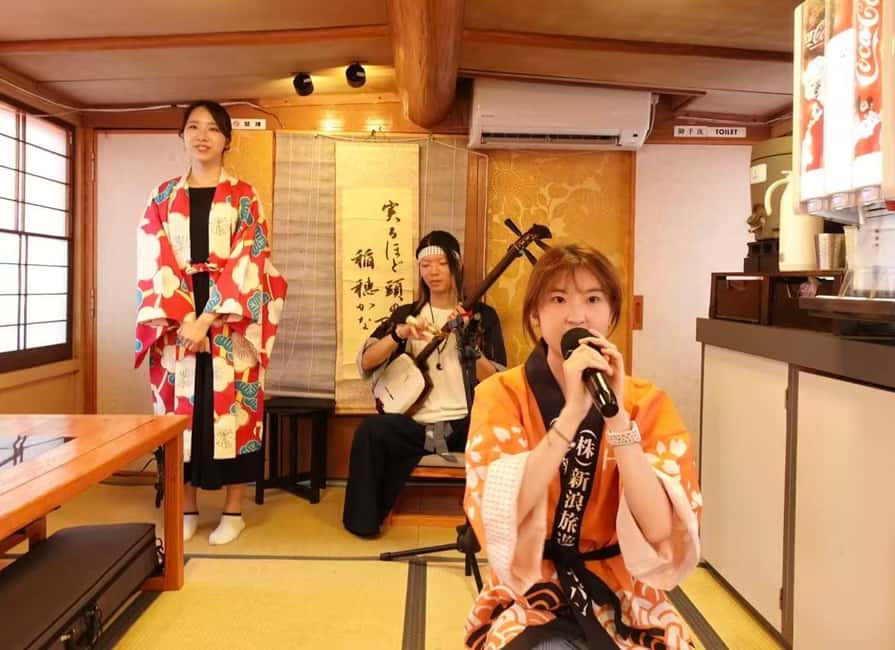
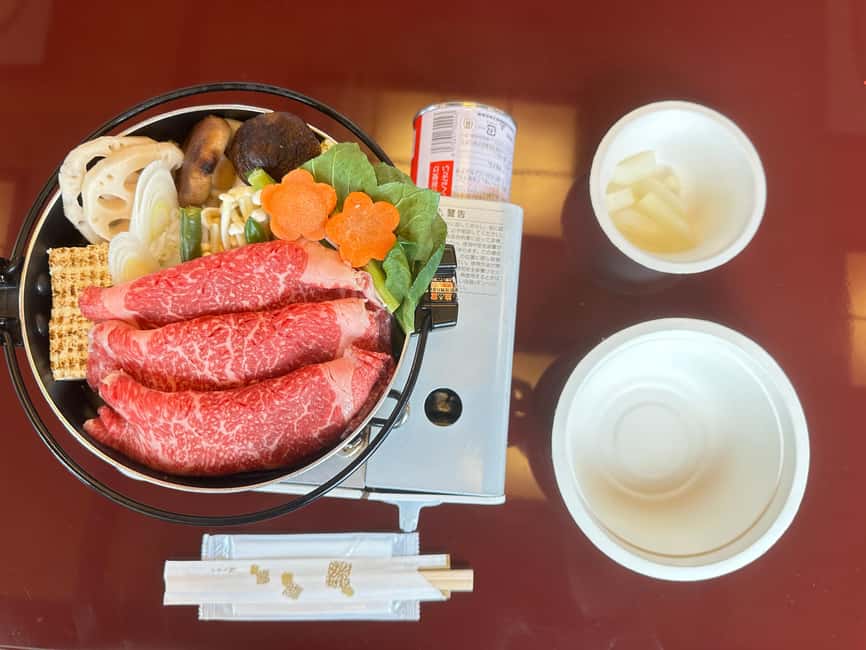
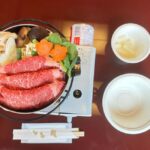
The included meal is a sukiyaki-style hot pot, plus complimentary soft drinks (unlimited). This is one of the best value parts of the tour. At most Tokyo dining spots, you’d pay a similar amount just for dinner, and you still wouldn’t have the bay cruise plus live performance.
The hot pot is also practical. It’s warm, filling, and works well in a moving environment. If you’ve ever tried to eat quickly while sightseeing, you know how rare a genuinely relaxing meal can be. Here, your meal is built into the cruise schedule.
Dietary needs are supported, but you need to plan ahead:
- Pork or vegetarian options are available if requested in advance.
- If you need to change beef to pork or follow a non-strict vegetarian setup (remove meat, keep vegetables with the sweet soy sauce soup), you should leave that request at least three days before.
That timing detail matters. If you wait until the day of, your best-case scenario is that you end up with whatever they have ready.
You can also read our reviews of more tours and experiences in Tokyo
Tokyo Tower at 150 meters: panoramic views after the water part
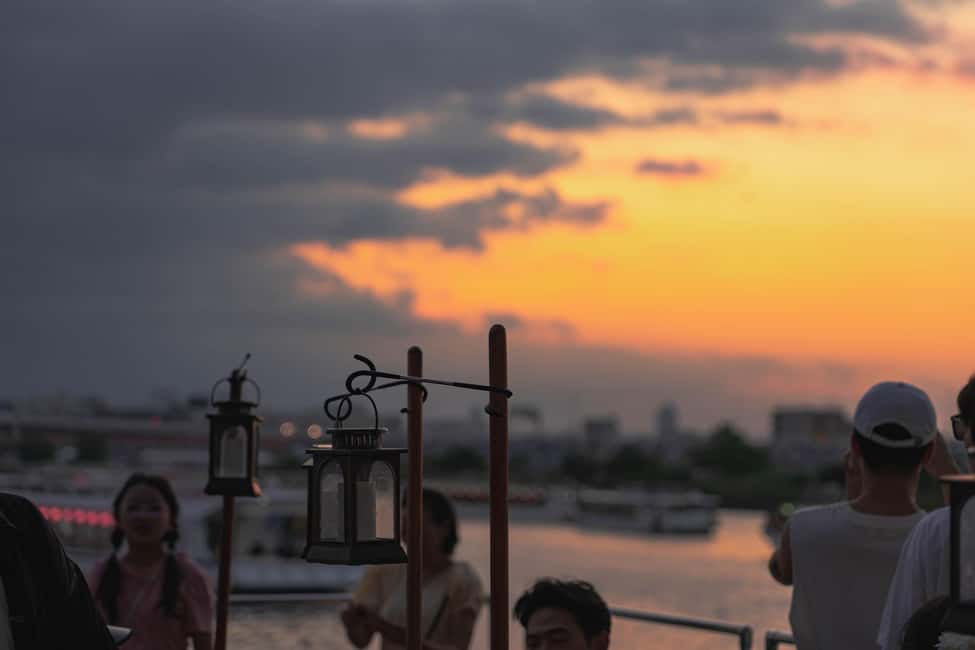
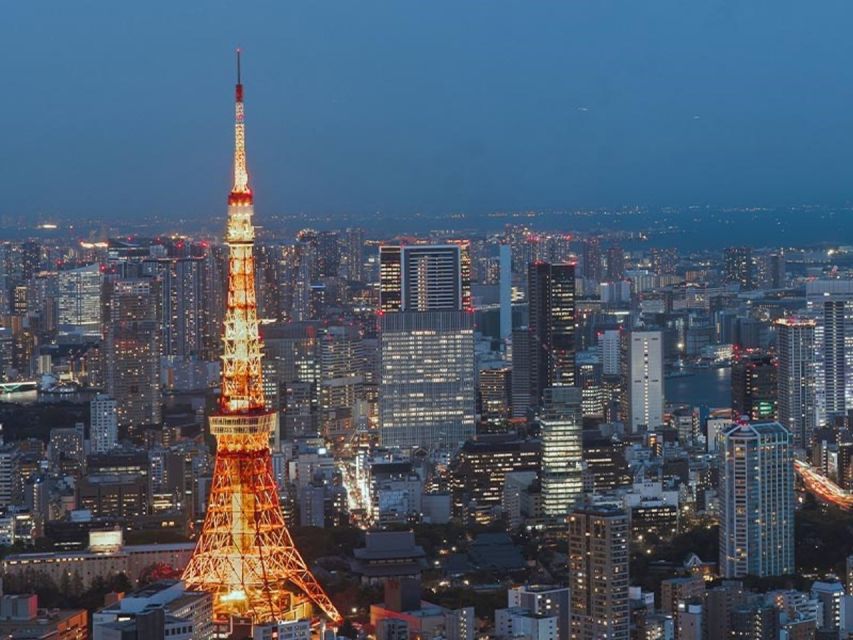
After the cruise ends back near Etchūjima Pier, your evening continues at Tokyo Tower. This part depends on the option you select: entry to the 150-meter main deck is included only if you chose that option. The 250-meter ticket is not included.
The key idea is simple: you’re switching from “waterline city views” to “high-angle skyline views.” Tokyo Tower’s observation decks are built for exactly that. In daylight (which your itinerary supports with daytime views during the cruise), you get clear skyline lines and a strong sense of where everything sits in relation to Tokyo Bay.
One logistical thing to keep in mind: transportation between Tokyo Tower and the pier is not included. You’ll be arranging that yourself, so plan an easy route and don’t assume you can walk the whole way.
Price and value: what you’re really paying for at around $95
At $95 per person for about 100 minutes, you’re not just buying a boat ride. You’re getting a package:
- Tokyo Bay cruise on a yakatabune-style houseboat
- Live traditional performance
- Sukiyaki-style hot pot meal
- Unlimited soft drinks
- English-speaking host
- Tokyo Tower entry at 150 meters only if you selected it
When you price out those pieces separately in Tokyo, the math starts to make sense. Dinner plus an attraction plus entertainment usually costs more than the cruise package. And because the performance is onboard, you’re not losing time traveling between venues during the core experience.
The main thing that can affect the value for you is alcohol. Extra alcoholic drinks (examples listed include beer, sake, Suntory) cost JPY 500 each, and payment is cash only. If you plan to drink, that adds a chunk to your final total. If you’re sticking with the unlimited soft drinks, the price stays straightforward.
What to watch for: shoes off, shared seating, and boat comfort limits
This is where you’ll be glad you read the fine print.
Shoes-off etiquette: you’ll need to remove your shoes to join the trip. That’s common in Japanese indoor-style settings, but on a boat it’s extra important. Bring socks you don’t mind wearing for a bit longer than usual.
Shared seating: because the yakatabune has limited space, shared tables may be required. If you’re traveling as a solo visitor or as a couple, you may be asked to share a table with people from your same departure.
Random boarding on SINA boats: boarding on boat 1 or 2 is random depending on traffic. So don’t assume you can pick a boat number.
Size and mobility limits are clear:
- Not allowed: non-folding wheelchairs, electric wheelchairs
- Not allowed: unaccompanied minors
- Not suitable: pregnant women, people over 80 years, and people over 254 lbs (115 kg)
If any of those apply, this isn’t your best match. If none apply, the trip’s size is usually part of why it feels intimate.
The host and performers: why Karen, Yoyo, and Lulu matter
Many of the best moments on this kind of tour come from the host. On recent trips, guides such as Karen, Yoyo, and Lulu are praised for being friendly and attentive, and for helping with questions and photos. That’s not fluff. On boats, small moments matter: where to sit, how to handle shoes-off areas, when the performances happen, and how to get photos with the skyline behind you.
Performers also drive the energy. Names you might hear include singers like Yuzu, performers like Midori, and musicians like Yoki or Hibiki on different days. The lineup can change, but the overall style stays rooted in traditional Japanese folk performance.
One extra detail worth noting: there’s sometimes a chance to get extra fresh-air views from the roof during a short stop. Not every sailing will include the same chance, but if your group gets that moment, it’s a great photo window.
Who this cruise suits best in Tokyo
I think this tour fits best if you want:
- A traditional cultural performance without needing to hunt down a separate venue
- A dinner that’s built into your plan (warm hot pot + drinks)
- A break from subway stairs and constant walking
- Big-picture Tokyo views, but from a more atmospheric angle than a standard viewpoint
It’s also a great “first Tokyo night” activity when you want something easy and memorable. And if your schedule is tight, it’s a clean way to stack dinner, culture, and an iconic tower stop in one evening block.
Should you book the Tokyo Dinner Cruise & Tradition Show & Tokyo Tower?
If you’re choosing between a generic dinner and a sightseeing show, I’d lean this way. You’re getting food, a real live performance, and skyline time from the bay—plus Tokyo Tower if you select the 150-meter option. The price looks fair because the experience is packed with included parts.
I’d skip it only if:
- You strongly dislike small-space logistics like shoes off and possible shared seating
- You need wheelchair access beyond what’s allowed
- You’re expecting a fully fixed performance lineup every time (it can vary by day)
Otherwise, this is one of those Tokyo evenings that feels both thoughtful and fun. You’ll leave with skyline photos you can’t get from the street, and you’ll have heard the shamisen live in the same space as your meal. That combination is hard to beat for $95.
FAQ
FAQ
Where is the meeting point for the cruise?
The meeting point is 1-chōme-3-23 Etchūjima, Koto City, Tokyo. It’s also noted as the taxi drop-off location, and you can find it on Google Maps.
How early should I arrive?
Arrive about 15 minutes early. Late arrivals will not be accommodated.
How long is the experience?
The total duration is about 100 minutes.
What food and drinks are included?
You get a Japanese hot pot meal (sukiyaki-style) and unlimited soft drinks.
Are there vegetarian or pork options?
Yes. Pork or vegetarian options are available upon request in advance. If you need a special non-strict vegetarian setup (remove meat, keep vegetables with the sweet soy sauce soup), you should leave a note at least three days in advance.
Does the tour include Tokyo Tower tickets?
Entry to the Tokyo Tower 150-meter main deck is included only if you select that option. The 250-meter ticket is not included.
Do I need to remove my shoes?
Yes. Shoes need to be removed to participate on the yakatabune.
How much does alcohol cost if I want it?
Alcoholic drinks are not included. They cost JPY 500 each and are paid in cash only.
Do I need my own transportation to Tokyo Tower?
Yes. Transportation between Tokyo Tower and the pier/bay is not included, so you’ll need to arrange it yourself.