REVIEW · TOKYO
Tokyo: Two Types of Japanese Sweets Making and Tea Ceremony
Book on GetYourGuide →Operated by 日本文化体験 庵an東京 AN TOKYO · Bookable on GetYourGuide
Sweets, tea, and a very practical lesson. This Tokyo class strings together Ohigashi, Nerikiri, and a hands-on matcha moment, so you’re not just watching—you’re making. I especially like that you work with Kyoto-made bean paste and a single-origin special matcha, which gives the whole experience a more authentic base than generic ingredients.
The main drawback to keep in mind is that the Nerikiri portion asks for a steady hand. It can feel a bit tricky at first, but the payoff is real: you leave with sweets you actually made and understood, not just something assembled for a photo.
Key details that matter before you go
- Two seasonal wagashi: you’ll make 2 Nerikiri-style sweets that match the season
- Traditional sugar choice: Ohigashi uses traditional Japanese “Wasanbon”
- Kyoto bean paste: white/red bean paste from long-established Kyoto shops
- Single-origin special matcha: you’ll grind and drink it during the tea ceremony
- English support when possible: instructions are provided as much as possible in English
- Optional add-ons: take-out box, added colors, and a completion certificate cost extra
In This Review
- A Three-Part Wagashi-and-Matcha Lesson in 125 Minutes
- Arriving at AN TOKYO and Getting Oriented Fast
- Ohigashi with Wasanbon: Learning Dried Sweet Texture First
- Nerikiri Flower Shaping: Kinton Nerikiri and a Second Seasonal Sweet
- Matcha Grinding and a Casual Tea Ceremony Moment
- Taste What You Made (and What You Can Add Later)
- Price and Value: Why $28 Works for This Format
- Who This Workshop Suits Best (and Who Might Want to Skip)
- Practical Tips to Get the Most From Your Session
- Should You Book This Tokyo Sweets and Tea Workshop?
- FAQ
- How long is the experience?
- What will I make during the class?
- Is matcha grinding included?
- What ingredients are used for the sweets?
- Is the tea made with special matcha?
- Is there English support?
- Can I take the sweets home?
- Is there an option to add color to the sweets?
- Is there an extra certificate available?
- What if I need to cancel?
A Three-Part Wagashi-and-Matcha Lesson in 125 Minutes
Tokyo can be overwhelming. This experience is the opposite. It’s compact, focused, and hands-on—three connected parts that teach you how Japanese sweets and tea culture actually feel in practice.
You’ll spend about 125 minutes in the classroom setting at AN TOKYO Japanese Culture Experience, working through a sequence that starts with sweets technique and ends with drinking what you made. That flow matters: once you understand the shapes and textures of wagashi, the tea part lands better. You stop treating matcha like a standalone drink and start treating it like the partner to sweets.
This is also a good value format. For the price of $28 per person, you’re getting two different sweets-making sessions plus a matcha grind and casual tea ceremony, with ingredients included. If you’re the type who likes to learn by doing (and not by reading tiny instruction booklets), you’ll probably enjoy this format a lot.
Arriving at AN TOKYO and Getting Oriented Fast
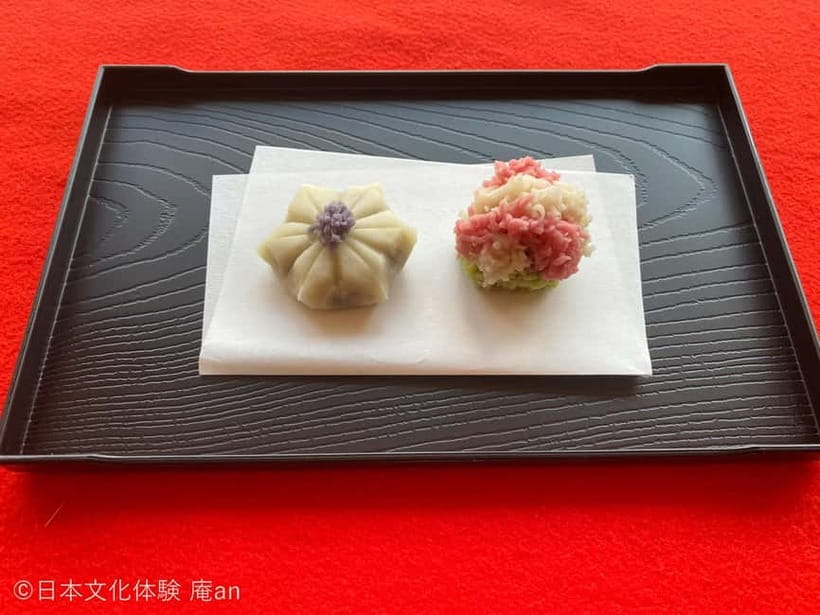
You meet at AN TOKYO Japanese Culture Experience. The session runs from 10:00 to 17:00, and the experience is scheduled in a way that moves at a classroom pace rather than a museum pace. That’s good news if you want something efficient without rushing through a dozen places.
Early in the experience, you get an explanation about traditional Japanese sweets. Even if your Japanese is limited, this orientation helps your brain switch modes—from tourist scanning to maker thinking. And based on past participants’ comments, the instructor does a solid job giving instructions in English when possible, so you’re not left guessing what to do next.
Practical note: the program has defined move times, and they can’t hold the event to accommodate delays. So do yourself a favor: arrive a bit early and get settled. Wagashi-making is one of those activities where you don’t want to start with a scramble.
You can also read our reviews of more tours and experiences in Tokyo
Ohigashi with Wasanbon: Learning Dried Sweet Texture First
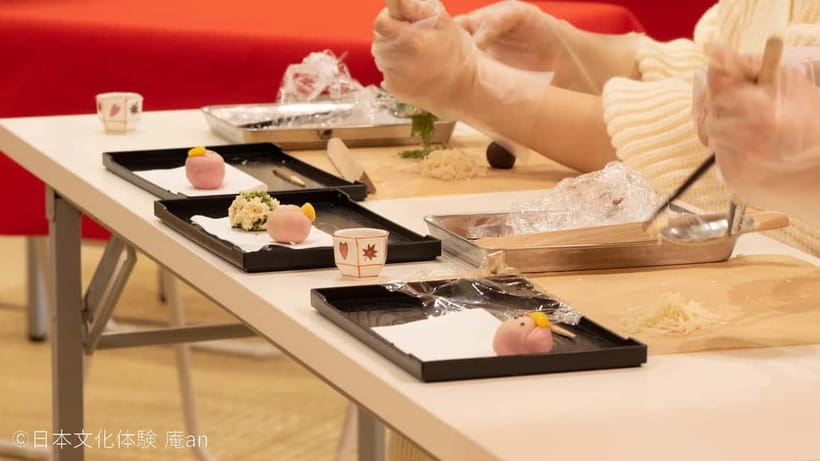
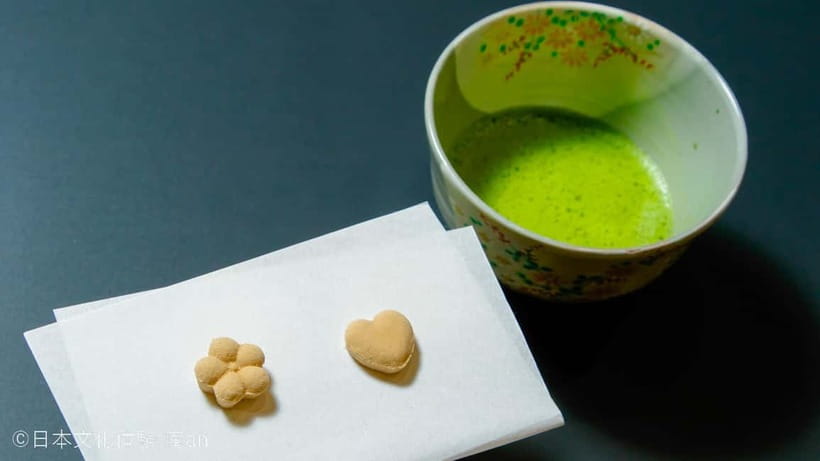
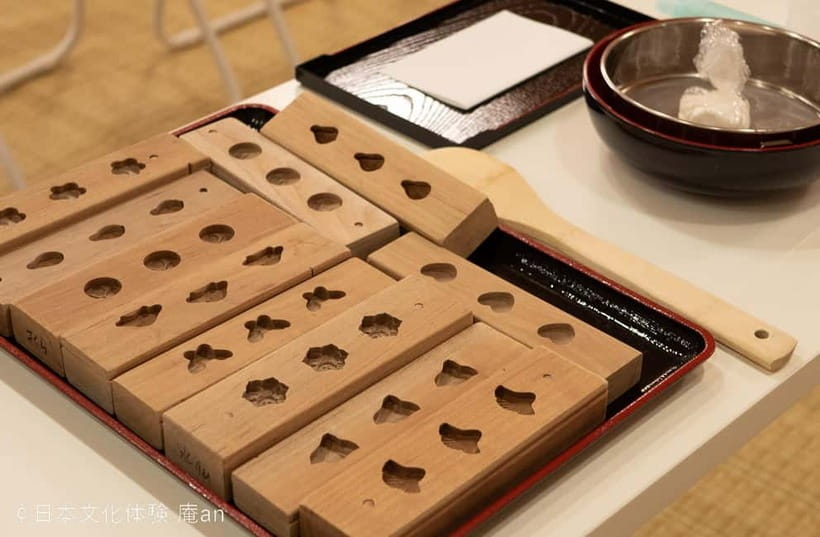
Your first sweets session is Ohigashi, a dried-type Japanese sweet. Here’s the key detail: you make it using Wasanbon, a traditional Japanese sugar. Wasanbon is famous for being finely made and distinct in how it behaves compared to more common sugars. That matters, because the “feel” of the sweet changes how you handle it.
You’re also working with bean paste that’s described as being made in Kyoto, from long-established shops. In other words, you’re not stuck with bland or generic fillings. That’s one of the reasons this class doesn’t feel like a craft fair project. The ingredient choices support the learning.
What I’d watch for during Ohigashi is consistency. Dried sweets are all about technique and timing: if you rush or press too much, you can push the texture off target. If you take your time, though, the process becomes surprisingly calming. You’ll learn how sweetness and shape connect—almost like learning a basic grammar before writing a story.
A small but important takeaway: starting with Ohigashi teaches you the idea of structure. Once you’ve seen how the sweet sets and holds form, the later Nerikiri session feels less random and more like a continuation.
Nerikiri Flower Shaping: Kinton Nerikiri and a Second Seasonal Sweet
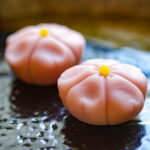
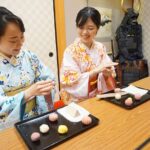
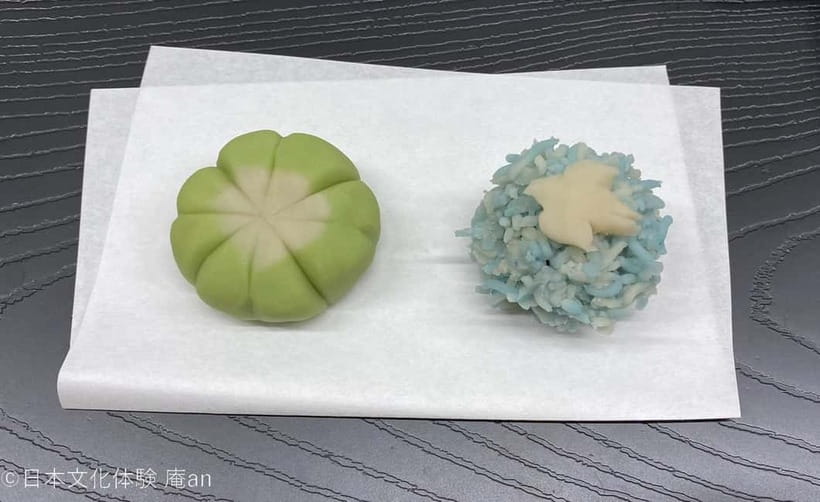
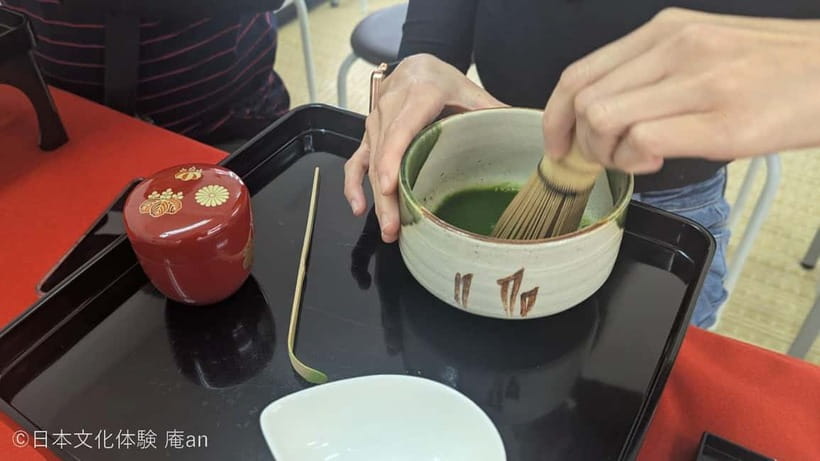
Then comes the part many people find the most challenging: Nerikiri. You’ll make 2 seasonal Japanese sweets using white/red bean paste. The class also includes a specific style called Kinton Nerikiri, and it’s typically shaped like a flower.
This is where your hands start doing the work—and where you realize wagashi is not just about taste. Nerikiri is about control: warmth, pressure, shaping, and patience. Past participants have noted that Nerikiri can be a little tough at first and needs fine feel. That matches the reality of working with paste that wants to cooperate, but only if you treat it gently.
Here’s how to make it easier on yourself:
- Take tiny steps. Don’t try to fix everything at once.
- If it looks slightly off, adjust slowly rather than flattening and starting over.
- Use the break times to reset and look at the shape before you continue.
The good part? When it clicks, you start shaping confidently. And because the sweets are seasonal, the designs and flavors aren’t just decorative—they reflect what the makers consider appropriate for the time of year.
Once you finish your two Nerikiri sweets, you’ll have a much clearer picture of the wagashi world. Ohigashi taught you structure. Nerikiri teaches you how artisans control softness and form.
Matcha Grinding and a Casual Tea Ceremony Moment
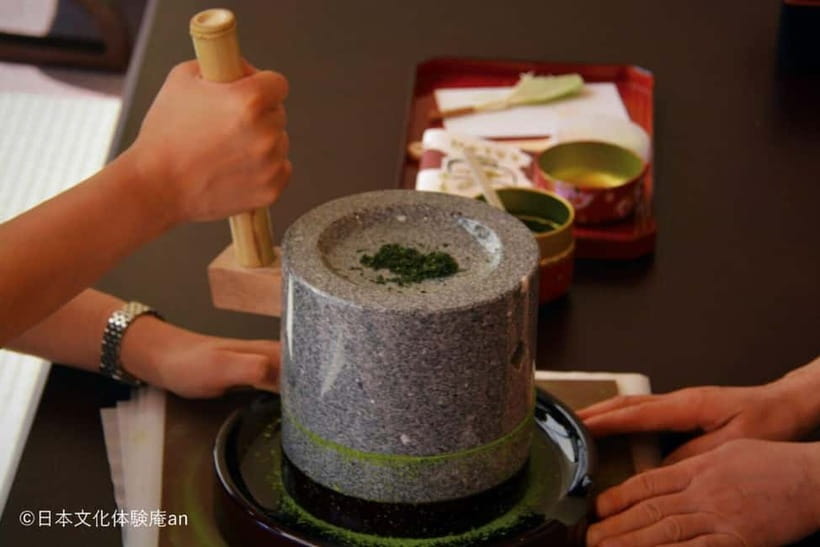
Now for the tea. You’ll get an explanation about tea, including the difference between general green tea and matcha. Then you’ll see (and participate in) the matcha grinding demonstration.
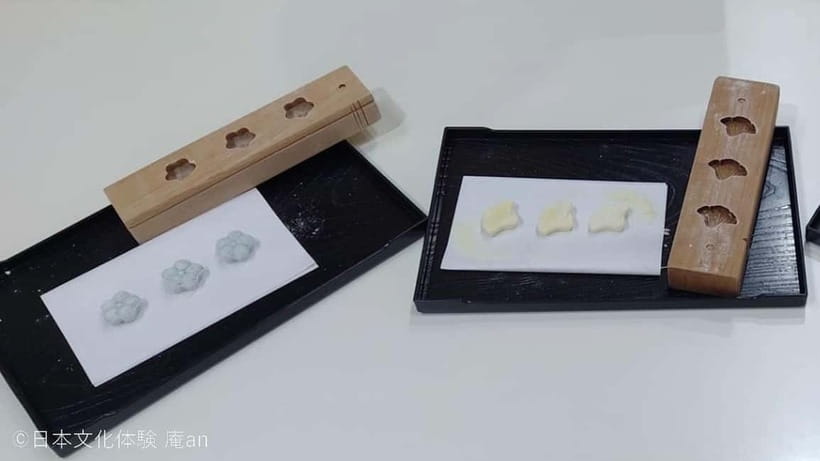
Grinding isn’t just theater. It changes the aroma and texture of what ends up in your bowl. When you then whisk it for the ceremony portion, you understand why people treat matcha as something you prepare, not something you pour.
The tea ceremony here is described as casual. That’s a big plus for first-timers. You still follow the steps, but you’re not expected to perform a formal ritual with perfect posture and a never-blinking gaze. Instead, it’s a comfortable way to learn the mechanics—how matcha should look, how foam changes the drinking experience, and how to balance sweetness with tea bitterness.
One detail worth noting from earlier participants: getting the matcha to foam up can be surprisingly easy once you know what to do. That’s a relief, because the moment when a beginner is worried about failing at the foam is usually when they start second-guessing everything. This experience keeps the focus on doing the right action, not on being perfect.
Taste What You Made (and What You Can Add Later)
You’ll eat and drink during the experience, and you’ll have a clear moment for the tasting part before you leave. That’s important. With sweets classes, the temptation is to rush so you can just take photos. Here, you’ll actually get to taste your results, which is the real learning moment.
There are also optional extras if you want to keep the experience going:
- A sweets take-out box is available for 100 JPY
- Adding color costs 200 JPY
- A completion certificate costs 300 JPY
Personally, I like that the base experience is complete without these. You can spend money only if you genuinely want it—like taking your sweets home for someone who wasn’t there, or adding extra visual flair.
And yes, your sweets matter here. The class uses Kyoto-made bean paste and special matcha. So when you taste, you can actually connect flavor to technique instead of tasting a generic version and wondering what you were supposed to learn.




Price and Value: Why $28 Works for This Format
Let’s talk value without pretending everything is cheap. At $28 per person for about 125 minutes, you’re paying for:
- Two wagashi-making sessions (Ohigashi plus two seasonal Nerikiri sweets)
- Matcha grinding and a tea ceremony experience
- Included materials and instruction
- A structured program that keeps you moving and learning
If you compare this to the cost of doing a single workshop elsewhere, the two-sweets + matcha combination is the big reason this feels worth it. You’re not paying for one craft and calling it a day. You’re paying for a connected mini-curriculum: sugar/paste structure first, then shaping control, then matcha pairing.
The added-cost items (take-out box, color, certificate) are optional. That’s the right kind of upsell. You won’t feel like you’re being pushed into paying more just to finish the experience.
Who This Workshop Suits Best (and Who Might Want to Skip)
This is a strong fit if you want:
- Hands-on learning over passive sightseeing
- A short, high-quality cultural activity in Tokyo
- A gentle way to experience tea culture without needing prior knowledge
It’s also great if you enjoy food craftsmanship and want to understand what makes Japanese sweets different—textures, shaping styles, and how matcha functions as a companion drink.
Who might hesitate? If you’re someone who hates fiddly handwork, Nerikiri may feel stressful at first. But the class format gives you time, and the tea portion later is easy to enjoy once you’ve done the making. In other words: even if one sweet is imperfect, you still walk away with tea and with a clearer understanding of the wagashi process.
Practical Tips to Get the Most From Your Session
A few no-drama tips that will help:
- Arrive early. Delays can’t be accommodated by holding the event.
- Expect sticky hands during paste work. Bring patience, not just good intentions.
- Plan to eat what you make. It’s part of the value.
- If you want extras like a take-out box, decide during the session rather than hoping you’ll remember later.
Also, keep your expectations balanced. This is a cultural workshop with instruction in a classroom setting. You’re not touring an entire historical district in the time it takes to make a flower-shaped sweet. You’re learning technique and tasting results, which is a different kind of satisfaction.
Should You Book This Tokyo Sweets and Tea Workshop?
Yes, I think you should book it if you want a real taste of Japanese food culture in a tight time window. The combination—Ohigashi + Nerikiri (including Kinton Nerikiri) + matcha grinding and a casual tea ceremony—is exactly the kind of value structure that makes a Tokyo day feel less chaotic.
If you’re nervous about your Japanese, don’t be. English translation is provided as much as possible, and the vibe is friendly and supportive. If you’re worried about Nerikiri being hard, just remember: the point is practice. Even imperfect shaping teaches you how the paste behaves.
If you want one workshop that gives you two kinds of sweets and a matcha experience that actually connects to what you tasted, this is a smart pick.
FAQ
How long is the experience?
It lasts about 125 minutes, including making and the tasting/drinking time.
What will I make during the class?
You’ll make dried-type Japanese sweets Ohigashi and two seasonal Japanese sweets in the Nerikiri style.
Is matcha grinding included?
Yes. There’s a matcha grinding demonstration, and you’ll take part in the tea ceremony experience.
What ingredients are used for the sweets?
The program uses white/red bean paste produced by long-established shops in Kyoto, and Ohigashi uses traditional Japanese sugar called Wasanbon.
Is the tea made with special matcha?
Yes. The matcha used is described as single-origin special matcha.
Is there English support?
English translation is provided as much as possible, and the instructor provides instructions in English when they can.
Can I take the sweets home?
You can purchase a sweets take-out box for 100 JPY.
Is there an option to add color to the sweets?
Yes. Adding color costs 200 JPY.
Is there an extra certificate available?
Yes. An experience completion certificate is available for 300 JPY.
What if I need to cancel?
You can cancel up to 24 hours in advance for a full refund.