REVIEW · TOKYO
From Tokyo: Mount Fuji Full-Day Customized Private Tour
Book on GetYourGuide →Operated by Travellers Japan · Bookable on GetYourGuide
Mt Fuji feels like a moving target in Japan, and this tour helps you catch it. I like the private, licensed guide setup (so the day runs smoothly), plus the mix of big sights like Lake Ashi by boat and smaller, scenic stops around Lake Kawaguchi. One real consideration: visibility depends on weather, and even the best plans can’t force clear views.
What makes this day work is the pacing: you get multiple Fuji viewpoints plus Hakone’s classic natural scenery, without having to juggle tickets or transit like you’re planning a puzzle. I also like that the route can be tweaked, since real days can include fun extras like Fuji-Q Highland, along with quieter photo spots. The one potential downside I’d keep in mind is that there has been at least one snag reported by a booking where the guide didn’t show up, so I’d treat pickup timing as something to double-check.
In This Review
- Quick take: what’s special here
- A private Fuji and Hakone day that feels efficient, not rushed
- Getting oriented fast: pickup options and how the day flows
- Mt Fuji 5th Station: the classic power view
- Komagatake by ropeway: a second viewpoint that changes the angle
- Lake Kawaguchi highlights: shrines, pagodas, and strolling time
- Oshino Hakkai: village-scale Fuji atmosphere
- Chureito Pagoda and Arakura Fuji Sengen Shrine: the iconic composition
- Oishi Park and the Lake Kawaguchi viewpoints: time for breathing
- Fuji-shopping stop: Lawson Kawaguchiko Station and Shimoyoshida Honcho Street
- Kitaguchi-hongu Fuji Sengen Shrine: another piece of the Fuji story
- Oshino plus extra fun: why customization can be a win
- Into Hakone National Park: Owakudani’s drama and the Open-Air Museum pace
- Owakudani Valley: volcanic views with a souvenir-and-walk feel
- The Hakone Open-Air Museum: a slower hour for art lovers
- Lake Ashi by boat: the calm reset in the middle of the tour
- Gotemba Premium Outlets: practical shopping before the return
- Price and value for a group of up to six
- Who should book this Fuji-and-Hakone private day
- Weather reality: what can change and how to plan your mindset
- Should you book this tour?
- FAQ
- What is the duration of the Mt. Fuji and Hakone private tour?
- How many people can be in a group?
- Where can the tour pick me up in the Tokyo area?
- Where does the tour drop off at the end of the day?
- What main Mt. Fuji experiences are included?
- Is there a boat cruise on this trip?
- What language will the guide speak?
- What should I bring, and is the tour affected by weather?
- Can I cancel for a refund?
Quick take: what’s special here
- Private National Government Licensed English-speaking guide: easier storytelling, easier logistics
- Mt Fuji 5th Station + ropeway to Mt Komagatake: more than a single viewpoint
- Lake Ashi boat cruise: a slow, scenic break in the middle of a packed day
- Lake Kawaguchi area photo stops: Oshino Hakkai, Chureito Pagoda, Fuji shrines, and viewpoints
- Hakone National Park hits: Owakudani Valley + the Open-Air Museum area
- Ends with options like Gotemba: time for browsing before you head back
A private Fuji and Hakone day that feels efficient, not rushed
A full-day Fuji trip can go two ways: either you see “a lot” while standing in lines, or you see the right places in the right order. This tour aims for the second version. You’re picked up from one of several points (Tokyo, Shinjuku City, Chiba, or Fujikawaguchiko), then you spend about 10 hours moving through the Fuji-and-Hakone region with an English-speaking guide at your side.
The private format matters. When you’re dealing with weather, traffic, and limited daylight, having one group means you can shift stops without leaving your whole tour party stranded. That’s also where the “customized” part really shows up. Some days can include extra fun (like Fuji-Q Highland), while other days lean more scenic and calm.
You should also know the tour is built for walking, just not marathon walking. There’s a moderate amount of it, and the day involves viewpoints plus a ropeway experience. Wear comfortable shoes and bring warm layers even in shoulder seasons, because mountain weather can change fast.
You can also read our reviews of more private tours in Tokyo
Getting oriented fast: pickup options and how the day flows
You get four pickup options: Tokyo, Fujikawaguchiko, Chiba, and Shinjuku City. At the end, you drop off in one of these areas too (Shinjuku City, Tokyo, Fujikawaguchiko, or Chiba). That matters because it reduces the “start and finish penalty” that many day trips impose. You’re not forced into one corner of the map and then stuck figuring out the rest.
In the middle of the day, the tour uses a “watch and walk” rhythm. You’ll have structured stops (with short safety briefings at key areas), then time for self-guided strolling at places like Oshino Hakkai and the Lake Kawaguchi sights. It’s not the kind of tour where you’re chained to your guide the entire time, which makes a difference if you like taking your own photos or stepping into shops.
Also, skip-the-line is included. Exact ticket types aren’t listed in the info you provided, but the intent is clear: you lose less time waiting and more time actually seeing.
Mt Fuji 5th Station: the classic power view
The headline moment here is Mt Fuji itself, especially the stop at the famous 5th Station. This is where the mountain stops being a distant postcard and starts feeling physically present. Even when the mountain isn’t perfectly dramatic in every direction, the scale hits you. The air feels different up there, and the whole place gives you that mix of nature and human ambition that makes Fuji such a cultural icon.
There’s also a safety briefing at the Mount Fuji portion. You don’t need to love rules, but it’s helpful in a mountain setting where conditions can change. And remember: Fuji visibility isn’t guaranteed. If clouds roll in, you still get the experience of being there, but the “perfect” view might not happen.
This is also where the “good day vs average day” factor matters most. If you’re going in a season with more cloud cover, you’ll want to keep expectations flexible.
Komagatake by ropeway: a second viewpoint that changes the angle
After the 5th Station time, the tour includes a ropeway experience to Mt Komagatake’s summit. This part is smart because it gives you another angle, not just another stop. You’re still in the Fuji/Hakone zone, but the viewpoint can feel different enough to refresh the day visually.
Even if you’ve seen plenty of Fuji photos, the Komagatake stop is worth treating as its own segment. The ropeway also makes the experience more accessible in terms of effort—you get altitude without spending the whole day doing uphill walking.
If visibility is clear, this is when you’ll likely get the most “how is this real” moments. If it’s not clear, it can still be a worthwhile ride and look around, just with different expectations.
Lake Kawaguchi highlights: shrines, pagodas, and strolling time
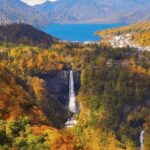
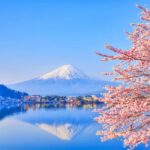
The Lake Kawaguchi side of the trip is where you slow down and enjoy Fuji closer to home base. You’ll spend time around the area with several planned stops, plus self-guided time for walking and photos.
You can also read our reviews of more tours and experiences in Tokyo

Oshino Hakkai: village-scale Fuji atmosphere
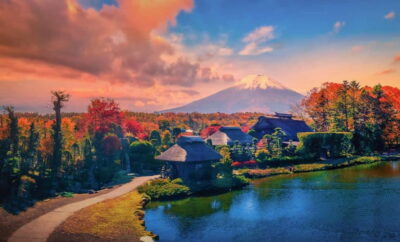
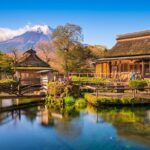
One of the most loved stops in the day is Oshino Hakkai (about 30 minutes). This is a small network-style area built around the springs associated with Mt Fuji. Even with short time, it gives you something different from “just viewpoints.” You can wander, look for the water details, and enjoy that calm, everyday feel that sits right next to a global-famous mountain.
Chureito Pagoda and Arakura Fuji Sengen Shrine: the iconic composition
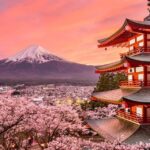
You’ll also hit Chureito Pagoda (about 45 minutes) and Arakura Fuji Sengen Shrine. These are the types of places that look like they were made for photographs. If you care about getting a classic Fuji shot, this is a strong use of time.
One practical tip: think of these as photo areas first, stroll areas second. The best results usually come when you arrive ready to move a little and choose your angles quickly.
Oishi Park and the Lake Kawaguchi viewpoints: time for breathing
Then there’s time at Lake Kawaguchi itself and at Oishi Park (each with about an hour of self-guided time, plus safety briefings at the Lake Kawaguchi portion). This is where you can step back from the crowd-energy of pagodas and shrines and just enjoy the lake-and-mountain relationship.
If your plan is mostly cameras, you’ll still want this breathing room. It’s the part that makes the day feel like a vacation, not a sightseeing checklist.
Fuji-shopping stop: Lawson Kawaguchiko Station and Shimoyoshida Honcho Street
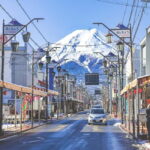
The itinerary includes a stop at LAWSON Kawaguchiko Station (about 30 minutes) and a visit to Shimoyoshida Honcho Street (about 30 minutes). These aren’t “museum stops.” They’re your chances to refresh, browse snacks, and keep your energy up without turning the day into a scavenger hunt.
If you like small-town shopping streets, Shimoyoshida is a nice place to wander briefly without a big commitment. If you don’t, you can use the time to rest your feet and regroup.
Kitaguchi-hongu Fuji Sengen Shrine: another piece of the Fuji story
The day also includes Kitaguchi-hongu Fuji Sengen Shrine (about an hour). Shrines can feel repetitive on a quick itinerary, but Fuji shrines have a distinct identity. Even if you don’t read every sign, you get the sense that Fuji isn’t just scenery—it’s also belief, tradition, and identity.
Oshino plus extra fun: why customization can be a win
A big reason to choose a private, customizable route is that your guide can adjust the balance between “iconic” and “fun.” In one example from a real day, the guide Malik and the driver Ali were able to add stops that sounded like extra experiences, including Fuji-Q Highland plus ice-cave type attractions and scenic cultural spots.
That’s the real value of a flexible route: you’re not locked into a single template. If you’re traveling as a family or you want a bit more variety than just shrines and scenic roads, having a guide who can steer you toward those moments is a plus.
Still, keep expectations realistic. Customization usually means choosing within the constraints of time and weather. If clouds hit or road conditions change, the plan can shift.
Into Hakone National Park: Owakudani’s drama and the Open-Air Museum pace
After the Lake Kawaguchi portion, you head into Hakone and Hakone National Park. Here, the mood shifts from Fuji’s lakeside calm to volcanic textures and museum-style wandering.
Owakudani Valley: volcanic views with a souvenir-and-walk feel
You’ll spend about an hour at Owakudani Valley. This is one of Hakone’s signature areas, known for its volcanic activity. Even if you don’t go deep into explanations, you’ll feel the setting: the air, the geology, the whole vibe.
There’s also shopping during this stop. That makes Owakudani practical. You can take photos, walk at an easy pace, and grab something if you’re hungry without losing the flow of the day.
The Hakone Open-Air Museum: a slower hour for art lovers
Then you visit the Hakone Open-Air Museum area (about an hour). This is a different kind of sightseeing: more relaxed, more “wander and look,” and usually easier on the legs than heavy climbing.
If you’re not an art person, the museum-style walking might still be enjoyable because it breaks up the day’s heavy-duty “big sights” rhythm. It gives your eyes a rest.
Lake Ashi by boat: the calm reset in the middle of the tour
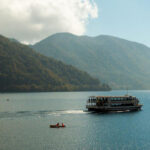
The tour includes a Lake Ashi segment and specifically highlights a boat cruise on the lake. This is a smart inclusion because it adds time that doesn’t depend on you walking from viewpoint to viewpoint.
Lake Ashi gives you a softer, more atmospheric take on the region. If Fuji visibility is strong earlier, the lake cruise can become a second “wow” cycle with a different perspective. If visibility is weaker, the cruise still helps because you get movement, fresh air, and scenic viewing without trying to chase perfect shots.
The stop is listed at about 30 minutes, which is short enough to fit the whole day but long enough to feel like a break rather than a quick transit window.
Gotemba Premium Outlets: practical shopping before the return
The final stretch includes Gotemba Premium Outlets (about an hour). This isn’t a must for everyone, but it’s a smart “use the time” stop. If you want Japanese snacks, casual shopping, or a chance to stretch after the earlier walking, it works.
It also helps families. When the day runs long, having a familiar, straightforward place to shop and reset is useful.
If you’re not shopping, think of this as downtime. One hour is often enough to do quick browsing and recharge.
Price and value for a group of up to six
At $321 per group (up to 6 people) for about 10 hours, the math works best when you split it across friends or family. The biggest part of what you’re paying for isn’t just the seats in a car—it’s the combination of a licensed guide, private transport, skip-the-line support, and a day plan that covers multiple key areas without you handling every ticket and route detail.
If you’re traveling with two to six people, it can be excellent value compared with the cost of separate guide arrangements, extra transit complexity, and the time you’d spend connecting trains and transfers.
If you’re a solo traveler, the price becomes less of a bargain. In that case, you might weigh it against a smaller-group tour option or public transport. But the private benefit still exists: you can move together, ask questions in English, and keep the day aligned with your pace.
Who should book this Fuji-and-Hakone private day
This tour fits best if you want:
- A private setup with an English-speaking, government-licensed guide
- A plan that hits both Fuji icons and Hakone National Park sights
- Less stress on logistics, more time spent looking and learning
- Room for a bit of customization, including possible fun add-ons like Fuji-Q Highland seen on actual guide routes
It may not be a fit if:
- You need very limited walking (it involves moderate walking and mountain-area steps)
- You’re dealing with back problems
- You’re traveling with pregnancy considerations (the tour info says it’s not suitable for pregnant women)
- You use a wheelchair and need clarity, because the info includes both wheelchair accessibility language and a note that wheelchair users aren’t suitable. I’d treat that as a “confirm with the provider first” situation so you’re not guessing.
Weather reality: what can change and how to plan your mindset
This tour is explicitly subject to favorable weather conditions. When weather is poor, you can get an alternative itinerary. Also, Mt Fuji visibility can be affected, so sights cannot be guaranteed.
That doesn’t mean the day is a waste. It means you should go with the right attitude. Your best strategy is to see the trip as a full Fuji-and-Hakone experience, not a single photo mission. Clouds can still give you a different mood and plenty to do: shrines, villages, volcanic Hakone areas, a lake cruise, and museum wandering.
Bring warm layers, expect some changes, and plan to enjoy the journey even when the “perfect view” doesn’t show up.
Should you book this tour?
I’d book this tour if you’re the kind of traveler who wants Mt Fuji and Hakone in one day without turning it into a transit project. The private guide, the Mt Fuji 5th Station plus Komagatake ropeway combo, and the Lake Ashi boat cruise are exactly the sort of structured highlights that make a long day feel worthwhile.
I’d think twice and confirm details first if you have mobility limits, have special needs around accessibility, or if weather is a big factor in your plans. And because at least one booking reported a no-show problem, I’d also make sure you confirm your pickup time and have a clear contact method before the day starts.
If you want a smooth, English-friendly day through Japan’s most famous mountain-and-lake region, this is a strong pick.
FAQ
What is the duration of the Mt. Fuji and Hakone private tour?
The tour lasts about 10 hours.
How many people can be in a group?
It’s a private group for up to 6 people per group.
Where can the tour pick me up in the Tokyo area?
Pickup options include Tokyo, Fujikawaguchiko, Chiba, and Shinjuku City.
Where does the tour drop off at the end of the day?
Drop-off options include Shinjuku City, Tokyo, Fujikawaguchiko, and Chiba.
What main Mt. Fuji experiences are included?
You visit the 5th Station of Mt. Fuji and take a ropeway to the summit of Mt. Komagatake, along with time around Lake Kawaguchi and related stops.
Is there a boat cruise on this trip?
Yes. You’ll enjoy a sightseeing boat cruise on Lake Ashi.
What language will the guide speak?
The guide is an English-speaking National Government Licensed guide. The driver is listed as English, Hindi, and Arabic.
What should I bring, and is the tour affected by weather?
Bring comfortable shoes, warm clothing, and a camera. The tour depends on favorable weather conditions, and Mt. Fuji visibility cannot be guaranteed.
Can I cancel for a refund?
Yes. You can cancel up to 24 hours in advance for a full refund.