REVIEW · TOKYO
Kamakura&Enoshima Tour to-and-from Tokyo, Yokohama, up to 12
Book on GetYourGuide →Operated by GLOBAL GUIDE&TRANSPORT SERVICE 株式会社 · Bookable on GetYourGuide
Kamakura and Enoshima feel like time travel. This private day trip is built around classic old-town stops, from Hokoku-ji’s bamboo-temple powder tea to Enoshima Island’s Mount Fuji views (often shown in ukiyo-e woodblock prints). I like that you get a real sense of the timeline—samurai origins, Kannon devotion, then seaside scenery—without needing to plan every turn. The main consideration is simple: temple visits mean walking and uneven ground, so comfortable shoes matter.
What makes this tour work well is the logistics. You get pickup from multiple spots (including Maihama), and the driver meets you with a name board. You’re also not stuck with a rigid route, since the schedule can be adjusted for your group’s interests and seasonal flower timing. One more thing to flag: it’s not suitable for people with motion sickness.
In This Review
- Key things that make this tour worth your day
- How a private ride turns Tokyo-area sightseeing into a calmer day
- Pickup and vehicle details that affect your comfort
- Hokoku-ji Bamboo Temple: the tea stop that sets the tone
- Tsurugaoka Hachimangu: samurai origins, right in the shrine approach
- Kotoku-in Great Buddha: the shortest stop that often feels the biggest
- Hase-dera: Kannon devotion and the best way to build toward Enoshima
- Enoshima Island: Fuji views, lunch time, and shrine-arcade browsing
- Food and local flavor: how to plan when meals aren’t included
- Timing that works: 9 hours without feeling like a sprint
- Price and value: $878 for up to 12, and what that really buys
- Who should book, and who might want a different plan
- Quick stop-by-stop reality check
- Should you book this Kamakura and Enoshima day trip?
- FAQ
- What pickup locations are available?
- How long is the tour?
- What’s included in the price?
- Are entry fees and meals included?
- Is the tour guided in English?
- Is this tour wheelchair accessible?
- Is it suitable for people with motion sickness?
Key things that make this tour worth your day
- Private, flexible pacing so you can slow down at temples or speed up when you’re ready.
- Bamboo-temple stop at Hokoku-ji with powder tea at the café inside.
- A focused samurai-to-shrine route: Tsurugaoka Hachimangu to the Kamakura Great Buddha area.
- Enoshima Island with Fuji views plus a guided walk and time for lunch.
- Shopping time along local arcades, for small accessories and gadget-style souvenirs.
- Time saved by using a private vehicle, especially if you’d otherwise spend a long day getting there and back.
How a private ride turns Tokyo-area sightseeing into a calmer day
A day trip from Tokyo to Kamakura and Enoshima can turn into a grind if you’re hopping trains and timing transfers. This version solves that with a private vehicle and a driver-guide who handles the rhythm of the day. You’re not racing to catch the next train, and you’re less likely to lose time to “which stop is the right one?” moments.
It also helps that the tour is designed for groups, not crowds. You’re with an English-speaking driver-guide, and the plan includes guided time at each major stop. That guidance matters in Kamakura, where landmarks are close enough to feel walkable, but different enough that you’ll appreciate context.
If you want a true full-day feel without building in extra hours for transportation, this setup is a strong match.
You can also read our reviews of more tours and experiences in Tokyo.
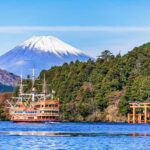
Pickup and vehicle details that affect your comfort
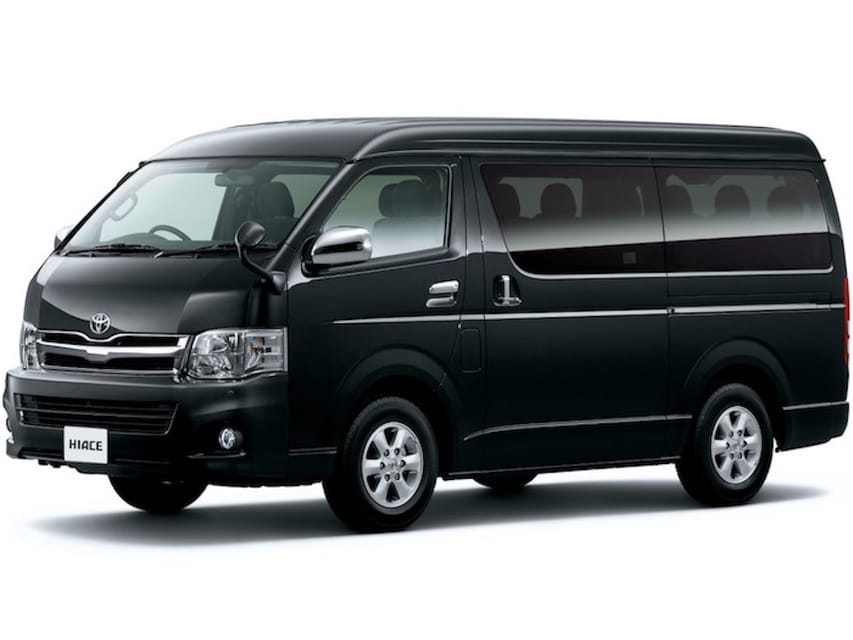
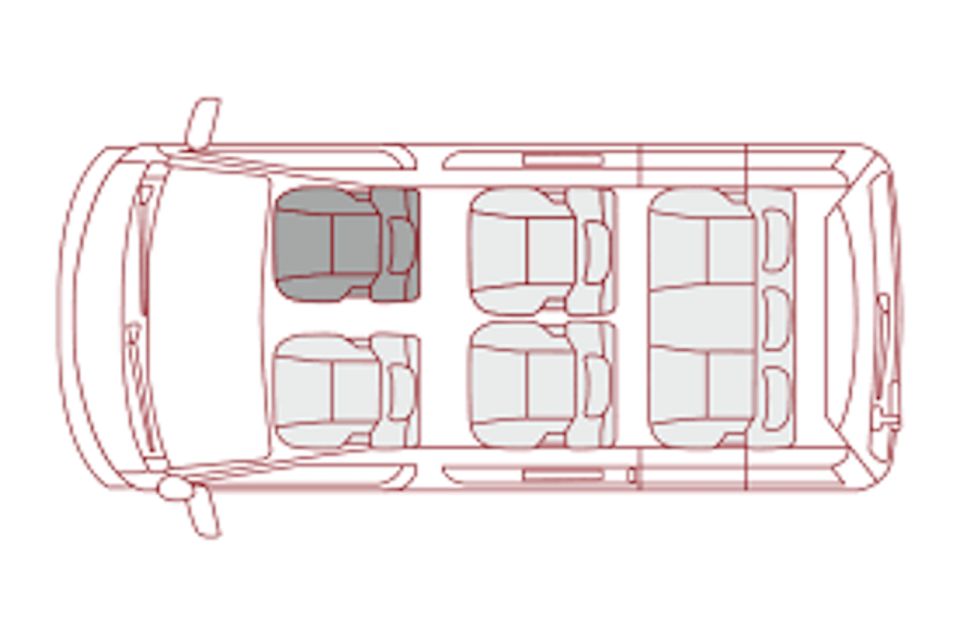
Your day starts with pickup from one of several options: Odawara, Tokyo, Yokohama, or Maihama. Drop-off is similarly flexible—Tokyo, Odawara, Yokohama, or Maihama. If you’re coming from a cruise, there’s a strong fit here too, since the tour can meet you at the cruise terminal area as long as you’re using one of the covered pickup points.
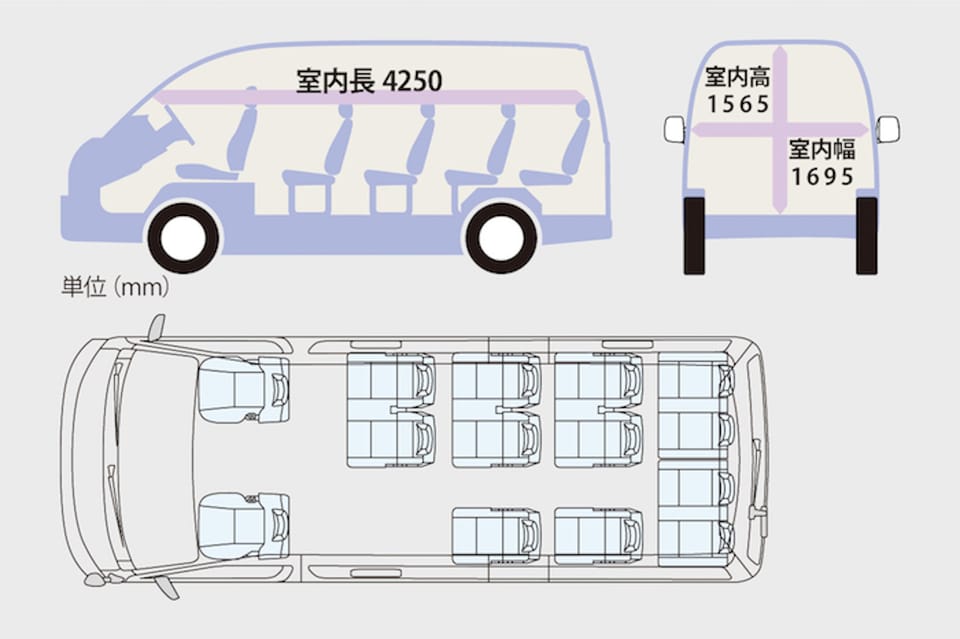
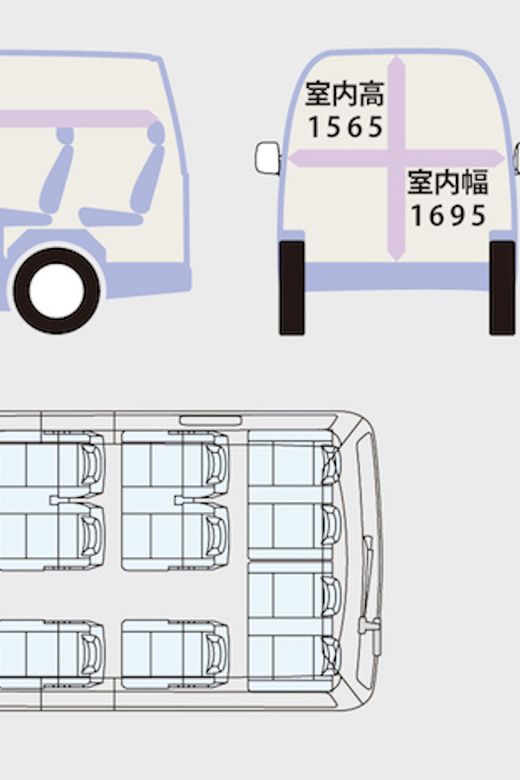
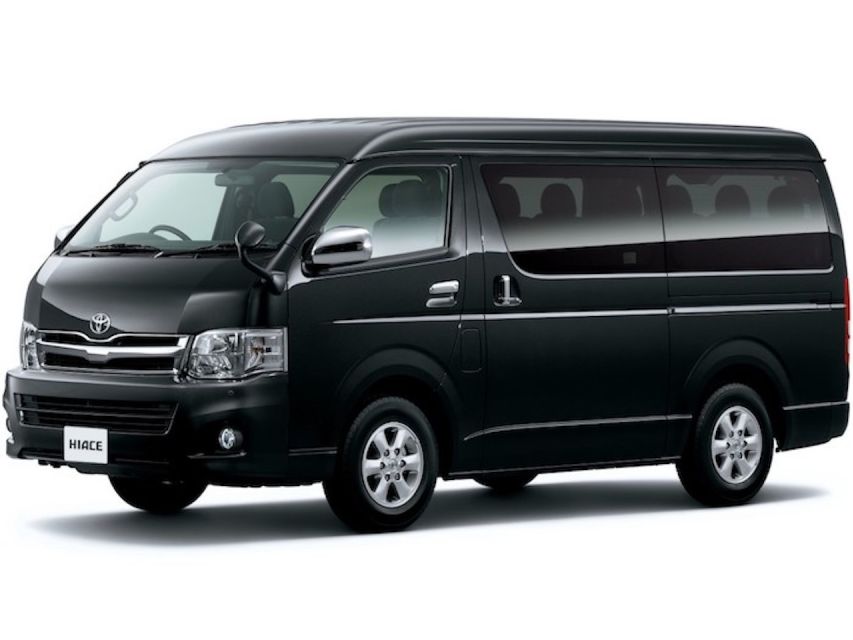
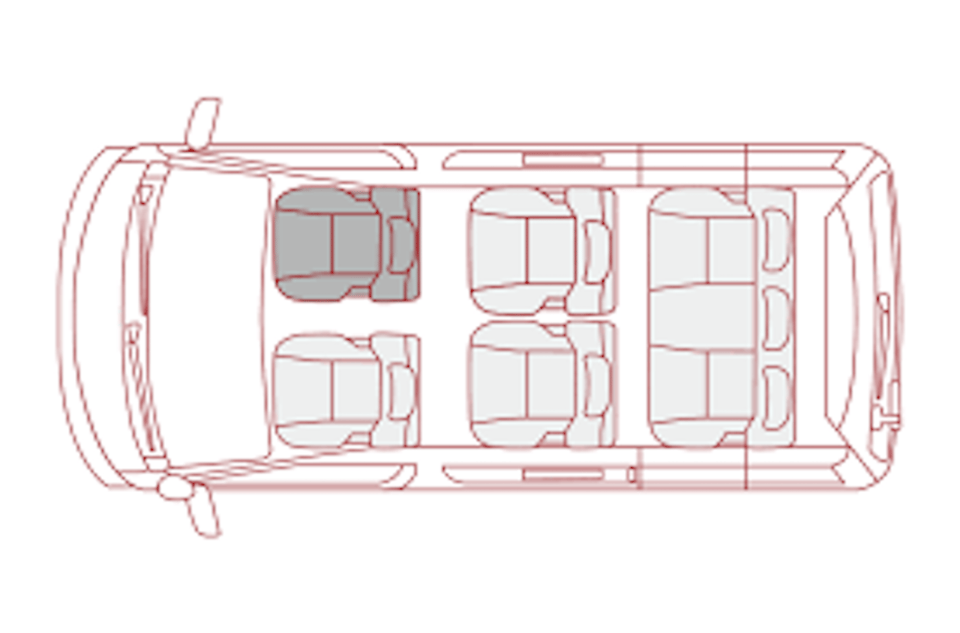
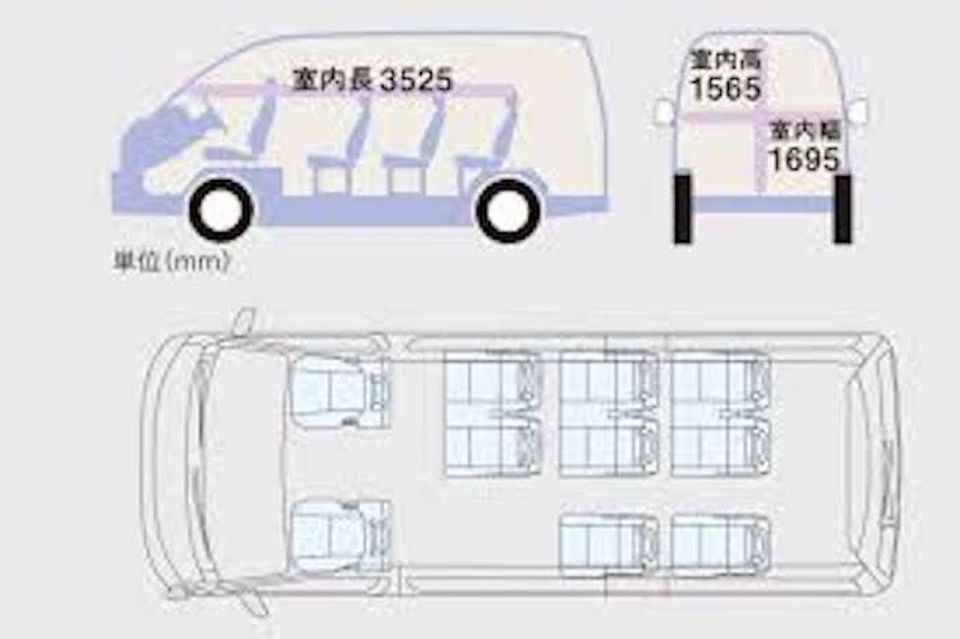
Vehicle size depends on your group size:
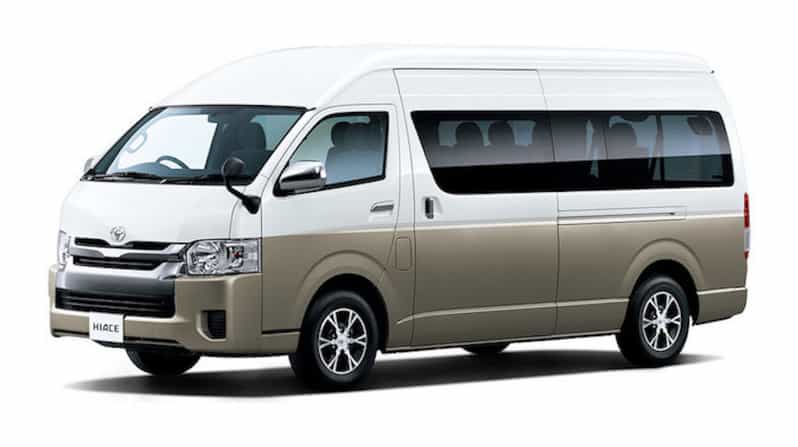
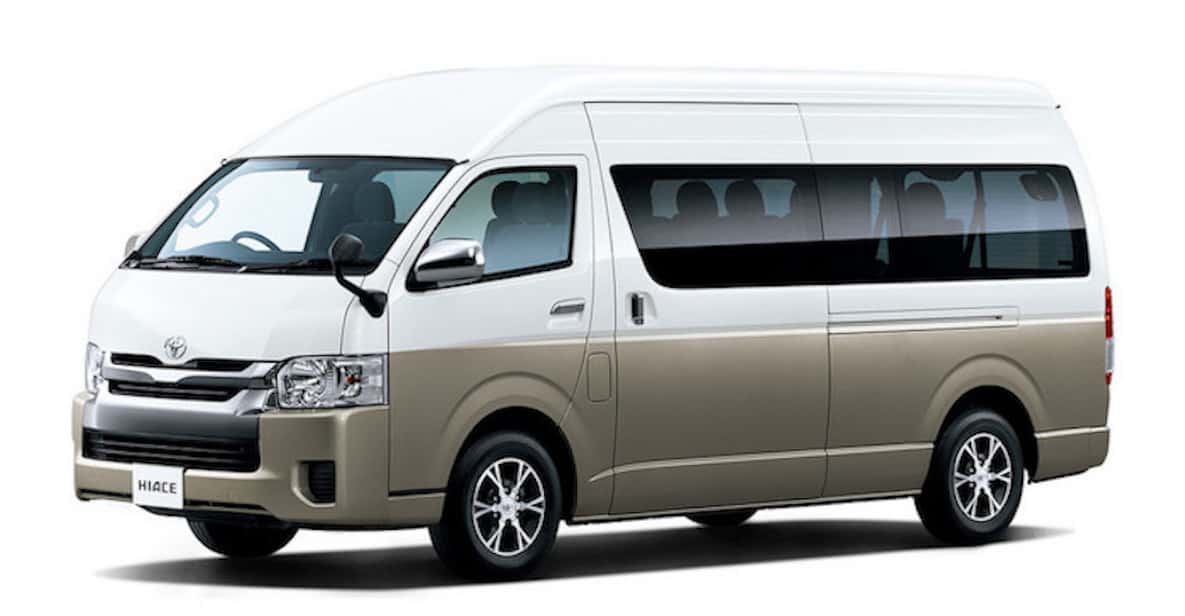
- 3–4 pax: minivan
- 5–8 pax: minibus-small
- 9–12 pax: minibus-middle
If your group has lots of luggage, you can request a vehicle size-up. For families or mixed groups, this is a big deal because Kamakura’s temple areas often feel easier when everyone isn’t playing luggage Tetris.
Also, keep in mind the basic rules: no smoking in the vehicle, and no explosive substances or alcoholic drinks in the vehicle.
Hokoku-ji Bamboo Temple: the tea stop that sets the tone
The first major temple stop is Hokoku-ji, with guided time of about 45 minutes. This is the kind of place that instantly changes your pace. Even if you know Japanese temple basics, Hokoku-ji’s bamboo identity gives the visit a specific mood.
Here’s what I’d prioritize: the café inside for powder tea. It’s not just a break; it’s a way to slow down while the temple grounds do the rest. If you’re the type who likes small cultural moments—tea, ritual, seasonal atmosphere—this stop will click.
Practical note: since temple gardens change with the seasons, the specific flow of flower-related scenery may shift depending on when you go. You can still expect guided sightseeing time, but the photo-perfect angles may vary.
Tsurugaoka Hachimangu: samurai origins, right in the shrine approach
Next is Tsurugaoka Hachimangu, again with guided time of about 45 minutes. This shrine is tied to Japan’s samurai era—specifically, it was established by Minamoto Yoritomo, the first shogun of the samurai government.
Why this matters for you: Kamakura isn’t just “pretty temples.” It’s a place where political power and religious life intersected. The shrine approach gives you that sense quickly, and the guided context helps you connect what you see with why it mattered.
If you’re short on patience, shrine walking can feel repetitive in some places. Here, the historical link gives it shape, so the time doesn’t feel like filler. And since the tour is private, you can take breaks without needing to match a group’s pace.
Kotoku-in Great Buddha: the shortest stop that often feels the biggest
Then you head to Kotoku-in for about 30 minutes. This is the stop most people picture when they think of Kamakura’s scale: the Statue of Great Buddha of Kamakura.
This is one of those experiences where the guided time helps more than you’d expect. You’re not just looking at a statue—you’re learning how to read what it represents, and why Kamakura became a major religious destination.
The only drawback: 30 minutes can feel brief if you’re the type who wants to linger for photos, quiet, and re-looking from different angles. Still, for a day built to include Enoshima too, it’s a smart balance.
Hase-dera: Kannon devotion and the best way to build toward Enoshima
Next up is Hase-dera, with guided time of about 45 minutes. This temple enshrines one of the most prestigious Kannon Buddha figures associated with devotion in Japan.
Hase-dera is a nice bridge between Kamakura’s temple core and the coastal scenery ahead. Even if you’re not a “temple nerd,” you’ll likely appreciate how the atmosphere changes as you move toward Enoshima. The guided route helps you understand what you’re seeing rather than treating it as a checklist.
If you’re visiting in a season with active garden bloom, it’s possible that the viewing experience changes. The tour notes that temple gardens have flowers that bloom in each season, and some visiting spots might shift accordingly.
Enoshima Island: Fuji views, lunch time, and shrine-arcade browsing
Enoshima is the payoff. It’s where the day turns from old-town temple steps to seaside views and that distinctive Enoshima feeling. The itinerary includes two parts here:
- Lunch for 1 hour
- Guided tour/sightseeing for 75 minutes
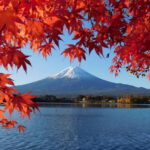
One of the big selling points is the scenery with Mount Fuji in the background. It’s also tied to ukiyo-e—Enoshima was depicted in woodblock prints, and seeing it in person helps you understand why artists kept returning to this view.
Two ways to use your Enoshima time:
- Get your Fuji moment early enough to not feel rushed. Weather and visibility control the view, so plan to treat the first good clear gap as your shot.
- Use the sightseeing portion to get oriented, then enjoy unstructured time for browsing.
The tour also builds in time for shopping arcades leading to Enoshima Shrine, where you can pick up accessories or small gadgets. This is the type of shopping that feels like part of the walk, not a separate chore. If you want simple souvenirs—things that fit in a pocket—you’ll likely appreciate this.
Food and local flavor: how to plan when meals aren’t included
Meals aren’t included in the price, but the tour is designed to make the eating part easy. You get:
- Lunch time on Enoshima (1 hour)
- Guidance toward a local restaurant for the rest of the day
Local specialty tends to lean seafood and rice-based dishes, and sometimes curry-style choices show up as the familiar regional picks. In my view, the best strategy is to set a budget before you sit down. Enoshima menus can range from casual to more “tourist-facing,” and your hour for lunch is best spent choosing something that doesn’t require a long wait.
Pro tip: since entry fees and food aren’t included, I recommend budgeting separately for both temple admission and at least one full meal day.
Timing that works: 9 hours without feeling like a sprint

The tour runs about 9 hours, and it’s set up with guided time at each stop rather than a quick photo drive-by. The tradeoff for a day trip is always walking, but the private vehicle reduces the hardest part: travel time and transfer stress.
There’s also a helpful comparison in the tour notes: going this way on foot would take about 1.5 days. That’s the clearest value argument. You get the core sites plus Enoshima without sacrificing an entire extra day.
Another practical detail: the itinerary can change slightly depending on season and the bloom of flowers in temple gardens. If you’re visiting during spring or autumn peak bloom periods, keep some flexibility in your expectations for specific scenes.
Price and value: $878 for up to 12, and what that really buys
The price is $878 per group up to 12. For a private tour, that can be a strong value when you calculate it the way groups actually experience it.
- If you fill the group with 12 people, the per-person math comes out to roughly $73 before you add entry fees and meals.
- If you’re fewer people, the per-person cost rises, but you’re still paying for the convenience of a private vehicle plus guided time at each major site.
Where this tour shines is how it bundles:
- transportation across the Kamakura–Enoshima corridor
- English guiding
- private flexibility so your day isn’t locked to a mass-tour schedule
Entry fees and food are extra, so you’ll want to plan that spend. But the schedule avoids the most common day-trip trap: paying extra for taxis or spending an hour figuring out where to go next.
Also worth noting from the experience setup: the driver-guide handles the meeting point details, and the reviews highlight that the guide was waiting and easy to find—especially from a cruise terminal context.
Who should book, and who might want a different plan
This tour is a good fit if you want:
- a private day trip without training transfers
- a structured route through Kamakura’s most meaningful temple/shrine stops
- time at Enoshima for both sightseeing and browsing
- the ability to adjust the day to your group’s preferences
It’s less ideal if:
- anyone in your group has motion sickness. The tour is by vehicle, and the activity is explicitly not suitable for it.
- your group wants zero walking. Comfortable shoes are still the right call.
If you’re traveling with mixed ages—grandparents, teenagers, or a group that can’t agree on pace—private guiding helps a lot. And since it’s wheelchair accessible, it may work for some mobility needs, though the temples themselves involve real-world ground surfaces.
Quick stop-by-stop reality check
Here’s the honest vibe of the route:
- Hokoku-ji: calm, bamboo-focused, tea café break
- Tsurugaoka Hachimangu: shrine with samurai origin context
- Kotoku-in Great Buddha: short but visually powerful
- Hase-dera: Kannon devotion and a build toward the coast
- Enoshima: Fuji views, lunch, guided walk, then shopping arcades
The tour keeps moving, but it also gives each place enough time that you aren’t just stepping in and out.
Should you book this Kamakura and Enoshima day trip?
If your goal is a full Kamakura-and-Enoshima day with temple guidance, Mount Fuji scenery, and less stress, I think it’s a smart booking. The value is strongest when you’re traveling as a group and can spread the private-vehicle cost across several people.
Book it if:
- you want an English guide and guided time at the key sites
- you like local tea breaks and seaside viewing
- you prefer private logistics over trains and timing puzzles
Skip or rethink it if:
- your group is very sensitive to car motion
- you want an entirely self-paced walk-only itinerary
For most people coming from Tokyo or Yokohama, this tour is one of the cleanest ways to see the highlights without turning your day into a transportation project.
FAQ
What pickup locations are available?
You can be picked up from Odawara, Tokyo, Yokohama, or Maihama, with matching drop-off options.
How long is the tour?
The duration is listed as 9 hours.
What’s included in the price?
Included items are a driver-guide, transportation, and a private flexible tour.
Are entry fees and meals included?
No. Entry fees for each attraction and food and drinks are not included.
Is the tour guided in English?
Yes, the tour includes a live English-speaking guide.
Is this tour wheelchair accessible?
Yes, the tour is listed as wheelchair accessible.
Is it suitable for people with motion sickness?
No. The tour is specifically noted as not suitable for people with motion sickness.