REVIEW · HAKONE
Hike Hakone Hachiri
Book on Viator →Operated by Walk Hakone Hachiri · Bookable on Viator
Cedar shade, old checkpoints, and tea history. This Hakone Hachiri walk strings together the ancient Tokaido Highway with hands-on stops like Amazake Chaya and Hakone’s historic checkpoint system. I especially love the way the hike mixes real nature with story-led moments, and I also like the payoff of Lake Ashi and the chance for Mt. Fuji views when the weather cooperates. One drawback to plan for: you’re on your feet for about 9 hours, and the terrain can feel a bit rocky.
The format helps a lot. You’ll go on a private experience with only your group, led by guide Tony, and you’ll spend real time at key places instead of rushing through photos. Still, lunch isn’t included, so you’ll want a simple budget plan for food along the way.
In This Review
- Key highlights to watch for
- Why Hakone Hachiri feels like a back door to the Tokaido
- Start Smart: Mishima Station at 8:30 and the simple logistics
- Amazake Chaya and Mr. Yamamoto: the tea stop that sets the tone
- Lake Ashi lunch: the crater lake with torii in the water
- Cedar Avenue: 400-year cedar and why shade mattered
- Hakone Sekisho checkpoint and the museum: why travelers were controlled
- Yamanaka Castle Ruins: earthworks, history, and Mt. Fuji hopes
- The 12 km Tokaido stretch between Odawara and Mishima
- Finishing by water: Genbegawa World Water Heritage Area
- Price and value: what $231.18 buys you
- Who should book Hakone Hachiri?
- Should you book this Hakone hike?
- FAQ
- How long is the Hakone Hachiri hike?
- Where does the tour start and end?
- Is this tour private?
- Is the Amazake tea house admission included?
- Do I need to pay for lunch?
- What fitness level do I need?
- What if the weather is bad, or I need to cancel?
Key highlights to watch for
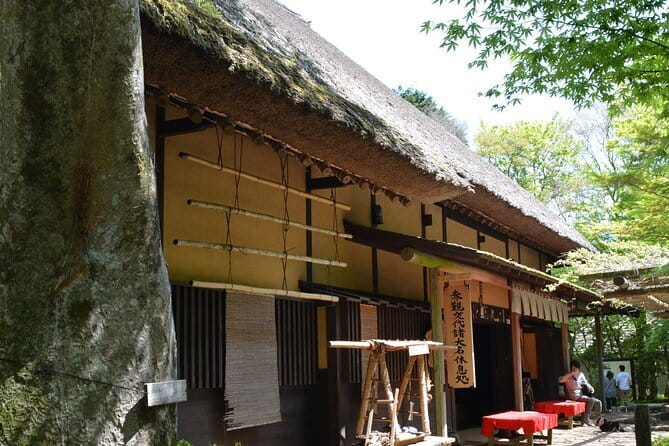
- Mr. Yamamoto at Amazake Chaya: you’ll hear how a family-run teahouse keeps a Tokaido tradition alive
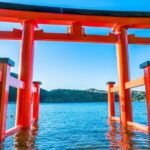
- Lake Ashi torii at lunch: a crater lake setting with famous red gates in the water
- 400-year cedar lining: the sugi avenue planted for Edo-era shade and travel comfort
- Hakone Sekisho checkpoint system: learn how travelers were controlled to protect Edo
- Yamanaka Castle Ruins viewpoint: earthworks + a weather-dependent shot at Mt. Fuji
- 12 km Tokaido section: a long, satisfying stretch of old route between Odawara and Mishima
Why Hakone Hachiri feels like a back door to the Tokaido
Hakone Hachiri is the kind of day that makes Japan feel tactile. One moment you’re walking under old cedar, the next you’re learning why checkpoints mattered, and then you’re eating near Lake Ashi with its famous torii gates sitting in the water. It’s not just sightseeing. It’s walking the old trade-and-travel spine that once linked Tokyo with Kyoto and Osaka.
What makes it work is the rhythm: short stops for story and context, then stretches where your legs do the talking. I like that you don’t have to be a history buff to enjoy it; the guide’s job is to connect the dots without turning the day into a lecture. And if weather is good, Yamanaka Castle Ruins gives you that extra “okay, wow” view moment, with Mt. Fuji possible.
The hike is declared part of Japan’s Heritage Areas, and you can feel that in how the route is treated: it’s meant for walking, not just driving past. That heritage label isn’t just paperwork—it shows up in the trail choices and the emphasis on the old route.
You can also read our reviews of more hiking tours in Hakone
Start Smart: Mishima Station at 8:30 and the simple logistics
You’ll meet at Mishima Station (16-1 Ichibanchō) at 8:30 am and you’ll finish back at Mishima Station. That’s a nice setup because you don’t need to figure out a complicated end point after a long day.
This is also a near public transportation kind of plan, so you can reach the start without a major transfer headache. It’s a private tour, so your group stays together and Tony can pace things around your needs.
What you should plan for:
- Comfortable, sturdy shoes. The hike can include stone sections and uneven footing.
- A light rain layer. One key review theme was how the guide stayed flexible when weather turned wet.
- A water plan. Lunch isn’t included, and the day is long.
You’ll also get a mobile ticket, which is convenient. Confirmation comes at booking, so you should have what you need before you show up.
Amazake Chaya and Mr. Yamamoto: the tea stop that sets the tone
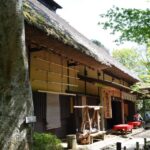
The day starts at Hakone Amazake Tea House, where you’ll meet Mr. Yamamoto, the thirteenth generation manager of the teahouse. This isn’t a generic “here’s a souvenir shop” moment. It’s a family-run place with continuity, and Tony can place that teahouse in the bigger story of the old route.
Amazake is a sweet, gentle drink, and teahouses like this were built for travelers who needed warmth, a break, and something local. Even if you’ve had amazake before, the value here is context: you learn why these spots mattered on the Tokaido and how that culture is still carried forward.
The drawback? This is one of the most structured parts of the morning: about 1 hour here. If you’re a slow starter, you might feel like you’re being “timed” early in the day. But the trade-off is that you get a real welcome, and the stories make the rest of the walk click.
Lake Ashi lunch: the crater lake with torii in the water
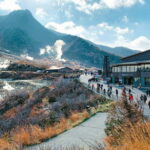
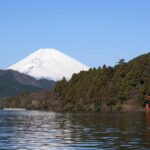
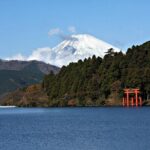
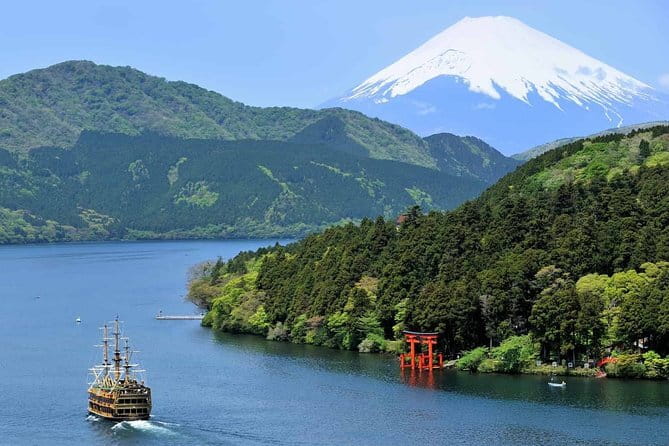
After the tea house, you’ll shift from mountain trail to an iconic water view at Lake Ashinoko. The route lines up your lunch break with the scenery: this is a crater lake about 700 meters deep, and it’s known for the red torii gates that appear to sit right in the water.
Lunch is not included, but the stop is timed so you can eat while the setting does some of the work for you. If you’re the type who gets cranky when meals are late, you’ll probably appreciate having this mid-day anchor.
One consideration: this is weather-dependent scenery. If it’s cloudy, the water can still look dramatic, but the “postcard” factor may be lower. Either way, it’s a great place to reset: you’ll get a breath of open air and a pause before the walking-heavy stretch.
Cedar Avenue: 400-year cedar and why shade mattered

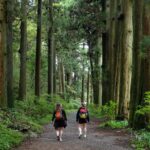
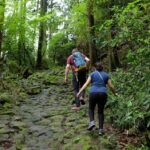
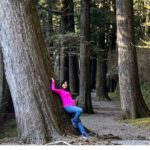
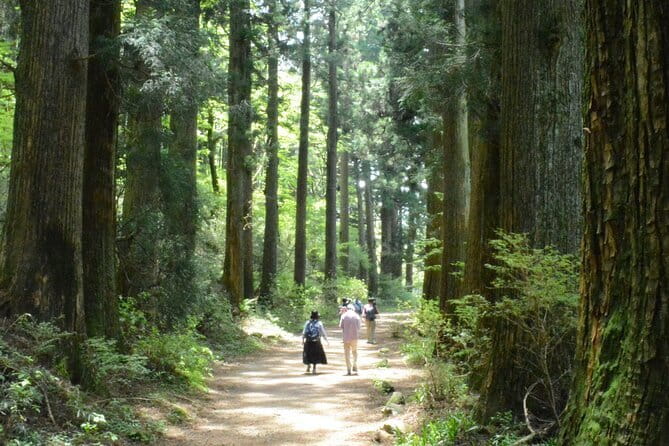
Then comes Cedar Trees of Hakone Old Road, often called Cedar Avenue. The details here are the fun part: centuries ago, during the Edo period, the second shogun Tokugawa Hidetada ordered sugi (Japanese cedar) planted along both sides of the Tokaido so travelers would have shade and a more comfortable journey.
Walking under those trees changes your pace. It’s cooler, quieter, and you can actually feel the logic of the original planning. This isn’t just pretty scenery; it’s infrastructure from long ago—living, still doing its job.
The time here is short, about 30 minutes, which is perfect. It gives you the full effect without draining your energy before the checkpoint and ruins sections. Bring your eyes for details: trunks, the spacing of the avenue, and the way the forest funnels you forward.


Hakone Sekisho checkpoint and the museum: why travelers were controlled
Next you’ll visit Hakone Sekisho and the Hakone Sekisho Museum. Here’s the practical reason checkpoints existed: travelers were checked to confirm identity and to protect Edo, the shogun’s capital.
Hakone was one of the closest major checkpoints to Edo, so it was heavily policed. Tony’s style (based on what you can expect from his feedback in past days) is to keep the story human. It’s not just “rules existed.” You learn what the system meant for real movement and real people.
This segment is about 30 minutes, so it’s enough for a solid mental framework without turning into a museum marathon. The museum and checkpoint together help you understand how a route could be both a corridor for commerce and a security line.
If rain shows up, this is also the kind of stop that works because you can keep moving without losing the day’s structure.
Yamanaka Castle Ruins: earthworks, history, and Mt. Fuji hopes
At Yamanaka Castle Ruins, you’ll step back to the late 1500s and the Hojo western boundary. The name matters: it literally points to a castle in the middle of the mountain. Even today, you can see the logic of defense in the earthworks.
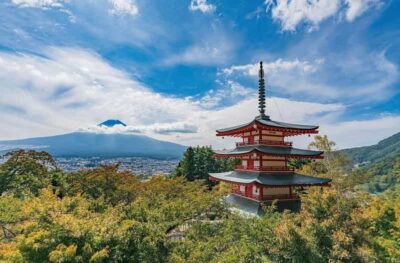
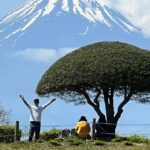
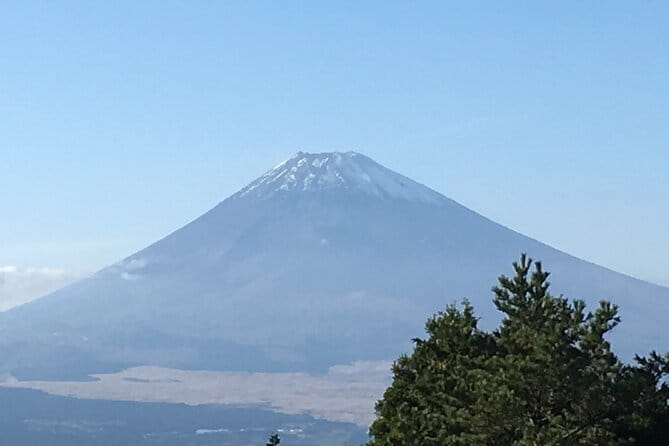
This is also where the day can pay you with a view. Weather permitting, you may get Mt. Fuji views from here. That’s not something you can control, so don’t treat it like a guaranteed payoff. Treat it like bonus points if the skies clear.
Time at the ruins is about 30 minutes, which is right. You get enough to appreciate the site and the story without wasting half the day. If the weather is iffy, focus on the textures: the shapes of the old defenses, the slope, and the way the terrain guided movement.
The 12 km Tokaido stretch between Odawara and Mishima
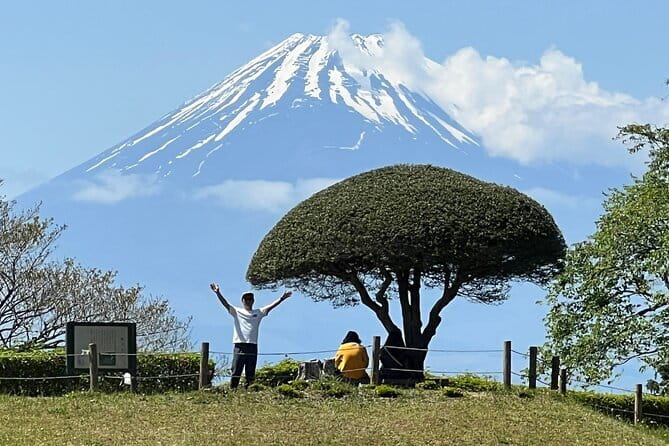
Now you get into the big walking section: the preserved Tokaido Odawara Shuku, a 12 km stretch of the Old Tokaido Foot Highway between Odawara and Mishima. This is the part you’ll remember because it feels like you’re traveling in the old sense—slow progress, steady effort, and your senses engaged.
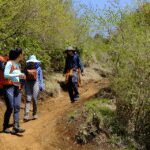
The time budget here is about 5 hours, so it’s substantial. This is also where sturdy shoes matter most. Expect a moderate hike, and you may deal with stones or uneven sections.
The best way to enjoy this stretch is to let Tony pace you and keep your attention on the route features, not just your pace. You’re not only walking for exercise—you’re walking for understanding. The “why” behind each earlier stop becomes clearer as the trail continues.
If you’re the kind of person who prefers a workout with a purpose, this is your favorite hour of the day.
Finishing by water: Genbegawa World Water Heritage Area
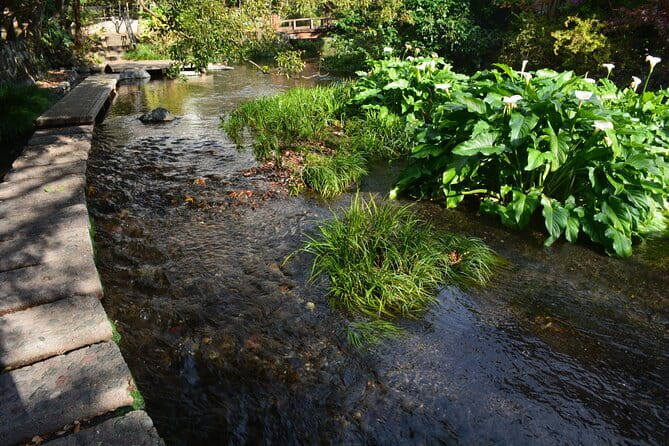
After the long Tokaido walk, you end with a 30-minute stretch in Mishima at the Genbegawa World Water Heritage Area. It’s a good contrast after a cedar-and-checkpoint day: water heritage helps balance the story of travel and security with the essential stuff that supports life.
This final stop is also practical. It gives you a gentle landing into the end of the tour and a smoother transition back to Mishima Station.
Even if your legs are loud by then, this ending is short enough to feel satisfying rather than punishing.
Price and value: what $231.18 buys you
At $231.18 per person, Hakone Hachiri isn’t a cheap “random hike.” But it also isn’t paying for a giant bus tour where you barely talk to anyone. You’re paying for a guide, a private-group format, and a day built around multiple historic stops with entry timing.
What you’re getting for the price:
- Guide fee included
- Private tour (only your group participates)
- Mobile ticket convenience
- Tea house admission included at Hakone Amazake Tea House
- Many other stops with admission-free structure
Also, the company notes group discounts, which can make the cost feel much more reasonable if you’re traveling with friends or family.
The main value question for you is simple: do you want a guided historical walking day that strings together Tokaido culture with nature, instead of piecing together trains, trail segments, and individual entry fees yourself? If you want the “someone else handled the connections” feeling, this price starts to make sense fast.
If you already have the stamina for long self-guided walking and you’re comfortable mapping stops on your own, you could DIY some pieces. But you’d miss the structured stories, and that’s half the point of this day.
Who should book Hakone Hachiri?
You’ll like this tour if:
- you want an old-route walking day tied to real places (not only viewpoints)
- you enjoy story-driven stops like Amazake Chaya, checkpoint history, and ruins
- you’re okay with a moderate hike for about 9 hours
- you want a private group experience led by Tony
You might skip it if:
- you hate long days on your feet
- you’re expecting a fully guaranteed Mt. Fuji view (it’s weather permitting)
- you don’t want to plan for lunch costs (lunch isn’t included)
One extra confidence booster: Tony has handled bad weather by adjusting the plan when needed, so you’re not trapped in a rigid itinerary if clouds roll in early.
Should you book this Hakone hike?
Yes, if you want Hakone to feel more like walking history than checking boxes. The combo of tea-house tradition, cedar avenue planted for Edo travel comfort, Hakone Sekisho checkpoint context, and the long 12 km Tokaido stretch makes this a day with both meaning and momentum.
If you’re budget-flexible and you value a guide who can explain what you’re seeing while you walk, this is a strong choice. If you mainly want an easy nature stroll, then you may prefer a shorter or less structured option.
For most people planning a Hakone base anyway, Hakone Hachiri is one of those days that helps the region click.
FAQ
How long is the Hakone Hachiri hike?
It’s about 9 hours total.
Where does the tour start and end?
You start and end at Mishima Station (16-1 Ichibanchō, Mishima, Shizuoka 411-0036, Japan), with a start time of 8:30 am.
Is this tour private?
Yes. It’s listed as a private tour/activity, and only your group participates.
Is the Amazake tea house admission included?
Yes. The Hakone Amazake Tea House stop includes an admission ticket.
Do I need to pay for lunch?
Lunch is part of the day (by Lake Ashi), but lunch is not included in the tour price.
What fitness level do I need?
You should have a moderate physical fitness level.
What if the weather is bad, or I need to cancel?
The experience requires good weather. If it’s canceled due to poor weather, you’ll be offered a different date or a full refund. If you cancel for any reason, it’s non-refundable and cannot be changed.