REVIEW · HAKONE
Hakone : Private Tour with Government-Licensed Guide
Book on GetYourGuide →Operated by JGA Inc. · Bookable on GetYourGuide
Hakone is where volcanic steam meets real culture. A private tour here is interesting because you get Owakudani up close and then move on to Mt. Fuji views from the ropeway and lake. I also like that you can build your own day around 3 to 4 chosen stops, instead of being stuck on a fixed circuit. The main drawback is simple: it’s a walking day with changing altitude, and you should expect transport costs and entrance fees to be extra.
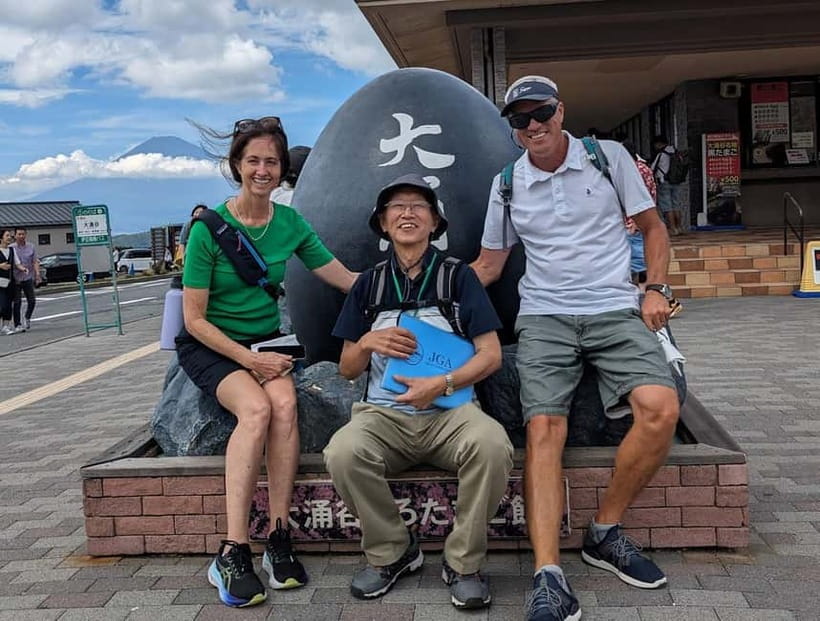
I’m especially a fan of the guide element. This is a private tour with a government-licensed local English-speaking guide, and the difference shows up fast when you need help timing connections, finding the right routes, or translating what you’re looking at. In real-world experience shared from past guests, guides like Kate and Yumi were praised for getting in touch early, shaping an itinerary to the group’s interests, and keeping things moving even when transit hiccups happen.
One more consideration: you won’t have a private vehicle included. You’ll use public transport or local taxis, and you’ll want Japanese yen on hand for those between-site transfers.
In This Review
- Key highlights worth caring about
- Why a licensed local guide makes Hakone easier
- The value question: is $171 per person a smart use of money?
- Owakudani and black boiled eggs: the start of the story
- The ropeway ride: turning volcano energy into Fuji views
- Lake Ashinoko and Kuzuryu shrine: the Torii gate moment
- Hakone’s art and temples: choosing your 3–4 stop mix
- Lake Ashinoko (if you want the focus on water)
- Hakone Shrine or Choanji Temple (for shrine-and-temple time)
- Hakone Open-Air Museum or Hakone Museum of Art (for art lovers)
- Pola Museum of Art or Okada Museum of Art
- Owaku-dani Valley (if you want to spend more time)
- Gora Park or Sengokuhara (for nature-and-area vibes)
- Hakone Shisseikaen (for seasonal garden time)
- Venetian Glass Museum or Hakone Venetian Glass Museum (for craft/visual culture)
- Dollhouse Museum Hakone or Narukawa Art Museum (for smaller, niche interests)
- Hakone Ropeway and Hakone Shrine (if you want classic Hakone markers)
- How the 6–8 hour schedule really feels
- What to plan for during the day (and what not to stress)
- Small details that make or break the experience
- Who this tour is best for
- Should you book this Hakone private tour?
- FAQ
- How long is the private Hakone tour?
- How many places can I visit?
- Is transportation included?
- Are entrance fees included?
- Where do I meet the guide?
- Is this tour private?
- What languages will the guide speak?
Key highlights worth caring about
- Owakudani heat + black boiled eggs: the volcanic setting and the famous egg snack go together.
- Ropeway down to Lake Ashinoko: a clean way to get scenic views without doing all the walking uphill.
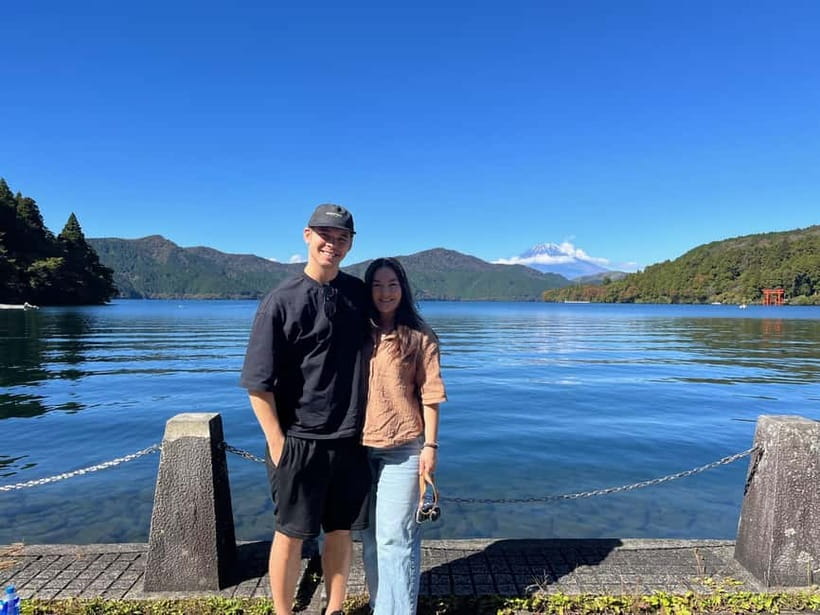
- Lake crossing to the Torii gate at Kuzuryu shrine: a spiritual stop that also gives you strong views over the water.
- Pick 3–4 stops from a real menu of Hakone sights: you control the day’s balance of nature, shrines, and art.
- Private, licensed guide time: you’re not fighting confusion or language at every transfer.
- A walking-style day, not a car tour: better for getting oriented, but you’ll need comfortable shoes.
Why a licensed local guide makes Hakone easier
Hakone can feel like a choose-your-own-adventure map—because it is. Sites cluster around hills, water, and different transport lines, so even when you know the names (Owakudani, Lake Ashinoko, Hakone Shrine), the “how do I get there smoothly?” part can steal your energy.
That’s where the licensed local guide earns their fee. You meet them inside a designated area of Hakone, then you’re guided between stops using public transport or taxis. The point isn’t just interpretation. It’s practical momentum: knowing what to prioritize, how to shift plans when walking routes or transit timing gets messy, and how to connect the day’s stops so it actually fits into 6 to 8 hours.
This is also a private group setup, so you can ask for pacing changes—slow down for photos, take a shorter route between two stops, or spend longer at the one place that really grabbed you.
You can also read our reviews of more guided tours in Hakone

The value question: is $171 per person a smart use of money?
At $171 per person for a 6 to 8 hour private tour, the best way to judge value is to ask what you’re buying.
You’re getting:
- A government-licensed local English-speaking guide
- A customized plan built around 3 to 4 sites from the Hakone menu
- Guide support for transfers between the selected stops (using public transport or taxis)
You’re not getting:
- Entrance fees
- Lunch
- Transportation fees between sites
- A private vehicle
So the money makes the most sense if you:
- Want to avoid planning stress in a mountainous area
- Prefer a guide to help you understand what you’re seeing (history, culture, traditions)
- Value time efficiency over wandering on your own
If you’re the type who loves self-guided transit puzzles, you could assemble Hakone day segments on your own. But if you’d rather spend your energy on the sights—especially Owakudani and Lake Ashinoko—this private guided setup is a good use of travel time.
Owakudani and black boiled eggs: the start of the story
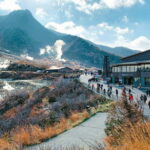
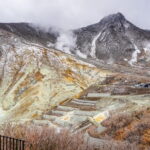
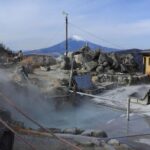
Most Hakone days should begin with Owakudani Valley, because it sets the tone fast. This is the active volcanic area where sulfurous gases rise continuously. You’ll feel the heat in the atmosphere, and it explains why Hakone is so tied to hot springs.
And then there’s the snack that turns this into a memorable moment: black boiled eggs. They’re famous here, and the idea is simple—hard-boiled eggs are turned black and infused with minerals from the volcanic spring area. You’re not just eating a food; you’re tasting part of the place’s logic.
What I’d watch for:
- This area is active and may feel intense in certain weather. Dress for comfort and be ready for strong smells.
- You’ll want comfortable shoes for walking around viewpoints and paths.
If your group loves food tied to place, this stop alone can justify the day. If you’re sensitive to strong odors or heat, you can still go, but plan to move at a calm pace.
The ropeway ride: turning volcano energy into Fuji views
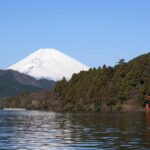
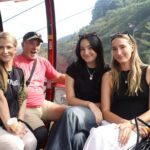
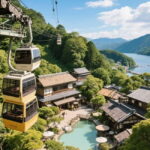
After Owakudani, the ride down by Hakone Ropeway is where the scenery shift becomes part of the reward. The goal is a smoother descent to Lake Ashinoko, with sweeping views that can include Mt. Fuji on clear days.
Even when Fuji is partially obscured, the ropeway still does one valuable thing: it breaks up the day and lowers the strain of moving through Hakone’s elevation changes.
Practical tip: if your itinerary includes multiple lakeside stops, ropeway timing matters. Your guide can help you slot the ride so you don’t end up rushing across the water later.
Lake Ashinoko and Kuzuryu shrine: the Torii gate moment
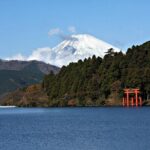
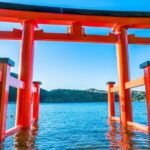
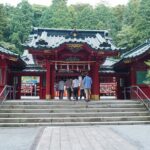
Once you’re at Lake Ashinoko, you’ll have the chance to sail across the water and visit the Torii gate by Kuzuryu shrine, dedicated to the area’s nine-headed dragon deity. It’s one of those Hakone experiences where the setting is doing half the storytelling.
Here’s what makes it special for your day plan:
- It’s a change of pace after walking and volcanic viewing
- You get a different perspective on the lake and surrounding hillsides
- It pairs spirituality with a classic scenic “postcard angle,” which is great for photos and for slowing down
Trade-offs:
- Like any water-based moment, you’ll want to pay attention to weather conditions.
- The stop depends on timing between ropeway and other selected sites, so it’s smart to let your guide manage the sequence.
If you care about Japan that isn’t just museums or mass-tour stops, this lake shrine visit is a strong anchor point.
You can also read our reviews of more private tours in Hakone
Hakone’s art and temples: choosing your 3–4 stop mix
One of the best parts of this tour is that you don’t have to choose just between volcano, lake, and nothing else. You can pick 3 to 4 sites from a clear list, and your guide will help you shape a day that fits your interests.
Here are your options, plus what they mean for the kind of day you’ll have:
Lake Ashinoko (if you want the focus on water)
If your ideal day is scenery and calm, make Lake Ashinoko central. Pair it with the ropeway and lake crossing so you don’t feel like you’re “just passing through.”
Hakone Shrine or Choanji Temple (for shrine-and-temple time)
If you want spiritual context and a quieter rhythm, choose one of these. Temples and shrines can be ideal mid-day when the group wants to slow down and step away from crowds or busier viewpoints.
Hakone Open-Air Museum or Hakone Museum of Art (for art lovers)
If you’re an art fan, this is where you can go deeper than scenery. An art museum stop adds indoor time if weather is rough, and it also changes the tone from volcanic/lake to culture.
Because you choose 3–4 stops total, think of art as your “balance knob.” Want more outdoors? Choose fewer museums. Want a mix? Add one art stop to break up the day.
Pola Museum of Art or Okada Museum of Art
These are additional art choices that let you tailor the day. If one of them is a priority for you, it’s often easier to hit that in a private-plan day than trying to guess timings on your own.
Owaku-dani Valley (if you want to spend more time)
You’ll likely have Owakudani on the standard path. If you’re the type who wants extra viewing time—stopping for photos, taking longer at sulfurous gas viewpoints—ask your guide how to extend it while still fitting 3–4 total stops.
Gora Park or Sengokuhara (for nature-and-area vibes)
These options can add “Hakone atmosphere.” They’re good picks if you want less museum focus and more sense of where people live and walk through the region.
Hakone Shisseikaen (for seasonal garden time)
A garden stop is often a nice reset during a day that starts with volcanic heat. If the weather is decent, gardens also give you a break from transit and an easy-to-enjoy pace.
Venetian Glass Museum or Hakone Venetian Glass Museum (for craft/visual culture)
If you like design and crafts, this is your pick. It’s also a practical choice when you want something indoors after being outside in volcanic and lake air.
Dollhouse Museum Hakone or Narukawa Art Museum (for smaller, niche interests)
These can be great if your group has specific interests or if you want a more unusual tone. They’re also a solid move when you want variety without adding heavy travel time.
Hakone Ropeway and Hakone Shrine (if you want classic Hakone markers)
You can use these as your backbone, then fill remaining time with either art or the more nature-leaning options like parks and gardens.
How the 6–8 hour schedule really feels
This tour is built as a walking day without a private vehicle. That means your day will have movement, then transitions, then stops, then movement again.
You’ll likely feel:
- More efficient time use: your guide handles site order and transfers between chosen places.
- More foot travel than you expect: even with a ropeway and lake sailing moments, walking happens.
- A need for flexibility: transport timing depends on local schedules and weather.
Your guide will meet you within the designated meetup area in Hakone, and pickup is available in a limited area within a 10 km radius of Hakone-Yumoto Station. Your guide waits in the hotel lobby or train station you request, about 10 minutes before the scheduled pickup.
One practical move: if you tell your guide your pacing style and what matters most, your day becomes much easier to enjoy. In other words, it’s not just a sightseeing plan—it’s a comfort plan.
What to plan for during the day (and what not to stress)
Here’s what’s solid to have ready, based on how this tour runs:
- Wear comfortable shoes. Hakone is mountainous, and even “easy” walking still adds up.
- Bring Japanese yen for transportation costs between sites.
- Expect that entrance fees and lunch are not included, so plan a little cash buffer.
- The tour is listed as wheelchair accessible, but it’s also marked not suitable for people with mobility impairments. If this matters to you, treat it as a “check with the provider and plan carefully” situation, since it’s still a walking-style day.
Also note this detail: guide entry fees are only covered for sights listed in the experience’s What to Expect portion. That doesn’t mean your other chosen stops aren’t worth it—it just means you should expect some entrance fees to be on you for items not in that covered set.
Small details that make or break the experience

A few details can turn a good Hakone day into a great one:
1) Choosing 3–4 stops, not 6
Hakone can tempt you into over-scheduling. Limiting to 3–4 sites helps you actually enjoy each stop. You get time to look, ask questions, and not just rush from one viewpoint to the next.
2) Let the guide manage transfers
Because you’ll use public transport or local taxis, having a guide who understands the timing helps. It’s the difference between a smooth flow and spending half the day reading signs.
3) Ask for cultural context while you’re there
This tour isn’t only about where to stand. Your guide can explain history, culture, and traditions you’ll notice while walking through shrines, around museum settings, and through the meanings behind volcanic life.
4) Cash makes the day simpler
It’s easy to forget yen and then end up slowing down when you need transport.
Who this tour is best for
This is a good fit if you:
- Want a private day in Hakone with a licensed guide
- Care about both scenery and understanding what you’re seeing
- Prefer choosing from options like art museums, shrines, and parks rather than sticking to a fixed list
- Have limited time (6–8 hours) and want smart routing
It’s also a good pick for couples or small groups who want to set the rhythm—especially if you’re not traveling with someone who knows Japanese transit well.
If you dislike walking and elevation, this may be tough. The walking day style matters.
Should you book this Hakone private tour?
I’d book this tour if you want the best of Hakone—Owakudani heat, black boiled eggs, ropeway-to-lake scenery, and the Torii gate by Kuzuryu shrine—with the comfort of a guide handling the complicated parts. The price feels fair when you factor in a licensed guide plus a customized 3–4 stop itinerary, especially if you’re trying to do a lot in one day.
I’d hold off if you:
- Want a low-walking day with lots of door-to-door driving (a private vehicle isn’t included)
- Don’t want extra costs for entrances, lunch, and transport
- Have mobility limitations that could be strained by a mountainous walking schedule
If you go in with comfortable shoes, some yen, and a clear idea of which 3–4 places you care about most, this becomes a highly efficient, very Hakone-feeling day.
FAQ
How long is the private Hakone tour?
It runs about 6 to 8 hours, depending on the day and starting time availability.
How many places can I visit?
You can see 3 to 4 sites. You choose which ones from the provided list.
Is transportation included?
No. Transportation fees between sites are not included. The tour uses public transportation or local taxis, and you’ll want Japanese yen for those costs.
Are entrance fees included?
Entrance fees are not included. Guide entry fees are only covered for the sights listed under the tour’s What to Expect section.
Where do I meet the guide?
You meet your guide within a designated area of Hakone. Pickup is included for locations within a 10 km radius of Hakone-Yumoto Station, with the guide waiting in your hotel lobby or requested train station area about 10 minutes before pickup time.
Is this tour private?
Yes, it’s a private group experience, and it can’t be combined with other tour groups.
What languages will the guide speak?
The guide speaks English and Japanese.