REVIEW · NIKKO
Private Nikko Early Morning Tour with English-Speaking Guide
Book on Viator →Operated by GuideMe Japan · Bookable on Viator
Two shrines, one morning, real meaning. This private Nikkō history tour pairs the showpiece Tōshō-gū Shrine with the quieter Futarasan Shrine, so you see two sides of Japan’s spiritual world in about four hours. What I like most is the storytelling focus, plus the contrast between ornate gold-leaf splendor and a forested, mountain-worship setting.
One thing to keep in mind: there’s an extra ¥700 per person transportation fee, and the day still needs some walking, so plan for that if you have mobility limits.
In This Review
- 5 key reasons this Nikkō morning tour feels worth your time
- Why a Nikkō early-morning tour works so well
- Price and value: what you’re paying for (and what you’re not)
- Meeting at Tōbu-Nikkō Station: the easiest way to start
- Stop 1: Tōshō-gū Shrine and the carvings that explain power
- The one drawback at Tōshō-gū
- Stop 2: Futarasan Shrine, founded in 767, and why it feels different
- How to get the most from Futarasan
- The English-speaking guide: what you gain beyond the signs
- A small practical tip
- Timing and pacing: will you feel rushed in four hours?
- What to know about tickets, tickets, and ticket-free entry
- Getting value out of the early morning: what to pack mentally
- Who this tour suits best (and who might want something else)
- Should you book this Nikkō early morning private tour?
- FAQ
- How long is the Nikkō early morning tour?
- Is this tour private?
- Where do you meet and where does the tour end?
- Is there an English-speaking guide?
- Which shrines are included?
- Are admission tickets included?
- Is transportation included in the price?
- Do I need to be physically fit?
- Do I receive a mobile ticket?
- What is the cancellation policy?
5 key reasons this Nikkō morning tour feels worth your time
- You get a private group experience, so you can move at a comfortable pace and ask questions.
- Tōshō-gū’s details are explained, including the famous See No Evil, Speak No Evil, Hear No Evil monkeys.
- Futarasan’s mountain-worship roots go way back, starting with its founding in 767.
- English guidance is built in, which helps you understand what you’re looking at beyond the photos.
- Small logistics, big payoff: mobile ticket, meeting at Tōbu-Nikkō Station, and you’re back there afterward.
Why a Nikkō early-morning tour works so well
Nikkō can feel like a lot all at once—bright carvings, incense haze, foot traffic, and people trying to photograph everything. Doing it early helps you keep your head clear, so you can actually read what you’re seeing. You’re also less likely to feel rushed, which matters because these shrines reward slow looking.
This tour is built around two specific stops. You’ll start with the political-and-shogunal “statement” of Tōshō-gū, then shift to the calmer, older spiritual atmosphere at Futarasan. That turn in mood is the whole point, and it’s a great way to understand why Nikkō became important in Japan.
You can also read our reviews of more guided tours in Nikko
Price and value: what you’re paying for (and what you’re not)
The tour costs $54.73 per person, which includes the English-speaking guide and the paid entry for Tōshō-gū. You’ll also receive a mobile ticket, so the start feels low-stress.
Not included is the transportation fee of ¥700 per person. That’s the main extra cost you should budget for up front. If you’re comparing options, I’d treat this as a “guided two-stop highlights” package: the value is in having someone connect the carvings, legends, and shrine meaning into a story you can follow.
Also, it’s getting traction—there have been 5+ bookings last month. That usually means the tour has enough demand to keep staffing and timing consistent, which is what you want when you only have a few hours.
Meeting at Tōbu-Nikkō Station: the easiest way to start
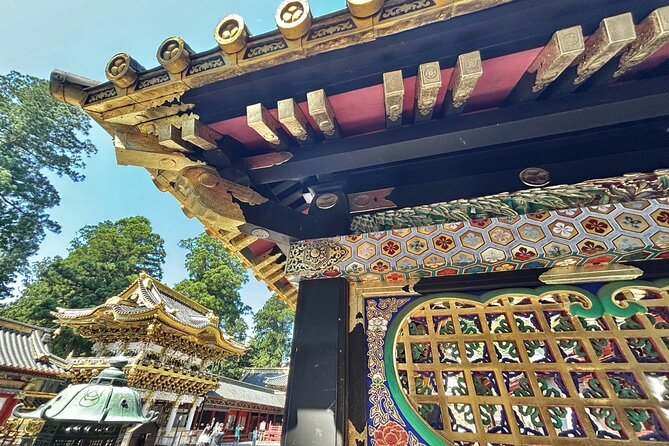
You meet at Tōbu-nikkō Station at 4-3 Matsubaracho, Nikko. The tour ends back at the same meeting point, which is helpful when you’re planning the rest of your day—lunch, another attraction, or heading to your next train.
Because it’s private, you’re not sharing the experience with strangers from multiple directions. That tends to make the whole morning feel more personal. It also means the guide can adjust pacing if your group is faster at photos or slower at reading details.
Stop 1: Tōshō-gū Shrine and the carvings that explain power
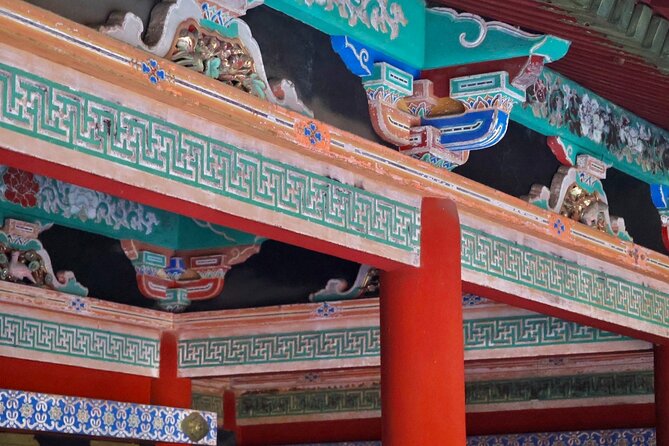
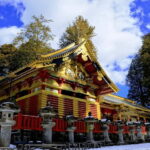
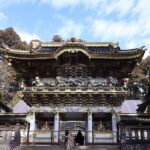
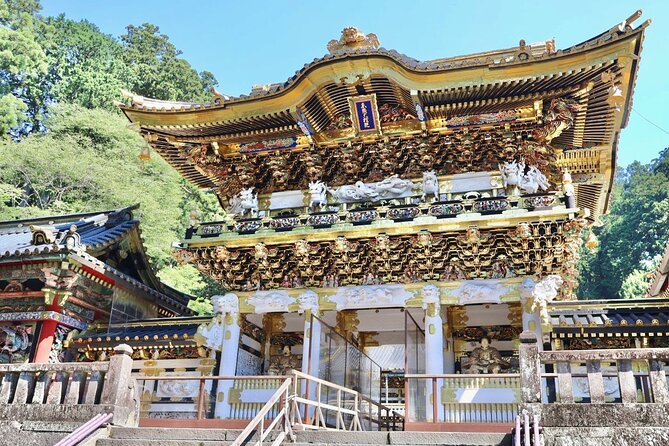
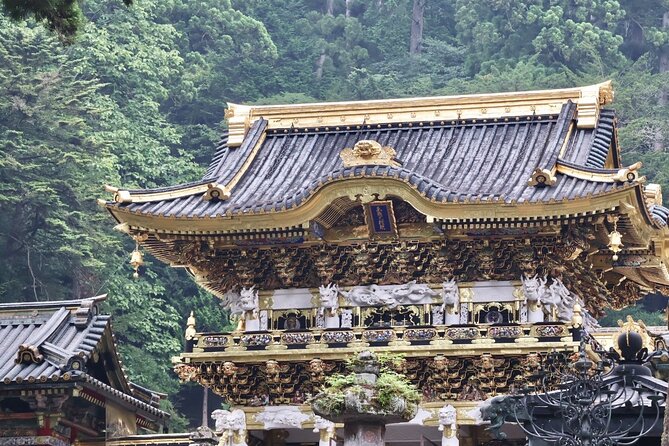
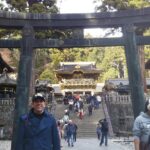
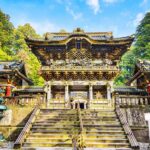
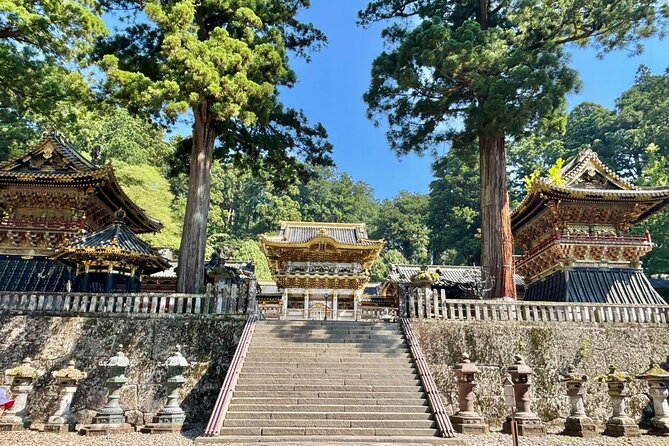
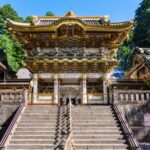
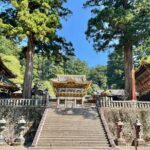
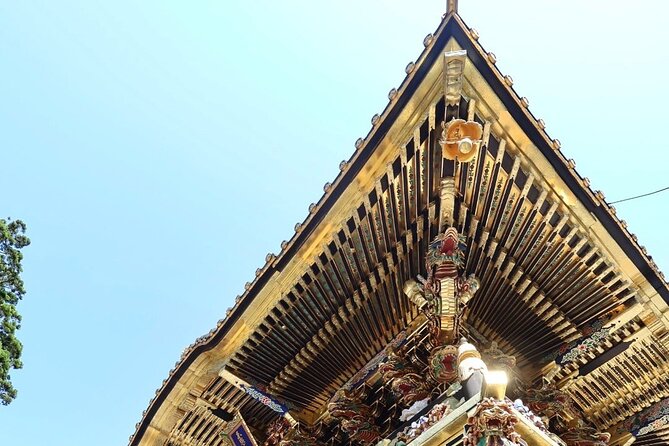
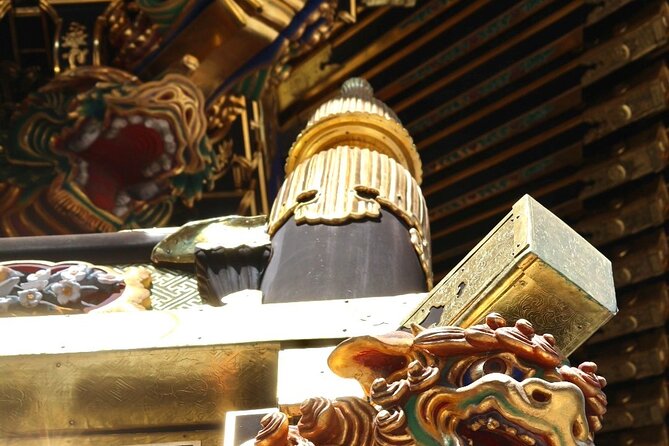
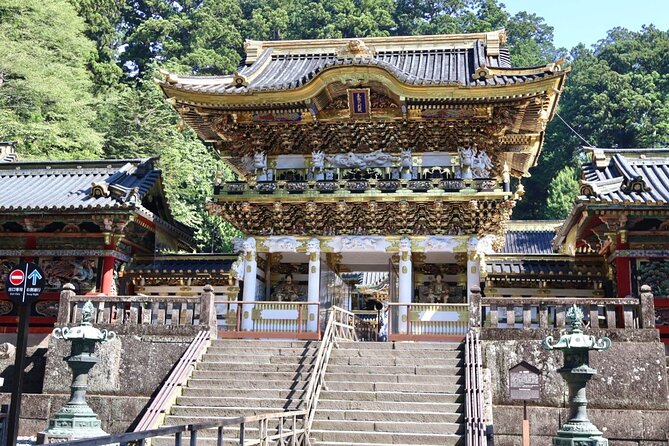
Tōshō-gū is the famous one, and it lives up to the reputation. You’ll spend about 1 hour 30 minutes here, with admission included. This Shinto shrine is dedicated to Tokugawa Ieyasu, who founded the Tokugawa shogunate, so the place isn’t just religious—it’s political theater, built in wood, lacquer, and gold-leaf detail.
What I like about Tōshō-gū as a first stop is that it’s visually loud in a controlled way. Instead of feeling like random ornament, the motifs point to meaning: stories you can recognize, symbols you can look for again after your guide explains them.
One motif visitors love is the trio of monkeys: See No Evil, Speak No Evil, Hear No Evil. It’s easy to spot, but a guide helps you catch why it appears where it does and what kinds of lessons those images were meant to carry.
The one drawback at Tōshō-gū
The main “watch-out” here is simple: it’s easy to get so focused on taking pictures that you miss the narrative. If your attention is already pulled to phones and cameras, you may leave without fully getting why the shrine looks the way it does. That’s where having an English guide is more than a convenience—it’s the difference between seeing the surface and understanding the message.
You can also read our reviews of more private tours in Nikko

Stop 2: Futarasan Shrine, founded in 767, and why it feels different
After the grand scale of Tōshō-gū, you’ll shift to Futarasan Shrine for about 1 hour. This one is free to enter, and it has a different spiritual “temperature” from the start.
Futarasan Shrine dates back to 767, making it one of the oldest sacred sites in the Nikkō area. It honors deities associated with mountains—Mt. Nantai, Mt. Nyoho, and Mt. Taro—and it’s been a center for mountain worship for more than 1,200 years. That long timeline changes how you experience the place. It feels less like a monument built to impress, and more like a living tradition tied to the land.
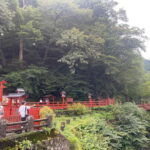
You’ll notice the setting right away: forest surroundings, sacred trees, and a quiet atmosphere. It’s the kind of stop where you naturally slow down. Instead of hunting for symbols, you start looking for stillness—how the air feels, how sound carries, how the shrine sits within nature rather than dominating it.
How to get the most from Futarasan
Bring your “listening eyes.” Ask your guide what the mountain worship idea means in practice—why mountains were treated as spiritually important, not just scenery. Even if you don’t memorize everything, you’ll leave with a clearer sense of how Japanese belief systems connect place, seasons, and ritual.
The English-speaking guide: what you gain beyond the signs
This tour runs with an English-speaking guide, and that guide makes a real difference in how much you walk away with. In the reviews, the guide Amane stands out as a real pro—patient, funny, and personable. That matters because shrines can look similar if you only use a guidebook checklist.
With Amane-style guidance, the experience becomes a conversation: you get help spotting details, understanding legends connected to the sites, and learning why specific carving programs and shrine choices exist. You’re not just translating words—you’re getting the “why.” That’s what turns Tōshō-gū from pretty ornament into a window on Tokugawa power, and Futarasan from quiet trees into something historically anchored.
A small practical tip
If you have one question you care about—samurai history, Shinto, or mountain worship—save it for the shrine where it makes the most sense. Asking at the right moment usually gets you a better explanation than firing questions on the move.
Timing and pacing: will you feel rushed in four hours?
The whole tour is about 4 hours. That’s a smart length for Nikkō, because it covers two major sites without swallowing your whole day. The schedule also matches the way people actually experience these places: one longer session at Tōshō-gū (with lots to look at), then a shorter but meaningful visit at Futarasan.
Your pace will depend on your group and how often you pause for photos. Since it’s private, you’ll likely get fewer “speed bumps” than large-group tours. You’re also back at the meeting point at the end, so you don’t end up hunting for your next plan.
What to know about tickets, tickets, and ticket-free entry
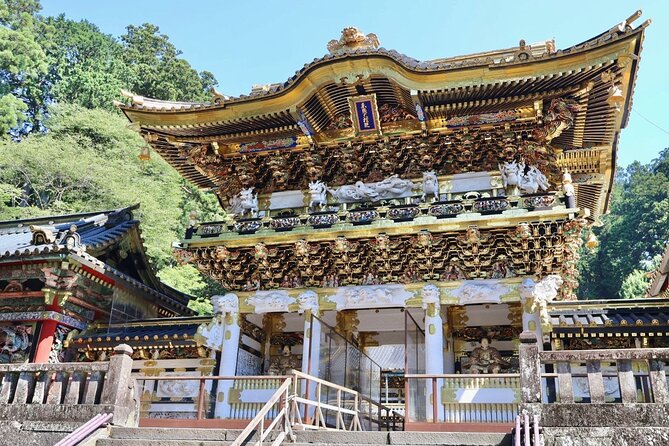
Tōshō-gū’s admission ticket is included. That’s a big deal because it removes one more thing you might mess up during travel—wrong line, wrong timing, or missing a payment step.
Futarasan Shrine entry is free, so your time there is truly time, not admin. The combo works well: you pay attention at Tōshō-gū because you know entry is handled, and you relax into Futarasan because it’s not another “ticket checkpoint” moment.
Getting value out of the early morning: what to pack mentally
You can’t control the weather, but you can control your focus. This tour asks you to look at meaning, not just architecture. Come with a “slow down” mindset, especially for the carving-heavy parts of Tōshō-gū.
If you’re the type who likes to read every sign, you’ll do well here. If you’re more of a photo-and-go person, still try to follow your guide’s cues for what to notice. The guide explanation is most useful when you can see the thing being referenced.
Also, note the guidance: a moderate physical fitness level is recommended. You don’t need to be an athlete, but plan for walking and time on your feet.
Who this tour suits best (and who might want something else)
This is perfect if you want a high-impact Nikkō morning without turning it into a day-long project. It’s especially good for:
- First-time visitors who want the two most iconic sites in a single half-day
- People who care about how history and religion connect in Japan
- Travelers who value a guide who can explain what you’re looking at in English
If you already know a lot about Tokugawa history or Shinto ritual and you prefer total self-direction, a DIY approach might work. But if you’re hoping for clarity—why Tōshō-gū is so ornate and why Futarasan is so calm—this private guided format is the easier way to get there.
Should you book this Nikkō early morning private tour?
If you want a guided, focused Nikkō experience with two contrasting shrines, I’d say yes. The best part is that you’re not just checking boxes: you’re getting the meaning behind the carvings at Tōshō-gū and the deep time at Futarasan, both made clearer by an English-speaking guide like Amane.
Book it if:
- You like your tours structured but not crowded
- You’d rather understand what you see than just snap photos
- You want to return to Tōbu-nikkō Station with your day still free
Maybe skip it if:
- You hate paying extra for local transportation (the ¥700 per person fee)
- You’re looking for a long, multi-stop day filled with many different locations
Overall, this is good value for people who want depth in a short window—one strong “power shrine,” one quiet “mountain worship” shrine, and a guide who turns details into something you can actually remember.
FAQ
How long is the Nikkō early morning tour?
It runs for about 4 hours.
Is this tour private?
Yes. It’s private, so only your group participates.
Where do you meet and where does the tour end?
You meet at Tōbu-nikkō Station and the tour ends back at the same meeting point.
Is there an English-speaking guide?
Yes, the tour includes an English-speaking guide.
Which shrines are included?
You visit Nikko Tōshō-gū and Nikko Futarasan Shrine.
Are admission tickets included?
Admission for Nikko Tōshō-gū is included, and Nikko Futarasan Shrine entry is free.
Is transportation included in the price?
No. There is an additional transportation fee of ¥700 per person.
Do I need to be physically fit?
A moderate physical fitness level is recommended.
Do I receive a mobile ticket?
Yes. The tour uses a mobile ticket.
What is the cancellation policy?
You can cancel for a full refund up to 24 hours in advance of the experience start time. If you cancel less than 24 hours before, the amount paid is not refunded.