REVIEW · NIKKO
Nikko: Private Walking Tour with Local Guide
Book on GetYourGuide →Operated by JGA Inc. · Bookable on GetYourGuide
First stop: Nikko’s carvings do all the talking. This private walking day tour focuses on the big sights, but the real win is a licensed local guide who steers the day and shares the why behind the details. I especially like how the route is customizable to your pace and interests, and how guides come prepared with maps and visual aids (you’ll hear clear explanations, not just names and dates). The one drawback to consider: in busy shrine areas, it can get noisy, so some people may struggle to hear every word if the guide isn’t using a mic.
For a 6-hour option, you’ll mix short walks with public transit (or taxi if you choose) to cover Nikko’s highlights without stress. The tour runs rain or shine, and it’s set up for a private group, which helps you move through crowds more efficiently and ask questions without feeling rushed. If you’re the type who likes to wander alone and read every sign yourself, this may feel a bit structured—but if you want fewer headaches and better context, it’s built for you.
In This Review
- Key points worth knowing before you go
- Nikko is the rare day trip that feels like a world of its own
- Meeting your guide near Tobu Nikko Station and setting the tone
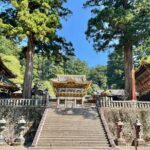
- Nikko Tosho-gu: carved Edo-era craftsmanship you can actually read
- Iroha Zaka to Lake Chuzenji: bus views, leaf colors, and a calmer pace
- Kegon Falls: 97 meters of power, reached the easy way
- How the private guide really changes the day (not just who talks)
- Price and logistics: what the $151 covers, and what you’ll likely add
- Who this tour fits best (and when to consider going solo)
- Should you book the Nikko private walking tour?
- FAQ
- How long is the Nikko private walking tour?
- Is this tour private?
- What languages do the guides speak?
- Is the route customizable?
- Are entrance fees included in the price?
- Will I need cash?
- What if it rains?
Key points worth knowing before you go
- Licensed local guides who adjust on the fly to your interests, pace, and logistics.
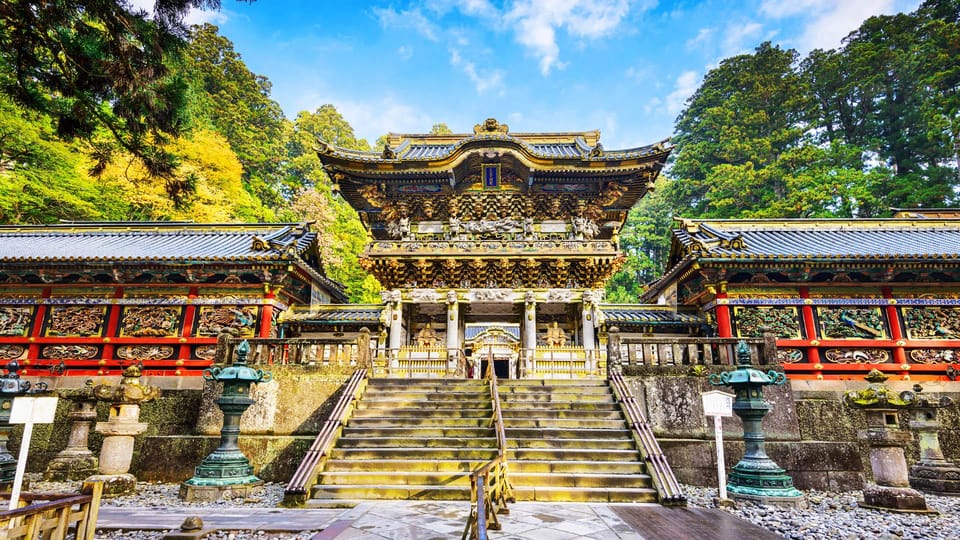
- Nikko Tosho-gu’s carved artistry, including the famous three monkeys and other animal details.
- Iroha Zaka to Lake Chuzenji by bus, with time for lake views and a simple shore stroll.
- Kegon Falls at close range, including an elevator ride down to the viewing platform.
- Private, 4 or 6 hours with a plan you can change or let your guide design.
- Bring cash, since food and entrance fees aren’t included.
Nikko is the rare day trip that feels like a world of its own
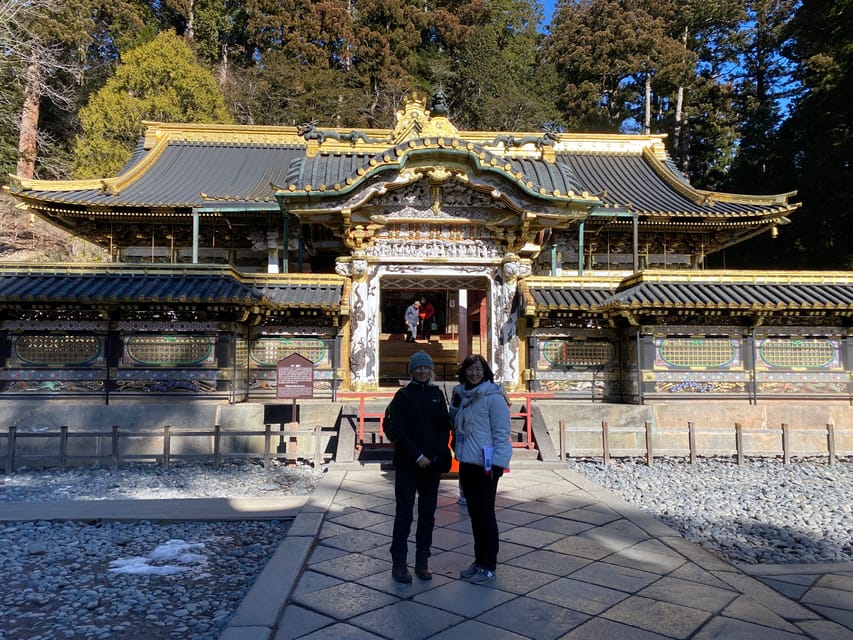
Nikko doesn’t feel like a cookie-cutter Tokyo stop. It has that older, slower rhythm—shrines, forested slopes, lake air, and waterfall thunder—and it reads like a living mix of faith, politics, and craftsmanship. I like that this tour is built around the highlights you actually want to see, not a checklist that leaves you sprinting between far-flung locations.
Also, I think the best part of going with a guide here is context. Nikko Tosho-gu isn’t just pretty. It’s carved like a message. When your guide explains the symbols and the artisan techniques, the site stops being “stuff to photograph” and starts being “a story you can follow.”
You can also read our reviews of more walking tours in Nikko
Meeting your guide near Tobu Nikko Station and setting the tone
Most days start with meeting your guide near Tobu Nikko Station. From there, the tour flows as a mix of walking and local transit, timed to get you to key places without wasting hours.
What’s practical here is how the guide workflow is described: many guides contact you ahead of time to confirm logistics, and during the tour they use marked-up, individual maps. In real-world terms, that means you get fewer dead ends, less standing around in confusion, and more time for the actual sights.
If you’re traveling with a specific “must-see” list, this is the place to use it. Several guides in past tours asked about interests and limitations early, then shaped the plan so you didn’t feel like you were forcing yourself through the wrong sites. One group even noted that the guide changed the itinerary during the day to help them avoid missing their train—exactly the kind of small rescue that saves a vacation.
Nikko Tosho-gu: carved Edo-era craftsmanship you can actually read
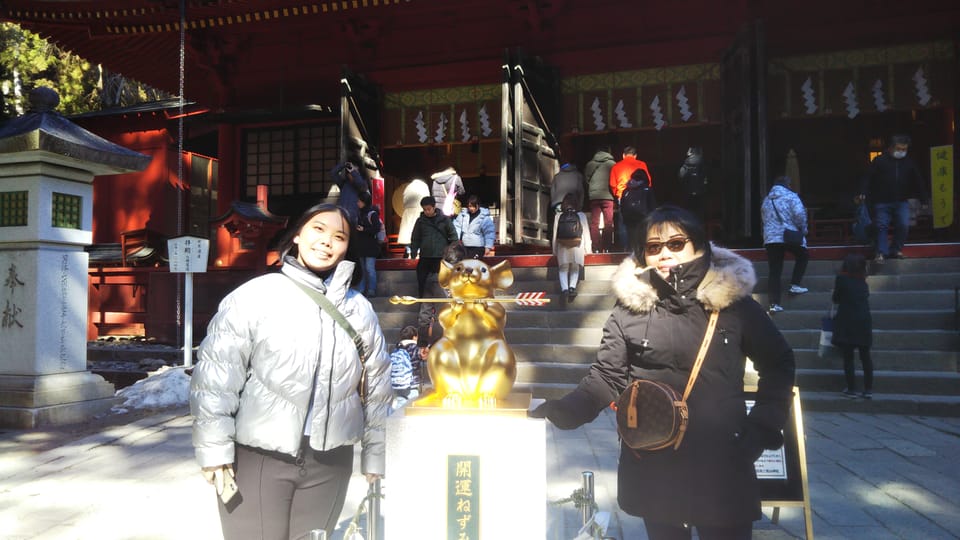
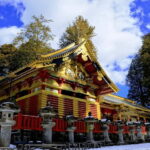
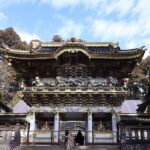
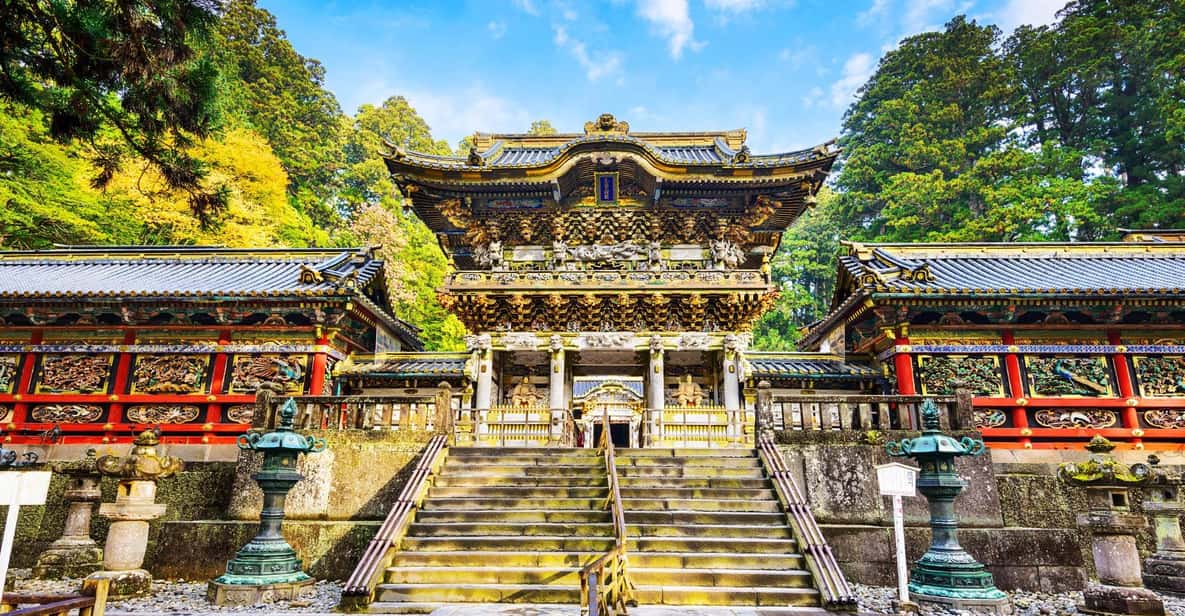
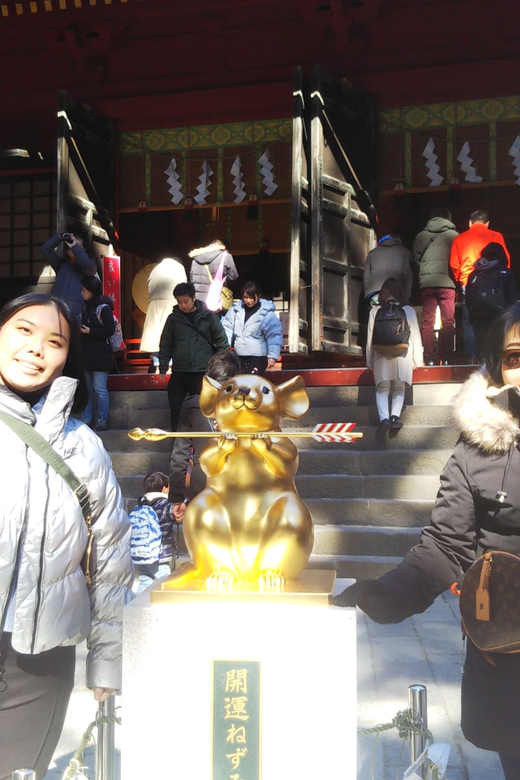
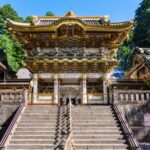
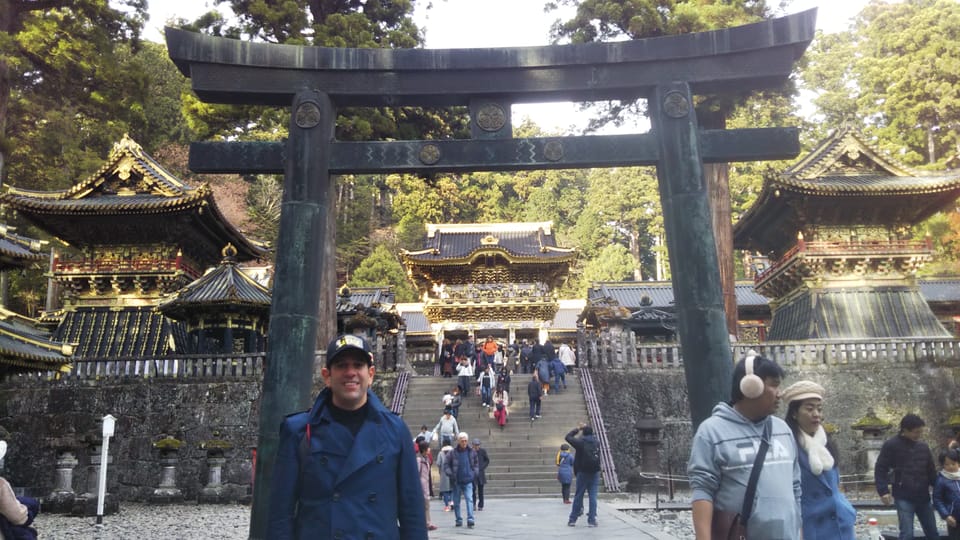
Nikko Tosho-gu is the anchor. The bus takes you from the station into the shrine area, and then your guide leads you through the main scenes with an eye for what matters.
Here’s what you’ll focus on:
- Impressive carvings showing the techniques of Edo period craftsmen
- Animal details, including the three monkeys (the ones tied to admonishing mankind)
- A sleeping cat detail that’s easy to miss if you’re just rushing
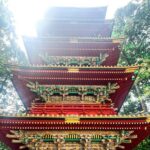
- Ornate buildings and a five-storied pagoda
One thing I really like: this tour doesn’t treat Tosho-gu as a single photo stop. Guides are described as using folders of pictures and diagrams to explain concepts—like what the different levels of pagodas represent. That’s huge for first-timers. You don’t need to become a scholar in the morning; you just need a guide who can translate symbolism into something you can notice on-site.
The other smart angle is crowd management. Nikko can get busy, and being on a private schedule helps. Your guide can pace you and steer you around bottlenecks so you can linger where it feels meaningful.
Possible consideration: you’ll be outdoors and moving between sections. If you’re sensitive to crowds, plan to wear comfortable shoes and keep an eye on where your guide is positioned relative to foot traffic.
Iroha Zaka to Lake Chuzenji: bus views, leaf colors, and a calmer pace
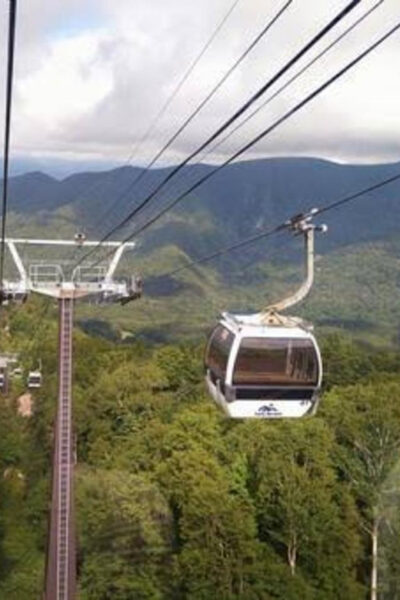
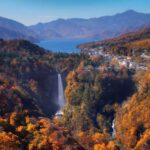
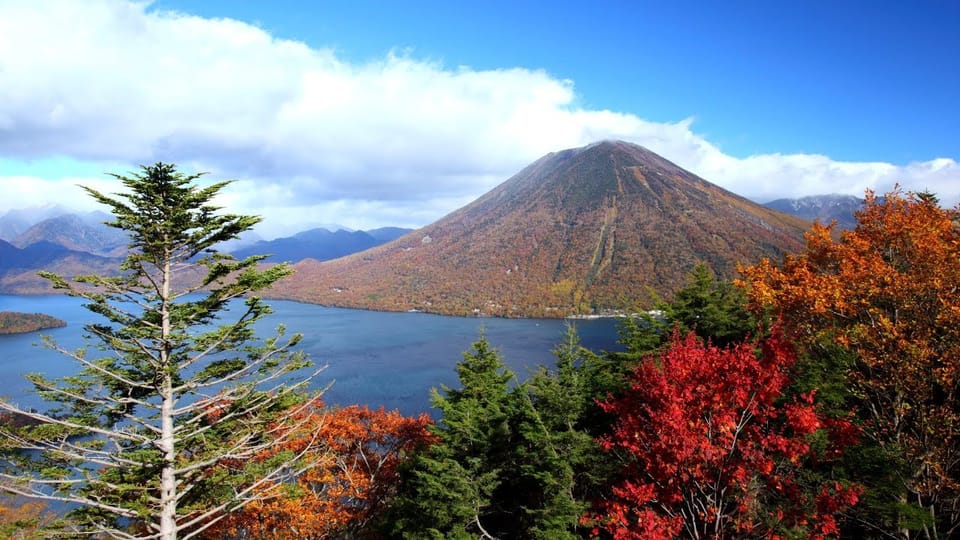
After Tosho-gu, you’ll head toward Lake Chuzenji via Iroha Zaka, the winding road known for its views. This is one of those stretches where the journey is part of the experience, not wasted transit time.
During the ride, you get continuous vistas of the surrounding area as you travel along the famous curves. Then you’ll reach the lake area and have time for lunch by Lake Chuzenji. The tour description points to a scenic meal setting where lake reflections and autumn colors can look stunning side by side. Even if you go outside peak foliage, you still get that “fresh air and water” reset that Nikko can deliver.
After lunch, there’s typically a short walk along the shore. I like this stop because it breaks the pattern of only staring upward at buildings. Here you can look outward—water, trees, sky—and let the day breathe for a few minutes.
One practical tip: since food isn’t included, check your comfort level with cash and casual ordering. Many guides arrange an excellent restaurant, but the cost of your meal stays on you.
Kegon Falls: 97 meters of power, reached the easy way
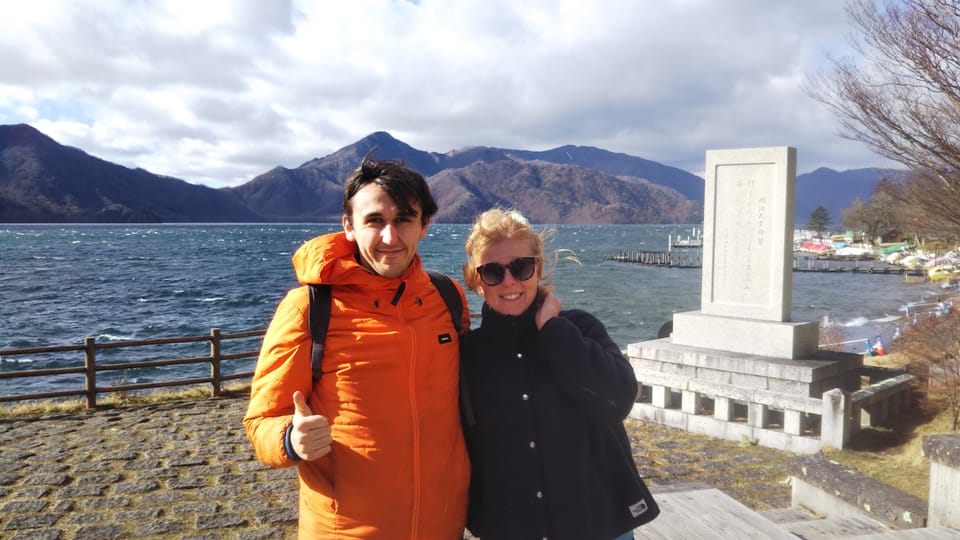
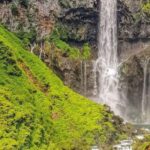
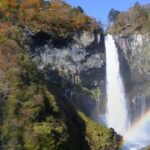
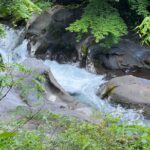
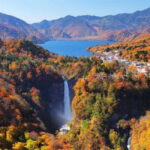
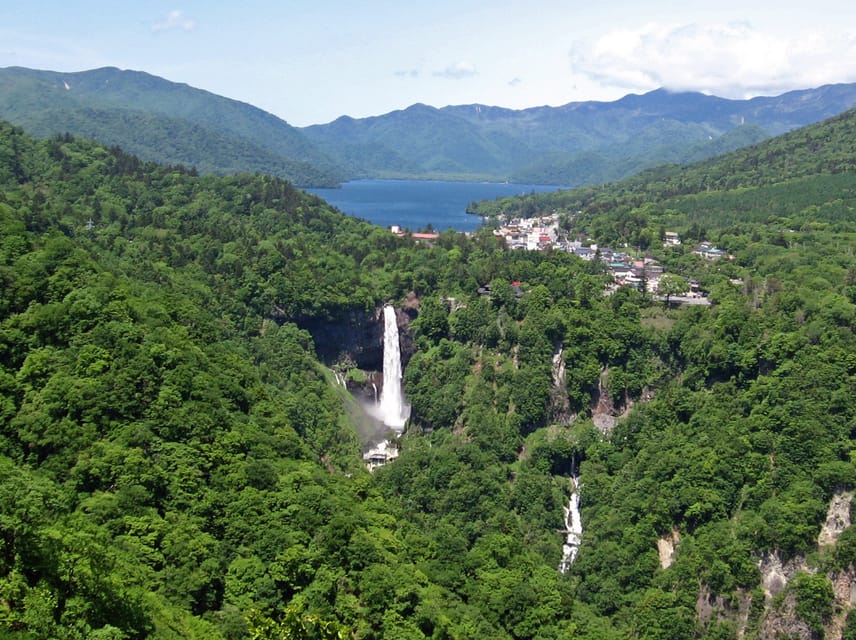
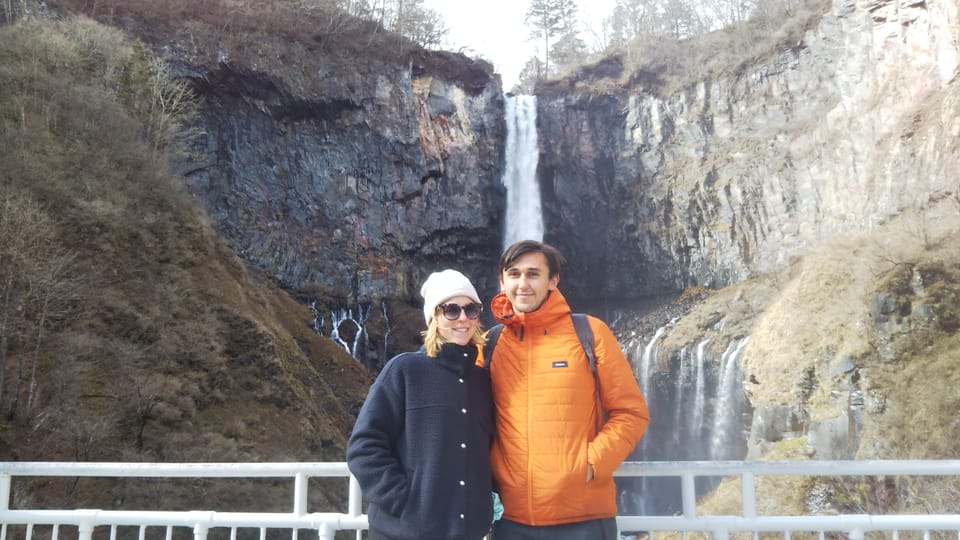
Then comes the main event for sound. Kegon Falls is one of Japan’s top three famous waterfalls, and the tour route is designed to bring you close enough to feel the scale.
You’ll see water falling from a height of 97 meters. The best part is the access: to get the full impact, you take an elevator down to a viewing platform at the base of the falls. That’s a big quality-of-life upgrade versus trying to figure out viewing options on your own.
What makes this stop work especially well with a private guide is timing. Guides can help you move so you spend less time stuck and more time watching. And because the day is only 6 hours (in the longer option), you can actually take it in rather than treat it like a sprint.
Two small considerations:
- It can be misty and cool near the falls, so a light layer helps.
- You’ll likely need to stand and watch in active areas—comfortable shoes matter.
You can also read our reviews of more guided tours in Nikko
How the private guide really changes the day (not just who talks)
The listing says fully customizable, but the practical value is how guides handle the details.
In the reviews, guides like Takafumi Nishikawa (Takafumi Nishikawa) and Yumi Aoyama are praised for preparation and responsiveness—asking about interests and limitations early, then adjusting the day so the group doesn’t feel boxed in. Another guide, Yuki, is highlighted for being both knowledgeable and adaptable, with fun historical anecdotes and practical navigation that helps you avoid wasting time during crowded moments.
One guide, Mike, was also described as adding extra stops such as the Imperial Villa, beyond the core shrine and waterfall circuit—showing that some itineraries may expand if your schedule allows.
You’ll also hear the “real Japan” angle in how guides handle shopping and souvenirs. In one case, Yuki san brought a group to look at wood-carved items and helped them navigate souvenir stops efficiently instead of just passing by them.
That’s the magic of a good guide: the day becomes more than moving between landmarks. You get better pacing, clearer context, and a few choices that feel like they were made for you.
Price and logistics: what the $151 covers, and what you’ll likely add
The price is $151 per person for a private tour option (4 or 6 hours). Whether that feels like a bargain depends on how you travel.
Private tours in Japan can sound pricey until you factor in what you’re buying:
- A licensed local guide
- A plan you can customize
- Real help with transit timing and site navigation
- The ability to ask questions as you go, which can turn “same sights” into a much more satisfying day
But you should plan on additional costs:
- Entrance fees are not included (around $20 USD mentioned)
- Food and drinks are not included
- Public/private transportation during the tour is not included (around $20 USD for round trip by public transportation mentioned)
- Transportation to/from the meeting point is not included
The good news: the tour design already assumes you’ll use local transit between major sites, and your guide can also arrange a taxi if you prefer.
Pickup is included in a limited way: the guide will meet you at a location you request on foot if within reasonable distance, and they’ll be waiting about 10 minutes before the pickup time. If you’re staying far away or need complex routing, you’ll likely want to plan how you’ll reach Tobu Nikko Station area on your own.
One more practical requirement: the tour asks you to bring cash.
If you’re budgeting, I’d mentally plan for the tour price plus entrances plus your meals, and then decide how much you value time savings versus using public transit.
Who this tour fits best (and when to consider going solo)
This is a strong match if:
- You want to see the key Nikko sites but don’t want to figure out everything alone
- You like history and culture when someone explains it clearly (diagrams, maps, and stories are a recurring theme in feedback)
- You’re traveling as a group and want flexibility without splitting up
- You’d rather spend your energy watching carvings and waterfalls than solving transit puzzles
It may feel less ideal if:
- You’re on a very tight schedule and plan to move independently anyway
- You don’t care about explanations and just want a self-guided photo loop
- You prefer total spontaneity without a planned structure
Still, even if you like DIY travel, a guide can help at least for the “translation layer”: Nikko’s symbolism is easier when someone points out what to notice.
Should you book the Nikko private walking tour?
I’d book it if you want a day that runs smoothly and teaches you something while you’re there. The tour’s best advantage is the combination of private pacing and a guide who’s prepared—marked-up maps, visual explanations, and real responsiveness. If you’re heading to Nikko for the first time and want Tosho-gu, Lake Chuzenji, and Kegon Falls covered without missing the timing on crowded days, this format is built for that.
I’d hesitate only if you’re extremely cost-sensitive after adding entrance fees, transit, and meals, or if you hate the idea of a guided plan. Otherwise, this is one of the more sensible ways to experience Nikko: you get the highlights, close waterfall access, and context that makes the carvings and symbols easier to appreciate.
FAQ
How long is the Nikko private walking tour?
You can choose a private 4-hour or 6-hour tour, with the 6-hour option covering Tobu Nikko Station area, Nikko Tosho-gu, Lake Chuzenji, and Kegon Falls.
Is this tour private?
Yes. It’s listed as a private group, meaning you won’t be mixed with random strangers.
What languages do the guides speak?
The tour includes a live guide in English and Japanese.
Is the route customizable?
Yes. You can choose what you want to see and what start time works for you, and the local partner will arrange the itinerary to fit your preferences.
Are entrance fees included in the price?
No. Entrance fees are not included (around $20 USD is mentioned).
Will I need cash?
Yes. The tour notes that you should bring cash.
What if it rains?
The experience runs rain or shine.