REVIEW · KAWAGOE
Little EDO Sushi Making workshop in Kawagoe
Book on Viator →Operated by Kate's Hands-On Sushi Class · Bookable on Viator
Stir rice, shape nigiri, in an old shop. I like the hands-on coaching from an English-speaking sushi chef and the chance to learn sushi rice techniques you can actually repeat at home. One thing to plan for: the venue has stairs, so ask about alternatives if you’d rather not climb.
Kawagoe’s charm meets real food skill here. You’ll make both nigiri and maki in a 140-year-old historic building—once a rice merchant—with staircase cabinets and old ceiling beams all around you. It runs about 1.5 to 2 hours, and you finish by eating what you make.
In This Review
- Key things I’d put on your radar
- Kawagoe sushi-making feels like real Japan, not a show
- Where you meet: Musubi-ya and the old-shop vibe
- The class flow: from sushi history to nigiri in your hands
- Nigiri and maki: the two skills you’ll actually use
- Nigiri (hand-formed sushi)
- Maki (roll sushi)
- Sushi rice: the technique that makes everything taste right
- Eating your results (and why that’s not a small detail)
- Dietary needs: vegetarian is available, but plan ahead
- Price and value: what $84.08 gets you here
- Timing and logistics: two Monday slots you should target
- Who this sushi workshop is best for
- Should you book Little EDO Sushi Making in Kawagoe?
- FAQ
- How long is the sushi making workshop?
- What will I learn to make?
- Is the class taught in English?
- Where is the meeting point?
- What dietary options are available?
- Are beverages included?
- Is the class limited in group size?
- Are there stairs at the venue?
- Can I request menu changes on the day of the class?
Key things I’d put on your radar
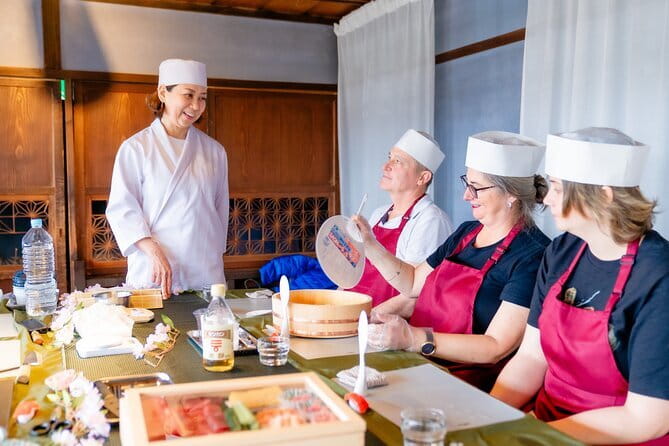
- 140-year-old rice merchant building: you’re learning in a place with atmosphere, not a strip-mall studio.
- Small group size (max 6): you get enough attention to correct your rice and shaping.
- Two core styles: classic hand-formed nigiri plus roll sushi (maki).
- You learn sushi rice you can recreate: not just assembly, but the method behind it.
- Vegetarian and multiple dietary options: vegan, gluten-free, halal, and allergy notes—if you request ahead.
Kawagoe sushi-making feels like real Japan, not a show
Kawagoe is the kind of place where old streets still do their job. This class fits right into that mood because you’re not cooking in a sterile demo room. You’re working inside a 140-year-old historic building that used to be a rice wholesaler.
That matters for two reasons. First, it gives the whole experience a sense of continuity—rice and sushi aren’t random trends here. Second, the setting keeps the class focused. When you’re surrounded by old beams and those staircase cabinet details, you naturally slow down and pay attention to technique.
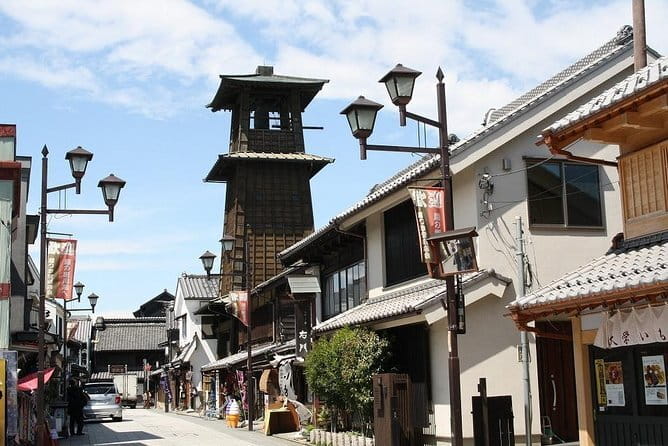
The workshop also pairs well with a daytime wander. The meeting spot is just about a 3-minute walk from KASHIYA YOKOCHO, so you can line this up with a snack-and-stroll morning or afternoon.
You can also read our reviews of more tours and experiences in Kawagoe.
Where you meet: Musubi-ya and the old-shop vibe
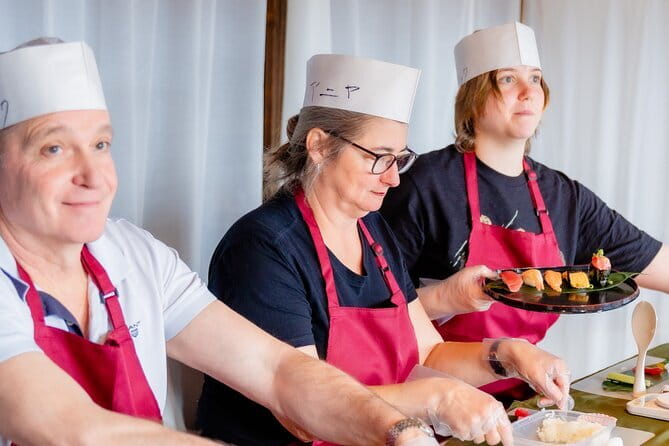
You’ll meet at 結家 -MUSUBIYA-Japan (1-chōme67, Ishiharacho), in Kawagoe. The address is 1-6-7 Ishiharacho, Kawagoe City, Saitama. The activity ends back at the meeting point, so you’re not stuck thinking about transit right after dinner plans.
Inside, you’ll notice features that make the place feel like it has layers:
- Staircase cabinets, which reflect its past as a wholesale rice shop
- Ceiling beams that take you back roughly a century in feel
If you have mobility concerns, don’t guess—plan. Access includes stairs. You can request alternative arrangements in advance if you’d rather avoid stairs.
Also note the practical size: the class caps at 6 travelers. That tends to mean a calmer pace and more time for the chef to check what you’re doing.
The class flow: from sushi history to nigiri in your hands
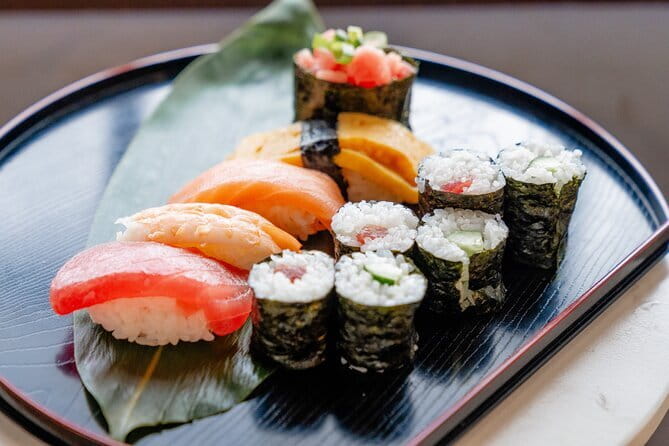
The workshop is hands-on from start to finish. You’re not just watching someone else work; you’re practicing the steps with guidance from an English-speaking Japanese female sushi chef.
You can expect something like this:
- Welcome and sushi basics
- Sushi rice instruction (the foundation)
- Nigiri practice (hand-formed sushi)
- Maki practice (rolled sushi with fillings)
- Eat what you made (the meal is included)
It’s described as a class that teaches sushi history too, with cultural context woven in while you cook. One detail that’s worth keeping in mind: nigiri sushi is said to have been created in Japan about 300 years ago. You’ll hear that history as you learn why the rice and fish handling matter.
The chef’s role here is key. The workshop is designed around you copying Japanese hand movements—especially for shaping nigiri—so expect real coaching, not vague tips.
Nigiri and maki: the two skills you’ll actually use

Most sushi-making classes either focus on rolling or focus on nigiri. Here you get both, which is the smartest approach if your goal is to make sushi at home later.
Nigiri (hand-formed sushi)
Nigiri is the classic. It’s simple on paper—rice plus topping—but it’s technique-heavy in real life. This is where you learn the chef’s rhythm: shaping the rice and handling fish topping (neta). The class includes instruction on cutting neta as part of the process, and that’s a huge learning point if you’ve only ever eaten nigiri.
What you’ll walk away with is not just a product, but a process: how the rice should feel, how the topping is portioned, and how to keep the sushi neat without turning it into a mushy mess.




Maki (roll sushi)
Then you move to maki, which is more forgiving and more flexible. You’ll learn how to roll with fillings. If you’re the type who wants sushi you can customize later, maki gives you that pathway right away.
Between the two styles, you get a full picture. Nigiri teaches precision and balance. Maki teaches structure and assembly. Together, they cover the two most common ways people eat sushi in Japan and the two most common ways home cooks try to replicate it.
Sushi rice: the technique that makes everything taste right
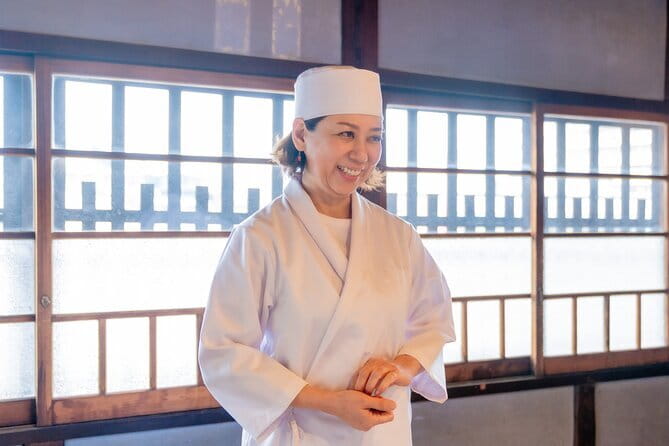
If you only remember one thing from this class, make it the sushi rice method. The workshop specifically emphasizes learning how to make perfect sushi rice that you can recreate at home.
Why is rice the big deal? Because sushi tastes like rice first. Even if you nail topping selection, sloppy rice will throw off texture and bite. The chef’s focus here is exactly what you want: the part most people get wrong on their first try at home.
You’ll practice under real guidance, which helps you learn:
- how to treat the rice after seasoning
- how it should be handled for shaping
- how to keep it consistent throughout your session
That last part matters because homemade rice tends to change as it cools or dries out. A good class structure helps you learn how to keep your sushi rice workable while you build both nigiri and rolls.
Eating your results (and why that’s not a small detail)
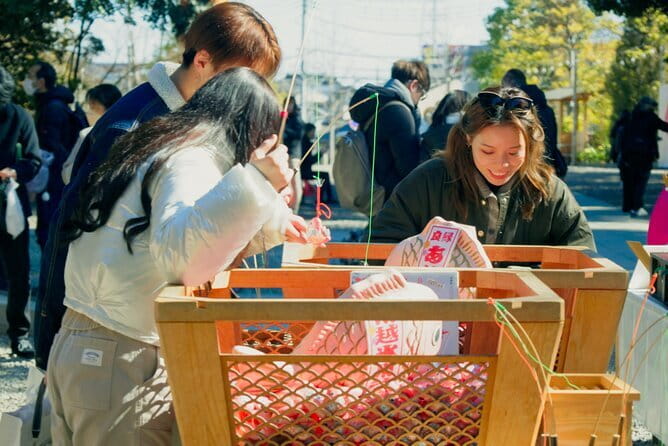
The ingredients and meal are included. That means you’re eating the fruits of your work as part of the experience, not waiting until dinner later.
This is underrated value. When you taste what you just made, you immediately connect technique to flavor and texture. It also lets you judge what you need to repeat at home. If something feels off, you can likely trace it to a specific step you watched closely.
There’s also a social side. With a max of 6 people, the meal feels more like a shared workshop meal than a rushed group production.
Dietary needs: vegetarian is available, but plan ahead

Good news first: the workshop can cater to a vegetarian menu, and you can request:
- Vegan
- Vegetarian
- Gluten-free
- Halal
- Allergies (with limits listed below)
Important detail: you must inform the provider of allergies in advance. The class notes it cannot accommodate changes on the day of the class. It also lists exclusions for allergy accommodation as: Meat, Nuts, Fruits, Dairy.
Translation for your planning brain: if you have any serious dietary needs, treat booking time as the moment to be precise. You’ll get the best outcome when your needs are on the record before you arrive.
Price and value: what $84.08 gets you here
At $84.08 per person, this isn’t the cheapest thing on Kawagoe’s menu. But it also isn’t just a “look and leave” activity.
Here’s why it can feel like good value:
- Hands-on instruction from an English-speaking sushi chef
- Small group size (up to 6), which typically means you’re not lost in the crowd
- Ingredients plus meal included, so you’re not paying extra for the food part
- A memorable setting in a 140-year-old building that’s clearly part of Kawagoe’s identity
If your main goal is learning technique you can repeat, this class checks the boxes. If you’re only there to eat sushi with minimal work, you might find it more satisfying to choose a meal at a local spot. But if you want skill, not just flavor, the price starts to look sensible.
Timing and logistics: two Monday slots you should target
The opening hours list two time slots on Mondays:
- 12:00 PM to 1:30 PM
- 3:00 PM to 4:30 PM
The session length is listed as about 1 hour 30 minutes, and the experience description also refers to a two-hour class. In practice, plan for about 1.5 to 2 hours on-site.
You’ll get a mobile ticket and confirmation at the time of booking. No hotel pickup or drop-off is included, so build in the short walk or public transport route to Musubi-ya.
Also bring a weather plan. The experience notes it requires good weather; if canceled due to poor conditions, you’ll be offered a different date or a full refund.
Who this sushi workshop is best for
This works especially well if:
- you want to learn both nigiri and maki, not just one
- you care about the sushi rice method and technique
- you prefer a small group with active coaching
- you have vegetarian needs and want an option that can handle it
It might be less ideal if:
- you strongly avoid stairs and can’t arrange alternative access in advance
- you only want a quick snack and don’t want hands-on cooking
- your dietary needs fall outside what can be accommodated (like certain allergy-related exclusions noted)
Should you book Little EDO Sushi Making in Kawagoe?
If you want a hands-on souvenir that’s edible and repeatable, I’d book it. The combination of small group coaching, sushi rice technique, and both nigiri plus maki is exactly the kind of practical experience that pays off later when you cook at home.
I’d only hesitate if stairs are a deal-breaker for you or if you need last-minute dietary changes. Plan ahead, and you’ll get a class that feels grounded in Japanese food craft—not a rushed tourist stop.
FAQ
How long is the sushi making workshop?
It runs about 1 hour 30 minutes (approx.), and the class is also described as a two-hour hands-on session.
What will I learn to make?
You’ll learn to make two classic sushi types: nigiri sushi and maki sushi (roll sushi).
Is the class taught in English?
Yes. The chef is described as an English-speaking sushi chef.
Where is the meeting point?
You’ll meet at 結家 -MUSUBIYA-Japan (Musubi-ya), located at 1-6-7 Ishiharacho, Kawagoe City, Saitama.
What dietary options are available?
A vegetarian menu is available, and you can request vegan, gluten-free, halal, and allergy needs (with specific exclusions listed by the provider).
Are beverages included?
No. Beverages are not included.
Is the class limited in group size?
Yes. The maximum is 6 travelers.
Are there stairs at the venue?
Yes, there are stairs to access the venue. If you prefer to avoid stairs, you should let the provider know in advance for alternative arrangements.
Can I request menu changes on the day of the class?
No. Menu changes must be requested when booking, and the provider cannot accommodate changes on the day of the class.