REVIEW · KAWAGOE
Historic Town of Kawagoe – Small town of Edo 3h Walking Tour
Book on GetYourGuide →Operated by Masahito Ito · Bookable on GetYourGuide
Kawagoe runs on old-time vibes. This 3-hour walk in Koedo helps you connect Japan’s Meiji, Taisho, Showa, and Heisei eras to real streets and buildings, not just facts on a page. You’ll also spend time among kura-zukuri warehouse-style houses that shape the town’s look.
I especially like the guided pace and storytelling, often with English guide Masahito Ito (Ito-san), plus the built-in food pause. The tour includes a drink and a cake or snack, and it routes you toward Confectionery Yokocho (Candy Alley), with that classic old-town sweets atmosphere.
One thing to consider: it’s still a walking tour, so plan for lots of steps and time on your feet, and it’s not suitable for wheelchair users or people with mobility impairments.
In This Review
- Key points before you go
- Starting in Hon-Kawagoe: the easiest way to get oriented
- Four Japanese eras, connected to real streets and buildings
- Kura-zukuri on the main street: why the 1893 fire still matters
- Cultural properties and historical stops: what to watch for
- Confectionery Yokocho and Candy Alley: the Showa-era sweets street
- The included drink and cake/snack break you’ll actually need
- Walking comfort, timing, and what to bring for a smooth 3-hour loop
- Price and value: is $70 worth it for 3 hours?
- Who this tour fits best (and who should skip it)
- Should you book this Kawagoe walk?
- FAQ
- Where is the meeting point?
- How long is the tour?
- What is the group size?
- What language is the guide?
- What is included in the price?
- Is transportation to Kawagoe included?
- Is there free time for shopping or browsing?
- What should I bring?
- Is the tour suitable for wheelchair users or people with mobility impairments?
- Is smoking allowed during the tour?
- Can I get a refund if my plans change?
Key points before you go
- Four eras in one compact walk: Meiji, Taisho, Showa, and Heisei, tied to what you see around town
- Kura-zukuri streets after the 1893 fire: the town’s look has a backstory, not just charm
- Candy Alley energy: Confectionery Yokocho traces back to early Showa-era 1930s sweets culture
- Small group, capped at 6 people: you get more time to ask questions and follow at an easy pace
- English guide support (Ito-san and others): explanations plus on-the-ground help at stops
- Entrance fees and a snack included: you’re not paying surprise admissions mid-walk
Starting in Hon-Kawagoe: the easiest way to get oriented
You begin right outside Starbucks at Seibu Hon-Kawagoe Station, in front of the ticket barrier. That matters because Kawagoe is small, but it can feel confusing at first if you’re hopping off trains and trying to self-navigate. With the meeting point locked in, you can focus on the day instead of figuring out where to go next.
From there, the tour stays feet-on-the-ground. You’re basically being taught how to read the town: street width, building shapes, and what people kept versus rebuilt. Even if you’ve been to Tokyo many times, this is a different tempo—slower lanes, older facades, and a calmer feel than the big-city grid.
You can also read our reviews of more tours and experiences in Kawagoe.

Four Japanese eras, connected to real streets and buildings
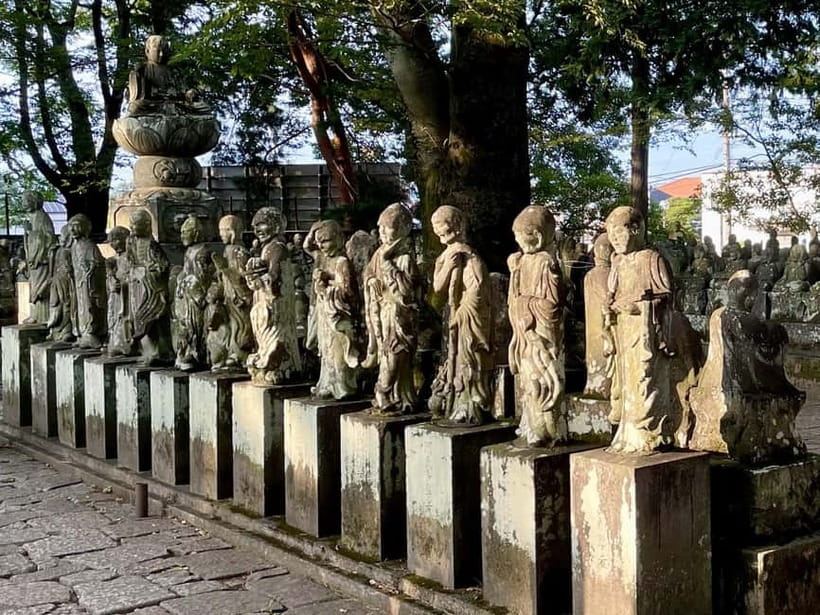
What makes this tour work is the way it moves through time. You don’t just hear that eras changed. You see how the town’s look and cultural priorities shift from one period to the next, then you connect that to specific historical buildings and cultural properties you visit.
The Meiji era gives you the early modern push. The Taisho period lands with its own style of change. Showa brings the retro atmosphere that you’ll feel most strongly when you get to the sweets streets and “old Showa” vibe. Then Heisei ties it together as you look at what survived and what transformed into today’s Koedo identity.
If you like history, this is satisfying because it’s practical. The guide doesn’t make it abstract. Your questions become easy to ask because the buildings and streets are right there—holding the evidence in place.
Kura-zukuri on the main street: why the 1893 fire still matters
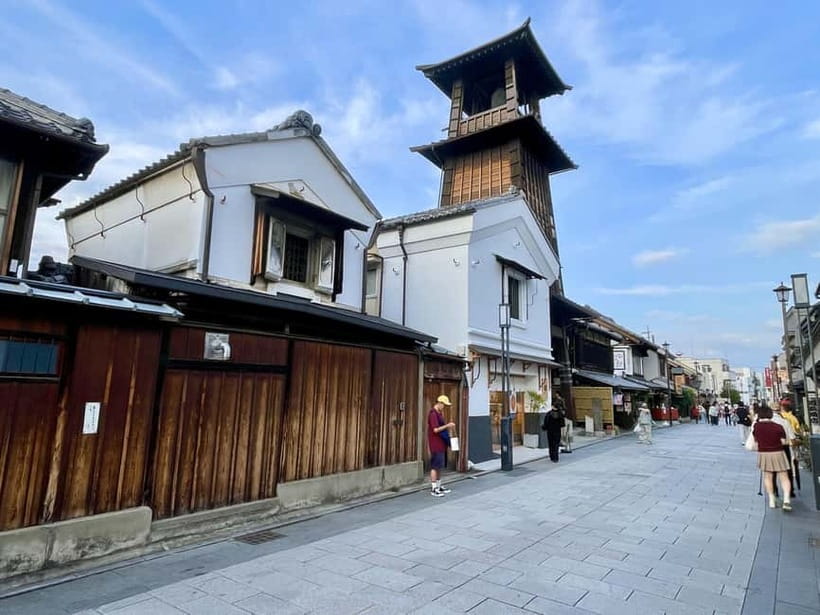
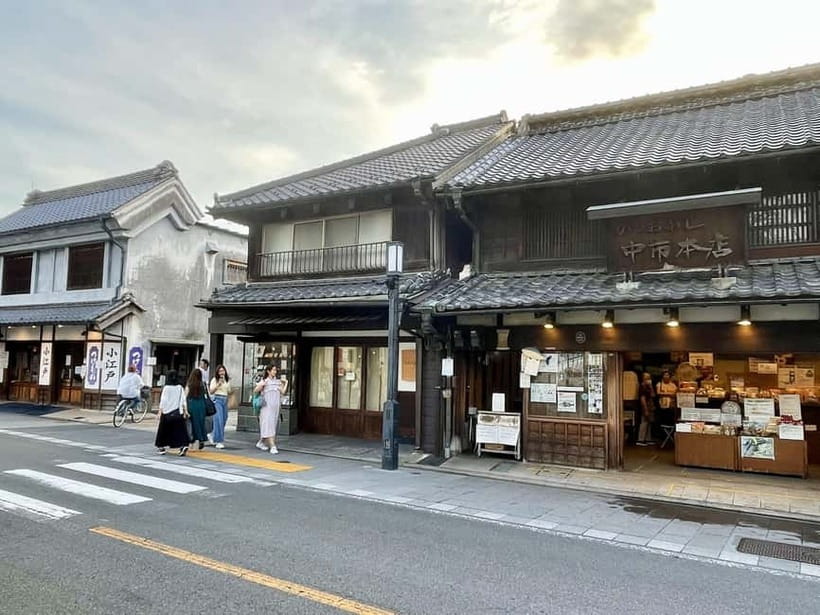
Kawagoe is famous for its kura-zukuri architecture—those traditional warehouse-style structures that line key streets. The tour leans into that look, especially on the main street, after the great fire of 1893. That detail isn’t just trivia. It explains why the town’s character feels intentionally preserved and why certain neighborhoods look the way they do.
When you’re walking among these houses, pay attention to how the facades and storefront spaces feel like they were designed for trade and storage. The town’s history isn’t only in museums; it’s in the “how a town works” design language you see on the street.
A small caution: this kind of walking tour can get photo-heavy. If you tend to stop every minute, you may feel rushed when the group moves. I’d treat photos as optional windows, not obligations—get the big shots, then keep moving so you don’t miss the explanation that makes them meaningful.
Cultural properties and historical stops: what to watch for
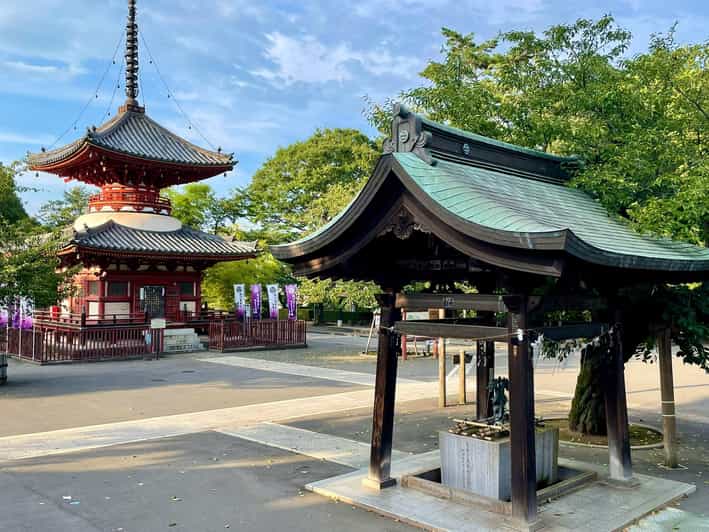
Along the way, you’ll visit historical buildings and cultural properties with entrance fees included for certain attractions. The exact places can vary by day, but the core idea stays the same: you’re guided through the town’s most “worth-your-time” heritage stops, not just pass-by streets.
Here’s how to get the most out of these visits. Take one minute before each stop to decide what you’ll look for: signage style, building materials, roof shapes, or the story the guide gives you about why that site matters. Then when you enter, you’ll remember details instead of just taking in rooms.
From past participants, a couple highlights pop up clearly: the bell tower in action and the Kawagoe Festival Museum are commonly mentioned as standouts. If those are on your route, give them your full attention. These are the types of sights where sound, timing, and local tradition make the visit click.
Confectionery Yokocho and Candy Alley: the Showa-era sweets street
One of the easiest parts of this tour to love is the sweets setting. Confectionery Yokocho—often called Candy Alley—has more than 70 stores going back to the early Showa era in the 1930s. You can feel the result today: a whole street designed for stopping, browsing, and snacking.
The value here isn’t just that sweets exist. The value is that the guide uses the stop to connect food culture with the town’s modern-era identity. Showa isn’t a word floating in the air; it shows up in the retro feel and the long-running tradition of candy and treats.
Make it work for you: if you’re picky about what you try, choose one or two signature items rather than sampling everything. With a 3-hour walking schedule, smart selection beats sugar regret.



The included drink and cake/snack break you’ll actually need
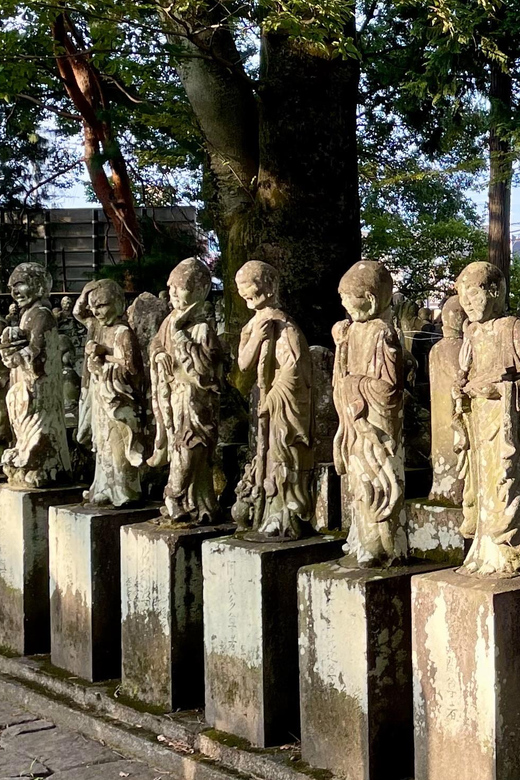
This tour includes 1 drink and 1 cake or snack, and that matters more than it sounds. Japan’s summer heat and winter cold can turn a short walk into a long day fast. Having the pause built in means you can recharge without hunting for a café while your group is waiting.
In the experience feedback, people also call out beer and snacks as part of the satisfaction of the break. So if you drink beer, it’s worth paying attention to what options are available that day.
Use the break strategically. Sit for the drink, then stand up and re-check your shoes and water. You’ll cover enough ground that a small reset keeps you from getting tired right as the tour hits its most interesting sights.
Walking comfort, timing, and what to bring for a smooth 3-hour loop
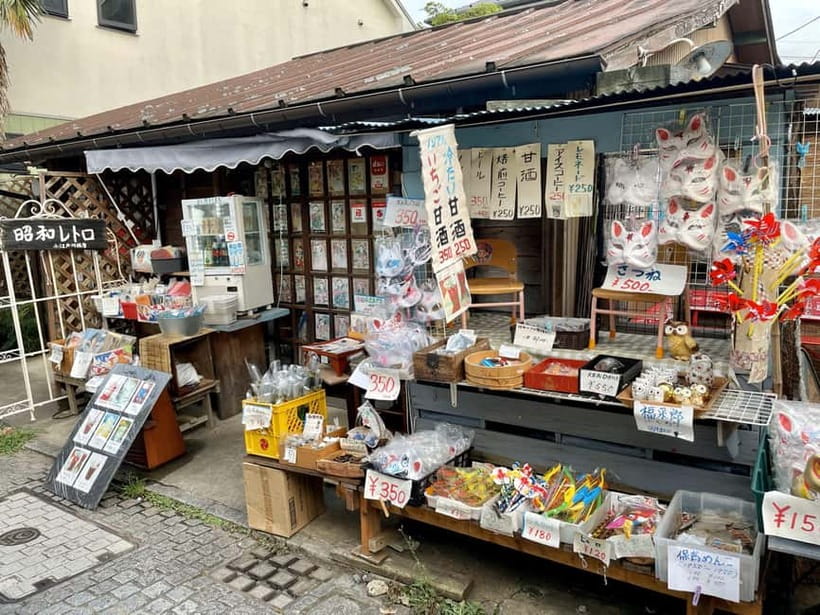
The pace is active. It’s a 3-hour walking tour with multiple visits, plus shopping time mixed into the day. That means you’ll want comfortable shoes more than you want stylish shoes.
Bring the simple stuff: hat, sunscreen, and water. It’s the difference between enjoying the street scenes and getting annoyed by sun or dehydration. If it’s crowded when you arrive, don’t fight it—use the guide’s timing and keep moving as a group.
Also, plan your expectations. This is designed to be a tight hit of Koedo’s major character. If you want deep hours in one museum or a long sit-down lunch, you’ll need extra time after the tour.
Price and value: is $70 worth it for 3 hours?
At about $70 per person for a 3-hour small-group experience, you’re paying for three things: a trained English guide, selected entrance fees, and included refreshments (a drink plus a cake/snack). Transportation to and from Kawagoe is not included, so your day-trip budget still has that train cost on top.
So where’s the value? In a place like Kawagoe, self-walking can be enjoyable, but it’s easy to miss why the town looks the way it does. The guide’s role is to connect architecture, eras, and cultural stops into one story as you move. That kind of meaning is hard to get from signage alone.
The small group cap at 6 people also helps. You’re not competing for attention, and questions land faster. Based on feedback, guides can also help with practical stuff during the walk—one example includes getting a goshuin book and translating while entering a local clothing store. Those “on-the-ground” moments are where the money quietly earns back value.
Who this tour fits best (and who should skip it)
This works well if you like history that’s tied to street level—architecture, town planning, and everyday culture. It’s also a good fit if you want a guided English day trip without committing to a full-day schedule.
It may not be the best choice if you need step-free access. The tour isn’t suitable for wheelchair users or people with mobility impairments. If that’s your situation, look for alternative formats that match your access needs.
If you hate group pace, this might still work because the group is small, but you should still be prepared to walk and keep up. And if you’re a super slow shopper, plan to come back after the tour for longer browsing.
Should you book this Kawagoe walk?
I’d book it if you want a guided way to understand Koedo in a short window. The four-era focus, the kura-zukuri streets shaped by the 1893 fire story, and the Candy Alley sweets atmosphere are exactly the kind of combo that turns a day trip into a memory with context.
I’d think twice if you’re coming mainly for lounging, or if you need accessibility support. And if you want a long, independent explore with zero schedule pressure, you may prefer to go on your own and spend hours in your chosen spots.
If you do book, wear good shoes, carry water and sunscreen, and treat the included snack break as part of the plan—not a bonus you stumble into. That’s how you get the best of Kawagoe without rushing the charm.
FAQ
Where is the meeting point?
You meet in front of Starbucks outside the ticket barrier at Honkawagoe Station (Seibu Railway).
How long is the tour?
The tour lasts 3 hours.
What is the group size?
The tour is limited to 6 participants, making it a small-group experience.
What language is the guide?
The live tour guide speaks English.
What is included in the price?
The price includes a guided walking tour, visits to historical buildings and cultural properties, entrance fees to certain attractions, and 1 drink plus 1 cake or snack.
Is transportation to Kawagoe included?
No. Transportation to and from Kawagoe is not included.
Is there free time for shopping or browsing?
Yes. There is time set aside for shopping and walking.
What should I bring?
Bring comfortable walking shoes, a hat, camera, sunscreen, and water.
Is the tour suitable for wheelchair users or people with mobility impairments?
No. It is not suitable for people with mobility impairments or wheelchair users.
Is smoking allowed during the tour?
No. Smoking is not allowed.
Can I get a refund if my plans change?
Yes. You can cancel up to 24 hours in advance for a full refund.