REVIEW · TOKYO
East Tokyo Go-Kart Tour
Book on GetYourGuide →Operated by JAPANKART · Bookable on GetYourGuide
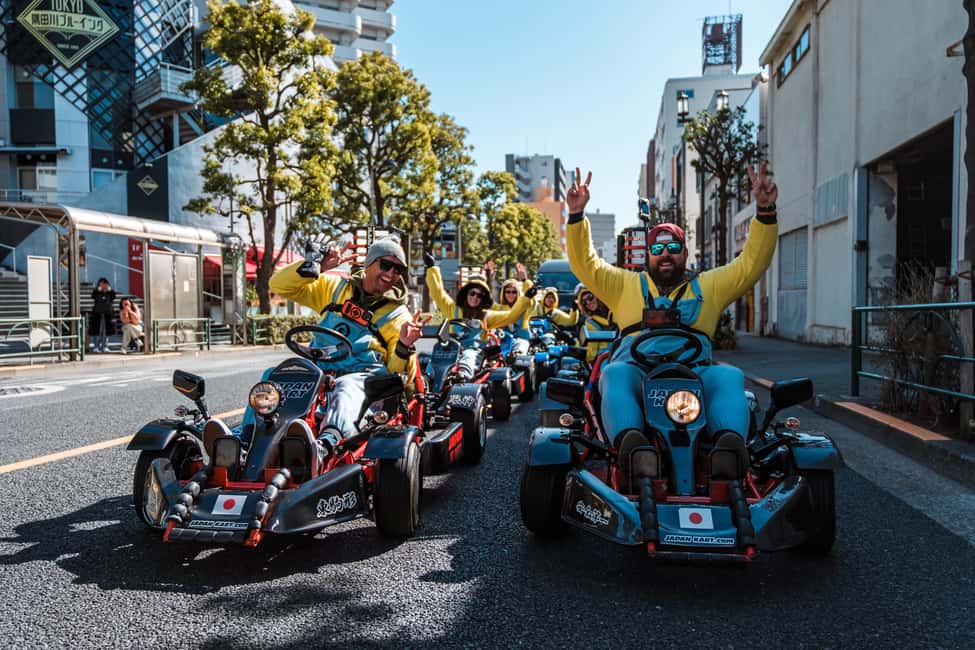
Tokyo turns into your personal race track. This East Tokyo go-kart tour lets you cruise real streets with professional safety briefings and sights like Rainbow Bridge and Tokyo Bay baked into the ride.
What I like most is that you’re not just driving in circles. You pass major neighborhoods that feel like different Tokyo eras, from shopping streets to old-town corners, and the guides keep things organized so you stay with the group. Another big win is the included costume-and-photo setup, so you end up with goofy memories that actually match the city you’re seeing. The one catch is paperwork: you must bring the correct driving documents in the right format, or you may not be allowed to drive.
In This Review
- Key Highlights You’ll Feel Right Away
- Two Hours on Tokyo Streets: What You’re Really Buying
- First Step Near Tokyo Skytree: Meet, Suit Up, Get Briefed
- Ginza and Nihonbashi Street Life: Modern Tokyo at Go-Kart Speed
- Akihabara and Ueno: Neon Corners, Park Edges, and Quick Atmosphere Shifts
- Asakusa Finish: Old-Tokyo Energy Without the Line Battles
- Tokyo Bay Break and Rainbow Bridge: The Best Photo Stop
- 1-Hour vs 2-Hour: Pick the Route That Fits Your Energy
- Price and Value: Why $64 Can Feel Like a Bargain
- Driving Rules and Your Japan IDP Checklist (Don’t Skip This)
- Practical Tips That Make the Ride Better
- Should You Book East Tokyo Go-Kart Tour?
- FAQ
- Do I need an international driving permit to drive in Tokyo?
- Is a Vienna Convention international driving permit accepted in Japan?
- What documents do I need besides my license?
- Where do I check in for the tour?
- Is hotel pickup and drop-off included?
- How long is the tour?
- Are photos and costumes included?
- Are sandals or flip-flops allowed?
- What is the minimum age to drive?
- What happens if it’s canceled due to bad weather?
Key Highlights You’ll Feel Right Away
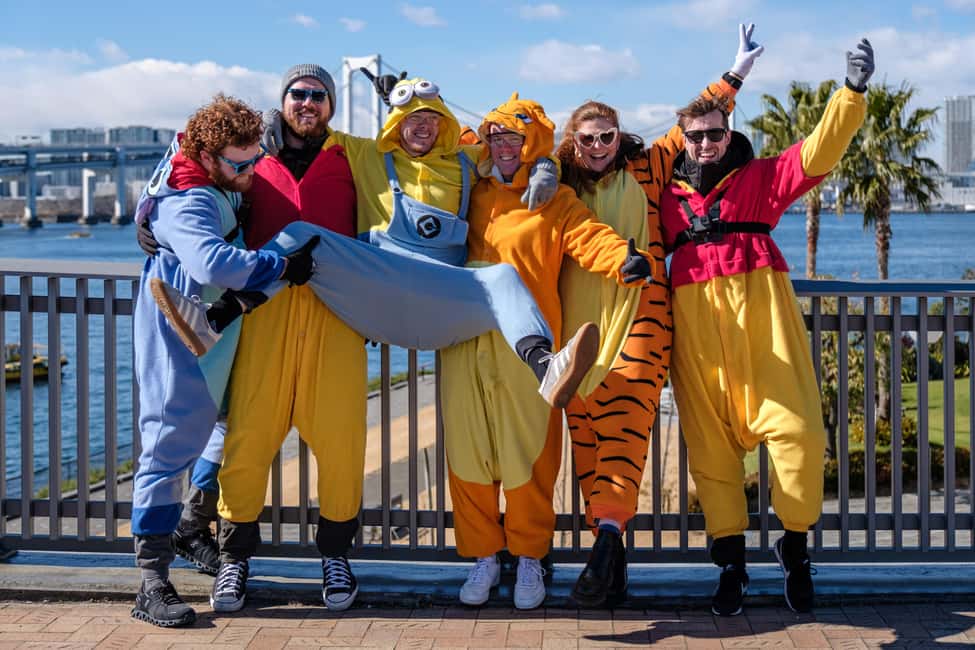
- Public-road go-karting in eastern Tokyo with a guided route through famous districts
- Rainbow Bridge and Tokyo Bay photo moments built into the longer run
- Ginza to Asakusa in one session, so you get modern Tokyo and older Tokyo energy
- Small group size (up to 10) for better control and easier follow-the-leader driving
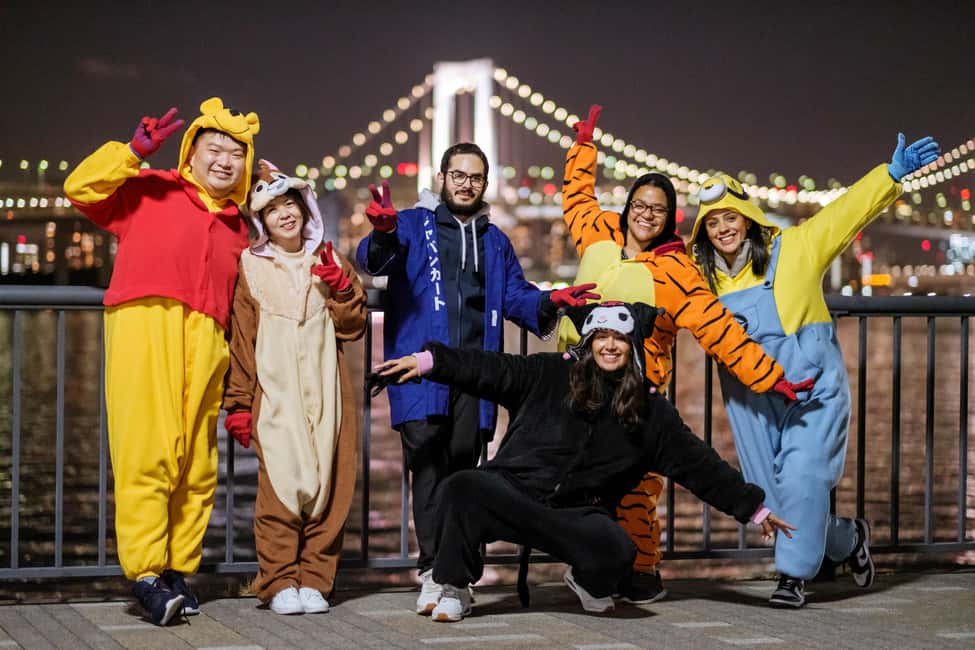
- Costumes and photos included, so the whole thing feels like an event, not a rental
- Strict driving-ID requirements that you’ll want to confirm before you go
Two Hours on Tokyo Streets: What You’re Really Buying
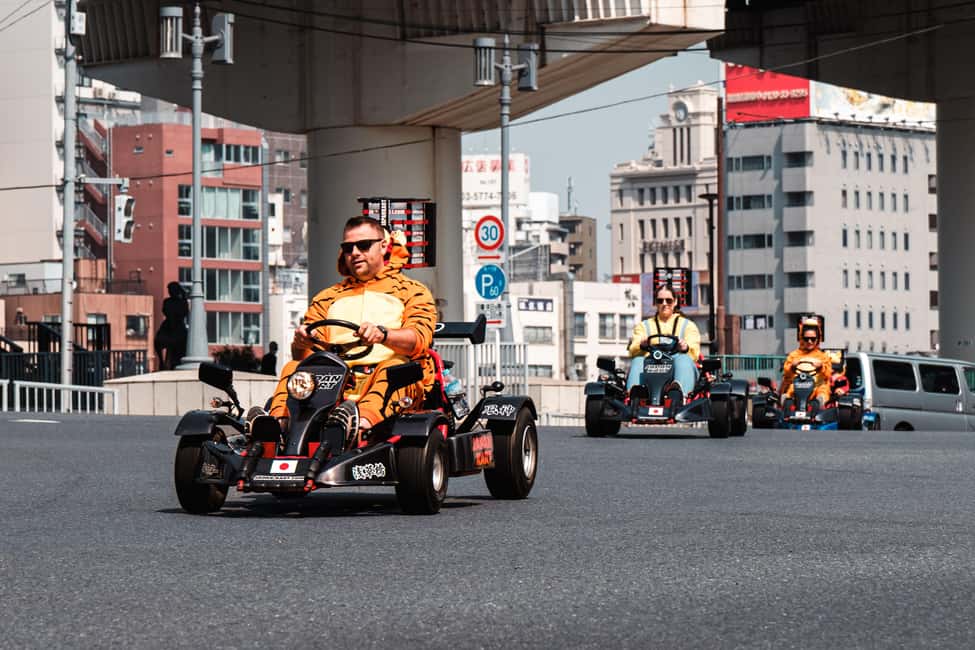
This isn’t a museum tour and it isn’t a quiet walking loop. You’re paying for a kinetic way to see Tokyo, where the city flashes by at helmet-level speed and you get that wind-in-your-hair feeling that public transport just can’t recreate.
For about $64 per person and roughly 90–150 minutes (depending on timing and route), you’re getting more value than you might expect. You’re not just getting one landmark. You’re getting a chain of “oh wow” streets: shopping zones, big-city crossroads, and the shift toward the older neighborhoods that show up once you near places like Ueno and Asakusa.
The best part is also the most practical: the tour company builds in professional prep so you’re not figuring out Tokyo traffic rules while your hands are still learning the kart. If you’re even a little nervous about driving in a big city, this is the kind of activity where you want structure, and that’s exactly what the team provides.
You can also read our reviews of more tours and experiences in Tokyo.



First Step Near Tokyo Skytree: Meet, Suit Up, Get Briefed
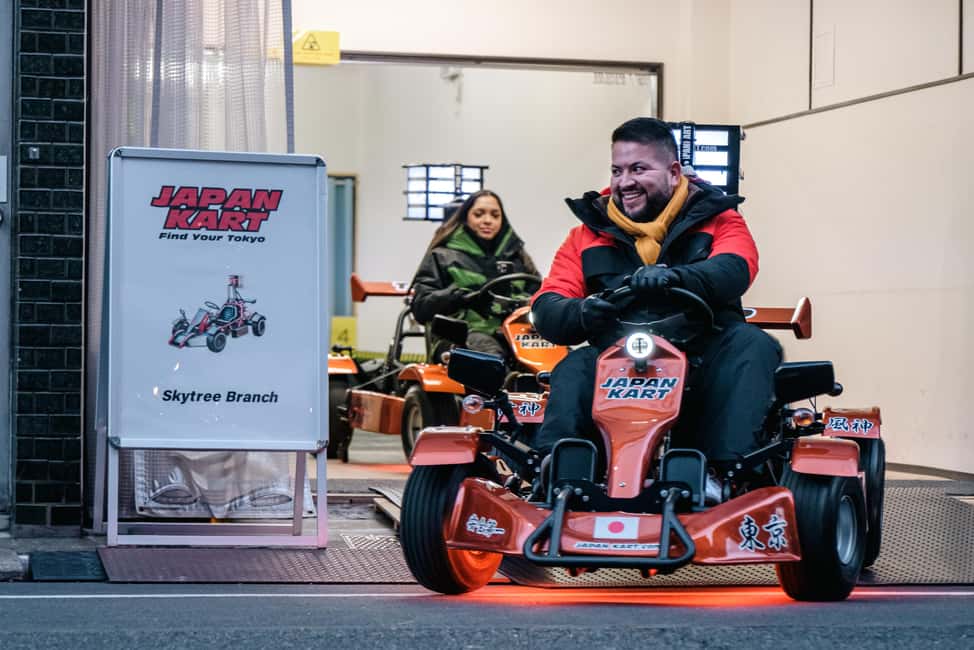
You’ll check in at the provider’s shop near Tokyo Skytree Tower. From there, the group gets set up before you roll out onto public roads. Expect an English safety briefing/demonstration before every tour, which is the difference between feeling like you’re winging it and feeling like you’re participating in something real.
The karts are described as newly made, and the rides get run in a small group (maximum 10 participants). That matters because Tokyo is not forgiving of chaos. With fewer people, the guides can keep a tighter formation and manage the flow more smoothly.
A useful detail: the team also does driving instruction in a way that helps people get comfortable fast. Even if the first few minutes feel daunting, the structure is designed to help you settle into the steering and road behavior.
Ginza and Nihonbashi Street Life: Modern Tokyo at Go-Kart Speed
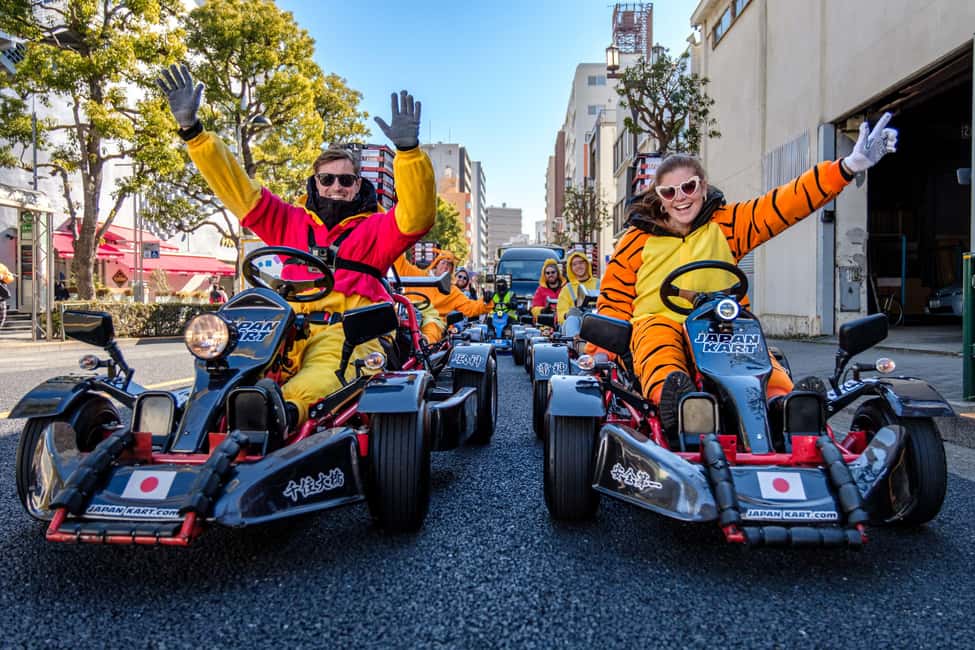
On the longer route, your ride passes through central areas like Ginza and Nihonbashi, plus surrounding streets such as Kanda. This is classic Tokyo “walk five minutes and you’re somewhere different” territory—except you’re moving by cart.
Why it works: Ginza and Nihonbashi are full of visual anchors. You’re not relying on signage alone; the buildings and street rhythm do the storytelling. From a kart, you can spot the vibe changes quickly: wider lanes, dense retail, busy intersections, and that unmistakable city pulse.
There’s also a psychological benefit. If you try to see these areas on foot, you end up either hurrying or losing time at crosswalks. On a go-kart tour, you get momentum, which keeps sightseeing from turning into a chore.
One practical note: roads can be busy, but the guides manage the pace. You’ll typically follow a lead guide and a tail guide, and the group stays together well enough that you’re not constantly stopping to regroup.
Akihabara and Ueno: Neon Corners, Park Edges, and Quick Atmosphere Shifts
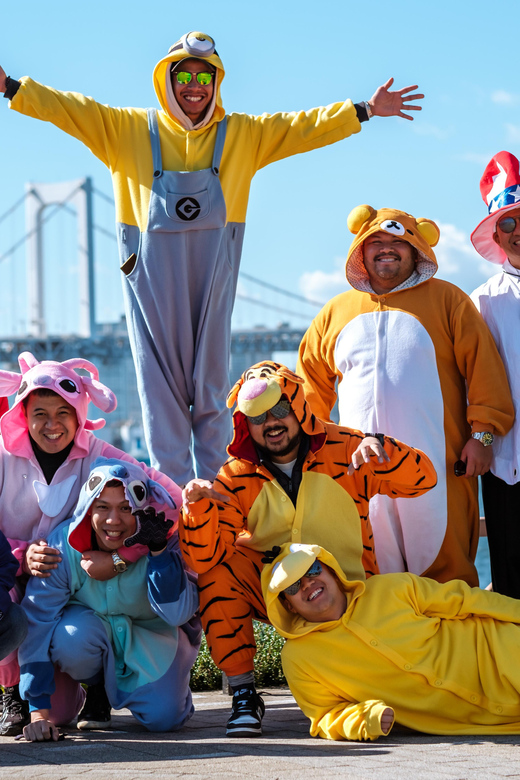
After Ginza and the central core, the ride moves toward Akihabara and Ueno. These areas are fun on their own, but what makes the kart format special is the contrast. You go from heavy retail energy into zones where the street feel changes and the city breathes a bit more.
Akihabara brings that tech-and-entertainment identity instantly. Even when you’re focused on driving, the surroundings keep pulling your eyes up: bright storefronts, dense signage, and lots of people out and about. Ueno adds a different texture—more open space, more “old-meets-new” atmosphere—without requiring you to slow down for walking loops.
This is also where some people notice the route rhythm most. The tour is designed so you spend enough time in each area to feel like you saw it, but not so much time at any one point that you lose the bigger picture of eastern Tokyo.
Asakusa Finish: Old-Tokyo Energy Without the Line Battles
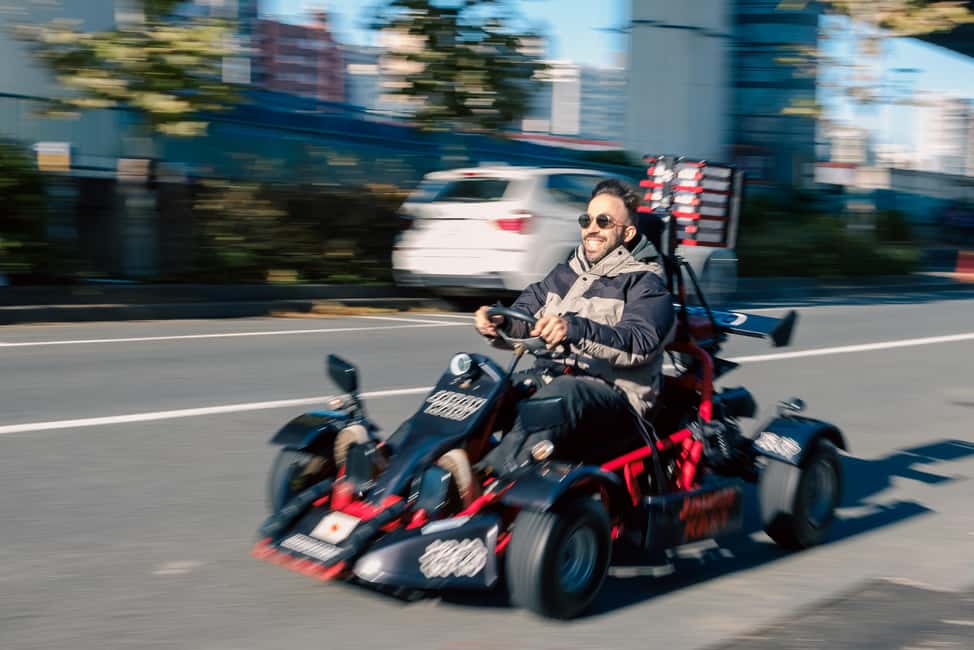
The longer route ends with Asakusa, and this is the part that makes the whole experience feel like a real Tokyo sampler. Asakusa has that older neighborhood feel—temple-area energy, street atmosphere, and a sense that Tokyo isn’t one uniform style.
If you’re planning a first trip, this is a smart match. Many first-timers over-plan and end up spending half their day trapped in transit or waiting their turn to enter sights. Here, you get a strong dose of Asakusa context while still doing something active.
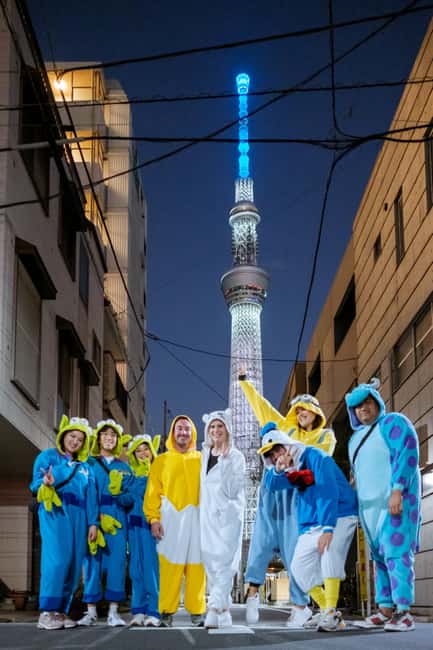
Also, because the tour includes costumes and photos, the ending has a “celebration” feel. It’s not just about checking off locations; it’s about turning your time in Asakusa into a memory you can hold onto.



Tokyo Bay Break and Rainbow Bridge: The Best Photo Stop
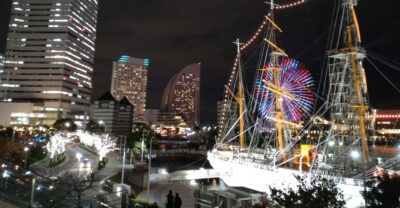
One of the most mentioned moments is the Tokyo Bay segment and the chance to see Rainbow Bridge. The tour includes a break time here, and the setup usually gives you a moment to reset and take pictures.
From a value standpoint, this stop is great because it adds a view that’s hard to improvise. You could try to plan a detour to see Rainbow Bridge from scratch, but on a busy day, it often turns into time-consuming navigation. Built into the route, it becomes part of the experience instead of an extra project.
Some rides also include a quick bridge-overlook photo setup and an optional toilet break. That kind of buffer matters on an activity like this, where you’re driving continuously and you want your comfort covered without breaking the flow too much.
1-Hour vs 2-Hour: Pick the Route That Fits Your Energy
There are two formats:
Longer (about 2 hours): This is the full eastern sweep, passing Toyosu, Ginza, Nihonbashi, Akihabara, Ueno, Asakusa, with a Tokyo Bay break and the Rainbow Bridge view moment.
Shorter (about 1 hour): This version is focused around Asakusa, Ueno, Akihabara, Ueno Park, Kappabashi Kitchen Tools Street, and Tokyo Skytree. It uses a different meeting point.
So how do you choose?
- If you want the “Tokyo eras in one ride” feeling, go longer.
- If your schedule is tight or you want something lighter, the shorter route is a good way to still get the go-kart thrill plus major neighborhoods.
If you’re doing other sights the same day, also consider your pacing. The kart tour is active enough that it can wear you out faster than you expect, especially if you’re nervous at the start.
Price and Value: Why $64 Can Feel Like a Bargain

At around $64, the big question is whether this feels like a gimmick or a genuinely worthwhile Tokyo activity. For me, it becomes a value question in three ways:
First, you’re paying for guided public-road driving, not just a rental kart in a fenced lot.
Second, you’re getting included extras—costumes and photos—that turn it into a full experience rather than a DIY session.
Third, you’re compressing sightseeing. Seeing multiple neighborhoods like Ginza, Akihabara, Ueno, and Asakusa in one go is hard to replicate without adding lots of transit and walking.
The included items also help you avoid “surprise costs.” You don’t have to pay extra for the entertainment piece (costumes) or the documentation part (photos), which is usually what makes these things feel pricey.
Driving Rules and Your Japan IDP Checklist (Don’t Skip This)
This is the part that decides whether the tour is fun or a lost day.
You must bring:
- Passport
- Your driving license
- An International Driving Permit (IDP) issued under the Geneva Convention 1949 (in booklet form, hard copy)
Important fine print that can trip people up:
- Vienna Convention 1968 IDPs are not accepted in Japan.
- Your IDP must be issued by a recognized issuer in your home country. The activity guidance is clear that you should not buy one from online-only companies.
- You must show a hard copy of the IDP on the day of the activity. If you can’t, you will be unable to drive.
- If your license is from Switzerland, Germany, France, Taiwan, Belgium, Estonia, or Monaco, you’ll need additional documentation: an original license plus an official Japanese translation from the authorized organization, along with your passport.
Also follow the on-site rules:
- No alcohol and drugs
- No alcoholic drinks in the vehicle
- Wear shoes that meet the requirements: no high-heeled shoes, and no sandals or flip-flops
- Bare feet are not allowed
This is strict, but it’s also part of why the ride feels safer. The whole system relies on correct paperwork so the team can operate legally and keep you on the road.
Practical Tips That Make the Ride Better
A few things will help your experience go smoothly:
- Arrive early and give yourself buffer time. Some people recommend planning about 1.5 hours from the start time because briefing and setup take time, especially the first time you drive.
- Wear closed shoes that feel secure while driving. If your feet slide around, you’ll fight your kart instead of enjoying the city.
- Get ready for the start to feel intimidating. That’s normal. The guides explain how to handle the kart and how to deal with road behavior, and then you build confidence fast.
- Use the photos/costumes as part of your plan. The team takes photos at key spots (Rainbow Bridge is a common highlight). Picking a fun costume is worth it because the background is Tokyo, not a generic backdrop.
- Bad weather might affect timing. The tour can be rescheduled if the ride can’t run due to weather, and that’s part of the value equation since the experience depends on being able to drive.
If you’re thinking about which time of day is best: some people suggest evening runs can feel especially good because the city is alive and the route has a more electric atmosphere. Thursday evenings are sometimes quieter for traffic, which can make the driving feel a bit less intense.
Should You Book East Tokyo Go-Kart Tour?
If you want an active, guided way to see a lot of Tokyo without spending your day in transit, I think this is a strong pick. It’s especially worth booking if you like:
- street-level sightseeing
- a guided, structured experience
- photos and costumes included
- small-group driving with a professional briefing
Skip it or double-check your readiness if:
- you don’t have the correct IDP (or you’re missing the hard copy)
- you’re not willing to follow strict footwear and rule requirements
- you want slow, photo-by-photo walking time rather than motion and momentum
Bottom line: this is one of those Tokyo experiences that turns the city into a playground while still keeping things safe and organized. If your paperwork is correct and you’re up for the go-kart thrill, it’s an easy yes.
FAQ
Do I need an international driving permit to drive in Tokyo?
Yes. You must bring your passport, your driving license, and an International Driving Permit issued under the Geneva Convention 1949 (hard copy, in booklet form).
Is a Vienna Convention international driving permit accepted in Japan?
No. International driving permits issued under the Vienna Convention 1968 are not accepted for driving in Japan for this activity.
What documents do I need besides my license?
You’ll also need your passport. If your license is from Switzerland, Germany, France, Taiwan, Belgium, Estonia, or Monaco, you’ll also need an original license plus an official Japanese translation from the authorized organization.
Where do I check in for the tour?
Check in for your tour at the activity provider’s shop near Tokyo Skytree Tower. The shorter 1-hour route uses a different meeting point.
Is hotel pickup and drop-off included?
No. Hotel pickup and drop-off are not included.
How long is the tour?
The experience is offered as a longer run of about 2 hours and a shorter run of about 1 hour. The overall duration listed can be 90 to 150 minutes depending on the option and starting time.
Are photos and costumes included?
Yes. Go-karts, all fees and taxes, gas fees, costumes, and photos are included.
Are sandals or flip-flops allowed?
No. Sandals or flip-flops are not allowed, and high-heeled shoes are also not allowed.
What is the minimum age to drive?
Drivers under 18 years are not suitable for the activity.
What happens if it’s canceled due to bad weather?
If the tour is canceled due to bad weather, you’ll be eligible for a full refund, or you can reschedule depending on availability.