REVIEW · TOKYO
Tokyo Mt Fuji 5th St & Hakone Cruise Bus Tour w/Bullet Train
Book on GetYourGuide →Operated by Japan Panoramic Tours · Bookable on GetYourGuide
Fuji plus Hakone plus the Shinkansen is a lot to pack into one day. What makes this tour fun is the way it strings together Mt. Fuji access (with a real backup plan) and Hakone’s scenic ropeway and cruise, then zips you back to Tokyo on the bullet train. I especially like the human factor: you get a professional English-speaking guide and even audio headsets in several languages, so you’re not stuck staring at signs. The second thing I love is the mix of pacing and comfort—an air-conditioned coach with Wi‑Fi for the long stretches, then actual mountain-and-water time for the payoffs.
The big drawback to plan for is weather. If the mountain fogs up or conditions limit access beyond the 4th station, the day still runs, but you’ll visit alternatives like Oshino Hakkai or other scenic options instead of the higher summit area. That’s normal for Fuji, but it’s the one variable that can shape your photos and how “Fuji-heavy” the day feels.
In This Review
- Key things to know before you go
- A Ten-Hour Japan Sampler: Fuji, Hakone, and the Shinkansen
- Getting Started in Ginza: the LOVE Statue Meeting Point and Pickup Reality
- Mt. Fuji 5th Station and the Sacred Shinto Stop (Plus Weather Plan B)
- Lunch With a Fuji View: Choosing Vegetarian or Muslim-Friendly Options
- Hakone Ropeway and Lake Ashi Cruise: the Caldera-View Combo
- The Return Ride: Bullet Train from Odawara to Tokyo Station
- Price and Value for $154: What You’re Really Paying For
- Who This Tour Fits Best (and Who Should Skip It)
- How the Guides Matter on a Day Like This
- Should You Book This Fuji and Hakone Day Trip?
- FAQ
- What’s the main route on this tour?
- Is lunch included?
- What happens if you can’t reach the 5th station?
- Where do we meet in Tokyo?
- Is the bullet train round-trip?
- Is Wi‑Fi and audio support included?
- Who should not take this tour?
Key things to know before you go
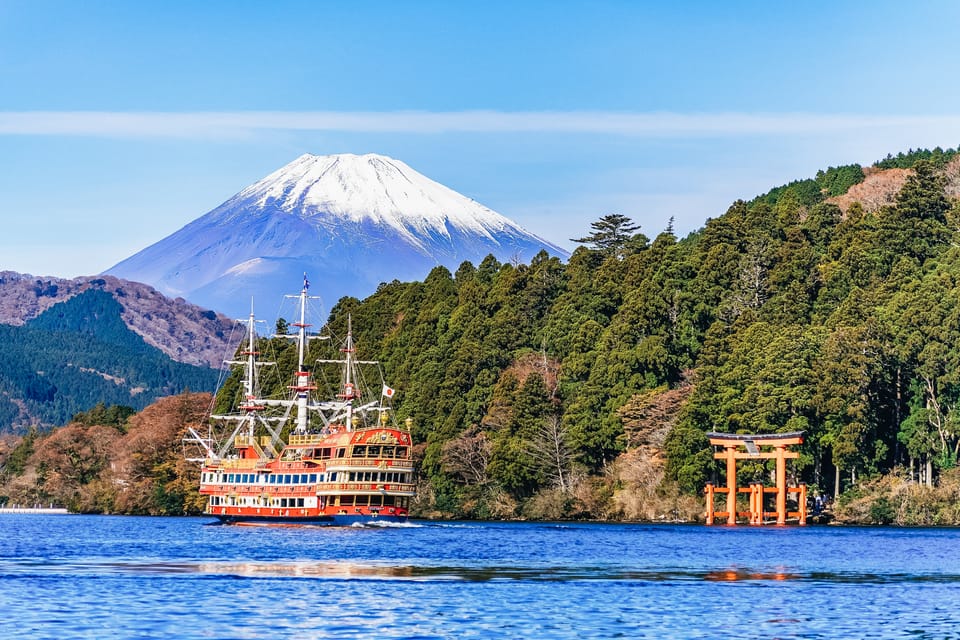
- 5th Station access (when conditions allow): You’re aiming for the 2,000-meter level with a Shinto stop and mountain viewpoints.
- Real plan B for Mt. Fuji: If you can’t go as high, the tour switches to nearby highlights like Oshino Hakkai or other scenic sites.
- Hakone ropeway + Lake Ashi cruise: You get a cable-ride thrill and water-time on the lake that sits in a volcanic caldera.
- Shinkansen back to Tokyo: You trade a long return bus ride for a fast Odawara to Tokyo Station bullet train segment.
- Language support on a long day: Wi‑Fi on board, plus audio headsets available in Spanish, French, Italian, German, Portuguese, and Ukrainian.
- Lunch is included only if you choose it: You can request vegetarian or Muslim-friendly options, but halal and vegan aren’t available.
A Ten-Hour Japan Sampler: Fuji, Hakone, and the Shinkansen
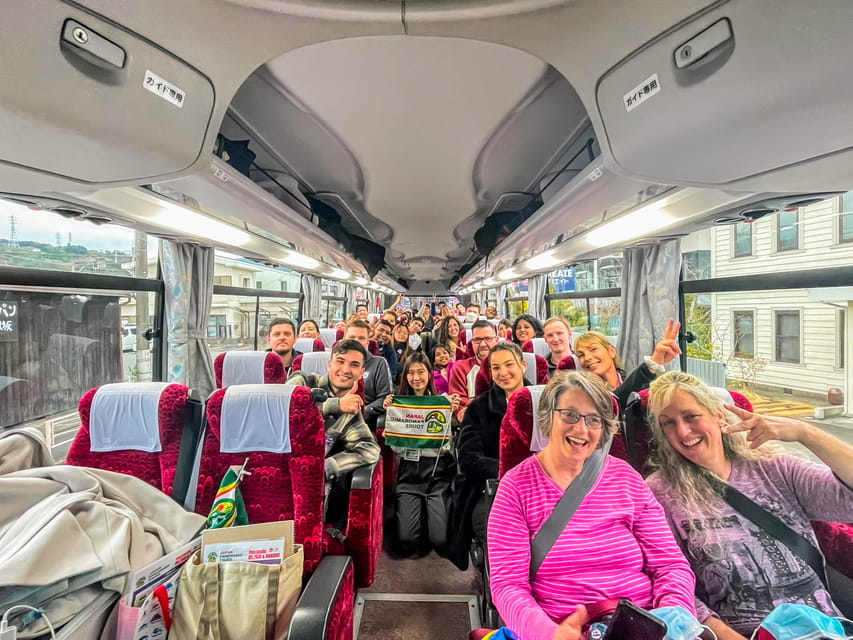
This is the kind of day trip that works when you want maximum scenery per hour without the stress of planning every leg yourself. In roughly 10 hours, you’ll move from central Tokyo to Fuji’s 5th station area, spend time in Hakone, then head back with a one-way Shinkansen ride that’s fast enough to keep the evening from feeling like survival mode.
The tour’s strength is that it doesn’t treat Fuji as a single “check-the-box” stop. You get a real on-mountain experience when conditions are favorable, plus a mountain-view lunch, then you pivot to Hakone’s geothermal resort vibe—ropeway views, and a Lake Ashi cruise that gives you a different angle on the volcano-land feel.
If you love logistics that just work, this is your vibe. If you’re the type who needs long free time at each stop, you’ll want to mentally accept that the schedule is tightly planned. You’ll see a lot, but you won’t linger all day.
You can also read our reviews of more boat tours in Tokyo

Getting Started in Ginza: the LOVE Statue Meeting Point and Pickup Reality
Meeting points vary by option, so plan to show up a little early and double-check your exact pickup spot. The tour offers starting locations such as Ginza Station near the Robert Indiana sculpture, the LOVE statue area (4-chōme-1-2 Ginza), and it also references pickup around Matsuya Ginza or the LOVE statue in the Shinjuku area.
One practical note: hotel pickup and drop-off aren’t included. So you’ll need to get yourself to the meeting location on time. That’s not a deal-breaker, but it matters if you’re staying far from central Tokyo.
Once you’re aboard, the coach is air-conditioned and includes Wi‑Fi, which is a surprisingly big deal on a long day. It helps you handle the “I need a map for the next stop” moment without draining your phone battery before you even reach Fuji.
Mt. Fuji 5th Station and the Sacred Shinto Stop (Plus Weather Plan B)
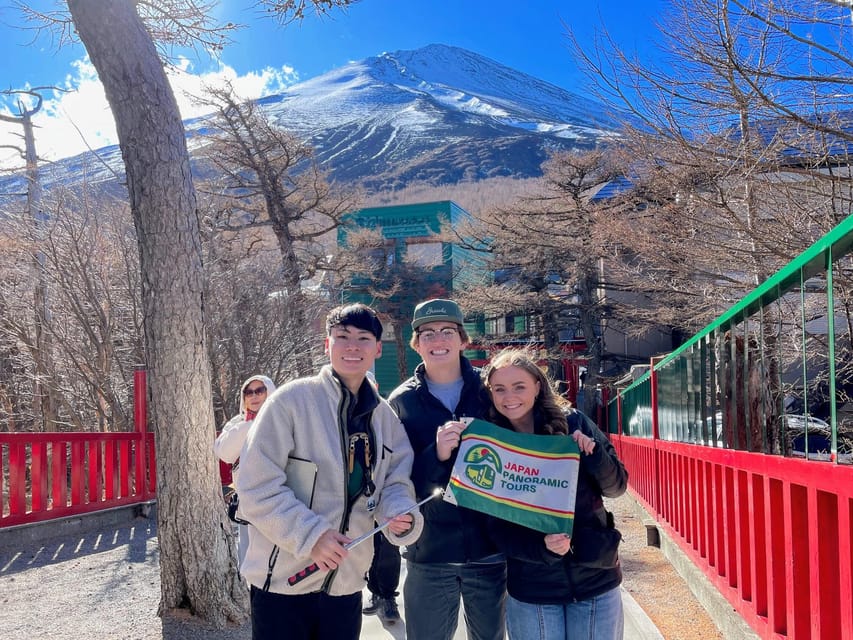
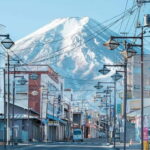
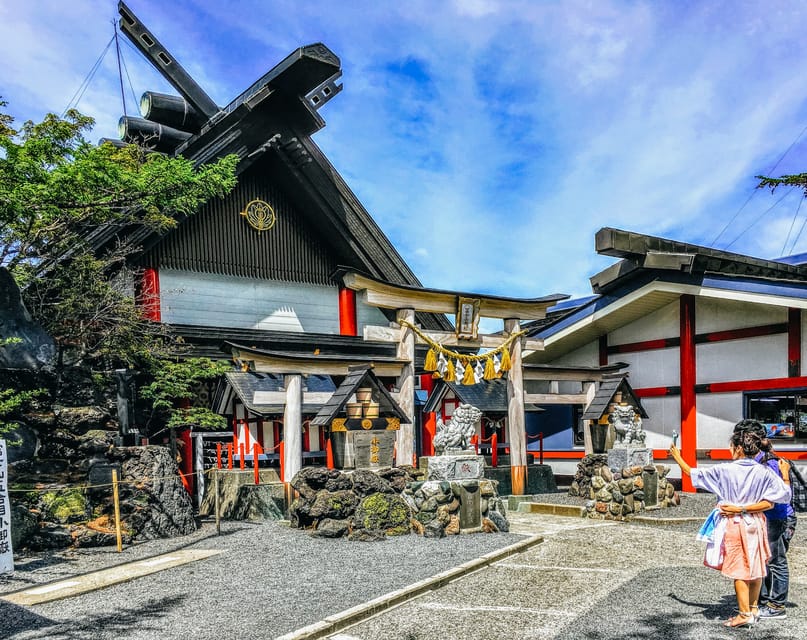
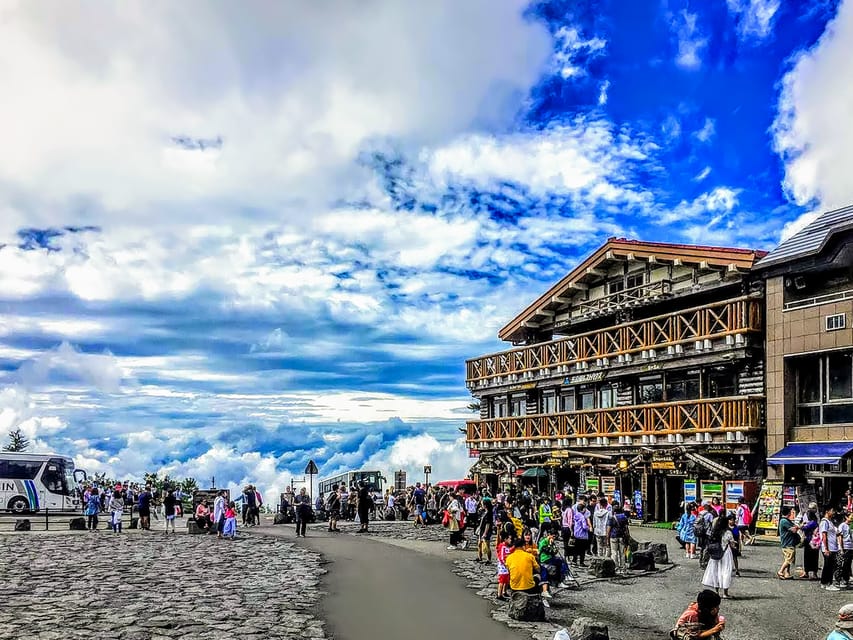
Mt. Fuji here isn’t handled as a drive-by. The goal is the 5th station, at about 2,000 meters above sea level, where you’ll step out and get that colder, thinner-air feeling that you just don’t get from photos. There’s also a Shinto shrine stop—small, quiet, and different from the usual tourist crowds. It adds a sense of place, like you’re visiting a mountain that’s considered sacred, not just scenic.
Now the weather truth: the tour is set up for the mountain to win. If conditions prevent travel beyond the 4th station, the guide arranges an alternative such as Oshino Hakkai or another scenic spot. That means you don’t get stranded with nothing to do—you still get a Fuji-related experience, but the “walk around near the summit” part may be cut short.
This is where choosing the right expectations makes the day better:
- If visibility is great, you’ll likely feel like you “got the whole thing.”
- If clouds roll in, you’ll still get mountain atmosphere, plus strong photo angles later—often right when you think the day is already gone.
Also, keep warm layers high on your packing list. Even in seasons when Tokyo feels mild, the higher elevation and winter winds can be sharp. Comfortable shoes matter too—Fuji stops aren’t about museum floors; you’ll be walking on uneven outdoor surfaces.
Lunch With a Fuji View: Choosing Vegetarian or Muslim-Friendly Options
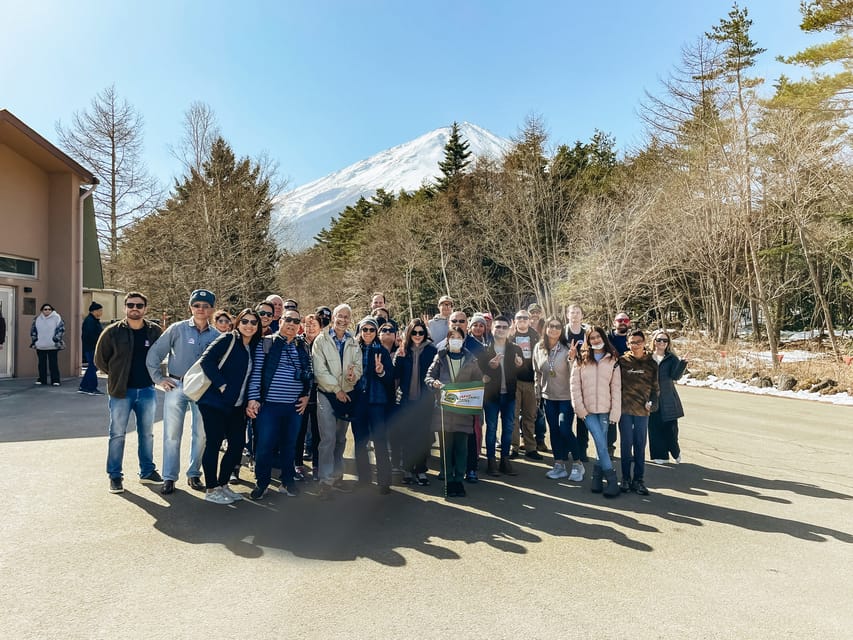
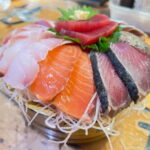
After the Fuji portion, the bus takes you to a buffet lunch spot with a mountain view. I like this style of lunch stop on day trips because it keeps energy steady for Hakone after the long drive and cold air.
You can pick an option with lunch, and it’s a smart choice. The tour notes that changes made on the day can cost extra, so pre-deciding saves hassle. Dietary handling is available, but with limits:
- Vegetarian is available (no meat, no alcohol, no seafood).
- Muslim-friendly options are mentioned as available upon request.
- Halal and vegan meals are not available.
What I’d do in your shoes: if you need something specific, request it when booking so the kitchen has time to prepare. On a schedule this tight, last-minute diet changes are where things get messy.
Also, the lunch timing can feel early for some people, so don’t plan to snack later as a strategy. If you’re the type who eats light in the morning, you may want a small pre-lunch snack in your day bag just in case you end up eating at the buffet earlier than you prefer.
Hakone Ropeway and Lake Ashi Cruise: the Caldera-View Combo
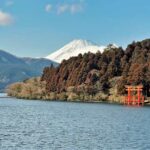
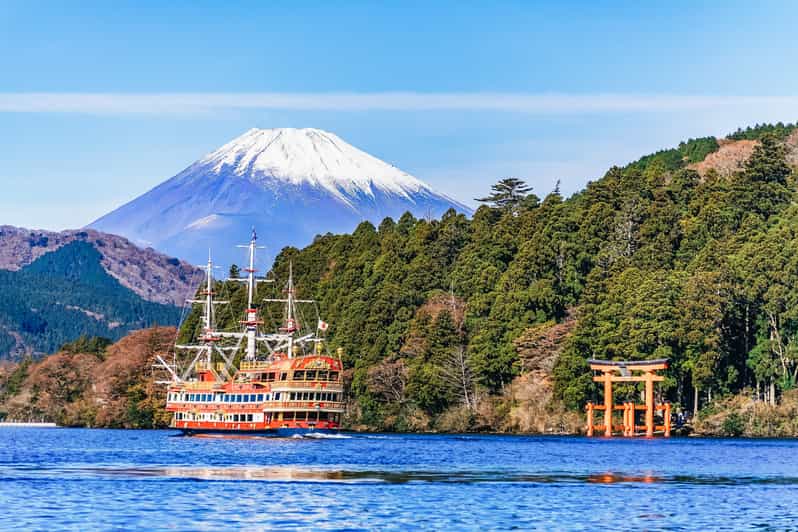
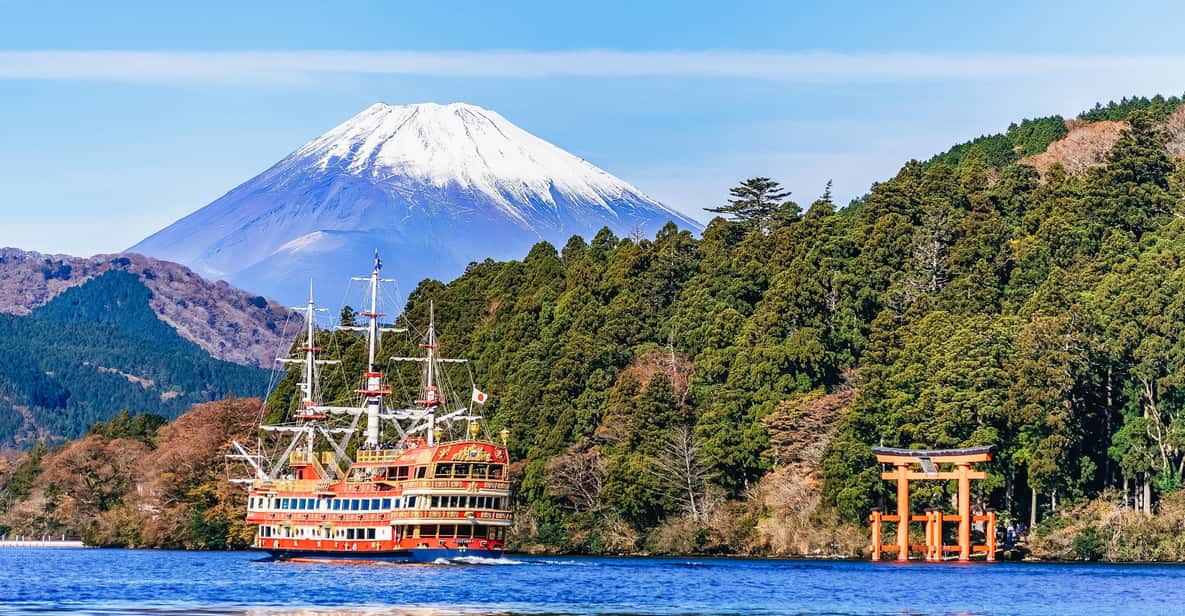
Hakone is the second act of the day, and it’s where the tour shifts from mountain peak to volcanic resort scenery. The plan is to visit either Mt. Hakone or Mt. Hakone-Komagatake depending on the day’s schedule. From there, you take the ropeway/cable car with panoramic views. On clear days, Mt. Fuji may even reappear in the distance—so yes, you’re hoping for a second round of Fuji drama.
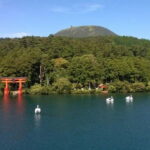
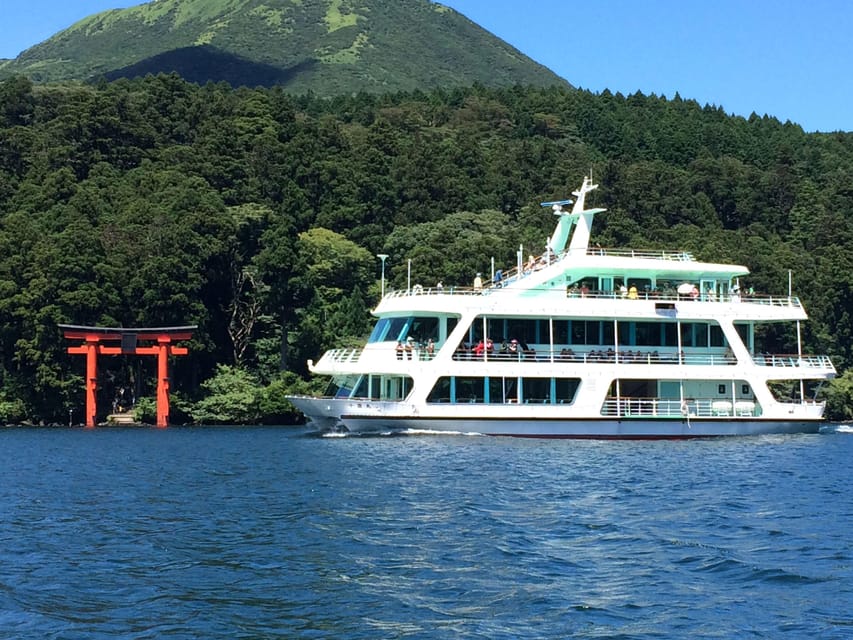
Then comes the water. You’re taken to Lake Ashi, which sits in a caldera. You’ll board a scenic cruise, and this is one of those segments that feels good even if the mountain is partially hidden. Why? Because the lake setting gives you constant shifting views—shorelines, slopes, and misty layers that still photograph well.
One more practical thing: ropeways can be sensitive to wind and weather. On days when ropeway conditions don’t cooperate, the tour may swap in alternatives to keep the experience moving. It’s not a failure state; it’s how Hakone days usually run. If you’re excited about the ropeway specifically, just accept that nature gets priority.



The Return Ride: Bullet Train from Odawara to Tokyo Station
The finale is a one-way Shinkansen ride from Odawara Station back to Tokyo Station. It takes about 40 minutes, and the tour aims to have you back in Tokyo around 6 PM.
I love this part because it changes the whole vibe of the day. Instead of another long back-and-forth on the coach—where everyone starts checking out mentally—you get a fast, clean reset. You can stretch, decompress, and still feel like the day ended with style.
Also, if you’re the kind of person who likes transportation that feels like a highlight, the bullet train delivers. It’s short here, but it turns the day into a complete loop: Fuji and Hakone, then Tokyo with minimal delay.
Price and Value for $154: What You’re Really Paying For
At about $154 per person for a 10-hour day, the value comes from the bundle:
- Transport all day in an air-conditioned coach (with Wi‑Fi)
- A professional English-speaking guide plus audio headsets in multiple languages
- Tickets for the Hakone ropeway and Lake Ashi cruise
- Lunch included only if you select that option
- Shinkansen from Odawara to Tokyo Station
If you tried to piece this together on your own, you’d likely spend time buying tickets, routing buses, and managing transfers when Fuji weather changes. Here, you’re paying for smoother transitions and a guide who can reroute when conditions demand it.
That said, value depends on your flexibility. If you’re okay with the idea that the tour may not always reach the topmost Fuji area, the price makes sense. If you’re only happy when you get a specific viewpoint and nothing else, weather-driven substitutions can feel annoying—even if they’re still beautiful.
Who This Tour Fits Best (and Who Should Skip It)
This is a strong pick if you want:
- one day that covers Fuji + Hakone + a Shinkansen ride
- English support on a long schedule
- less planning work in exchange for a guided structure
- a good chance at seeing Fuji clearly, depending on the day’s visibility
It may not be ideal for:
- pregnant women
- people with respiratory issues
- anyone with pre-existing medical conditions
Those limits are worth taking seriously, especially when your day includes cold, higher elevation, and lots of standing and outdoor walking.
Also, be honest about your energy level. It’s a full day. Some parts feel tight—people often want just a bit more time to wander once they arrive. You’ll still get strong highlights, but you won’t have hours of free roaming at every stop.
How the Guides Matter on a Day Like This
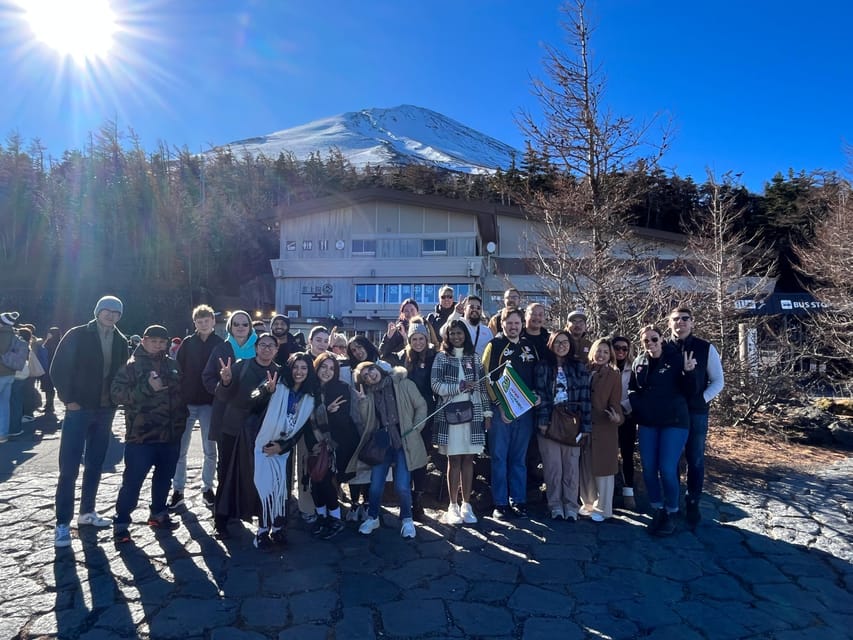
What makes this tour feel “worth it” isn’t just transport and tickets. It’s the guide’s tone and flow. Across the experience, guides like Lisa, Levin, Aya, Yuta, and Kazu are mentioned as high points—people who keep the day organized and explain what you’re seeing along the way.
A good guide also helps when plans shift. If Fuji conditions change, you don’t just get shuffled—you get a new route with context and encouragement. That’s the difference between a disappointing day and a memorable one.
Should You Book This Fuji and Hakone Day Trip?
I’d book this if you’re prioritizing a one-day hit list: Mt. Fuji access, Hakone’s ropeway and Lake Ashi cruise, and a clean finish back in Tokyo on the Shinkansen. The guide support and included tickets are where the value really shows.
I’d hesitate if you’re traveling with the mindset that the trip is only good if Fuji is perfectly clear at the highest point. The tour does provide alternatives like Oshino Hakkai when conditions restrict access, but weather is still the boss.
If you want the best odds, wear warm layers, bring good shoes, and mentally prepare for changing conditions. When visibility cooperates, this day has the kind of “wow, I can’t believe we did all that” feel that’s hard to recreate any other way.
FAQ
What’s the main route on this tour?
You’ll travel from Tokyo to Mt. Fuji for the 5th station area (with possible alternatives if conditions restrict access), then continue to Hakone for the ropeway ride and a Lake Ashi cruise, and finally return to Tokyo by bullet train from Odawara to Tokyo Station.
Is lunch included?
Lunch is included only if you select the option with lunch. The tour offers vegetarian options and Muslim-friendly options upon request, but halal and vegan meals are not available.
What happens if you can’t reach the 5th station?
If weather or other conditions prevent traveling beyond the 4th station, the tour arranges an alternative visit such as Oshino Hakkai or another scenic spot. The tour also notes that certain activities may be replaced due to operational or weather conditions.
Where do we meet in Tokyo?
Meeting points vary by option. Options include the Ginza Station area near the LOVE statue and pickup around Matsuya Ginza or the LOVE statue area, depending on what you booked.
Is the bullet train round-trip?
No. The included Shinkansen is a one-way ticket from Odawara Station to Tokyo Station.
Is Wi‑Fi and audio support included?
Yes. The coach includes Wi‑Fi, and audio headsets are available for multiple languages including Spanish, French, Italian, German, Portuguese, and Ukrainian.
Who should not take this tour?
The tour is not suitable for pregnant women, people with respiratory issues, or people with pre-existing medical conditions.