REVIEW · TOKYO
From Tokyo: Mount Fuji Full-Day Sightseeing Trip
Book on GetYourGuide →Operated by GORYO TRAVEL CO. LTD. · Bookable on GetYourGuide
Fuji looks different at every stop. I like that this full-day coach tour gives you multiple angles—Kawaguchiko Lake views and Oshino Hakkai water tasting are standout moments. The one downside is simple: Mt. Fuji visibility isn’t guaranteed, so you might end up seeing less from the higher viewpoints on cloudy days.
I also appreciate the way the day is built around crowd control and timing. Guides I’ve heard credited again and again—like Sophie, Evita, Annie, Catherine/Cathrine, and Shao—explain what to look for and help keep the group moving. Just keep in mind the tour can involve a lot of walking, and the meeting points can be a little tricky if you pick the wrong exit.
In This Review
- Quick Highlights You’ll Feel Immediately
- A One-Day Fuji Circuit From Shinjuku and Tokyo Station
- Oishi Park and Kawaguchiko Lake: The Photo Stop That Sets the Mood
- Arakurayama Sengen Park and the Chureito Pagoda View
- Hikawa Clock Shop: A Short Break With Local Personality
- Oshino Hakkai: Eight Ponds, Fuji Water Taste, and Lunch Timing
- Mt. Fuji 5th Station at About 2,300m: The Risky Payoff
- Weather Reality: How the Day Changes When Clouds Move In
- Walking Pace, Crowd Timing, and How to Keep It Comfortable
- Guides, Language, and How the Group Stays Together
- Price and Value: Why $68 Can Be a Smart Fuji Shortcut
- Who Should Book This Tour—and Who Might Skip It
- Should You Book This Tokyo to Mt. Fuji Day Trip?
- FAQ
- How long is the Mount Fuji full-day sightseeing trip?
- What are the pickup and drop-off locations in Tokyo?
- What does the tour price include?
- Is food included?
- What languages is the guide available in?
- Do you visit Mt. Fuji 5th Station on every trip?
- What if Mt. Fuji is cloudy during the day?
- How much time do you spend at the main stops?
- Is luggage allowed on the bus?
- Is the tour suitable for children traveling alone?
Quick Highlights You’ll Feel Immediately
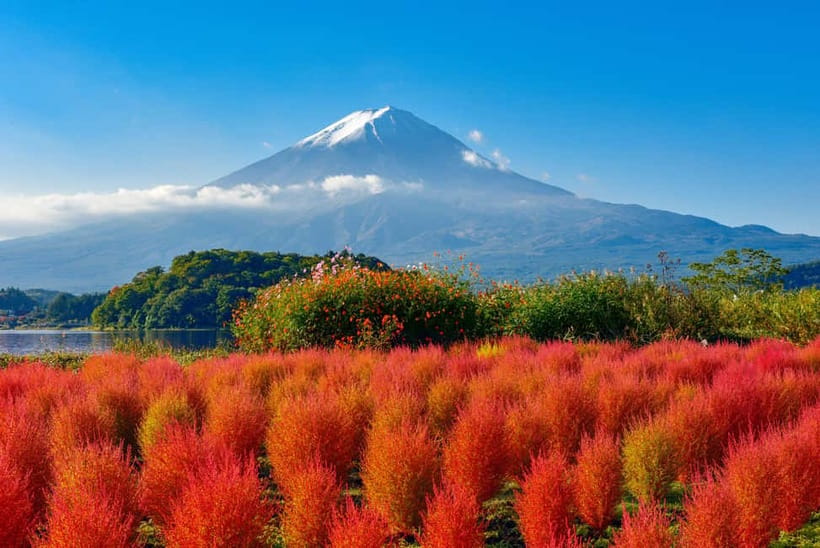
- Kawaguchiko Oishi Park photo stop with Fuji-and-lake framing
- Arakura Sengen Park and Chureito Pagoda views high up on Mount Arakura
- Oshino Hakkai’s eight ponds plus the chance to taste Mt. Fuji spring water
- Mt. Fuji 5th Station at around 2,300m, with close-up views when weather cooperates
- Air-conditioned 3-star bus and a multilingual guide (English / Mandarin / Cantonese)
A One-Day Fuji Circuit From Shinjuku and Tokyo Station

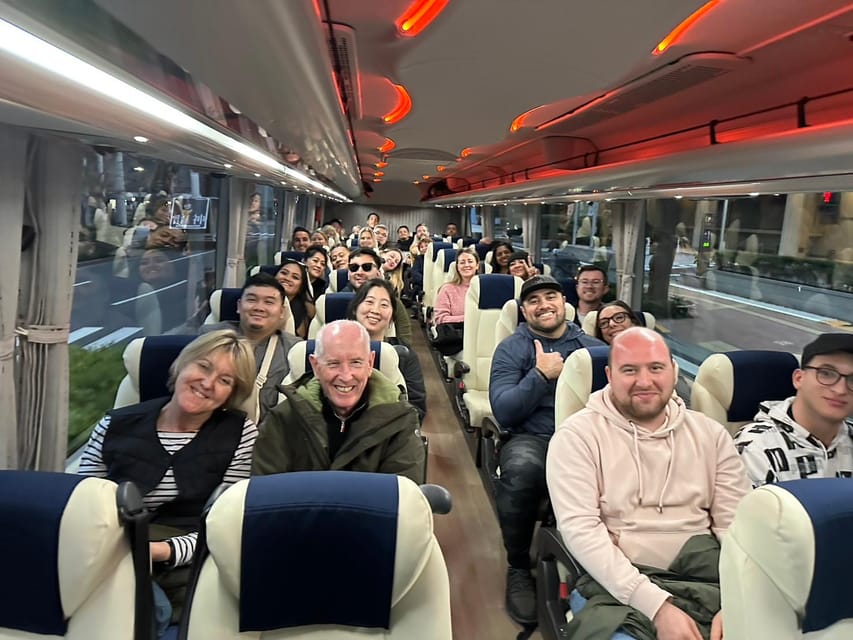
This is a classic “see the icons in one day” tour: you leave Tokyo by bus, spend about ten hours total, and focus on the most famous sights clustered around Mount Fuji. You’ll do two main bus stretches (roughly two hours each way), then fill the middle of the day with planned stops.
The price is $68 per person, and the value mostly comes from the logistics. You get pick-up and drop-off from two convenient areas (Shinjuku Nishiguchi and Tokyo Station / Yaesu area), entry fees for the included sights, and an on-the-ground professional guide. What’s not included is food and drinks, so you’ll budget for meals on your own at stops where shops and restaurants are available.
Two practical notes matter more than they sound:
- No large luggage (pack light).
- Unaccompanied minors aren’t allowed, and children must be with an adult.
You can also read our reviews of more tours and experiences in Tokyo
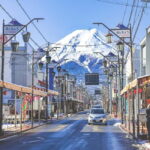
Oishi Park and Kawaguchiko Lake: The Photo Stop That Sets the Mood
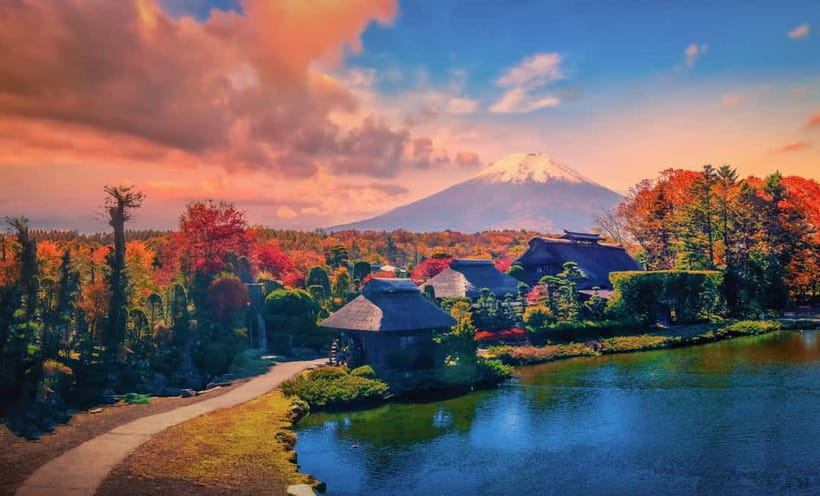
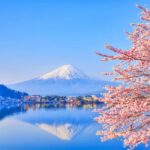
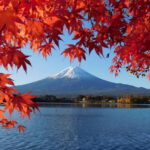
Your first big moment is Kawaguchiko at Oishi Park, with around 30 minutes for photos and quick wandering. This is the stop where the tour usually clicks for people who came for that postcard Fuji view: lake water in the foreground, Mount Fuji in the background, and plenty of spots to frame the shot.
Here’s the practical part: at a 30-minute photo stop, your best move is to decide fast what you want. If you’re chasing the clearest lake-and-mountain composition, head toward the open viewpoints first, then circle back for angle changes. If the air is hazy, don’t waste time hunting for one perfect spot—use the time for multiple viewpoints because weather can shift during the day.
Also, you’ll likely feel the Japan-style rhythm here: you don’t “hang out,” you work the time window—photos, a few quick walks, then back on the bus.
Arakurayama Sengen Park and the Chureito Pagoda View
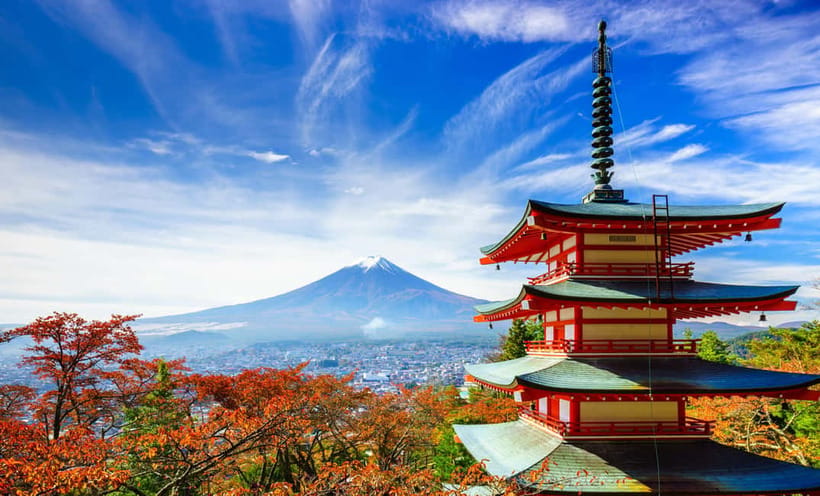
Next comes Arakurayama Sengen Park in Fujiyoshida, with about 75 minutes of walking time plus a photo-focused stop at the nearby Chureito Pagoda area. The big draw is the panoramic payoff: you’re looking at Fuji with the town spread out below, and the pagoda gives you that iconic layered image.
This is also one of the “energy” stops in the day. The park area involves a bit of hiking/walking, and if you want the classic pagoda shots, you may end up climbing a lot of stairs. One helpful tip from experienced visitors: be ready for a long climb—think hundreds of steps—even if your goal is only a few photos.
If you’re traveling in spring, this stop can also come with cherry blossoms, which adds a second layer to the view. On other seasons, you still get the shrine setting and the mountain perspective—just without the floral bonus.
The trade-off is that Arakura takes effort. If your legs are tired or you’re traveling with slower-walking companions, you’ll want to pace the climb and set expectations early. The tour can feel tight at photo spots, so it helps to be clear about what you’re prioritizing.
Hikawa Clock Shop: A Short Break With Local Personality
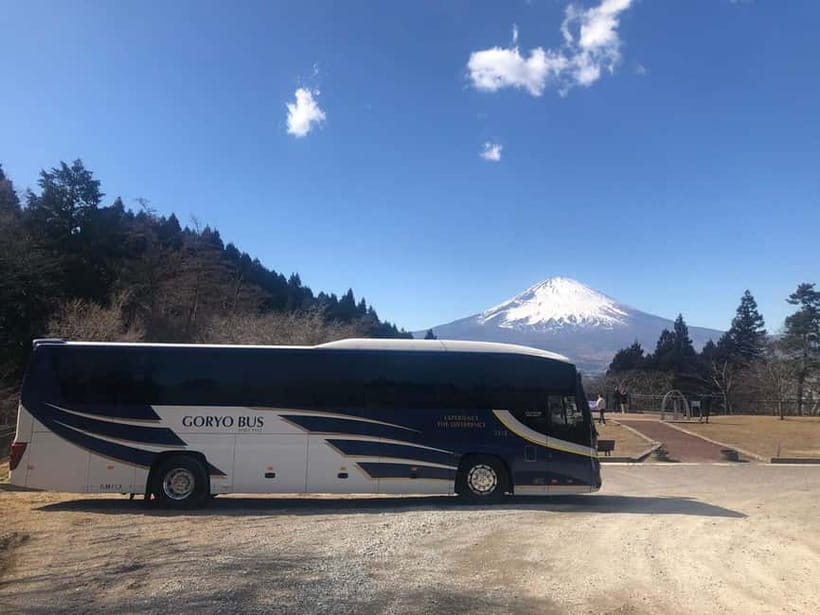
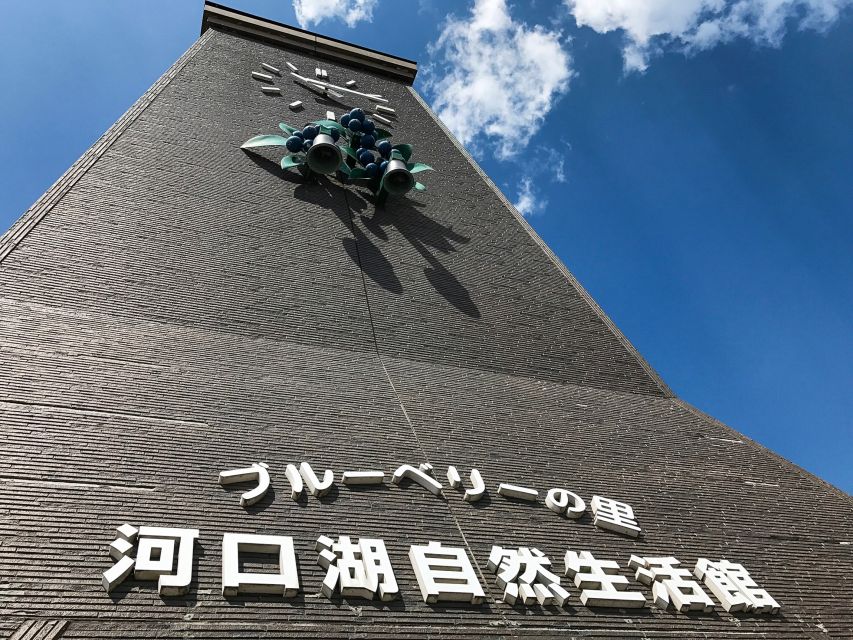
After the pagoda area, you’ll stop at the Hikawa Clock Shop area for a visit and free time. This isn’t the headline attraction, but it works as a sanity break in the middle of a long day.
What I like about stops like this is the flexibility. You can stretch, look around, and take care of small needs without feeling like you’re “wasting” time that should be spent on Fuji views. If you want a snack or small souvenir browsing time, this is often where it fits naturally.
Don’t expect this to replace the major sights. Think of it as a mini-reset that keeps the itinerary from feeling nonstop.
Oshino Hakkai: Eight Ponds, Fuji Water Taste, and Lunch Timing
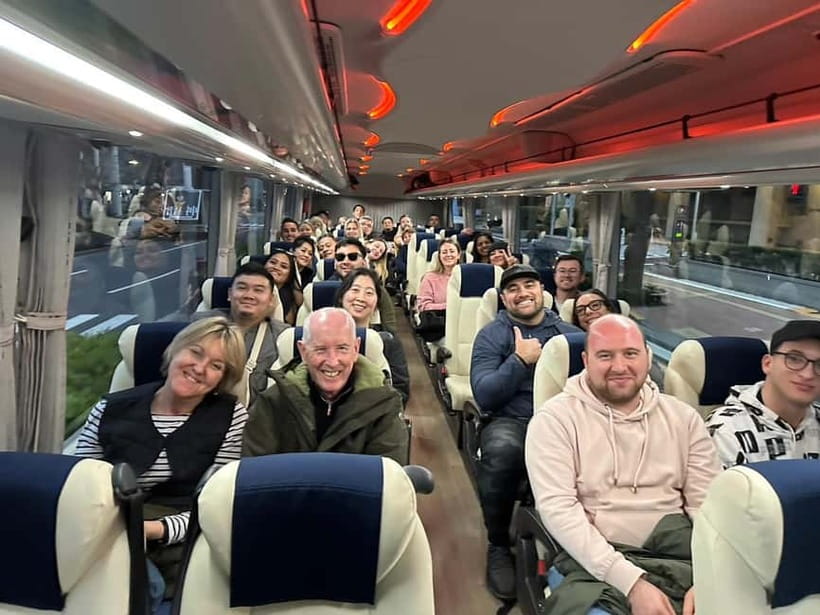
Then you get to Oshino Hakkai, one of the most famous areas in the Fujisan region. You’ll have about 80 minutes, and this stop includes time for lunch plus sightseeing.
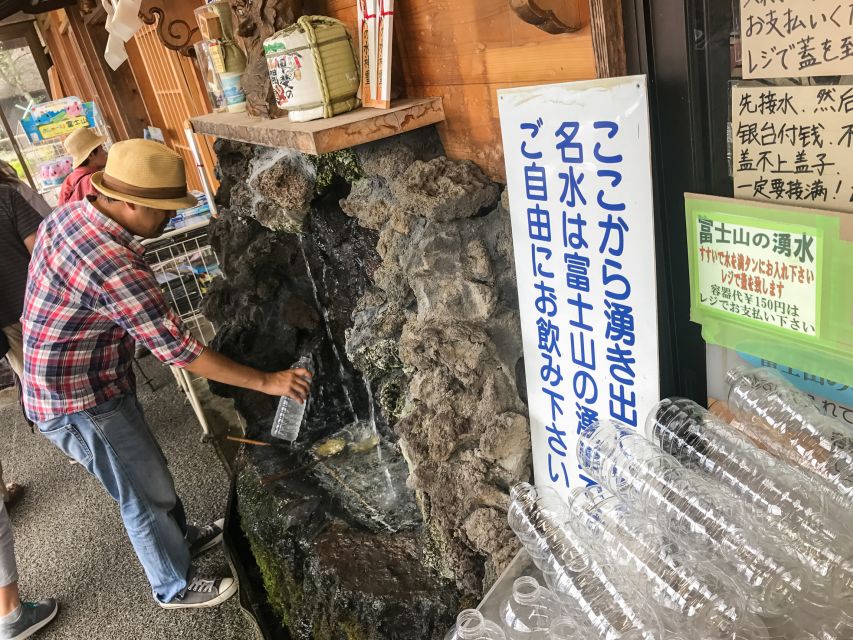
The headline here is the eight ponds (lakes) that feed from the Fuji spring system. The tour also gives you the chance to taste the water from Mount Fuji—a small moment, but a memorable one if you like seeing how places are tied to everyday rituals.
This is also a stop where queues and timing matter. On a practical level, you’re balancing three things in one block:
- eating lunch,
- walking between the ponds,
- and buying any snacks or small items if you want them.
Plan your restroom breaks early. In real life, time tightens at popular spots, and you don’t want to lose your best pond-photo windows because you’re stuck waiting for a booth or facilities.
Mt. Fuji 5th Station at About 2,300m: The Risky Payoff
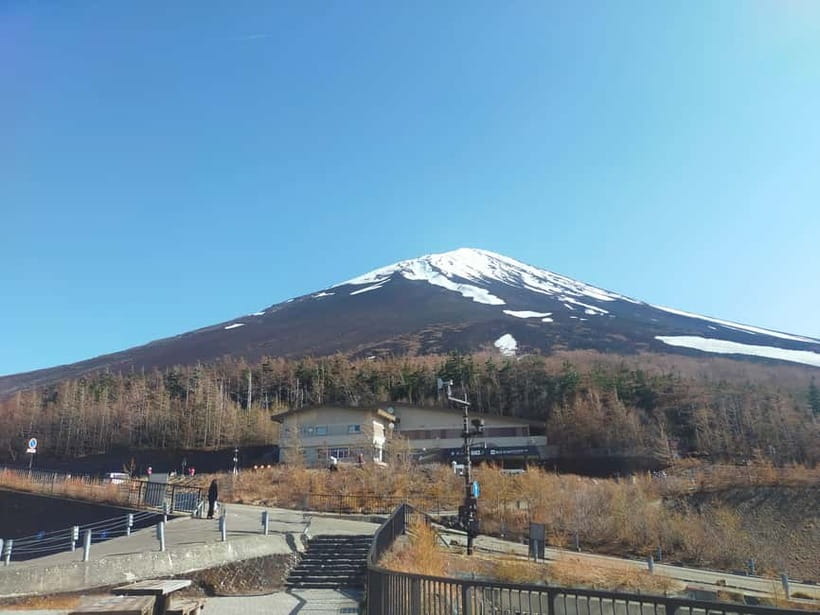
The final “big view” moment is Mt. Fuji 5th Station, at roughly 2,300 meters, with about 40 minutes for photos and visiting. When conditions are clear, this is the stop that makes the whole day feel worth it—because you’re close enough to feel the mountain rather than just see it.
You’ll also find food options and souvenir shopping around the station area. This is one of those moments where it’s okay to stop multitasking and just let your senses catch up: cold air, quick weather shifts, and the chance to see Fuji in a more direct way than at lakeside viewpoints.
But this is also where you need to be mentally prepared. The tour clearly warns that visibility depends on weather, and roads can close due to traffic or conditions. If the route to 5th Station is blocked, your day may switch to Mt. Fuji 4th Station or sometimes 1st Station, or it may include a seasonal alternative like Lake Yamanakako Hananomiyako Park for a diamond-Fuji sunset view in winter.
In other words: treat 5th Station as the dream scenario, not the only outcome.
Weather Reality: How the Day Changes When Clouds Move In
If there’s one theme you should take seriously, it’s this: you might see Fuji, or you might not, even on the same day trip plan. The tour design works with that reality. It’s built around several chances to spot Fuji from different angles, instead of betting everything on one single viewpoint.
I especially like how guides adjust timing when the sky clears. Stories from past groups include moments where the guide pulled the group to the 5th Station quickly when visibility improved, then the mountain disappeared behind cloud a few minutes later. That’s not luck you can schedule, but it’s exactly what you hope for from a good guide: smart pacing and fast decision-making.
You also need to consider seasonal crowd pressure. Flower season weekends can bring heavy congestion, and your overall return timing can shift. The tour also notes that arrival time may be delayed by 2 to 3 hours due to road conditions, so this isn’t the trip to book if you have a hard deadline that evening.
Practical advice I’d give you:
- Dress in layers for mountain cold (even in colder months, it can be freezing).
- Don’t over-plan your photo shot as one single image. Make peace with multiple “good” views.
- Bring patience. The day runs on road conditions and weather, not just a neat timetable.
Walking Pace, Crowd Timing, and How to Keep It Comfortable
This is a long day: 10 hours total. Even if you’re not “hiking,” you’re still doing repeated short walks, climbing stairs at Arakura/Chureito, and moving between viewpoints quickly.
From real-world feedback, the pace is generally well organized—stops are timed so you can enjoy the scenery—but time at each place can still feel tight. So you’ll need to decide what you want to spend energy on:
- photos and viewpoints,
- souvenirs and shops,
- lunch and restroom breaks.
Also, because luggage isn’t allowed, you’ll want a small bag that’s easy to carry all day. If you’re bringing camera gear, keep it manageable. The day works best when your hands are free and your feet aren’t burdened.
If you’re traveling with older adults or anyone who walks slowly, this tour can still work—but plan for extra time and fewer “rushed” climbs. The itinerary includes walking segments, and the most strenuous part tends to be the climb associated with the pagoda viewpoint.
Guides, Language, and How the Group Stays Together
The tour is led by a professional guide in English / Mandarin / Cantonese. In practice, you’ll want a guide who can do two things: explain what you’re seeing fast enough for photo timing, and keep the group organized on a schedule that can change due to weather and roads.
From past experiences, guides like Sophie, Evita, Annie, and others are often praised for being funny, engaging, and clear with instructions. One detail I found useful in the real world: some guides use messaging tools like WhatsApp to keep everyone aligned on meeting times and pickup points. That matters when you’re in busy areas and meeting points aren’t always obvious from street level.
One reality check: the tour leader is there to accompany your group, not to create individual experiences on demand. You’ll follow the flow of the day, with set stops and set time windows.
Price and Value: Why $68 Can Be a Smart Fuji Shortcut
Let’s talk value without marketing fluff.
At $68, you’re paying for:
- round-trip coach transportation from central Tokyo areas,
- a professional guide during the day,
- entry fees for the included attractions,
- and pickup/drop-off that saves you the headache of transit planning across multiple Fuji-area stops.
You still pay for food and drinks separately, but you’re not stuck figuring out how to get from one sight to the next. For many visitors, especially first-timers, that alone makes the day trip feel like good money.
Is it cheaper than DIY? It depends. But DIY usually means you’ll trade the comfort of a guided plan for more transit time and more coordination. If your goal is Fuji views within a single day, this kind of package often makes life easier.
Where the value is weakest is if you hate crowds or dislike walking. If that’s you, the paid convenience can turn into paid hassle.
Who Should Book This Tour—and Who Might Skip It
This tour is a great fit if:
- you want classic Mount Fuji viewpoints without navigating multiple bus/train transfers,
- you’re okay with some walking in exchange for better photo locations,
- you want a guide to help you interpret what you’re looking at and where to go next,
- you’re traveling with a limited schedule and want the best shots covered in one sweep.
You might skip it if:
- you need a very relaxed pace with lots of downtime,
- you can’t handle stair climbs or cold mountain air,
- you absolutely must see Mt. Fuji from the top station regardless of weather (because the tour is clear that visibility isn’t guaranteed),
- you’re planning to bring large luggage (it’s not allowed).
Should You Book This Tokyo to Mt. Fuji Day Trip?
Yes—if you go in with the right expectations. I think this is worth booking when you want a guided day that hits the major Fuji icons: lakeside views at Kawaguchiko (Oishi Park), pagoda-and-town perspectives at Arakura/Chureito, the spring-water culture at Oshino Hakkai, and the thrilling altitude moment at 5th Station.
Book it with flexibility. The biggest factor is weather, and road conditions can change the final viewpoint. If you can handle that reality, you’ll end the day with multiple chances to see Fuji from different angles—plus enough structure that you don’t waste your limited time in Japan figuring out connections.
FAQ
How long is the Mount Fuji full-day sightseeing trip?
The tour runs for about 10 hours total.
What are the pickup and drop-off locations in Tokyo?
You’ll have pickup and drop-off from two options: Shinjuku Nishiguchi (Yaesu area listed as 2-chōme-2-1) and Tokyo Station / Yaesu (Sumitomo Mitsui Bank, Shinjuku Nishiguchi Branch area is listed). The exact meeting point can vary by the option you book.
What does the tour price include?
The price includes pick-up/drop-off, entry fees for the included sightseeing spots, a 3-star safety air-conditioned bus, and a professional guide.
Is food included?
No. Food and drinks aren’t included, so you’ll need to buy your own during the stops.
What languages is the guide available in?
The guide is listed as available in Chinese and English (and the guide language coverage is also described as Mandarin and Cantonese).
Do you visit Mt. Fuji 5th Station on every trip?
The plan includes Mt. Fuji 5th Station, but the tour notes that if the road is closed due to weather or traffic, the itinerary may be changed to Mt. Fuji 4th Station/Mt. Fuji 1st Station or Lake Yamanakako Hananomiyako Park.
What if Mt. Fuji is cloudy during the day?
Visibility depends on weather conditions, so panoramic views of Mt. Fuji aren’t guaranteed.
How much time do you spend at the main stops?
Stops include about 30 minutes at Oishi Park, about 75 minutes at Arakurayama Sengen Park, about 80 minutes at Oshino Hakkai, and about 40 minutes at Mt. Fuji 5th Station.
Is luggage allowed on the bus?
No. Luggage or large bags are not allowed.
Is the tour suitable for children traveling alone?
No. Unaccompanied minors aren’t allowed, and all children must be accompanied by an adult.
If you tell me your travel month and whether you prefer photos or less walking, I can help you judge how “Fuji-visibility dependent” this day will feel for your timing.