REVIEW · TOKYO
From Tokyo: Nikko World Heritage Site Private Full-Day Trip
Book on GetYourGuide →Operated by Tourist Attractions · Bookable on GetYourGuide
A private Nikko day feels unfair in the best way. You leave Tokyo with a luxury vehicle and an English-speaking driver, then spend the day mixing UNESCO shrine culture with big mountain views and famous waterfalls.
What I like most is how you get two sides of Nikko in one smooth loop: Toshogu Shrine for ornate history, and the Akechidaira Ropeway for panorama shots over the lake and falls. It’s a relaxed pace too. You’re not sprinting between transit stops, and your driver helps with timing and photo points.
One drawback to plan for: the day is packed with driving plus walking, and bad weather can affect things like cable cars or boat time. If you’re the type who loves a slow morning, build in a little patience.
In This Review
- Key highlights at a glance
- Tokyo to Nikko in a luxury Toyota: less hassle, more day
- Nikkō National Park first stop: getting your bearings
- Akechidaira Ropeway: the shortcut to the best mountain views
- Lake Chuzenji: calm alpine time and a slower rhythm
- Kegon Falls: iconic waterfall power, timed for photos
- Tamozawa Imperial Villa Memorial Park: elegant and quieter than the shrines
- Toshogu Shrine: UNESCO details you’ll actually appreciate
- Rinno-ji Temple and Shinkyo Bridge: sacred Nikko in a simple circuit
- Optional Kanmangafuchi Abyss: nature walking with a story
- Optional Edo Wonderland: time travel for families (and curious adults)
- How the day really feels: pacing, weather, and driver flexibility
- Price and value for up to 6 people: what you pay for
- Who should book this private Nikko day trip
- Should you book this tour?
- FAQ
- How long is the Nikko World Heritage Site private trip?
- How many people can the private group accommodate?
- What’s included in the tour price?
- Are entrance fees and meals included?
- Where does pickup and drop-off happen?
- What vehicle will we ride in?
- What language will the driver/guide speak?
- What should I bring, and are there any restrictions?
Key highlights at a glance
- Door-to-door pickup in Tokyo (plus Yokohama/Chiba/Nikko) so you start the day already comfortable
- UNESCO Nikko Toshogu and Rinno-ji without the stress of DIY navigation
- Akechidaira Ropeway panoramas that save you time and effort for great views
- Kegon Falls and Lake Chuzenji for waterfall drama and quiet alpine lake breaks
- Driver as photographer and problem-solver with practical help and flexible timing
- Optional nature and Edo-era add-ons like Kanmangafuchi Abyss or Edo Wonderland
Tokyo to Nikko in a luxury Toyota: less hassle, more day
This is one of those day trips that feels like a travel hack. Instead of wrestling trains, buses, and transfers, you get picked up and dropped off near your starting point. Your driver brings you in a luxury Toyota model such as a Vellfire, Alphard, Lexus, Crown, or Land Cruiser, matched to your group size.
The ride from Tokyo is typically a little over two hours each way. That sounds simple, but it matters: your day is only one full day, so saving even 45–60 minutes of transit adds up. You also get practical extras like water in the car and help with photos during stops. It’s small, but it changes the vibe from rushed to easy.
Pick-up coverage is wide across Tokyo and beyond, including options in places like Akihabara, Shinjuku, Ginza, Asakusa, and even Narita and Yokohama. If you’re staying outside central Tokyo, that’s a big deal. One of the best parts is that you can send your pickup address, and the team will coordinate from there.
If you’ve got a family, elderly parents, or a couple who just wants a stress-free day, this kind of private door-to-door setup is exactly the point. I like the way it lets you focus on Nikko rather than logistics.
You can also read our reviews of more private tours in Tokyo
Nikkō National Park first stop: getting your bearings
Once you reach the Nikkō National Park area, you start with a short photo stop and guided sightseeing time. Think of this as your mental warm-up. You’re seeing the big “shape” of Nikko—where the water, forests, and mountains fit together—before the day turns into shrines and waterfalls.
This matters because Nikko can feel spread out. Having an early orientation makes the later stops click. You’ll also get a sense of timing, so you know when you’ll be walking more and when you’ll have calmer breaks.
This tour keeps a relaxed pace, but it’s still a full day. You’ll want comfortable shoes from the start because several sites involve walking on uneven paths and steps.
Akechidaira Ropeway: the shortcut to the best mountain views
The Akechidaira Ropeway is where Nikko starts feeling “big.” You ride up to a panoramic observation point, with views over the mountains, and often down toward Lake Chuzenji and the waterfall region.
Even if you’ve been to other cable-rail viewpoints in Japan, this one stands out because it ties together the water + mountain story. You’re not just looking at scenery; you’re getting a map of how the area works.
Practical note: on colder, cloudier, or rainy days, the ropeway experience can change. One past guest wasn’t able to take it due to bad weather. So if views are your top priority, go in with flexibility and don’t build your day around one single “must happen” moment.
Lake Chuzenji: calm alpine time and a slower rhythm
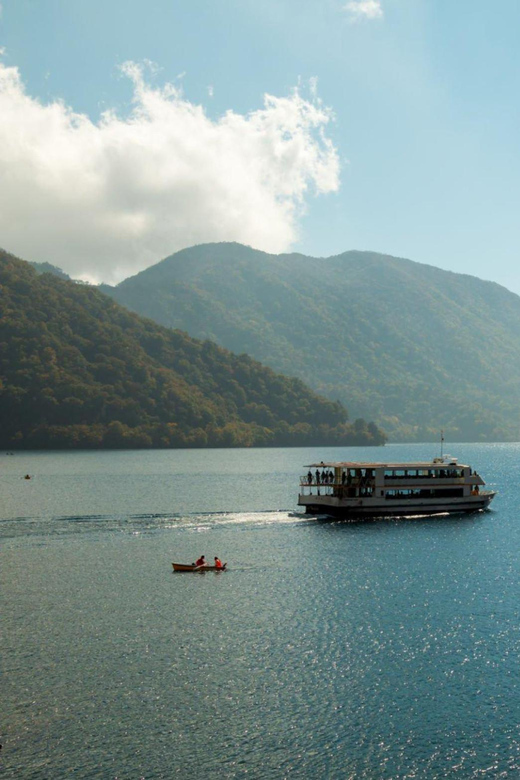
Next comes Lake Chūzenji, an alpine lake at the base of Mount Nantai. It’s the moment where the pace softens. You stop for photos, take in the area, and there’s time for a walk and even a coffee tasting option.
This is the part I’d describe as emotionally useful. Nikko can feel busy once you hit the shrine grounds, so the lake break resets your energy. On windy days, the optional boat portion may not be as pleasant, and some visitors choose to skip it.
If you like photos, aim for the shoreline views rather than only the main overlook. Small changes in angle make a big difference with reflections and the mountain silhouette.
Also, this is a good time to regroup if you’re traveling with kids or older family members. The route tends to be easier here than later on the shrine and temple steps.
Kegon Falls: iconic waterfall power, timed for photos
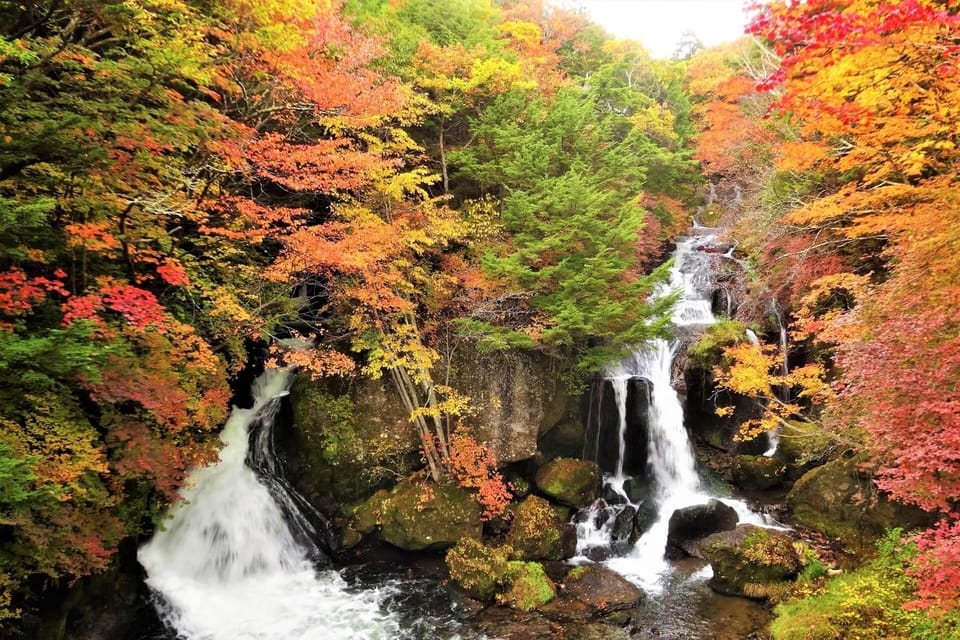
Then you hit Kegon Falls, one of Japan’s most famous. You get a photo stop, guided time on-site, and a chance to explore the waterfall viewpoints.
The best way to enjoy Kegon is to treat it as both a visual and a listening experience. The sight is dramatic, but you also feel the constant roar and misty energy. If it’s cold or wet, dress accordingly and keep an eye on footing.
A practical bonus: with a private setup, you can usually park closer and spend more time actually looking, not shuffling between far-off lots. That’s something people repeatedly mention with this service—drivers try to park as close as possible and walk you to the sites.
If you’re wondering whether you can see it in an efficient one-day loop: yes. But don’t rush. Give yourself at least a bit of time to watch how the water changes as you move.
You can also read our reviews of more historical tours in Tokyo

Tamozawa Imperial Villa Memorial Park: elegant and quieter than the shrines
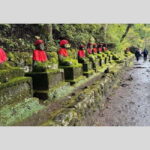
After the falls, you move to the Nikko Tamozawa Imperial Villa Memorial Park. This stop gives you a different texture: refined architecture, peaceful garden time, and a sense of how imperial retreats were designed around comfort and nature.
It’s not as loud as the waterfall section and not as visually dense as the Toshogu Shrine carvings. That’s exactly why it works. It’s a palate cleanser between the natural highlights and the main UNESCO complex.
You’ll get photo stops and free time, which is nice if you want to slow down and just wander. It’s also a good break if your legs are getting tired.
Toshogu Shrine: UNESCO details you’ll actually appreciate
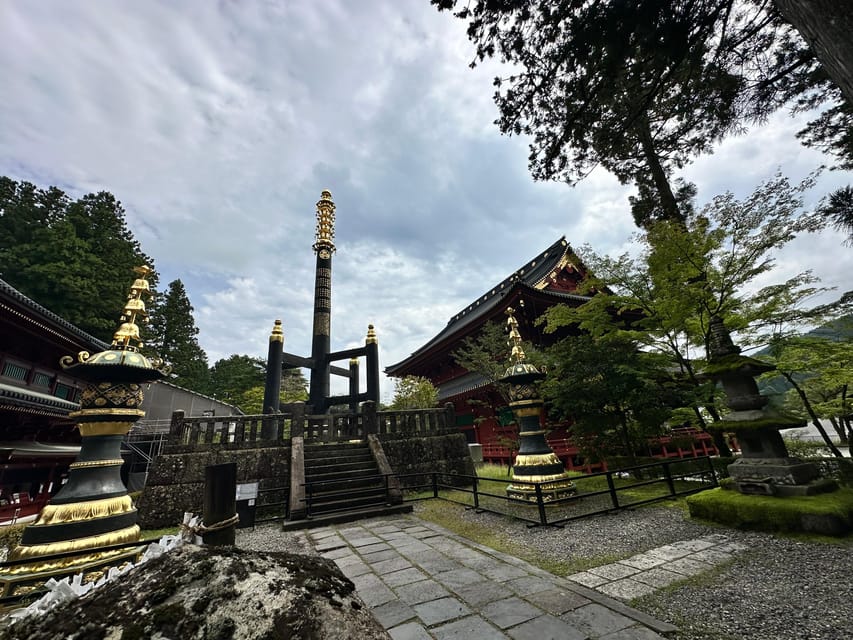
Now for the main event: Nikko Toshogu, a UNESCO World Heritage site and the heart of Nikko’s shrine culture. You’ll stop, visit, and get guided time here (about an hour).
This is the place where Nikko can feel like a movie set. Ornate buildings, carved details, and an atmosphere that’s both ceremonial and visually intense. If you only have one day, this is the stop you should care about most.
What makes a guided visit valuable isn’t just facts. It’s pacing. Your guide can point out what to look for first—where the best carvings are, how to read the layout, and which angles tend to photograph best without fighting crowds.
One small but meaningful detail from real experiences: guides like Jagroop Singh and Hamza have been praised for explaining sites clearly and helping with photo timing. If you get a driver who acts like a photographer too, you’ll come home with images that feel more intentional, not just “we stood there and clicked.”
After Toshogu, you’ll likely feel like you understand why Nikko became such an important religious and cultural center. The details start to feel connected rather than random decoration.
Rinno-ji Temple and Shinkyo Bridge: sacred Nikko in a simple circuit
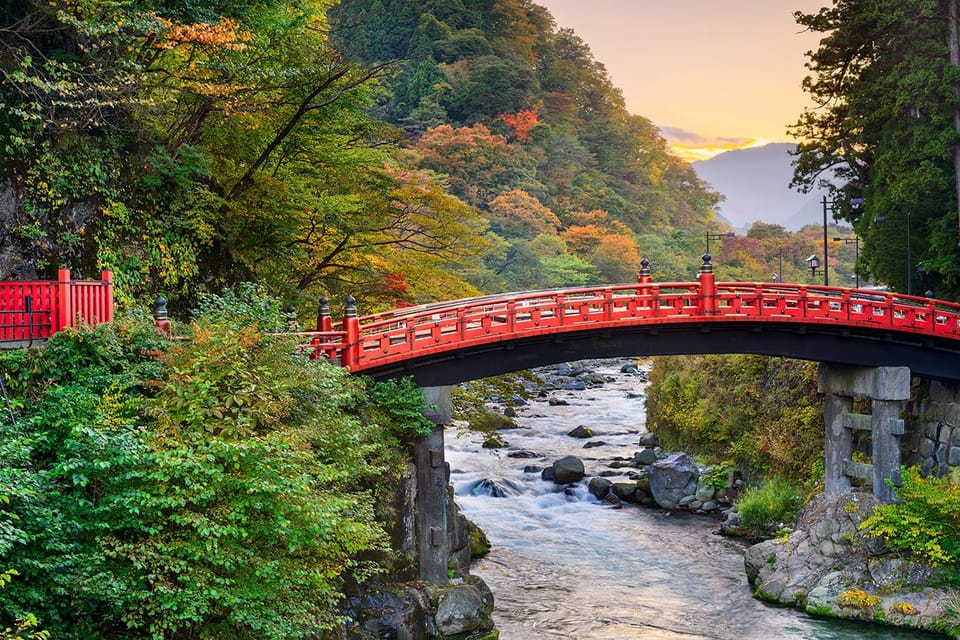
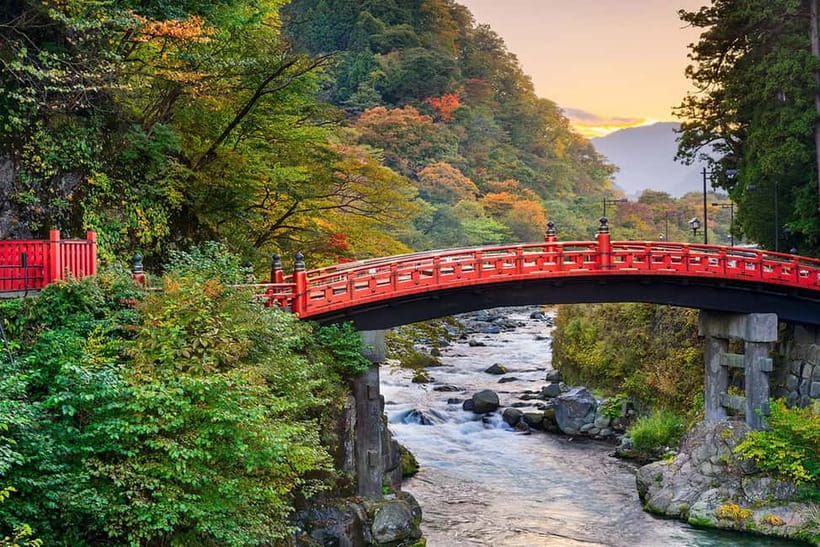
Once you’re in the shrine-temple rhythm, you’ll also visit Rinno-ji Temple (another major Buddhist complex) and Shinkyo Bridge, one of Nikko’s best-known sacred bridges and a top photo stop.
Rinno-ji is often a quieter, more contemplative contrast to Toshogu. It helps you see Nikko as layered—Shinto shrine culture alongside Buddhist temple history.
Then Shinkyo Bridge gives you the “classic Nikko” payoff. It’s photogenic for a reason: the setting, the water element, and the sense of ceremony. Even in short time, you’ll get a feel for why this area is so beloved in Japan travel culture.
If you’re picky about photos, I’d spend a little longer at Shinkyo rather than rushing through. Small repositioning can change everything—especially depending on light and how busy the area feels that day.
Optional Kanmangafuchi Abyss: nature walking with a story
If you add Kanmangafuchi Abyss, you’ll trade some shrine time for nature walking along a riverside path. It’s scenic and a bit different from the more formal temple layout.
There’s usually a lot of attention on how the stones, water, and tree-lined setting create a striking canyon feel. You’ll also see Jiunji Hondo Temple during this section, which adds a spiritual stop inside the nature-focused walk.
This is a solid choice if you want balance: one day in Nikko can get visually heavy, and the abyss walk gives you a break while still staying in the Nikko spirit.
Optional Edo Wonderland: time travel for families (and curious adults)
Another optional stop is Edo Wonderland, a theme park that recreates the Edo period. It’s especially appealing if you’re traveling with kids, or if you like Japan’s historical “costume realism” style.
You’ll have time to walk around and see the park atmosphere. For adults, it can feel fun rather than deep—like a cinematic rest day from shrine intensity.
If you’re going mainly for UNESCO heritage and nature, you can skip Edo Wonderland and use the time for extra quiet views around Lake Chuzenji or a longer walk at the waterfall.
How the day really feels: pacing, weather, and driver flexibility
This tour is built around a smooth flow: drive out of Tokyo, hit major sites, take breaks where needed, and return by the end of the day.
Still, Nikko is a mountain area, and weather is the wild card. Ropeway rides, boat time, and viewpoint comfort can change quickly. Plan for that. One person couldn’t take the cable car due to weather, but the day still worked because the guide adjusted the plan and kept the schedule moving.
Another real example of how flexibility helps: Jagroop Singh reportedly returned to the pickup point when someone forgot jackets, which is the kind of problem that can ruin a cold day. Others have praised guides for adjusting timing for what mattered most—shrines first, nature focus, or adding extra time when traffic allowed.
Also pay attention to pacing language in practice: some guides reportedly won’t rush you. That’s a big reason people score this tour so highly. The private format gives you permission to linger, ask questions, and take more photos without feeling like you’re holding up a big bus tour.
Price and value for up to 6 people: what you pay for
At $483 per group (up to 6 people) for a one-day private tour, this isn’t “cheap,” but it often lands as good value when you compare what’s included.
You’re paying for:
- a private luxury vehicle
- fuel, tolls, and parking
- an English-speaking driver
- hotel pickup and drop-off
- water plus photo assistance
- a flexible plan that can shift based on your group
What’s not included: entrance fees and meals/drinks. That means you’ll want cash handy. (And realistically, you’ll pay for at least one meal on the day.)
How I think about the math: if you’re a family or a small group, you’re essentially buying comfort and time. The big win is that you don’t spend your day figuring out transportation. For travelers who value control and comfort, this is often worth it.
If you’re traveling alone, the price still may feel high, but the benefit is strong if you hate logistics or want a driver who can tailor the order around your interests.
Who should book this private Nikko day trip
This is a great fit if you:
- want UNESCO Toshogu without transit stress
- like nature highlights (ropeway views, Lake Chuzenji, Kegon Falls)
- travel as a family, couple, or small group that prefers private pacing
- want an English-speaking driver who can help with timing and photos
It’s also a good choice if you have mobility limits but still want to experience Nikko. Some guided accounts describe drivers assisting with slippery slopes and walking areas, and parking close to sights. I can’t promise that for every situation, but it signals how the guides approach comfort.
Should you book this tour?
If you’re doing Japan on a tight schedule and you want Nikko in one day, I’d book this. The private vehicle, pickup/drop-off, and focused UNESCO + nature loop make it a practical use of time.
I’d reconsider only if you hate packed days, or if you’re already comfortable with DIY transit and want to spend less. Also consider weather: mountain conditions can change plans like ropeway or boat time.
For most people, the main reason to book is simple: Nikko deserves your attention, and this tour makes it easy to give it.
FAQ
How long is the Nikko World Heritage Site private trip?
It’s a one-day experience (about a full day).
How many people can the private group accommodate?
The pricing is per group up to 6 people.
What’s included in the tour price?
Included items are a private luxury vehicle, an English-speaking driver, fuel, tolls, parking fees, hotel pickup and drop-off, flexible sightseeing time, photo assistance from the driver, and water.
Are entrance fees and meals included?
No. Attraction entrance fees and meals/drinks are not included.
Where does pickup and drop-off happen?
Pickup and drop-off are offered from hotels, Airbnbs, and apartments across Tokyo City, Yokohama, Chiba, and Nikko. You can also send your pickup address for coordination.
What vehicle will we ride in?
The vehicle is matched to your group size and may be a Toyota Vellfire, Alphard, Luxury Lexus, Toyota Crown, or Toyota Land Cruiser. All are air-conditioned, clean, and maintained.
What language will the driver/guide speak?
The tour offers English-speaking support, and live tour guide languages can include English, Japanese, Italian, Arabic, Dutch, and Hindi.
What should I bring, and are there any restrictions?
Bring comfortable shoes and cash. Smoking and alcohol are not allowed in the vehicle.