REVIEW · TOKYO
From Tokyo: Nikko World Heritage Sight Full Day Private Tour
Book on GetYourGuide →Operated by Travel on smile · Bookable on GetYourGuide
Nikko feels worlds away from Tokyo in one day. A private tour like this is interesting because it bundles the biggest Nikko highlights into one smooth plan, with a guide and transport that handle the heavy lifting. I especially like the way the day centers on the Nikko Toshogu Shrine, with its famous carvings and standout details that make the UNESCO site feel personal, not just famous.
My second favorite part is the mix of culture and nature without the “rush, run, repeat” vibe. You get real time at Lake Chūzenji and Kegon Falls, plus a scenic ride on the Akechidaira Ropeway when weather allows. Even in winter, you’re set up to see Kegon Falls doing its dramatic thing, including icy formations from the right viewpoint.
One consideration: this is a full 10-hour outing with lots of walking and a lot of time on the road. Bad weather can also mean the ropeway closes, and you’ll want to dress for mountain conditions even when Tokyo feels mild.
In This Review
- Key things to know before you go
- A private Nikko day makes sense when time is tight
- The road from Tokyo: long enough to matter, short enough to enjoy
- Toshogu Shrine: the eye-candy gate to Tokugawa power
- Shinkyo Bridge: classic Japan photos with a real role
- Kanmangafuchi Abyss: 70+ Jizo statues and a quieter kind of awe
- Lake Chūzenji + Akechidaira Ropeway: panoramic views worth the effort
- Kegon Falls: 97 meters of drama, with winter icing up the show
- Edo Wonderland: a fun cultural add-on (without pretending it’s “the” main event)
- Price and logistics: does $362 per group feel fair?
- Small tips that make the day run smoother
- The kind of guides you’ll want to meet
- Who should book this tour?
- Should you book this Nikko World Heritage private tour?
- FAQ
- How long is the Nikko full-day private tour?
- Is hotel pickup and drop-off included?
- What places are included in the day?
- Are meals included?
- What languages are the live tour guides available in?
- What should I bring for this tour?
- What’s the maximum group size and price structure?
Key things to know before you go
- Skip-the-line entry via a separate entrance, so you spend less time waiting.
- A 10-hour private day with hotel pickup/drop-off and luxury air-conditioned transport.
- Toshogu details you’ll understand: Yomeimon Gate and the sleeping cat sculpture.
- Kanmangafuchi Abyss with 70+ Jizo statues—short, peaceful, and very photogenic.
- Panoramic viewpoints from the Akechidaira Ropeway up to Mount Nantai and Lake Chūzenji.
- Guide-led pacing plus help with photos, including a small amount of scheduled tea/coffee time at Kegon Falls.
A private Nikko day makes sense when time is tight
Nikko is popular for a reason. It’s a UNESCO World Heritage spiritual center surrounded by forests and mountains, and it’s easy to underestimate how long travel + ticket lines can take when you’re doing it solo.
With a private group (up to 6), you’re not stuck with the “one size fits all” rhythm. You get hotel pickup and drop-off and a ride that’s built for a long day: air conditioning, Wi-Fi, and highway tax handled. That adds up fast when you’re crossing Honshu for one-day sightseeing.
And yes, there’s a little value here beyond convenience. You’re also paying for guided context—so Toshogu doesn’t feel like a blur of gates and roofs. I like that the tour doesn’t just move you from spot to spot. It explains why the places matter.
You can also read our reviews of more private tours in Tokyo
The road from Tokyo: long enough to matter, short enough to enjoy
The day starts with pickup in Tokyo, then a van ride out that’s about 2 hours. That’s not short, but it’s also not the kind of trip where you feel trapped all day. Once you start ticking off the Nikko highlights, the travel time starts feeling like the “price” of reaching a place that would be annoying to assemble on your own.
Timing can matter. Some groups leave early enough to reduce crowd pressure, which makes a difference at the most popular photo spots and shrine entrances. The best move is to be ready at the lobby on time—drivers won’t wait more than 60 minutes after your scheduled pickup.
Toshogu Shrine: the eye-candy gate to Tokugawa power
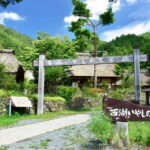
The first big stop is the Nikko Toshogu Shrine, dedicated to Tokugawa Ieyasu, the founder of the Tokugawa shogunate. This is the centerpiece of the area, and the tour puts you in the right flow so you’re not wandering while the important details slip by.
Plan on a guided visit that focuses on what you’re seeing: the intricate carvings, layered architecture, and the shrine’s forest setting that makes it feel like a world within the world. Two details people remember here are the Yomeimon Gate and the sleeping cat sculpture.
There’s also a Nikko Toshogu Art Museum photo stop built into the day. Even if you only glance at what’s there briefly, it helps you connect the art style and craftsmanship to what you’ll see across the shrine complex.
A drawback to keep in mind: the shrine areas involve walking and standing. It’s short at each segment, but you’re still on your feet. Comfortable shoes are non-negotiable.
Shinkyo Bridge: classic Japan photos with a real role
Next up is Shinkyo Bridge, the famous wooden bridge over the Daiya River. This is one of those stops that could feel like a simple photo break—until you realize it’s also a symbolic gateway to the Nikko shrines.
The guide-led walk and short sightseeing time help you see the bridge as more than a postcard. You’ll usually catch it framed by lush greenery (and in autumn, those same views can turn into orange and gold), which is exactly why it’s so heavily photographed.
Photo tip: this stop is short, so if you care about getting your own pictures (not just phone screenshots), tell the guide where you want to stand before you start drifting around.
Kanmangafuchi Abyss: 70+ Jizo statues and a quieter kind of awe
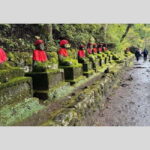
Then you head to Kanmangafuchi Abyss, a pathway lined with 70+ Jizo statues—linked to the spirits of children and travelers. This is different from Toshogu. It’s calmer, more reflective, and the setting feels tuned for a slower pace.
The walk itself is typically easy and meditative: you’re surrounded by nature and the sound of the nearby river, and the statues create a repeating pattern that’s easy to photograph. The path also leads toward Jiunji Hondo Temple, giving the stop a small “end point” feeling instead of just a line of statues.
If the day’s weather turns rough, this is still the kind of stop that works because it’s outdoors but not a steep climb. It’s also one of the easiest places to get memorable photos without needing fancy equipment.
You can also read our reviews of more historical tours in Tokyo
Lake Chūzenji + Akechidaira Ropeway: panoramic views worth the effort
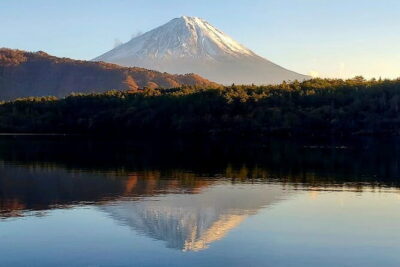
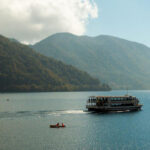
At Lake Chūzenji, you get a longer sightseeing window—about 1.5 hours. It’s a highland lake shaped by volcanic activity, known for clear water and dramatic mountain backdrops. If the weather’s cooperating, this is where the day’s “wow” factor starts to shift from buildings to bigger views.
The Akechidaira Ropeway ride is built for that. When it’s operating, you’ll go up toward an observation deck with panoramic vistas of Mount Nantai, Lake Chūzenji, and Kegon Falls in the same broad visual frame.
Here’s the real value: seeing how everything lines up from above makes the geography click. After that, the later waterfall stop feels more connected, not random.
Do be aware of the drawback: the ropeway may close due to bad weather. If that happens, the tour still moves—your guide will keep the day’s highlights intact as much as possible, and you’ll shift time to other nearby sights.
Kegon Falls: 97 meters of drama, with winter icing up the show
Kegon Falls is one of Japan’s most famous waterfalls, dropping about 97 meters into a rocky gorge. From the viewing area, it’s a “big moment” even if you’re not a waterfall person.
You’ll have time at Lake Chūzenji, then a visit to Kegon Falls with a mix of included and self-guided time. There’s also tea and a coffee tasting component, which is a nice break during a long travel day. It’s not a fancy gourmet detour; think of it as a chance to pause, warm up, and reset.
Season matters here. In winter, the falls can freeze, and you may get that ice formation look from the observation platform. In other seasons, you’ll still get the full plunge view and nearby trails and viewpoints for additional wandering if time allows.
Practical note: if you’re visiting in cool or icy weather, plan for slippery paths around viewpoints. That’s where good traction shoes earn their keep.
Edo Wonderland: a fun cultural add-on (without pretending it’s “the” main event)
The day also includes Edo Wonderland with traditional craft workshops and performances. I like this part because it gives your brain a break from solemn shrine context. You’re still in Japanese culture, just in a more hands-on and playful format.
Even with a short visit, you’ll get something to watch and something to do, which helps a day like this feel varied instead of repetitive. If you’re traveling with kids, this section can be a lifesaver for energy levels—especially after the outdoor walking and viewpoints.
Price and logistics: does $362 per group feel fair?
At $362 per group (up to 6 people), this isn’t a budget day trip—but it’s also not priced like a luxury-only indulgence. The value comes from stacking several “costly in time” items together:
- Private transport from Tokyo with Wi-Fi and highway tax handled
- Hotel pickup and drop-off
- Guide-led tours at major stops
- Skip-the-line entry via a separate entrance
- Photo help built into the experience
If you tried to do Nikko on your own, you’d likely spend time figuring out buses/trains, timing shrine entry windows, and losing chunks of daylight to logistics. Paying for a private driver and a guide is often cheaper than you think once you value your time and reduce stress.
It’s also a smart price structure for small groups. If you’re traveling as a couple or family, the per-person cost can drop quickly compared with separate taxis or multiple tickets for individual guided transfers.
Small tips that make the day run smoother
- Bring comfortable shoes. You’ll be walking a lot, even if each stop is timed nicely.
- Pack a hat, sunscreen, and water. Mountain weather can shift, and you still spend time outdoors.
- In winter or cold conditions, dress in layers. The area around Lake Chūzenji and Kegon Falls can feel much colder than Tokyo.
- Plan for the ropeway being weather-dependent. If it’s closed, don’t assume the day will be “ruined.” Your guide will adjust the flow.
- Smoking is not allowed.
- If you need extra help walking, note that some areas may not be accessible for mobility impairments.
One more practical idea from real-world experience: have cash ready for any entry fees you might be asked to pay. Even when much is included, it’s smart insurance for a smooth day.
The kind of guides you’ll want to meet
A big reason this tour gets high praise is the guide style. People often mention guides named Mirza / Mizra, plus drivers like Imran, Musa, Kashif, and Cheema, and the common theme is practical, friendly service.
What stands out is how many guides focus on photos and pacing: stopping for the right angles, helping you get good shots of your whole group, and keeping the day running even when crowds or weather change. One recurring pattern is adapting when the ropeway is affected by wind or conditions—shifting to other highlights so you still get a full Nikko day.
Who should book this tour?
This works best for you if:
- You want a one-day Nikko hit without juggling transit schedules
- You care about understanding Toshogu and not just taking photos
- You’re traveling with kids or mixed ages and want the comfort of private transport
- You’d rather spend time at the sights than in line or on the wrong bus
It’s not a fit if you’re very limited in walking, since the day includes multiple outdoor stops. Also, it’s not suitable for people over 95 years old.
Should you book this Nikko World Heritage private tour?
If you want Nikko’s big highlights—Toshogu Shrine, Shinkyo Bridge, Kanmangafuchi Abyss, Lake Chūzenji, Kegon Falls, and a ropeway viewpoint—this private day is a strong choice. The pricing makes sense when you factor in private transport, guided stops, and skip-the-line entry.
I’d book it if your priority is a smooth day with minimal stress and clear context. If you love DIY travel and don’t mind planning every leg yourself, you could go independently—but you’ll likely spend more time managing logistics than actually enjoying Nikko.
If the weather looks shaky, pack layers anyway. You’ll still have plenty to see, and your guide can keep the day moving.
FAQ
How long is the Nikko full-day private tour?
The tour duration is approximately 10 hours, including the start time.
Is hotel pickup and drop-off included?
Yes. Hotel pickup and drop-off are included in Tokyo and Nikko when you book. You should wait in the hotel lobby about 10 minutes before your scheduled time.
What places are included in the day?
The tour includes Nikko Toshogu Shrine, Shinkyo Bridge, Kanmangafuchi Abyss, Lake Chūzenji, Akechidaira Ropeway, Kegon Falls, and Edo Wonderland.
Are meals included?
No. Food and drinks are typically not included, so you should budget for dining.
What languages are the live tour guides available in?
The guide is available in Arabic, English, and Hindi.
What should I bring for this tour?
Bring comfortable shoes, a hat, a camera, sunscreen, and water.
What’s the maximum group size and price structure?
It’s priced at $362 per group for up to 6 people, and it’s a private group.