REVIEW · FUJIYOSHIDA
From Tokyo: Full-Day Mount Fuji Tour in English or Spanish
Book on GetYourGuide →Operated by JP Pacific Co, Ltd · Bookable on GetYourGuide
Fuji photos look easy. They are not, and that’s why this day feels special.
You get guided stops built around peak viewpoints, classic photography angles, and calm lake time—so you’re not just chasing a mountain, you’re seeing the Fuji area the way pilgrims and locals have for centuries.
What I like most is the mix of iconic viewpoints and practical pacing, plus the fact that you can do it in Spanish or English with a guide like Luis, who’s known for clear history and keeping you moving at the right times. The only real drawback: you’ll do stairs and walking, and it’s outdoors for long stretches, so you need solid shoes and a flexible attitude if weather turns.
In This Review
- Key highlights at a glance
- Entering the Fuji day: from Nishishinjuku to Fujiyoshida
- Arakurayama Sengen Park: the viewpoint with the religious gravity
- The step math (and your two routes)
- Why this stop is worth it even when Fuji is shy
- Chureito Pagoda: the Fuji postcard, explained and timed well
- Practical tip
- Honcho Street in Fujiyoshida: the walking lane that tells a story
- What to expect from the views
- Kitaguchi Hongu Fuji Sengen Shrine: the northern entrance with UNESCO status
- If Fuji access gets cut
- Oishi Park and Lake Kawaguchiko: gardens, stones, and 14 flavors of ice cream
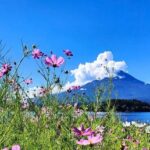
- Seasonal flowers and two garden areas
- The ice cream moment you’ll actually remember
- Comfort note
- Lake Kawaguchiko cruise: taking Fuji in at water level
- Price and value: what $90 buys you (and what it doesn’t)
- Language comfort: English or Spanish, with real-world usefulness
- Weather and expectations: plan for changing skies
- Who should book this tour, and who should skip it
- Should you book? My straightforward take
- FAQ
- How long is the Mount Fuji tour from Tokyo?
- Where do I meet the tour in Tokyo?
- What languages are available?
- What is included in the tour price?
- Is lunch included?
- How many steps are there to reach Chureito Pagoda?
- What should I bring for the day?
- What happens if Mount Fuji is closed?
- Is this tour suitable for very elderly travelers?
Key highlights at a glance
- Arakurayama Sengen Park + Chureito Pagoda for one of Japan’s most famous Fuji views, with a choice of step climb or an easier slope.
- A guided walk along Honcho Street in Fujiyoshida, tied to the old path to Mount Fuji.
- Kitaguchi Hongu Fuji Sengen Shrine inside the Mt. Fuji UNESCO World Cultural Heritage area, noted as a very old northern gateway to the sacred mountain.
- Oishi Park by Lake Kawaguchiko, with seasonal gardens plus 14 creamy ice cream flavors and local fruit.
- A Lake Kawaguchiko cruise to slow down and take in Fuji from the water.
Entering the Fuji day: from Nishishinjuku to Fujiyoshida
This is a full-day outing that starts in Tokyo’s Nishishinjuku area. Your meeting point is in front of the Robert Indiana sculpture LOVE, and your guide holds a sign for JP Travelers. They’ll introduce the day in Spanish as Fuji tour in Spanish, even if you’re booking English, so you can quickly confirm you’re in the right place.
Then you roll out by coach toward the Fuji region. The schedule is built for real sight time rather than rushing every stop in a blur. You’ll have a guided portion from start to finish, which matters here, because a guide doesn’t just point at Fuji—they explain what you’re seeing and why those exact spots became famous.
The day is about 10 hours, so think of it as a “one big day, lots of variety” plan. If you’d rather spend multiple days at fewer locations, this may feel like you’re moving often. But if you want the key hits of the Fuji area without planning a bus route and backtracking, it’s a strong way to go.
You can also read our reviews of more tours and experiences in Fujiyoshida
Arakurayama Sengen Park: the viewpoint with the religious gravity
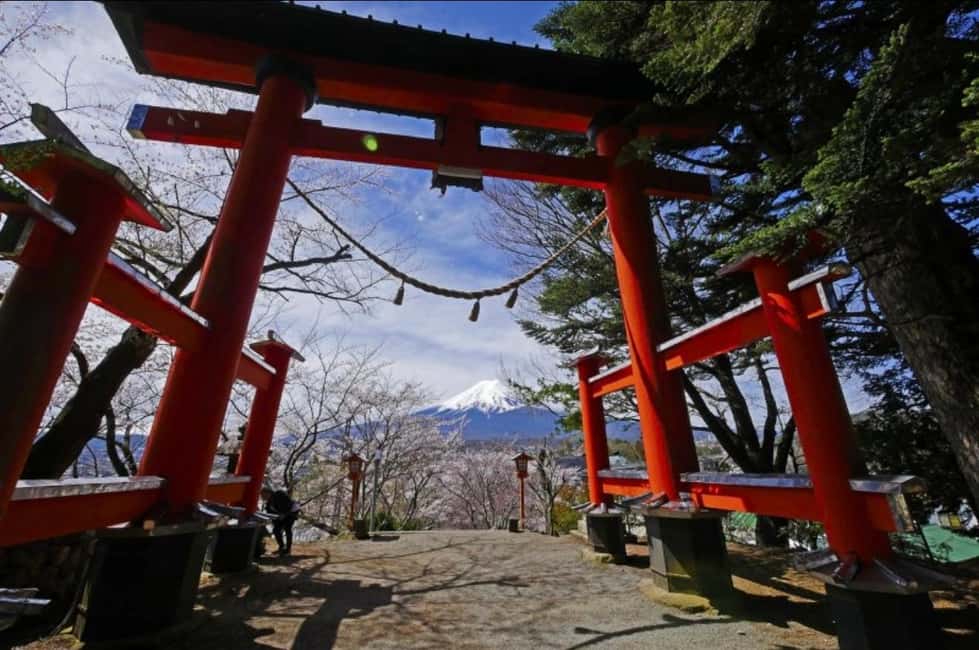
Your first major stop is Arakurayama Sengen Park Observatory, where the tour focuses on both scenery and meaning. This mountain area is sacred, and the guide will help you connect the dots between the dramatic views and the spiritual background of the site.
At Arakura, you’ll visit the Arakura Fuji Sengen Shrine. One of the reasons this stop works so well for a day tour is that it’s layered: you start with shrine history, then climb into the most photographed Fuji perspective in the region.
The step math (and your two routes)
This area gives you options, which is a rare gift on a group day. You can reach the Chureito Pagoda by:
- A route with 400 steps total: the first 100 steps lead you to the shrine area, then about 300 more steps carry you up toward the pagoda.
- An alternate path that goes up by a slope with no steps, where the view is also impressive.
You still reach the same place, so you can choose based on your comfort level that day. I like that this tour doesn’t force one climbing style on everyone—especially because weather and wind around Fuji can make even a “reasonable” climb feel like work.
Why this stop is worth it even when Fuji is shy
Even if Mount Fuji isn’t perfectly visible, the area still has value. The pagoda viewpoint is famous for a reason, but the shrine and the climb tell you how people experience this mountain: step by step, viewpoint by viewpoint, with a sense of arrival. That context makes your photos feel less like a souvenir and more like a moment.
Chureito Pagoda: the Fuji postcard, explained and timed well
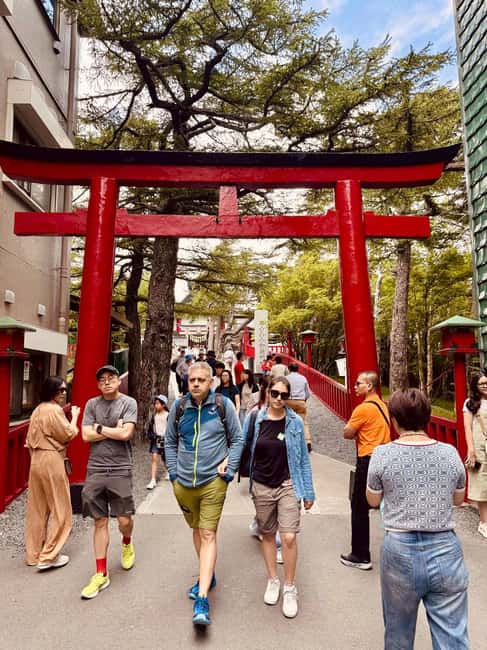
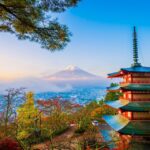
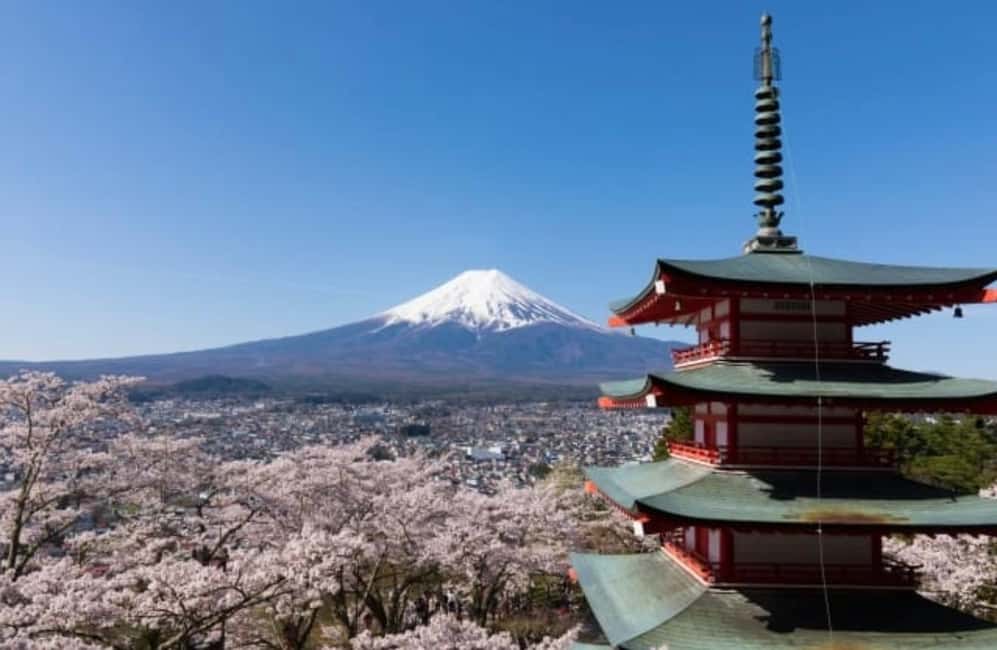
Next up is Chureito Pagoda, the classic five-story silhouette that people picture when they think of Fuji. The guide’s job here is to help you understand what makes this angle so effective—why the pagoda framing works, why the surrounding area matters, and where to stand for the most satisfying view.
This stop is a mix of guided talk and walking, so you’re not standing in one place for a long time. You’ll get time at the location for photos, and you’ll also get the “what to look for” guidance that makes your viewpoint feel intentional.
Practical tip
Bring your camera ready. Fuji views can change fast with cloud cover, and the day is long enough that you won’t want to scramble for gear at the worst moment. Also, if you pick the stairs route, plan to pause occasionally. The climb isn’t extreme, but it’s enough that you’ll appreciate a steady pace.
Honcho Street in Fujiyoshida: the walking lane that tells a story
After the high viewpoint experience, you shift into a more human pace on Shimoyoshida Honcho Street. This is a shopping street with traditional architecture and local shops, but it’s also meaningful because it’s linked to the old “Fuji Michi,” the path to the sacred mountain.
The guide explains that the street has historically served as an access and pilgrimage route. That turns a simple stroll into something more satisfying—you’re not just browsing stores, you’re moving along a corridor that has guided people toward Fuji for a long time.
You get about 40 minutes here, which is long enough to take in the street feel and grab something small if you want, but short enough that you don’t lose the day to browsing. If your group enjoys food stops, this is often the kind of section where you’ll end up slowing down naturally.
What to expect from the views
Honcho Street is also built for another Fuji perspective. You’ll be looking for sight lines between buildings and toward the mountain, which means your phone camera might be working as much as your eyes. Walk at a relaxed pace and watch for angles the guide flags.
Kitaguchi Hongu Fuji Sengen Shrine: the northern entrance with UNESCO status
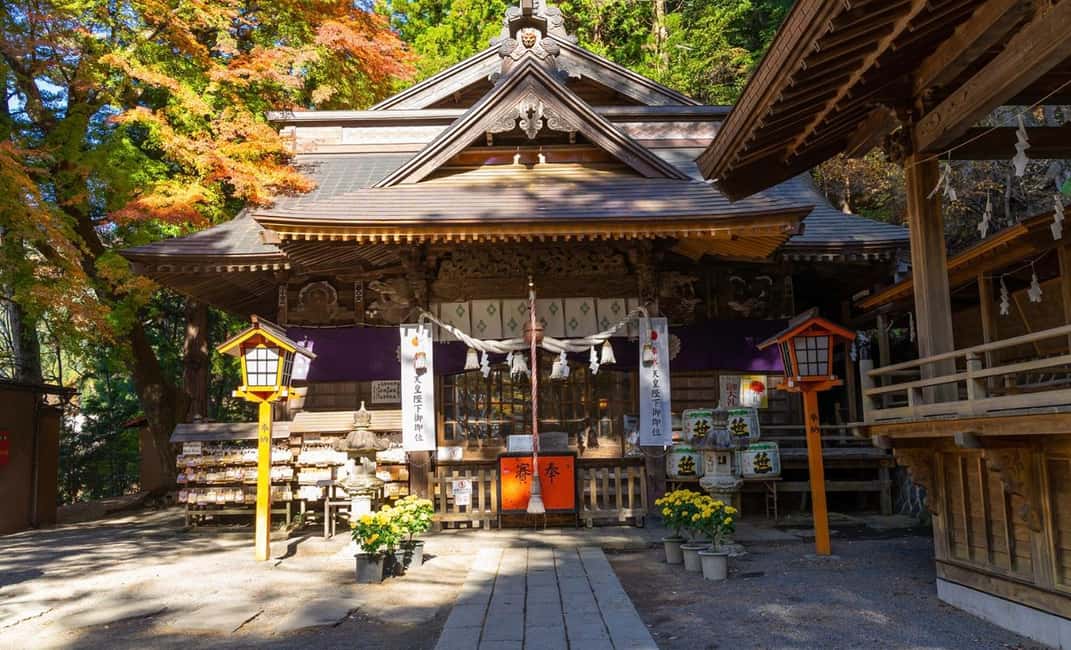
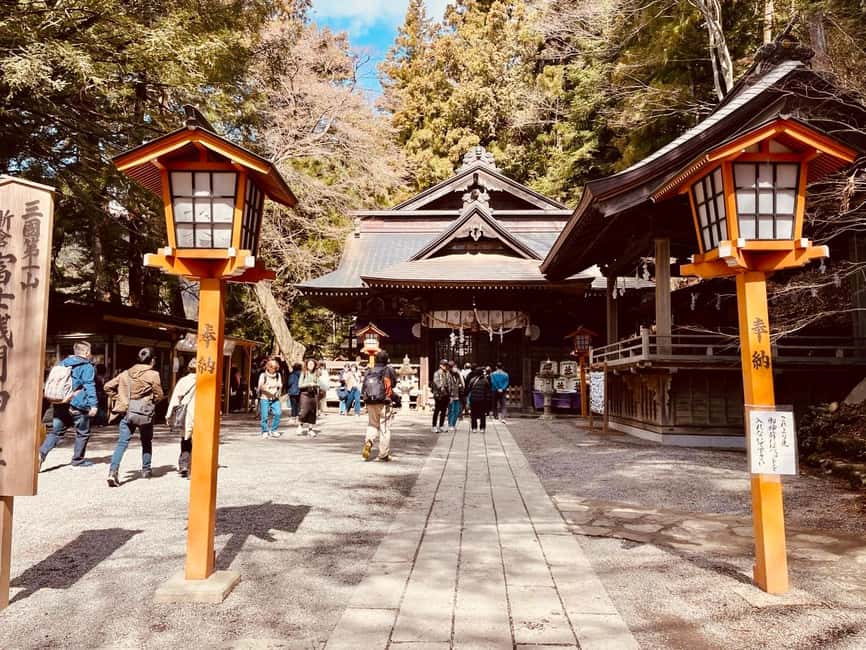
Next is Kitaguchi Hongu Fuji Sengen Shrine. This one carries special weight: it’s part of the Mt. Fuji UNESCO World Cultural Heritage listing and is described as the ancient northern entrance to Mount Fuji.
Your time here is guided, about 50 minutes, and it’s one of the stops where the history sounds less like a lecture and more like a map. The shrine’s origins are traced back to around 100 AD, connected to the legendary prince Yamato Takeru during his passage through the region. The guide also explains that this is a starting point for pilgrimage routes to the sacred mountain.
If Fuji access gets cut
There’s an important heads-up in the tour plan: if Mount Fuji is closed or entry isn’t permitted for reasons beyond anyone’s control, the day adjusts and the tour may focus more on Kitaguchi Hongu Fuji Sengen Shrine. So you still get a major sacred site even when conditions are rough.
If you care about cultural context, this is the stop that gives your photo day more backbone.
Oishi Park and Lake Kawaguchiko: gardens, stones, and 14 flavors of ice cream
From shrine and street, you move into a park experience at Oishi Park. This stop is about 50 minutes, and it’s set in front of Lake Kawaguchiko, the second largest lake around Mount Fuji.
Oishi Park is special because it’s tied to Fuji’s volcanic story. The park is built using stones recovered by local people from strong eruptions that shaped the region around the lake. It’s a memorial setting—so the gardens aren’t just pretty, they’re placed in a narrative of resilience and remembrance.
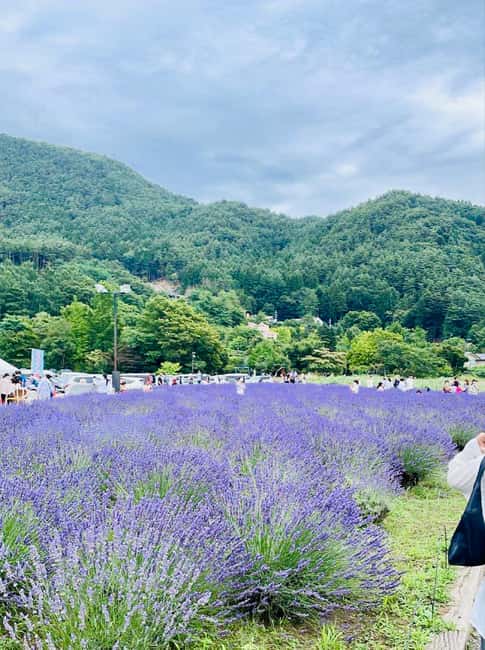
Seasonal flowers and two garden areas
You’ll walk through two gardens with seasonal flowers and greenery. Even if you’re not sure what you’ll see in a specific month, the idea is that this is a living garden stop—something softer after the climbs.
The ice cream moment you’ll actually remember
This is also where you’ll find a fun local detail: 14 delicious creamy ice cream flavors at Oishi Park. Lunch and drinks aren’t included, and the tour listing doesn’t include ice cream either, but the park setup makes it easy to grab a treat on your own. If you’re the kind of person who wants to taste something local (even if it’s just the joy of choices), this is a nice payoff.
You’ll also have time to buy area fruits and souvenirs.
Comfort note
Wear shoes you trust. You’ll be on your feet in multiple locations all day, and Oishi Park is part stroll, part lookout time.
Lake Kawaguchiko cruise: taking Fuji in at water level
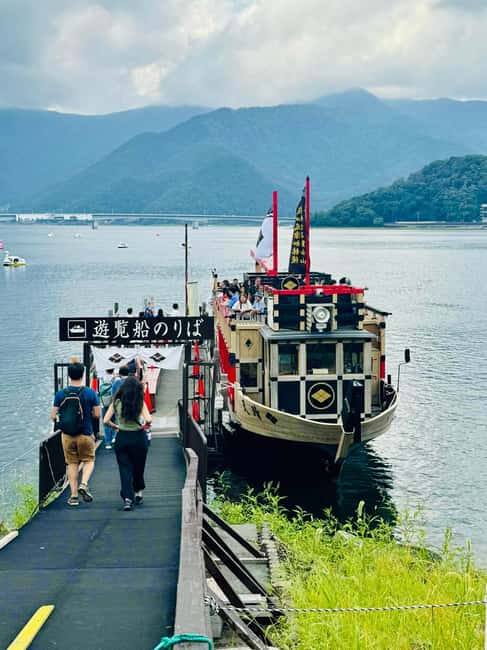
To end on a calmer note, the tour finishes with a cruise on Lake Kawaguchiko. This is around 40 minutes on the water, and it’s a smart contrast to the earlier temple climbing and stair routes.
The payoff here is perspective. Viewing Fuji from the shoreline is one thing. Seeing it from a moving boat is different—less effort, more time to watch the mountain as light and cloud cover shift. The lake also gives you a chance to rest your legs while still feeling like you’re doing something scenic.
Lake time is often where the day clicks for people, because you’re finally not rushing. You can take photos more slowly, and you don’t feel like the next step is always looming.
After the cruise, the tour returns you to the Nishishinjuku area, finishing near 1-chōme-8-8 Nishishinjuku.
Price and value: what $90 buys you (and what it doesn’t)
At $90 per person, this tour is positioned as a guided, all-in-one way to hit the top Fuji-area icons from Tokyo. You’re paying for convenience and interpretation: coach transportation, a live guide, entrance fees for the included sites, and the lake cruise.
What’s not included is also clear: lunch, snacks, drinks, and ice cream. Since food and treats can be a big part of your day’s comfort, I suggest budgeting for at least a sit-down lunch or a couple of snack stops. It’s not that you’re cut off from eating—you’re just expected to handle it on your own.
Is it good value? If you’re trying to replicate this day independently, you’d quickly spend time and mental energy lining up buses, timing entry tickets, and translating your way through shrine sites and viewpoints. For most people, paying for guidance plus transport makes the day easier—and in places like Arakura and Kitaguchi Hongu Fuji Sengen Shrine, the explanations genuinely help.
Language comfort: English or Spanish, with real-world usefulness
This is a live guided tour offered in English or Spanish. For many visitors, that language switch is the difference between passing by sites and actually understanding them.
A specific detail that stands out: guides have been praised for doing more than basic pointing. Luis, in Spanish-language experiences, is described as providing a strong flow of information through the day and staying patient while helping people communicate and understand the places.
So if your Japanese is limited—or you just want to enjoy the day instead of decoding everything yourself—this is one of the easier Fuji plans to choose.
Weather and expectations: plan for changing skies
Mount Fuji is famous for its dramatic looks, but it’s also famous for being temperamental. Weather can change quickly, and the tour is outdoors most of the day.
That’s why I’d treat your day like this:
- Bring sunscreen and water, even in cooler months.
- Wear comfortable clothes for shifting temperatures.
- Pack comfortable shoes for stairs and walking.
- Have a plan for your photos: capture early, then keep capturing. If the view opens, you’ll want to be ready.
And if Mount Fuji is closed or restricted, the tour includes a built-in adjustment toward Kitaguchi Hongu Fuji Sengen Shrine, so your day doesn’t completely fall apart.
Who should book this tour, and who should skip it
This tour is a good fit if you want:
- The big-name Fuji sights in one day: Arakurayama Sengen Park, Chureito Pagoda, Honcho Street, Kitaguchi Hongu Fuji Sengen Shrine, Oishi Park, and Lake Kawaguchiko
- Guided context in English or Spanish
- A mix of climbing (with options), walking, and a relaxing finish on a lake
It’s not suitable for people over 95 years. Also, if you have mobility limitations and stairs are a problem, choose carefully. The tour does offer a slope option at Arakura, but you’ll still be walking for many parts of the day.
If you love slow travel and want to linger for hours at each place, consider a multi-day plan instead. This is made for a full, efficient day.
Should you book? My straightforward take
If you want a Mount Fuji day trip that feels organized, guided, and photo-focused—this is a strong choice. The value comes from bundling transport, entrances, and the lake cruise, and from having a guide who can explain why each stop matters. The Arakura/Chureito combination is the headline, Honcho Street adds culture without heaviness, Oishi Park gives you seasonal beauty plus the fun ice cream payoff, and the Lake Kawaguchiko cruise is the perfect “exhale” at the end.
If you don’t handle walking and stairs well, or you’re hoping for a super private, slow experience, you’ll probably feel rushed. But if you’re ready for a real day out with built-in viewpoint strategy, book it and plan your comfort gear like it’s a hike day.
FAQ
How long is the Mount Fuji tour from Tokyo?
It runs for 10 hours.
Where do I meet the tour in Tokyo?
Meet in front of the Robert Indiana sculpture LOVE. The guide will have a sign for JP Travelers.
What languages are available?
The live guide offers Spanish and English.
What is included in the tour price?
Included are bus transportation, the guide fee, entrance fees for the listed sites (Arakurayama Sengen Park, Arakura shrine, Chureito Pagoda, Honcho street walk, Oishi Park), and the Lake Kawaguchiko cruise.
Is lunch included?
No. Lunch, snacks, drinks, and ice cream are not included.
How many steps are there to reach Chureito Pagoda?
One route uses about 400 steps total, with the first 100 steps toward the shrine and the next 300 steps toward the pagoda. There is also a slope route without steps.
What should I bring for the day?
Bring comfortable shoes, a camera, food and drinks, sunscreen, water, and cash.
What happens if Mount Fuji is closed?
If Mount Fuji is closed or entry isn’t permitted, the tour will instead visit Kitaguchi Hongu Fuji Sengen Shrine.
Is this tour suitable for very elderly travelers?
No. It is not suitable for people over 95 years.