REVIEW · FUJIYOSHIDA
Fuji/Hakone Private Tour, English speaking guide, Photograph
Book on GetYourGuide →Operated by Explore Japan Together · Bookable on GetYourGuide
A day that feels like a photo assignment with a brain. This private Mount Fuji and Hakone outing is built around flexible timing and big-picture scenery, from Oshino Hakkai’s mirror ponds to the dramatic viewpoints around Hakone. I love the way the route packs in signature spots without feeling like a rushed bus tour, and I also like the photo-forward approach thanks to a professional photographer who guides you where to stand and how to shoot. One watch-out: you’ll do a moderate amount of walking, and spring/autumn weather can shift fast, so your layers and shoe choice matter.
What makes this especially practical is the private format and the option to tailor the day. You’re in an air-conditioned van with free WiFi, picked up from several areas, and guided in English with time for breaks and a lunch stop you can steer. If you’re hoping for zero stairs and zero crowds, you might need to plan your expectations, because the stops are popular for a reason.
In This Review
- Key points before you go
- Why this Fuji/Hakone private day works better than DIY
- Pickup and getting moving: van comfort, WiFi, and real schedule control
- Oshino Hakkai: those mirror ponds and why they’re worth the early push
- Mt. Fuji 5th Station and the big question: will Fuji be visible
- Chureito Pagoda: Japan’s Fuji framing technique
- Fuji-kawaguchiko lunch break: use it like a strategy, not a pause
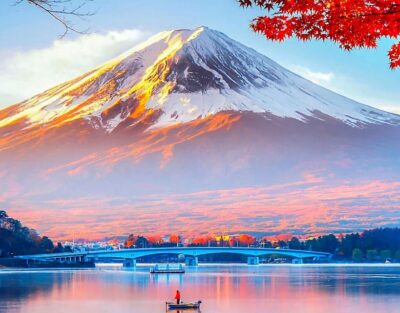
- Lake Kawaguchiko: the “Fuji reflection” moment and the rides
- Oishi Park and Kitaguchi-hongu Fuji Sengen Shrine: two different feelings
- Saiko Iyashi-no-Sato Nenba: the village stop that adds texture
- How the Hakone portion changes the vibe: steam, ropeways, and the shrine finale
- Photography, pro camera tips, and why WiFi is more useful than it sounds
- What you pay for ($357 per group) and what you’ll still need to budget
- Walking, weather, and the small things that keep the day pleasant
- Who this tour is best for (and who might skip it)
- Should you book this Fuji/Hakone private tour?
- FAQ
- Do you have English-speaking guides?
- How many people are in a group?
- Where can you be picked up?
- Is lunch included?
- Are entrance fees included?
- Is WiFi and bottled water provided?
- Do you offer a Hakone option on the same day?
- Is the tour wheelchair accessible?
- What should I bring for the day?
Key points before you go
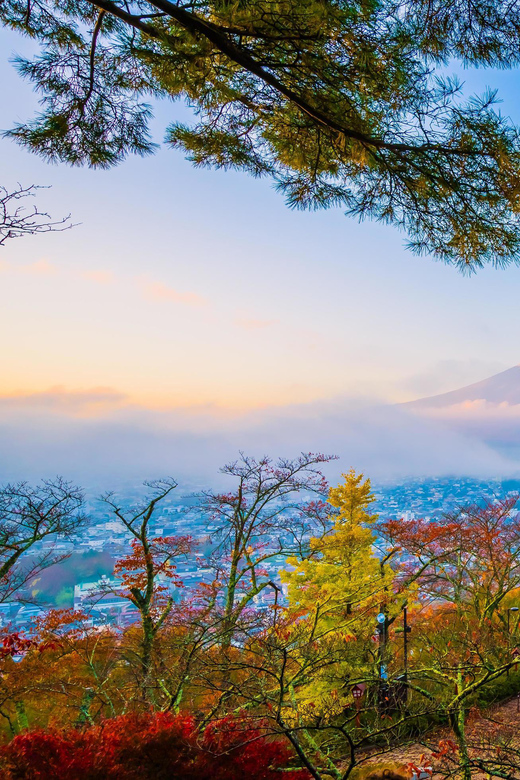
- Private group, up to 5 people: easier pacing and more chances for photos without shoulder-to-shoulder pressure.
- English-speaking guide + pro photo help: you get both storytelling and the practical “stand here” tips.
- Classic Fuji hits in one day: Oshino Hakkai, Chureito Pagoda, Mt. Fuji 5th Station, plus Lake Kawaguchiko views.
- Hakone add-on option: geothermal Owakudani and viewpoints via cable car/ropeway, with Hakone Shrine later in the day.
- WiFi in the van and bottled water: small comforts that help when the day runs long.
- Lunch time is yours to choose: you’re not locked into a set menu.
Why this Fuji/Hakone private day works better than DIY
Mount Fuji and Hakone are the two-day poster for Japan. The problem is timing. Both areas attract everyone, including people who planned badly and now pay for it with long lines and late starts.
This private setup fixes that. You’re not battling trains with a bag full of expectations. Instead, you’re on wheels from pickup through viewpoints, with an English guide who helps you get the right rhythm for each stop. That matters most at photo locations, where timing and light can make or break what you capture.
I also like that it’s not only scenery. You get context: shrines among tall cedar trees, a pagoda that frames Fuji like a photograph in stone, and a geothermal stop where the “volcano makes Japan” idea becomes real steam and smell.
You can also read our reviews of more guided tours in Fujiyoshida
Pickup and getting moving: van comfort, WiFi, and real schedule control
You can be picked up from several places: Tokyo, Saitama, Yokohama, and also Fujiyoshida or Hakone depending on your plan. That flexibility is huge if you’re not staying in central Tokyo, or if your trip already has Hakone baked in.
Once you meet your guide, you ride in an air-conditioned vehicle with WiFi and bottled water. The van time is substantial (the day begins with travel time before Oshino Hakkai), so this is not a “quick jaunt.” It’s a full-day logistics deal. You’ll use the time to get oriented, ask questions, and plan your photo priorities before the first viewpoint.
The guide’s flexibility is a big reason the tour feels less rigid. In past group experiences with this provider, Ahamed (the guide/driver name that comes up repeatedly) has adjusted the itinerary based on weather and what matters most to the group, and he’s communicated in advance. That kind of give-and-take is especially useful when Fuji is hiding in the clouds.
Oshino Hakkai: those mirror ponds and why they’re worth the early push
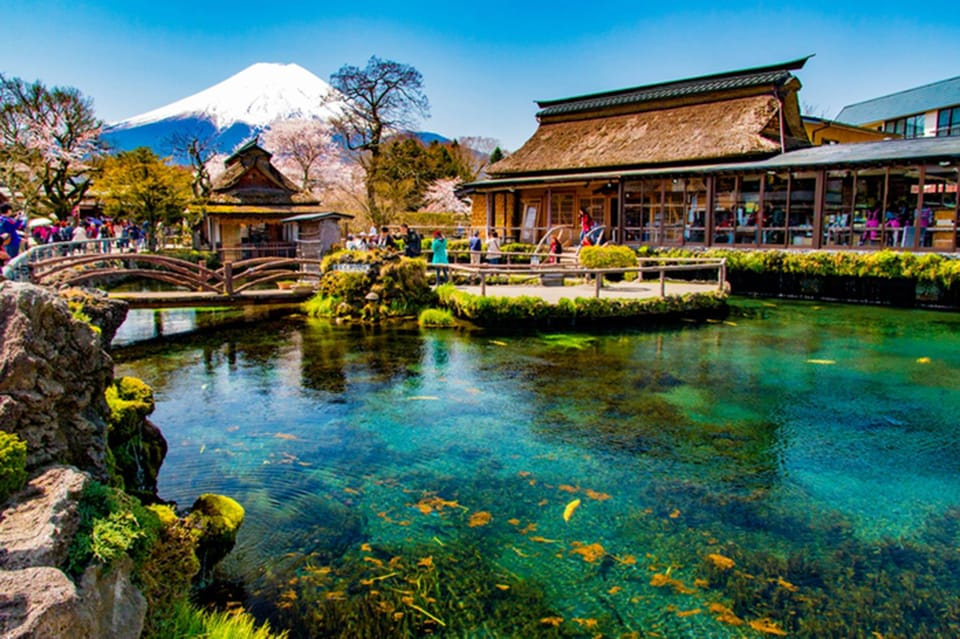
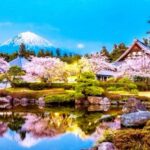
Your first major stop is Oshino Hakkai, known for crystal-clear ponds fed by Mount Fuji snowmelt. It’s a small village layout, but the ponds create a surprisingly magical effect. From the walkways, you get that classic “Fuji reflected on calm water” look when conditions line up.
Why this stop is valuable:
- The ponds are scenic without needing extreme stamina. You’ll stroll, look, and pause for photos.
- It’s a Fuji-region experience that feels more traditional and local than the big “viewpoint only” places.
Time on the ground is about 45 minutes, which is long enough to see the main pond areas and still keep the day on track for Mt. Fuji 5th Station and the pagoda.
Small practical note: bring your hat and sunscreen. This area is outdoors for much of the experience, and you’ll want shade for the moments you’re standing still for photos.
Mt. Fuji 5th Station and the big question: will Fuji be visible
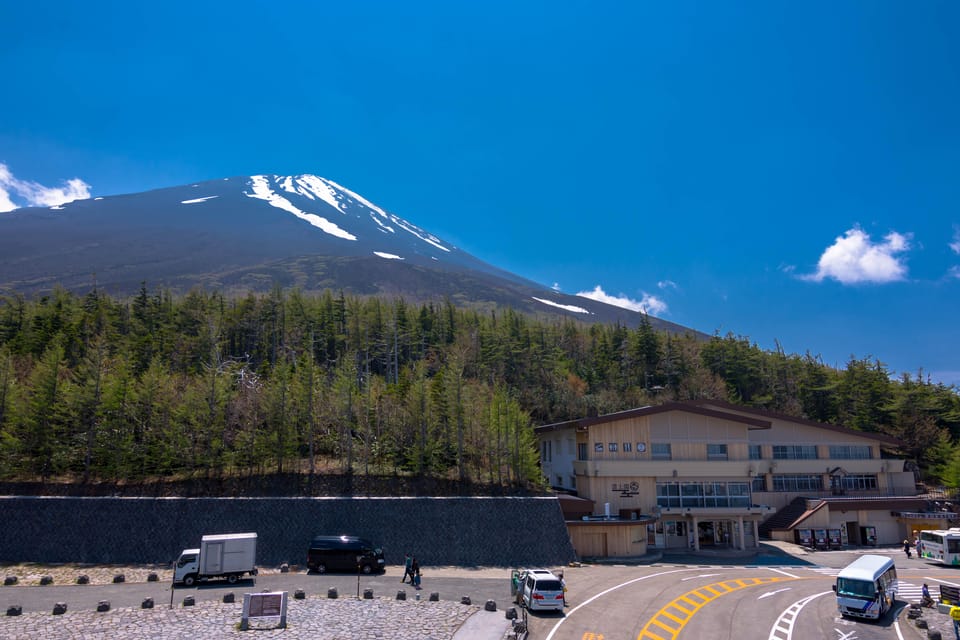
Then comes the headliner climb-by-car: Mt. Fuji 5th Station. Even without hiking to the summit, this is where the scale starts to feel real. Expect scenic driving and roadside views along the way, plus time at the station for sightseeing and a walk.
In the itinerary, you’ll have about 1.5 hours for this part. That’s enough time to:
- get a feel for altitude and atmosphere
- take photos from multiple angles
- take a breath (literally and figuratively) before moving to the next crowded viewpoint
The drawback to plan around: visibility. Fuji can be crisp and dramatic one day and cloud-soft the next. That’s why private flexibility matters. A good guide can nudge your timing and suggest the best moments to shoot based on weather.
Also, wear warm clothing. Even in months that feel mild in Tokyo, the mountain can be cooler, and wind can cut through quickly.
Chureito Pagoda: Japan’s Fuji framing technique
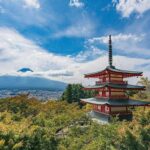
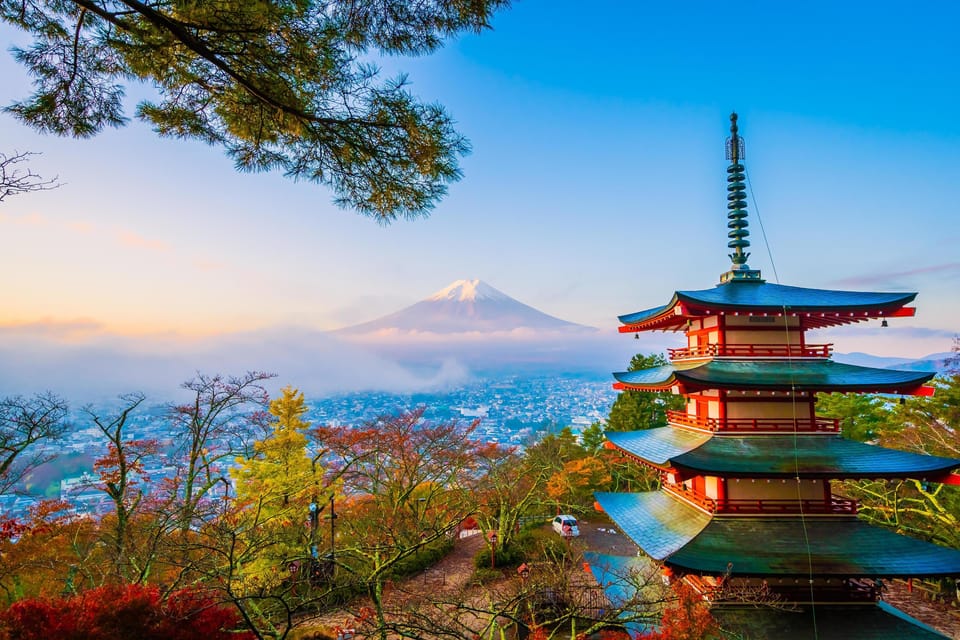
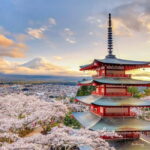
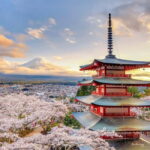
Chureito Pagoda is the five-story structure that’s famous for a reason. It’s one of the best “Fuji framed by architecture” scenes in the region. Depending on the season, you might see cherry blossoms or autumn colors, which adds that extra layer to the photo.
You’ll have roughly 45 minutes here. That’s a sweet spot: long enough to walk the viewpoints, but not so long that you lose the rest of the day to queues and shuffle.
What to expect on the ground:
- a short walk to reach the best angles
- people taking photos from the same spots you’ll want
- changing light as the sun moves, which is why a pro photo guide is useful
If you care about photos (and you probably do, since the tour includes pro camera support), this is where you’ll benefit most from guidance on positioning. A handheld “stand here” instruction can turn a mediocre shot into a keeper.
You can also read our reviews of more private tours in Fujiyoshida
Fuji-kawaguchiko lunch break: use it like a strategy, not a pause
Next is Fujikawaguchiko, with a break and a lunch window of about 45 minutes. Food isn’t included, but that’s also the benefit: you can pick what fits your taste and energy level without compromising the day’s itinerary.
In guide chats tied to past bookings, Ahamed has even pointed people toward quick local options like hotto noodles, which is a reminder that a guide can help you eat like a local rather than defaulting to the nearest tourist menu.
Practical tip: use lunch to reset your legs. You’ll still have walking ahead, plus the next lake and park stops.
Lake Kawaguchiko: the “Fuji reflection” moment and the rides
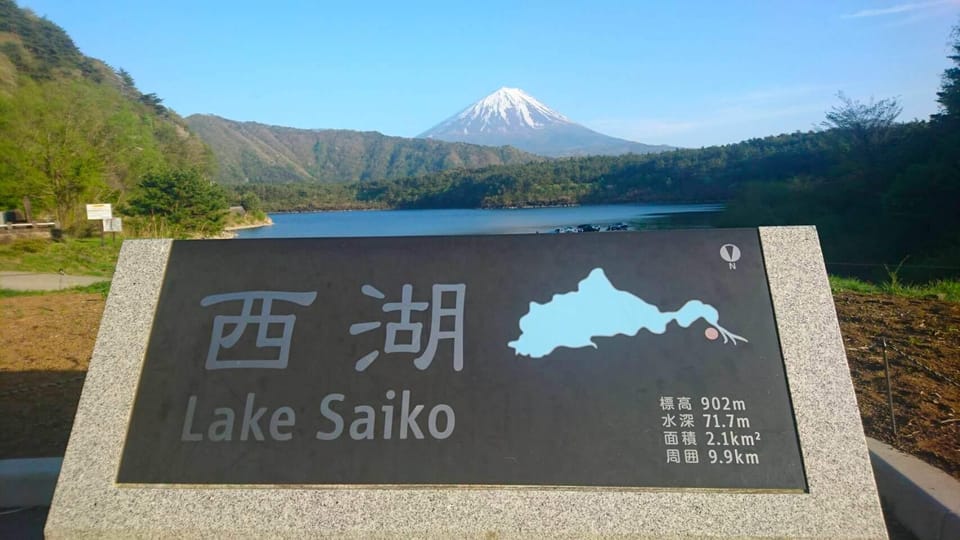
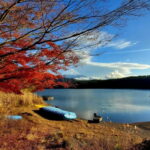
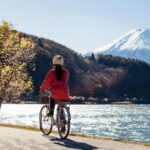
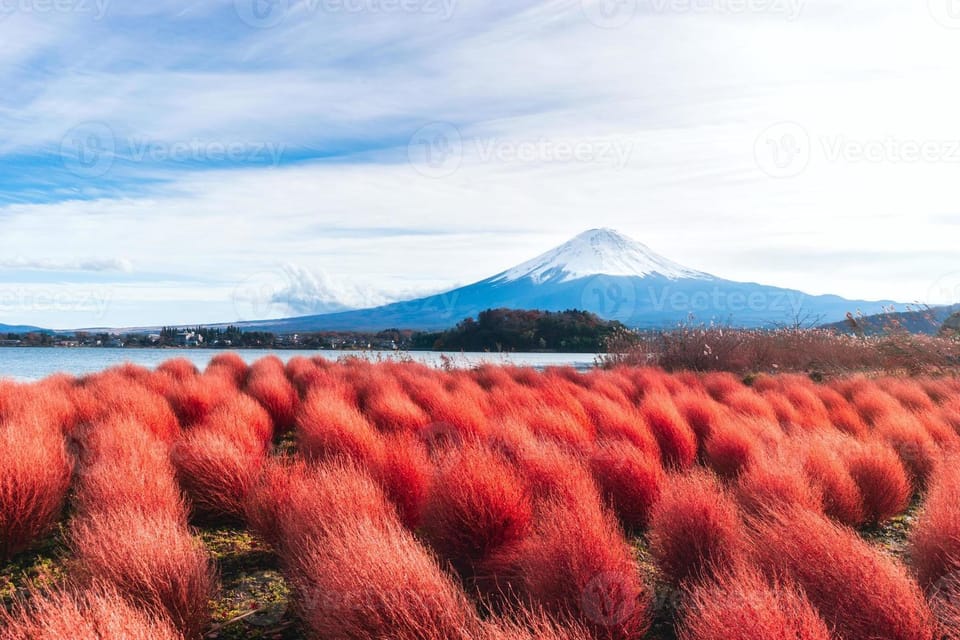
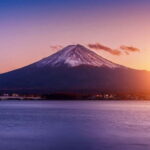
Then you move to Lake Kawaguchiko for sightseeing plus time that can include an airboat ride and a duck boat ride (these are listed as part of the time at this stop). You also get that iconic calm-water setting where Mount Fuji can reflect—when it’s visible.
This section is short, around 30 minutes, so think of it as an experience burst:
- you get lake views quickly
- you get a different perspective than standing still
- you still have enough daylight for the final outdoor stops
Why I like this approach: it breaks up the day. Pagoda and station are mostly standing and looking. A boat ride adds motion and changes the angle on Fuji and the shoreline.
Oishi Park and Kitaguchi-hongu Fuji Sengen Shrine: two different feelings
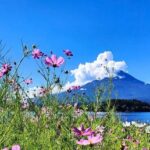
After the lake, you’ll head to Oishi Park for about 30 minutes. It’s a flower-garden style viewpoint where blossoms (seasonal, as nature allows) frame Mount Fuji and the lake. Even when the flowers aren’t the star of the show, the park still gives you an organized place to take photos and breathe.
Then you visit Kitaguchi-hongu Fuji Sengen Shrine (also about 30 minutes). This stop feels calmer and more grounded. Instead of purely scenic framing, it’s spiritual space tucked among towering cedar trees. Shrines in Japan aren’t just decorations; the setting changes how you walk, how you pause, and how you look.
What to consider here:
- It’s walking time in an outdoor environment.
- Quiet moments can be interrupted by the overall flow of people, especially at peak times.
Bring a camera, but also take a few seconds without it. In this part of the day, the best “photo” might be the moment you actually notice the architecture and the stillness.
Saiko Iyashi-no-Sato Nenba: the village stop that adds texture
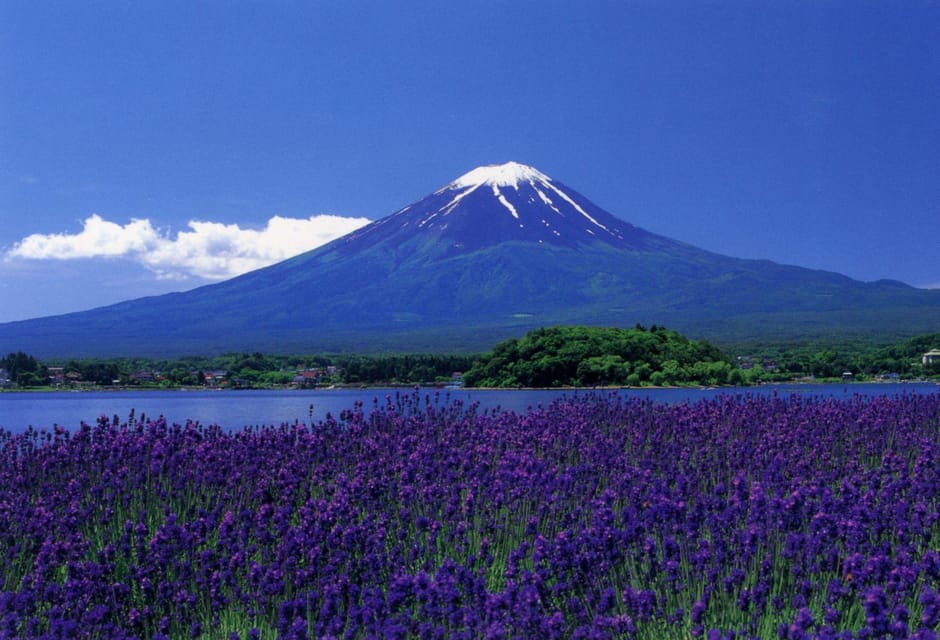
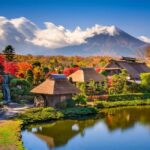
Your next cultural pause is Saiko Iyashi-no-Sato Nenba. Expect sightseeing and walking in a setting designed to capture a traditional village vibe. Time here is about 30 minutes.
Why this matters in a Fuji/Hakone day: after pagodas, stations, and lakes, you need something that feels slower and more human-scale. This village-style stop gives you that texture.
The tour still keeps momentum, though, so don’t expect a long museum-style experience. It’s more like “step into the setting, see the key sights, then move on.”
How the Hakone portion changes the vibe: steam, ropeways, and the shrine finale
If you choose the option that includes Hakone, the day shifts from lakes and classic Fuji framing to volcanic activity and layered viewpoints. Your schedule moves from Fuji-region stops into Hakone with scenic driving, then geothermal Owakudani and the cable-car/ropeway sequence.
At Owakudani Valley, you’ll see steam rising from the geothermal area. The famous black egg detail is mentioned as a must-try local delicacy tied to the volcanic heritage (not something you’re guaranteed to eat, but it’s the local specialty worth knowing about). You’ll also have time for a cable car ride (about 30 minutes here).
Next comes Hakone Ropeway for about 1 hour. This is where you get wide views and a different “from above” feeling. If your Fuji visibility earlier in the day was mixed, this is another chance for clear sightlines (again, weather decides, but the route gives you multiple shots on goal).
Then you finish at Hakone Shrine with guided sightseeing for about 1 hour. This is a strong closing note: less adrenaline than Owakudani, more reflection after the sensory volcanic stop.
Practical caution: ropeways and cable cars can bring temperature changes and wind on exposed segments. Warm clothing helps again.
Photography, pro camera tips, and why WiFi is more useful than it sounds
This is not a “point-and-shoot and hope” tour. A professional photographer support is included, plus the chance to take photos using a professional camera. That’s the difference between taking pictures and getting images you’ll actually print.
Here’s what that means for you on the ground:
- You’ll be guided to photo angles at the main stops (ponds, pagoda views, lakes).
- You won’t waste time guessing which spot gives the best Fuji framing.
- You can relax more during the scenic moments, instead of constantly thinking about settings.
Also, free WiFi in the van is genuinely handy. You can check weather updates, look at your last shot’s framing, and plan your next stop photo priorities without burning mobile data.
If you’re traveling solo, it also solves the classic problem: who takes your photo with Fuji behind you. In a private setting, the guide/photographer can handle that.
What you pay for ($357 per group) and what you’ll still need to budget
The price is $357 per group up to 5 people. That’s the sweet spot of private tours: you’re not paying per person, so families and small groups can make it make sense fast.
Value check:
- You get hotel pickup and drop-off
- English-speaking guide
- Private transportation with WiFi
- Bottled water and parking fees
- Professional photographer and photo support
- A full day that covers multiple major sights
What’s not included:
- Food and drinks (lunch is on you)
- Entrance fees (some stops may have them)
So your real budget is the group price plus meals plus any entrance fees you encounter. If you’re the type who wants to eat well and maybe buy one or two local items, build that in. The good news is your lunch window and break time give you control.
Walking, weather, and the small things that keep the day pleasant
This tour includes a moderate amount of walking. That doesn’t mean you’re hiking for hours, but it does mean comfort matters. Here’s what I’d prioritize if I were packing for it:
- comfortable shoes
- warm layers (especially if you’re going up to Mt. Fuji 5th Station areas)
- hat and sunscreen
- camera (you’ll use it more than you think)
Then watch the weather forecast. Spring and autumn transitions are the tricky ones: conditions can change quickly, which affects visibility of Mount Fuji and even how pleasant outdoor spots feel. The route has multiple “Fuji chances,” which helps, but you still want to dress for reality.
Who this tour is best for (and who might skip it)
This is a strong fit if:
- You want Fuji and Hakone in one day without building the logistics yourself
- You care about photos and want guidance (not just sightseeing)
- You’re traveling as a couple, family, or small group (up to 5)
- You’d rather have flexible pacing than a strict group schedule
It may not be ideal if:
- You dislike any moderate walking
- You want total downtime with no movement between stops
- You prefer a DIY budget where you control every train and ticket line yourself
Private is also great for families. In past experiences with this provider, the guide has handled groups with kids by adjusting pacing and priorities, which is a real practical advantage when you’re coordinating energy levels.
Should you book this Fuji/Hakone private tour?
If your goal is maximum Japan-per-day—classic Fuji views plus Hakone’s volcanic contrast—this tour is a smart bet. The private format, English guidance, and professional photo support are where the value really shows, especially for groups up to 5. The itinerary is packed, so you’ll want to show up rested, wear good shoes, and accept that weather can change Fuji visibility.
If you’d rather spend less time in transit and skip any ropeway/cable-car elements, consider a shorter Fuji-only day. But if you want one coordinated shot at seeing the Fuji region and then flipping gears into Hakone, this is built for that.
FAQ
Do you have English-speaking guides?
Yes. The tour includes an English-speaking guide.
How many people are in a group?
It’s a private group with a maximum of 5 people.
Where can you be picked up?
Pickup options include Fujiyoshida, Hakone, Yokohama, Saitama, and Tokyo (with an exception for Naita Airport). Hotel pickup and drop-off are included.
Is lunch included?
Lunch is not included. You’ll have a break and lunch time where you can choose a local eatery.
Are entrance fees included?
No. Entrance fees are not included.
Is WiFi and bottled water provided?
Yes. The van includes WiFi, and bottled water is included.
Do you offer a Hakone option on the same day?
Yes. There is an alternative option that adds Hakone, after exploring two Fuji-area destinations.
Is the tour wheelchair accessible?
Yes, it is listed as wheelchair accessible.
What should I bring for the day?
Bring comfortable shoes, warm clothing, a hat, sunscreen, and your camera.