REVIEW · FUJIYOSHIDA
Tokyo: Private Mt. Fuji Luxury Day Tour – Fully Customizable
Book on GetYourGuide →Operated by Travels Luxurious Japan · Bookable on GetYourGuide
Mount Fuji, minus the scramble. This private day trip gives you flexibility with a luxury, air-conditioned ride and a driver who works around your pace. I also like the built-in comfort upgrades: hotel pickup in Tokyo’s 23 wards, plus Wi-Fi and bottled water so you start the day calm and ready.
One thing to plan for: the day can stretch, and weather can change what you can realistically see—so you may need to swap or skip stops, especially if you’re aiming for the closer Mt. Fuji views.
In This Review
- Key things that make this tour worth your time
- Private luxury Fuji days: the real advantage over group tours
- Hotel pickup in Tokyo’s 23 wards: where convenience turns into value
- The ride to Mt. Fuji: timing tactics that keep your day from slipping
- Mt. Fuji 5th Station: what you gain and what can go wrong
- Chureito Pagoda at Arakurayama Sengen Park: the Fuji postcard, minus the hassle
- Lake Kawaguchi and Oishi Park: calmer views that don’t feel rushed
- Oshino Hakkai: traditional spring village vibes near the Fuji foothills
- Narusawa Ice Cave and Saiko Iyashi-no-Sato: choose your flavor of Fuji-area culture
- Hakone and Lake Ashi add-on: when you want more than Fuji
- Food, stops, and how to keep a 10–12 hour day comfortable
- Price and value: what you’re really paying for at $387 per group
- Weather and view expectations: how to stay happy when Mt. Fuji plays hard to get
- Should you book this private Mt. Fuji luxury day tour?
- FAQ
- What is the price and group size for this Mount Fuji day tour?
- How long is the tour, and how much commuting time should I expect?
- Where does pickup happen in Tokyo?
- What’s included in the price?
- Is lunch included?
- Do I need to pay for Mt. Fuji 5th Station entrance?
- Is this tour private, and what languages can the guide use?
Key things that make this tour worth your time
- Pickup anywhere in Tokyo’s 23 wards so you don’t waste hours relocating
- Private luxury vehicle with Wi-Fi, bottled water, and air-conditioning for a long day
- Custom stops at your pace instead of marching with a crowd
- Photo-first targets like Chureito Pagoda and Lake Kawaguchi for classic Fuji views
- Optional add-ons such as Narusawa Ice Cave, Saiko Iyashi-no-Sato, Gotemba, or Hakone
- A guide-driver who helps with timing and photos, with English support plus other languages
Private luxury Fuji days: the real advantage over group tours
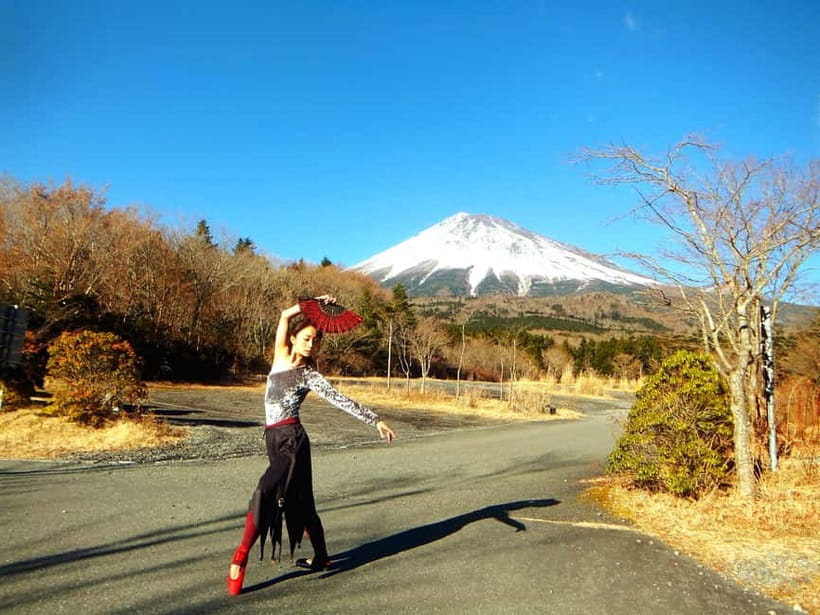
Tokyo to Mt. Fuji can be a long slog if you’re stuck with fixed schedules. With this format, you get a vehicle to yourself and a plan that can flex as the day evolves. That matters when visibility changes, traffic builds, or you simply want more time for one perfect viewpoint.
I like that the trip is designed around fewer, stronger stops. Instead of cramming in everything, you typically build a route around 4–5 main highlights, then add one extra experience if your timing works. The result feels less stressful and more like a day you control.
For families, couples, and small groups (up to 5), the private setup also makes photo stops easier. You can pause when the light is right, not when the tour bus finally decides it’s time.
You can also read our reviews of more private tours in Fujiyoshida
Hotel pickup in Tokyo’s 23 wards: where convenience turns into value
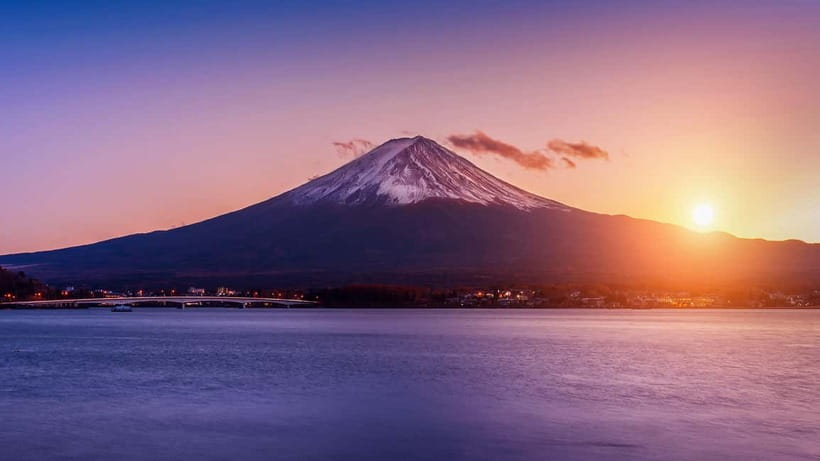
Pickup is the kind of detail that quietly makes a tour better. You can arrange pickup anywhere in Tokyo’s 23 wards, then get dropped back within common central areas. In practice, that means you don’t burn half a day getting to a meeting point you might not even love.
The ride itself is part of the appeal. You’re in an air-conditioned luxury vehicle with Wi-Fi and bottled water, plus complimentary coffee and water. On a day that can run 10–12 hours, those comforts are not a luxury detail—they’re what keep you fresh when you’re bouncing between viewpoints.
You’ll usually have an experienced English-speaking driver-guide. Depending on your group and timing, you might meet drivers such as Asif, Alex, or Ali, all of whom have been noted for patience and smooth pacing. The key point: you can ask questions, adjust priorities, and get help with timing and photo moments.
The ride to Mt. Fuji: timing tactics that keep your day from slipping
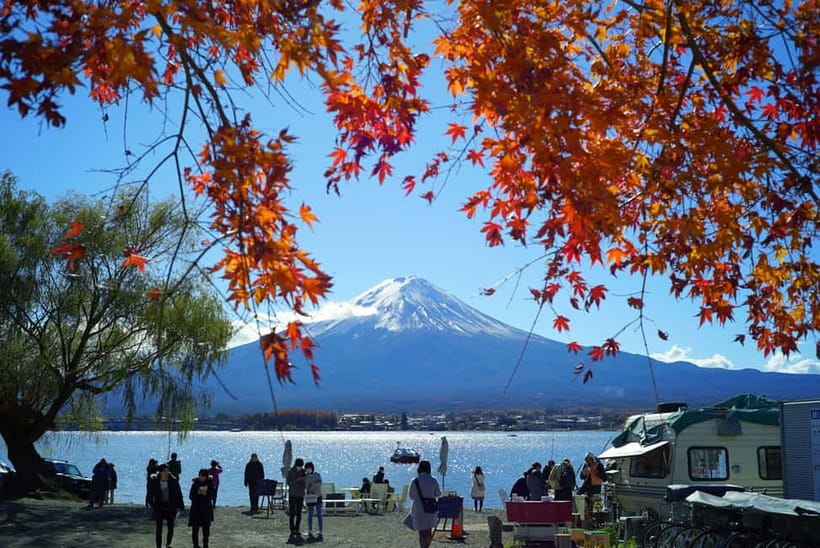
This tour is built for a full day, including commuting time. That means you want to use early planning like a tool, not an afterthought. One smart approach is to aim for a start time that helps you dodge heavy traffic, especially on the Tokyo side.
Your driver also helps you make the schedule work. In many cases, they’ll suggest which stop to hit first based on the day’s conditions, and they can help you position for photos. If you’re hoping for the clearest views, being strategic with order is a big deal.
If you want the closest Fuji experience, you’ll likely head toward Mt. Fuji 5th Station. If the weather doesn’t cooperate, you might need to shift your expectations and lean into the lake and village viewpoints instead. Either way, the private format gives you options.
Mt. Fuji 5th Station: what you gain and what can go wrong
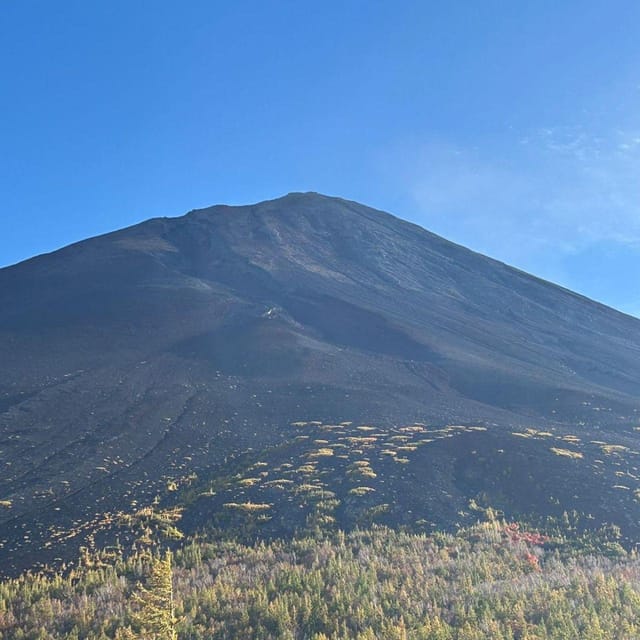
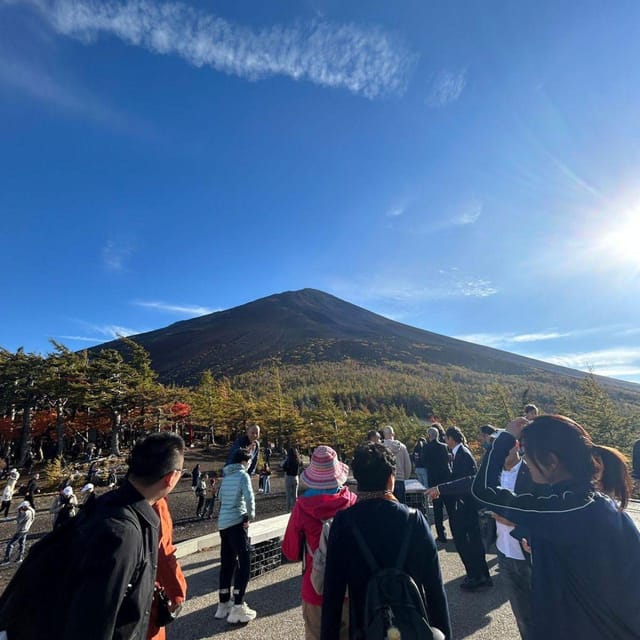
Mt. Fuji 5th Station is the classic “closer to the mountain” stop. You can expect a photo pause plus time to walk and sightseeing, usually about an hour if conditions allow. It’s often the place where you feel the mountain’s scale most clearly.
There’s also a practical cost to know about. Mt. Fuji 5th Station has an entrance fee of 2,800 yen, and that fee is not included. If you want to go up, budget for it ahead of time so you don’t get hit at the worst moment.
The main drawback here is weather and reality. Visibility can be limited, and sometimes road or conditions affect what’s possible. That’s not a flaw in the tour—it’s just Mt. Fuji being Mt. Fuji. The good news: you’re not stuck. With a custom day, you can adapt to lakeside views and nearby photo spots if the summit-area isn’t cooperating.
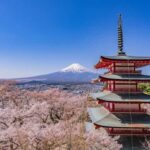
Chureito Pagoda at Arakurayama Sengen Park: the Fuji postcard, minus the hassle
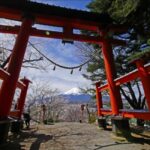
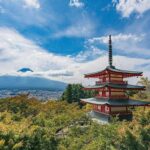
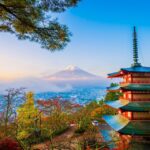
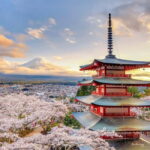
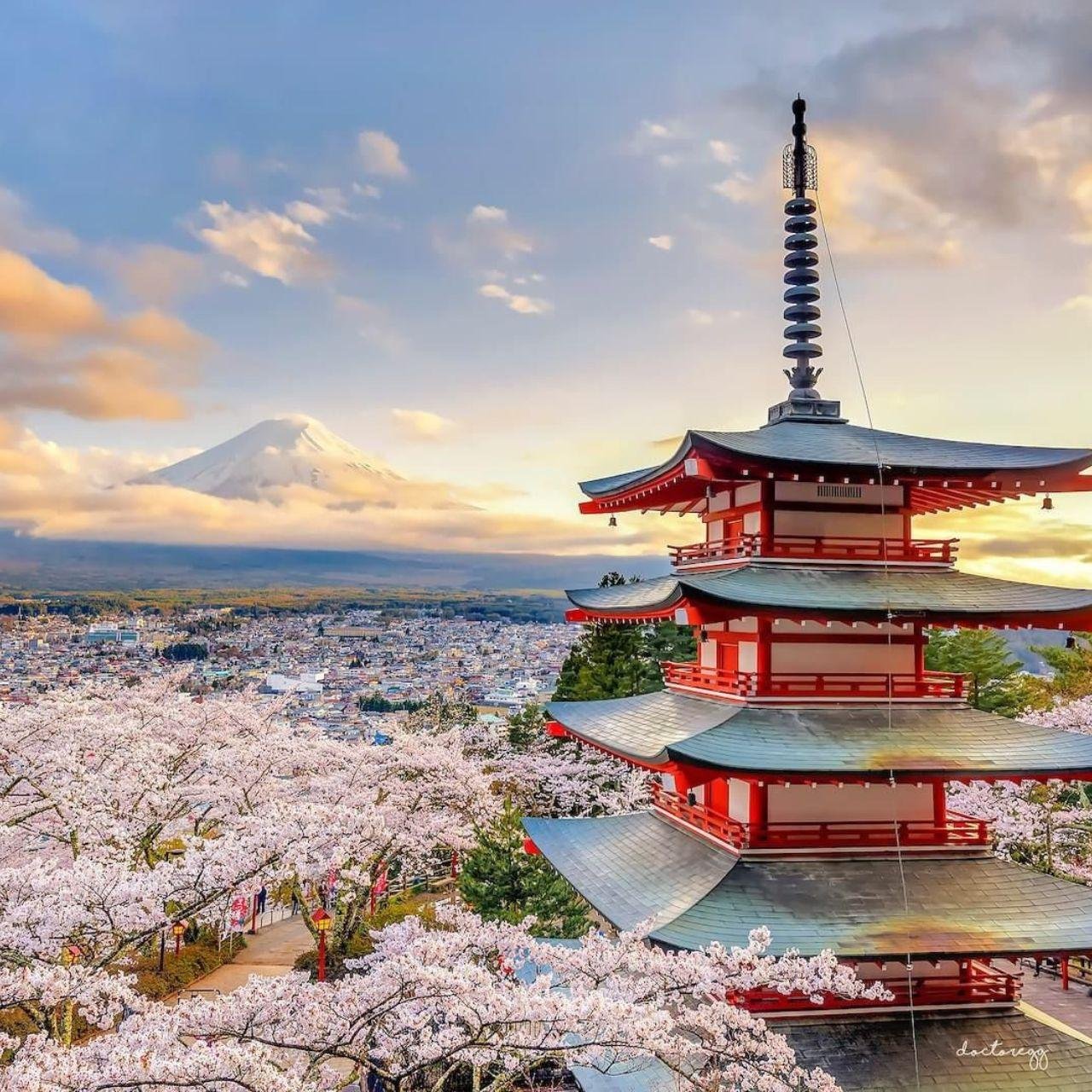
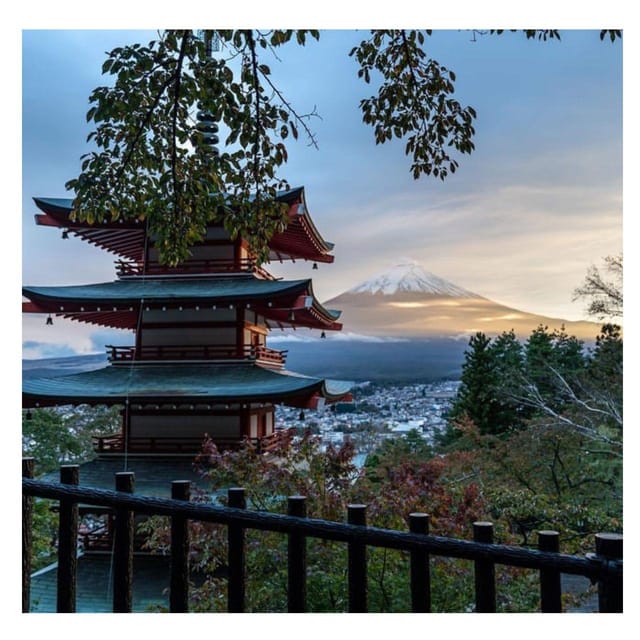
If you’ve ever seen a Fuji photo framed with a small pagoda and stairs, you’ve already met this viewpoint in your imagination. Chureito Pagoda sits in Arakurayama Sengen Park, and it’s one of the most reliable places to get iconic Mt. Fuji shots.
Plan for a focused stop rather than a long wander. You’ll get a photo stop and time to visit, with about 40 minutes set aside. That’s enough to walk the main angles, reset your camera settings, and still keep the day moving.
One smart tip for this kind of viewpoint: dress for real walking and real weather. Bring warm layers and a hat. The pay-off is you can catch the pagoda view when the lighting turns favorable, and the private format makes it easier to wait a few minutes without holding up anyone else.
Lake Kawaguchi and Oishi Park: calmer views that don’t feel rushed
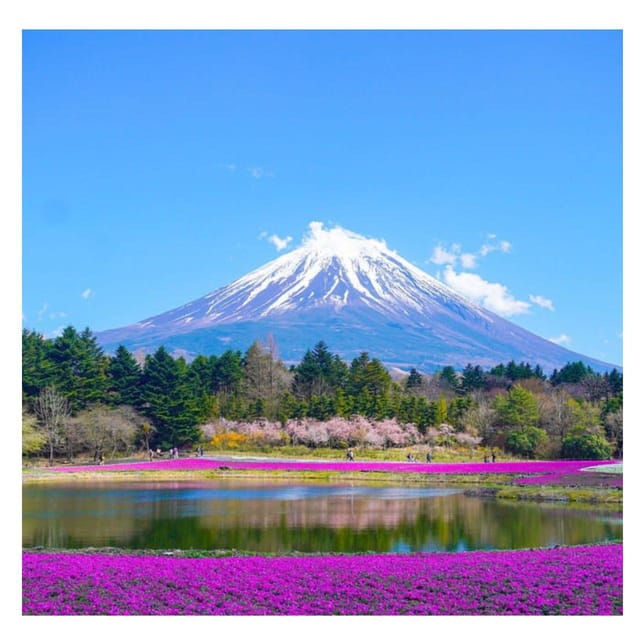
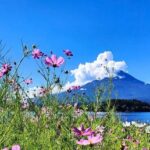
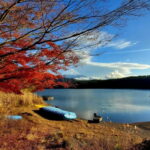
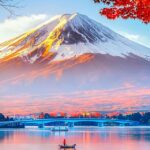
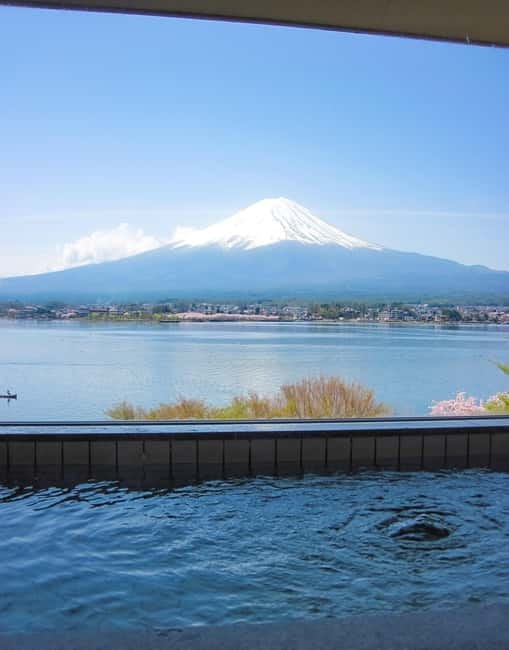
Lake Kawaguchi is where Fuji starts to look like it belongs to the landscape, not just a peak. The emphasis here is on scenic time: photo opportunities, a walk, and enough time to soak in the lakeside mood (around 40 minutes on the schedule).
Oishi Park is a key reference point for this area, and it’s often easier to relax here than at more crowded vantage points. If Fuji is partially obscured, lakeside views can still be beautiful—because you’re photographing reflections, shoreline lines, and atmospheric layers.
This is also a good stop for people who don’t want to sprint. If your group includes kids or anyone who prefers calmer pacing, Lake Kawaguchi is a great “breather” between more structured photo targets.
Oshino Hakkai: traditional spring village vibes near the Fuji foothills
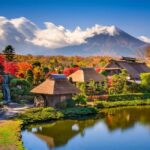
Oshino Hakkai gives you a different side of the day: springs, ponds, and a village feel close to Fuji’s cultural footprint. You’ll typically get a photo stop and time to visit and walk, with about 40 minutes allocated.
What I like about Oshino Hakkai is how it turns the day from only scenic photos into something you can slow down and read. The springs create a unique atmosphere, and the area tends to feel more human-scaled than the bigger viewpoints.
A practical note: expect walking. Even if it’s not an all-day hike, wear comfortable shoes. This is a stop where you’ll appreciate the quiet moments between photos and where your guide can help you find the smoother paths and photo angles.
Narusawa Ice Cave and Saiko Iyashi-no-Sato: choose your flavor of Fuji-area culture
If you want variety, this is where you can add it. Narusawa Ice Cave is one option, with time set aside for photo stops, visiting, and sightseeing (around 40 minutes). Saiko Iyashi-no-Sato Nenba is another, with time for photos, visiting, and a walk (also around 40 minutes).
These add-ons help your day feel less repetitive. You’re not just seeing mountains and lakes—you’re also adding a “how people live and adapt” layer. It’s also a way to avoid ending up with a day that feels like only viewpoints.
The caution is time. This tour works best when you choose. You’ll be happiest if you pick one extra experience that matches your group’s interests—ice cave for a cooler novelty, or Saiko Iyashi-no-Sato for traditional settlement atmosphere.
Hakone and Lake Ashi add-on: when you want more than Fuji
Some versions of the day extend beyond the Fuji area into Hakone. You may include places such as Hakone Shrine, the Hakone Ropeway, and the Hakone Open-Air Museum, plus a scenic stop at Lake Ashi.
The payoff is variety. Lake Ashi gives you a different kind of water view than Kawaguchi, and Hakone can add a classic souvenir-and-scenery rhythm to the day. If you enjoy a mix of viewpoints and cultural stops, this extension can feel like two mini trips in one.
The drawback is the same challenge that always comes with Hakone: logistics. Ropeways and museum time take slots, and traffic can still bite. If your main goal is pure Mt. Fuji views, you might prefer keeping the day tighter and letting the Hakone pieces drop off if timing gets tight.
Food, stops, and how to keep a 10–12 hour day comfortable
Lunch isn’t included as a fixed meal, but a lunch stop can be arranged based on preferences. That’s useful if you want something specific—diet needs, lighter food, or local comfort rather than a generic tourist restaurant.
Comfort matters on this kind of schedule. The vehicle is air-conditioned, and you’ll have bottled water during the ride. You’ll also want warm clothing even in months when Tokyo feels mild, because mountain air can turn cool fast.
Also, this tour isn’t for everyone. It’s listed as not suitable for people with back problems, and mobility concerns should be shared in advance. The good news: child seats and wheelchair access are available upon request, so you can plan around your needs.
Price and value: what you’re really paying for at $387 per group
At $387 per group (up to 5 people), this tour is priced as a private premium day, not a budget excursion. What makes it make sense is the cost structure: you’re paying for a dedicated vehicle, pickup and drop-off, and an English-speaking guide-driver for a full day.
Included items that add real value:
- Private air-conditioned vehicle (not shared)
- Wi-Fi and bottled water, plus coffee
- Hotel pickup and drop-off within Tokyo’s 23 wards
- Fuel, tolls, and parking fees
Not included (so you can budget):
- Food and drinks
- Entrance tickets where applicable
- Mt. Fuji 5th Station entrance (2,800 yen)
The honest way to judge value is to compare against two things: what you’d pay for separate transport and how much time you’d burn coordinating. If you want comfort, flexibility, and fewer wasted hours, this price can feel fair for a group of up to five.
Weather and view expectations: how to stay happy when Mt. Fuji plays hard to get
This tour can be rescheduled due to adverse weather. That’s worth accepting up front, not fighting it. Mountain weather changes fast, and you might still get a good day even when the peak is shy.
My advice is to keep your priorities flexible:
- If the summit-area looks promising, consider the 5th Station plan.
- If it’s cloudy or foggy, lean harder on Lake Kawaguchi and Chureito Pagoda angles.
- If you’re already content with scenic lakeside views, treat the day like a photography walk with breaks, not a single-or-nothing mission.
You’ll get better results when you let your driver help choose which stop happens first and where you spend the most time.
Should you book this private Mt. Fuji luxury day tour?
Book it if you want a controlled, private day that’s built around your interests, not a group pace. It’s especially strong for couples, families, and small groups who want iconic Fuji sights like Chureito Pagoda, Lake Kawaguchi, and Oshino Hakkai, with the option to add Narusawa Ice Cave, Saiko Iyashi-no-Sato, or even Hakone and Lake Ashi.
Skip or reconsider if your plan depends on a specific, always-clear Mt. Fuji view at the 5th Station. Weather can change outcomes, and this tour adapts by reshuffling stops, not by guaranteeing the summit view.
If you like comfortable transport, clean logistics, and the freedom to pause for photos when the timing feels right, this is a smart way to experience Fuji from Tokyo.
FAQ
What is the price and group size for this Mount Fuji day tour?
The price is $387 per group, for up to 5 people.
How long is the tour, and how much commuting time should I expect?
The tour runs about 10–12 hours, including commuting time. Travel time can extend due to heavy traffic in Japan.
Where does pickup happen in Tokyo?
Pickup is available anywhere within Tokyo’s 23 wards. Pickup is not offered from airports or ports.
What’s included in the price?
You get a private air-conditioned vehicle, an experienced English-speaking guide, hotel pickup and drop-off, complimentary bottled water/coffee, and coverage for fuel, tolls, and parking fees.
Is lunch included?
Food and drinks are not included, but a lunch stop can be arranged based on your preferences.
Do I need to pay for Mt. Fuji 5th Station entrance?
Yes. The Mt. Fuji 5th Station entrance fee is 2,800 yen and is not included.
Is this tour private, and what languages can the guide use?
Yes, it’s a private group experience. Languages listed include English plus Urdu, Hindi, Japanese, Punjabi, and Arabic.