REVIEW · FUJIYOSHIDA
Mount Fuji Trip with English speaking guide ( customizable)
Book on GetYourGuide →Operated by Travel on smile · Bookable on GetYourGuide
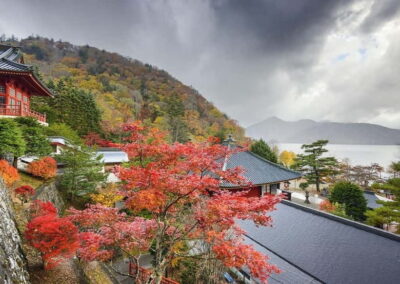
Fuji day trips live or die by timing. This one gives you the fun parts of the Fuji area with a private chartered car and a schedule you can actually shape. I like the flexibility to slow down for photos and views, and I also like that your English guide can tailor stops to what you care about, like extra time for autumn leaves when that matters. The one caution: traffic can stretch the day, and Hakone-style add-ons (like Ropeway/Lake Ashi) may depend on what’s feasible and clear weather, so don’t assume every option will happen on your exact day.
You’ll start in Tokyo and head west toward the Fuji Five Lakes region, moving through iconic viewpoints and quieter spots where Fuji looks almost staged. If the sky cooperates, you get classic postcard framing—especially at Chureito Pagoda—plus calm lake views at Lake Kawaguchiko. If it doesn’t, you’ll still have shrines, ponds, and scenic drives, but the big mountain photo can be hit-or-miss.
In This Review
- Key highlights you’ll feel in the day
- Private Fuji Day Trip from Tokyo: what the flexible plan really gives you
- Oshino Hakkai first: Fuji-fed ponds and a calmer start
- Kitaguchi-hongu Fuji Sengen Shrine: the spiritual Fuji stop
- Mt. Fuji 5th Station: the most famous altitude moment (weather dependent)
- Lake Kawaguchiko and Oishi Park: where Fuji looks calm
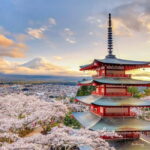
- Chureito Pagoda: the postcard shot that earns the hype
- Hakone as an add-on: Ropeway and Lake Ashi when visibility cooperates
- Owakudani and Hakone Shrine: volcanic drama meets old-world pacing
- Hakone Open-Air Museum: culture stop with space to breathe
- Price and value: why $407 for up to 6 can make sense
- Practical tips that prevent day-trip heartbreak
- Should you book Travel on smile for Mount Fuji and (maybe) Hakone?
- FAQ
- How long is the Mount Fuji day trip from Tokyo?
- Is hotel pickup available across all of Tokyo?
- What’s included in the price?
- Are Hakone Ropeway and Lake Ashi guaranteed?
- What if Mt. Fuji is hidden by weather?
- What should I bring, and is the trip suitable for everyone?
Key highlights you’ll feel in the day
- A private car for 12 hours means fewer compromises and more control over pacing
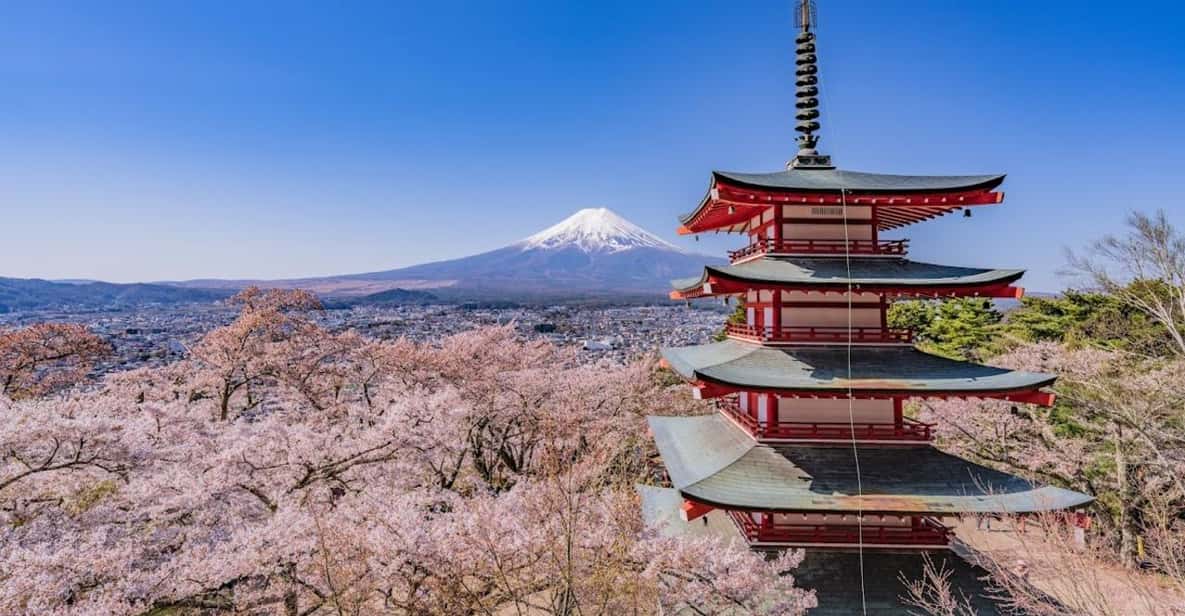
- Chureito Pagoda delivers a classic Fuji composition, with cherry blossoms or fall colors depending on season
- Oshino Hakkai ponds let you see Fuji-fed spring water that stays crystal clear
- Kitaguchi-hongu Fuji Sengen Shrine adds the spiritual side of this mountain obsession
- Optional Hakone loop can include the Ropeway and Lake Ashi when visibility is good
- WiFi when needed + water bottles keeps the practical side easy
Private Fuji Day Trip from Tokyo: what the flexible plan really gives you
This is built for people who don’t want a rigid, time-squeezed bus tour. You’re in a private group with an English-speaking guide and driver, and the schedule is flexible enough that you can spend more time where your eyes keep returning. That matters around Mt. Fuji, where a “quick look” often turns into a longer pause.
The big value for me is control. You decide how long you linger at photo spots, and the driver helps you move between stops efficiently. You’ll also get hotel pickup and drop-off inside Tokyo’s 23 wards, so you’re not hunting for a meeting point with a crumpled map and tired legs.
One more practical point: this is a long day on the road. Even with a good driver, delays happen—especially on weekends and in flower season, when highway traffic can turn slow. Keep your expectations realistic and treat the trip like an all-day experience, not a strict checklist.
You can also read our reviews of more guided tours in Fujiyoshida
Oshino Hakkai first: Fuji-fed ponds and a calmer start
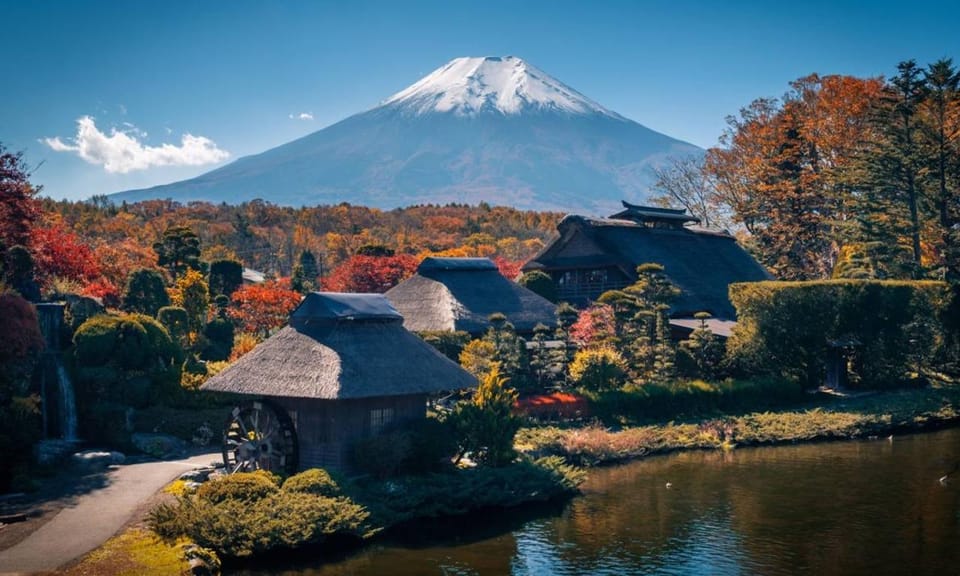
Oshino Hakkai is a smart opening stop because it gets you the “Fuji water” story early. You’ll spend about 45 minutes here with a photo stop, guided time, and sightseeing. The ponds are fed by pure snowmelt water from Mount Fuji, and the result is that mirror-like clarity that makes Fuji look even more dramatic.
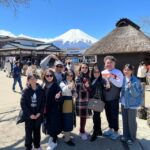
What I like about Oshino Hakkai is the vibe. It’s not just a viewpoint; it’s a small traditional village setting with gardens and thatched-roof style houses. If you’re traveling with mixed ages or different interests, this is a stop that works—people can walk, photograph, and take it at their own speed.
Possible downside: it’s a popular spot. If you hit busy periods, expect the flow of crowds to slow down how much you can wander. Still, it’s a great place to get oriented and start building your Fuji “mental picture” before you move into the classic shrine and mountain stops.
Kitaguchi-hongu Fuji Sengen Shrine: the spiritual Fuji stop
Next up is Kitaguchi-hongu Fuji Sengen Shrine, with around 40 minutes for photo stop, visit, guided tour, and sightseeing. This is one of the key spiritual sites linked to Fuji pilgrimages, and it changes the mood of the day from scenic to sacred.
A real strength here is setting. The shrine sits in a cedar forest, so the air feels cooler and the pace slows naturally. Even if you don’t go deep into the religious details, the atmosphere helps you understand why people obsess over climbing Fuji in the first place.
The watch-out is simple: winter weather and rainy weather can affect comfort and visibility later in the day. Also, shrine visits tend to follow a slower rhythm than viewpoint hopping. If you’re the type who wants only “wow photos,” you might feel the shift—though it’s worth it if you want context, not just scenery.
Mt. Fuji 5th Station: the most famous altitude moment (weather dependent)
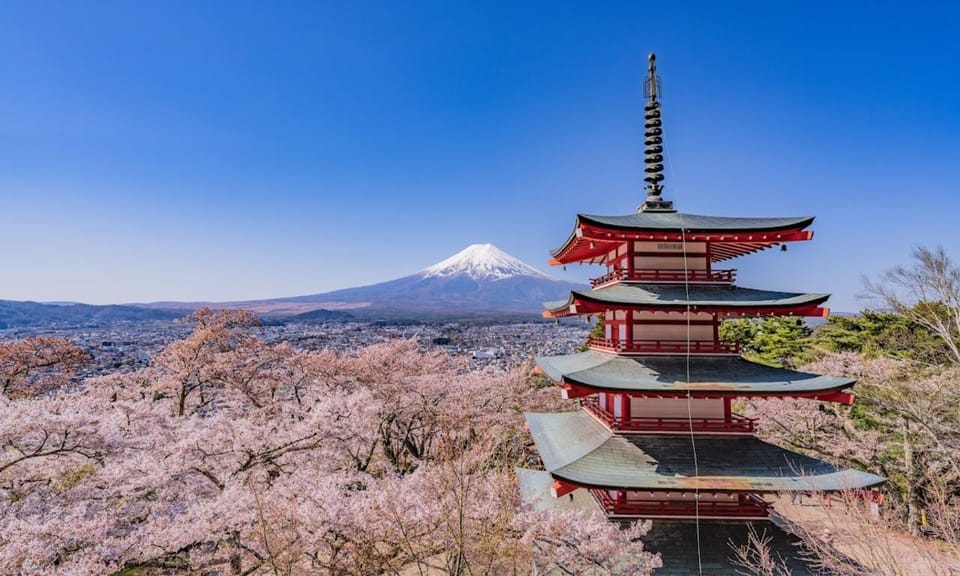
Your itinerary includes Mt. Fuji 5th Station with about 45 minutes for photo stop, visit, guided tour, and sightseeing. This is where the mountain feels most “up close,” and it’s also where reality sets in: going to the 5th station depends on conditions.
The important note is that the 5th station might be closed in rain or bad weather. Even when it’s open, visibility is never guaranteed, and you’re traveling with the understanding that clouds can erase your view. If you’re unlucky, you still get the experience of being at a key altitude point on Fuji, but you may miss the big panorama.
If you care about photos, treat this stop like a priority moment. Ask your guide (in advance) what the day’s weather looks like, and be ready to adjust timing. On clear days, this stop can be the highlight; on gray days, it becomes more about atmosphere than perfect framing.
Lake Kawaguchiko and Oishi Park: where Fuji looks calm
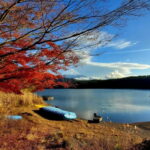
Lake Kawaguchiko is one of the Fuji Five Lakes, and it’s built for that “Fuji reflected in water” feeling. You’ll have about an hour here including a break, photo stop, and lunch time, and then you’ll head to Oishi Park for around 40 minutes (photo stop, visit, guided tour).
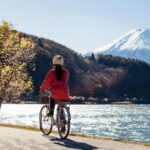
This is a strong middle-of-the-day shift. After shrines and mountain-facing stops, Lake Kawaguchiko gives you breathing room: walk a bit, pause for a view, and let the day settle. When Fuji is visible, the reflection effect is striking, and when it’s not, you still get a relaxing lakeside pause.
Drawback to plan around: lunch isn’t included. Food and drinks are listed as not included, so bring a strategy—either eat during the lunch break you’re given or plan to buy something nearby. Also, this area can get crowded in peak seasons, so give yourself patience and stick close to your guide’s timing.
Oishi Park tends to work well for photos because it offers a park-like vantage and a more open view area. If the weather turns, this is also where your guide can help you reposition for the best remaining light.
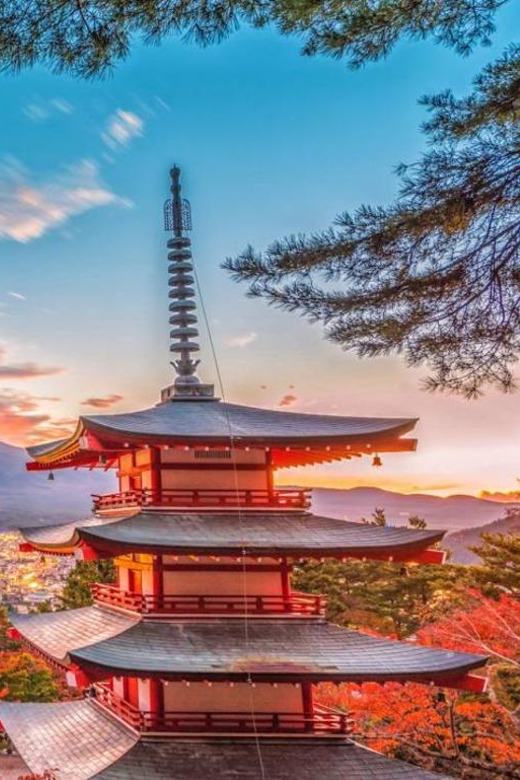
Chureito Pagoda: the postcard shot that earns the hype
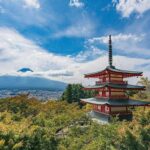
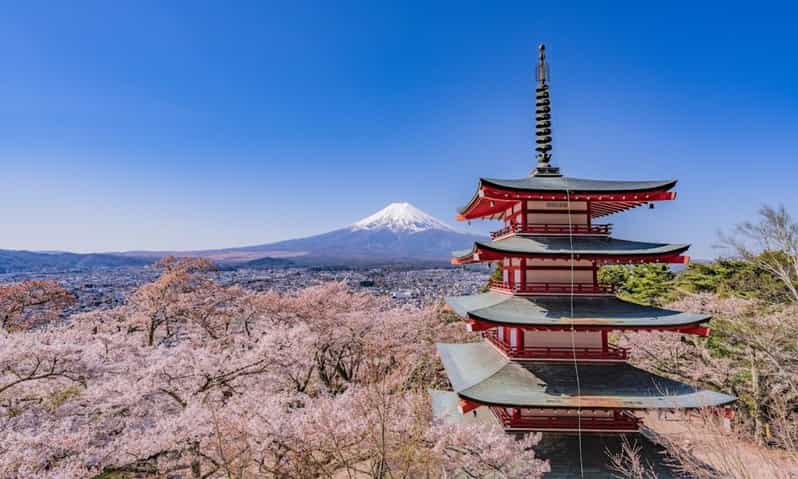
Chureito Pagoda is one of the most recognizable Mount Fuji viewpoints in Japan, and your schedule allows about 45 minutes here (photo stop, visit, guided tour, sightseeing). The classic composition is Fuji rising behind the five-story pagoda, and season changes everything around it.
If you’re lucky, you catch cherry blossoms or autumn leaves nearby, which can turn this from a nice photo into a full-on memory. That’s why this stop often feels like the emotional high point of the day: it’s quick, iconic, and visually satisfying even if you’re not chasing every detail.
The reality check: this area can be crowded, especially during weekend and flower-season traffic patterns. Expect waits and limited photo angles at peak times. Still, if you want one Fuji “hit,” this is the most reliable place on the route to try for it.
Hakone as an add-on: Ropeway and Lake Ashi when visibility cooperates
Your tour is described as customizable, and Hakone options are framed as “opt to include,” especially on clear days. If you add Hakone, you’ll typically go to Hakone Ropeway (photo stop, visit, guided tour) and then Lake Ashi (photo stop, visit, guided tour, and walk).
Why Hakone is such a good choice: it gives you a different side of the region—volcanic views from above, then calm water views with Fuji sometimes appearing in the background. The Ropeway route passes over volcanic landscapes and rises for panoramic looks, and your guide can also help you find the ticket counter area for the ropeway and any related entry ticket needs.
Important caution from the day-in-the-data pattern: one guest experienced the Hakone portion not being explained properly until later in the day. That doesn’t mean it won’t happen, but it’s a reason to confirm upfront what’s included for your specific booking and how your guide is deciding the plan.
Also remember: you’re depending on weather again. Visibility drives the value here. If clouds roll in, Hakone still offers variety and interesting terrain, but the “Fuji + Hakone” combo is the part you want most.
Owakudani and Hakone Shrine: volcanic drama meets old-world pacing
Owakudani Valley is where Hakone gets dramatic. Your route includes a photo stop, visit, guided tour, and shopping time, with sunrise mentioned as part of the timing in the provided structure. Even if sunrise timing isn’t perfect on your day, the key point is that you’re going to a volcanic area with steaming activity and a distinct smell, so dress and plan for that sensory reality.
After Owakudani, you’ll have a break and then a visit to Hakone Shrine (photo stop, visit, guided tour). Hakone Shrine keeps the emotional balance of the day—less steam and sulfur, more traditional shrine atmosphere. It’s a good counterpoint after the volcanic intensity.
One small practical note: the route is full of short walks and photo pauses. Comfortable shoes matter more than you think, especially if your guide builds in extra time for views.
Hakone Open-Air Museum: culture stop with space to breathe
The day can also include the Hakone Open-Air Museum, listed with break time, photo stop, visit, guided tour, free time, and shopping. This can be a relief if you’ve been on “Fuji-only” mode, because it gives you a more designed, leisurely environment to recharge.
The trade-off is time. If you add this stop, you’ll likely walk a bit and browse a bit, and that can shift how much energy you have left for later viewpoints or long roads back to Tokyo. If you’re photo-focused, you might use your free time strategically.
This is also where the “customizable” idea matters most. If your group energy is high, museum time can feel great. If everyone is tired from traffic and weather waiting, you may want to streamline.
Price and value: why $407 for up to 6 can make sense
The price is $407 per group up to 6 for a 12-hour day. That number can feel either like a steal or like a lot, depending on what you’re comparing it to.
Here’s the value logic I see: you’re paying for a private English-speaking guide and driver, a fully air-conditioned vehicle (with WiFi when needed), hotel pickup and drop-off, and water bottles. If you tried to replicate this with taxis and separate tickets, it would be hard to match the simplicity—especially when you add extra stop requests and timing flexibility.
What you should know is what’s not included. The Mt. Fuji 5th station entry ticket isn’t included, and Ropeway and motorboat tickets aren’t included either. Sai-ko Iyashi no Nemba Village entry ticket is also not included. Food and drinks aren’t included, so factor in lunch and snacks.
In practice, your best move is to estimate your total add-ons: ropeway/boat tickets if you go to Lake Ashi, plus any optional entrance fees. Then compare that total to the cost of a more fixed tour bus option. If you care about control and private pacing, this format often feels worth it.
Practical tips that prevent day-trip heartbreak
This trip lives on timing, traffic, and weather. You should plan for a long day and some uncertainty.
- Visibility is weather dependent. Fuji views aren’t guaranteed. Your best chance comes when skies clear, so your guide may adjust timing based on what’s happening outside the car.
- Traffic can hit hard. On weekends and flower season it can get worse, and arrival time might be delayed by 2 to 3 hours due to road conditions.
- Early start helps. The route suffers when highways jam, so earlier is usually better.
- 5th station depends on conditions. In rain or bad weather, it might be closed.
- Ask about ticket needs early. The day includes stops where entry tickets aren’t included, and you’ll need to plan for the counters and payment method.
- Bring basic comforts. Comfortable shoes, charged smartphone, camera, and drinks are specifically recommended.
Also, pickup rules are important. Pickup is possible from hotels, hostels, Airbnbs, apartments, or other addresses inside Tokyo’s 23 wards. Pickup isn’t available from airports, ports, or stations, so if you’re starting from a train station, you’ll need to arrange another meeting point.
Finally, know the senior limit: not suitable for people over 95 years.
Should you book Travel on smile for Mount Fuji and (maybe) Hakone?
Book this if you want a private, English-friendly day with room to shape the pace. It’s especially good for first-time visitors who want the Fuji essentials—Oshino Hakkai, a shrine stop, a 5th station moment, and Chureito Pagoda—plus the option to add Hakone Ropeway and Lake Ashi when conditions allow.
Skip it or change your expectations if you’re the type who expects guaranteed, deep cultural storytelling in flawless English. One day can run brilliantly with a communicative guide (names like Mirza, Malik, Zahid, and Naeem have been noted as helpful), but language ability can vary. Also skip the “Fuji-perfect photo guarantee” mindset; the schedule can’t control clouds.
If you’re traveling with a small group, you’ll likely feel the value quickly: fewer compromises, more time where it counts, and a driver who can handle route decisions and photo pauses. Just confirm your plan for Hakone add-ons before you roll out, and keep your day flexible in your mind.
FAQ
How long is the Mount Fuji day trip from Tokyo?
The total duration is 12 hours.
Is hotel pickup available across all of Tokyo?
Pickup is possible from hotels, hostels, Airbnbs, apartments, or other addresses in Tokyo’s 23 wards. Pickup is not available from airports, ports, and stations, so you’ll need a different meeting arrangement in those cases.
What’s included in the price?
Included: an English-speaking guide and driver, an air-conditioned vehicle (with WiFi when needed), hotel pickup and drop-off, and water bottles. Not included: food and drinks, Mt. Fuji 5th station entry ticket, Ropeway/motorboat ticket, and Sai-ko Iyashi no Nemba Village entry ticket.
Are Hakone Ropeway and Lake Ashi guaranteed?
They are presented as options depending on your choices and day conditions (especially clear weather). Your exact plan can change due to traffic and weather, so confirm your Hakone stops with your provider.
What if Mt. Fuji is hidden by weather?
Visibility depends on weather conditions, and Mount Fuji panoramic views are not guaranteed. The 5th station visit is also dependent on conditions and may be closed in rain or bad weather.
What should I bring, and is the trip suitable for everyone?
Bring comfortable shoes, a camera, drinks, comfortable clothes, and a charged smartphone. It’s not suitable for people over 95 years. Pets and smoking in the vehicle aren’t allowed.