REVIEW · TOKYO
Sushi making experience in Shinjuku, Tokyo
Book on GetYourGuide →Operated by Bancre Inc. · Bookable on GetYourGuide
Temari sushi is a playful way to learn fast. You’ll love the hands-on assembly and the instant payoff of round, bite-size sushi you control. I also like the setting at Flower Wall Monet, surrounded by flowers that make your food look extra photogenic. One catch: this is more of a guided build than a deep cooking lecture, so set your expectations accordingly.
In a small group (up to 8), you’ll follow a quick staff demo, then make your own temari-zushi at your pace. The “toy-like” vibe of temari—an ancient Japanese craft object—turns sushi into something you can shape, stack, and enjoy without feeling intimidated. Just be ready for a potentially brief English explanation, since some staff may use a translator machine.
In This Review
- Key Takeaways Before You Go
- Flower Wall Monet: A Flower-Filled Start in Shinjuku
- What You’re Making: Temari-Zushi in Bite-Size Rounds
- The Step-by-Step Flow During Your 90 Minutes
- The Ingredients and Presentation: Cute, Edible, and Easy to Enjoy
- Price and Value in Shinjuku: Is $70 Fair for What You Get?
- Language and Support: English May Be Limited, So Watch the Hands
- What Makes This Feel Different From a Normal Sushi Meal
- Tips to Get Better Results (Without Needing Expert Skills)
- Who Should Book This Sushi-Making Experience—and Who Might Skip It
- Should You Book This Temari Sushi Experience?
- FAQ
- How long is the sushi-making experience?
- Where does the activity take place in Shinjuku?
- What exactly will I make?
- Do I get help during the experience?
- What’s included in the price?
- Is alcohol included?
- Is there an age restriction for drinking alcohol?
- How large is the group?
- What languages are available for the host?
- What are the cancellation rules?
- Is insurance included?
Key Takeaways Before You Go
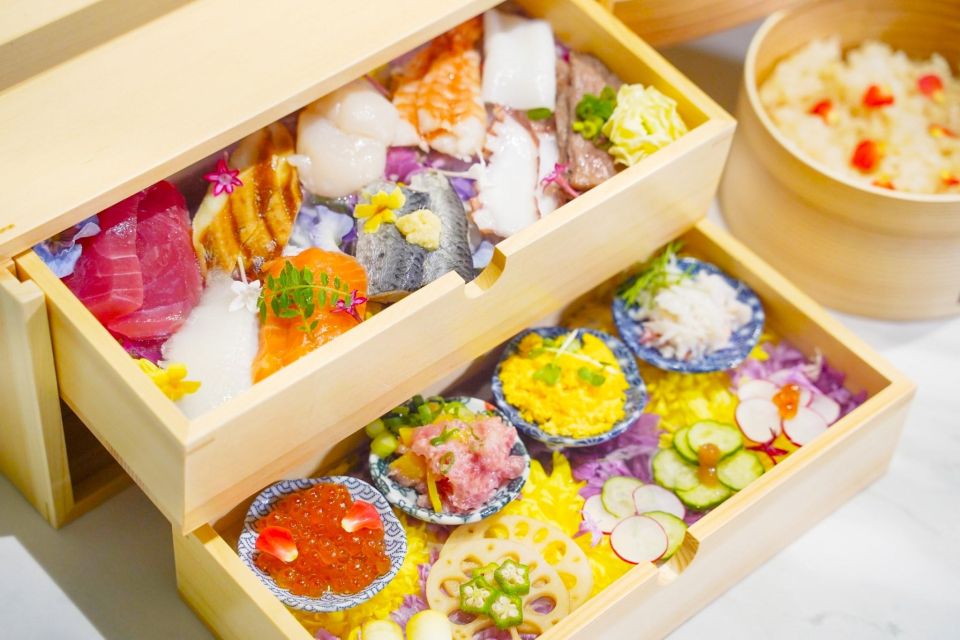
- Temari-shape sushi: you form round bite-sized pieces using gauze or plastic wrap.
- Flower Wall Monet setting: a lively cafe/bar space that’s great for photos while you eat.
- First-timer friendly: a simple step-by-step process built around assembly.
- Limited instructor time: you get a demo, then mostly work on your own.
- Value factors: you get food plus 1 drink and 1 sweets, but it may feel pricey if you want more teaching.
Flower Wall Monet: A Flower-Filled Start in Shinjuku
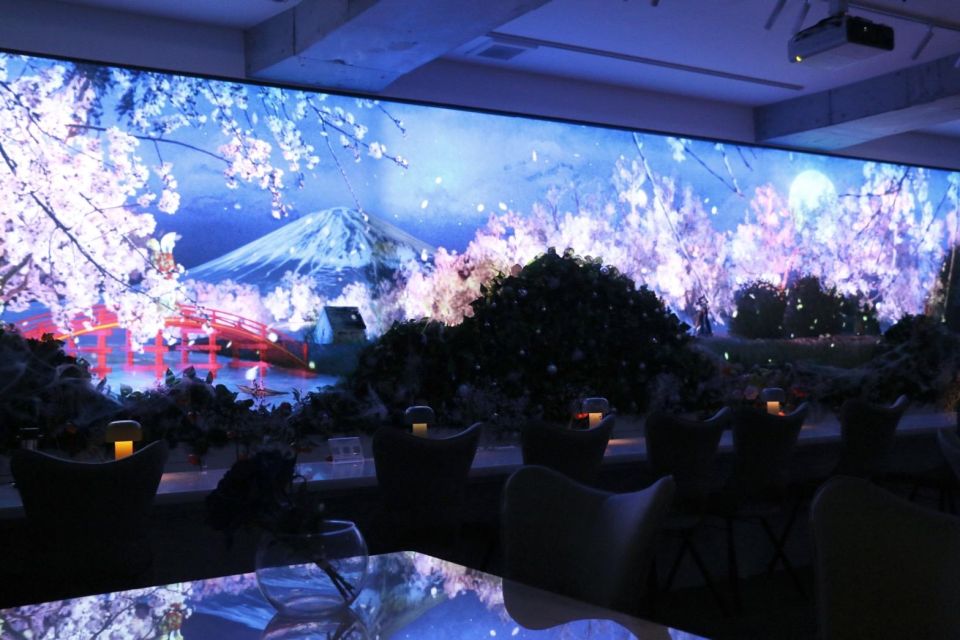
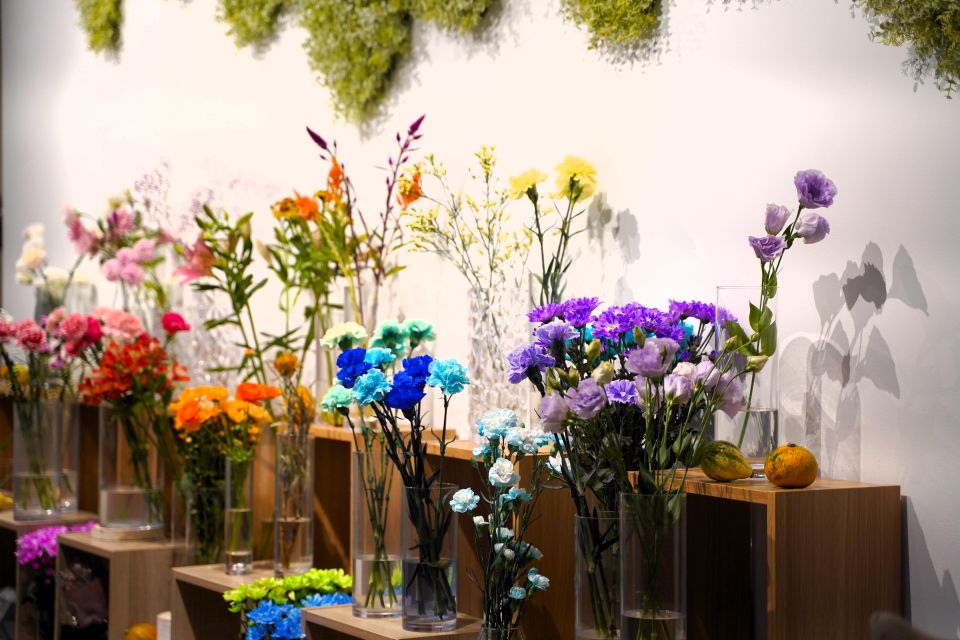
Your session begins at Flower Wall Monet, a lively cafe and bar set in a flower-heavy space. It’s on the basement floor of the building next to H&M in Shinjuku, which means you’ll feel like you’ve stepped into a different mood the moment you go downstairs. If you’re hoping for a calm, traditional sushi-counter atmosphere, this is not that. This is more artsy, colorful, and social.
The big win here is the visual backdrop. Temari sushi is already adorable, but the “flower wall” atmosphere makes it easy to take photos before (and after) you eat. In a city full of rushed meals, this one slows you down just enough to enjoy the process.
You’ll want to arrive a little early so you can get checked in, find your table, and settle. Once staff confirm your group size, they’ll take your drink order and have sushi items prepared for the participants. That setup time matters because it keeps the 90 minutes moving.
You can also read our reviews of more tours and experiences in Tokyo.



What You’re Making: Temari-Zushi in Bite-Size Rounds
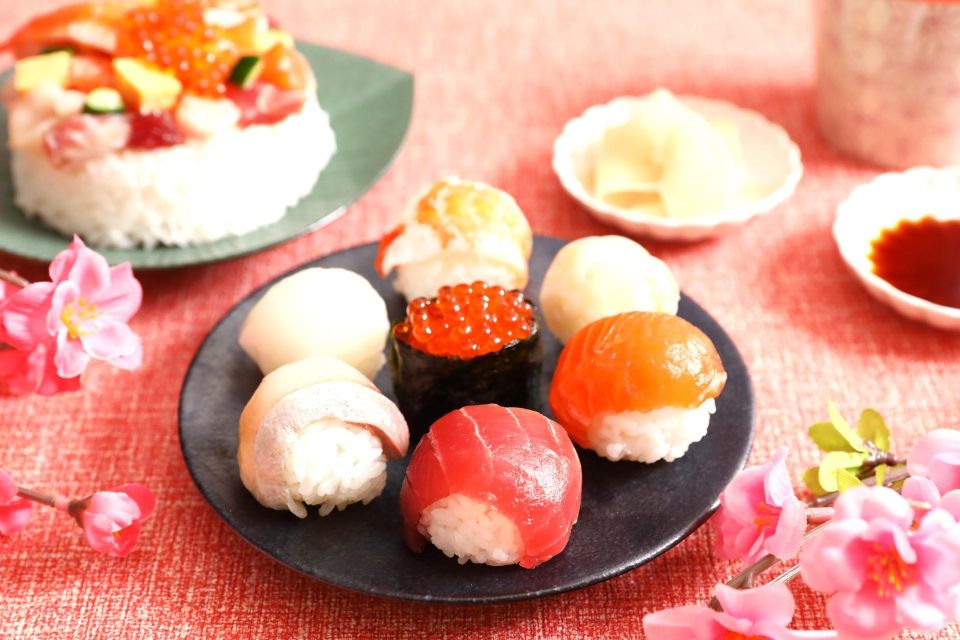
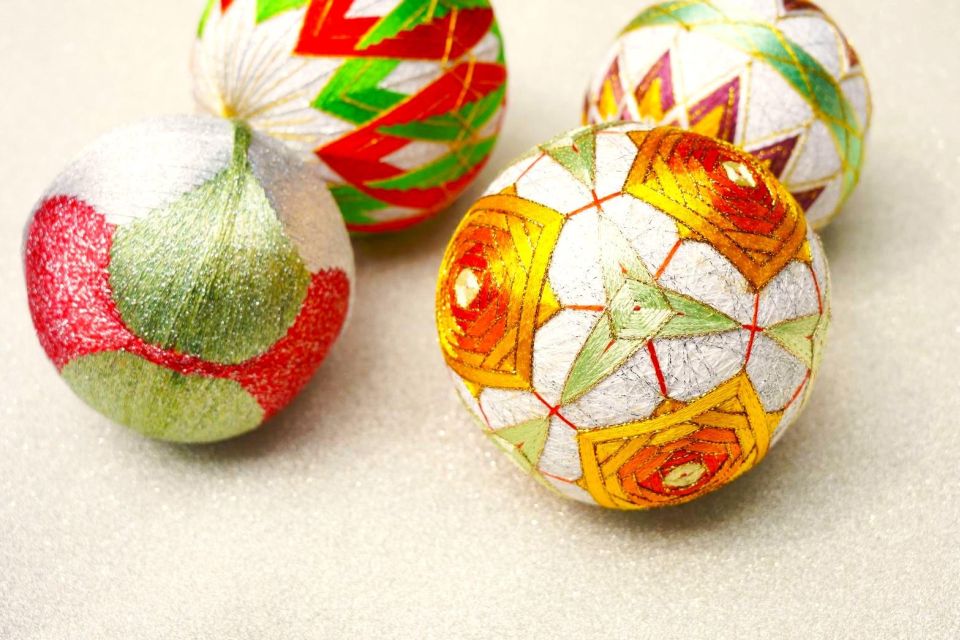
This experience centers on making temari sushi, a style shaped like a round, ball-like toy. Temari itself is described as an ancient Japanese toy tradition, and that playful origin is what makes the food feel less like “formal sushi lessons” and more like a craft you can master quickly.
You’ll work with fresh sushi ingredients and vinegared rice. Instead of making a typical roll or hand-pressed nigiri, you’ll build bite-sized round shapes. The goal is easy eating—staff emphasize sizing so the sushi is manageable once it’s wrapped and served.
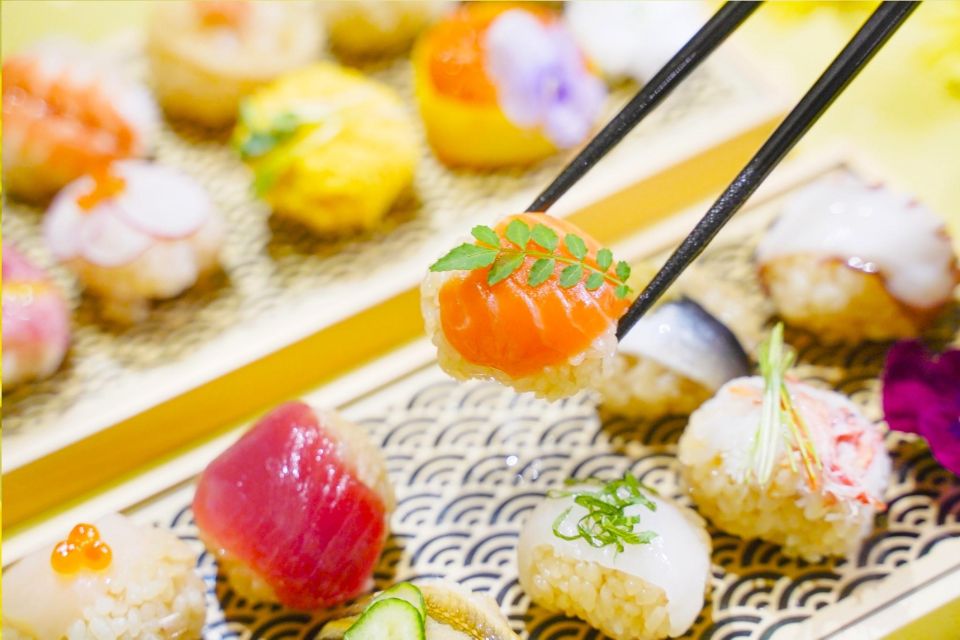
The method is straightforward and practical. You’re given instructions to place gauze or plastic wrap on your palm. Then you layer sashimi and vinegared sushi rice on top, wrap it around, and you’re ready to eat. That “wrap and shape” step is the heart of it, and it’s also what makes the sushi look so clean and uniform.
You don’t need prior knife skills, rice tricks, or any special sushi confidence. If you can follow a few stacking steps, you can do this.
The Step-by-Step Flow During Your 90 Minutes
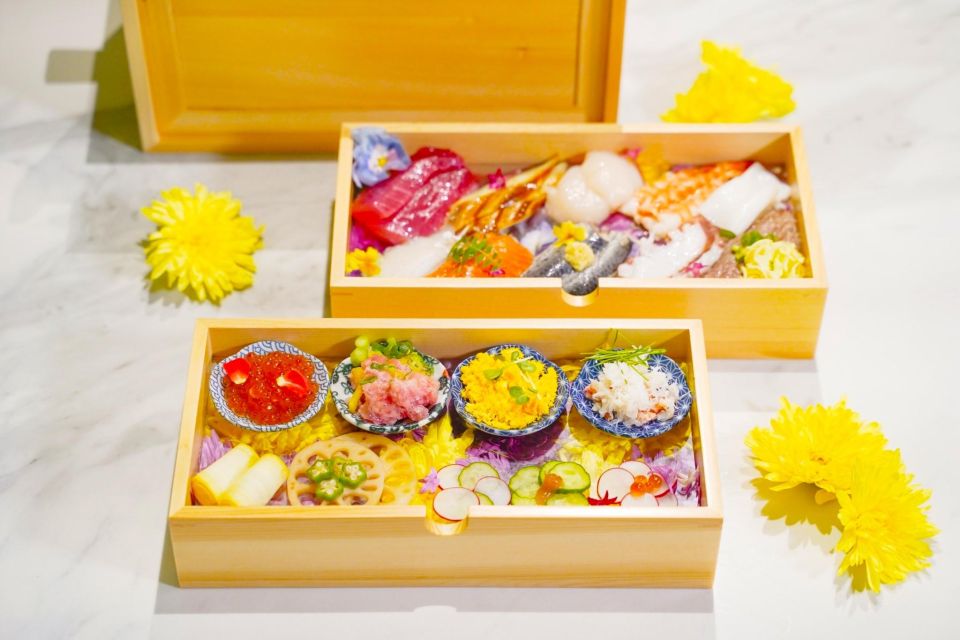
The session is designed to run smoothly from greeting to shaping to eating. After you arrive, you’ll tell staff your reservation for the Temari Sushi Experience. They’ll then handle the initial drink order and get your table ready with the sushi items for the group.
Next comes the staff demonstration. You’ll see the wrapping and shaping technique once, and then you’ll copy the steps yourself. Some staff members may not be fluent in English, so you might rely on a translator machine during explanations. If you’re the type who freezes when you don’t understand every word, go slowly and watch the hand movements closely—that part carries you.
Once the demo is done, you’ll make your own temari-zushi. The experience description notes there is no staff on hand after the demonstration, but you can contact them if you need help. In real life, that means you should feel comfortable after the first run-through, but you shouldn’t count on constant coaching.
The “pace” is yours. That’s actually a plus for many visitors: you can focus on getting the size right and making something you’ll enjoy. In 90 minutes, though, it’s still a short session, so you won’t have time for a long multi-course sushi training.
Finally, you eat what you’ve made. Temari sushi is meant to be cute and easy to handle, so you’re not stuck with delicate pieces that require a lot of technique.
The Ingredients and Presentation: Cute, Edible, and Easy to Enjoy
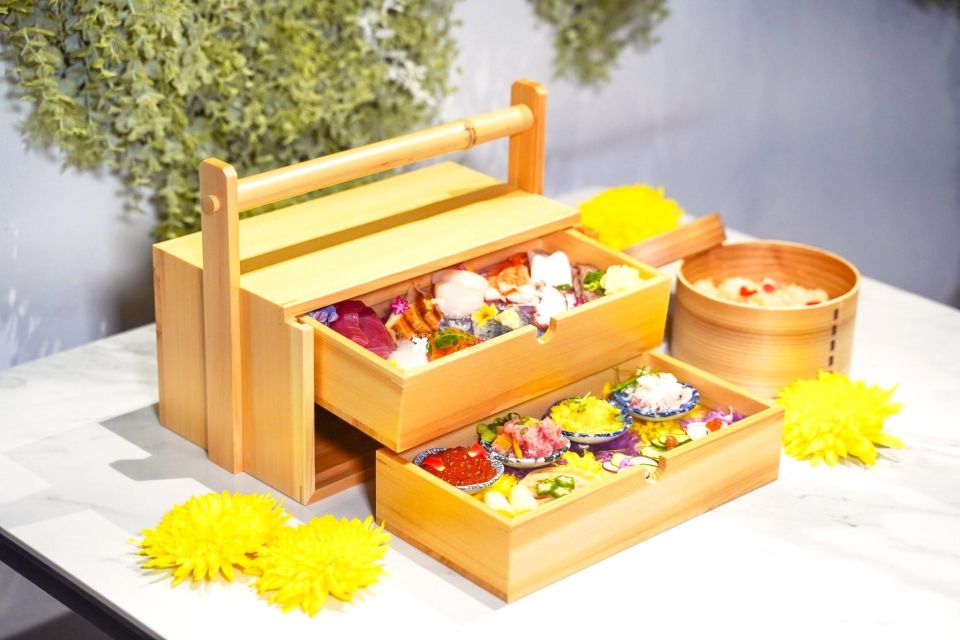
You’ll assemble temari sushi using sashimi and vinegared rice. That combination is simple but satisfying—rice gives you the familiar sushi base, and sashimi gives you the flavor hit. The assembly also makes each bite feel like it matches your choices, since you’re making it to your liking.
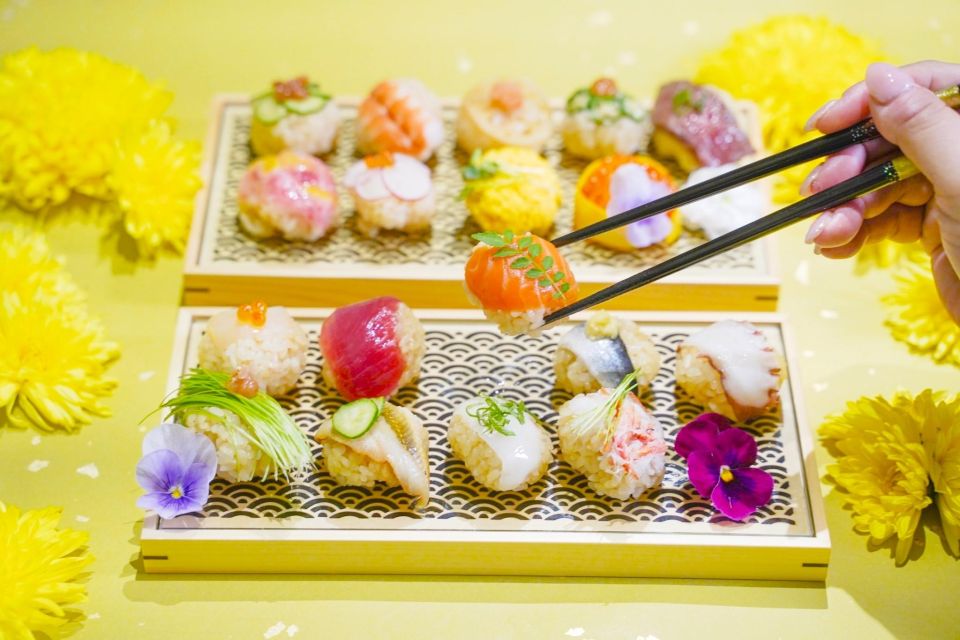
One of the highlights is that the experience includes edible flowers, and the final result is designed to look photogenic. That matters for two reasons. First, you’re not just eating; you’re creating a small edible artwork. Second, the flowers help the sushi pop visually, especially in a flower-filled venue like this one.
If you like food that’s both tasty and visually intentional, this checks that box. You get the satisfaction of craft-style building and the pleasure of Japanese sushi without needing advanced skills.
Price and Value in Shinjuku: Is $70 Fair for What You Get?
At $70 per person for a 90-minute session, the price lands in a “paid activity” zone, not a casual snack stop. Whether it feels worth it depends on what you’re after.
Here’s what you do get: food expenses are included, plus 1 drink and 1 sweets. Alcoholic beverages are available, but you need to be mindful of the under-20 rule. Bottles of wine or champagne are not included, so if you’re picturing a fancy pour, factor that in.
That included drink and sweets can help the value feel more reasonable. Also, the experience gives you a structured activity in Shinjuku—something you can’t easily DIY the same way if you just walk in looking for sushi.
But there’s a consideration. If what you want is a thorough, instructor-led sushi class with lots of teaching time, this might feel light. The process is built around a single demonstration and then self-assembly. So your best bet is to treat it as a fun, guided sushi craft rather than a deep culinary workshop.
Put simply: it’s good value if you enjoy making and eating right away. It’s less good value if you expect long-form instruction.





Language and Support: English May Be Limited, So Watch the Hands
The experience lists English, Japanese, and Chinese as available languages. Still, it also notes that some staff may not speak fluent English. A translator machine may be used, and that’s something you should keep in mind if you’re trying to learn technique through explanation alone.
The good news is that the core method relies on visible actions: gauze/plastic wrap on your palm, sashimi and vinegared rice layered, then wrap and shape. You can learn it by watching closely, even if the words aren’t perfect.
Also, after the demo you can contact the team if you need help. That’s reassuring if you mess up your first attempt or want to adjust the size for easier eating.
If you’re comfortable figuring things out through observation, this is likely to feel easy. If you need constant one-on-one coaching, you may feel like you’re moving faster than you’d like.
What Makes This Feel Different From a Normal Sushi Meal
Most sushi meals are about eating. This one is about doing something first, then eating the results. That craft element changes the whole vibe. You’ll spend time shaping, wrapping, and building temari sushi that looks like a ball—cute, compact, and shareable.
It also blends themes: flowers, art, and sushi together. If you like Japanese culture that’s playful and aesthetic, this is a neat pairing. Instead of a rigid “sit, eat, leave” routine, you get a short activity that turns a meal into an experience.
There’s also the “easy and delicious” angle for first-timers. Temari sushi is designed so beginners can succeed. When you nail the wrap and size, it’s rewarding quickly, and you’re eating something you made with your own hands.
Tips to Get Better Results (Without Needing Expert Skills)
A few small habits can make your temari sushi prettier and more enjoyable.
First, focus on size for easy eating. Staff explicitly say the key is making a size that’s easy to eat. If you make it too big, it may be harder to handle. If you make it too small, it can fall apart when you peel the wrap.
Second, watch the demo once, then copy the motion. Even if language is imperfect, the technique is physical. Think like a craft project: press, layer, wrap, and keep it tidy.
Third, if you choose edible flowers, handle them gently. Edible flowers are part of the look, so you want to place them carefully rather than smashing them into the rice. The venue is visually driven, so presentation matters here.
Finally, don’t rush. It’s only 90 minutes, but the structure gives you time to find your rhythm during assembly. If you relax into the process, the whole thing tends to feel like a fun break from sightseeing.
Who Should Book This Sushi-Making Experience—and Who Might Skip It
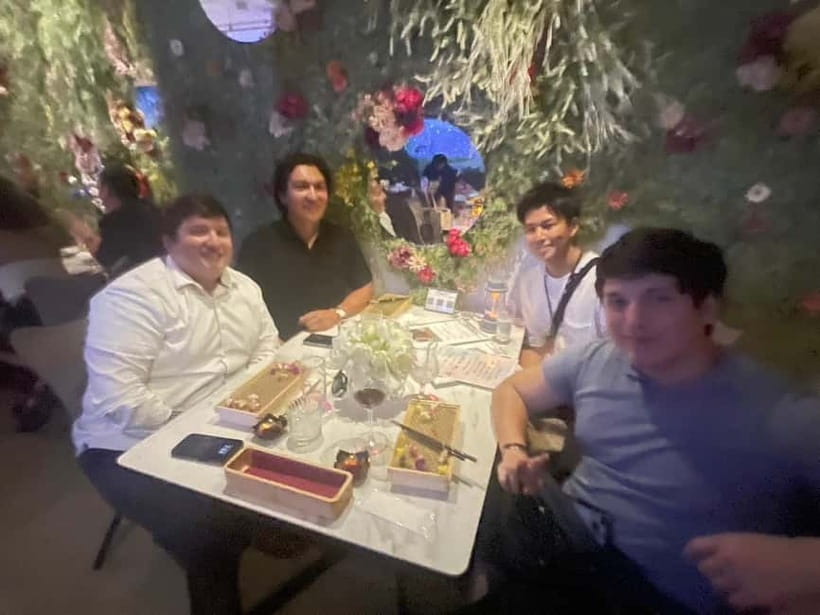
This works best if you want a quick, approachable Japanese food activity. It’s especially suited for people who like hands-on crafts, photogenic meals, or a small-group experience in Shinjuku.
It’s a good match for:
- First-timers who want sushi without intimidation
- Anyone who enjoys flowers and art-themed experiences
- Groups who want something interactive instead of a typical restaurant meal
- People who prefer a structured demo and then self-paced building
You might reconsider if:
- You’re expecting a long, instructor-heavy sushi masterclass
- You want constant English coaching throughout
- You’re very price-sensitive and need lots of teaching time to justify the cost
Should You Book This Temari Sushi Experience?
I’d book it if you’re looking for a fun, beginner-friendly way to make sushi that’s shaped like a toy-ball and plated in a flower-filled setting. The combination of included food, drink, and sweets makes it feel like a true activity, not just an overpriced meal.
I wouldn’t book it if you want a detailed sushi training session. The format is built around one demonstration, then self-assembly. If you need deeper instruction and continuous guidance, you’ll likely feel like something’s missing.
If your main goal is to try Japanese sushi, make it yourself, and enjoy the craft + photos, this is a solid plan for an afternoon or evening in Shinjuku.
FAQ
How long is the sushi-making experience?
The experience lasts 90 minutes.
Where does the activity take place in Shinjuku?
It takes place at Flower Wall Monet on the basement floor of the building next to H&M.
What exactly will I make?
You’ll make temari sushi (temari-zushi), which are bite-sized round shapes made with vinegared rice and sushi ingredients.
Do I get help during the experience?
Staff will demonstrate the process once. After that, there is no staff on hand, but you can contact them if you need help.
What’s included in the price?
Food expenses are included, along with 1 drink and 1 sweets.
Is alcohol included?
Alcoholic beverages are available, but the plan includes only 1 drink. Bottles of wine or champagne are not included.
Is there an age restriction for drinking alcohol?
Yes. Drinking alcohol for those under 20 is prohibited by law, and you should bring your ID.
How large is the group?
It’s a small group limited to 8 participants.
What languages are available for the host?
English, Japanese, and Chinese are available. Some staff may not speak fluent English, and a translator machine may be used.
What are the cancellation rules?
You can cancel up to 24 hours in advance for a full refund.
Is insurance included?
No, this activity is not covered by insurance.