REVIEW · TOKYO
Shibuya Tokyo: Onigiri & Tamagoyaki Cooking Class
Book on GetYourGuide →Operated by Sorisso · Bookable on GetYourGuide
Rice balls can feel like magic. In this Shibuya Tokyo class, I love that you learn real technique for onigiri and tamagoyaki, not just how to eat them. You get small-group attention and an English-speaking host who explains each step clearly as you work.
Two skills stand out right away: the “why” behind choosing and cooking rice, and the hands-on wrapping technique with nori seaweed. You’ll also work with multiple fillings, from more traditional flavors to options that feel a bit modern.
One thing to plan for: transportation isn’t included, so you’ll want to map your route to the venue and build a little buffer time before class starts.
In This Review
- Key things I’d put on your radar
- Why This Shibuya Onigiri and Tamagoyaki Class Feels Like Good Tokyo Value
- What You’ll Learn: Rice, Nori Wrapping, and Fillings That Make Sense
- Tamagoyaki Skills in a Smaller Portion (But Still Real Technique)
- How the Class Runs: Small Group Comfort at Sorisso
- The Gear: What’s Included and Why That Matters for Your Time
- Price and Portion: Is $49 Worth It for 90 Minutes?
- Best Fit: Who Should Take This Cooking Class in Shibuya Tokyo?
- Should You Book This Onigiri and Tamagoyaki Class?
- FAQ
- How long is the Shibuya onigiri and tamagoyaki class?
- How much does the class cost?
- How big is the group?
- What will I make and what’s included?
- Can the class accommodate dietary restrictions or allergies?
- Is it suitable for young children?
- Is transportation to and from the venue included?
Key things I’d put on your radar
- Rice choice and texture tips that help your onigiri hold together (without turning into rice rubble)
- Nori wrapping technique taught in a practical, repeatable way
- Fillings beyond one flavor, including traditional and more creative interpretations
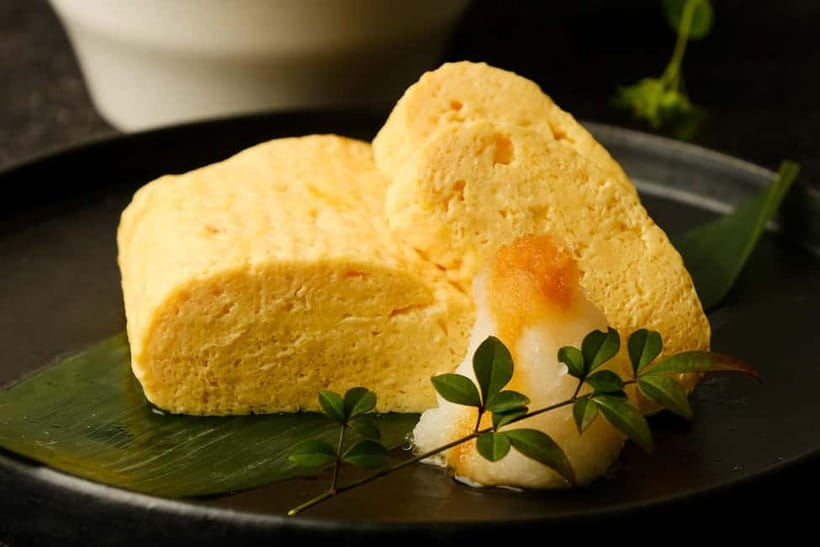
- Tamagoyaki roll skills, using half a portion so you can still focus on technique
- A small group size, with time for questions and hands-on help
Why This Shibuya Onigiri and Tamagoyaki Class Feels Like Good Tokyo Value
At $49 for 90 minutes, this class can be a sweet spot if you want something more personal than a food tour. You’re not just watching someone cook. You’re shaping rice balls, assembling fillings, and learning how to manage the parts that usually trip people up.
In plain terms, the value comes from three things you can’t easily DIY from a cookbook:
1) rice texture coaching (so your onigiri actually forms),
2) nori wrapping technique (so it doesn’t turn into a sad, dry strip),
3) a guided workflow in a kitchen that’s set up for this exact purpose.
I also like that you make a concrete amount: 3 rice balls and half a portion of rolled omelet per person. That’s enough to learn, eat, and take notes for later, without the class dragging on.
You can also read our reviews of more cooking classes in Tokyo



What You’ll Learn: Rice, Nori Wrapping, and Fillings That Make Sense
The heart of the session is onigiri, and the class starts with the foundation: rice. You’ll get guidance on selecting the right rice and getting the texture right when it’s cooked. This matters more than most people expect, because onigiri is basically a rice-and-filling construction. If the rice is too dry, shaping gets difficult. If it’s too wet, it won’t hold its shape cleanly.
Then comes the shaping. You’ll practice traditional onigiri forms, including the classic triangle style, and you’ll learn how to shape without making a mess that looks like it survived a small earthquake. The host’s instructions are designed so you can follow along even if you’ve never done it before.
Next, you get to the fun part: fillings. The class covers a range of savory options and also includes vegetarian-friendly choices. You’ll learn how to think about fillings in a practical way, like:
- how much filling to use so it stays balanced,
- how to distribute it so you don’t get gaps,
- and how to keep the overall bite consistent.
Finally, you wrap with nori seaweed. This is where technique beats luck. The class shows you how to handle the seaweed so it behaves like seaweed should, rather than turning into something that refuses to stick or tears the moment you touch it. If you’ve ever tried nori at home and wondered why it never looks like the packages in Japan, this part helps.
Tamagoyaki Skills in a Smaller Portion (But Still Real Technique)
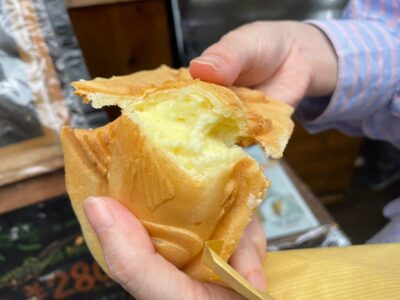
You don’t spend the entire class on omelet. You make half a portion of rolled omelet per person, which sounds small until you realize it’s still enough for the host to teach the key moves: rolling, layering, and timing.
Tamagoyaki is a different cooking rhythm than rice. It’s faster, more hands-on, and it rewards attention. You’ll work with the idea of creating a neat roll rather than a loose scramble. Even if you don’t become an overnight tamagoyaki chef, you’ll leave knowing what to watch for and why the roll style matters for texture.
If you love Japanese food but usually keep omelets on the “breakfast-only” track, this is a nice way to expand what you can do with egg. And since you’re already shaping onigiri, the omelet segment gives you variety without stealing the show.
How the Class Runs: Small Group Comfort at Sorisso
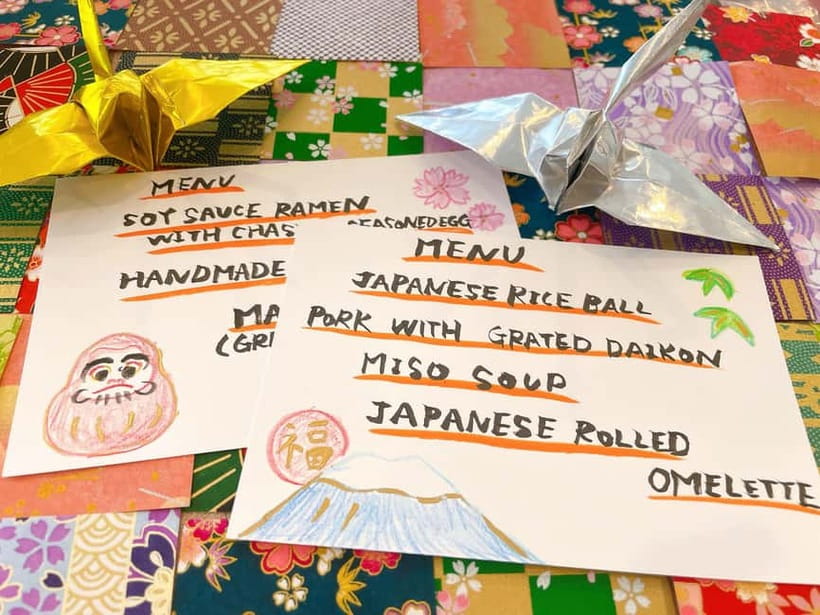
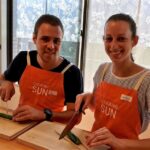
This workshop is run by Sorisso, and the session has a shop-and-kitchen feel rather than a huge studio vibe. That cozy setup is part of why the class works well. You’re close enough to your host that questions get answered quickly, and you’re not stuck waiting for your turn.
The group size is limited to 8 participants, which makes a difference. In a small group, it’s easier for the host to check your shaping, adjust your wrapping, and make sure you’re on track before you commit to the next step.
One thing I appreciate in how this sort of class is taught: instructions are clear and sequential. You learn the process in order, then you build repeatable confidence. By the time you’re assembling your own onigiri, you’re not guessing. You’re executing.
The Gear: What’s Included and Why That Matters for Your Time
This is the kind of class where you don’t have to show up as a “kitchen person.” The experience provides:
- ingredients and utensils to make what’s listed (3 rice balls and half a portion of rolled omelet),
- an apron rental,
- recipes and a small souvenir to take home,
- and guidance from an English-speaking host.
That list is practical for travelers. It means you’re not hunting for special equipment, and it keeps the session focused on technique. It also means you can spend your mental energy on learning how to shape and wrap, not on unpacking supplies or improvising tools.
You’ll also eat what you make together, which is the payoff. Cooking classes are most satisfying when the meal feels like yours, not like something you watch get plated for someone else.
You can also read our reviews of more tours and experiences in Tokyo



Price and Portion: Is $49 Worth It for 90 Minutes?
Let’s be real: $49 is not a street snack price. But for a cooking class in Tokyo, it can be fair value when you account for what’s included and what you learn.
Here’s why it works as value:
- You get hands-on training with step-by-step coaching.
- The session includes ingredients and utensils, so there’s no DIY cost creep.
- You make a complete, satisfying amount: 3 onigiri and half a tamagoyaki portion.
- You leave with recipes you can actually use, plus a small souvenir that makes the effort feel “saved.”
The main tradeoff is that you’re not walking out stuffed beyond comfort. If you’re arriving hungry and planning to skip dinner, you might want to eat lightly beforehand or plan a nearby meal after. Cooking classes give you one solid tasting meal, but they’re not a full restaurant replacement.
Best Fit: Who Should Take This Cooking Class in Shibuya Tokyo?
This is a strong choice if you want a hands-on Tokyo food experience without needing special skills. No prior cooking experience is required, and the host format makes it friendly for first-timers.
It also makes sense if you’re a food traveler who likes learning fundamentals: how rice should feel, how nori is handled, and how fillings behave inside a rice construction. Even if you only cook at home occasionally, the method transfers well.
It’s also family-friendly in the sense that it’s designed for people who want to learn together, but the class notes it’s not suitable for children under 5 years. If you’re traveling with very young kids, you’ll want to choose a different activity.
If you have dietary needs, read this carefully. The experience asks you to tell them about dietary restrictions or allergies in advance, and it notes that gluten-free options may be available on request. Still, it’s not suitable for guests with severe or life-threatening food allergies, so if that applies to you, you’ll want a different type of food experience where safety requirements can be met more directly.
Should You Book This Onigiri and Tamagoyaki Class?
I’d book it if you want a fun, practical way to learn Japanese comfort food technique and you enjoy doing things with your hands. It’s the kind of class that helps you take home more than photos: you leave with real method.
Book it especially if:
- you like learning fundamentals (rice texture, shaping, wrapping),
- you want a small-group setup with time for questions,
- and you enjoy eating what you made right afterward.
Skip it if:
- you need transportation handled for you (you’ll arrange your own way),
- or you have severe allergies that can’t be accommodated safely through the class process.
If you’re sitting in Shibuya with a gap in your schedule and you want an experience that feels like Japanese cooking skill-building rather than just sampling, this one is a solid pick.
FAQ
How long is the Shibuya onigiri and tamagoyaki class?
The class lasts 90 minutes.
How much does the class cost?
It costs $49 per person.
How big is the group?
The group is limited to 8 participants.
What will I make and what’s included?
You’ll make 3 rice balls and half a portion of rolled omelet per person. The class includes the cooking experience, ingredients and utensils, an apron rental, recipes and a small souvenir, and guidance from an English-speaking host.
Can the class accommodate dietary restrictions or allergies?
You should let the provider know in advance about any dietary restrictions or allergies. Gluten-free options may be available upon request, but the class is not suitable for guests with severe or life-threatening food allergies.
Is it suitable for young children?
No. It is not suitable for children under 5 years.
Is transportation to and from the venue included?
No. Transportation to and from the experience venue is not included.