REVIEW · TOKYO
Tokyo Food Tour: The Past, Present and Future 11+ Tastings
Book on GetYourGuide →Operated by Hello! Tours · Bookable on GetYourGuide
Food history in Tokyo tastes way better.
This tour strings together the past, present, and future of Japanese snacking and meals across four famous areas, with a shrine visit thrown in for good cultural measure.
I really like the 11+ tastings (not just samples, but a real sequence of flavors) and the fact it’s built around where the food culture actually lives: Nihonbashi’s classic ingredients, Ginza’s office-worker dining, Tokyo Station’s gift culture, and Akihabara’s trend-driven snack marketing.
One consideration: you’ll walk about 6.5 km on mostly city legs, with stairs at subway stops, so it’s not the easiest route for anyone with mobility issues or who can’t keep a moderate pace.
In This Review
- Key things to know before you go
- A 5.5–6.5 hour Tokyo food story, end-to-end
- Nihonbashi: the ingredient roots of Japanese comfort food
- Ginza & Yurakucho: eating like salarymen under the tracks
- If you’re picky about atmosphere
- Tokyo Station: gift culture, fruit sando, and rail-themed food logic
- Akihabara: traditional snacks meet future-minded marketing
- What the guide adds (and why group size matters)
- Walking pace, subway rides, and meeting point reality
- Meeting point: Nihonbashi Station Exit B12 (inside the mall basement)
- What to bring so the 6.5 km feels manageable
- Price and value: $164 for 11+ tastings plus a drink
- Who gets the best deal
- Dietary fit: who should skip (and who can adapt)
- Should you book this Tokyo food tour?
- FAQ
- FAQ
- How long is the tour?
- How many food tastings are included?
- Where does the tour start?
- Does the tour include subway rides?
- What’s the walking like?
- Is the tour suitable for wheelchair users?
- Are vegan or vegetarian options available?
- What are the tour languages?
Key things to know before you go
- 11+ tastings across three distinct Tokyo districts, plus 1 alcoholic drink included
- Nihonbashi focuses on foundational flavors like dashi basics (kelp and katsuobushi)
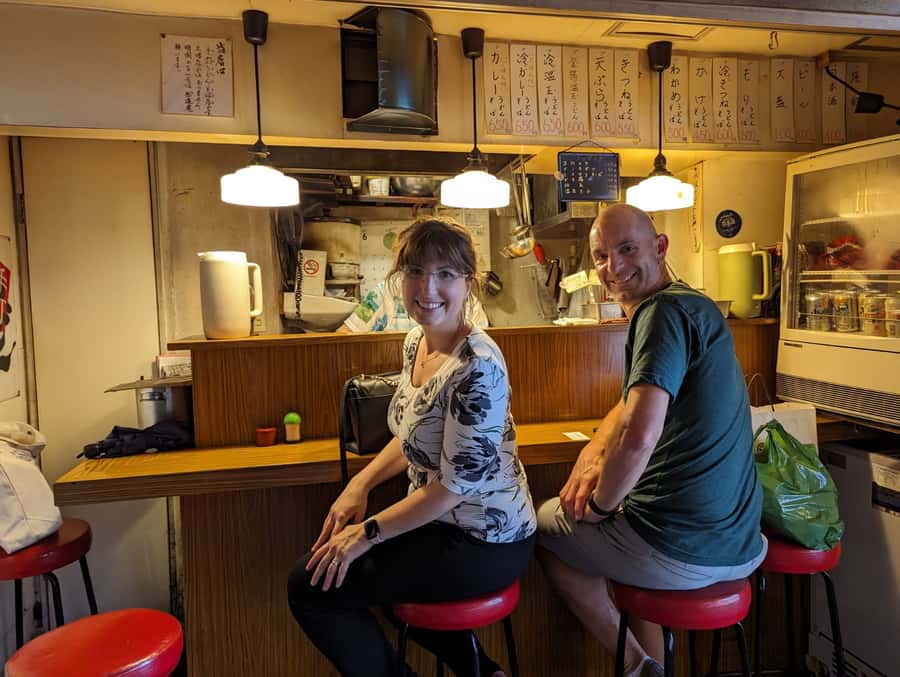
- Ginza/Yurakucho centers on salarymen-style eating under railway tracks, including curry udon and a Japanese sour
- Tokyo Station adds a fun angle: gift-giving culture and rail-themed food
- Akihabara connects traditional snacks to future-minded marketing aimed at younger Tokyo
- Small groups only: maximum 8 people (or choose private)
A 5.5–6.5 hour Tokyo food story, end-to-end
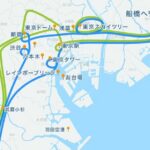
Tokyo can feel like one long blur of neighborhoods. This tour keeps it readable by moving in a clean line: Nihonbashi → Tokyo Station/Yurakucho area → Akihabara. You’re not just eating; you’re learning how food habits shift with the city’s economy, technology, and daily life.
The total time runs 5.5 to 6.5 hours, depending on the start time and pacing. You’ll cover about 6.5 km (4 miles), and it’s rain or shine, so plan for weather.
You’ll also want to treat this as a food-and-walking combo. Expect a moderate pace and frequent stopping, not a slow sit-down meal tour.
You can also read our reviews of more food & drink experiences in Tokyo

Nihonbashi: the ingredient roots of Japanese comfort food
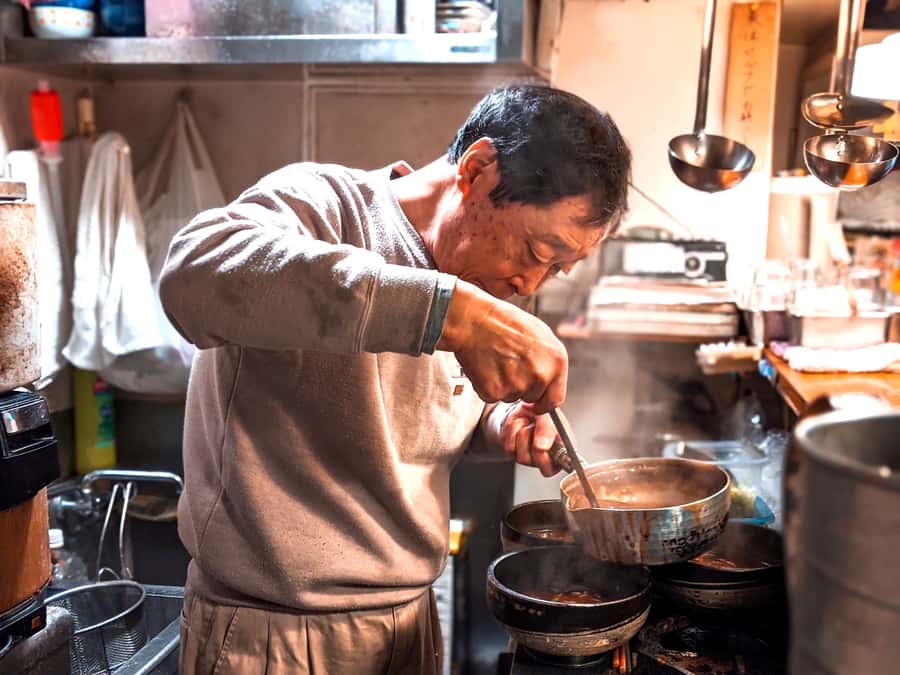
I love the way the tour begins in Nihonbashi, because it starts with fundamentals instead of random snacks. The focus is on the building blocks that show up everywhere in Japan: dashi, plus the classics that make it taste the way it does.
Key tastings here can include:
- Kombu tsukudani (simmered kelp)
- Amazake (a healthy fermented rice drink)
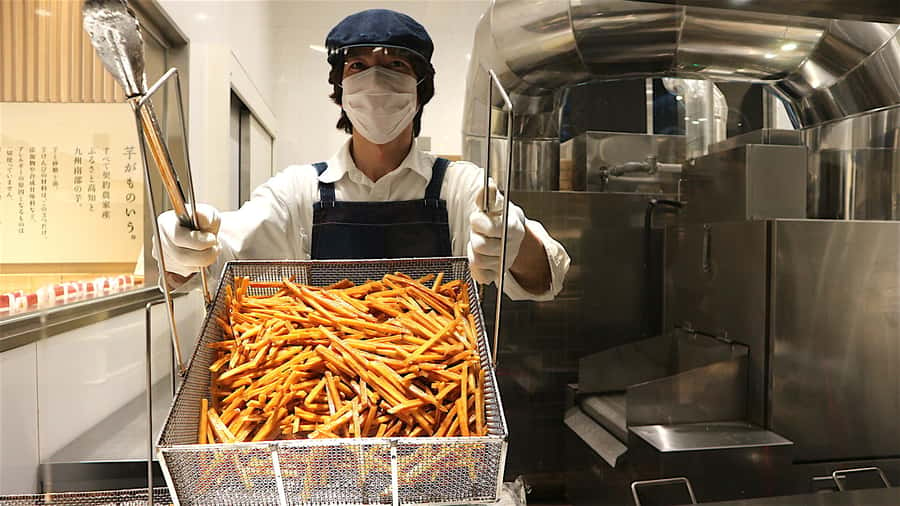
- Imo kenpi (sweet potato chips)
- Daifuku mochi (glutinous rice with sweet filling)
You’ll also get context on katsuobushi (bonito flakes) and kelp as traditional ingredients. That matters because once you know what flavors Japan treats as “base,” you start recognizing them across dumplings, noodles, sauces, and braises.
A practical note: this first stretch is a great place to bring your energy. You’ll likely feel the distance later, so it helps to start focused and keep water handy.
Ginza & Yurakucho: eating like salarymen under the tracks
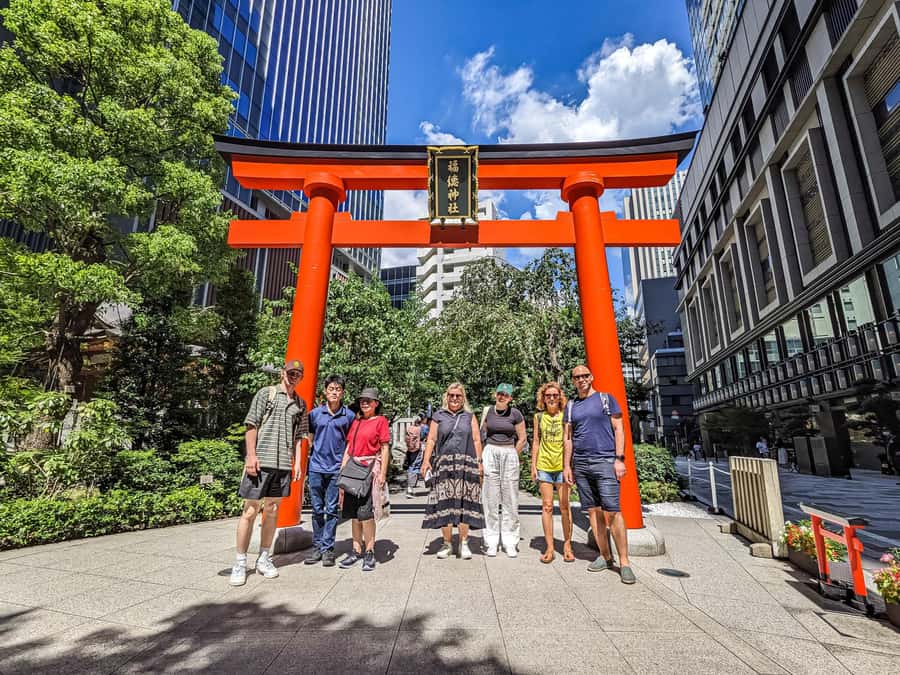
After Nihonbashi’s traditional foundation, the tour shifts into modern Tokyo habits. In the Ginza and Yurakucho area, you’ll eat in the style of Japan’s office-worker world: izakayas and noodle spots that fit into the rhythm of workdays.
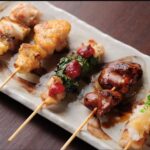
This is where the tour becomes more “you’re watching real life” than “you’re in a museum.” You’ll taste common chicken dishes, and you’ll also have curry udon, a post-war era favorite that reflects how Japanese tastes evolved alongside industry and changing diets.
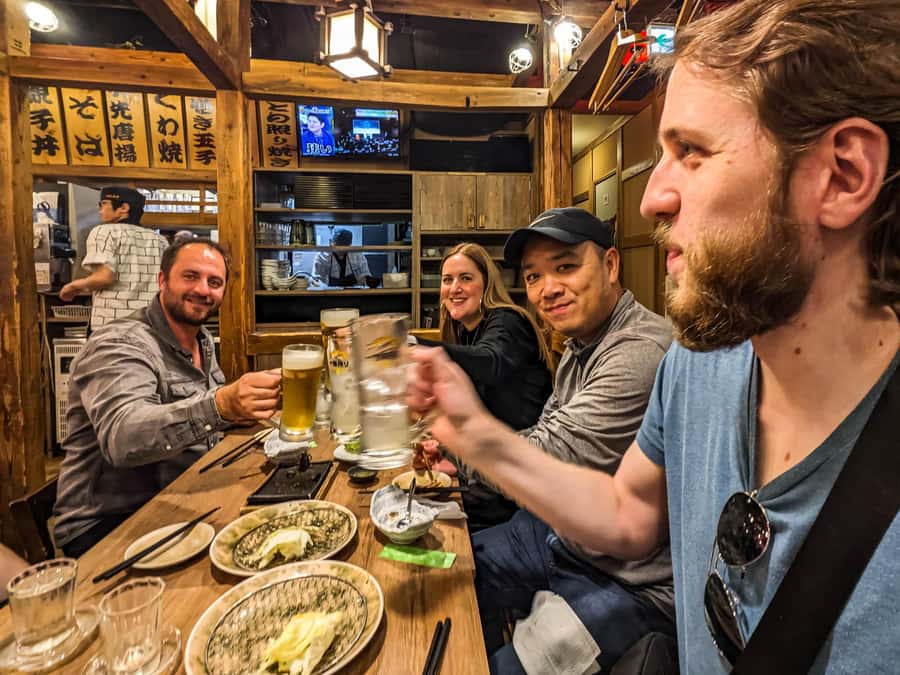
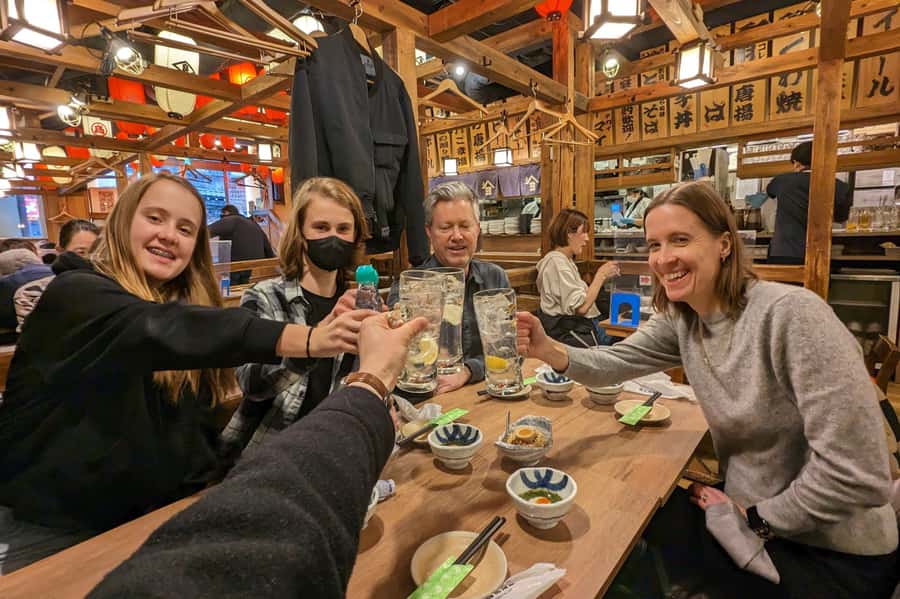
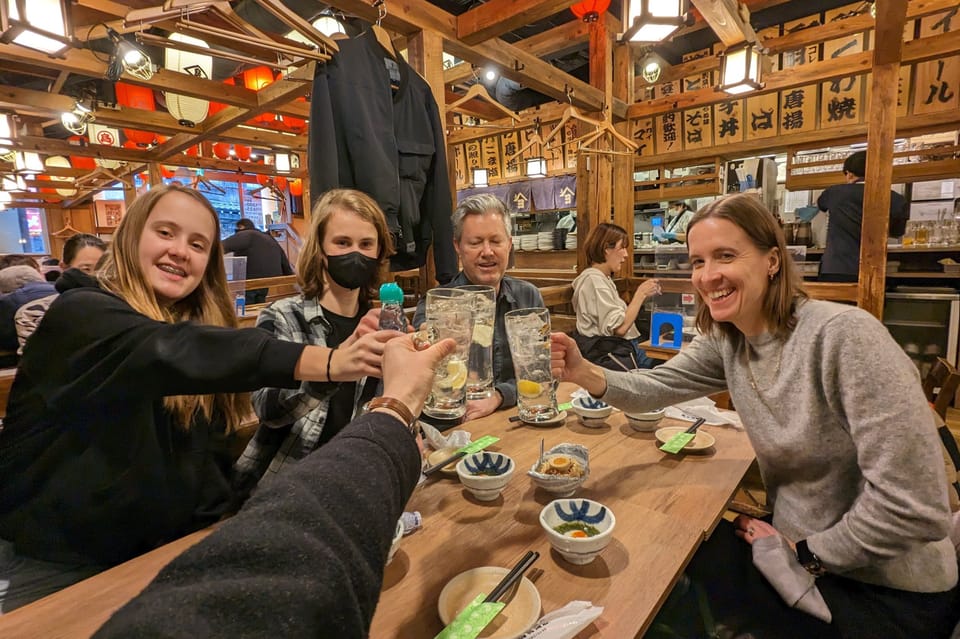
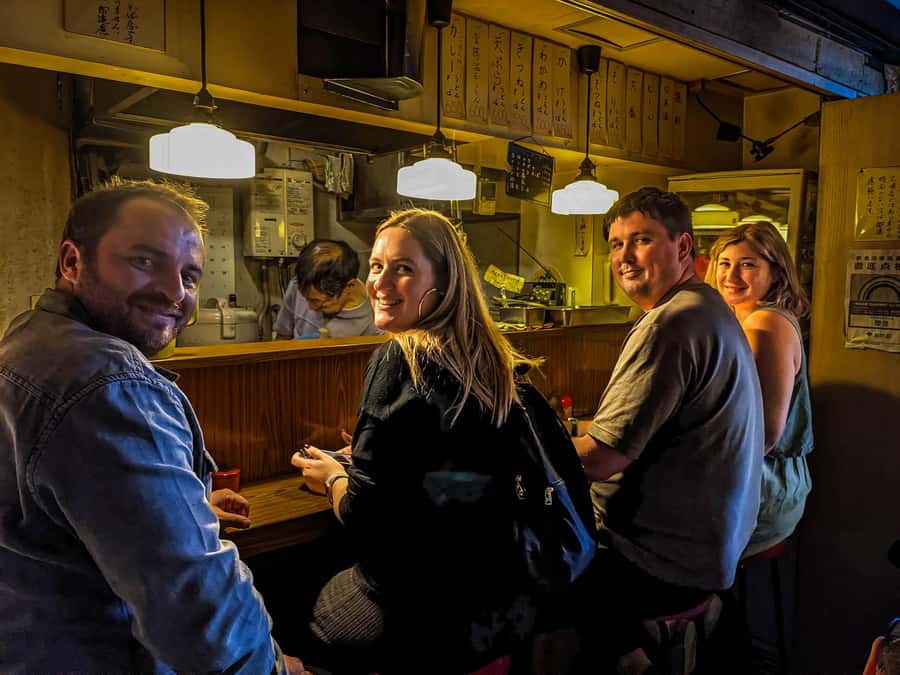
One of the most memorable included items is the Japanese alcoholic drink called a sour. It’s not just a drink ticket; it fits the izakaya vibe the tour is aiming for—casual, social, and built for frequent small orders.
If you’re picky about atmosphere
The “under the railway tracks” style dining is part of the concept, but it also means smaller spaces and a real local-food feel. If you prefer quiet, candle-lit dinners, this may feel more like spirited cafeteria energy (in a good way).
Tokyo Station: gift culture, fruit sando, and rail-themed food logic
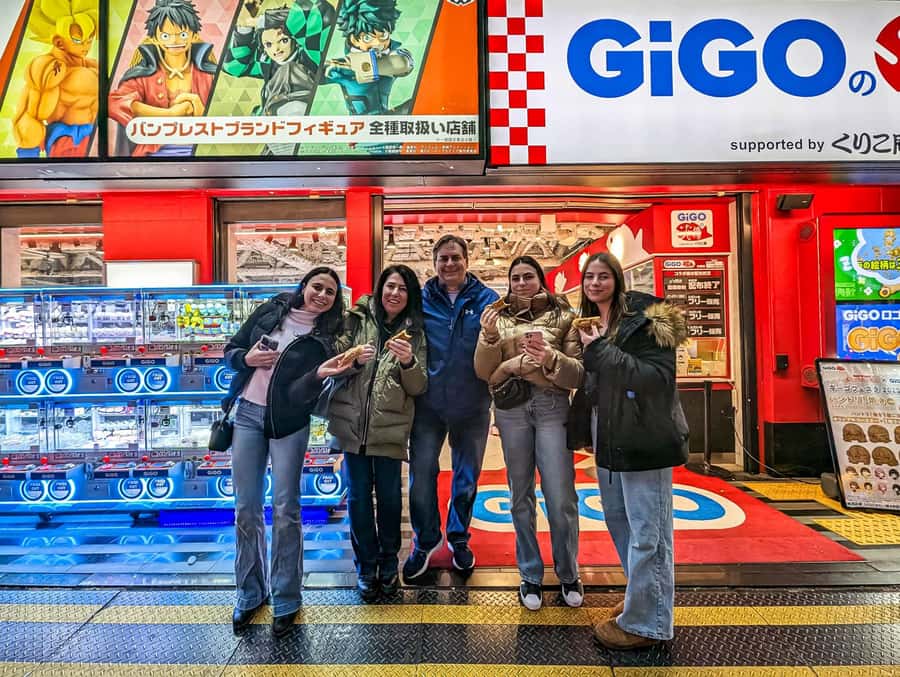
Tokyo Station can be overwhelming if you’ve never navigated it. Here, the tour uses that complexity as a feature: you don’t just walk past it—you decode it.
The spotlight tasting is a fruits sando, made with Japanese milk bread filled with fresh fruit and whipped cream. It’s a modern, crowd-friendly bite that also carries a deeper idea: in Japan, food is often tied to gift-giving culture, and department-store style habits spill into travel and station life.
The tour also connects this kind of eating to Japan’s iconic bullet train culture—how movement, convenience, and “bring something back” expectations shaped food formats that travel easily.
If you’ve ever wondered why station food looks so special and portable in Japan, this stop explains the logic in plain terms.
You can also read our reviews of more tours and experiences in Tokyo

Akihabara: traditional snacks meet future-minded marketing
Then you take the short subway hop into Akihabara, a neighborhood most people associate with electronics and anime. On this tour, that identity becomes useful: you get a food angle on how Tokyo’s tech and subcultures affect what sells to younger generations.
The focus here is on innovative marketing—traditional snacks repackaged, rebranded, and presented with modern attention-grab tactics. It’s not about eating something “futuristic” in a literal sci-fi sense. It’s about seeing how old ingredients keep finding new audiences.
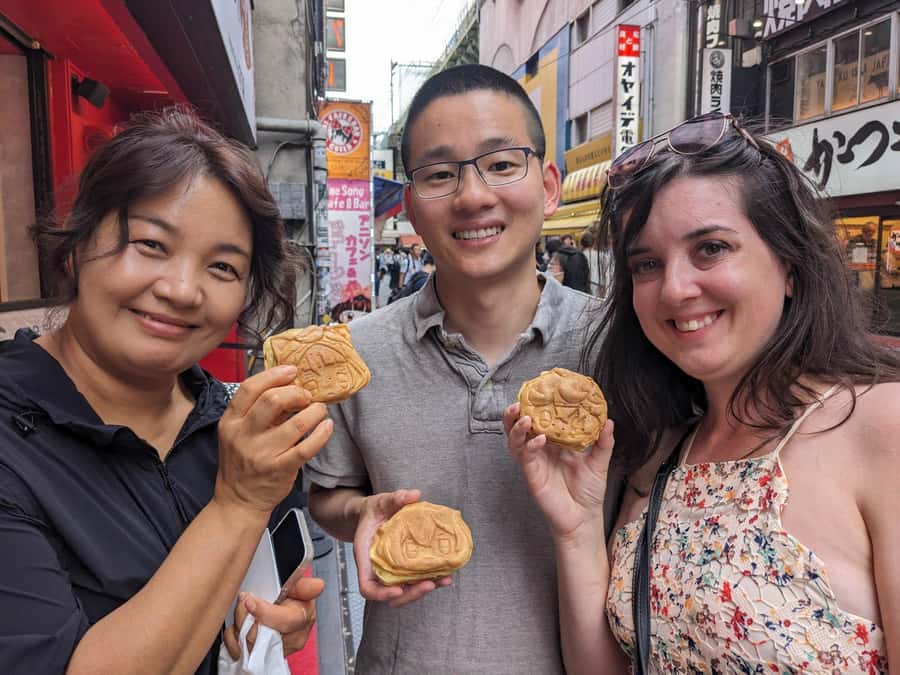
You’ll try dessert and additional local snack tastings, with a guided walk that connects the neighborhood’s role in introducing new ideas to the way snack culture adapts. If you enjoy noticing how branding works—colors, packaging, limited-time appeal—this is one of the more fun sections.
What the guide adds (and why group size matters)
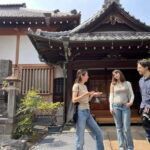
A food tour lives or dies by the guide. In this case, the feedback on the tour’s guides is consistently strong, with examples like Paiva and Miko praised for bringing more than just a food roll call.
What you want from a guide here:
- Clear explanations tying each bite to a time period (past → present → future)
- Practical direction on where to stand, when to order, and what to expect
- Cultural context that helps you taste with understanding, not just chase calories
Small groups help. With a maximum of 8 people, you’re less likely to get stuck in a slow moving blob at every shop entrance. Private is also available if you’d rather move at your own rhythm.
Walking pace, subway rides, and meeting point reality
This is a walking tour, so your shoe choice matters more than you think. Bring comfortable shoes and plan for stairs at subway stations. The tour notes it’s not wheelchair friendly and isn’t suitable for mobility impairments.
You’ll also take two short subway rides, and you must purchase your own subway tickets. The tour guide won’t absorb transit costs, so budget a little for that.
Meeting point: Nihonbashi Station Exit B12 (inside the mall basement)
Start at Nihonbashi Subway Station Exit B12. When you come out of Exit B12, you’ll be in a shopping mall—and the key detail is that you should not go up to street level.
Look for the bench on the right in the basement level. If you’re using taxi, the tour suggests Coredo Nihonbashi (1 Chome-4-1 Nihonbashi) and taking the elevator down to a bench at that entrance.
This kind of exact direction is a gift in Tokyo. Follow it closely and you’ll save time.
What to bring so the 6.5 km feels manageable
The tour encourages you to show up prepared, and you’ll feel it during the walking stretches. I’d treat it as a mini hike through the city.
Bring:
- Comfortable shoes
- A towel (Tokyo can get humid, and you’ll be moving)
- Comfortable clothes
- A reusable water bottle
Also, expect this tour to run rain or shine, so pack for weather. A light layer can make the later subway-to-street moments easier.
Price and value: $164 for 11+ tastings plus a drink
At $164 per person, this isn’t a cheap snack walk. But the price makes more sense when you break down what’s included: a guided experience, 11+ food tastings, and 1 alcoholic drink.
Tokyo food portions can add up fast, especially when you’re sampling several spots instead of ordering one “main meal.” So you’re paying for:
- Access to multiple eateries you might not stumble into on your own
- Guidance on what you’re tasting and why it matters
- A structured route across major districts
What’s not included is subway travel during the tour, plus you’d handle hotel transport only if you book a private option with a hotel meet-up. For most people, the included tastings and guide time are the real value engine here.
Who gets the best deal
You’ll likely feel the value most if you:
- Want organized food sampling with context
- Like both traditional and modern Tokyo flavors
- Prefer small-group attention over huge crowds
If you’re hoping to mostly sightsee and snack lightly, you might feel the schedule is tighter than you expected.
Dietary fit: who should skip (and who can adapt)
The tour is clearly marked as not suitable for vegans and vegetarians. It also includes 1 alcoholic drink, and some tastings center on classic Japanese ingredients like fish-based components tied to dashi.
If you eat around restrictions sometimes, don’t assume this tour can swap everything. Your safest move is to check your personal needs against what the tour is designed to serve.
Should you book this Tokyo food tour?
Book it if you want a structured food experience that tells a story, not just a series of stops. It’s especially worth it if you enjoy understanding how everyday food habits connect to the city’s timeline—from foundational ingredients in Nihonbashi, to salarymen dining in Ginza/Yurakucho, to station and gift culture, and finally to Akihabara’s youth-focused marketing.
Skip it if you:
- Can’t handle around 6.5 km of walking and subway stairs
- Need a vegan or vegetarian menu (this one isn’t designed for that)
- Prefer long sit-down meals over a paced tasting sequence
If you’re in the middle—able to walk, open to trying everything, and excited by food culture—this is the kind of tour that leaves you with more than a full stomach. You’ll leave Tokyo noticing how the past still shapes what people buy today, even when the neighborhood looks very future-forward.
FAQ
FAQ
How long is the tour?
It runs about 5.5 to 6.5 hours. Exact timing depends on your starting time.
How many food tastings are included?
You’ll get 11+ tastings during the tour, plus 1 alcoholic drink.
Where does the tour start?
The meeting point is Nihonbashi Subway Station Exit B12. You’ll meet in the shopping mall area on the basement level, near a bench on the right.
Does the tour include subway rides?
No. There are two short subway rides during the tour, and you’ll need to buy your own subway tickets.
What’s the walking like?
Expect a moderate walking pace and about 6.5 km total. You should be prepared for stairs at subway stations.
Is the tour suitable for wheelchair users?
No. It’s not wheelchair friendly and not suitable for people with mobility impairments.
Are vegan or vegetarian options available?
No. The tour is not suitable for vegans or vegetarians.
What are the tour languages?
The live guide is available in English, Japanese, and Portuguese.