REVIEW · TOKYO
Tokyo: Shinjuku Food Tour – 15 Dishes, 3 Drinks, 4 Eateries
Book on GetYourGuide →Operated by Travel Tokyo · Bookable on GetYourGuide
Tokyo eats are better with a guide. In Shinjuku, this tour strings together four local eateries into one easy, delicious night, and you’ll leave with a clear sense of Japanese comfort food beyond the usual list. I especially like the 15+ dishes approach—it feels like a real meal, not endless tiny bites—and I also like how the walk connects you to neighborhoods, not just restaurants. The one watch-out: the pacing is restaurant-to-restaurant, and one stop may involve stairs, so comfy shoes matter.
You’re also not stuck staring at menus while everyone else orders. An English-speaking guide keeps the group moving, finds seats, and explains what you’re eating (and why it matters). For a first trip to Shinjuku, that alone is worth a lot. If you’re very sensitive to alcohol or you expect exactly three drinks every time, plan for some variation.
In This Review
- Key points before you go
- Where The Night Starts: α 107 and the AOKI/Starbucks meeting spot
- Golden Gai: First stop flavor in Shinjuku’s tiny-bar maze
- Omoide Yokocho: Lantern alleys and comfort-food momentum
- Kabukicho: Big-neon energy to close out a full Shinjuku dinner
- The Menu Math: 15 dishes, 3 drinks, and why it works
- The Guide Factor: English explanations that make the bites click
- Walking pace, stairs, and comfort tips that actually matter
- Price and value: Is $72 a smart Shinjuku deal?
- Should You Book This Shinjuku Food Tour?
- FAQ
- What’s the duration of the Shinjuku Food Tour?
- How many dishes and drinks are included?
- How many restaurants does the tour visit?
- What areas in Shinjuku will we visit?
- Where is the meeting point?
- What language is the guide?
- Do I need to bring anything?
- Is the price really $72 per person?
- Can I get a refund if I cancel?
- Can I reserve now and pay later?
Key points before you go
- Four eateries in 3 hours means more taste and less “stand here and wait.”
- Golden Gai, Omoide Yokocho, and Kabukicho give you three very different flavors of Shinjuku nightlife.
- English-speaking guidance helps you order with confidence and understand what you’re tasting.
- You’ll eat enough for a full dinner, so come hungry and stop snacking earlier in the day.
- Cash is required, so don’t rely only on card when you’re in the alleys.
Where The Night Starts: α 107 and the AOKI/Starbucks meeting spot
This tour meets at the α 107 Building area, right by a simple landmark: a blue AOKI sign next to Starbucks near Nishi-Shinjuku’s west exit. It’s a great setup because Shinjuku is huge. Having a fixed point cuts down the stress before you even start eating.
Bring cash. A lot of the fun on this kind of Shinjuku outing happens in places that are small and quick, where you don’t want to be scrambling for payment methods. Also, if you’re the type who likes to arrive early just to get your bearings, that’s smart here too—backstreets are easier once you’ve seen the start point.
Finally, remember what you’re signing up for: a guided eating walk with multiple stops. That means you should dress for movement, not just photos. If you have dietary limits, you can ask your guide what’s possible, and some groups have reported getting accommodations.
You can also read our reviews of more food & drink experiences in Tokyo

Golden Gai: First stop flavor in Shinjuku’s tiny-bar maze
The night kicks off with dinner time at Golden Gai, typically your first hour on the tour. Golden Gai is known for its tight cluster of small bars and lanes, and that matters because it sets the tone: this isn’t a single restaurant meal. It’s Shinjuku’s old-school, around-the-corner nightlife.
What you’ll feel here is intimacy and momentum. You’re likely to be seated quickly, and the guide’s job is to keep everyone sorted while you transition from one dish to the next. Golden Gai is also where you get that sense of “Tokyo life” that doesn’t come from big boulevards. It’s all backstreet energy—neon, narrow walkways, and the kind of atmosphere where conversation and food go together.
In practical terms, this is a good place for your guide to orient you. You get your first taste, then you understand the flow of the tour: you won’t be hunting for menus or translation while everyone else is moving.
Omoide Yokocho: Lantern alleys and comfort-food momentum
Next up is Omoide Yokocho, also usually a one-hour stop focused on dinner. This alley is famous for its “memory lane” vibe—think lantern light, packed little eateries, and the feeling that people come here for repeated favorites, not novelty.
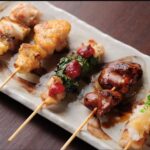
This is one of the stops where I’d expect the food to lean into classic Japanese comfort. Based on what’s described for the menu, you might see items that hit that sweet spot of satisfying and shareable: things like pan-fried gyoza or other hot, savory plates that make you want another bite before the tour even moves on.
Omoide Yokocho is also a great place for learning. A good guide will connect what you taste with what you’re seeing around you: why these alleys work, why people linger, and how the rhythm of ordering and eating differs from a big dining room. You’ll also notice how the pacing stays manageable even when the space feels crowded, because the guide’s doing the timing and seating logistics.
One more practical note: these alley spots can be tight. You’ll want to keep your coat stowed and your hands free. Eating tours run best when you’re ready to follow instructions quickly and enjoy the moment.
Kabukicho: Big-neon energy to close out a full Shinjuku dinner
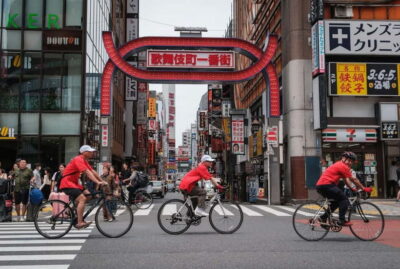
The final eating stop is Kabukicho, again typically a one-hour segment before you return to base at the α 107 Building. Kabukicho is Shinjuku’s famously loud entertainment district. It’s a very different mood from the quieter, lane-like character of the smaller areas, and that’s why it’s a smart ending.
By the time you reach Kabukicho, you’re already in “dinner mode.” This is when a tour like this pays off: you’ve tasted your way through multiple food styles, and now you finish the night with extra energy from the surroundings. It also keeps the walking portion from feeling like it drags—three hours passes faster when the last stop feels like a finish line.
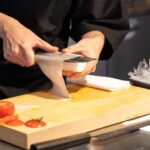
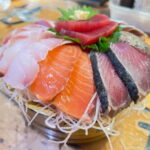
Food-wise, this is where you can get those more substantial, cooked-to-order textures that make you feel like you had a proper meal. The descriptions hint at golden-crisp tonkatsu and sashimi moments, which would fit nicely with a closing segment that balances fresh flavors and hearty satisfaction.
The guide’s commentary often lands best near the end too. You’ve already tasted, so when the guide explains the cultural background—what makes certain ingredients special, why certain dishes show up in specific districts—you’re listening with your taste buds already activated.
The Menu Math: 15 dishes, 3 drinks, and why it works
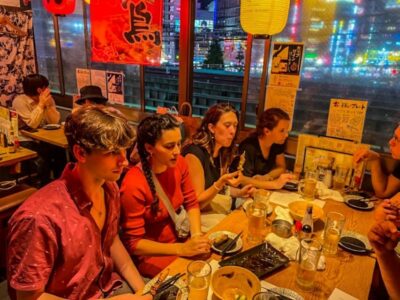
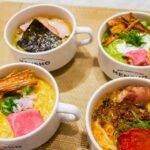
The headline is 15 dishes and 3 drinks across four local eateries. At $72 per person, that’s not “just snacks.” The intent is a full dinner experience, and the wording and menu examples point to a range of textures and styles—melt-in-mouth sashimi, crisp-fried favorites like tonkatsu, and savory bites like gyoza.
Here’s the value logic I’d use when deciding. In Shinjuku, a single good meal plus a drink can add up fast, especially in areas that attract tourists. What makes this tour feel like good value is that it bundles multiple restaurant meals into one guided evening, with an English-speaking host handling ordering and pacing. You’re paying for convenience and access, not only food.
One caution: at least one guest reported receiving two drinks instead of three on their night. That doesn’t mean it’s always short, but it’s worth having a mindset like this: the food volume is the constant, and the drink count can vary depending on how a specific guide and restaurant flow works.
Also, eat like a planner. Come hungry. This tour can leave you more than comfortably full. Many people said the portions were plenty, and you may not finish everything. That’s not a bad problem, but it does affect what you do before and after.
You can also read our reviews of more tours and experiences in Tokyo

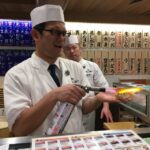
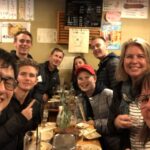
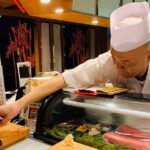
The Guide Factor: English explanations that make the bites click
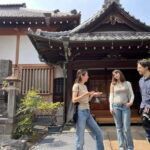
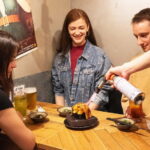
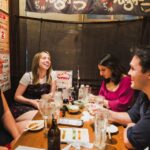
This tour lives and dies by the guide, and the guide quality shows up again and again in the way people describe the experience. Names that have popped up include Rikki, Shane W, Fu, Emma, Dai, Yin, and Ali—each praised for being informative and for keeping the group on track.
What you should look for in an excellent guide here:
- They keep time so you don’t get stuck waiting at one crowded stop.
- They get seats quickly in narrow spots where you can’t just wander in and spread out.
- They explain what you’re eating in simple, useful ways, so you taste with context.
You’ll also get neighborhood-level storytelling. Shinjuku isn’t one place; it’s a collection of micro-districts. A good guide helps you understand why Golden Gai feels like a maze, why Omoide Yokocho draws people back, and why Kabukicho has its own rhythm.
There’s a practical upside too. One guest noted patience when they got lost. Another mentioned that the pace was adjusted for someone walking slower. That’s exactly what you want if you’re traveling alone or you’re not sure how your stamina compares to a group.
Walking pace, stairs, and comfort tips that actually matter
This is a walking tour, but it’s not described as an all-day hike. Still, you’re moving between districts and stepping through compact areas. Plan for normal urban walking and keep your footwear sensible.
One detail to flag: one person mentioned a stop that involved stairs with no lift. That doesn’t mean the whole tour is inaccessible, but it does mean you should avoid fragile shoes and be prepared for at least one set of steps.
If you’re traveling with someone who has mobility concerns, it’s worth asking before you go whether the route includes stairs at the restaurants. If you’re the one with mobility needs, bring that up early rather than hoping the day’s schedule will be convenient.
And if your diet is restricted: the data you have suggests some accommodations for food allergies have been made. That’s promising, but don’t assume every guide can do the same thing every night. Ask what’s possible when you book, then confirm again with your guide at the start.
Price and value: Is $72 a smart Shinjuku deal?
For $72 and 3 hours, you’re buying:
- a guided English-speaking evening,
- four restaurant visits,
- 15 dishes (enough for a full meal),
- and 3 drinks with alcoholic and non-alcoholic options listed.
To judge value, think about what you’d pay if you did this on your own:
1) You’d need to select multiple restaurants in small alleys.
2) You’d need to get everyone seated, which can be hard in Golden Gai-style places.
3) You’d need to translate menus or rely on pictures and luck.
4) You’d likely eat less than 15 dishes because normal dining doesn’t line up like that.
This tour is basically “meal planning + restaurant logistics + cultural context” bundled into one price. That’s why it keeps scoring high: it reduces decision fatigue. It also gives you a Shinjuku orientation fast, which helps you enjoy the rest of your trip even when you’re on your own.
Should You Book This Shinjuku Food Tour?
Book it if you want a guided Shinjuku food night that eats like a proper dinner and doesn’t require you to research tiny alley restaurants for hours. It’s also a strong choice if you:
- are in Tokyo for a short time and want fast neighborhood context,
- don’t want to guess your way through menus,
- and like variety more than committing to one dish all night.
Skip it or think carefully if:
- you’re very concerned about exact drink counts,
- you’re uncomfortable with stairs,
- or you want a long, slow sit-down meal with no movement.
Overall, this is one of those experiences where the value is less about a single dish and more about the whole night working smoothly. If you come hungry and keep your expectations aligned with a busy restaurant walk, you’ll have a memorable Shinjuku evening.
FAQ
What’s the duration of the Shinjuku Food Tour?
The tour lasts 3 hours.
How many dishes and drinks are included?
You’ll have 15 dishes and 3 drinks (alcoholic and non-alcoholic options).
How many restaurants does the tour visit?
The tour includes visits to 4 local eateries.
What areas in Shinjuku will we visit?
The stops include Golden Gai, Omoide Yokocho, and Kabukicho.
Where is the meeting point?
Meet in front of the blue AOKI sign right by Starbucks in Nishi-Shinjuku (west exit).
What language is the guide?
The tour is guided by an English-speaking guide.
Do I need to bring anything?
You should bring cash.
Is the price really $72 per person?
Yes, the price is listed as $72 per person.
Can I get a refund if I cancel?
Yes, there is free cancellation up to 24 hours in advance for a full refund.
Can I reserve now and pay later?
Yes. You can reserve now & pay later to keep your plans flexible.