REVIEW · TOKYO
Shinjuku: Golden Gai Food Tour
Book on GetYourGuide →Operated by Arigato Travel KK · Bookable on GetYourGuide
Shinjuku nights come with training wheels. This Shinjuku: Golden Gai Food Tour turns the city’s neon chaos into a guided, food-first evening with real local context and a walk you can actually enjoy. I like how it mixes classic street snacks with stories that make the area feel legible, not just loud.
I especially love the small group size (up to 8) and how the tour feeds you with multiple stops, including yakitori and ramen, plus two included drinks. I also really appreciate the English-speaking guide attention to dining manners, so you know what you’re doing while you’re doing it.
The main drawback is simple: at $170, you’re paying for access, timing, and guidance more than for bargain street food value, and the food quality can vary by what’s available on that night.
In This Review
- Key things you’ll notice
- Shinjuku After Dark: Why This Tour Works as a First Night
- Meeting at KISSATEN Tajimaya and Staying on Schedule
- What You Actually Eat in 3 Hours: Yakitori, Ramen, and More
- The Drink Part: Two Drinks Included, Plus a Better Night Rhythm
- Golden Gai: 200+ Microbars and the Story Behind the Doors
- Guides Matter Here: What You Can Expect From the Human Part
- Price and Value Check: What $170 Buys You
- Who Should Book This (and Who Might Skip It)
- Should You Book the Shinjuku: Golden Gai Food Tour?
- FAQ
- FAQ
- How long is the Shinjuku: Golden Gai Food Tour?
- How much does it cost?
- Where do I meet the tour?
- What’s included in the price?
- Is hotel pickup included?
- Is there an age requirement?
Key things you’ll notice
- Up to 8 people means you can ask questions and actually hear answers.
- Two drinks included keeps the tone friendly for a nightlife intro.
- You’ll eat a sequence of multiple food stops, not just one “main” meal.
- Guides often teach practical dining etiquette while you order and eat.
- Golden Gai means 200+ tiny places, where the walk and timing matter.
- Many nights end with a final drink in Golden Gai, so you see it as locals use it.
Shinjuku After Dark: Why This Tour Works as a First Night
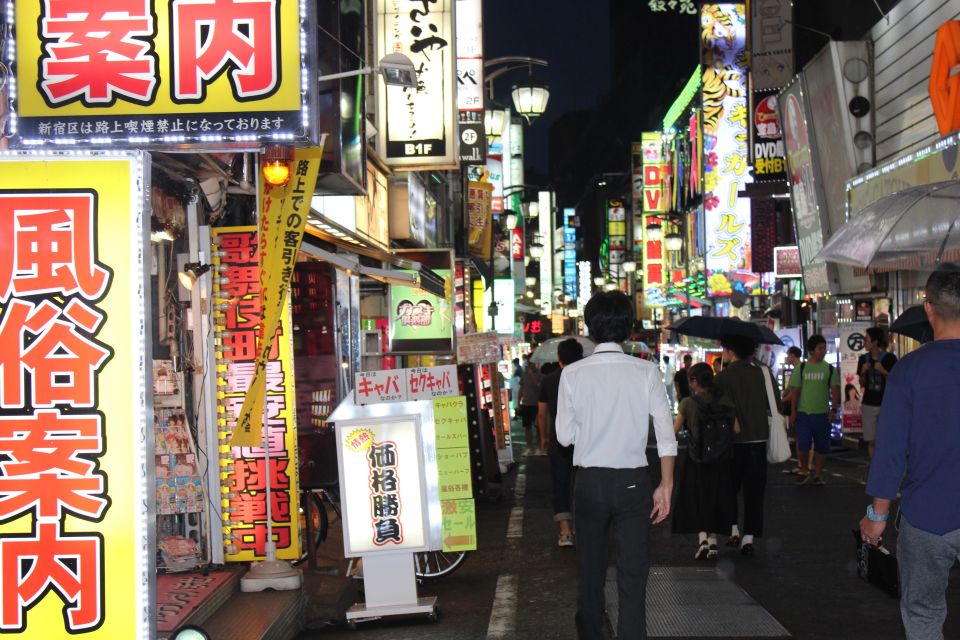
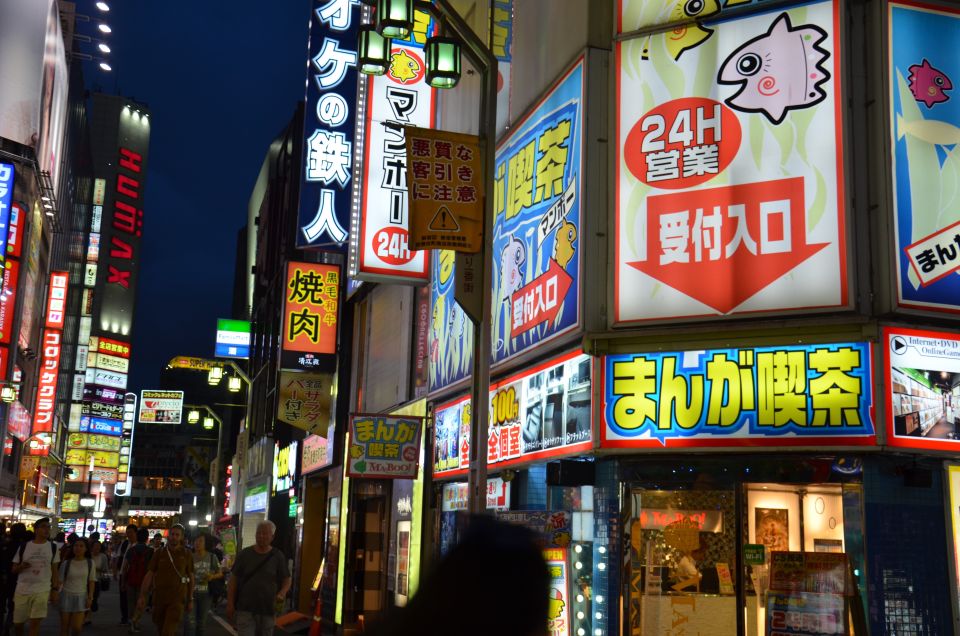
Tokyo nightlife can feel like two different cities. Daytime Tokyo is orderly. Nighttime Tokyo is a lot more sensory: alley smoke, crowded sidewalks, loud signage, and people moving with purpose.
This tour works because it gives you a plan. You’re not guessing where to go for yakitori, ramen, or a first drink that won’t feel awkward. You’re also not stuck outside Golden Gai staring at doors that all look like they belong to different worlds. The guide paces the night, explains what you’re seeing, and keeps you moving through Shinjuku in a way that feels natural rather than frantic.
I also like that the stories aren’t just trivia. You’ll hear how the area evolved from post-war nightlife energy, including its black-market past, and how Golden Gai became the maze of microbars it is today. That context helps you understand why the streets look the way they do, and why the vibe is so tightly packed.
You can also read our reviews of more food & drink experiences in Tokyo

Meeting at KISSATEN Tajimaya and Staying on Schedule
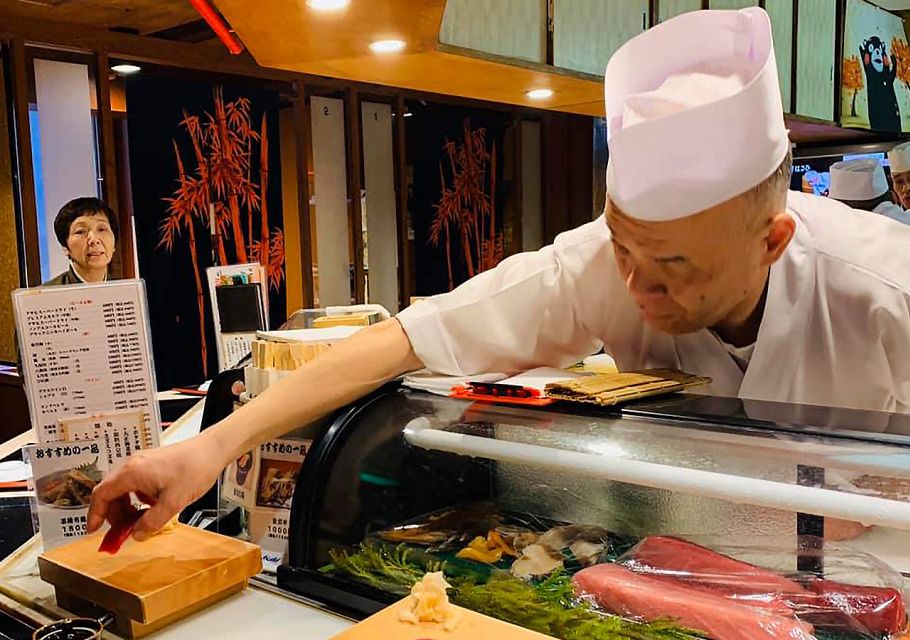
You meet in front of KISSATEN Tajimaya Coffee House at 1 Chome-2-6 Nishishinjuku, Shinjuku City, Tokyo 160-0023. Directions: follow signs for the West Gate to exit Shinjuku Station, then exit via B15.
Timing matters here. The tour allows only a brief five-minute grace period after the starting time. After that, the group departs. Once the tour begins, the guides can’t be contacted by phone for directions, so showing up on time is the difference between joining the night and missing it.
Also, factor in that it’s a nightlife-focused walk. You’ll be switching from food stop to food stop, so comfortable shoes really help. If you’re the type who runs late even in daylight, aim to arrive earlier than you think.
What You Actually Eat in 3 Hours: Yakitori, Ramen, and More
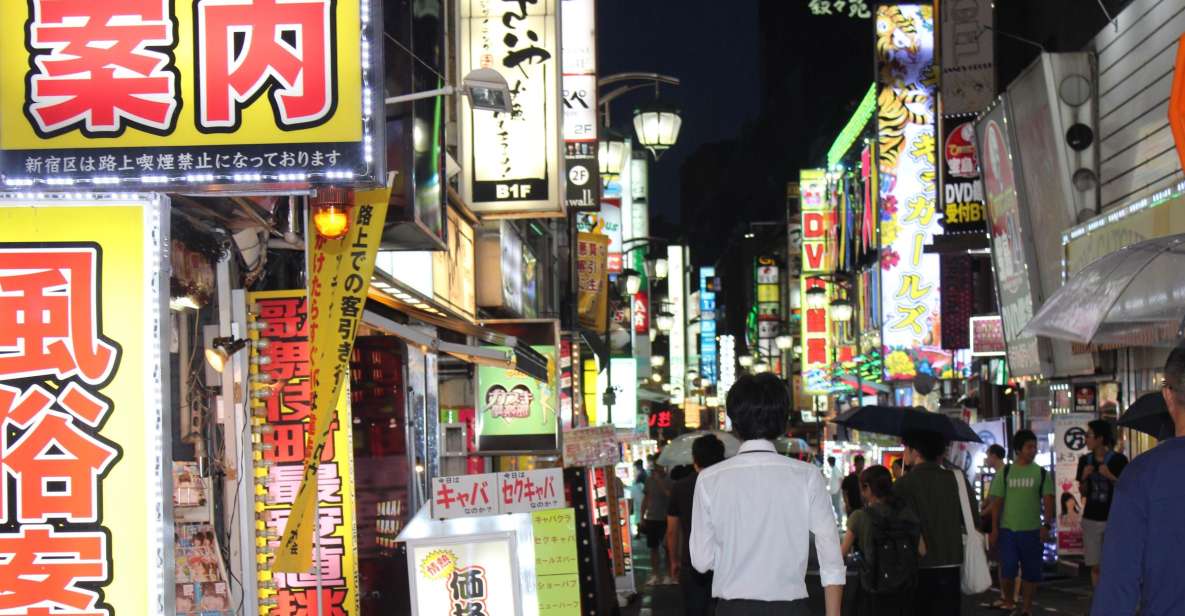
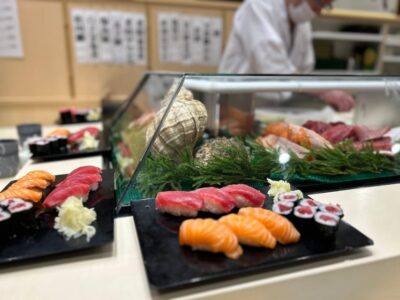
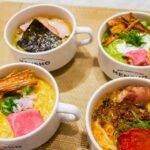
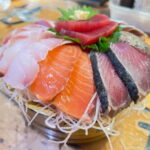
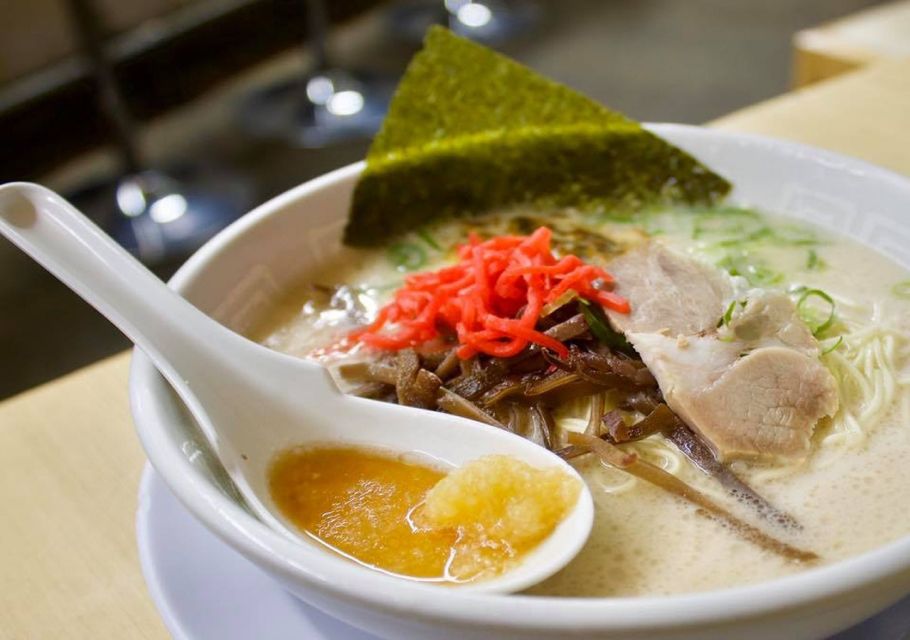
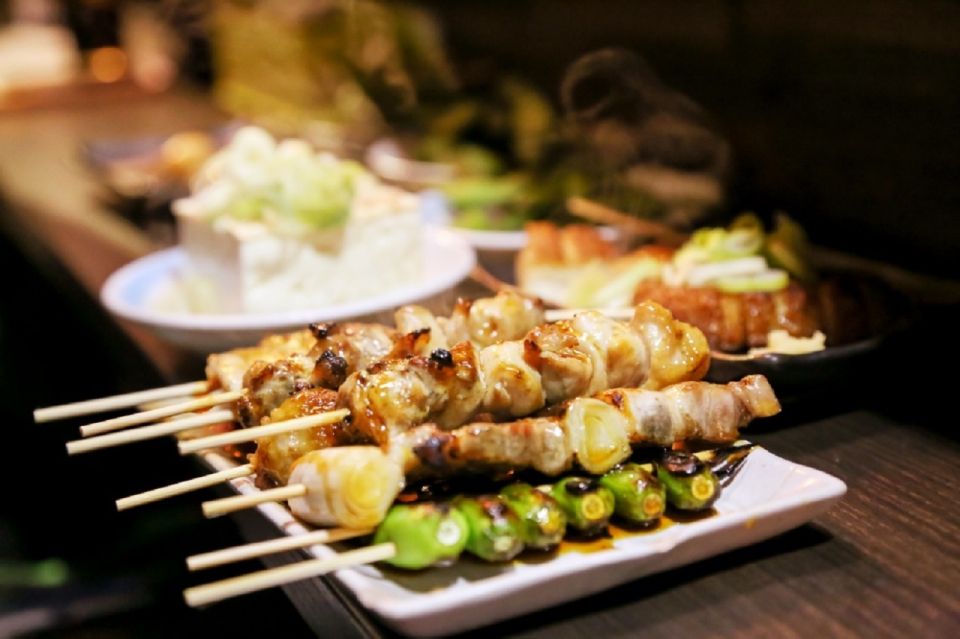
This is a 3-hour food tour with variety as the point. You’re not meant to leave full from one plate. You’re meant to sample your way through Shinjuku’s nightly rhythm, from smoky skewers to comforting noodles.
A big reason this format works is that Tokyo snacks are often best when you eat them in sequence. Yakitori hits one mood—char, salt, and grilled fat—then ramen flips the mood to hot, savory, and steadier. Mixing those textures in a short window keeps the night fun instead of tiring.
You’ll also notice that the guide’s role isn’t just handing you food. It’s helping you order efficiently and eat without stumbling into etiquette problems. Some guides are known for teaching restaurant etiquette and table manners alongside what to eat and where to go next. That means you get more than flavor—you get confidence.
One small but useful tip you might hear is about ramen ticket machines. A guide has been praised for steering people toward the correct selection—specifically pointing out that the top-left option is the one to use at a ramen vending machine. Even if your exact stop differs, this kind of guidance saves time and avoids the awkward scramble.
Food stop quality can be hit-or-miss, and I’d be honest about that. A couple comments mention that the food itself was only okay or not the best they’d had in Tokyo. Still, many other comments praise being well fed, with generous portions and enough variety that you don’t leave hungry.
The Drink Part: Two Drinks Included, Plus a Better Night Rhythm
The tour includes two drinks. That matters more than it sounds. In Golden Gai and the surrounding alleys, bars are small, and the atmosphere is part of the food experience. Having drinks timed into the evening helps you settle into each stop instead of rushing or feeling out of place.
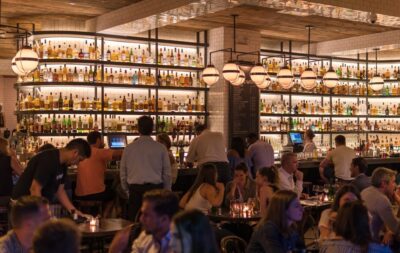
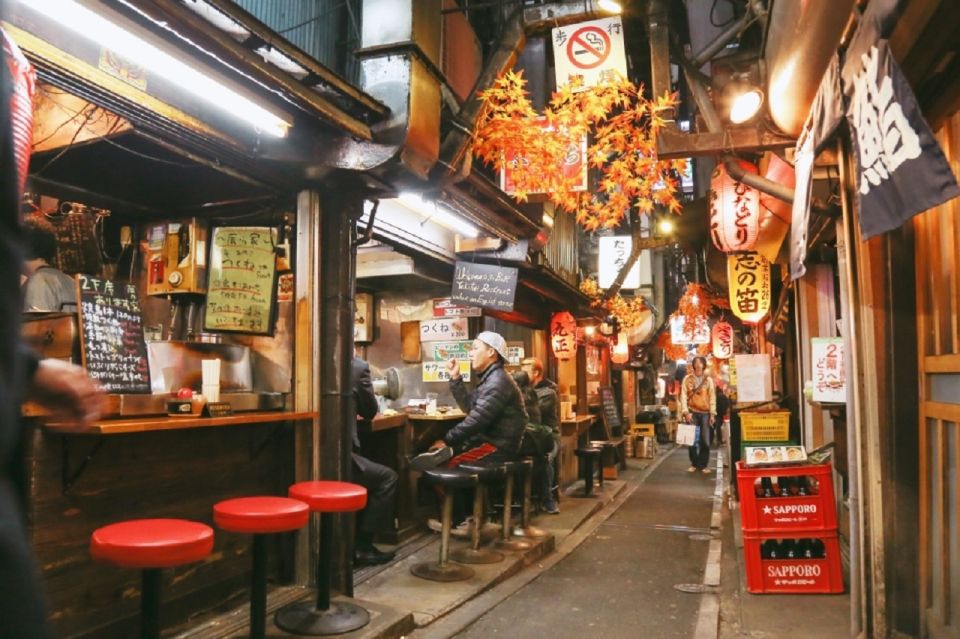
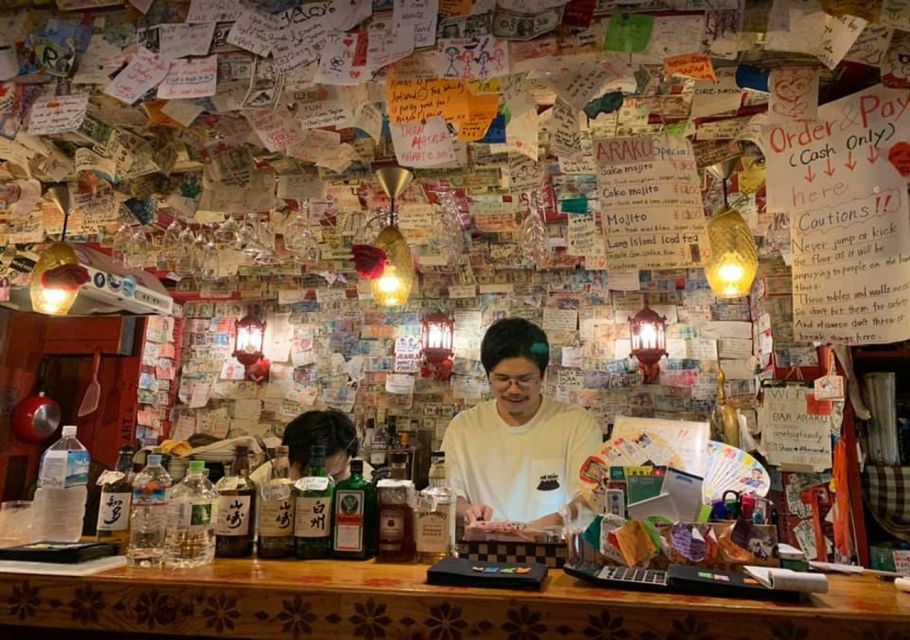
You’ll also get that classic Tokyo-night bar look: dim rooms, retro-style décor (including references to 1950s aesthetics), and a steady stream of people speaking quietly over clinking glasses. The guide keeps the night flowing so you’re not stuck waiting your turn for introductions or trying to interpret menu chaos alone.
Because it’s nightlife-focused, there’s one hard rule: you and everyone in your group must be 20 years old or older. Many places in the area don’t allow minors, so if you’re under 20, this isn’t the right tour.
Golden Gai: 200+ Microbars and the Story Behind the Doors
Golden Gai is famous, but it can also be confusing. The area is basically a maze of tiny pubs and stalls—over 200 of them—many sized for just a handful of people. The doors don’t announce what’s inside. The only way to appreciate it is to slow down and watch how the neighborhood works.
This tour builds that understanding by taking you through the walk first, then into the bar experience. You’re shown how the district’s streets connect, where the nightlife energy concentrates, and how the vibe stays intimate even with all the neon around you. The guide’s navigation also helps because Shinjuku’s side streets can look similar when you’re tired or distracted.
You’ll also hear history tied to how the neighborhood evolved, including the post-war black-market scene that helped shape its identity. Even if you don’t care about history in general, that context makes the tiny bars feel less random and more intentional. Golden Gai isn’t just a photo stop; it’s a place where Tokyo nightlife culture developed into something quirky, compact, and persistent.
The evening often ends with a final drink in Golden Gai, which I think is the right choice. It lets you finish where the energy peaks, rather than treating Golden Gai like a quick detour and then walking away too early.
You can also read our reviews of more tours and experiences in Tokyo



Guides Matter Here: What You Can Expect From the Human Part
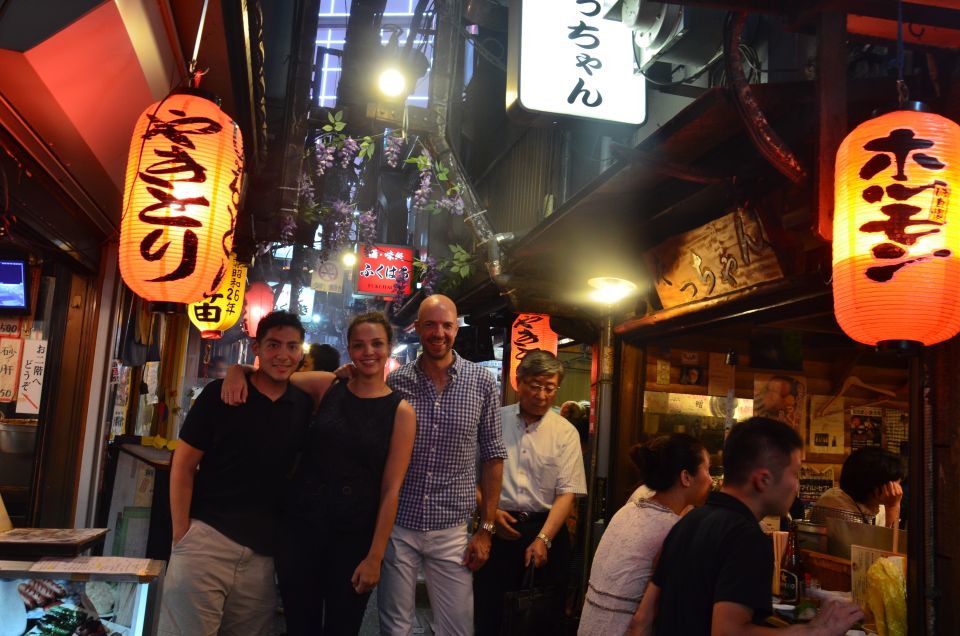
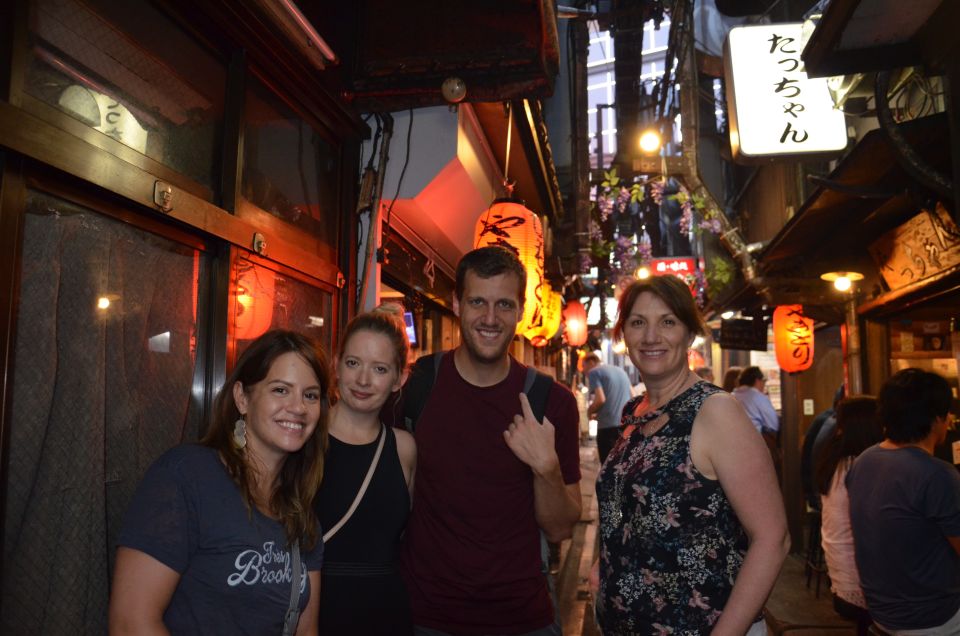
The best part of this tour, based on consistent feedback, is the guide. Names you may encounter include Alex, Ray, Daniele, Wes, Sandra, and Tommy, each described as personable and energetic. That kind of personality matters in Golden Gai, because the environment is small and close to other people. A good guide makes you feel welcome instead of like a tourist passing through.
You’ll likely get:
- Clear explanations of what you’re eating and why
- Etiquette coaching so table moments feel smooth
- Practical navigation through tight streets and alleys
- Stories that make the area click, not just facts read off a list
Some guides have used tools like a small slide show with historic photos, which can be a nice way to visualize how the neighborhood looked before it became the Golden Gai people photograph today. Not every guide may do that the same way, but the idea is clear: you’re meant to understand the space.
Price and Value Check: What $170 Buys You
At $170 per person, it’s not the cheapest way to eat in Tokyo. If you judge it purely as ingredients versus cost, it can look steep. Japan’s food can be surprisingly affordable on your own.
But that’s the wrong comparison for this type of night tour. You’re paying for:
- A planned sequence of food stops (yakitori, ramen, and more)
- Two included drinks
- A local English-speaking guide who handles pacing and ordering
- Access to places that feel small, local, and hard to navigate alone
- The Golden Gai entry experience, plus a final drink there
So the value comes from time saved and awkwardness avoided. If you’re a first-timer in Tokyo, or you don’t want your night to be a scramble, this can be a smart spend. If you’re a seasoned Tokyo night wanderer who already knows where you like to eat and drink, you might feel the food portion is pricey.
One more reality check: food quality can vary by stop and availability. Even within the positive feedback, a couple people noted the food was average or not their favorite. The tour can still be worth it because you’re also buying the walk, the context, and the social flow through Shinjuku.
Who Should Book This (and Who Might Skip It)
I think this tour is a great fit if you:
- Want a first Tokyo nightlife introduction that feels manageable
- Enjoy yakitori and ramen and want to try multiple things in one evening
- Like learning dining etiquette while you eat
- Prefer small-group experiences (up to 8)
I’d suggest skipping it if you:
- Strongly dislike drinking alcohol, since the tour is explicitly nightlife-focused and includes two drinks
- Are under 20, since participation requires everyone to be 20+
- Are extremely picky about food quality and would rather choose every stop independently
It also helps to go in with the right mindset. This isn’t a “one perfect meal” kind of tour. It’s a night out with guidance, where the goal is to leave understanding Shinjuku’s after-dark layout and enjoy the food along the way.
Should You Book the Shinjuku: Golden Gai Food Tour?
If you want a guided night in Shinjuku that helps you find your footing, I’d say yes. The strongest reason to book is the combo of small group size, two drinks included, multiple food stops, and a guide who helps you eat correctly and navigate the neighborhood without getting lost.
Just go in knowing what you’re buying. You’re paying for access, pacing, and local interpretation more than for bargain pricing. If you’re okay with that trade-off—and you’re 20+—this is a fun, practical way to experience Golden Gai as a living Tokyo neighborhood rather than a checklist destination.
FAQ
FAQ
How long is the Shinjuku: Golden Gai Food Tour?
It lasts 3 hours.
How much does it cost?
The price is $170 per person.
Where do I meet the tour?
Meet in front of KISSATEN Tajimaya Coffee House, 1 Chome-2-6 Nishishinjuku, Shinjuku City, Tokyo 160-0023. Exit Shinjuku Station via the West Gate, then exit via B15.
What’s included in the price?
You get two drinks included, a variety of dishes at multiple food stops, a bar visit in Golden Gai, and a local English-speaking guide.
Is hotel pickup included?
No. Hotel pick-up is not included, but it can be arranged for an additional charge.
Is there an age requirement?
Yes. The tour is heavily focused on nightlife and alcohol, and you and every member of your group must be 20 years old or older.