REVIEW · TOKYO
Samurai Experience – Learn Bushido through Kendo, in Tokyo
Book on GetYourGuide →Operated by Kendo Spirit · Bookable on GetYourGuide
A samurai workout that starts with respect. You begin with Rei, not the sword, and you work toward real armor sparring in Tokyo.
I love how the class is taught in a clear sequence, with instructors (often Daichi and Makoto) guiding you step by step instead of rushing you into chaos. You get a small group experience, up to 8 people, and you stay close to the teaching all through the session.
One consideration: it is training in full gear, so expect it to be a workout and a bit warm while you are in armor.
In This Review
- Key things to know before you book
- A Bushido Class That Beats the Costume Tour
- Your 2 Hours of Kendo in Tokyo: From Bowing to the Final Match
- Rei and Etiquette: The Way You Learn to Enter the Room
- The History Comes First: Why They Don’t Let You Start With a Sword
- Ki, Tai, Ken: The Samurai Formula You Practice Instead of Just Hearing
- Footwork, Targets, and Basic Techniques You Can Actually Use
- Putting On Armor: When Kendo Stops Being Theoretical
- The Match at the End: Controlled Pressure and Real Focus
- Instructor Demonstration: Watch How Control Looks Up Close
- Price and Value: Is $103 Worth It?
- Location Near Tokyo Station: Easy to Fit Into a Day
- Who This Is For (and Who Should Skip It)
- How to Show Up: What to Wear and What to Expect Physically
- Should You Book This Samurai Experience in Tokyo?
- FAQ
- Is the experience conducted in English?
- Do I need to bring any kendo equipment?
- How far is the dojo from central Tokyo?
- What is the group size limit?
- Can I get a private session instead of joining a group?
- Will I receive photos or videos after the class?
Key things to know before you book
- Rei first, sword later: You start by calming the mind and bowing, then you earn the weapon part.
- Ki-Ken-Tai-Itchi as the through-line: Spirit, sword, and body are taught as one connected system.
- Step technique and attack basics: You learn fundamentals like footwork patterns and key attack targets before sparring.
- Armor time and controlled matches: You get a real sense of distance, timing, and pressure.
- Instructors who slow down for beginners: Beginners join comfortably, with pacing that matches the group.
- Everything handled for you: Gear, shinai, drinks, and souvenirs are included, plus photos/videos after.
A Bushido Class That Beats the Costume Tour
Tokyo has plenty of ways to dress up and take photos. This is different. You come for kendo, but you leave talking about discipline, posture, intent, and how respect shows up in physical action.
The experience is built around kendo as living tradition, not a museum piece. The goal is practical: you learn to move with purpose, and you learn why the samurai mindset is still part of modern budo practice.
You can also read our reviews of more tours and experiences in Tokyo.



Your 2 Hours of Kendo in Tokyo: From Bowing to the Final Match
You will move through a structured flow. It is designed so you do not feel lost, even if you have never held a shinai before.
First, you settle in and learn the foundation: where kendo comes from and why Bushido shows up through practice. Then you shift into etiquette and movement drills. Only after that comes the sword work, followed by matches and instructor demonstrations.
The whole session stays focused on the same theme: Spirit, then body, then sword—together. That is the shortcut to understanding why this art is more than swinging something with a handle.
Rei and Etiquette: The Way You Learn to Enter the Room
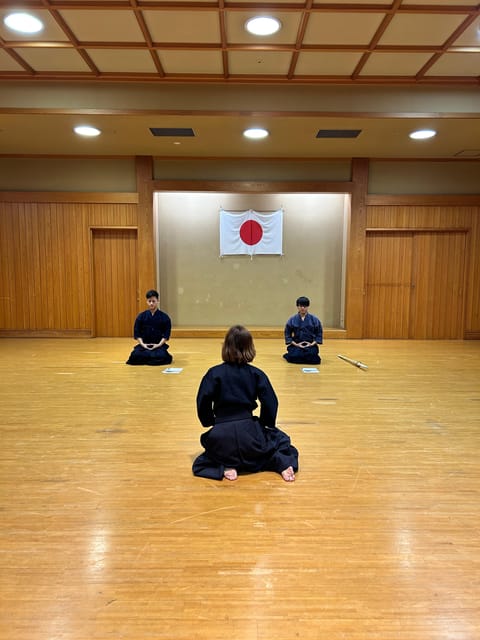
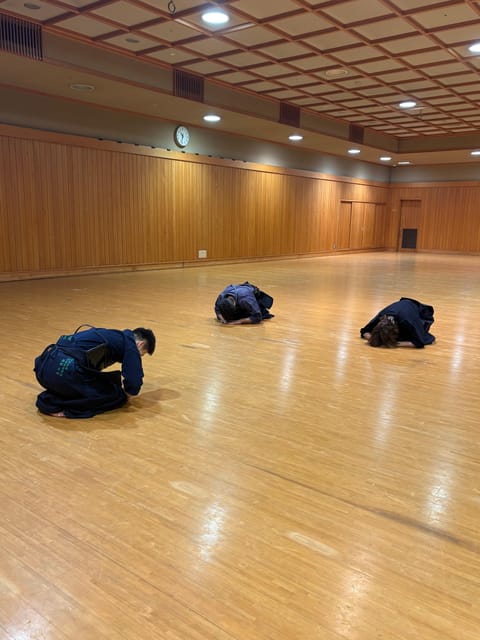
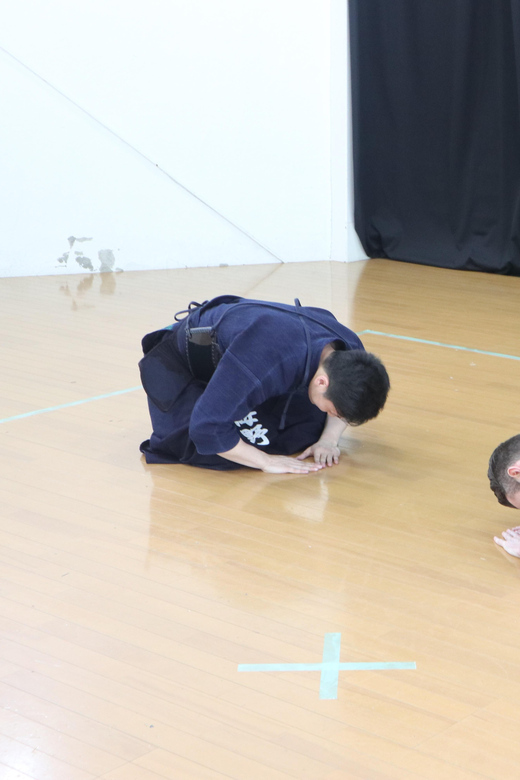
Before any training starts, you calm your mind and bow. It is not treated like a check-the-box formality. You learn how Rei sets the tone: you face the other people in the room with respect, and you show awareness of the space around you.
You also end with closing etiquette, bowing once more after training together. That matters because it teaches a habit. In kendo, you are training your attitude as much as your technique.
The History Comes First: Why They Don’t Let You Start With a Sword
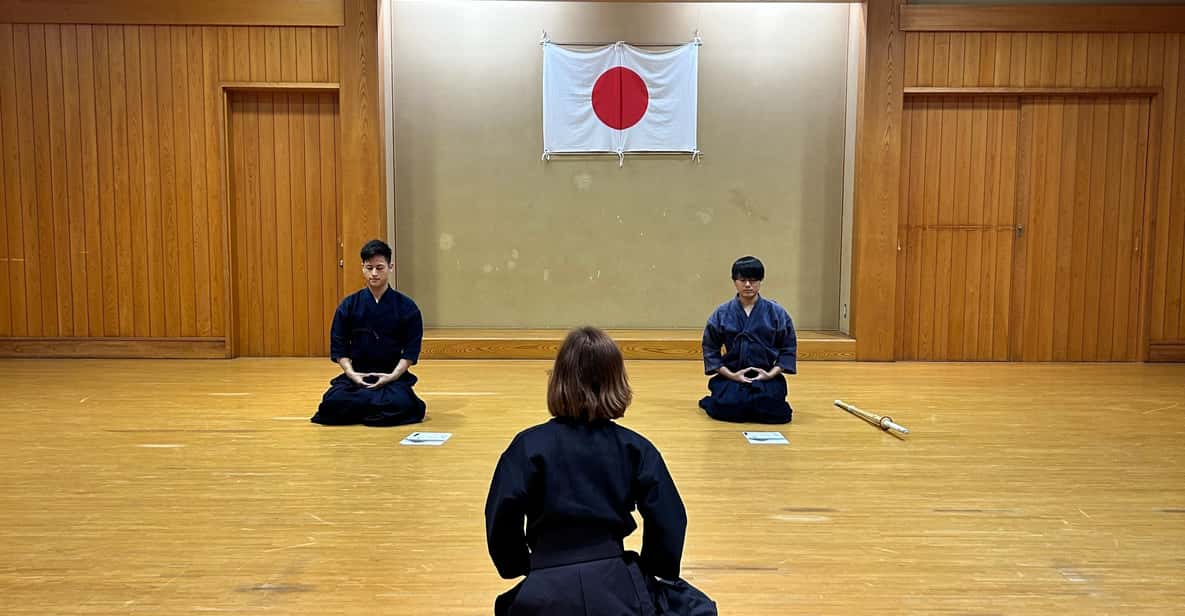
A big reason this class feels authentic is the order. You do not start by grabbing a sword. You start by understanding what kendo is and what it is for.
They frame kendo as a living tradition shaped by samurai for survival, then passed down through the body over generations. The modern version still gets practiced because the spirit behind it is still needed today. That context makes the etiquette and discipline make sense once you are actually moving.
Ki, Tai, Ken: The Samurai Formula You Practice Instead of Just Hearing
This training is built around three core elements, then a unifying idea.
You learn Ki as spirit and presence. In plain terms: not anger, not ego, but focused intent. Your job is to learn how to project that intent through your movement.
You learn Tai as body mechanics—traditional footwork that keeps you grounded and balanced. Your stance and steps are where control starts, not at the moment you swing.
Then you learn Ken as the sword itself: how to hold the shinai, how to swing, and how to move with it. The point is coordination. You should not feel like you are practicing separate skills.
Finally, you combine it into Ki-Ken-Tai-Itchi—spirit, sword, body as one connected strike. That is the moment it starts to feel like kendo instead of a list of techniques.




Footwork, Targets, and Basic Techniques You Can Actually Use
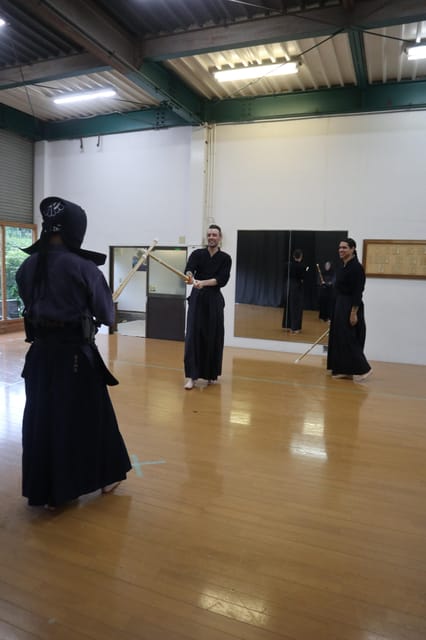
Once you are past the mindset and posture basics, the session gets hands-on.
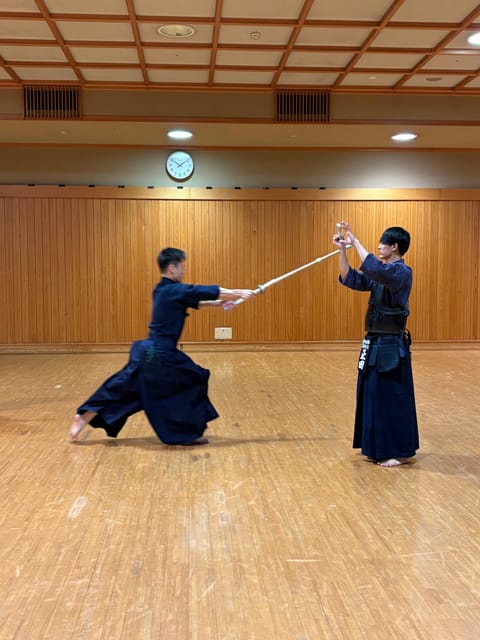
You practice traditional foot movement and step patterns so your body learns distance and balance. You also learn greetings and core handling basics—like how to draw and fold the shinai—because these small motions are part of how respect and readiness show up in real practice.
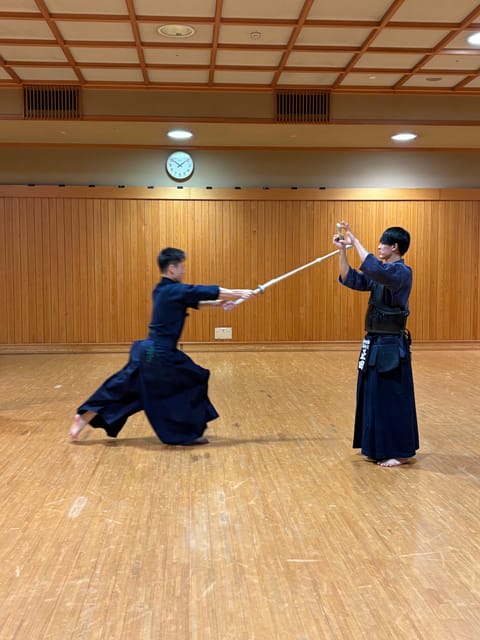
You are also taught rules and the core attack framework. One clear example you may cover: four main points of attack, along with step technique and attack technique. Even if your body feels clumsy at first, the structure makes it easier to improve during the session.
Putting On Armor: When Kendo Stops Being Theoretical
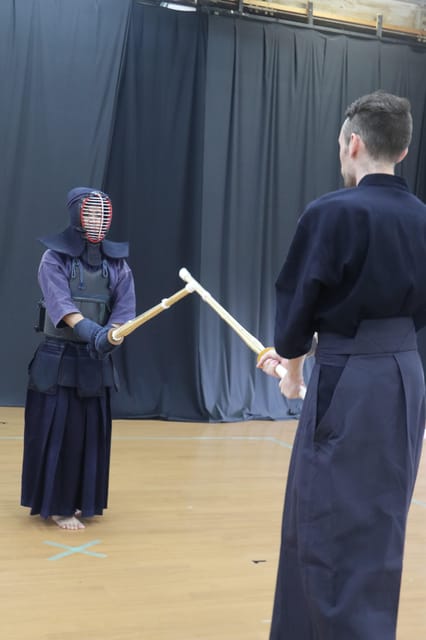
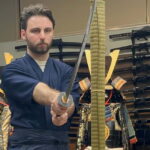
At some point you shift from drills into protective gear. Reviews consistently point out the armor moment as a highlight, and I agree with the logic: full equipment changes your awareness fast. It forces you to be careful, deliberate, and present.
You get the kendo attire and protective equipment as part of the experience. Since it is all provided, you are not burning time shopping or borrowing gear. You are also training with a shinai (bamboo sword), so you still feel the real tempo of the art without needing metal to make it intimidating.
There is often a warm-up effect while you are in gear. One practical note: wear athletic clothes under anything you bring, because you will move.
The Match at the End: Controlled Pressure and Real Focus
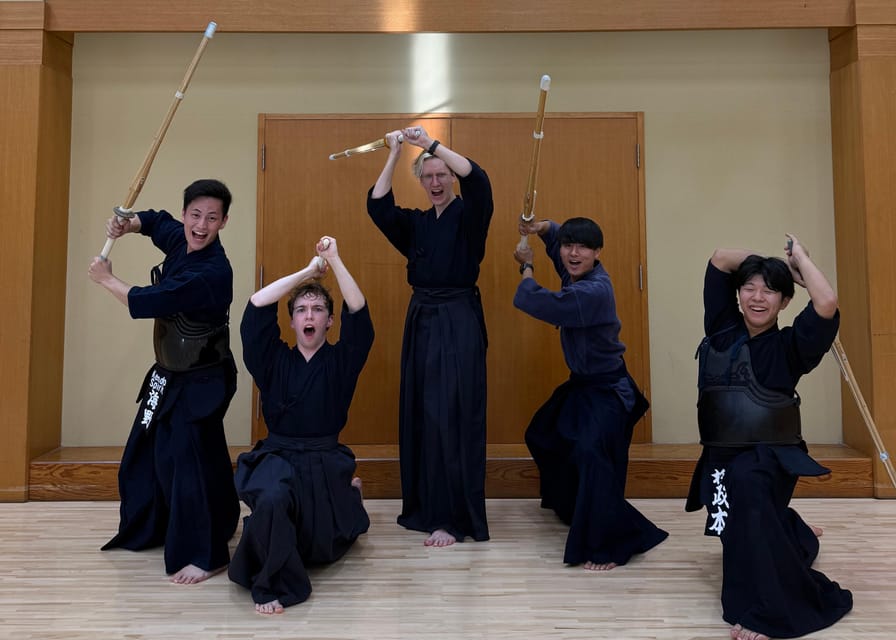
The session culminates in a practical match. This is not just staged fun. You put everything together and test it in a real kendo match setting.
Depending on the session, there may be a chance for the more courageous participants to challenge a veteran instructor. That is where you feel the difference between practicing moves alone and reacting to a real opponent. Even beginners tend to describe that moment as a jolt—in a good way.
You should also expect intensity during sparring. You will likely get plenty of guidance, and they pace the experience so you can participate. Still, be ready for the fact that kendo is sharp and physical. It demands quick attention.
Instructor Demonstration: Watch How Control Looks Up Close
After you train, you watch an intense match between the instructors. This is a useful reset: drills turn into a real picture of what technique looks like when timing and intent come together.
This demonstration is also where you can see the discipline behind the power. In a good kendo class, speed comes from control, not from swinging harder. The instructors show that by keeping movement precise and pressure controlled.
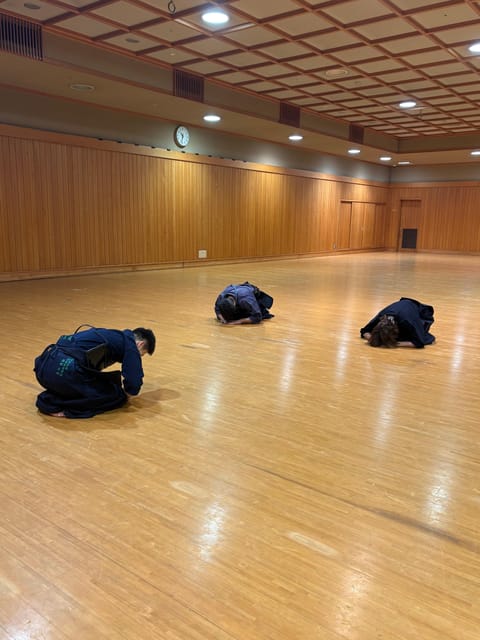
You finish with a final bow that carries the same respect you started with—until the very end.
Price and Value: Is $103 Worth It?
At $103 per person for a 2-hour session, the biggest value question is not the number on the ticket. It is what you actually get for that time.
You get:
- A full 2-hour kendo lesson flow (not a short demo)
- Kendo attire and protective gear, plus a shinai
- Drinks
- Souvenirs
- Photos/videos after the session sent by email
So you are paying for guided practice, not just watching someone else perform. And because the group is capped at 8, instruction stays close enough to help your form rather than disappearing into a crowd.
If you are the type who likes hands-on cultural activities with real skill training, this pricing starts to feel fair fast. If you only want a quick photo and a costume moment, you will probably find this more work than you expected.
Location Near Tokyo Station: Easy to Fit Into a Day
The dojo is located about 15 minutes from Tokyo Station. That makes it one of those rare Tokyo activities that fits smoothly into a normal itinerary.
You do not need a long commute plan. You can slot this between other central Tokyo plans and still keep your day sane.
Who This Is For (and Who Should Skip It)
This experience is for you if you want Japan beyond surface-level sights. Kendo here is taught as discipline and meaning you can feel in your body.
It is also great if you care about respect and structure. You will practice Rei and etiquette, then connect spirit to movement with Ki-Ken-Tai-Itchi.
You do not need kendo experience. The class is paced so beginners can join, including people who are not athletic. Small group size helps a lot here.
It is not for everyone, though. It is not suitable for pregnant women, babies under 1 year, or people over 95 years.
Also, alcohol and drugs are not allowed. That one is easy—just show up clear-headed so you can focus on the training.
How to Show Up: What to Wear and What to Expect Physically
You do not need to bring equipment. The experience includes attire and the shinai, and drinks are provided.
What you should bring is a simple mindset:
- Be ready to move
- Be ready to follow instructions closely
- Be ready to be corrected kindly
Wear comfortable athletic clothing. You will likely work up heat during training, especially when you are in full protection, so plan for that.
If you have any concerns about heat, stiffness, or exertion, it is worth thinking about before you go. It is not a gentle cultural talk—it is active training for 2 hours.
Should You Book This Samurai Experience in Tokyo?
Book it if you want something real and disciplined. This is not a sword-themed souvenir stop. It is a structured introduction to kendo where Rei, technique, and sparring all connect to the Bushido idea.
Do not book it if you want passive entertainment. The final match and instructor demonstration make it clear this is training, not a show.
If you like learning through doing, and you want a small-group class near Tokyo Station with gear handled for you, this is a strong choice. The best part is the balance: history and meaning at the start, then body mechanics, then a match where it all comes together.
FAQ
Is the experience conducted in English?
Yes. The experience is conducted in English, and you can always ask questions during the session.
Do I need to bring any kendo equipment?
No. Nothing is required from you because kendo attire and equipment are provided.
How far is the dojo from central Tokyo?
It is within approximately 15 minutes of Tokyo Station.
What is the group size limit?
The group is small, limited to 8 participants.
Can I get a private session instead of joining a group?
Yes. Private sessions are available. Before payment, you add Exclusive Private Session (one add-on per group), and private sessions are only on dates that still show 8 available spots.
Will I receive photos or videos after the class?
Yes. Their team takes photos and videos during the experience, and the data is sent to you by email afterward.