REVIEW · TOKYO
Tokyo walking tour around Imperial Palace and Tokyo Station
Book on GetYourGuide →Operated by gotcha Corporation · Bookable on GetYourGuide
Two hours can teach you a lot in Tokyo. I love the way this route stitches together the Imperial Palace outer-garden edge and the Tokyo Station area into one clean, walkable story, and I especially like the photo-ready viewpoints around KITTE and the Japan Post building. You’re not just ticking off sights—you’re learning how this part of Tokyo was shaped and why the architecture matters.
One thing to consider: the whole tour is only 2 hours, with short guided stops at several buildings. If you’re hoping for long indoor time or slow meandering, you’ll want to plan a bit of extra solo time afterward.
In This Review
- Key highlights worth waking up for
- Marunouchi and Imperial Palace Outer Gardens: why this walk clicks
- Meet your guide at Tokyo Station’s Marunouchi South Exit (Police Box)
- Tokyo Station + Marunouchi Building stops: more than just great photos
- KITTE Marunouchi (JP building): where you get that Tokyo Station angle
- Meiji Seimei Kan: architecture lesson with a human pace
- Nijubashi Bridge: the Imperial Palace front gate moment
- Sakurada-mon Gate: finishing at the ceremonial threshold
- What I’d pay attention to: group size and guide flexibility
- Price and value: is $49 worth it?
- Who this tour suits best
- Simple tips to enjoy it more
- Should you book this Imperial Palace and Tokyo Station walking tour?
- FAQ
- How long is the Tokyo walking tour?
- What does the tour cover?
- What is the price per person?
- How large is the group?
- What languages are offered?
- Where do I meet the tour guide?
- Where does the tour end?
- Is there free cancellation?
Key highlights worth waking up for
- Small group of up to 4: more chances to ask questions and adjust the pace
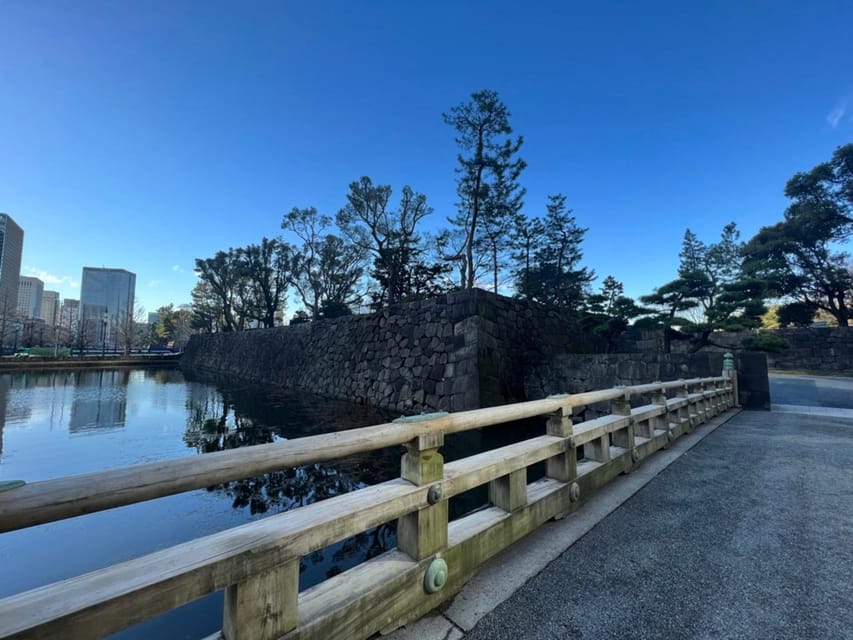
- Nijubashi + Sakuradamon: the Imperial Palace front area explained in plain terms
- KITTE/JP building viewpoint: get the Tokyo Station angle you usually miss
- Marunouchi backstory: Mitsubishi’s long development helps everything click
- Japanese and English live guide: real answers, not just “look at that” pointing
Marunouchi and Imperial Palace Outer Gardens: why this walk clicks
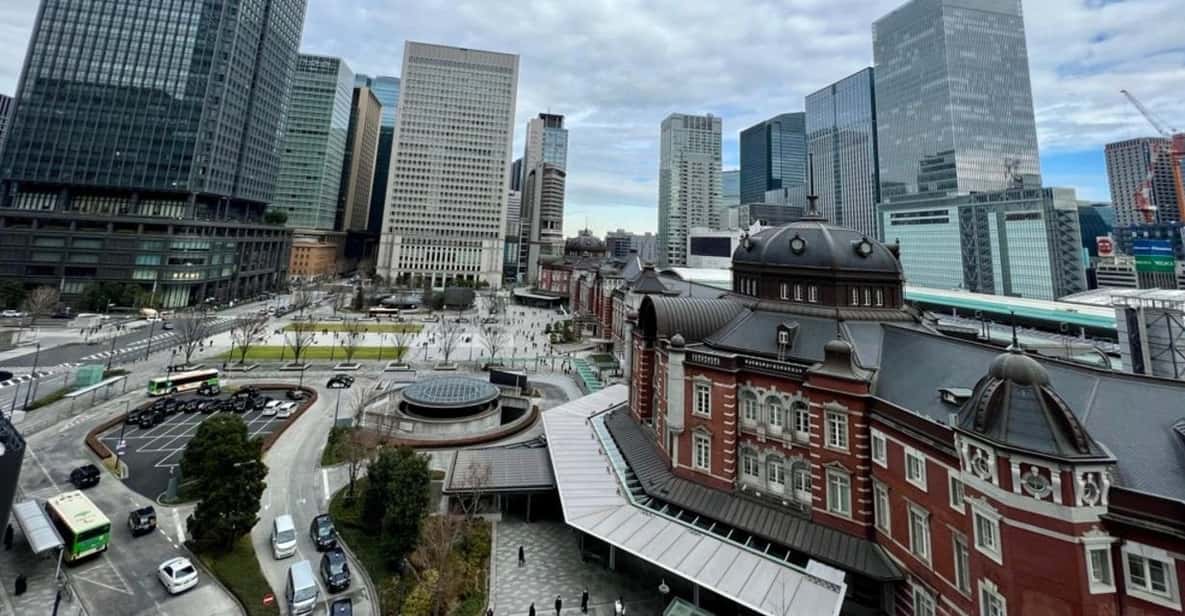
This tour works because it connects two Tokyo icons that many first-timers treat like separate worlds. You start by moving through the grand, planned feel of Marunouchi and end at the formal, ceremonial front of the Imperial Palace gates and bridges. That mix is the whole point: you get the city’s business-side precision, then you shift into a quieter, historical mood—still in central Tokyo.
I also like that it stays on the “outer” side of the Imperial Palace experience. Instead of trying to force you into places where you’ll feel rushed or blocked, you focus on the areas you can actually enjoy by foot. The guide helps you read the space like a map: gates mean ceremony, bridges mean access, and angles matter for both photos and understanding.
And yes, Tokyo Station is huge, iconic, and visually loud. But here you don’t just stare upward at the clocks and steel. You get context and a route plan that makes you look where it matters, including the classic view from the JP building area.
You can also read our reviews of more walking tours in Tokyo

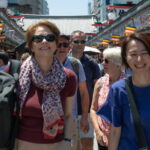

Meet your guide at Tokyo Station’s Marunouchi South Exit (Police Box)
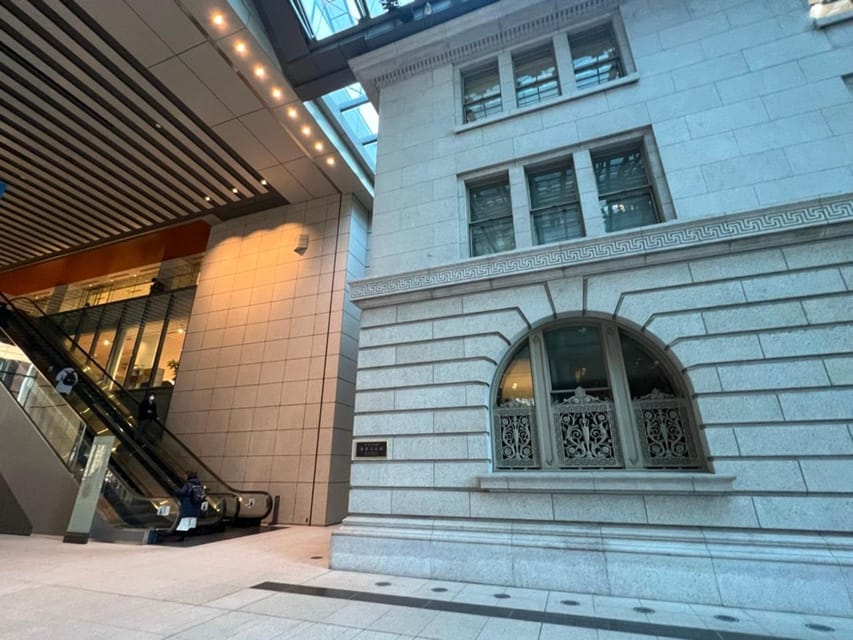
You’ll meet in front of the POLICE BOX near Tokyo Station’s Marunouchi South Exit. It’s in 1-9-1 Marunouchi, Chiyoda-ku—right where this part of the city starts to make sense.
Why I like this meet-up: it’s easy to orient yourself before you begin. Tokyo Station can feel like a maze when you arrive stressed. Starting at a recognizable point helps you reset quickly and get comfortable with the area before the tour begins.
Also, because the group is capped at 4 participants, the guide can actually check in with you at the start. The best part of the reviews I saw wasn’t about fancy extras. It was about guides asking what you care about and shaping the walk around that.
Tokyo Station + Marunouchi Building stops: more than just great photos
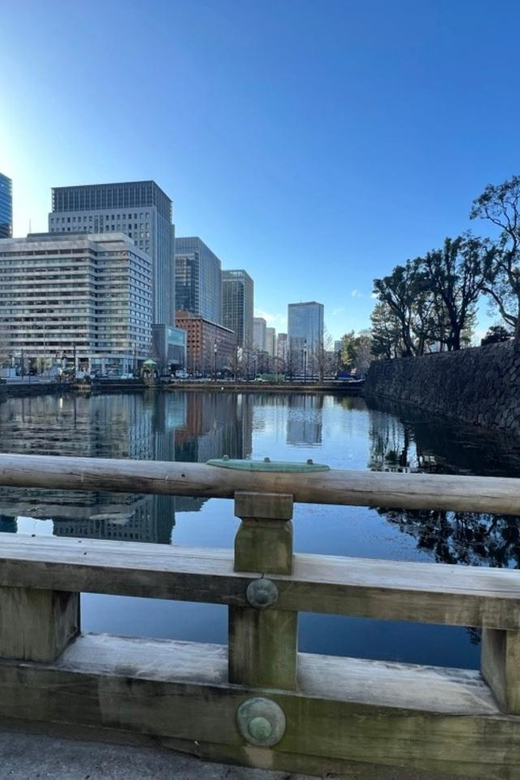
Tokyo Station gets its own focused time early on—about 10 minutes during the walk. That’s long enough to look properly, not long enough to get bored. The guide points out details you might not notice on your own, especially if you’re overwhelmed by station signage, crowds, and that constant “Which way is north?” feeling.
Then you move to the Marunouchi Building with another 10 minutes of guided attention. This stop is about understanding why this district feels polished and intentional. Marunouchi didn’t just grow organically. The area was purchased and developed by Mitsubishi Corp starting in 1890, and that long timeline still shows in the street layout, the building presence, and the way the district functions today.
Practical note: because the stops are timed, you’ll want to travel with a camera ready and a small amount of patience. You can get great shots quickly, but you won’t have the luxury of wandering off-frame for 20 minutes and expecting the tour pace to wait for you.
KITTE Marunouchi (JP building): where you get that Tokyo Station angle
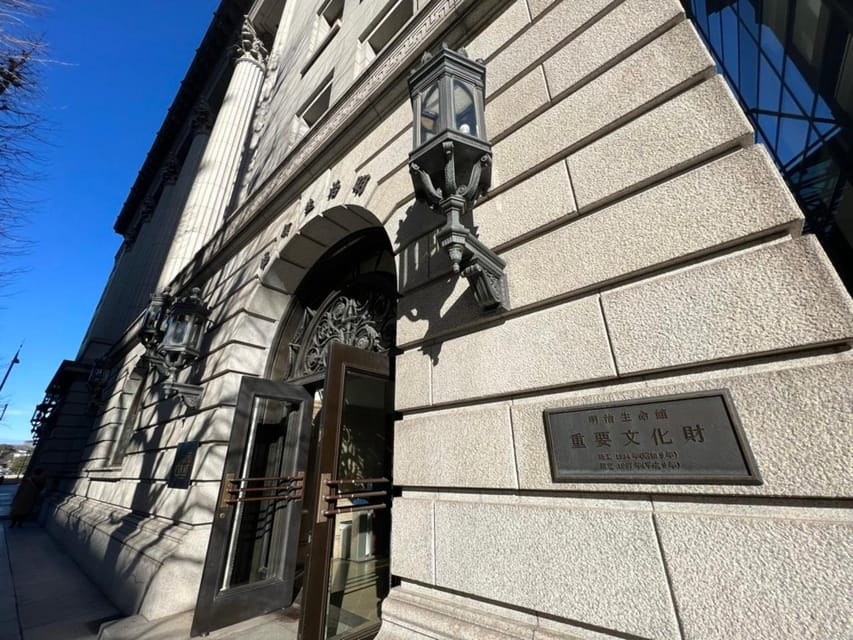
Next is KITTE Marunouchi, with around 15 minutes of guided time. If you’ve ever looked at Tokyo Station photos and wondered how people get that clean perspective, this is the kind of stop that answers the question.
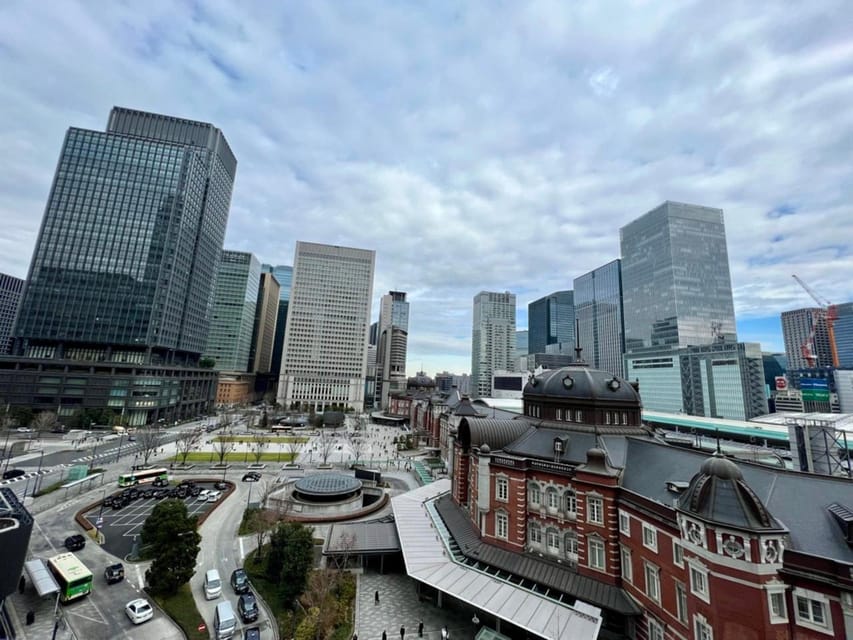
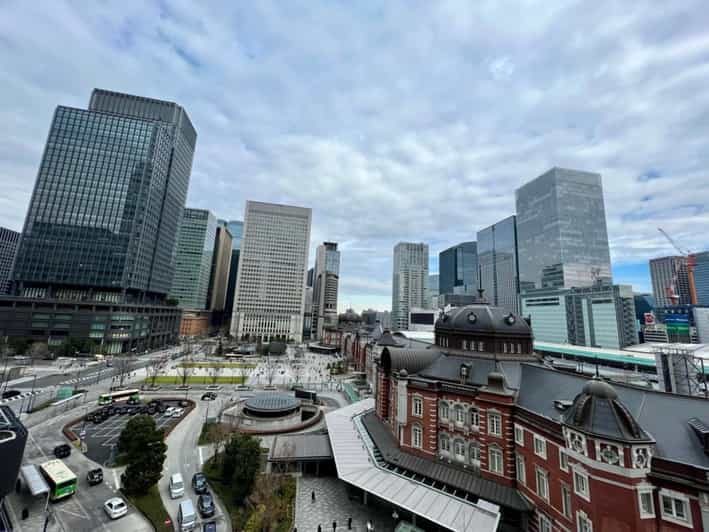
The tour includes a view of Tokyo Station from the JP building area. That matters because it changes your whole perception of the station. Up close, Tokyo Station is all motion and complexity. From a composed viewpoint, you start seeing the geometry and scale—why the building feels like a centerpiece for the entire city.
This is also a good moment to slow down and check your bearings. You’ll likely be walking in multiple directions during the rest of the tour, and getting a “big picture” view early helps. It’s the difference between following landmarks and understanding a layout.
Meiji Seimei Kan: architecture lesson with a human pace
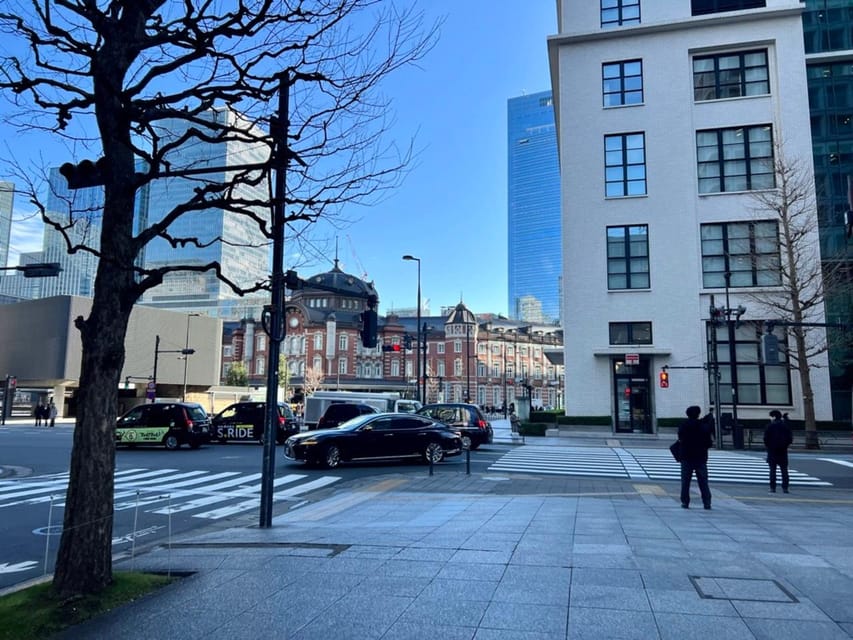
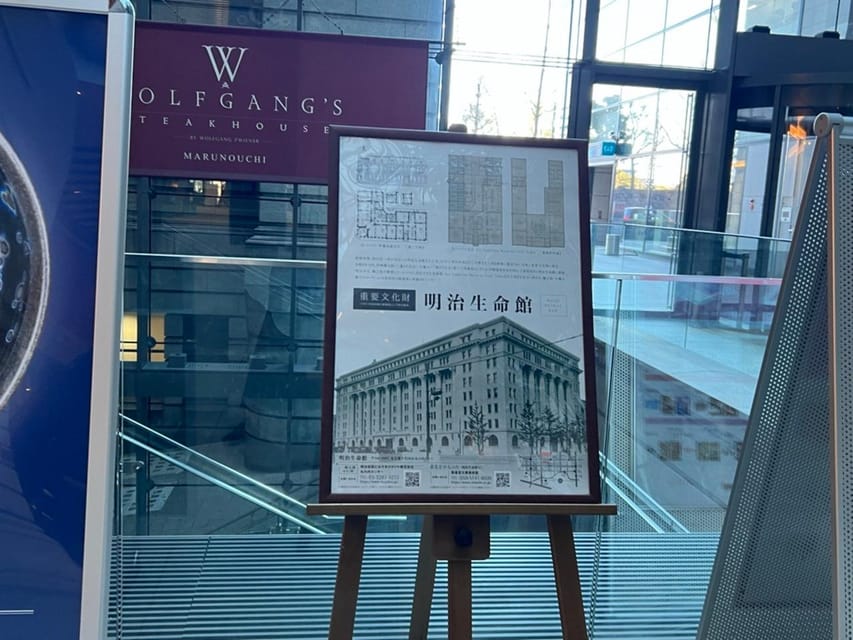
The longest stop after KITTE is the Meiji Seimei Kan area, at about 30 minutes. This is where you shift from “wow, pretty buildings” to “oh, now I get it.”
Meiji Seimei Kan (tied to Meiji Life Insurance Company in the district context) is treated as more than scenery. The guide brings out architectural and historical cues in a way that’s easy to hold in your head while you’re still walking.
One reason I think this part feels valuable: the guide can explain how the district’s prestige and commerce connect to the broader Imperial area nearby. You’re not seeing random fancy facades. You’re reading how Tokyo blends old influence, modern power, and public space in the same central block.
In short, if you like architecture and you’re tired of tours that just point and move on, this stop is a strong payoff.



Nijubashi Bridge: the Imperial Palace front gate moment
Then you reach the centerpiece: Nijubashi Bridge and the approach around its stone and iron bridges. You get about 30 minutes here, and the guide focuses on the bridge’s stories and meaning—why it’s important, how it’s tied to Japanese design and ceremonial access, and what the space is meant to communicate.
This stop is worth your attention because it’s where the tone changes. Until now, you’ve been in Marunouchi’s sharper urban energy. At Nijubashi, you’re stepping into a more formal, symbolic zone. The guide’s explanation makes that obvious. Without it, Nijubashi can look like another “nice bridge by a famous place.” With it, it becomes a front stage.
Also, it’s a great place for photos, but don’t just take pictures. Look at how the bridge frames the palace area and how the surrounding structures reinforce the ceremonial effect. That’s what the time buys you.
Sakurada-mon Gate: finishing at the ceremonial threshold
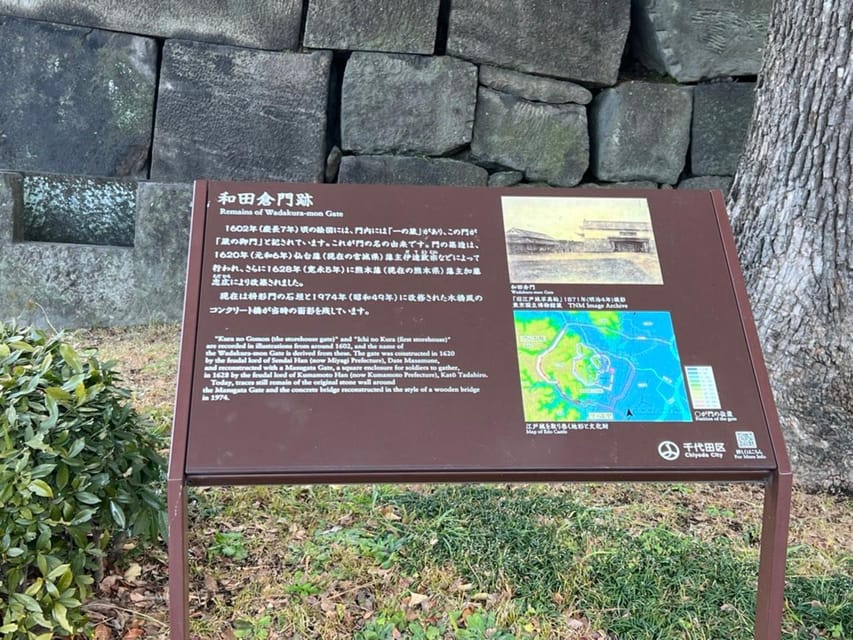
Finally, you’ll walk to Sakurada-mon Gate for about 25 minutes. This is the last major sight stop, and it feels like the tour’s climax: the Imperial Palace front area, with the gate standing in for the ceremony of access.
Sakurada-mon is a strong conclusion because it ties together what you’ve learned about gates, boundaries, and spatial symbolism. By the time you arrive, you’ve already seen enough of Tokyo’s modern infrastructure nearby to feel the contrast clearly.
After that, the tour finishes at Kasumigaseki Station (霞が関駅). I like that ending point because it’s within the same central Tokyo network. You won’t feel stranded after the tour ends—you’ll be able to connect quickly to the rest of your day.
What I’d pay attention to: group size and guide flexibility
This is one of those tours where the structure is simple, but the results depend on the guide. The group is capped at up to 4 participants, which is rare enough in Tokyo that it matters. It means you’re less likely to get stuck behind someone who wants to stop for 20 minutes every 20 meters.
The reviews I reviewed through this experience leaned heavily toward guide quality. Guides like Mikio, Masahito, and Miho showed up in a few consistent ways:
- They stayed flexible when plans needed adjusting.
- They asked what you preferred right from the start.
- They made the walk fun for mixed ages, including teenagers.
- They answered questions openly and didn’t treat the tour like a script.
- They guided you to spots you might not reach as easily on your own.
That flexibility is the real value in a short, timed tour. When someone can adjust the route based on your interests—architecture versus photos, quick pace versus slower questions—you’re getting a personal tour experience without paying for a private guide.
Price and value: is $49 worth it?
At $49 per person for a 2-hour guided walk, the price feels fair for central Tokyo—especially because you’re paying for more than walking time. You’re paying for someone to (1) keep the route tight, (2) explain what you’re seeing, and (3) help you reach viewpoints and areas you’d likely miss without local guidance.
What makes it feel like good value is the combination:
- Multiple major sights packed efficiently: Tokyo Station area, Marunouchi buildings, KITTE/JP building views, Imperial Palace gates and bridges
- A live guide in Japanese and English
- A small group cap that keeps the experience interactive
If you’re the kind of traveler who learns faster with a guide than with a phone screen, this price is easy to justify. If you only want Instagram photos and you already know the story behind each building, you might feel you could do it cheaper on your own. But you’ll be trading away clarity and timing.
Who this tour suits best
This is a great fit if you:
- Are staying near Tokyo Station or the Imperial Palace area
- Want a first-time-friendly route that still feels thoughtful
- Like architecture, gates, and how cities are planned
- Travel with teens or mixed-age groups who need explanation, not just directions
It’s less ideal if you:
- Want a super slow walk with lots of unscheduled time
- Expect long indoor museum-style visits at each stop
- Prefer a full independence setup with no guide-led context
Simple tips to enjoy it more
A few things that will make the experience smoother.
Wear comfortable shoes. You’re doing a true walking tour of central sights, and the schedule includes multiple stops across the same area.
Bring a camera, but don’t obsess over every shot. The guide’s explanations help you take better pictures because you’ll know what angle matters.
If you care about something specific—photos, architecture details, or how the palace area works—tell the guide early. The best version of this tour is when the guide knows what to emphasize, and the route can flex around your interests.
Should you book this Imperial Palace and Tokyo Station walking tour?
Yes, I think you should book it if you want a smart, time-efficient introduction to Tokyo’s center that combines the modern drama of Tokyo Station with the ceremonial seriousness of Nijubashi and Sakurada-mon. The small group size and the guide flexibility are the real drivers of quality here, and they show up strongly in the way the guides interact with different travelers, including families and teens.
If you have only a couple hours and you don’t want to spend half that time figuring out where to stand and what to look for, this is a strong deal at $49. It’s not a long tour. It’s a focused one—and that’s why it works.
FAQ
How long is the Tokyo walking tour?
The tour lasts 2 hours.
What does the tour cover?
It includes the Marunouchi district, the Japan Post building area, Tokyo Station and nearby buildings, KITTE, Meiji Seimei Kan, the Nijubashi Bridge area, and Sakurada-mon Gate, with the route ending at Kasumigaseki Station.
What is the price per person?
The price is $49 per person.
How large is the group?
The tour is a small group limited to 4 participants.
What languages are offered?
The live guide speaks Japanese and English.
Where do I meet the tour guide?
Meet in front of the Police Box near Tokyo Station’s Marunouchi South Exit, at 1-9-1 Marunouchi, Chiyoda-ku, Tokyo 100-0005.
Where does the tour end?
The tour ends at Kasumigaseki Station (霞が関駅).
Is there free cancellation?
Yes. You can cancel up to 24 hours in advance for a full refund.