REVIEW · TOKYO
Tokyo: Know about Kabuki performing – Ginza Walking
Book on GetYourGuide →Operated by gotcha Corporation · Bookable on GetYourGuide
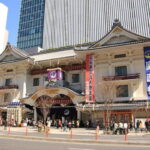
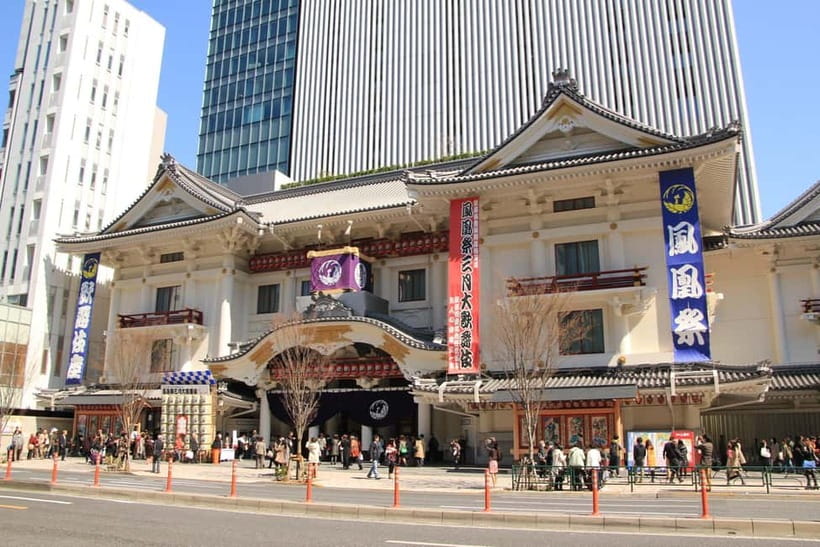
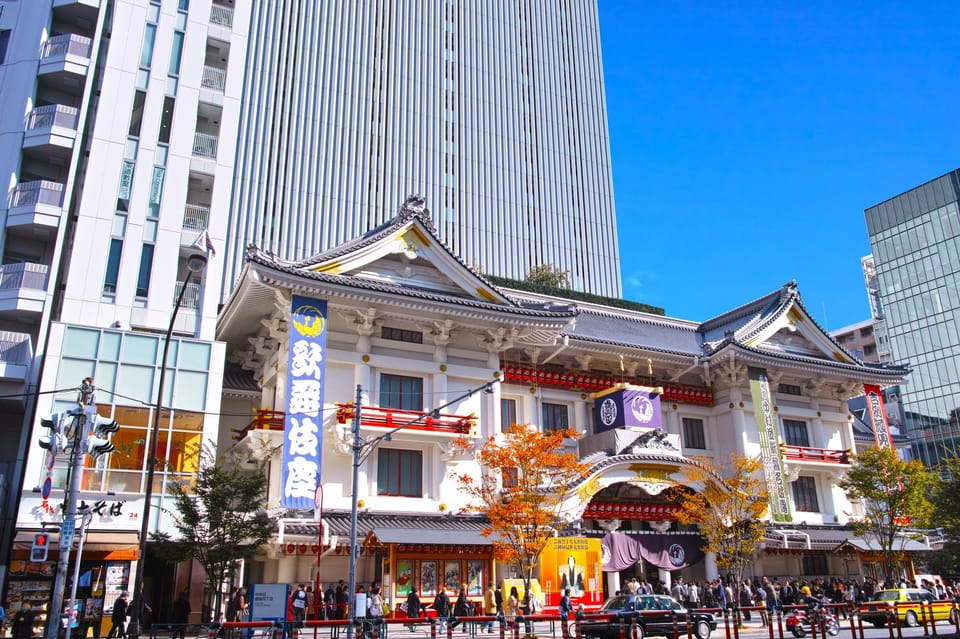
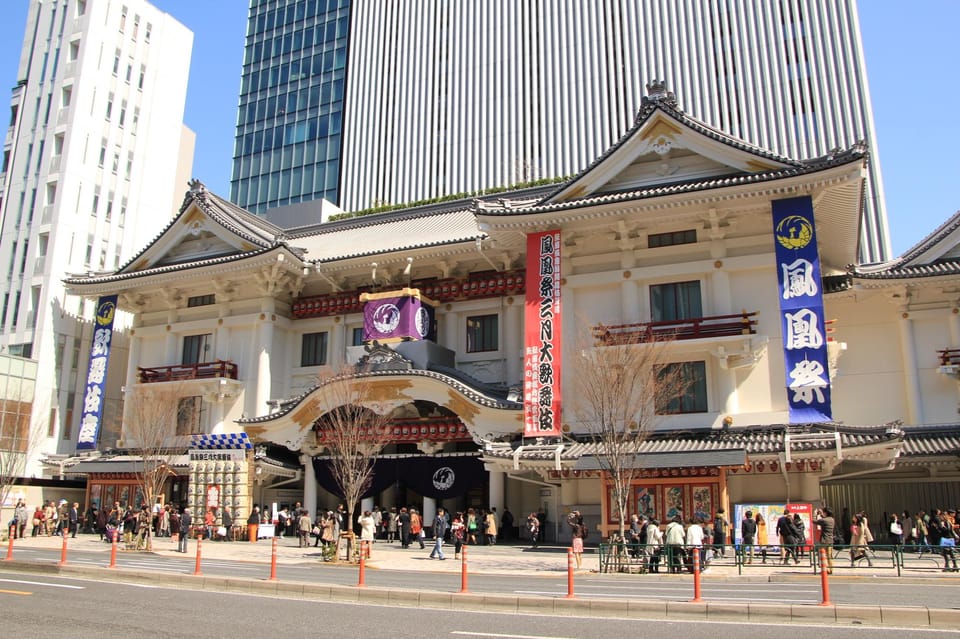
Kabukiza in Ginza is a shortcut to Kabuki culture. You’ll start at Nissan Crossing, then head to the Kabukiza building to learn the basics in a gallery setting, with a guide who also shares what life around theatre looks like in Japan. I especially like that the tour mixes heady culture with practical, nearby shopping you can actually use.
There’s just one catch: you get cultural context, not a full Kabuki viewing experience. If you’re hoping for costumes onstage and a full performance, you’ll need separate tickets elsewhere.
In This Review
- Key things to notice before you go
- Kabukiza culture in just 2 hours: why this tour works
- Meeting at Nissan Crossing: start point and early game plan
- Inside the Kabukiza building gallery: your Kabuki primer
- Shopping stops near Kabukiza: how to make the souvenirs part worth it
- A Kabuki-associated shrine: when stage culture turns spiritual
- Ginza clock tower finale: modern city, traditional thread
- Price and value: is $56 a fair deal?
- Guide style and small group energy: what you can expect
- Who this Kabuki in Ginza walk is best for
- Should you book this Kabuki-performing Ginza tour?
- FAQ
- Where do we meet for the tour?
- How long is the Kabuki in Ginza walking tour?
- Is Kabuki viewing included?
- How much does it cost?
- Is the tour guided in English?
- How big is the group?
- Can I cancel and get a refund?
Key things to notice before you go
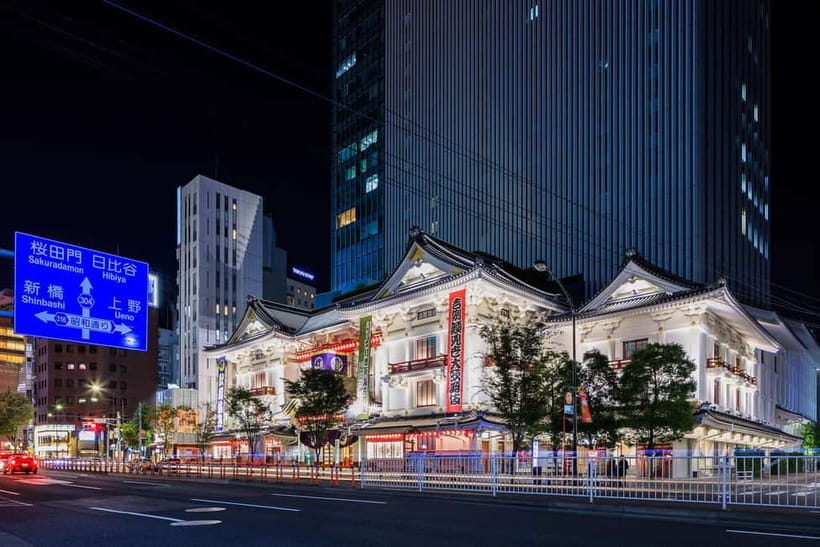
- Kabukiza gallery first: a guided intro to Kabuki without needing to commit to a long theatre evening
- Kabukiza-only souvenirs: you can shop for items tied to this specific theatre area
- Shrine tied to Kabuki tradition: a reminder that Kabuki culture reaches beyond the stage
- Ginza walking rhythm: a short, easy route that fits into a busy Tokyo day
- Small group size (up to 9): more chance to ask questions in English
- Guide quality varies by person, but expect warmth: one guide named Fumei was praised for being excellent
Kabukiza culture in just 2 hours: why this tour works
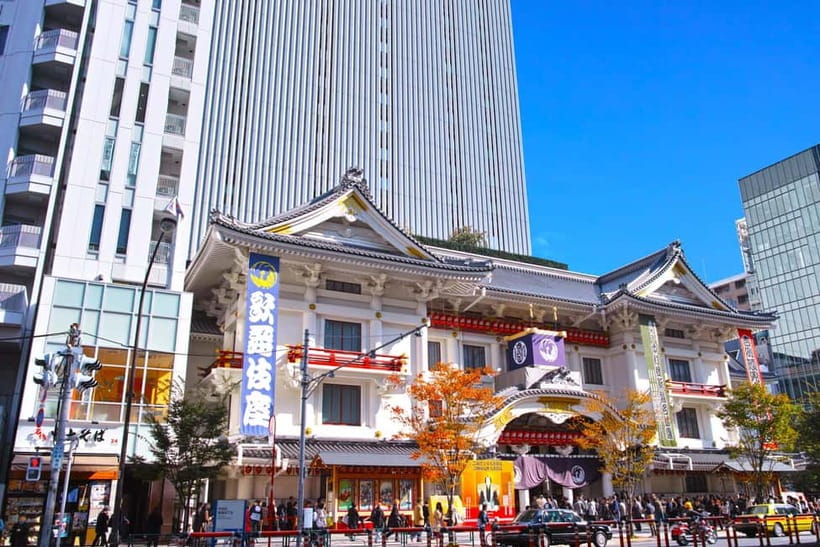
Tokyo can be overwhelming fast. This tour is built for the common problem: you want Kabuki, but you don’t have time for a full show-night plan. In two hours, you get a structured walk that connects the Kabukiza theatre building, the ideas behind Kabuki, and a few nearby cultural stops.
What makes it especially useful is the way it balances learning with doing. You’re not stuck in a classroom—there’s time in the Kabukiza area, plus stops that let you pick up theatre-themed souvenirs in the neighborhoods where they’re actually sold.
The other big win is the small group. With a limit of 9 participants, the pace stays manageable and questions don’t get swallowed.
You can also read our reviews of more walking tours in Tokyo


Meeting at Nissan Crossing: start point and early game plan
You meet in front of Nissan Crossing. That’s handy because it’s a clear, recognizable landmark—so you spend less time hunting and more time getting oriented.
Wear comfortable shoes. This is a walking tour through Ginza, and even if it’s not a marathon, you’ll be on your feet for the full 2 hours. I’d also arrive a few minutes early, because the group needs to assemble before the guide can set the route.
Since Kabuki viewing is not included, your mindset should be: I’m here for a guided introduction and sightseeing, plus shopping opportunities. That helps you enjoy the stops instead of feeling like you missed the main event.
Inside the Kabukiza building gallery: your Kabuki primer

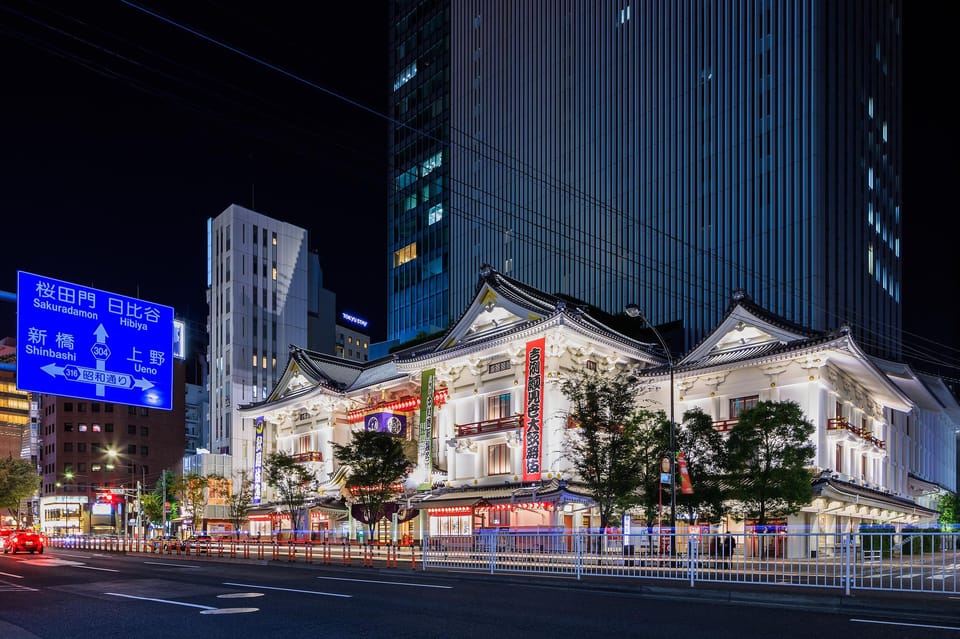
One of the most practical parts is going straight to the source: the Kabukiza building itself. You’ll tour the Kabuki exhibits in the gallery, which is a smart way to get context without needing advance knowledge.
You can expect the guide to explain what Kabuki is and how Japanese performing arts work as a whole, not just the bare facts. From the feedback, the guides tend to add extra theatre-world perspective beyond the Kabuki room, which is exactly what helps first-timers.
Here’s a useful expectation-setting point: some people want more deep detail about Kabuki techniques and traditions. If you’re the type who loves costume construction, role types, and staging mechanics, you may find this is more of a first taste than a full course. Still, for a short visit, it’s a solid way to get your bearings.
Shopping stops near Kabukiza: how to make the souvenirs part worth it
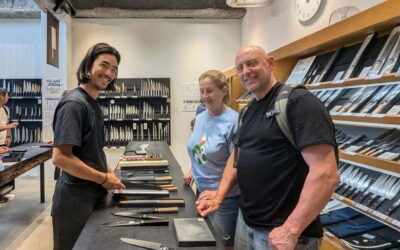
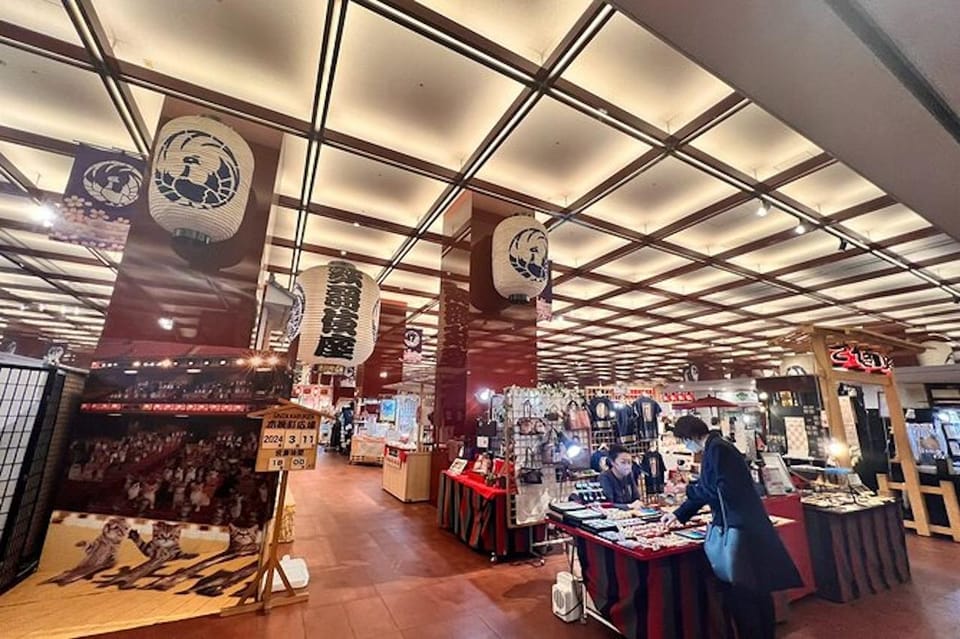
This is one of the best reasons to book. The tour includes visits to souvenir shops in the Kabukiza area, and there are items available here that you can’t easily find elsewhere.
Shopping is not included in the price—so you’re paying for the guide and access to the stops, not for the goods themselves. But that model is fair: you only spend if you actually want something, and you can move at your own pace once the guide points you in the right direction.
From what you can expect to see, plan for a mix of Kabuki goods, Japanese accessories, and Japanese sweets. The key is to treat these as targeted stops, not random wandering. If you know you want a specific type of item—like a theatre-themed souvenir—use the guide to narrow down where it makes sense to look first.
Quick practical tip: decide before you start shopping whether you’re buying one meaningful item or a few small ones. That keeps it fun, instead of letting the options bully your budget.
A Kabuki-associated shrine: when stage culture turns spiritual
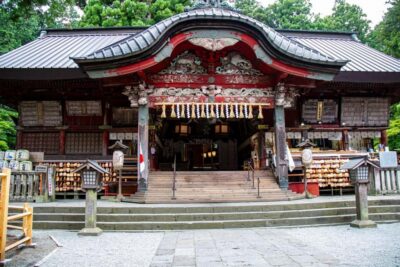
After the Kabukiza-area portion, the tour includes a shrine associated with Kabuki. Even if you’re not a shrine person, this stop adds a layer that you often miss when you only think about performances.
Why it matters: it helps you see Kabuki as part of a larger cultural ecosystem. Kabuki isn’t floating in a vacuum—it connects to traditions, local practices, and places where rituals and community life happen. A guide-led stop is useful here because you’re more likely to understand the connection than if you just take photos and move on.
Keep it respectful. That means quiet voices, no blocking paths, and being mindful of the space. This is also a good moment to slow down after gallery time and shopping—think of it as a cultural reset before the last sightseeing stretch.

Ginza clock tower finale: modern city, traditional thread
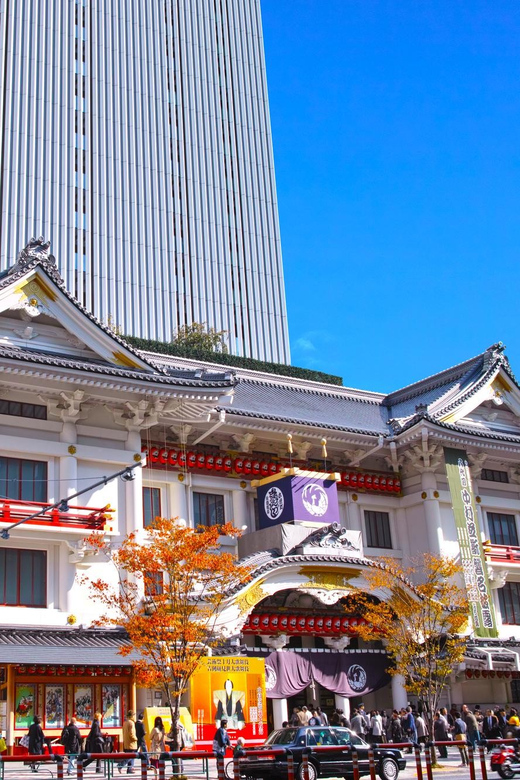
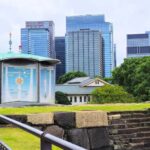
The last sightseeing stop is a famous clock tower in Ginza. Even without a theatre ticket in hand, it gives you a recognizable end point and a good photo moment.
I like how this kind of wrap-up works in Tokyo. Ginza is associated with modern city life, yet you’re ending your tour at a spot that’s easy to remember because it’s so iconic. The contrast is the point: you finish the experience with Kabuki context still fresh in your mind, while the city around you keeps moving.
This is also where you can take your time on small details—street views, storefront lights, and the simple act of watching how people flow through the area. A short tour like this ends before you get tired of your own itinerary, which is a big deal when you have other plans later.
Price and value: is $56 a fair deal?
At $56 per person for a 2-hour experience, the value comes from what’s included and what’s not.
Included:
- A live, English-speaking guide
- Guided time around the Kabukiza area, including the gallery portion
- Guided sightseeing stops connected to the Kabuki theme (the shrine and the Ginza clock tower)
- Shop visits focused on the Kabukiza area
Not included:
- Shopping costs
- Kabuki viewing (so no theatre ticket is part of the package)
That split makes sense. You’re paying for guidance and route planning—especially helpful in a place like Ginza where it’s easy to walk past the right entrances without realizing it. If your goal is to experience Kabuki culture quickly (and maybe buy one or two standout souvenirs), this price feels reasonable.
If, however, you’re set on watching a performance, the $56 ticket won’t scratch that itch. In that case, treat this as the pre-show learning plan, not the substitute.
Guide style and small group energy: what you can expect
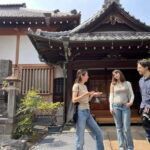
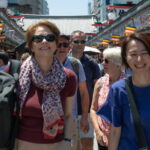
The tour is led by a live guide in English, and it’s limited to 9 participants. In practice, that small group size matters because the guide can keep explanations clear and answer questions without rushing the whole group.
One guide named Fumei was specifically praised for being wonderful—friendly and informative. That matches what you’d hope for on a first Kabuki intro: you want someone who can explain the theatre world in a way that feels approachable, not intimidating.
There’s also a fair warning from experience: some visitors want more insight into the ways of Kabuki. So if you’re already a theatre nerd, you might leave wanting more. But if you’re a curious first-timer, you should feel satisfied with the short intro and the guided context.
Who this Kabuki in Ginza walk is best for
This tour fits best when you:
- Have limited time in Tokyo and still want Kabuki culture
- Prefer a guided walk over reading guidebooks for hours
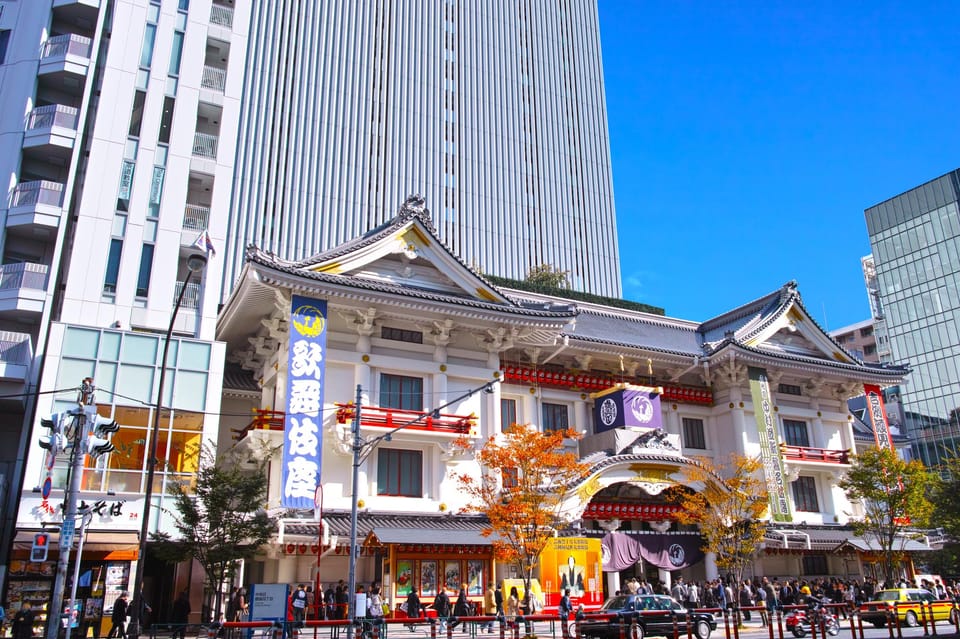
- Want to see the Kabukiza building and learn the basics
- Like the idea of theatre souvenirs available in this exact area
- Enjoy small-group tours where you can ask questions
It’s less ideal if you:
- Came specifically for a full Kabuki performance experience
- Want a highly technical deep dive into Kabuki acting, roles, and staging mechanics
If you fall into the second group, I’d treat this as the warm-up activity. Then add a separate Kabuki viewing ticket another day.
Should you book this Kabuki-performing Ginza tour?
I think you should book it if you want a low-stress, high-context introduction to Kabuki without committing to a full show. The route is designed for people who don’t have time to plan a full theatre night, but still want to feel like they’re part of the Kabuki world.
You should skip or reconsider if buying a souvenir and touring exhibits isn’t your goal. Since Kabuki viewing isn’t included, make sure your expectations match a learning-and-sightseeing experience.
My practical decision rule: if you can spare 2 hours, you’ll get more out of Tokyo than just shopping and wandering. This tour gives you a story thread that connects theatre, place, and culture.
FAQ
Where do we meet for the tour?
You meet in front of Nissan Crossing.
How long is the Kabuki in Ginza walking tour?
The tour lasts 2 hours.
Is Kabuki viewing included?
No. Kabuki viewing is not included in this tour.
How much does it cost?
The price is $56 per person.
Is the tour guided in English?
Yes, the tour includes a live guide in English.
How big is the group?
It’s a small group limited to up to 9 participants.
Can I cancel and get a refund?
Yes. You can cancel up to 24 hours in advance for a full refund.