REVIEW · TOKYO
Asakusa: Kitchen knife store visits after history tour
Book on GetYourGuide →Operated by Arumachi, Inc. · Bookable on GetYourGuide
Knives and temples in one smooth route. This Asakusa add-on pairs Senso-ji sightseeing with a focused trip to Kappabashi Street for Japanese kitchen knives, guided in English by someone like Machiko who knows where to go and how to explain what matters. Two things I especially like: you get expert help while you shop (not just standing around while clerks pitch), and the temple route gives context so the shopping street feels connected, not random. One drawback: if you’re hoping for a no-spend day, plan for the fact that the shopping portion naturally encourages buying.
The tour runs about 210 minutes and keeps the group small (up to 8), which helps you actually hear the guide and move efficiently between stops. You’ll also get a headset system for groups of three or more, plus English guidance and audio support, and there’s a selection of Japanese sweet snacks along the way. It’s rain or shine, so wear shoes you trust.
In This Review
- Key highlights worth your time
- From Burger King to Asakusa’s first gates: the walk that sets the tone
- Kaminarimon and Nakamise: the classic Asakusa stretch, paced for learning
- Hōzōmon Gate to Sensō-ji: context that makes the temple visit stick
- Kappabashi Street for Japanese kitchen knives: the part most people actually want
- During store stops: why the guide matters more than the store brand
- Included snacks and headset comfort: small details that reduce stress
- Price and time: is $77 fair value for a 210-minute mix?
- Best fit: who this Asakusa knife and history tour is for
- Practical tips before you go (so you buy smarter)
- Should you book this Asakusa kitchen knife store tour?
- FAQ
- Where is the meeting point for the tour?
- How long is the tour?
- Is hotel pickup or dropoff included?
- What language is the tour guide?
- Do you get help hearing the guide during the walk?
- Does the tour visit Senso-ji Temple?
- Is the tour outdoors in bad weather?
- Are snacks included?
- How late can I cancel for a full refund?
Key highlights worth your time
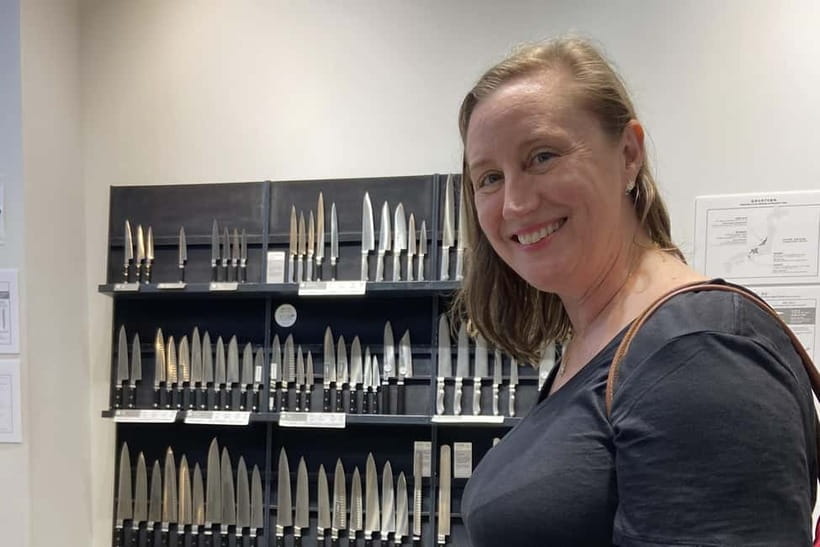
- A pre-planned route through Asakusa so you’re not wandering in circles before the knife shops
- Kappabashi Street focus where many stores sell restaurant supplies, with knives as the main item
- Expert, English-speaking guidance while shopping so sales pitches feel clearer and fairer
- Small group format (max 8) that keeps questions possible and pacing comfortable
- Snack inclusion with Japanese sweets that break up the walk
- Clear listening with a headset system when you’re farther from the guide
From Burger King to Asakusa’s first gates: the walk that sets the tone
This tour starts in a very practical spot: in front of Burger King Asakusa Azumabashi, right by Exit 4 of Asakusa subway station on the Ginza line (G19). That matters because Asakusa can feel like a maze if you don’t know the layout. Having a concrete meeting point near the subway helps you start on time without a mini scavenger hunt.
From there, the route is built around short guided walks—so you’re never stuck in one place too long. You begin with a brief sightseeing segment that includes Tokyo Cruise Asakusa Pier for about 15 minutes. Even if you’re not taking a boat, this stop helps you orient to the river-and-temple geography that shapes Asakusa’s layout. Then you head to the Asakusa Culture Tourist Information Center for another 15 minutes, which works like a quick primer: you’ll be better prepared for what you’re seeing next, instead of guessing.
One detail I like from a traveler-experience standpoint: the pacing stays mostly “moving with purpose.” With 210 minutes total and multiple stops, this is the kind of tour that keeps you from burning half a day just finding your next landmark.
You can also read our reviews of more historical tours in Tokyo
Kaminarimon and Nakamise: the classic Asakusa stretch, paced for learning
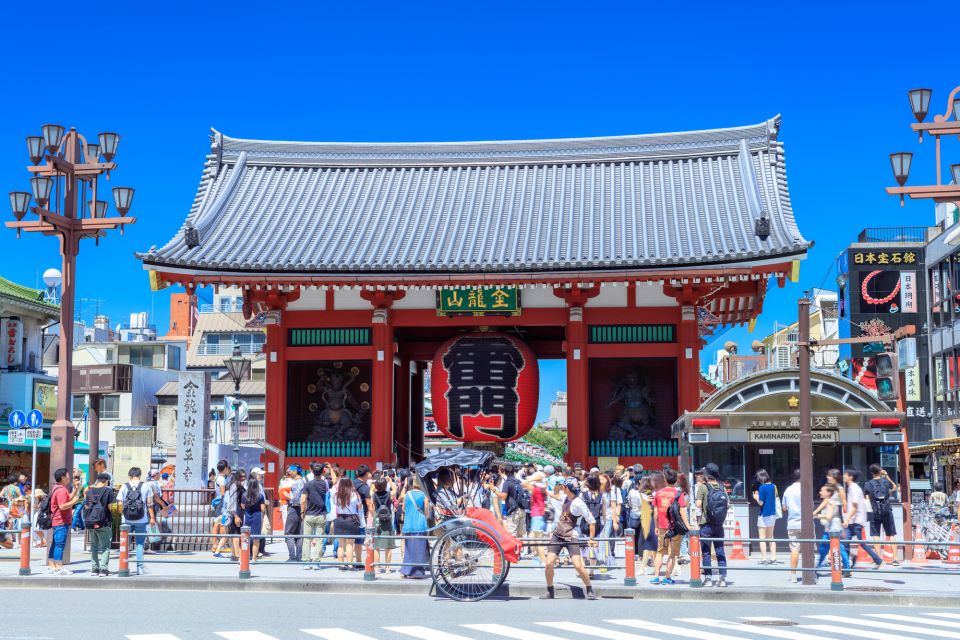
Next up is Kaminarimon—the big thunder gate you’ve probably seen in photos—handled with a short guided walk (about 15 minutes). This is a good time to understand what you’re looking at before you hit the crowds. The guide approach matters here. If you know why a place exists and how it fits into the neighborhood, the photos feel more meaningful and less like random postcards.
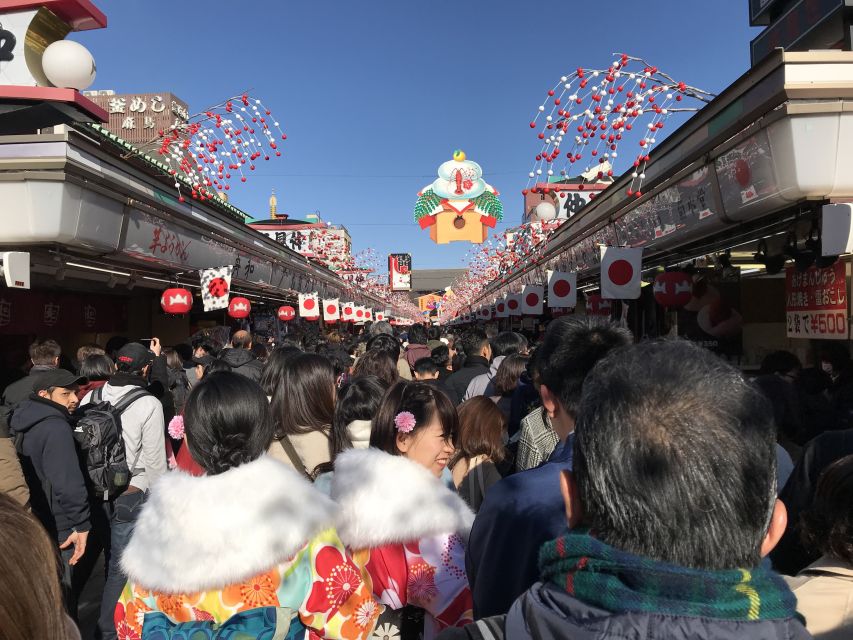
After that comes Nakamise Shopping Street for roughly 30 minutes. Nakamise is the place where you’ll likely see plenty of snack and souvenir shopping energy. The tour doesn’t ask you to ignore it—it builds in time so you can browse without feeling rushed. And it’s also where the included Japanese sweet snacks fit naturally into the flow. If you get motion-sick in crowded shopping alleys, the timed structure helps: you’re not stuck there for hours.
Possible drawback to keep in mind: Nakamise can get busy. With a small group, you’ll still be able to move, but this isn’t a quiet stroll. Plan to go with the flow and don’t fight the crowd.
Hōzōmon Gate to Sensō-ji: context that makes the temple visit stick
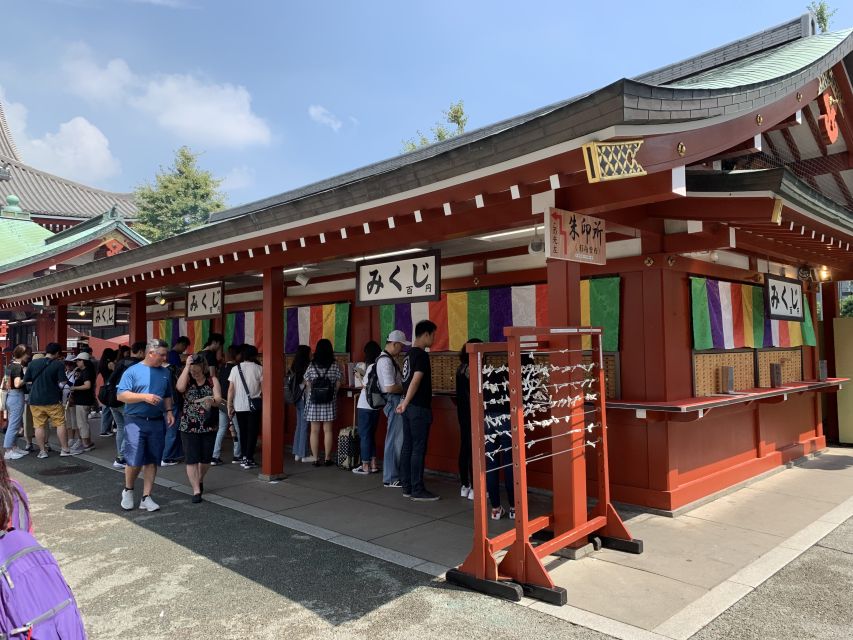
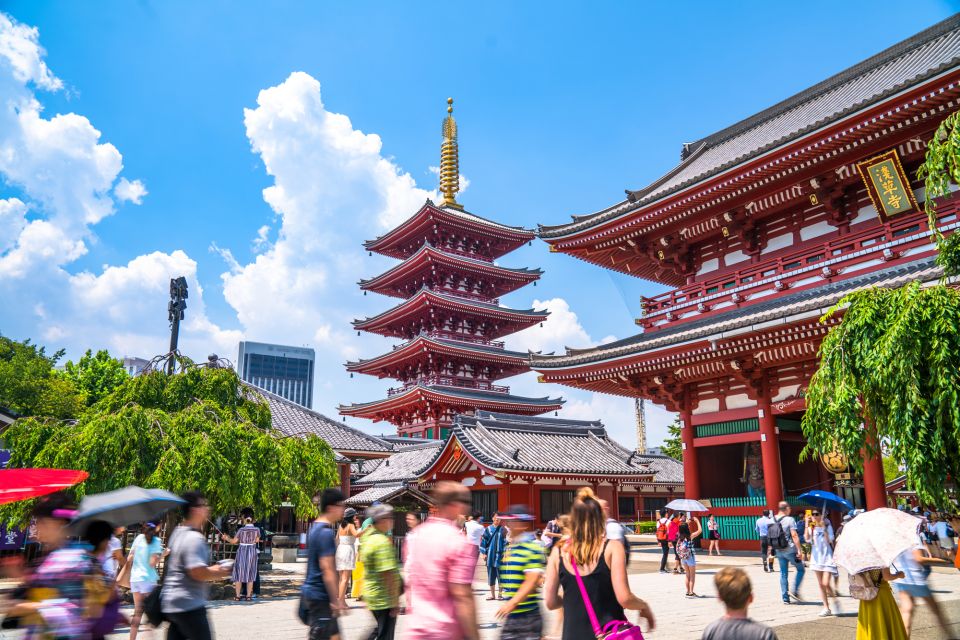
You’ll then pass by the Hōzōmon Gate (about 15 minutes), which acts like a transition point—less street shopping, more temple focus. This portion is useful because it shifts your attention from vendor-facing streets to the sacred center of Asakusa.
Sensō-ji Temple is next, also covered by guided sightseeing and walk time (about 15 minutes). Sensō-ji is described in the tour framing as the oldest temple in Tokyo, and that’s exactly the kind of fact that changes how you experience the place. You’re not just looking at buildings; you’re stepping into a long-running cultural and religious hub. A good guide makes that real with straightforward explanations you can remember later.
Here’s why this section is more valuable than it sounds: after the temple, the tour’s shopping component won’t feel like a detour. Kappabashi Street is adjacent to Asakusa, and it makes sense to combine the old-city landmarks with the practical, daily-life craft of kitchen tools. Food and ceremony meet right on the same day.
Kappabashi Street for Japanese kitchen knives: the part most people actually want
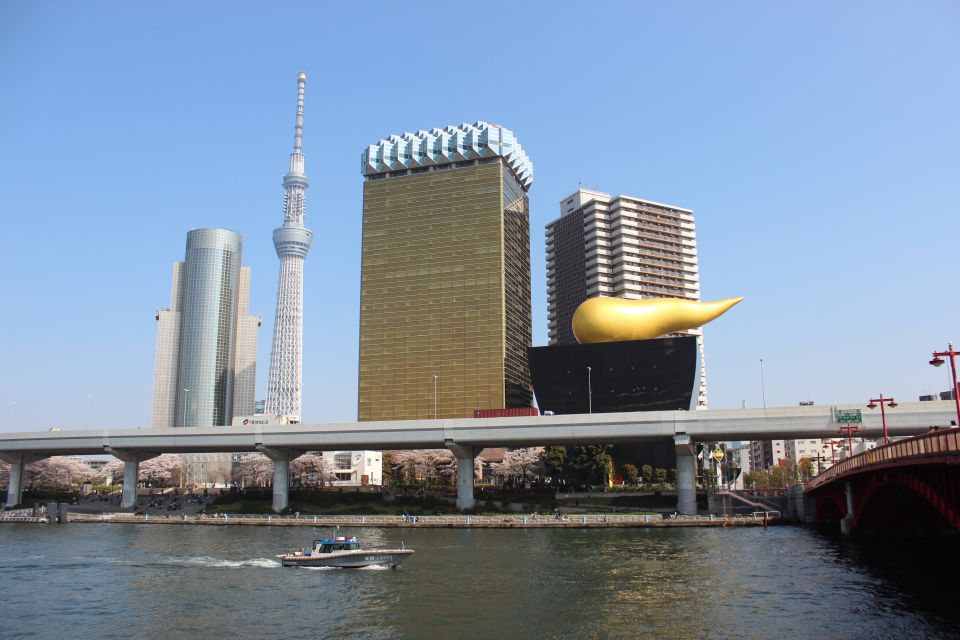
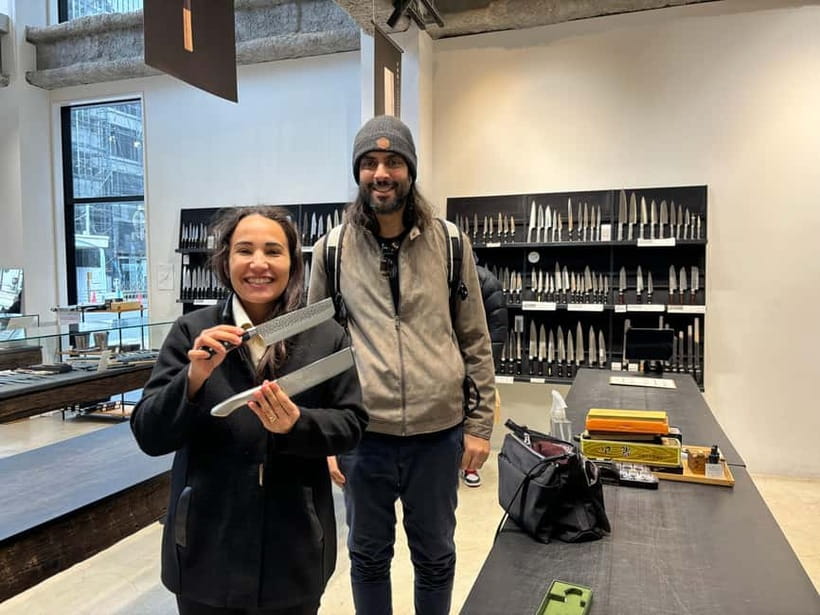
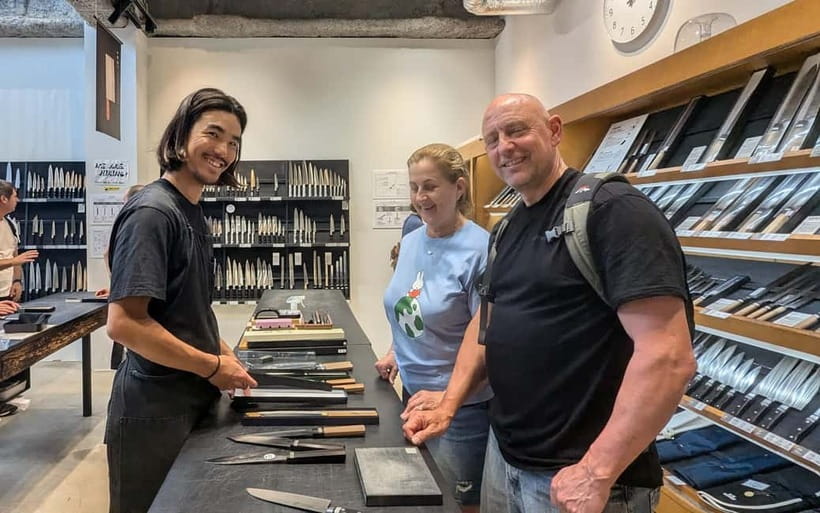
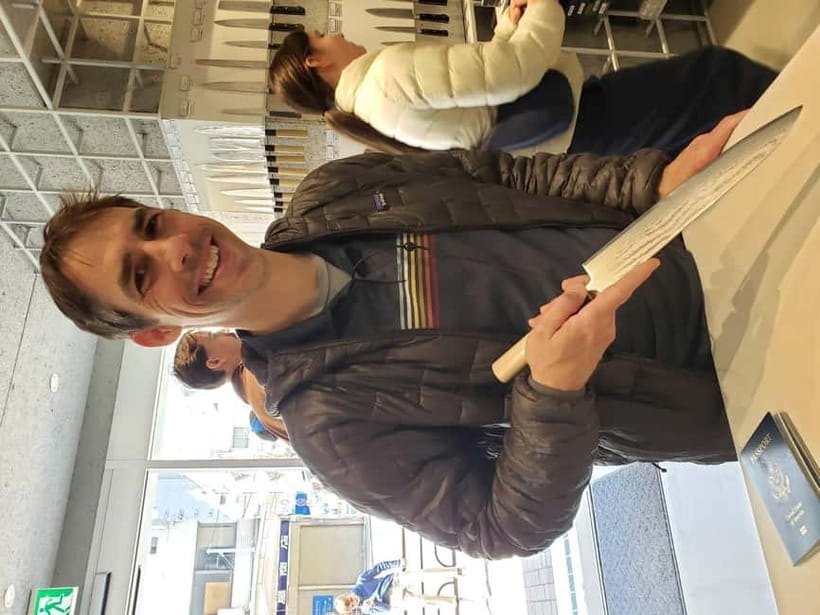
The main event is Kappabashi Street, with about one hour dedicated to the knife-and-kitchen supply shops. This street is known for lining up stores that cater to restaurant operators and home cooks who care about tools. In tour terms, the big advantage is that you don’t need prior research or map-hunting. You go right to the relevant shops, where many stores specialize in exactly what you’re after.
This is where the small group format pays off. When you’re shopping for Japanese kitchen knives, small differences matter—blade style, grind, finish, handle shape, and overall “feel.” You don’t want to be stuck trying to translate complicated product explanations while the clerk moves on to the next customer. The guide helps you listen and interpret store pitches so you can make calmer decisions.
Also, you get guided support in a “neutral” way. That’s important because knife stores can be persuasive by nature. Having someone who can give you candid, balanced feedback helps you avoid two common mistakes:
- Buying something too fancy for your actual cooking habits
- Overpaying because you didn’t understand what you were really getting
If your goal is to buy a knife to bring home, this is the right time to ask basic questions. Look for clarity on what the knife is designed for (vegetables, slicing, general prep), and ask how to handle care so it stays sharp longer. Even if you’re not a chef, you can still get a great match when you choose based on how you cook.
During store stops: why the guide matters more than the store brand
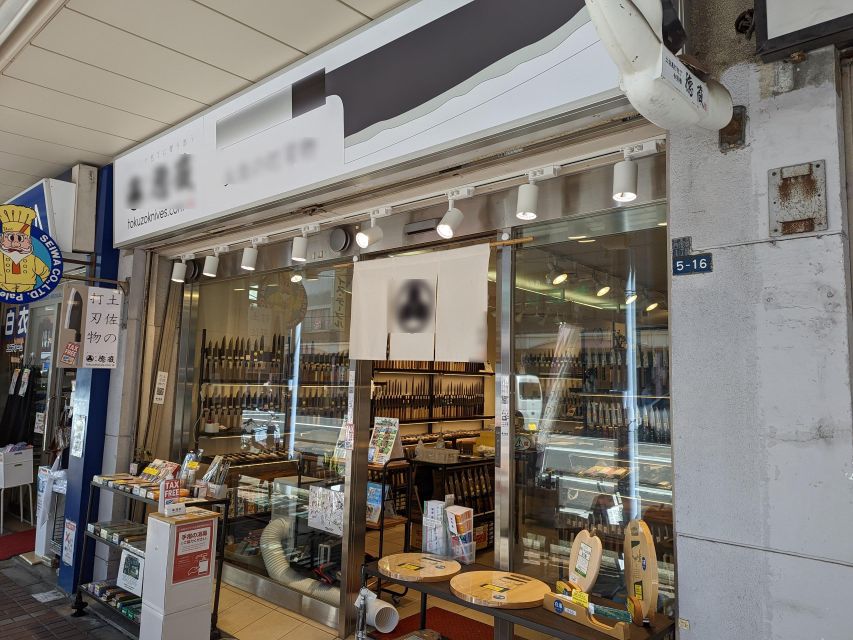
The tour’s promise isn’t just visiting shops—it’s how you shop inside them. You’ll hear the guide’s guidance at the right moments, including help translating and steering you toward items that fit what you’re looking for. The tour is designed around sales-pitch reality: clerks will explain their products, but you’ll have support so you can interpret what’s marketing versus what’s genuinely useful.
This approach showed up clearly in the feedback: the guide Machiko is specifically mentioned as knowing where to go to buy things, and English support is described as excellent. One review also notes the guide went past the planned time to help with buying. That kind of attention makes the shopping portion feel less like a scripted stop and more like a supported errand—where your questions actually get answered.
How to use that advantage:
- Decide your budget range before you enter the shops
- Bring a short list in your head of what you cook most (rice veg prep, slicing meat, general chopping)
- Treat store advice as input, not pressure, and ask the guide to help you compare options you’re considering
You can also read our reviews of more shopping tours in Tokyo



Included snacks and headset comfort: small details that reduce stress
This isn’t only sightseeing and shopping. The tour includes a selection of Japanese sweet snacks, which is a welcome break during a day that’s mostly walking. It’s also a useful “reset button” right when your energy might drop—especially if you’re moving from gates and crowds into specialty retail streets.
Comfort-wise, the headset system is also a smart inclusion. For groups of three or more, you can hear the guide from a distance. That means you’re not constantly craning your neck or falling behind just to hear a sentence. With small-group tours, it’s usually easier to keep together, but audio still matters when you’re in busy zones like Nakamise and near store entrances.
Price and time: is $77 fair value for a 210-minute mix?
At $77 per person for about 210 minutes, this tour sits in a mid-range “pay for convenience” category. You’re not just paying for a walk. You’re paying for:
- An English-speaking certified guide
- Help navigating to the right Asakusa/history landmarks before shopping
- A structured visit to Kappabashi Street where knife shopping is the main draw
- Headsets (for groups of three or more)
- Japanese sweet snacks
Here’s the value logic: if you were doing this on your own, you’d spend time figuring out route order, how long to linger at each site, and how to make sense of multiple knife store pitches in English. The guide reduces that mental load. And even if you don’t buy a knife, the temple-and-market context gives you a more complete Asakusa experience than a standalone shopping outing.
If you plan to buy an actual knife, the tour can become even better value. The difference between a good decision and a frustrating one is often communication and comparison, and that’s exactly what the guide’s support is meant to handle.
Best fit: who this Asakusa knife and history tour is for
This tour is a strong match if:
- You want Japanese kitchen knives but don’t want to research store locations first
- You appreciate a guided Asakusa route instead of piecing landmarks together alone
- You’d rather have fair, neutral help while clerks explain products
- You’re traveling with a group small enough to hear the guide clearly (and you’ll benefit from the headset system)
It’s also a good option if you’re a history-and-food person. Asakusa isn’t only temples and shopping streets—it’s tied to daily life, and kitchen tools connect to that. If you care about how Japan’s culinary culture shows up in everyday tools, this feels like a meaningful pairing.
Practical tips before you go (so you buy smarter)
You’ll be doing walking segments between multiple landmarks and then shopping on a retail street. So:
- Wear comfortable shoes you can stand in
- Keep some cash or card space in your mind for shopping, since Kappabashi stores are set up to sell
- If you plan to bring a knife home, budget time and attention to how you’ll carry it safely (ask the store how they recommend handling purchases for travel)
- Bring curiosity. Even if you don’t buy, you’ll learn what makes different Japanese knife styles popular
And yes—because it’s rain or shine, pack for wet weather if you can. A shop street is easier with dry socks.
Should you book this Asakusa kitchen knife store tour?
If you want one day where Asakusa’s famous landmarks lead naturally into hands-on shopping for Japanese kitchen knives, I’d book it. The guided route solves the biggest first-timer problem—wandering—and the knife-shopping support turns a sales-heavy environment into a more understandable buying experience. Add the snack break, the small-group pacing, and clear English audio support, and it becomes a good value use of time.
Skip it only if you’re determined not to shop at all, or if you dislike guided walking through popular streets. Otherwise, this is the kind of practical, structured tour that helps you leave with better decisions—whether that’s a knife in your bag or at least a clearer sense of what you’re seeing and why it matters.
FAQ
Where is the meeting point for the tour?
The meeting place is in front of a Burger King restaurant right next to Exit 4 of Asakusa subway station (Ginza line G19).
How long is the tour?
The tour duration is 210 minutes.
Is hotel pickup or dropoff included?
No. Hotel pickup or dropoff is not included.
What language is the tour guide?
The tour is in English, with an English-speaking certified guide.
Do you get help hearing the guide during the walk?
Yes. A headset system is included to hear the guide from a distance when the group size is 3 or more.
Does the tour visit Senso-ji Temple?
Yes. The tour includes a guided visit to Sensō-ji Temple.
Is the tour outdoors in bad weather?
The tour takes place rain or shine.
Are snacks included?
Yes. A selection of Japanese sweet snacks is included in the tour.
How late can I cancel for a full refund?
You can cancel up to 24 hours in advance for a full refund.