REVIEW · TOKYO
Tokyo: Tsukiji Fish Market Walking Tour
Book on GetYourGuide →Operated by Travel Tokyo · Bookable on GetYourGuide
Seafood lessons start before you’ve even ordered. On a Tsukiji Outer Market walking tour, I like that you get real context for what you’re seeing, plus small-group attention (10 people max). You’ll also get help choosing stalls and trying items you’d skip on your own, but do note one big catch: cash is required for sampling, and some spots may not take cards.
This tour keeps things simple. You meet at a Starbucks near Tsukiji Station and you’re back at the same spot about two hours later, with an English-speaking guide leading the walk.
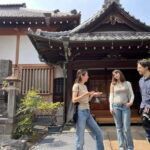
One more thing: the guide can make the difference between wandering and understanding. In past groups, names like Yayoi, Nicholas, Doren, Yota, Shingo, Nao, and Ryo show up in the standout comments, usually for their stall advice and cultural explanations.
In This Review
- Key things I think you’ll notice
- Starbucks Near Tsukiji Station: Your 2-Hour Game Plan
- Tsukiji Outer Market Through a Guide’s Eyes, Not Random Wandering
- What You’ll See at the Outer Market: Seafood, Specialty Goods, and Tools
- Food Sampling and the Cash-Only Reality
- Vendor Stories and Cultural Notes Your Guide Will Point Out
- How Much You’ll Try: Kobe Beef, Tuna, Eel, Wasabi Beans, and Mochi
- Weather, Crowds, and Pace in a Small Group of 10
- Is $17 for a Tsukiji Walk Worth It?
- Should You Book This Tsukiji Fish Market Tour?
- FAQ
- Where do I meet for the Tsukiji tour?
- How long is the tour?
- Is the tour guide English-speaking?
- What size is the group?
- Do I need cash?
- Is hotel pickup and drop-off included?
Key things I think you’ll notice
- Starbucks meeting point near Tsukiji Station makes it easy to start without stress.
- Small group of 10 keeps the pace friendly and helps you hear the guide.
- Outer Market focus means you’re walking stalls, not just watching from the sidelines.
- Sampling + cash requirement is real, so plan to pay for bites with yen.
- Guide-led stall choices can lead you to less-obvious things like wasabi beans and mochi.
- Short stops beyond stalls can happen, including a shrine/temple moment such as Tsukiji Hongwanji Temple.
Starbucks Near Tsukiji Station: Your 2-Hour Game Plan
I like how the meeting point is straightforward: Starbucks close to Tsukiji Station, about a two-minute walk away. That matters in Tokyo, where one wrong turn can cost you time and energy before you’ve even started eating.
The tour runs about two hours, and you return to the same Starbucks. That loop format keeps you from feeling lost in the maze of alleys and stalls, and it also makes it easier to plug into the rest of your day.
You can also read our reviews of more walking tours in Tokyo

Tsukiji Outer Market Through a Guide’s Eyes, Not Random Wandering
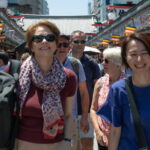
Yes, you can walk Tsukiji on your own. But the value here is having someone explain what you’re looking at and why certain vendors and items are worth your money.
A good guide also helps you avoid the common market problem: you stare at everything, then end up buying the safest option that doesn’t teach you much. With this kind of tour, you’re guided to stops where the story matches the taste, from seafood culture to how certain culinary traditions show up in daily shopping.
Because the group is limited (up to 10), the guide can usually steer the pace. That is a big deal in a crowded market environment where fast walkers can otherwise leave you behind—or where you end up squeezed against stalls without any breathing room.
What You’ll See at the Outer Market: Seafood, Specialty Goods, and Tools
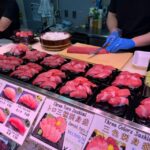
At Tsukiji’s Outer Market, you’re mainly walking stalls that sell seafood and seafood-related goods. Expect to see display counters, packaged specialty items, and the kind of culinary tools and ingredients that food people actually use.
This is a good choice if you want the market as a food-world experience. You’re not just passing by fish photos; you’re seeing how seafood is presented for cooking, snacking, and gifting.
One balanced note from real experiences: if you’re expecting lots of formal fish display like a museum, manage your expectations. Some walks end up feeling more like street-style skewers, tasting counters, and quick bites than a wide-open viewing area.
Food Sampling and the Cash-Only Reality
Bring cash. That’s not a suggestion here—it’s the clear instruction. Several stops for sampling can require cash payments, and you don’t want to be stuck when a perfect bite appears and your card won’t work.
Think of the $17 price as paying for the guide and the walking plan, not for every snack you’ll want. The tour gives you structure, but you should budget extra money for what you taste along the way.
If you want maximum enjoyment, you’ll do two things:
- Have cash ready before you reach the first tasting stop.
- Go in with a curious mindset, not a strict plan to order only one type of food.
Vendor Stories and Cultural Notes Your Guide Will Point Out
The best part of a market guide is the commentary that turns an item into a story. On this tour, you’re guided through Tsukiji’s role in shaping Japan’s seafood culture and culinary traditions, and you’ll hear about vendors and market habits along the way.
You’ll often get practical cultural notes that help you read the scene. For example, the guide can explain what certain stalls are known for, why specific items are popular, and what locals tend to look for when deciding what to buy.
This is also where the tour becomes more than food shopping. You’re learning patterns: how seafood shows up in Japanese meals, how taste preferences are shaped by quality and season, and why the market still matters even for visitors who are only there for a short time.
You can also read our reviews of more shopping tours in Tokyo



How Much You’ll Try: Kobe Beef, Tuna, Eel, Wasabi Beans, and Mochi
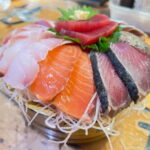
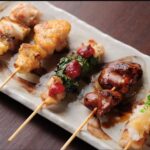
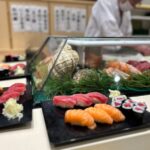
The tour is built for sampling, and past groups talk about trying a wide range of flavors—not just raw fish. You might come across tastings like tuna sushi, fatty tuna, and high-quality tuna, plus options such as wagyu skewers and even Kobe beef.
Dessert can show up too. Mochi pops up in the comments as one of those sweet stops that feels like a reward after seafood-focused walking.
You may also try less “tourist-default” items when the guide chooses the stall. Wasabi beans are a great example—something many people wouldn’t pick for a first market visit, but that fits the tasting style of Tsukiji.
A practical tip: if you get the option to sample while walking or at quick counters, take it. Markets move fast. If you save every bite for later, you can miss the best items when you’re tired.
Weather, Crowds, and Pace in a Small Group of 10
Tokyo markets can be packed, and Tsukiji is no exception. What I like about a small group is that you’re less likely to get separated from your group, and you’re more likely to hear what the guide is explaining without straining to catch every word.
Rain happens too. Even when the weather isn’t perfect, you can still have a strong experience if your guide keeps the plan moving and adjusts where you stop. In practice, that often means more emphasis on quick tastings and covered stall areas.
Timing is part of the vibe. This is a two-hour window, so you’ll want to bring energy and avoid stacking it right next to a long, slow activity. You’ll get more out of the tour if you keep the rest of your day flexible for post-market eating and browsing.
Is $17 for a Tsukiji Walk Worth It?
For $17 and about two hours, the value comes from what you get besides food: decision-making help. In a market with countless stalls, a guide’s ability to point you toward the right stops is what saves you from wasting money on random choices.
Another reason it’s good value: your guide can steer you toward variety. You’re not limited to only one style of seafood. Comments include people trying everything from tuna to eel, plus beef skewers and desserts, which is a strong mix for a short outing.
But there’s one cost reality to accept. Because cash is needed for sampling, you’ll likely spend extra beyond the base price. If you show up with only the tour fee, your options will shrink. If you show up prepared, you’ll turn the price into a full, satisfying food experience.
Should You Book This Tsukiji Fish Market Tour?
If you want a smooth, high-information market walk, I think this is an easy yes. It’s especially good if:
- You’re new to Japanese food markets and want guidance on what to try.
- You care about culture and vendor stories, not just taking photos.
- You prefer a small group so you can keep up with the guide.
It’s also a smart pick if you don’t want to spend your time figuring out stalls, pricing style, and what’s worth your attention. A tour helps you move from curiosity to tasting faster.
Consider skipping (or at least temper expectations) if you’re hoping for a laid-back, wide-open sightseeing stroll where you can quietly browse everything. Tsukiji can be crowded and fast, and this tour is designed for food stops and explanations, not slow wandering.
If you book, do one thing that makes the biggest difference: bring enough cash for sampling and go hungry enough to enjoy multiple bites.
FAQ
Where do I meet for the Tsukiji tour?
You meet at Starbucks near Tsukiji Station, about a two-minute walk away. The location is roughly at 35.6679239, 139.7720981.
How long is the tour?
The tour lasts about 2 hours.
Is the tour guide English-speaking?
Yes, the live tour guide speaks English.
What size is the group?
The group is small, limited to 10 participants.
Do I need cash?
Yes. You should bring cash for sampling.
Is hotel pickup and drop-off included?
No. Hotel pickup and drop-off are not included, and you start and end at the Starbucks meeting point.