REVIEW · TOKYO
Tokyo: Wagyu and 7 Japanese Dishes Cooking Class
Book on GetYourGuide →Operated by Cooking Sun · Bookable on GetYourGuide
Tokyo is full of food tours, but this one cooks. In a small, homey studio, you make a full-course Japanese meal and Wagyu is the star. The format is hands-on, guided step-by-step by friendly instructors like Yuki, Yuko, Kaori, and Bifuka.
I like that the class doesn’t stop at cooking. You also learn the why behind key building blocks, like dashi and miso, so you can actually cook the flavors again later. You’ll also leave with simple recipes and practical tips, not vague foodie talk.
One thing to plan for: the studio sits in a residential area, in a beige building on the 2nd floor, so you’ll want to check directions (and not rely on easy curbside spotting). And there’s no hotel pickup or transportation included, so you’ll handle getting there yourself.
In This Review
- Key highlights to know before you go
- Wagyu + 7 dishes: why this class feels like a real Japanese meal
- Getting to the studio: Shinjuku’s residential address, 2nd floor, beige building
- The classroom setup: hands-on cooking with gear you can actually use
- How the lesson runs over 3 hours (and what you’ll be making)
- Starter skills: cutting, seasoning, and the small details that matter
- Soup building: dashi and miso in real life terms
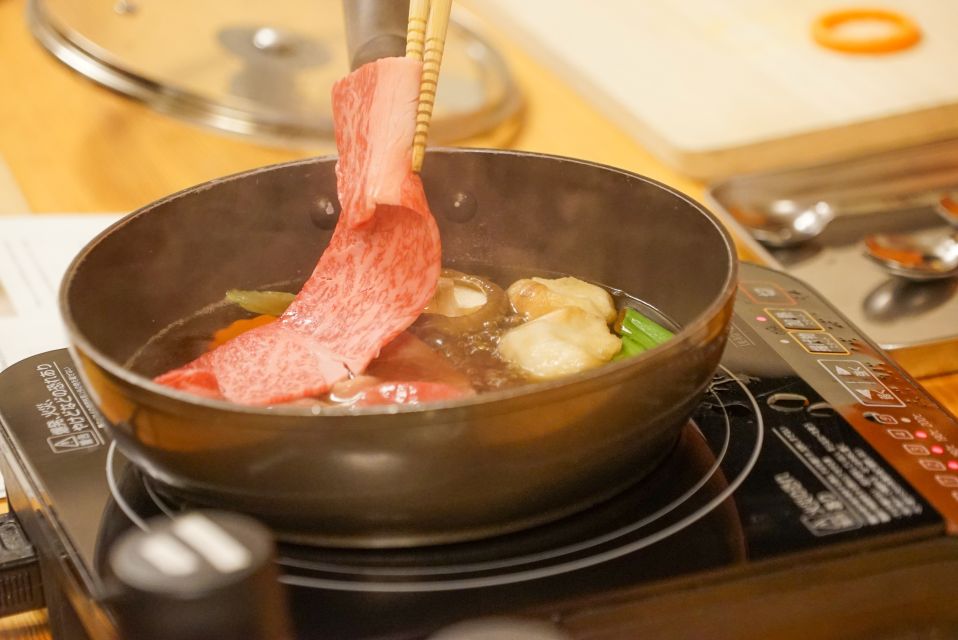
- The Wagyu moment: sukiyaki hotpot you can taste immediately
- Dessert practice: dorayaki as a fun closing course
- Adapting the menu for dietary needs without killing the vibe
- What you take home: recipes, practical tips, and how to cook the flavors again
- Value check: $67 for 3 hours, Wagyu, and a full meal
- Who this suits best (and who might want a different type of class)
- Final verdict: should you book this Wagyu and 7 dishes cooking class?
- FAQ
- Is instruction offered in English?
- How long is the cooking class?
- Is the group size small?
- What’s included in the price?
- Do they provide transportation or hotel pickup?
- Can they accommodate dietary restrictions?
Key highlights to know before you go
- Wagyu sukiyaki centerpiece with tender, juicy results that taste different from most restaurant versions
- Small group of up to 8 so you can get real attention while you cook
- Dashi and miso basics taught from scratch, not just assembled
- A full-course meal: you cook, then you eat everything you made
- English-speaking local instructors with clear step-by-step guidance (including Yuki, Yuko, Kaori, Bifuka)
- Recipes included plus sensible tips for recreating the dishes at home
Wagyu + 7 dishes: why this class feels like a real Japanese meal
This cooking class is built around something simple: a Japanese home-style meal, served in courses. The big draw is Wagyu, but the smart part is how the menu supports it. You don’t just learn how to cook one fancy thing. You learn how the whole meal tastes like it belongs together.
The class is scheduled for about 3 hours, with roughly 2.5 hours of cooking time. After that, you sit down and eat the full spread. That matters because the meal itself becomes your final lesson: you can taste what you made, notice textures and balance, and connect technique to flavor.
The menu centers on a traditional approach. You’ll work with seasonal ingredients and classic methods, including dishes anchored by dashi (Japanese soup stock). Dashi shows up as a core idea here, because it’s the flavor engine behind a lot of Japanese comfort food.
You can also read our reviews of more cooking classes in Tokyo


Getting to the studio: Shinjuku’s residential address, 2nd floor, beige building
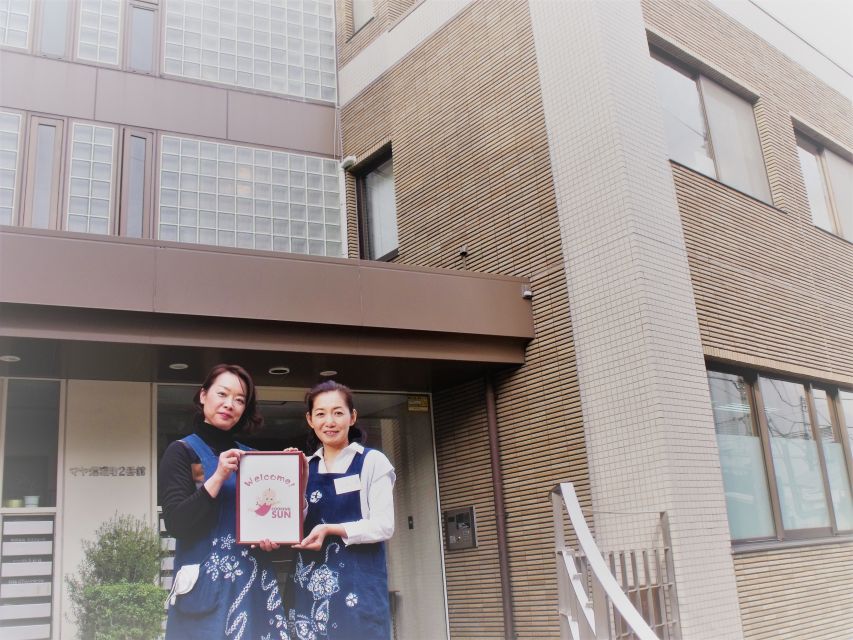
Let’s talk logistics, because this is where a lot of Tokyo experiences quietly trip people up. Your meeting point is in a residential neighborhood. The studio is on the 2nd floor of a beige residential building, and it can be a little difficult to find if you’re expecting a big sign on the street.
Use Google Maps for Cooking Sun Tokyo at Shinanomachi 18-39, Shinjuku-ku, Tokyo. When you arrive, you’ll see two doors. Use the right-side door to access the studio. If you need to call, press 314 on the intercom.
If you’re driving with a private vehicle, there’s a clear rule: don’t stop or wait in front of the building or in the neighborhood. Use a nearby coin-operated parking lot if your driver needs to wait. It’s a small courtesy, but it also keeps your day smooth.
The classroom setup: hands-on cooking with gear you can actually use
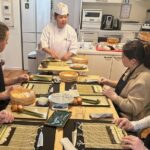
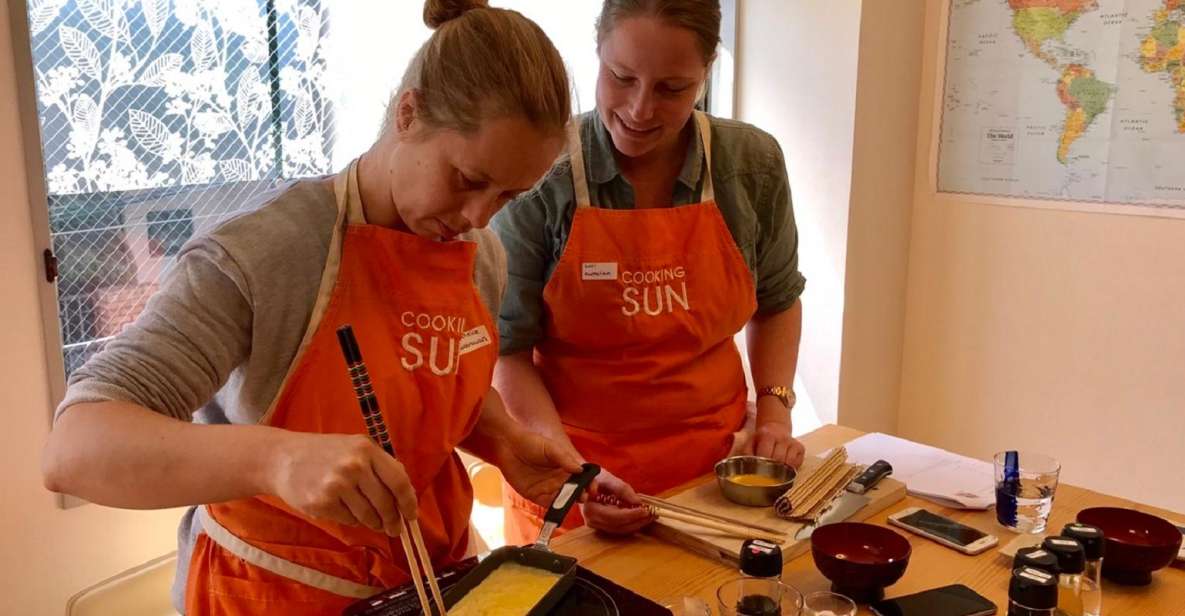
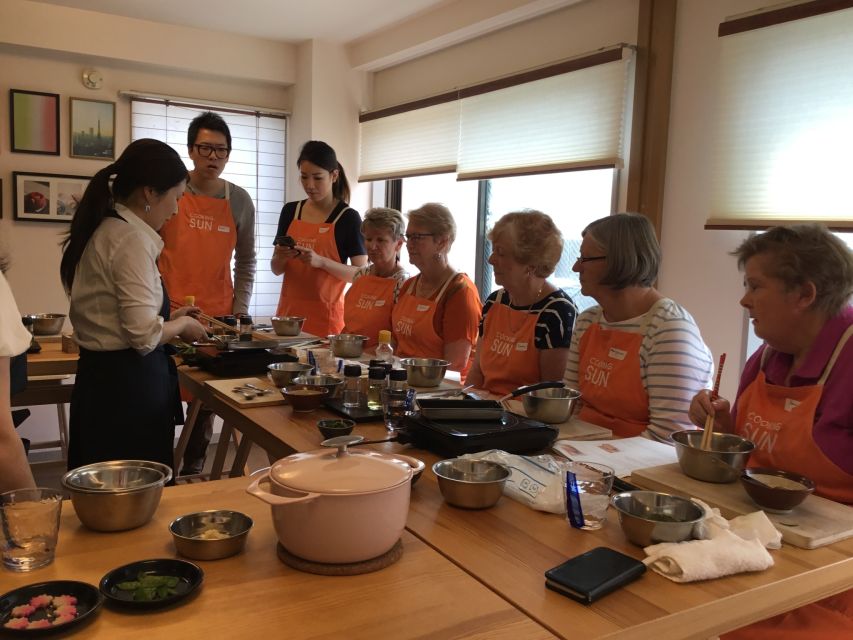
This class takes place in a clean, bright studio space with the tools you need to move efficiently. You’re not learning in a chaotic open kitchen with shortages and dodgy equipment. The studio includes utensils and ingredients, and you get a towel and apron rental so you can focus on cooking, not packing.
Group size is capped at up to 8 participants, which is a big deal for a hands-on class in Tokyo. When there are fewer people, the instructor can watch how you’re cutting, mixing, and timing. You’re less likely to feel like you’re waiting for a turn while everyone else already knows what to do.
You’ll also get welcome tea, which is small but helps you settle in. It’s not a stiff, school-like vibe. The atmosphere is homey and friendly, which makes it easier to ask questions as you cook.
How the lesson runs over 3 hours (and what you’ll be making)
The class is structured like a full cooking sequence, from prep to finishing to eating. You start with ingredient prep and technique demos, then you take over. The teaching style is step-by-step, with clear explanations of how each dish is built.
Your menu includes 8 dishes total. The class highlights Wagyu as the centerpiece, but it also includes soups, sides, and a Japanese dessert. Based on what’s commonly cooked in this class format, you might see a mix like:
- an egg dish (often a hands-on style omelette)
- dashi-based soup, typically miso soup made with dashi
- cucumber and potato-style sides
- a tofu dish stuffed with seasoned ingredients
- sukiyaki Wagyu hotpot
- dorayaki (Japanese sweet pancakes)
Even if your exact course order varies, the flow stays consistent: you’ll build flavor layer by layer, then land on the Wagyu at the right moment.
Starter skills: cutting, seasoning, and the small details that matter
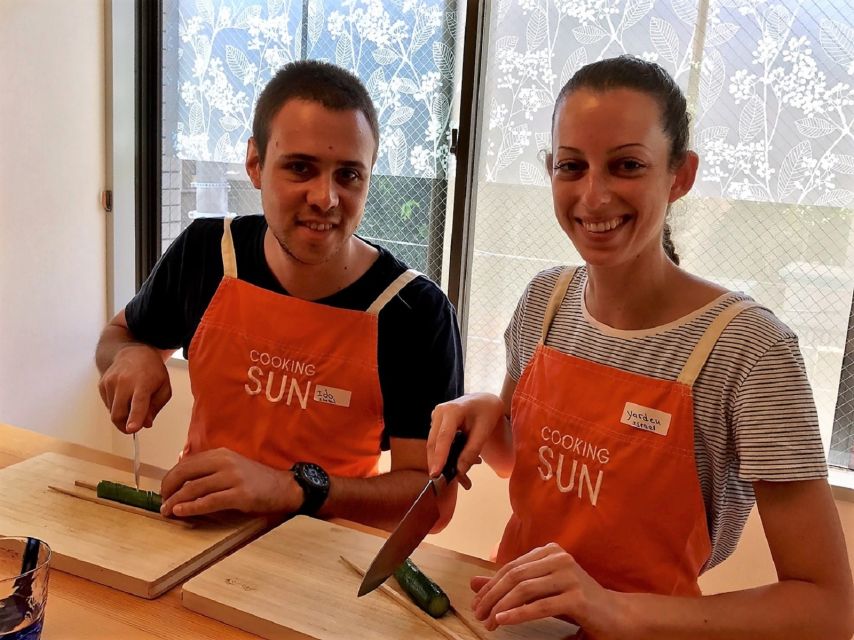
A lot of Japanese cooking is about controlled cuts and balanced seasoning. In this class, you practice techniques that sound simple until you do them with intention. You might work on cucumber prep (including a more decorative cut style), and you may learn how to make a sesame-forward side like sesame potato salad.
You’ll also handle a few tasks that teach timing. Many dishes in this meal share ingredients and rhythms, so once you understand one technique, you start spotting patterns across the menu.
You can also read our reviews of more tours and experiences in Tokyo



Soup building: dashi and miso in real life terms
Dashi is where beginners often get lost. In typical restaurant meals, it just appears as flavor. Here you learn how dashi is made and why it works. You may make dashi from scratch for miso soup, then use that soup as the baseline for how you season.
This part is valuable because once you understand dashi, you start tasting it everywhere. You’ll recognize the umami backbone, and you’ll stop thinking of miso soup as just a salty broth. It becomes a method.
Even better, the instruction doesn’t sound academic. It’s practical: what you’re adding, when you’re adding it, and how to adjust so the soup tastes right.
The Wagyu moment: sukiyaki hotpot you can taste immediately
When the Wagyu arrives, it doesn’t feel like a random upgrade. It feels like the climax of what you’ve been learning. Sukiyaki is a classic hotpot style where sauce, heat, and timing combine to create that tender, melt-in-your-mouth texture.
The class uses Wagyu as the main highlight, and the result is the kind of beef flavor people remember: deep taste, tender bites, and a cooked-meets-sweet-savor balance. One helpful thing about doing it in a class is that you can see the process and understand what changes the outcome, instead of just eating a plate and moving on.
This is also a good place to pay attention to technique. If you rush the cooking or treat it like a regular pan steak, you won’t get the same texture. The instructor guidance helps you nail that.
Dessert practice: dorayaki as a fun closing course
Dessert in this class isn’t an afterthought. You might make dorayaki, the Japanese pancake-like sweet that turns into a memorable end to the meal. Cooking dessert in a savory-focused meal class also helps you understand Japanese kitchen variety: sweet doesn’t mean complicated; it means specific texture and method.
It’s a satisfying close because you get a full course experience, not a token bite at the end.
Adapting the menu for dietary needs without killing the vibe
The class can accommodate dietary requirements. They’re happy to substitute ingredients as needed for allergies, gluten-free diets, religious dietary restrictions, vegetarian preferences, and more. The key is simple: tell them at booking what you need.
That matters because cooking classes sometimes offer substitutions as a polite idea, then the menu still leaves you with limited choices. Here, the intent is substitutions rather than “sorry, you’re done.” If you’re working around a restriction, this is one of the more reassuring Tokyo classes to look at.
What you take home: recipes, practical tips, and how to cook the flavors again
You’ll receive recipes and learn sensible tips during the lesson. That’s huge for value. A cooking class can be fun in the moment and useless later. This one aims to carry over.
From the way instructors explain ingredients and techniques, you’ll likely pick up small changes that matter at home: how to treat certain seasonings, what to watch for in texture, and what tools help you move faster and with less mess.
Also, the instructors often share ideas on how to obtain ingredients and substitutions abroad. That turns your takeaway from a fragile memory into something you can actually repeat.
If you’ve ever tried to recreate Japanese food at home and ended up with something that tastes close but not quite right, the dashi and miso parts are the biggest help. Get those basics down, and the whole flavor world changes.
Value check: $67 for 3 hours, Wagyu, and a full meal
Let’s talk money. At $67 per person for about 3 hours, you’re paying for more than entertainment. You’re getting:
- all ingredients and utensils
- towel and apron rental
- welcome tea
- recipes to take home
- and, most importantly, a full-course meal you eat after cooking
Wagyu alone can cost a lot when you order it in a restaurant. Here, the Wagyu is part of a broader meal, so you’re not paying Wagyu pricing for a single dish. You’re also learning how it’s made, which can be a big difference if you like recreating food at home.
Plus, the small group size means you aren’t stuck in a crowded class where you feel like you’re just watching. For many people, that turns the price into real value.
Who this suits best (and who might want a different type of class)
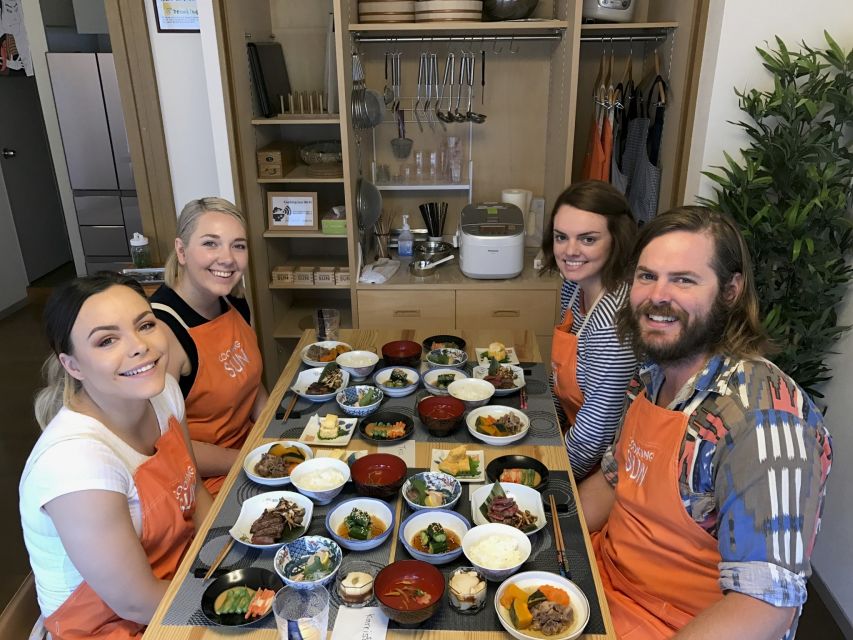
This works especially well if you want a mix of hands-on cooking and cultural food context. The teaching approach is friendly and clear, and many participants mention that it’s suitable for beginners.
It also suits solo travelers and couples because the group size stays small, and the atmosphere feels welcoming. Some people even take it as a high-impact first-day Tokyo activity. You finish with a better sense of what you’ll order later around town.
If you want a strict gourmet workshop with heavy knife technique drills or advanced culinary theory, you might find the pace more approachable than intense. But if you want practical Japanese home cooking you can repeat, this class is a strong match.
Final verdict: should you book this Wagyu and 7 dishes cooking class?
I’d book it if you want a fun, organized class that ends with you eating what you cooked. The Wagyu sukiyaki is the headline, but the real reason it’s worth your time is that you learn core Japanese flavor building blocks like dashi and miso, then practice enough techniques to make the recipes feel doable later.
Skip it if you’re very sensitive about hard-to-find meeting spots and you hate handling your own transportation. Also consider another option if your schedule can’t handle a 3-hour sit-and-cook timeline.
If you can manage those two points, this is one of the more satisfying Tokyo cooking experiences: you leave fed, you leave with skills, and you leave knowing what makes the flavors work.
FAQ
Is instruction offered in English?
Yes. The class instruction is English, and the hosts guide you step by step.
How long is the cooking class?
The duration is about 3 hours, with cooking time around 2.5 hours before you sit down to eat.
Is the group size small?
Yes. It’s limited to a small group, with a maximum of 8 participants.
What’s included in the price?
Included items are recipes, all ingredients and utensils, towel and apron rental, and a welcome tea.
Do they provide transportation or hotel pickup?
No. Hotel pickup and transportation are not included, so you’ll need to get to the studio on your own.
Can they accommodate dietary restrictions?
They can substitute ingredients for dietary requirements such as allergies, gluten-free diets, religious dietary restrictions, and vegetarian preferences. Be sure to inform them when booking.