REVIEW · TOKYO
Tokyo: Hama-rikyu Gardens tour with Japanese Tea & Sweets
Book on GetYourGuide →Operated by gotcha Corporation · Bookable on GetYourGuide
Matcha and centuries-old garden design, in 90 minutes. What makes this experience work so well is the way an English guide connects the grounds to their Edo-period roots, then lets you slow down in a tea ceremony room with matcha and sweets while you look out at the scenery. I especially love the guided focus on the Karesansui dry garden and the circular Kaiyushiki layout, because you stop treating the garden like a backdrop and start reading it.
One thing to keep in mind: it’s a walking tour with a set pace and included tea time, so if you like lots of free wandering, you may want to add extra time before or after the 90 minutes.
In This Review
- Key highlights at a glance
- Tokyo Garden Time That Feels Like a Story
- Getting There: Otemon Bridge Start, Shiodome Drop-Off
- Guided Walk: Karesansui and Kaiyushiki, Explained Simply
- Edo-Period Context: Why This Garden Was Built This Way
- Seasonal Changes You Can Spot During the Tour
- Tea Ceremony Room: Matcha and Sweets With a View
- Price and Value: What $85 Buys You in 90 Minutes
- Practical Tips: Footwear, Pacing, and Photo Timing
- Who Should Book This Tour (and Who Might Not)
- The Booking Decision: Should You Say Yes?
- FAQ
- How long is the Hama-rikyū Gardens tour with Japanese tea and sweets?
- How much does the tour cost per person?
- Is there an English-speaking guide?
- What is included in the tour fee?
- What are the main garden highlights you’ll see?
- Where do you meet for the tour?
- Where is the tour drop-off?
- How large is the group?
- FAQ
- How long is the Hama-rikyū Gardens tour with Japanese tea and sweets?
- How much does the tour cost per person?
- Is there an English-speaking guide?
- What is included in the tour fee?
- What are the main garden highlights you’ll see?
- Where do you meet for the tour?
- Where is the tour drop-off?
- How large is the group?
- What’s the cancellation policy?
Key highlights at a glance
- Edo-period design you can actually understand with a guide explaining the “why” behind the layout
- Karesansui (dry garden) + Kaiyushiki (circular garden) are the two big structures you’ll focus on
- Matcha green tea and Japanese sweets included in a tea ceremony room setting
- Seasonal plants and trees change the mood of the garden as the year moves along
- Small group limited to 4 participants, so questions are easy to ask
Tokyo Garden Time That Feels Like a Story
Most Tokyo gardens are pretty. This one adds meaning. Hama-rikyū Gardens is rooted in the Edo period, and the tour format helps you see the grounds as deliberate design, not just greenery.
I like that the experience mixes two things Tokyo does well: quiet spaces and thoughtful food moments. You’ll get a guided walk with specific garden features, then you’ll pause for matcha green tea and Japanese sweets in the garden’s tea ceremony room. It’s a good pairing because the tea time is visually tied to the garden, not stuck in a separate restaurant where the experience loses its context.
The guides also bring a personal touch. In past small-group tours, English-speaking guides have included people named Ayaku, Hiro, and Mr. Ito, and you can expect the explanation to be lively and question-friendly rather than one long lecture.
You can also read our reviews of more tours and experiences in Tokyo


Getting There: Otemon Bridge Start, Shiodome Drop-Off
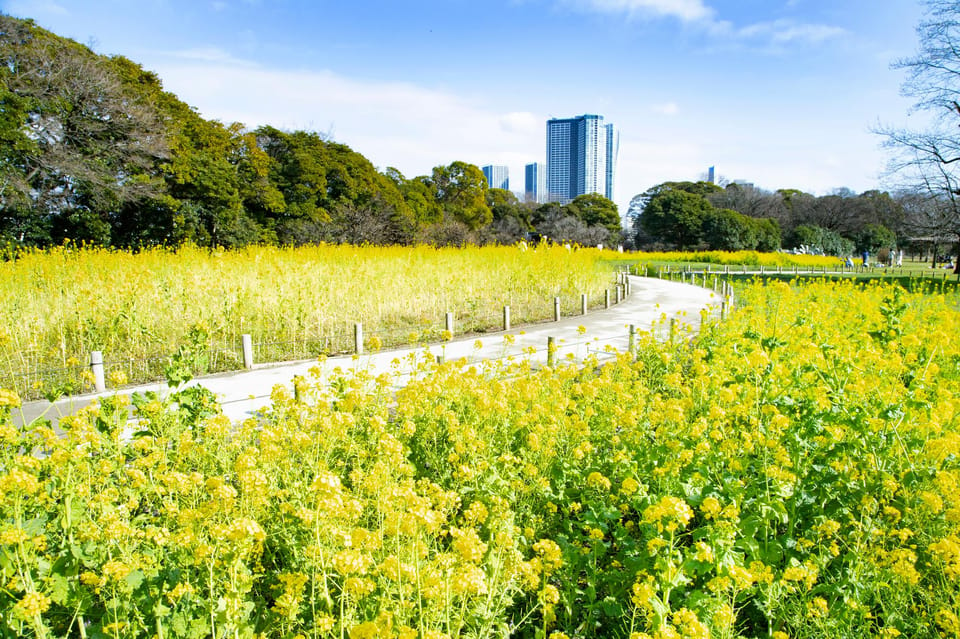
The tour starts from one of two options, including 大手門橋 (Otemon Bridge). Your exact meeting point can vary based on what you book, so I’d check your confirmation closely.
You’ll finish back near Shiodome Station (汐留駅). That’s convenient because it drops you into an area with lots of transit options, so you don’t have to plan a complicated second trip just to get moving again.
Timing-wise, everything is built into the 90-minute window. The garden walk comes first, then the tea ceremony room part, so you’ll want to arrive a little early and avoid rushing through the first moments.
Guided Walk: Karesansui and Kaiyushiki, Explained Simply
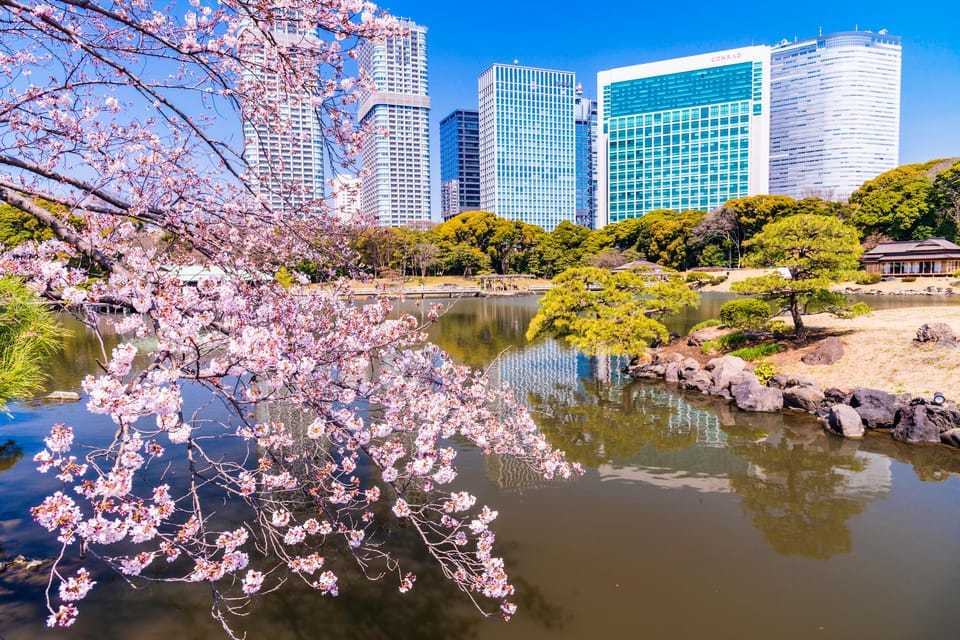
The heart of the tour is the guided time inside the garden. You’ll spend about 30 minutes walking with your guide, who explains the history and highlights in a way that makes the design click.
The two features to watch for are the Karesansui dry garden and the Kaiyushiki circular garden.
Karesansui is the one that can look abstract at first. It’s often associated with sand, stone, and careful placement that suggests water or landscape without using a literal version of it. With a guide in your ear, you start noticing how the composition guides your eye and how the viewpoints matter.
Kaiyushiki is different. It’s built for movement and viewing around a circular arrangement, so the garden experience becomes something you follow rather than something you just stand and admire. If you like when places are designed with people in mind, this part will feel satisfying.
This is also where the small-group size helps. With up to 4 participants, the guide can adapt the pace and answer quick questions without the tour turning into a one-size-fits-all script.
Edo-Period Context: Why This Garden Was Built This Way
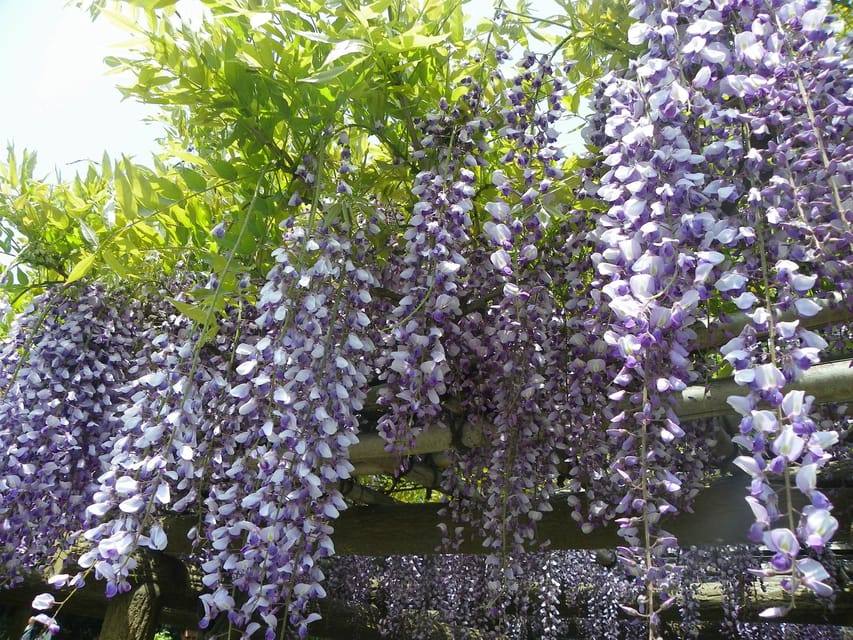
You might be wondering what “Edo period” means in real life, not in history-class terms. Here, it shows up in how the garden is structured and how specific elements were arranged to create meaning.
The guide will explain the background of the garden’s design and its history, and that’s the difference between just taking photos and really understanding what you’re seeing. One of the best ways to enjoy Japanese garden culture is to know that the layout is a kind of language. Plants, stones, sightlines, and pacing are all part of the message.
In past tours, guides such as Hiro have focused on connecting what you see to the larger story of Japan’s past. That approach matters here because Hama-rikyū isn’t only about looking calm. It’s about seeing how calm was crafted.
Seasonal Changes You Can Spot During the Tour
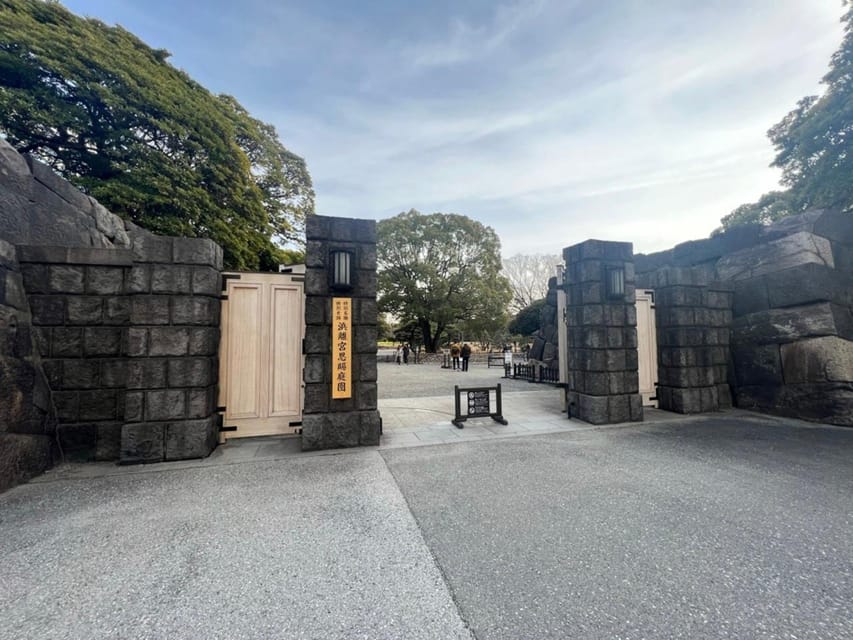
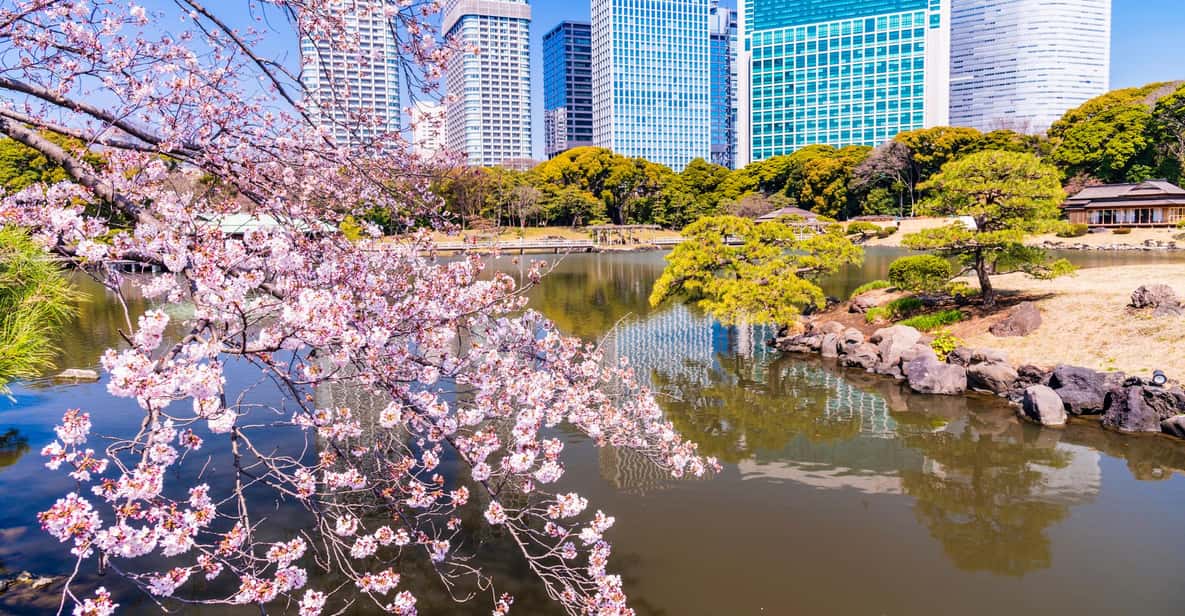
One of the tour’s small but important promises is that the garden’s beauty changes with the seasons. Trees and plants shift throughout the year, and the guided walk helps you notice those changes instead of missing them as you pass.
Even if you don’t know plant names, you can still appreciate the timing. Spring can bring clearer flower moments. Summer tends to emphasize shade and density. Autumn often changes the feel of the colors, even if the tour doesn’t spend long hours in one section.
A practical trick: go in with one goal besides photos. Pick one thing to watch for during the walk, like where the guide directs your attention for the most “readable” views. That makes a short tour feel longer and more personal.





Tea Ceremony Room: Matcha and Sweets With a View
After the garden walk, you move into the tea ceremony room for about 1 hour. This is where the tour becomes more than sightseeing.
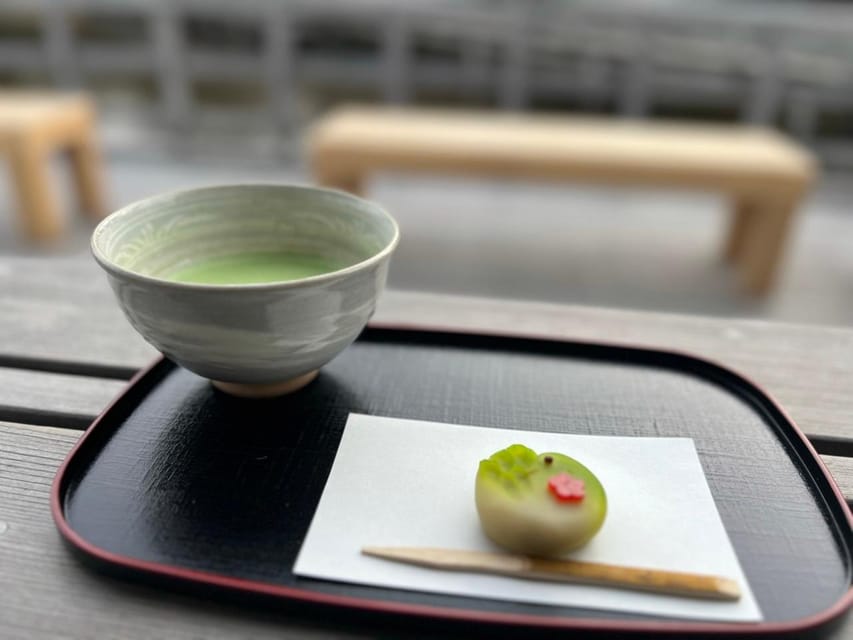
You’ll have matcha green tea and Japanese sweets included in the tour fee. The pairing works because matcha is not just a drink; it’s a slow-down tool. It changes how you see the garden. The stones and plants feel less like objects and more like part of a calm scene you’re participating in.
A couple of reviews highlighted that the matcha and the sweets left a strong memory, with one mention of wagashi. Even if you’ve had matcha before, the garden setting adds weight to the flavor and timing.
What you’re aiming for here is not speed. The tea moment is your decompression space. You’ll get time to enjoy the taste, look around, and take photos without rushing.
Price and Value: What $85 Buys You in 90 Minutes
At $85 per person for a 90-minute experience, this isn’t a cheap add-on. But the value isn’t just the garden entry. You’re paying for three concrete things:
- A live English guide explaining Edo-period design and garden features
- Guided time focused on the Karesansui and Kaiyushiki highlights
- Included matcha and Japanese sweets in the tea ceremony room
In other words, you’re buying interpretation plus a cultural food moment, not just a stroll.
The small-group limit to 4 participants also matters. Tours where you’re one of dozens can feel like speed-walking from stop to stop. Here, the pace stays human, and you’re more likely to get your questions answered clearly.
If you’re already spending time in central Tokyo and want a compact, high-impact cultural experience that doesn’t require heavy planning, this price starts to feel more reasonable.
Practical Tips: Footwear, Pacing, and Photo Timing
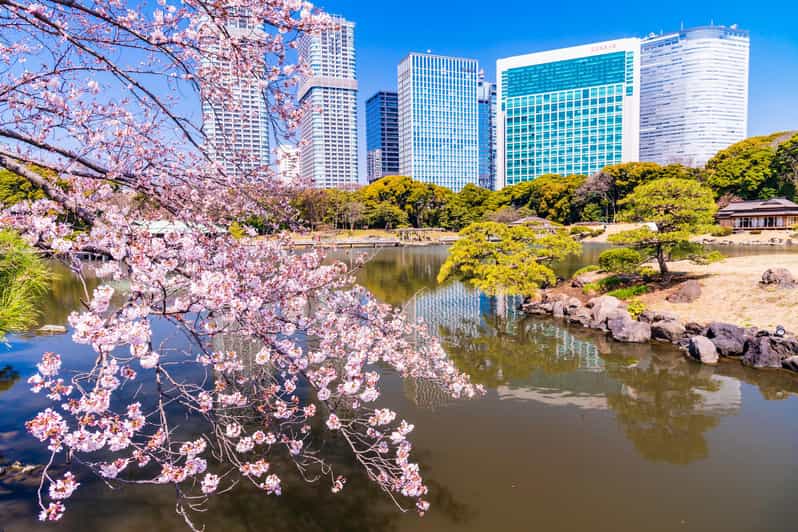
The tour recommends comfortable walking shoes, and I agree. Even when a garden looks calm on the surface, the ground can include uneven paths, and you’ll be moving through viewpoints.
Also, plan for a set rhythm. The experience flows from guided walk to tea time, so you won’t be drifting off for long stretches on your own. If you’re the type who loves to linger, add a little extra time before or after the tour in the surrounding area.
Photo advice that actually helps: treat the guide’s directions as your “best angles.” In a short visit, chasing your own favorite shot might cost you the best view the layout was designed to offer.
Who Should Book This Tour (and Who Might Not)
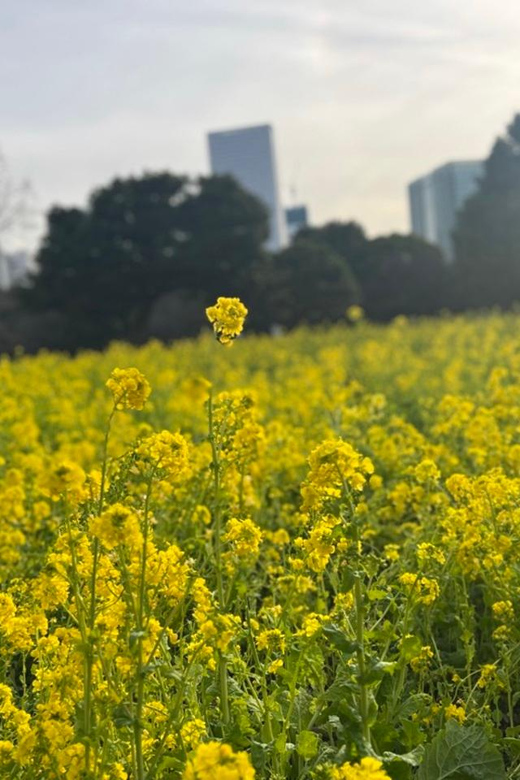
This tour is a strong fit if you want:
- A guided look at a historically rooted Tokyo garden
- Clear attention to garden design terms like Karesansui and Kaiyushiki
- A cultural pause with matcha and Japanese sweets rather than a quick snack break
- An English explanation in a small group
It might not be the best match if you:
- Want lots of free wandering time without structure
- Have mobility needs that make uneven paths and walking difficult (since the tour is explicitly a walking tour)
- Expect a long, self-paced garden day rather than a focused 90-minute experience
The Booking Decision: Should You Say Yes?
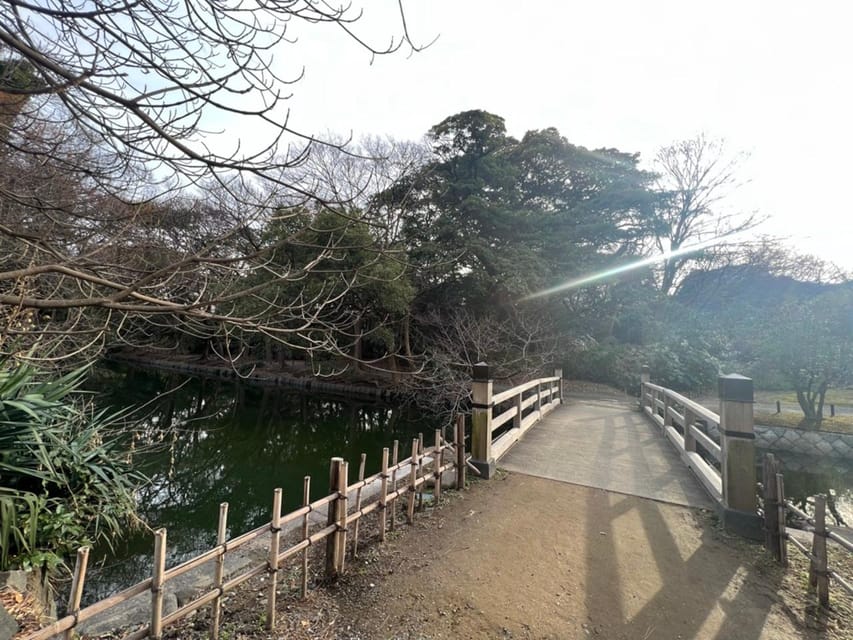
If you’re choosing between “see a garden” and “understand why the garden is designed the way it is,” I’d book this. The guided explanations turn familiar travel photos into something more meaningful, and the tea ceremony room is the kind of included cultural stop that actually feels integrated with the place.
You’ll get the best payoff if you like learning a few key concepts and then tasting and looking slowly during the tea time.
If you’re flexible, you can reserve now and pay later, and you also have free cancellation up to 24 hours in advance for a full refund. That makes it easier to fit into a Tokyo schedule without stress.
FAQ
How long is the Hama-rikyū Gardens tour with Japanese tea and sweets?
The tour duration is 90 minutes.
How much does the tour cost per person?
The price is $85 per person.
Is there an English-speaking guide?
Yes. The tour has a live guide in English.
What is included in the tour fee?
The tour includes the tour guide and matcha green tea plus Japanese sweets.
What are the main garden highlights you’ll see?
The highlights include the Karesansui (dry landscape garden) and the Kaiyushiki garden (circular garden), plus seasonal plants and trees.
Where do you meet for the tour?
The meeting point may vary depending on the option booked. One of the listed starting options is 大手門橋 (Otemon Bridge).
Where is the tour drop-off?
Drop-off is listed at Shiodome Station (汐留駅).
How large is the group?
The tour is a small group limited to 4 participants.
FAQ
How long is the Hama-rikyū Gardens tour with Japanese tea and sweets?
The tour duration is 90 minutes.
How much does the tour cost per person?
The price is $85 per person.
Is there an English-speaking guide?
Yes. The tour has a live guide in English.
What is included in the tour fee?
The tour includes the tour guide and matcha green tea plus Japanese sweets.
What are the main garden highlights you’ll see?
The highlights include the Karesansui (dry landscape garden) and the Kaiyushiki garden (circular garden), plus seasonal plants and trees.
Where do you meet for the tour?
The meeting point may vary depending on the option booked. One of the listed starting options is 大手門橋 (Otemon Bridge).
Where is the tour drop-off?
Drop-off is listed at Shiodome Station (汐留駅).
How large is the group?
The tour is a small group limited to 4 participants.
What’s the cancellation policy?
You can cancel up to 24 hours in advance for a full refund.