REVIEW · TOKYO
Make traditional sweets “Nerikiri” and Matcha in Shibuya
Book on GetYourGuide →Operated by MumJapanese sweets studio · Bookable on GetYourGuide
Edible art in Shibuya? Yes, really—and you learn Nerikiri techniques while sipping matcha right by Omotesando.
What I like most is the hands-on feel and the clear coaching that helps you shape delicate details. You also get a table-style tea moment with matcha plus a lineup of premium Japanese sweets from across Japan, so you can actually compare flavors in a relaxed way.
One thing to consider: it’s not suitable for children under 5, since the session is focused on careful handwork and tea-time etiquette.
In This Review
- Key highlights worth planning around
- Welcome to the Nerikiri studio near Omotesando
- Finding the meeting point without stress
- Your 90 minutes of Nerikiri: more technique than you expect
- The shaping phase: 3 planned shapes plus your original design
- Design choices: seasonal themes and cute characters
- Table-style tea ceremony: matcha plus premium sweet pairings
- Why the tasting matters (and not just because it’s delicious)
- The host factor: Hannah’s calm, step-by-step style
- Price and value: why $46 can make sense here
- Where this fits best in your Tokyo itinerary
- Dietary fit and what to expect regarding allergies
- Who should book this Nerikiri and matcha class
- Practical tips to get the best results
- Should you book? My honest take
- FAQ
- How long does the Nerikiri and matcha experience last?
- What is included in the $46 per person price?
- How many people are in the group?
- Where is the meeting point?
- How do we get from the meeting point to the studio?
- What are the start times?
- Are the instructions available in English?
- Is it suitable for vegans and vegetarians?
- What ages is it not suitable for?
- Is the venue wheelchair accessible, and is smoking allowed?
Key highlights worth planning around
- Make 4 Nerikiri styles and take everything home with you
- Choose from sample designs first, then create an original motif
- Table-style tea ceremony paired with matcha and premium Japanese sweets
- Small group of up to 4 for step-by-step support
- English and Japanese instruction, plus a written recipe included
Welcome to the Nerikiri studio near Omotesando
Tokyo classes can be hit-or-miss: some feel like a quick photo op, others feel like a real lesson. This one lands in the middle—serious enough to teach technique, relaxed enough to feel like a cultural afternoon.
The experience is set in Tokyo’s Shibuya/Harajuku orbit, with the meeting point just a short walk from Omotesando Station. After you meet, you’ll walk together only about 20 seconds to the studio. That matters, because you spend your energy on the sweets, not on hunting down a meeting spot.
The setting is also ideal for pairing with the rest of your day. You’re close to Shibuya Crossing, Takeshita Street, and Meiji Shrine—so you can turn this into a full neighborhood circuit instead of a standalone activity.
You can also read our reviews of more tours and experiences in Tokyo
Finding the meeting point without stress
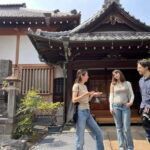
You’ll meet at 5-2-21 Jingumae, Shibuya City, Tokyo, specifically in front of CHUMS OMOTESANDO (across CHUMS Omotesando, in front of the Brown building). From there, the group walks together to the host’s place—very short, so it won’t eat your time.
Practical tip: arrive a few minutes early. Small-group classes run on rhythm, and sweet-making is timing-sensitive. If you’re cutting it close, you’ll feel rushed while everyone else settles in.
Your 90 minutes of Nerikiri: more technique than you expect
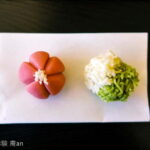
This is a 90-minute experience built around Nerikiri, a classic Japanese confection often enjoyed during tea ceremonies. Nerikiri’s core ingredient is sweet white bean paste, mixed with glutinous rice flour or yam, which gives it that soft, smooth texture that’s perfect for shaping by hand.
The class structure is very clear:
- You start by choosing from sample designs.
- You make multiple shapes using those templates.
- Then you design an original Nerikiri motif.
- Finally, you enjoy tea and sweets at the table.
What I like about this approach is that it teaches you the “how” before asking you to create something personal. That’s how you end up with something you actually recognize as Nerikiri, not just a blob with good intentions.
The shaping phase: 3 planned shapes plus your original design
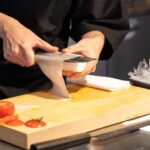
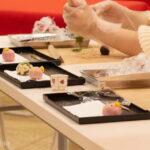
You begin by picking from pre-made sample designs. From there, you create three different shapes. This part is where the guidance matters. Nerikiri is moldable, but it’s not mindless: you’re learning how to handle texture, how to build shape cleanly, and how to keep the surface smooth enough to show the details.
Then comes the fun part: you create your own original design. The class encourages you to use your creativity—think seasonal motifs or playful characters depending on what you pick from the options. And yes, the session is designed so you can take your sweets home. That’s a big deal because it turns the lesson into a souvenir you can share (and show off) instead of something you only photograph.
Because it’s 4 styles total, you’re not doing one cookie-cutter shape and calling it a day. You get variety: multiple forms, plus your one-off design.
Design choices: seasonal themes and cute characters
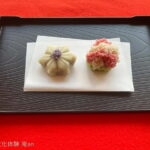
Nerikiri is often crafted into seasonal patterns—flowers and leaves are classic—because the look is part of the tradition. In this class, you’re not just told what to make. You get to pick from a menu of sample motifs and then customize your own.
That means you can match your vibe:
- If you want something elegant, pick a seasonal flower or leaf-style motif.
- If you want something playful, choose a fun character route.
- If you’re traveling with kids, the character designs tend to land well because they feel like a craft project as much as a food lesson.



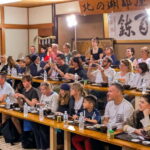

Table-style tea ceremony: matcha plus premium sweet pairings
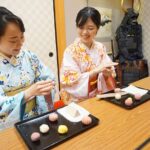
After the shaping, you shift from craft mode to tasting mode. The tea ceremony is table-style, meaning it’s not a formal, you-stand-in-a-corner ritual. It’s a guided, seated tea moment with matcha and Japanese sweets.
You’ll enjoy matcha served with a selection of premium Japanese sweets sourced from all over Japan. This is one of the most valuable parts of the experience because it connects what you made to what the sweets are like in real life.
And because Nerikiri isn’t just about sweetness—it’s about texture, aroma, and how bean paste tastes in different styles—you’ll have a chance to compare flavors instead of eating one sweet and moving on.
Why the tasting matters (and not just because it’s delicious)
A lot of food classes stop at making. This one pushes past that by adding a comparison component. That’s how you start to notice differences, like:
- how smooth bean paste feels versus other sweet bases,
- how matcha bitterness balances sweetness,
- and how the mood of a tea pairing changes your perception of flavor.
Even if you don’t go deep into Japanese confection theory, you’ll leave with a better sense of what makes Nerikiri special: it’s edible art paired with tea culture, not just a dessert.
The host factor: Hannah’s calm, step-by-step style
The experience is led by the team at MumJapanese sweets studio, and the host is often described as kind, friendly, and easy to learn from. Hannah, in particular, comes up in feedback for being attentive and supportive—so you don’t feel lost even if you’ve never shaped a confection before.
What’s especially helpful is the pace and the explanation. You get careful guidance through the techniques, and you’ll also receive a written recipe. That sounds small, but it’s practical: later, when you’re trying to recreate the shapes (or share the lesson with friends), you won’t have to rely on memory.
One review also notes that the host has a background as a professor of Japanese history, and that context can turn a dessert craft into a quick cultural story—why these sweets look seasonal, and why tea-time sweets matter.
Price and value: why $46 can make sense here
At $46 per person, you’re paying for more than just “ingredients and tea.” You’re paying for:
- a structured lesson with technique coaching,
- materials for multiple Nerikiri designs (4 styles),
- matcha,
- and a tasting set of premium Japanese sweets from different regions,
- plus the written recipe to extend the value beyond the class itself.
If you compare this to typical Tokyo food experiences, the lesson component makes the price feel more justified. You’re not just eating something; you’re learning a skill and leaving with edible art.
Also, the small group size (limited to 4 participants) is part of the value. In a crowded class, you’d get less hands-on help and more waiting. Here, the coaching time is more evenly distributed.
Where this fits best in your Tokyo itinerary
This is a smart choice if you want one hands-on cultural activity in the middle of a Shibuya/Harajuku day. Before or after, you can easily head to:
- Shibuya Crossing,
- Takeshita Street,
- Harajuku shopping streets,
- and Meiji Shrine.
Timing-wise, the session starts at 9:00 AM, 1:00 PM, or 3:30 PM. If you like cooler morning walking, start at 9:00. If you want lunch to be your anchor, go at 1:00. If you want an afternoon craft before evening plans, 3:30 works well.
Dietary fit and what to expect regarding allergies
The experience is listed as suitable for vegans and vegetarians. That’s a strong plus in Tokyo, where many traditional sweets use animal-based ingredients.
That said, the class includes a selection of premium Japanese sweets. The data doesn’t list specific ingredients for each item, so if you have a serious allergy, it’s worth asking directly through the booking platform before you go. Planning ahead is the easiest way to enjoy matcha and sweets without stress.
Who should book this Nerikiri and matcha class
You should book if you want:
- a hands-on craft you’ll actually keep,
- a tea moment that’s more than just a photo,
- and a chance to compare traditional Japanese sweets, not just one dessert.
It’s also a good family option. The experience is described as enjoyable for all ages, from young children to seniors—though it is not suitable for children under 5. So if you’re traveling with kids, check ages carefully and choose the start time that matches their energy.
Practical tips to get the best results
- Wear something you can focus in. You’ll be shaping dough-like confection and working at a table. Comfort beats style here.
- Go in curious, not perfect. Nerikiri rewards patience. Even if your first shape isn’t flawless, the guidance helps you improve quickly.
- Plan your shopping walk after. You’ll leave with sweets to take home. Keep that in mind when you head into Shibuya or Harajuku so you’re not juggling bags.
- Try the matcha with an open mind. Matcha has a distinct grassy bitterness that can feel intense at first, but it’s also what balances sweet flavors.
Smoking isn’t allowed, so you’ll want to step outside if you need a break.
Should you book? My honest take
Book this class if you want a real, hands-on cultural activity in Shibuya with a built-in tasting and a souvenir you can take home. The small group, the step-by-step guidance, and the matcha + premium sweets pairing make it feel like a full afternoon, not a quick workshop.
Skip it only if hands-on craftwork sounds like a hassle for you, or if you’re traveling with a child under 5. Otherwise, it’s a solid value use of time in Tokyo—especially if you’re pairing it with Harajuku and Shibuya later the same day.
FAQ
How long does the Nerikiri and matcha experience last?
The experience lasts about 90 minutes.
What is included in the $46 per person price?
The price includes a Nerikiri sweet-making session (4 styles), a table-style tea ceremony, matcha, and a selection of premium Japanese sweets.
How many people are in the group?
The group is small and limited to 4 participants.
Where is the meeting point?
You meet at 5-2-21 Jingumae, Shibuya City, Tokyo, in front of CHUMS OMOTESANDO (across CHUMS Omotesando).
How do we get from the meeting point to the studio?
After you meet your host, you’ll walk together for about 20 seconds to the place where the class takes place.
What are the start times?
Starting times are 9:00 AM, 1:00 PM, and 3:30 PM.
Are the instructions available in English?
Yes. Instruction is provided in English and Japanese.
Is it suitable for vegans and vegetarians?
Yes, the experience is stated as suitable for vegans and vegetarians.
What ages is it not suitable for?
It is not suitable for children under 5 years old.
Is the venue wheelchair accessible, and is smoking allowed?
The venue is wheelchair accessible, and smoking is not allowed.