REVIEW · KAMAKURA
Exciting Kamakura – One Day Tour from Tokyo
Book on Viator →Operated by Fulfilling Inc. · Bookable on Viator
Kamakura is the perfect day-trip kind of city. With hotel pickup and drop-off, you get a private guide who leads you straight to the temples and shrine that matter, with on-the-ground explanations as you go. I like that you’re not stuck decoding train transfers and where-to-go next.
My favorite part is the tight mix of sights: Kotoku-in’s Great Buddha, Hase-dera’s garden-and-cave vibe, Hokoku-ji’s bamboo forest, then Tsurugaoka Hachimangu for the shogunate connection. A possible drawback is that you’ll walk a lot and climb stairs, so plan for a moderate fitness day and expect a busy pace.
In This Review
- Key takeaways before you go
- Why Kamakura works as a one-day escape from Tokyo
- Price and logistics: what you’re really paying for
- Hotel pickup at 9:00 and the calm start to a busy day
- Kotoku-in Great Buddha: the shortcut to Kamakura’s signature sight
- Hase-dera: garden, ocean views, and a cave shrine
- Hokoku-ji (Takedera): bamboo forest temple time
- Tsurugaoka Hachimangu Shrine: shogunate power in a calm setting
- How much walking and train time to expect
- Lunch and small extras your guide can help with
- Guide quality matters more than you think
- Who this tour is best for
- Should you book this Kamakura one-day tour?
- FAQ
- What time does the tour start?
- Is this tour private?
- How long is the Kamakura day tour?
- Are hotel pickup and drop-off included?
- What temples and sites do you visit?
- Are entrance fees included in the price?
- Do you need to pay for transportation separately?
- What fitness level do you need?
- Are tickets provided on my phone?
- Can I cancel for a full refund?
Key takeaways before you go
- Hotel pickup and drop-off mean your day starts without the Tokyo-train headache
- Private guide access for questions, not just a quick stop-and-run
- Four classic stops cover Kamakura’s Buddhism, nature, and samurai-era shrine culture
- Seasonal highlight at Hase-dera if you time it for June–July hydrangeas
- Entrance fees and local transport cost extra, so budget beyond the base price
Why Kamakura works as a one-day escape from Tokyo
Kamakura is famous for temples. It’s also famous for confusion—because there are so many that picking the right handful can feel like homework. This day tour solves that by narrowing your focus to a shortlist that tells a full story: the big landmark Buddha, the hillside temple with views and a cave shrine, the bamboo-temple contrast, and then the major shrine tied to the shogunate.
The city also sits right by the coast, so even when you’re not staring at the ocean for hours, you still get that coastal-temple mood. It’s a nice counterpoint to Tokyo’s vertical hustle. Expect a calm, walkable rhythm—until you realize how many steps are involved.
You can also read our reviews of more tours and experiences in Kamakura
Price and logistics: what you’re really paying for
The advertised price is $145.31 per person, with an approximate 8 hours 30 minutes duration. That price covers the professional guide and the private tour framework, plus meeting in the hotel lobby.
What’s not included is important for value math:
- Local transportation from Tokyo is listed at about ¥2,720 per person
- Entrance fees are listed separately:
- Kotoku-in: the info shows 300 JPY in the stop detail, and ¥1,100 in the fee list note (so expect to pay on-site based on the ticketing there)
- Hase-dera: ¥400
- Hokoku-ji (Takedera): ¥300
- Tsurugaoka Hachimangu Shrine: free
So even though the base price isn’t cheap, you’re buying time and clarity. You’re not spending your limited day trying to sort trains, tickets, and temple-to-temple routing by yourself. If you’re staying in central Tokyo and you want to maximize one day outside the city, this kind of guided shortcut often feels worth it.
Hotel pickup at 9:00 and the calm start to a busy day
You start at 9:00 am, meeting in your hotel lobby. The big practical win here is that you avoid the “find the right station, then find the right platform” stress before you even reach Kamakura.
This is also a private setup, so the guide can shape the pace to your group. In the experiences people shared, guides such as Akira, Yumiko, Kono-san, and Yoshi were praised for helping with the practical side too—things like directing the train route and making sure you know what to do when you arrive. Some guides also helped with things like charging a transit card so the day stays smooth.
Keep in mind: this isn’t a slow, museum-style tour. It’s a moving day with multiple legs—so wear comfortable shoes and keep your daypack light.
Kotoku-in Great Buddha: the shortcut to Kamakura’s signature sight
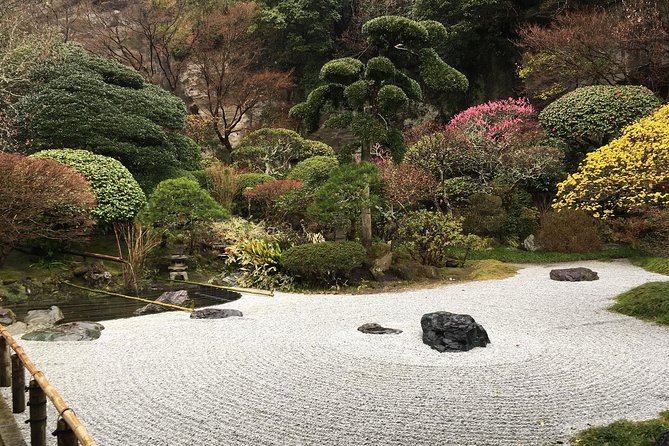
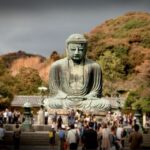
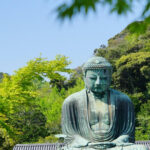
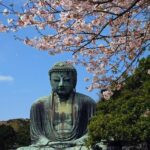
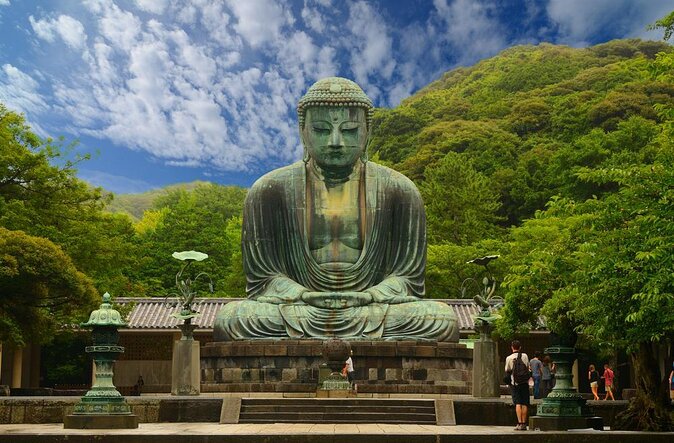
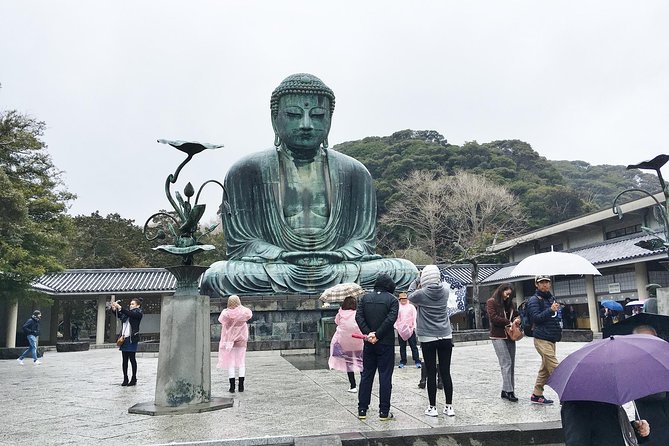
Kotoku-in is the landmark stop. The Great Buddha there dates to the 13th century, and it’s exactly the sort of sight that sells Kamakura in one glance.
You’ll spend about one hour at this stop. Admission is listed as 300 JPY in the stop detail, with another note listing ¥1,100. Either way, it’s a paid entry you should expect to handle on arrival.
One detail worth knowing before you commit: the Great Buddha is famous for allowing visitors to go inside (per the experience people described). That can be a memorable photo moment—but if you don’t like enclosed spaces, be cautious. This is a great stop for first-timers because it gives you a clear visual anchor for everything else you’ll see today.
Hase-dera: garden, ocean views, and a cave shrine
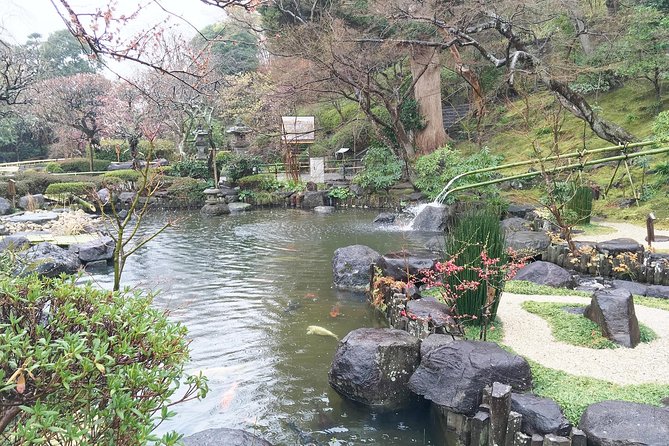
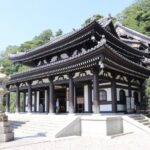
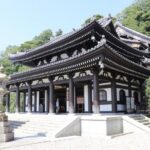
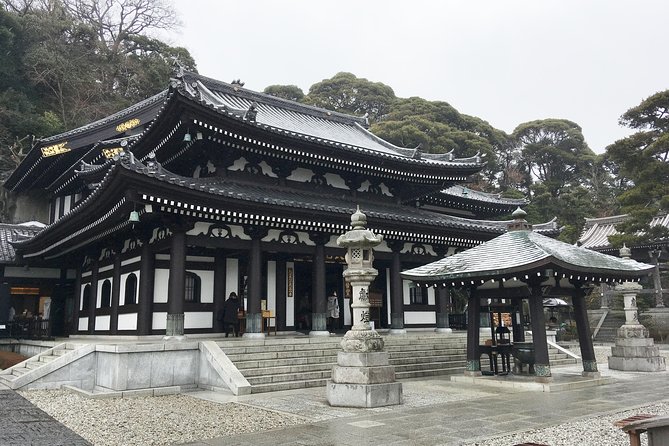
Next up is Hase-dera Temple, built in the 8th century. This is the stop with the most layers: a Japanese garden, Buddha statues, views toward the Pacific Ocean, and a unique cave shrine.
You also get that classic seasonal upside. If you’re in June or July, people specifically call out that hydrangeas can be spectacular here. Even if you’re not traveling in bloom season, this is still the temple that tends to feel the most “Kamakura” in the everyday sense—hillside paths, quiet corners, and scenery that makes walking feel like part of the attraction.
Budget time for stairs and viewpoints. Reviews and descriptions tied to this stop emphasize how much you’ll be moving, and Hase-dera is one of the places where the views are part of why you came.
Entrance is listed as ¥400, and you’ll have about one hour to take it in.

Hokoku-ji (Takedera): bamboo forest temple time
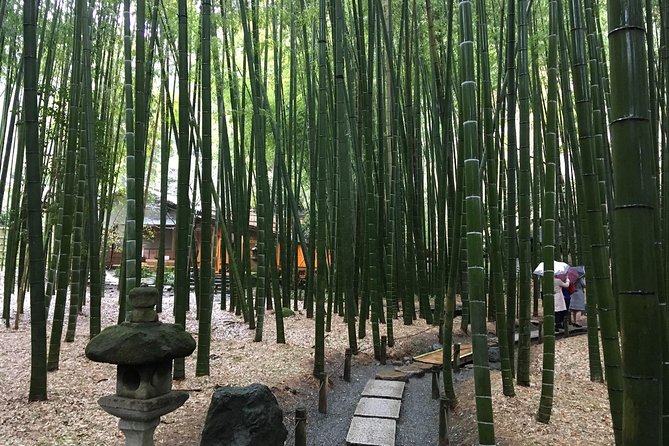
After the ocean-and-garden mood, Hokoku-ji (Takedera Temple) changes the atmosphere fast. This temple traces to the 14th century and is known for its bamboo forest—a very different feeling from the Great Buddha and the hillside sights.
The best way to think about this stop is as a reset. If your feet are already tired, it’s still a good place to take slow steps. Bamboo makes natural corridors for your eyes, so you’re not just walking from point A to point B; you’re moving through a visual experience.
Entrance is listed as ¥300 (sometimes also described as Takedera). Again, plan on around one hour here.
Tsurugaoka Hachimangu Shrine: shogunate power in a calm setting
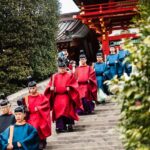
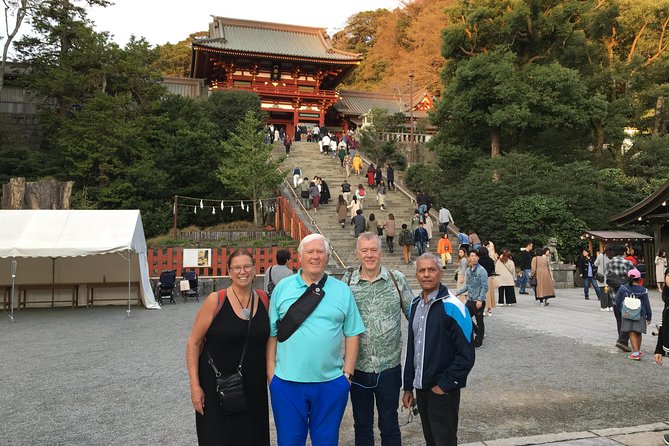
Your final major cultural stop is Tsurugaoka Hachimangu Shrine. This one matters historically because it was the official guardian shrine of the Kamakura shogunate, and it was worshiped by warriors as a deity of the military.
The stop is listed for one hour, and admission is free—a nice bonus late in the day. This also tends to round out the emotional tone of Kamakura. You’ve seen Buddhist symbolism and temple grounds; now you see the shrine side of the samurai-era world that shaped Kamakura’s identity.
How much walking and train time to expect
This is a day trip, so you’re not “just” visiting temples. You’re doing travel plus temple hopping, which means:
- A lot of steps and uphill or stair sections
- Multiple local connections between Tokyo and Kamakura (plus moving around within Kamakura)
- A pace that’s meant to keep all four main stops on time
People described the tour as jam-packed yet well-managed, with guides making sure they stayed on schedule. That’s great—just don’t treat it like a leisurely stroll. If your idea of a relaxing day is sitting more than moving, you might feel rushed.
The tour info calls for moderate physical fitness, and that matches the vibe you should prepare for.
Lunch and small extras your guide can help with
Lunch isn’t listed as a specific included item, but it’s one of the most practical value adds of a private guide: they can steer you toward something that fits your day and your group.
In the experiences people shared, guides like Yumiko and Kono-san were praised for finding good lunch choices, including noodle spots and casual local options like okonomiyaki. One person described their guide helping them find a gluten-free option too—so if you have dietary needs, it’s worth telling the guide early.
If you collect goshuincho stamps or shrine/temple seals, one description mentioned help lining that up at each stop. That’s the kind of small “only possible with local guidance” thing that makes a guided day feel more personal.
Guide quality matters more than you think
With a private tour, your guide isn’t background noise. They’re the whole experience engine—route choices, pacing, and how well the history clicks.
Most of the shared experiences praised guides for clear explanations and smooth management. Names like Akira, Yumiko, Kono-san, Yoshi, and Hideaki Murayama came up often for being organized and supportive, including helping with transport and keeping the day from slipping.
Still, one caution from the experiences shared: language level and walking pace can vary. If you want lots of two-way discussion, it helps to ask questions early and set expectations. And if you’re slower on stairs, tell the guide at the start so they can adjust the flow.
Who this tour is best for
This one-day Kamakura trip is a strong fit if you:
- Want a temple-and-shrine highlight day without research fatigue
- Like history explained as you stand in front of the thing
- Are okay with walking and stairs
- Prefer a guide who can answer questions in real time
It’s also a good choice for first-time visitors to Japan who feel overwhelmed by train transfers. In the experiences people shared, guides helped with transit navigation so the trip felt doable even for nervous commuters.
Families should note the tour info says children must be accompanied by an adult, and the pace includes quite a bit of moving.
Should you book this Kamakura one-day tour?
If you want maximum Kamakura in a single day with minimal planning, I’d say yes. The biggest value isn’t just the temples—it’s the fact that your day is mapped and led by someone who can keep things moving and answer questions while you’re there.
I’d hesitate only if you’re strongly sensitive to crowds of steps, enclosed spaces (because of the Great Buddha inside option), or you’re counting on very fluent back-and-forth conversation all day. In those cases, it’s smart to confirm guide language expectations in advance and be upfront about your walking pace.
Overall, this is a practical, high-hit-rate day: a classic Buddha landmark, the hillside temple experience, bamboo-temple contrast, and the shogunate shrine finish—all with hotel pickup doing the heavy lifting.
FAQ
What time does the tour start?
It starts at 9:00 am, with meeting in your hotel lobby.
Is this tour private?
Yes. It’s listed as a private tour/activity, so only your group participates.
How long is the Kamakura day tour?
The duration is about 8 hours 30 minutes.
Are hotel pickup and drop-off included?
Yes. Hotel pickup and drop-off are included, and you meet in your hotel lobby.
What temples and sites do you visit?
You visit Kotoku-in, Hase-dera Temple, Hokoku-ji Temple (Takedera), and Tsurugaoka Hachimangu Shrine.
Are entrance fees included in the price?
No. Entrance fees are not included. The listed entrance costs are Kotoku-in (300 JPY or 1,100 JPY depending on the fee note), Hase-dera (400 JPY), and Hokoku-ji (300 JPY). Tsurugaoka Hachimangu is free.
Do you need to pay for transportation separately?
Yes. Local transportation is listed as about ¥2,720 per person and is not included in the base price.
What fitness level do you need?
The tour notes say travelers should have moderate physical fitness, which fits a day with lots of walking and stairs.
Are tickets provided on my phone?
Yes. The tour uses a mobile ticket.
Can I cancel for a full refund?
Yes, you can cancel up to 24 hours in advance for a full refund, based on the local start time.
If you tell me your travel dates (especially month) and whether you prefer a slower pace, I can suggest whether this specific day format sounds like your style.