REVIEW · KAMAKURA
Sushi Making in a Century Old Kamakura Home
Book on Viator →Operated by Manju · Bookable on Viator
Sushi in a century-old house beats a restaurant. This Kamakura kominka class puts you in a beautifully preserved traditional home, and I like the Enoden train view that runs right beside the garden while you work and eat. You learn the technique from a chef with 20+ years from top Ginza restaurants, then make 10 to 12 pieces of seasonal nigiri. One thing to note: it’s not recommended if you have food allergies.
If you want this to be a relaxed afternoon, the setting really helps. The garden, the quiet neighborhood feel, and the walkable area near the Great Buddha and the seaside are part of the payoff, not just the sushi. The main consideration is the food issue, since it uses premium seafood ingredients and the class is not framed as allergy-friendly.
In This Review
- Key points to know before you go
- Entering the kominka: the Kamakura setting matters
- The 90-minute lesson: how the class flows
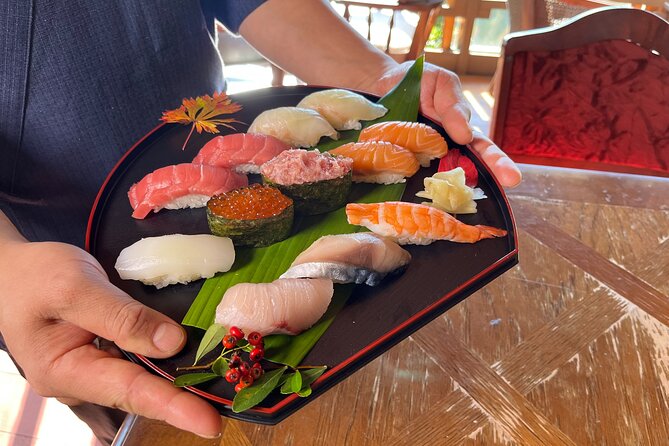
- What you’ll make: 10–12 nigiri pieces with seasonal seafood
- The Enoden-by-the-garden experience: Kamakura’s rhythm, not just a photo op
- The seaside payoff: Mt. Fuji views nearby (and why it fits here)
- Rice, craft, and eating: what the “premium ingredients” really means
- Optional sake and the included calligraphy canvas
- Price and value: is $74.93 worth it?
- Who this suits best (and who should rethink it)
- Timing, tickets, and weather: what can affect your day
- Should you book this sushi workshop in Kamakura?
- FAQ
- How long is the sushi making experience?
- What is included in the price?
- Can I add sake to the experience?
- Where does the experience take place?
- What sushi ingredients will I make?
- How big is the group?
- Is it suitable for people with food allergies?
- What happens if the experience is canceled for weather?
Key points to know before you go
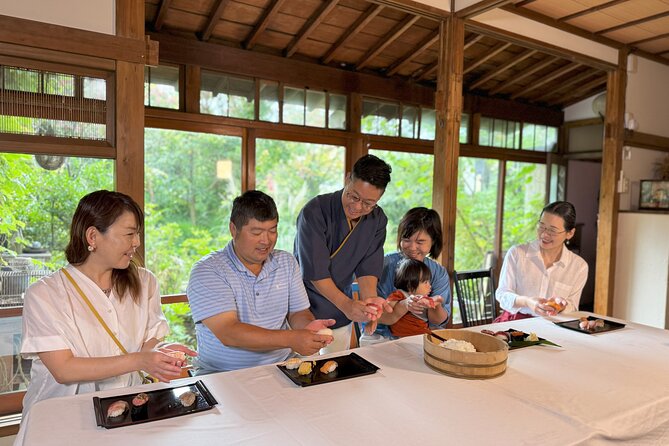
- A century-old Kamakura home (kominka) with garden access where you can actually enjoy the atmosphere while you learn
- Enoden train right by the grounds, so you get a built-in Kamakura soundtrack without leaving
- 10 to 12 pieces of nigiri using premium fish and seafood that change with the seasons
- Small group size (max 10), which helps keep the class hands-on
- Souvenir included: a complimentary calligraphy canvas inscribed with Kamakura Sushi Sake
- Optional sake experience can add to your evening, but it’s not included in the base price
Entering the kominka: the Kamakura setting matters
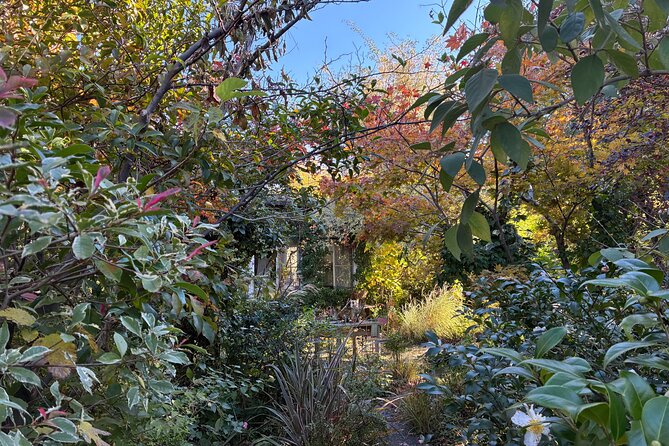
This experience happens in a traditional Japanese home that’s old enough to feel like it has stories in the walls. The place is a century-old kominka with a garden view, and it’s the kind of building you don’t really run into much anymore around Kamakura. If you like architecture and quiet spaces, you’ll probably remember the room as much as the sushi.
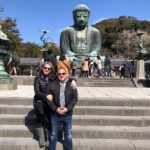
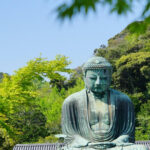
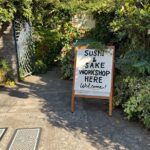
Location-wise, you’re in Yuigahama, about a 10-minute walk from Kamakura Station. It’s also on the way toward the Great Buddha of Hase, which makes it easy to string together a day of classics: shrine and big Buddha earlier, then a calmer, food-focused finish. The exact meeting point is 2-chōme-7-12 Yuigahama, Kamakura, Kanagawa 248-0014, and the activity ends back at the same place.
One practical note: the venue is in a residential area, so you’ll want to give yourself a few extra minutes to find it. The experience starts at 10:30 am, so it’s worth arriving early enough to slow down, not sprint. And yes, you’ll be able to enjoy the garden from inside, even if you don’t linger outside for long.
You can also read our reviews of more tours and experiences in Kamakura.

The 90-minute lesson: how the class flows
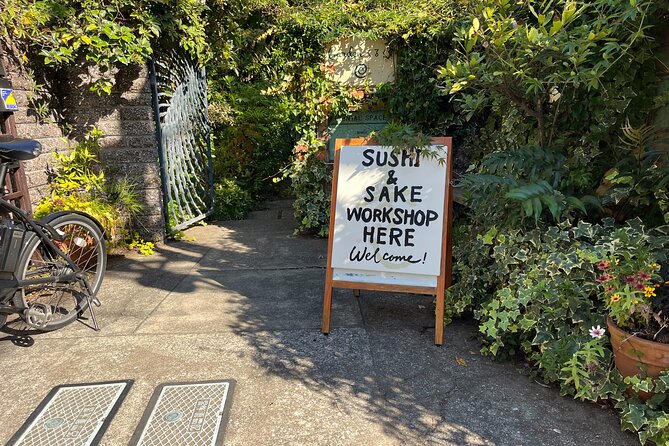
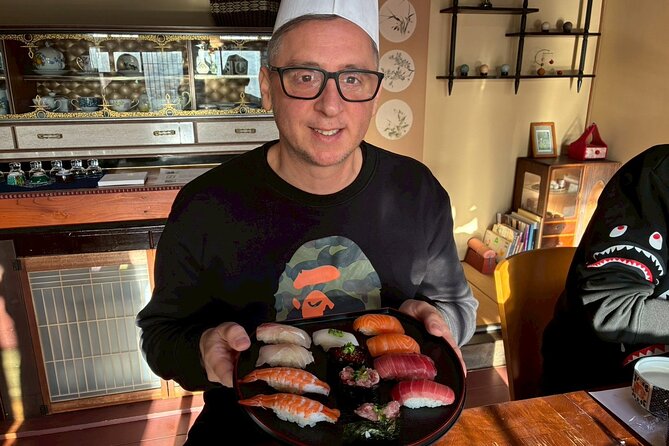
The whole experience runs about 1 hour 30 minutes, and it’s built around making and then eating what you produce. You get mobile ticket access and you receive confirmation at booking, so you should be set once you’re there. The format is straightforward: guidance first, then hands-on sushi-making, then eating your 10 to 12 pieces of nigiri sushi.
The chef leads the class, and the background matters here. The instructor trained and worked for over 20 years at Ginza’s most prestigious sushi restaurants. That usually translates into real technique coaching, not just a simple demo where you follow along without understanding why.
In practical terms, you’re learning the fundamentals of sushi craft—stuff like handling the rice and shaping each nigiri with proper control. You’ll be working with premium ingredients, and the pace is quick enough to feel like you accomplished something, but not so rushed that you miss what’s going on.
What you’ll make: 10–12 nigiri pieces with seasonal seafood
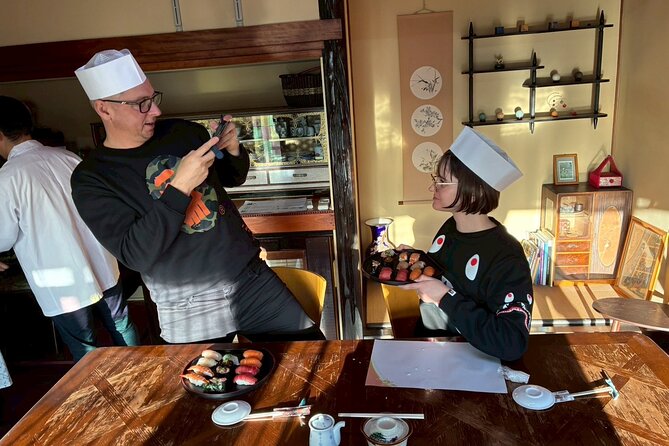
You’ll create 10 to 12 pieces of nigiri sushi, and the seafood selection is based on the season. The class specifically mentions options such as tuna, sea bream, shrimp, squid, yellowtail, and salmon roe. That gives you a nice spread of flavors and textures, instead of repeating just one kind of fish.
Here’s why I like this structure for first-timers: you get variety without needing to guess what to order. Also, sushi-making teaches you that each topping behaves differently. Some pieces feel more delicate. Some require gentler handling. Even when you’re just learning the basics, those small differences become part of the lesson.
Since the selection changes, don’t assume your exact fish choice will match every day. If there’s a specific topping you’re obsessed with—say, yellowtail or roe—plan to treat it as a bonus if it appears. The value is in the process and the quality of what you do end up making.
The Enoden-by-the-garden experience: Kamakura’s rhythm, not just a photo op
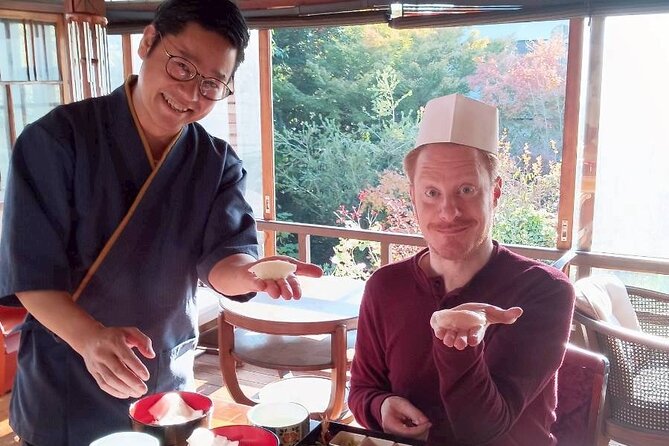
One of the most memorable parts is the setting itself: the Enoden train line passes right next to the grounds. You don’t have to step outside to catch it. As you make sushi and relax, you’re also watching trains glide by, which instantly gives the workshop a real sense of place.
This is the kind of detail that upgrades the class from a cooking activity into a genuine Kamakura moment. Enoden is a classic here, and having it in your “room” means you’ll feel the town’s everyday charm without adding extra sightseeing time. It’s also a great reason to be a little less rushed with your day. Let the train pass while you’re working, take a breath, then get back to shaping rice.
If you want photos, aim for the moments right after you finish a few pieces, when you’ll likely be pausing anyway. The garden is part of the viewing experience, and people describe the home as calm and inviting from the first step inside. The light can be beautiful too, with warm afternoon-style glow mentioned in feedback, so your timing relative to the day may affect how dramatic the room feels.
The seaside payoff: Mt. Fuji views nearby (and why it fits here)
After your class, you’re in a location that’s easy to keep exploring. The information provided says that a 10-minute stroll from the venue brings you to the seaside. On clear days, you may see Mt. Fuji beyond Enoshima, and the view is described as like an ukiyo-e woodblock print.
This matters because it means the workshop doesn’t trap you in one bubble. You can treat it as a “bridge” between Kamakura’s inland sights and the ocean side. In a practical sense, you’ll finish with good energy and then have a straightforward plan for the next step, rather than needing taxis or long transfers.
If your heart is set on Fuji, you’ll still need the weather to cooperate. But even if you don’t see it, the seaside walk is a nice way to stretch your legs after working with your hands for 90 minutes.
Rice, craft, and eating: what the “premium ingredients” really means
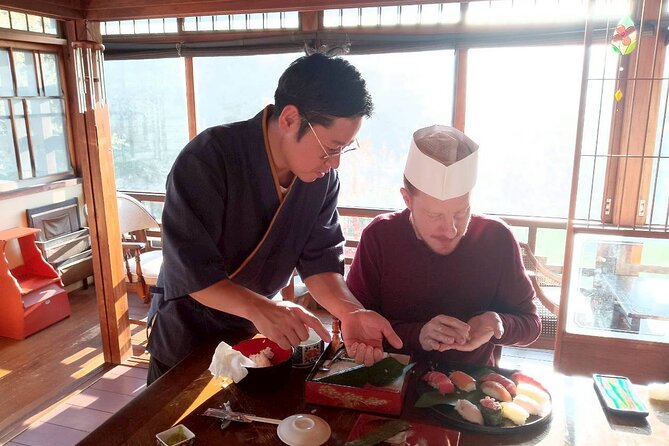
The class isn’t framed as cheap sushi-learning. You’re using seafood of the same high quality associated with high-end sushi restaurants, at least according to the class description. That’s important, because sushi-making isn’t just about wrapping toppings. It’s about pairing the rice texture with the fish, and premium ingredients make the technique feel meaningful instead of theoretical.
You’ll eat what you make, which is a big part of the value. Cooking classes can sometimes feel like you cook for the moment and then you move on. Here, you get to slow down and taste your result while the atmosphere does its job in the background.
Also, the class includes no coffee or tea, so if you’re someone who likes a warm drink before or after food, plan to get that elsewhere around Kamakura. If you want sake, there’s an option to add it through a separate sake course.
Optional sake and the included calligraphy canvas
There are two “souvenir” layers here: what you eat and what you take home.
On the included side, you get a complimentary canvas inscribed with Kamakura Sushi Sake. It’s hand-brushed by a professional calligrapher, which is a thoughtful touch. Instead of a generic postcard-style memento, you leave with something personal and tied to the workshop theme.
On the optional side, the class notes you can enjoy a sake experience for an additional charge. The base experience price includes the sushi, not alcoholic beverages. So if you want a sake pairing-style experience, you’ll need to add it, and you should decide ahead if you’re interested.
Even if you skip sake, the workshop gives you a built-in “treat” feeling: the combination of a quiet house, craft instruction, and the simple satisfaction of eating what you made.
Price and value: is $74.93 worth it?
At $74.93 per person, this isn’t the cheapest thing you can do in Kamakura, but the value angle looks solid based on what’s included.
You’re paying for four main ingredients of value:
- Premium seafood used for nigiri (tuna, sea bream, shrimp, squid, yellowtail, roe are mentioned)
- A hands-on class that creates 10–12 pieces you eat
- Instruction from a chef with 20+ years at top Ginza restaurants
- A small group setting with a max of 10 people plus a memorable venue
In other words, the price isn’t only for food. It’s for technique coaching and the chance to work in a rare setting: a century-old home with the Enoden train passing by.
If you’re planning to eat high-quality sushi anyway during your trip, this can make sense as a “lesson plus meal” alternative. And if you’re the kind of traveler who likes skills you can talk about later, the class format gives you more story than just ordering from a menu.
Who this suits best (and who should rethink it)
This workshop is a good fit if you want a calm, hands-on activity in Kamakura that feels local. The venue and the train-by-the-garden detail make it especially appealing for people who care about atmosphere. It also suits anyone who’s curious about sushi technique and wants a structured introduction.
It’s also well matched to travelers who like manageable group sizes. With a maximum of 10 travelers, it’s more likely you’ll get real guidance rather than watching from the sidelines.
The big “don’t” is clear: it’s not recommended for individuals with food allergies. Because the class uses seafood and isn’t presented as allergy-friendly, you should treat that as a hard boundary rather than a “maybe.”
Timing, tickets, and weather: what can affect your day
The class starts at 10:30 am, and it ends back at the meeting point. You’ll be joining a group for a focused window, so plan your surrounding sightseeing with some breathing room.
Weather is a factor. The experience notes it requires good weather, and if it’s canceled due to poor weather, you’ll either get a different date or a full refund. That’s the kind of contingency you want to know up front, especially if you’ve built the rest of your day around the workshop.
Booking timing also matters. The experience is described as being booked about 40 days in advance on average, so if your dates are set, don’t wait too long.
Should you book this sushi workshop in Kamakura?
Book it if you want a hands-on food experience in a rare setting: a century-old kominka with a garden and the Enoden train passing right beside you. You’ll get meaningful sushi craft instruction, 10–12 pieces of nigiri made with premium seafood, plus a calligraphy canvas as a take-home souvenir.
Skip it if food allergies are part of your reality, because the workshop isn’t positioned as allergy-safe. Also think twice if you dislike seafood in general or if you only want a quick snack without getting your hands involved.
For most people, this is the kind of activity that turns a Kamakura day into a memory. Not because it’s loud or flashy, but because it’s quiet, guided, and very much “Kamakura” in its details.
FAQ
How long is the sushi making experience?
It lasts about 1 hour 30 minutes.
What is included in the price?
You’ll get 10 to 12 pieces of nigiri sushi. Coffee/tea and alcoholic beverages are not included.
Can I add sake to the experience?
Yes. Guests have the option to join a sake experience course for an additional charge.
Where does the experience take place?
It meets at 2-chōme-7-12 Yuigahama, Kamakura, Kanagawa 248-0014, Japan, and it ends back at the same meeting point. It’s described as about a 10-minute walk from Kamakura Station.
What sushi ingredients will I make?
You’ll make nigiri sushi using premium ingredients like tuna, sea bream, shrimp, squid, yellowtail, and salmon roe. The exact selection can vary by season.
How big is the group?
The experience has a maximum of 10 travelers.
Is it suitable for people with food allergies?
It is not recommended for individuals with food allergies.
What happens if the experience is canceled for weather?
If it’s canceled due to poor weather, you’ll be offered a different date or a full refund.