REVIEW · KAMAKURA
Kamakura Private Custom Tour
Book on Viator →Operated by Fulfilling Inc. · Bookable on Viator
Kamakura rewards smart routing. This private custom tour makes it easier to see the best of the old Kamakura world—great temples, key shrines, and time in Komachidori—without wasting hours figuring out transport. You get an English-speaking guide, and the plan is built around public transit, so you can realistically reach 3 to 4 highlights in a single day.
I especially like the way the day mixes big-ticket sites with slower, more human moments. Stops like Kotoku-in’s open-air Great Buddha and Tsurugaoka Hachimangu set the stage fast, while Jomyo-ji adds a calmer break with macha and sweets. Another plus: you’re not stuck doing guesswork on the bus and train flow—past groups have been guided by pros such as Akira and Nobuo Kono, and that local timing matters in a spread-out area.
One thing to consider: you’re on trains, buses, and temple paths for most of the day, so you’ll want at least moderate physical fitness. Also, the base price doesn’t cover all site costs—some temple admission and local transit are on you—so budget a little extra.
In This Review
- Key things to know before you go
- Kamakura in 7 hours: how a realistic day gets built
- Meeting at Kamakura Station, then letting transit do the work
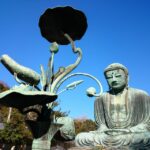
- Kotoku-in Great Buddha: open-air and climb-in fun
- Tsurugaoka Hachimangu: Shinto roots and Kamakura’s power center
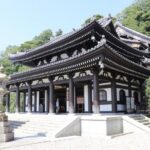
- Hasedera Temple: eleven-faced Kannon and the garden payoff
- Jomyo-ji Zen temple and the macha-with-sweets break
- Kamakura Komachidori: where temples meet everyday food and shopping
- Price and value: what you pay, plus what you should budget
- The kind of day you’ll actually have
- Who should book this Kamakura private tour
- Should you book this Kamakura Private Custom Tour?
- FAQ
- How long is the Kamakura Private Custom Tour?
- Where is the meeting point, and where does the tour end?
- What is the price, and is local transportation included?
- Which sites are included in the itinerary?
- Are temple admission fees included?
- Is free cancellation available?
Key things to know before you go
- Private, custom pacing: your group goes together and the itinerary adjusts to your interests
- Transit-led planning: the route is designed so you can reach 3 or 4 spots in about 7 hours
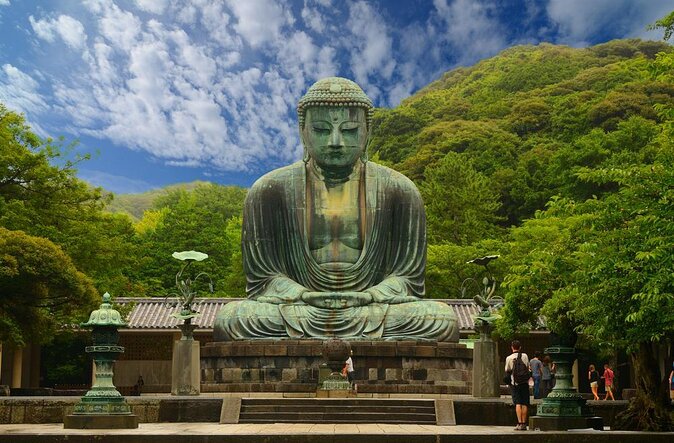
- Icon stop 1: the Great Buddha at Kotoku-in: open-air and even climb-in access is part of the draw
- Temple variety: Shinto shrine, Zen temple, Kannon-focused Buddhist sites, plus Komachidori street time
- Macha break at Jomyo-ji: tea and sweets are a real reset, not just a ticket stop
- Local guide experience: English guidance helps you read the sites and manage the route efficiently
Kamakura in 7 hours: how a realistic day gets built
Kamakura has a lot going on, but the big temples and shrines aren’t all next door. That’s why this tour’s structure matters: you’re looking at about 7 hours starting at 9:00 am, and the guide plans around the fact that you’ll use train and bus connections.
The tour is designed to let you see a handful of meaningful places rather than rushing through everything. Depending on how your day unfolds, you’ll typically land at 3 to 4 spots, with the rest of the time flowing between travel, walks, and the natural rhythm of each site.
If you’ve visited cities where you can “power walk” between major monuments, Kamakura feels different. Here, the charm is partly in movement—stairs, temple lanes, and the gradual shift from one shrine-world to the next. You’ll enjoy it more if you treat the day as a guided itinerary, not a strict checklist race.
You can also read our reviews of more private tours in Kamakura
Meeting at Kamakura Station, then letting transit do the work
The meeting point is right at Kamakura Station 1-chōme (Onarimachi), and the tour returns to the same place. Starting from the station is a smart move because Kamakura is spread out and public transportation is the easiest way to connect areas.
This is a private tour, so it’s just your group. That matters because you can keep a steady pace—no waiting around for other languages, other walking speeds, or last-minute detours. It also means the guide can fine-tune the plan to your interests and needs.
Practical tip: aim to be at the meeting point a bit early. Even in Japan’s smooth transit system, you’ll want clean, calm energy for the first walk. And since the sites sit along different routes, you should expect some stairs and uneven temple paths. The tour notes moderate physical fitness as the baseline, so if you want a stress-free day, show up rested.
Kotoku-in Great Buddha: open-air and climb-in fun
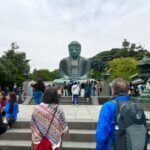
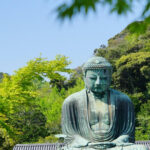
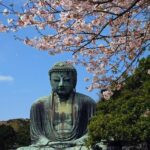
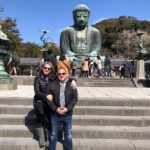
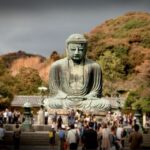
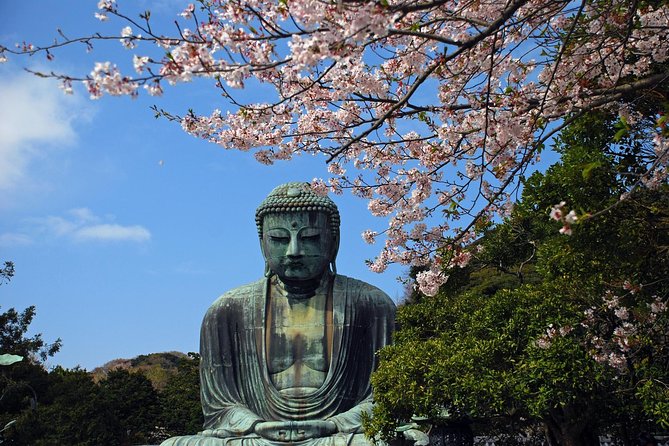
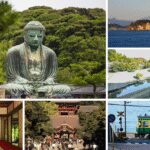
Kotoku-in is the type of site that makes first-time visitors go quiet—in a good way. The headliner is the open-air Great Buddha, and it’s not just something you stand in front of. You can climb inside the Great Buddha, with the experience compared to climbing inside the Statue of Liberty in the U.S.
That single detail changes the feel of the visit. Outside, the scale hits you. Inside, it’s more intimate and hands-on, like you’re stepping into the shell of the monument. It’s a memorable stop even if you’re not a temple superfan.
Budget note: Kotoku-in has an admission fee of ¥200 for adults (and ¥150 for elementary school kids). Plan on paying this onsite, since it’s listed as not included.
Best way to enjoy it: take a minute before you go in to look at the outside from the main viewing angles. Then when you climb in, you’ll appreciate how the design works from the inside.
Tsurugaoka Hachimangu: Shinto roots and Kamakura’s power center
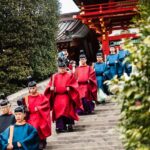
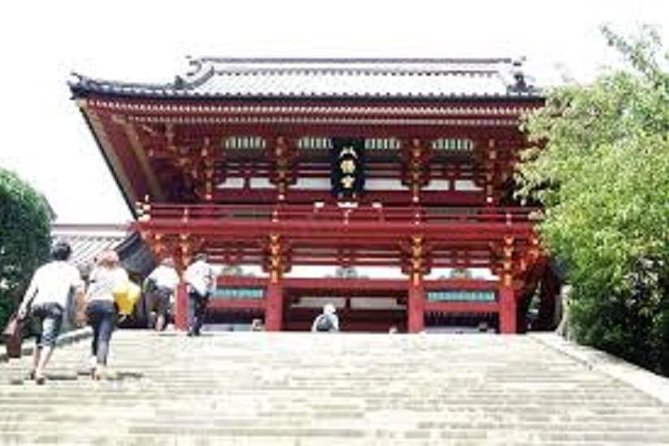
After Kotoku-in, the day shifts to Shinto with Tsurugaoka Hachimangu Shrine, one of Kamakura’s best-known shrines. It originally dates to the middle of the 12th century, which gives you that “this place has been here a long time” feeling right away.
What I find useful here is the historical connection. The shrine is tied to Minamoto no Yoritomo, the first shogun in Kamakura. That detail turns the visit from sightseeing into context. You’re not just looking at a shrine structure; you’re seeing a symbol of political and cultural pull from Kamakura’s era.
This is also a good stop for people who like architecture and layout. Even without getting lost in technical details, you can feel the way shrines guide your movement—where to look, where to pause, and how the grounds set the tone for the day.
Admission note: the tour indicates admission is not included for this stop.
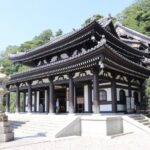
Hasedera Temple: eleven-faced Kannon and the garden payoff
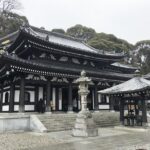
Hasedera Temple is famous for its eleven-faced statue of Kannon, the goddess of mercy. That theme matters because it changes what you notice. Instead of treating the site as a single monument, you’re paying attention to compassion-as-symbol—how the temple frames mercy as a kind of spiritual rescue.
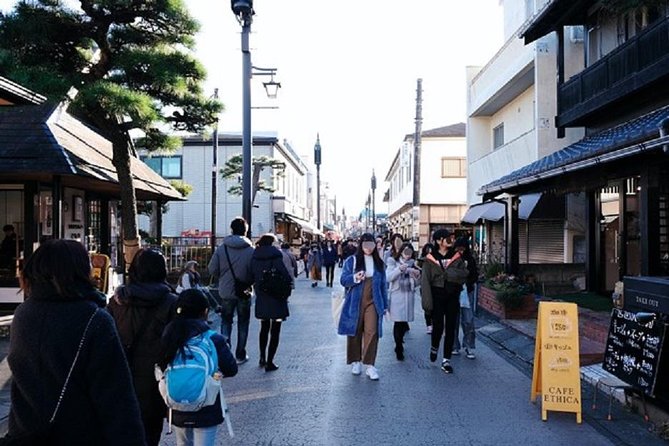
Another reason people enjoy this stop is the garden connection. Hasedera is known for a flower garden, and in June hydrangeas are specifically mentioned. If you’re visiting in that season, this temple can feel extra alive—not just visually, but emotionally, because the garden supports the temple’s calm mood.
The practical shape of the stop is also nice: you’ve got time for looking, a chance to slow down, and a clear focus point in the Kannon statue. When a day has multiple stops, a site like Hasedera helps you avoid that “next, next, next” feeling.
Admission note: the tour lists entry for Hasedera as not included, and a fee of ¥300 per person is given for this temple.
Jomyo-ji Zen temple and the macha-with-sweets break
Jomyo-ji is a different flavor of temple visit. It was built in 1188 and is identified as one of the five great Zen temples. That Zen framing is useful because it steers you toward the quiet discipline of the place rather than just dramatic highlights.
The tour also calls out an experience that’s simple but effective: you can have Japanese powdered green tea (matcha) with sweets here. This is the kind of pause that makes the rest of the day feel easier. After hours of walking and transit, a small tea moment helps you re-center and gives you a break that still feels connected to the temple setting.
Admission note: Jomyo-ji lists admission fees of ¥100 for adults (over 14) and ¥50 for children (under 15).
If you like small cultural practices, this is the stop to lean into. If you just want photos and then move on, that’s also fine—but the tea experience is one of the few hands-on elements on the schedule.
Kamakura Komachidori: where temples meet everyday food and shopping
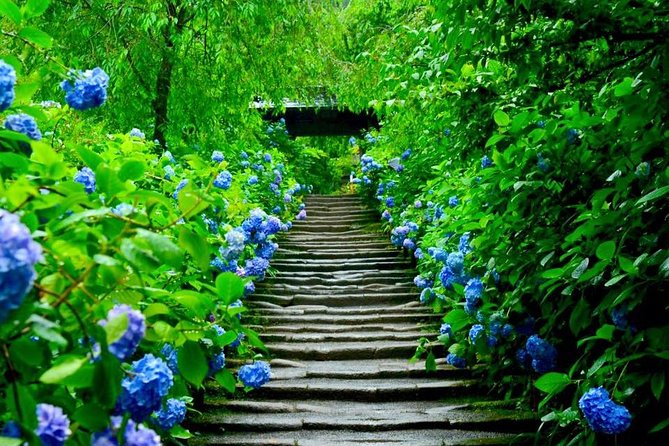
Once you’re done with the main temples, Komachidori becomes your reset. This street is the main thoroughfare in Kamakura, and it’s lined with shops, stalls, and restaurants.
The sea is close here, and the tour info points out that there are lots of seafood restaurants. That matters because it gives you options for lunch or snacks that fit what you’re in the mood for—something light, something hot, something quick before the next temple hop.
Komachidori is also a nice change in pace. Temples can be slow and reflective; a commercial street gives you back some energy, plus the chance to pick up small gifts or snacks without needing a separate plan.
One more reason to enjoy it: Kamakura isn’t only about heritage sites. It’s a working town, and Komachidori is where that everyday life is visible.
Admission note: the tour lists Komachidori time as free.
Price and value: what you pay, plus what you should budget
The tour price is $149.58 per person for a private day with an English-speaking guide. That price can feel high or fair depending on how you travel, how many people are in your group, and how much you value avoiding route-planning stress.
Here’s the value angle I’d focus on:
- You’re paying for a guide who can manage the flow across a spread-out area using public transport.
- You’re not just getting a lecture. The itinerary is arranged so you can realistically see key highlights in about 7 hours.
- For many people, the biggest cost of temple days is time and confusion, not ticket price. This tour targets that directly.
What’s not included is important. The tour notes:
- Local transportation fee in Kamakura: ¥2,000 per person (train and bus)
- Kotoku-in admission: ¥200 per adult
- Hasedera admission: ¥300 per person
And since Jomyo-ji’s admission is stated as ¥100 adults / ¥50 children, it’s smart to plan for that as well, even if your exact charge depends on how the guide builds your final set of stops.
So what’s the “real” cost? At minimum, your base tour price plus local transit plus the major listed temple admissions. If you want a smooth day where you don’t do money math mid-walk, keep a little extra yen aside for temple entries and any add-on tea or snacks along Komachidori.
The kind of day you’ll actually have
This is not a sit-and-watch tour. You’ll walk through active temple and shrine grounds and move between areas on public transit. That makes it a good fit if you like structure but still want to look at things at your own pace during each stop.
The tour is also “custom” in the practical sense that the guide adjusts the itinerary to your interests and needs. That’s valuable in Kamakura because people often have very different priorities—some want the famous Buddha moment, some want Kannon spirituality and flowers, others want Zen calm or just the historic core.
Past experiences with guides like Akira and Nobuo Kono point to what you should look for: attentive guidance, clear historical context, and comfort in handling the local bus system. The result is a day that feels planned but not rigid—less energy spent figuring out what’s next.
If you prefer a self-guided day with no organized stops, Kamakura can be doable on your own. But if you want the spiritual highlights plus efficient transit planning, this format is designed for you.
Who should book this Kamakura private tour
I’d recommend it if:
- You want a focused Kamakura day without turning it into a logistics project
- You enjoy temples and shrines and want help connecting them to Kamakura’s story
- You’re comfortable walking and using trains and buses for most of the day
- You want a private group experience, with time built around about 3 to 4 main stops
I’d think twice if:
- You have limited stamina and want fewer transfers and shorter walks
- You’d rather handle route planning yourself and don’t need an English-speaking guide to interpret the sites
Should you book this Kamakura Private Custom Tour?
Book it if your ideal day is: arrive at Kamakura Station, get guided between the key spiritual landmarks, pause for tea, then end in Komachidori with food and browsing. The big reason to book is simple: the itinerary is built around public transportation, and that makes Kamakura feel manageable instead of scattered.
If you’re on the fence, here’s an easy test: ask yourself whether you’d spend your time better reading temple context and navigating the route, or whether you’d rather spend that energy on independent wandering. This tour is strong for people who want the first option—and it can still be fun for people who like the second, as long as you’re comfortable with a guided day that uses transit and walking.
FAQ
How long is the Kamakura Private Custom Tour?
It’s approximately 7 hours.
Where is the meeting point, and where does the tour end?
The tour starts at Kamakura Station 1-chōme-1-15 Onarimachi, Kamakura, Kanagawa 248-0012, Japan, and it ends back at the same meeting point.
What is the price, and is local transportation included?
The tour costs $149.58 per person. Local transportation in Kamakura (train and bus) is not included and is listed as ¥2,000 per person.
Which sites are included in the itinerary?
The itinerary can include Kotoku-in (Great Buddha of Kamakura), Tsurugaoka Hachimangu Shrine, Hasedera Temple, Jomyo-ji Temple, and Komachidori, depending on your interests and how the day is paced. The schedule notes that you can typically visit 3 or 4 spots.
Are temple admission fees included?
Admission tickets are not included. The tour lists Kotoku-in at ¥200 for adults and Hasedera at ¥300. It also states Jomyo-ji has admission fees (¥100 for adults over 14 and ¥50 for children under 15).
Is free cancellation available?
Yes. You can cancel up to 24 hours in advance for a full refund.