REVIEW · KAMAKURA
Kamakura Half Day Walking Tour with Local Experience
Book on GetYourGuide →Operated by H.I.S. Co Ltd(TIC) · Bookable on GetYourGuide
A coastal train ride sets the mood fast. You’ll pair it with a guided temple day that hits Hasedera and Kōtoku-in plus a snack stop on the way back through Kamakura.
I especially like the way the tour uses the Enoden train and a day pass to keep travel simple, and then gives you enough time to actually look at the Great Buddha up close. One caution: the meeting point in Shinjuku is specific, and if you’re late or vague about where to stand, you can lose time.
You’ll start in Shinjuku at Suica Penguin Plaza, ride down to Kamakura along the Pacific, then finish at Tsurugaoka Hachiman-gu with your afternoon open. The walking is moderate (about 3 km total), but you’ll want comfortable shoes and to follow the temple rules about clothing and photos.
In This Review
- Key highlights you’ll feel on this tour
- Suica Penguin Plaza in Shinjuku: Start Here, Stay Sane
- The Enoden Coast Train and Freepass: Easy Travel With Real Views
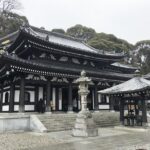
- Hasedera Temple Gardens and Caves: 45 Minutes That Actually Works
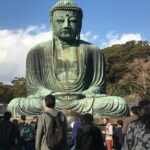
- Kotoku-in Great Buddha: How to Make Your 20 Minutes Count
- Komachi Street Snacks and Tsurugaoka Hachiman-gu: Finish With a Samurai Story
- What the $83 Actually Buys (No Lunch, Real Sight Time)
- Pacing, Rules, and What to Wear for Temple Stops
- Guided by Silvy or Romy: Small-Group Quality You Can Feel
- Should you book this Kamakura half-day walking tour?
- FAQ
- Where exactly do I meet the guide in Shinjuku?
- How do I get from Tokyo to Kamakura on this tour?
- Does the Enoden day pass cover unlimited rides?
- How long do I spend at Hasedera and Kōtoku-in?
- What food is included, and is lunch covered?
- Are there rules about clothing and photography?
- Is the tour suitable for people with low fitness?
Key highlights you’ll feel on this tour
- Unlimited Enoden rides with the Enoshima & Kamakura Freepass
- Hasedera with gardens, caves, halls, and a bay-view terrace
- Kōtoku-in for a face-to-face look at the Great Buddha
- Komachi Street break with local snacks or a drink (up to 500 JPY)
- Tsurugaoka Hachiman-gu guided visit that ties the walk to Kamakura’s samurai era
- English or Spanish guide, with small-group or private options available
Suica Penguin Plaza in Shinjuku: Start Here, Stay Sane
Your day begins at the Suica Penguin Statue on the 2nd floor of the Shinjuku Expressway Bus Terminal Building, attached to JR Shinjuku Station. There’s also access from the new south gate, which helps if you’re coming from a different side of the station.
Here’s the practical part I’d plan around: your guide should contact you via WhatsApp before the start. If you don’t get a message, make sure you can receive calls, because the meeting point is precise. One past participant had trouble because they only knew a broader area, not the specific landmark—so save yourself the stress and meet at the statue, not somewhere nearby.
Once you meet up, you’ll do a short walk to the Odakyu Line area inside Shinjuku (about 5 minutes on foot). This is one of those tours where the first 10 minutes matter more than the rest of the route, because everything else runs on timing.
Tip: keep your phone charged. Even if you’re fluent in directions, WhatsApp is the fastest fix if the group is delayed.
You can also read our reviews of more walking tours in Kamakura
The Enoden Coast Train and Freepass: Easy Travel With Real Views
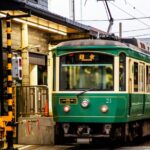
After Shinjuku, the route is straightforward: you’ll ride the Odakyu Odawara Line to Fujisawa, then transfer to the Enoden (Enoshima Electric Railway) for the coastal stretch into Kamakura.
What makes this part feel good is the Enoshima & Kamakura Freepass. With the pass in hand, you get unlimited rides on all Enoden trains until the tour ends. That matters because you’re not just doing a single ride. You’ll use the train more than once—both going to the main sights and then again later as you return toward Kamakura Station.
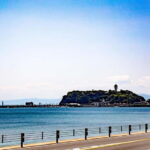
The Enoden runs right along the Pacific, so you get that classic “Japan by train” rhythm: quick stops, sea views, and a feeling of local life instead of a long bus ride. If you like the coast, you’ll appreciate how the train gives you moving scenery without effort.
Also, this transport plan helps you avoid the common half-day trap: spending your limited time figuring out connections. Here, the guide does that math for you.
Hasedera Temple Gardens and Caves: 45 Minutes That Actually Works
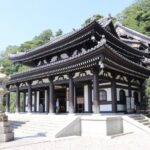
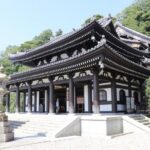
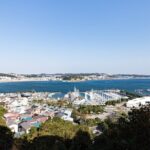
Hasedera is often described as a temple of flowers, but the bigger win is how varied it feels in a short guided visit. You’ll spend about 45 minutes with your guide, and you’ll move through gardens, Buddhist halls, caves, and climb up toward a panoramic terrace looking out over the bay.
What I like about this stop on a half-day tour: it doesn’t ask you to rush through everything. The guided format helps you prioritize what’s worth your time, and the layout naturally creates little “pause points,” so you’re not just walking in a line.
One more practical detail: keep your camera ready for outdoor moments. You can take photos outside, but the tour also flags that photography inside isn’t allowed, so don’t be surprised if some areas feel hands-off.
If you’re into atmosphere, this is the kind of stop where you’ll notice sound and space—quiet corners near halls, cooler air around caves, and then open views from higher terraces. Even with a time limit, the stop gives you a full-feeling temple experience.
Wear shoes with good grip. Steps and uneven ground are part of the deal at many temple sites, and you’ll be doing a few more walks later too.
Kotoku-in Great Buddha: How to Make Your 20 Minutes Count
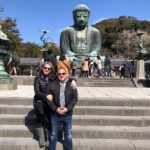
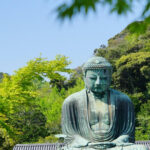
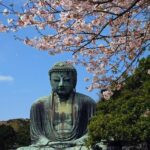
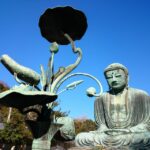
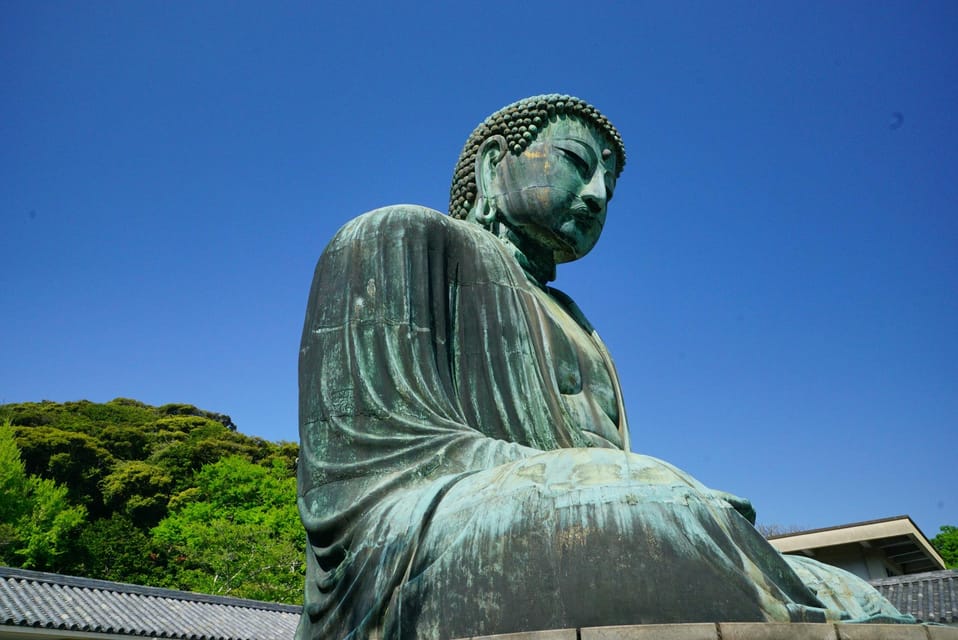
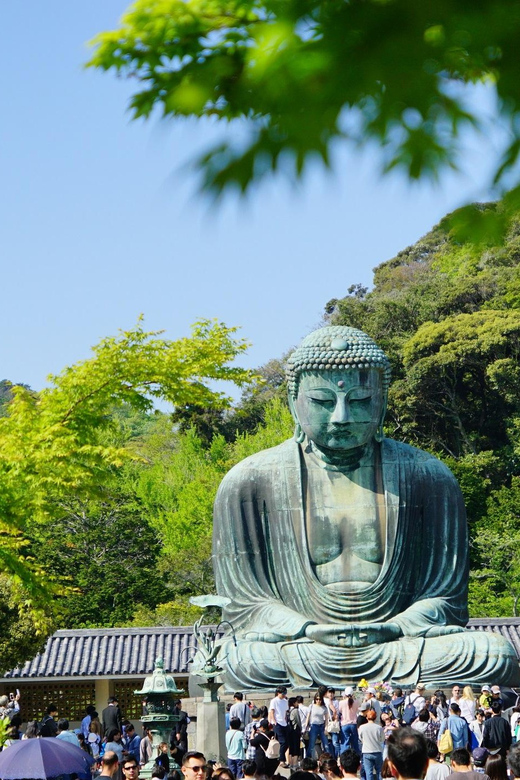
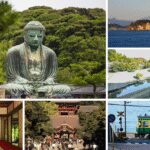
Next comes the star attraction: the Great Buddha at Kōtoku-in Temple. You’ll visit for about 20 minutes, which sounds short until you realize how focused you can be when you’re standing in front of a single landmark that dominates the space.
When you arrive, slow down. Don’t treat this like a quick photo stop. Spend a few minutes just looking—at scale, posture, and the textures you can see from different angles. This is one of those monuments where your attention improves everything. The guide’s job here is to point you toward the details worth noticing, so you get more than a silhouette.
You’ll stay long enough to behold the statue carefully and to understand what you’re looking at, without turning the visit into a marathon.
If you’re sensitive to crowds, go in with a calm mindset. This is a famous site, and the tour timing is designed to keep you moving, not to isolate you from people. You can still get your moment by shifting your position and giving yourself a full minute before the group starts to flow forward.
Komachi Street Snacks and Tsurugaoka Hachiman-gu: Finish With a Samurai Story
After Hasedera and Kōtoku-in, you’ll ride the Enoden again to reach Kamakura Station. Then you walk into town along Komachi Dori Street.
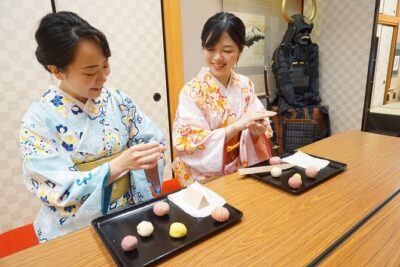
This is your break time: about 20 minutes. You also get included snack options—local snacks or a beverage up to 500 JPY per person. This is a great use of half-day time because it’s not just food. It’s the “Kamakura feel” in miniature: small shops, street life, and the sense that the town is still lived in, not staged.
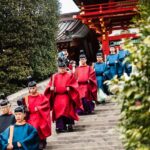
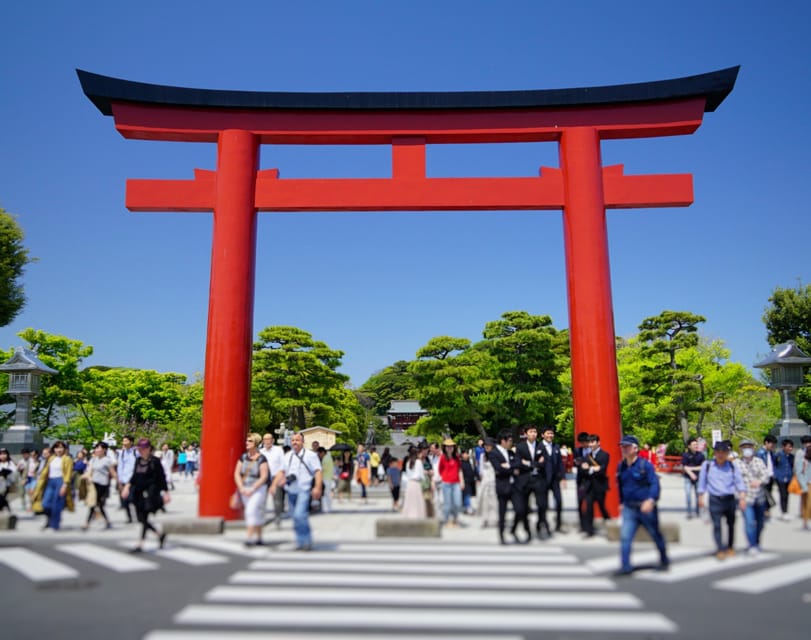
Then you head to the tour’s finale: Tsurugaoka Hachiman-gu. You’ll get a guided visit of about 20 minutes, and the goal is to connect what you’ve seen to Kamakura’s samurai era. The shrine is tied to the deity of war enshrined there, which adds a different lens to the day than temples alone.
I like finishing here because it gives you a narrative anchor. When you’re done, you’re standing in the center of things, not on the edge of nowhere—so spending your afternoon becomes easier.
What the $83 Actually Buys (No Lunch, Real Sight Time)
At $83 per person, you’re paying for guided temple time plus transport support that would be annoying to stitch together alone. You get:
- An English-speaking guide from Tokyo to Kamakura
- Return transportation ticket from Shinjuku (through the Odakyu Kamakura-Enoshima Pass)
- Entrances to Hasedera and Kōtoku-in
- Local snacks or a beverage of your choice up to 500 JPY
- About 330 minutes total duration (including transit and guided stops)
The big “not included” is lunch. Plan for it after the tour, especially since the tour ends around Tsurugaoka Hachiman-gu, where you’ll have lots of afternoon options.
Value-wise, this works best if you’d otherwise be spending energy figuring out trains plus trying to squeeze in two major temples and a meaningful walk. If you already know the route and prefer self-paced temples, you might do it cheaper on your own—but the guide’s timing and the Enoden pass help you make a tight half-day feel complete.
Pacing, Rules, and What to Wear for Temple Stops
This is a guided walk, not a sit-and-watch tour. You’ll walk about 3 km total. That’s reasonable for a half-day, but it still adds up with stairs and temple grounds.
The tour also has clear clothing and behavior rules:
- Comfortable shoes are a must
- Short skirts are not allowed
- Photography inside isn’t allowed
- Loose clothing isn’t allowed
- Luggage or large bags aren’t allowed
If you’re traveling light, you’ll have an easier time. If you have a suitcase or big backpack, you may need a storage plan before you meet your guide.
Weather matters too. In summer, expect hot and humid conditions. The tour recommends bringing plenty of water (plus a wipe and even a change of clothes if you run warm). Even in non-summer months, I’d keep water in your day bag because you’ll be out for hours with multiple stops.
Wheelchair accessibility is listed as available. If that’s a concern, you’ll still want to confirm how mobility needs are handled for stairs and temple paths, since the tour includes walking and uneven areas.
Guided by Silvy or Romy: Small-Group Quality You Can Feel
The best part of this tour is how the guide shapes your time on-site. On past departures, guides such as Silvy and Romy earned standout praise for being timely, patient, and clear with cultural and historical context during the stops.
I take that seriously because temple visits can turn into “see it, snap it, move on” if nobody explains what you’re looking at. Here, the guide’s job is to help you understand why each place matters and where to focus your attention—especially at Hasedera and the Great Buddha.
Also, one thoughtful detail from a guide’s past performance: Romy was praised for being adaptable and for continuing to share helpful information after the tour. That kind of follow-through is rare on short tours, and it’s the difference between leaving with photos and leaving with understanding.
If you want a day that feels organized but still personal, this format fits.
Should you book this Kamakura half-day walking tour?
Book this tour if you want maximum Kamakura for minimal planning. You’ll get the coastal Enoden ride, two major temple anchors (Hasedera and Kōtoku-in), a snack break on Komachi Dori Street, and a guided wrap-up at Tsurugaoka Hachiman-gu. It’s also a solid option if you don’t want to handle train transfers and passes alone.
Skip it (or change your expectations) if you’re very sensitive to meeting-point hassle. The start location is specific, and one traveler had trouble finding it when only armed with vague directions. Arrive early, stand by the Suica Penguin statue, and keep your phone reachable.
If you’re planning to walk slowly, snack, and then linger in Kamakura afterward, you’ll be in a good rhythm. This tour is designed to leave you with an afternoon to explore, not to cram everything until you’re exhausted.
FAQ
Where exactly do I meet the guide in Shinjuku?
Meet at the Suica Penguin Statue on the second floor of the Shinjuku Expressway Bus Terminal Building attached to JR Shinjuku Station (near the new south gate).
How do I get from Tokyo to Kamakura on this tour?
You travel from Shinjuku by train to Fujisawa, then take the Enoden (Enoshima Electric Railway) along the Pacific coast into the Kamakura area with your guide.
Does the Enoden day pass cover unlimited rides?
Yes. You’ll use an Enoshima & Kamakura Freepass that allows unlimited Enoden train rides until the tour ends.
How long do I spend at Hasedera and Kōtoku-in?
Hasedera is a guided visit of about 45 minutes, and Kōtoku-in is about a 20-minute visit.
What food is included, and is lunch covered?
Lunch is not included. You do get local snacks or a beverage of your choice up to 500 JPY per person during the break on Komachi Dori Street.
Are there rules about clothing and photography?
Short skirts are not allowed. Photography inside is not allowed. Loose clothing is also not allowed, and large luggage isn’t permitted.
Is the tour suitable for people with low fitness?
It isn’t recommended for people with low fitness, since it includes walking (about 3 km total) and temple steps/paths.