REVIEW · KAMAKURA
Japanese Sweets Making in Kamakura
Book on Viator →Operated by Hiro · Bookable on Viator
Few places mix sweets and temples this smoothly. In about 3 hours, you’ll learn to make seasonal wagashi, step into a quieter Kamakura walkway with ocean views, and finish at Kotoku-in to see the Great Buddha up close. The combination is practical: you get hands-on food making plus one of Japan’s most iconic statues, without a full-day commitment.
What I like most is that the sweets are season-specific—three different wagashi shapes tied to the time of year—and you can eat them right away or take them home. I also really enjoy the tone of the tour: Hiro (your English-speaking guide) keeps things friendly and clear, with the kind of stories that make Kamakura feel lived-in, not like a checklist. One thing to consider: the tour ends at Kotoku-in, not back at your hotel, so plan your return route ahead of time.
In This Review
- Key things that make this tour worth your time
- Wagashi and the Great Buddha in 3 Hours: How the Timing Works
- Hase Station to the Sea: A Calmer Walk with Real Local Energy
- Making Seasonal Wagashi: Three Sweets, Real Skill, No Stress
- The matcha add-on (and when it’s worth it)
- Why the Wagashi Seasons Matter (And What You’ll Notice When You Make Them)
- Kotoku-in Great Buddha: Bronze, Scale, and the 30-Minute Visit
- Price and Logistics: Getting Value From a Short, Focused Day
- Who This Tour Fits Best (And When It Might Not)
- Tips to Make Your Day Smoother
- Should You Book Japanese Sweets Making in Kamakura?
- FAQ
- What is the duration of the Japanese Sweets Making in Kamakura experience?
- How much does the tour cost?
- Where do I meet for the tour?
- Where does the tour end?
- Is Kotoku-in admission included?
- How many wagashi will I make?
- Can I eat the sweets during the tour or take them home?
- Is matcha included?
- Is hotel pickup and drop-off included?
- Is this a private tour?
- Are refunds possible if I cancel?
Key things that make this tour worth your time
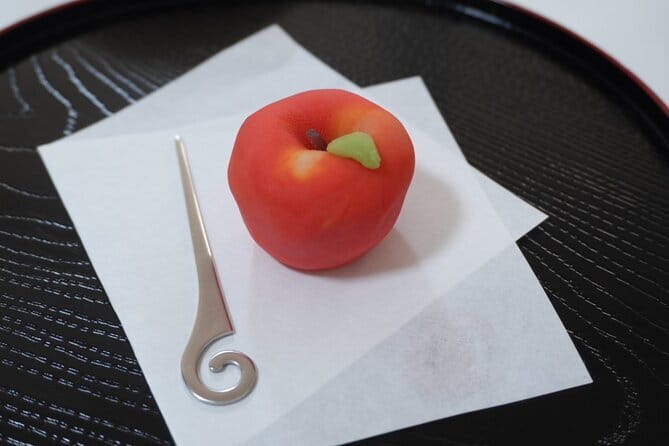
- Seasonal wagashi, three different sweets, made with step-by-step guidance
- Private experience with Hiro, English-speaking and funny in a good way
- Ocean-view stop along a popular local path, typically with less crowd pressure
- Kotoku-in Great Buddha included (30 minutes) with admission covered
- Optional matcha (550 yen) if you want the classic pairing
Wagashi and the Great Buddha in 3 Hours: How the Timing Works
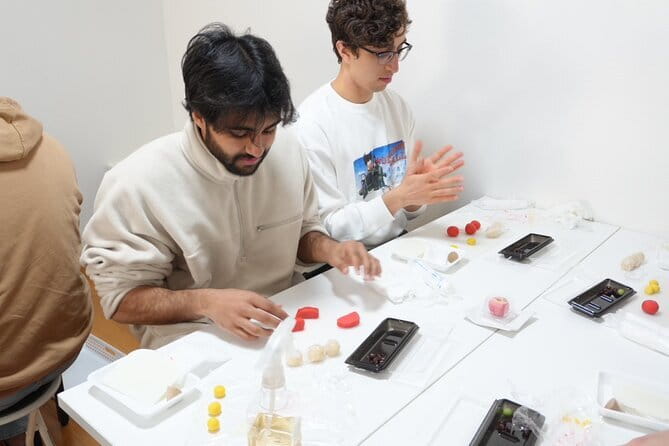
This is one of those tours that makes sense for a short stay in Kanagawa. You’re moving through two main experiences—making sweets and visiting Kotoku-in—without getting dragged into hours of waiting. The duration is listed as about 3 hours, which is long enough to learn something real but short enough to keep your day from spiraling.
You start at Hase Station and end at Kotoku-in, so it’s set up like a point-to-point outing. There’s no hotel pickup, and that’s actually good to know. You’ll save time and money by using public transport and meeting right where the action begins.
Also, because this is a private activity, you’re not stuck watching other people struggle or rushing your own learning. The guide can keep the pace comfortable, especially if you’re new to Japanese sweets.
You can also read our reviews of more tours and experiences in Kamakura
Hase Station to the Sea: A Calmer Walk with Real Local Energy
Your meeting point is at Hase Station (2 Chome-14 Hase, Kamakura). From there, the tour takes you along a route designed for easy enjoyment rather than stampede viewing. The vibe here is important. Kamakura can get crowded, but the paths on this tour are typically less packed, which means you can actually look around and enjoy the scenery.
Between the sweets-making and Kotoku-in, you’ll get a stop with a great view of the ocean. The area is popular with locals, which is exactly what you want on a trip like this. You’re not just photographing a postcard—you’re seeing how people actually spend time in that part of town.
Practical tip: wear shoes you don’t mind walking in. The tour includes walking between points, and Kamakura’s paths can be a bit uneven.
Making Seasonal Wagashi: Three Sweets, Real Skill, No Stress
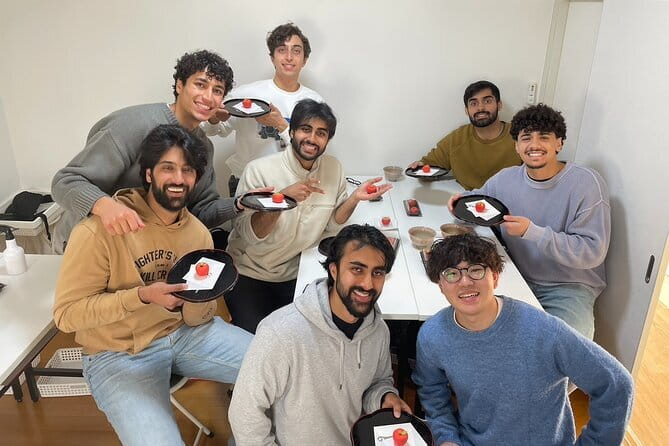
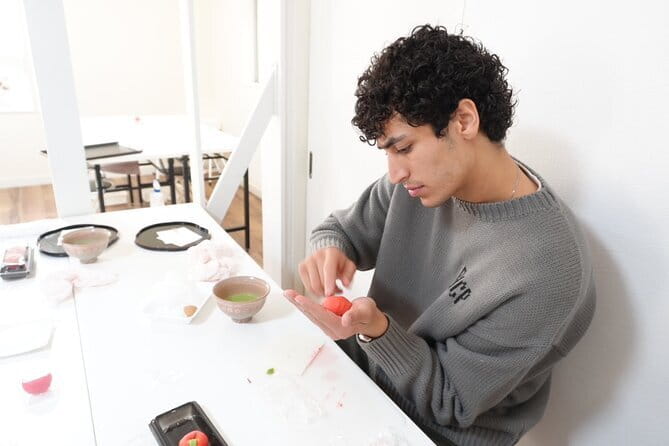
This is the heart of the tour. At your wagashi-making stop, you’ll make three seasonal Japanese sweets. Each one comes in a shape tied to the time of year, which is part of what makes wagashi special. It’s not just dessert—it’s design, seasonal symbolism, and craft.
You’re guided through the process, and you’re not expected to arrive knowing anything. The instruction is step-by-step, and the whole point is that beginners can still feel confident by the end. You’ll also learn background on the history of wagashi, so when you shape the sweets and handle the dough, you understand what you’re actually making and why it looks the way it does.
What you can do with your results:
- Eat the wagashi on the spot
- Take them home as souvenirs
That take-home option matters. It turns the experience into something tangible you can share later, not just a fun afternoon memory. If you’ve ever bought fancy sweets and wondered how they’re made, this answers that question fast.
The matcha add-on (and when it’s worth it)
If you want a classic pairing, matcha is available for an additional 550 yen. It’s optional, but it can be a nice way to finish the session—warm, earthy tea that balances sweetness.
Why the Wagashi Seasons Matter (And What You’ll Notice When You Make Them)

Once you start making seasonal wagashi, you begin to spot how Japanese sweets reflect the calendar. The sweets’ shapes change depending on the season, which means the craft isn’t static. It’s built for time—spring, summer, autumn, winter—so your hands are creating something that belongs to the moment.
That’s also why the guide’s explanations help. Learning the history and purpose of wagashi turns the workshop from a simple cooking class into cultural context you can carry with you. You’ll leave knowing that wagashi is designed to be enjoyed with attention: visually first, then flavor and texture.
A detail I think you’ll appreciate: the tour doesn’t just teach technique. It connects the sweets to Japanese culture, which is exactly what makes the experience feel more “you were there” and less “you watched a demo.”




Kotoku-in Great Buddha: Bronze, Scale, and the 30-Minute Visit
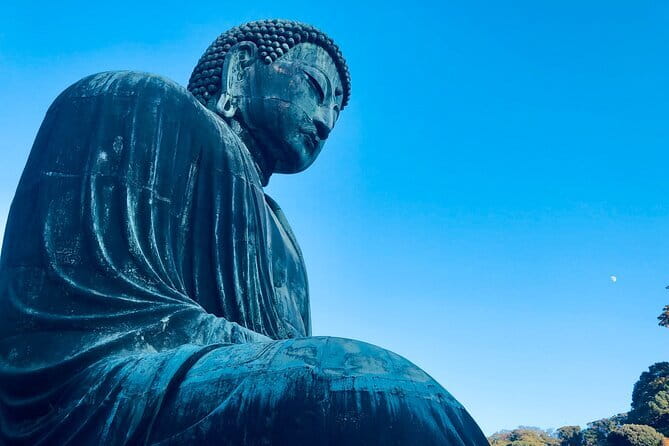
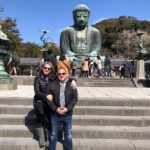
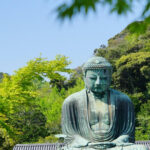
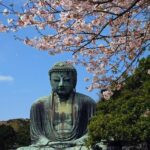
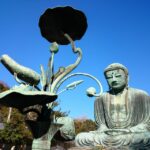
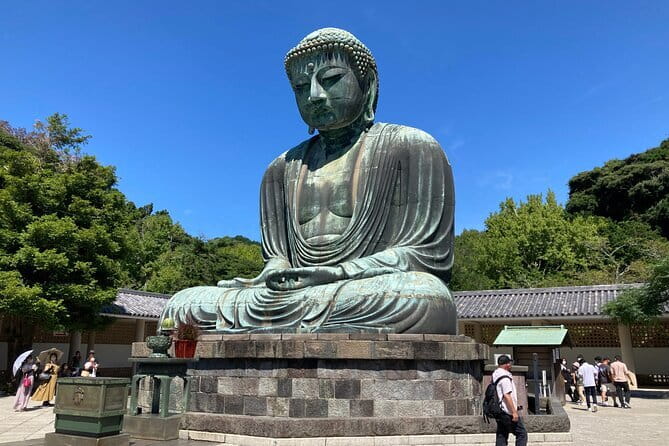
After sweets and the ocean-view stop, you’ll head to Kotoku-in Temple for the Great Buddha. This is the part you’ve probably seen in photos, but the scale hits differently in person.
Here are the big numbers:
- The Buddha is 13.35 meters tall
- It weighs about 121 tonnes
- It’s been standing for over 750 years
- It’s Kamakura’s only Buddhist national treasure
- It’s also described as Japan’s second tallest bronze Buddha
Your time here is listed as about 30 minutes, and admission is included. That time box is useful. It keeps the visit focused: you can see the statue clearly, take your photos, and still have enough energy left to enjoy the atmosphere around the temple grounds.
What makes Kotoku-in work well on this particular tour is that the sweets workshop already puts you in a “tradition and craft” mindset. By the time you reach the Buddha, the stories and cultural context make more sense. The guide shares fascinating background tied to Kamakura’s history and culture, not just facts about the statue.
Price and Logistics: Getting Value From a Short, Focused Day
The price is listed at $71.51 per person, for about 3 hours. On its face, that might sound like a lot—until you break down what you’re actually paying for. You’re not just buying entry tickets. You’re getting:
- An English-speaking local guide
- A traditional wagashi-making lesson with hands-on instruction
- Kotoku-in entrance fee included
You’re also getting a well-structured route that starts at Hase Station and ends at Kotoku-in, which saves you time figuring out how to combine these activities yourself. If you’ve tried to plan multiple stops in Kamakura on your own, you know how fast logistics can eat your day.
What’s not included:
- Hotel pickup and drop-off
- Personal expenses
- Optional matcha (550 yen)
So the real value question is simple: can you handle a self-directed start and finish using public transport? If yes, the price looks fair for what’s included and how efficiently it’s put together.
One more practical note: this activity is commonly booked about 5 days in advance, so if Kamakura is a tight schedule for you, don’t wait until the last minute.
Who This Tour Fits Best (And When It Might Not)
This tour is a strong match if you:
- Want a hands-on cultural experience, not just sightseeing
- Like food you can physically make and take home
- Prefer a guide who keeps things clear and enjoyable (Hiro is described as funny, kind, and very knowledgeable)
- Enjoy walking in places where you can still breathe—less crowd pressure than you might expect
It may be less ideal if you:
- Need a tour that returns you to your hotel (this ends at Kotoku-in)
- Want a longer temple-and-trail day (this is focused and time-efficient)
- Are hoping for lots of free time to wander without any structure (the time is built around the workshop and the Buddha visit)
Tips to Make Your Day Smoother
A few small moves can make a big difference on a Kamakura route like this:
- Start by arriving a few minutes early at Hase Station so you don’t feel rushed before the workshop.
- Bring a small bag for the wagashi you plan to take home, since you’ll likely want everything kept neat.
- If matcha sounds like your style, plan for the 550 yen add-on while you’re at the workshop, not later when your timing gets tighter.
- When you finish at Kotoku-in, have a backup plan for getting back to your next stop. Ending at a sight is great, but only if you’ve thought through transport.
And one fun thing: ask Hiro about how the sweets connect to the seasons. When the guide explains the reasoning behind the shapes, the final product suddenly feels more meaningful.
Should You Book Japanese Sweets Making in Kamakura?
If you want a short, memorable Kamakura experience that blends craft, culture, and a real iconic landmark, I’d say yes. The main reasons are the mix of activities (wagashi + ocean view + Kotoku-in Great Buddha) and the fact that you’re not just watching. You’re making three seasonal sweets, getting English guidance from Hiro, and finishing at a must-see statue without spending hours piecing it together yourself.
Book it especially if you like experiences with a “do this, learn this, taste this” flow. Skip it if you absolutely need hotel pickup/return or you’re looking for a whole-day wandering plan.
FAQ
What is the duration of the Japanese Sweets Making in Kamakura experience?
It lasts about 3 hours.
How much does the tour cost?
The listed price is $71.51 per person.
Where do I meet for the tour?
You meet at Hase Station (2 Chome-14 Hase, Kamakura, Kanagawa 248-0016, Japan).
Where does the tour end?
The tour ends at Kotoku-in (4-chōme-2-28 Hase, Kamakura, Kanagawa 248-0016, Japan).
Is Kotoku-in admission included?
Yes. Entrance fee to Kotoku-in is included.
How many wagashi will I make?
You make three seasonal Japanese sweets.
Can I eat the sweets during the tour or take them home?
You can enjoy the sweets on the spot or take them home as souvenirs.
Is matcha included?
Matcha is not included by default. You can add it for an additional 550 yen.
Is hotel pickup and drop-off included?
No, hotel pickup and drop-off are not included.
Is this a private tour?
Yes. It’s private, meaning only your group participates.
Are refunds possible if I cancel?
No. The experience is non-refundable and cannot be changed for any reason.