REVIEW · TOKYO
Tokyo: Practicing Zen with a Japanese Tea Ceremony
Book on GetYourGuide →Operated by True Japan Tour · Bookable on GetYourGuide
Stepping into a tea room in Tokyo feels oddly calming. This 75-minute class pairs matcha and traditional sweets with a clear explanation of Zen practice through Japanese art and architecture.
I especially liked the careful, English-speaking instruction that makes the steps feel learnable, not mysterious. I also liked that you don’t just watch—you do a full second ceremony yourself with guidance. One thing to consider: the venue is shared, so you may hear noise from next door during quieter moments.
If Zen is on your mind (or you just want a mental reset), this is a good fit. You’ll be guided through the purpose behind the movements, plus the way tea culture connects to Buddhism in everyday life in Japan. Expect a small, focused group—up to 10 people—so you can ask questions and actually participate.
In This Review
- Key things to know before you go
- A matcha-and-Zen class across from Tokyo Tower
- Where you meet, and how to find the right room fast
- What the 75 minutes feels like: watch first, then do
- The Zen philosophy behind the movements (not just the movements)
- Matcha, sweets, and the details you’ll actually remember
- Comfort rules that make it easier to participate
- The shared-venue reality: sound can affect the mood
- Small group size: why max 10 people helps
- Price and value: what $63 buys you in real terms
- Practical tips to get the best from your session
- Who should book this Zen tea ceremony?
- Should you book this Tokyo Zen tea ceremony?
- FAQ
- How long is the tea ceremony practice?
- What’s the meeting point in Tokyo?
- Is transportation included?
- Is the experience taught in English?
- Is this activity suitable for wheelchair users?
- Are children allowed?
- Can I cancel for a refund?
Key things to know before you go
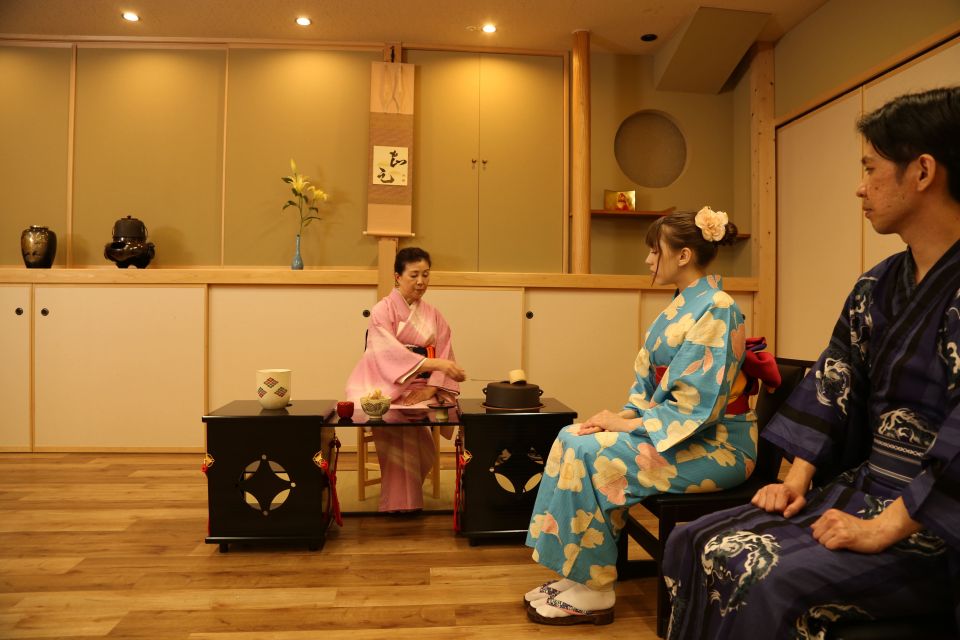
- Hands-on practice, twice: you’ll watch the first ceremony, then perform a second one yourself.
- Zen through art and architecture: you’ll connect the feel of the space and rituals to Zen ideas.
- Matcha + sweets with pairing logic: you’ll taste carefully, not just sip mindlessly.
- Small group pace: you’re in a room with space to learn, not shuffled through like a factory tour.
- Comfort options for floor seating: there’s seating for guests who prefer not to sit on the tatami/floor.
- Tea masters with real teaching skill: instructors like Junko, Ken, and Midori (among others) have led classes in English.
A matcha-and-Zen class across from Tokyo Tower
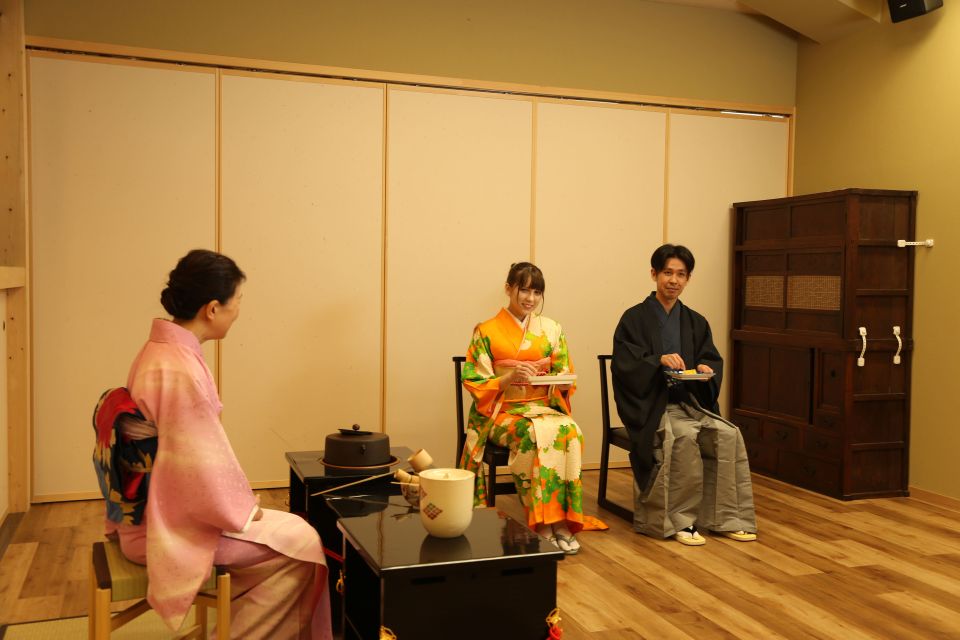
Tokyo has plenty of temples and plenty of tea shops. This experience is different because it treats tea as a practice, not a product. In a short 75 minutes, you’ll work through the ritual steps and the thinking behind them—so you leave with something you can repeat at home, not just photos.
The setting also helps. The meeting point is at Kikai Shinko Kaikan, and the building sits directly opposite Tokyo Tower, which makes it easy to orient yourself on a busy day. It’s a practical choice when you’re juggling sightseeing and want a calm block of time.
You can also read our reviews of more tours and experiences in Tokyo.



Where you meet, and how to find the right room fast
You’ll meet your instructor at the main entrance of Kikai Shinko Kaikan on the 1st floor. If you can’t spot them, you can go to True Japan Tour (Room B109) on the B1 floor inside the same building.
This matters because tea ceremony timing is tight. Show up a few minutes early, take a quick look around the entrance, and you’ll avoid the last-minute scramble that can ruin your headspace.
What the 75 minutes feels like: watch first, then do
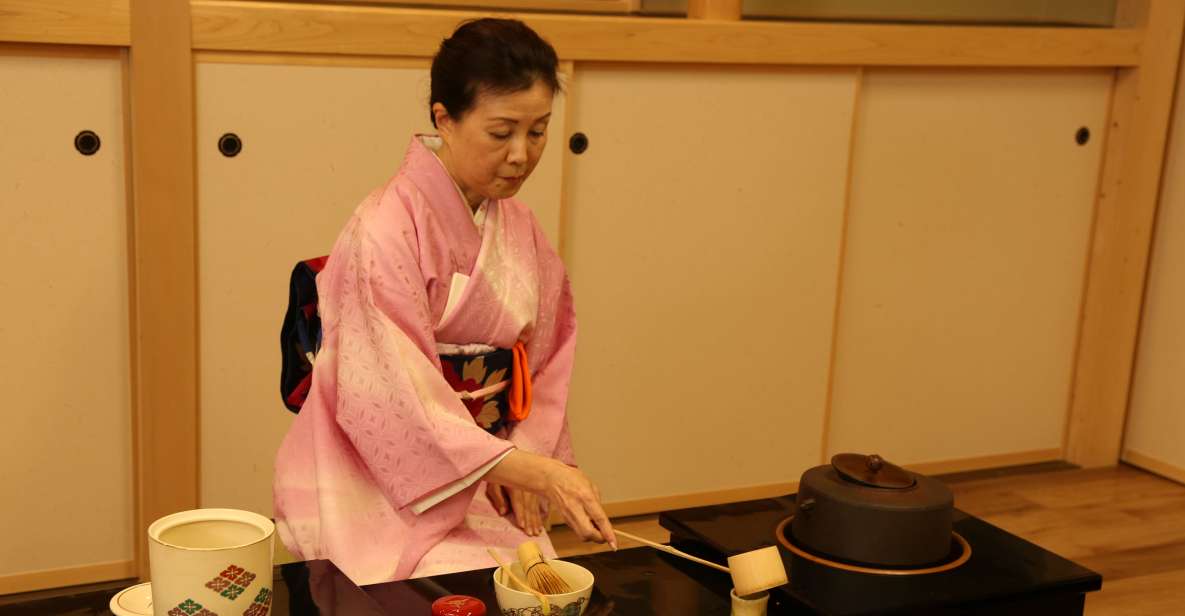
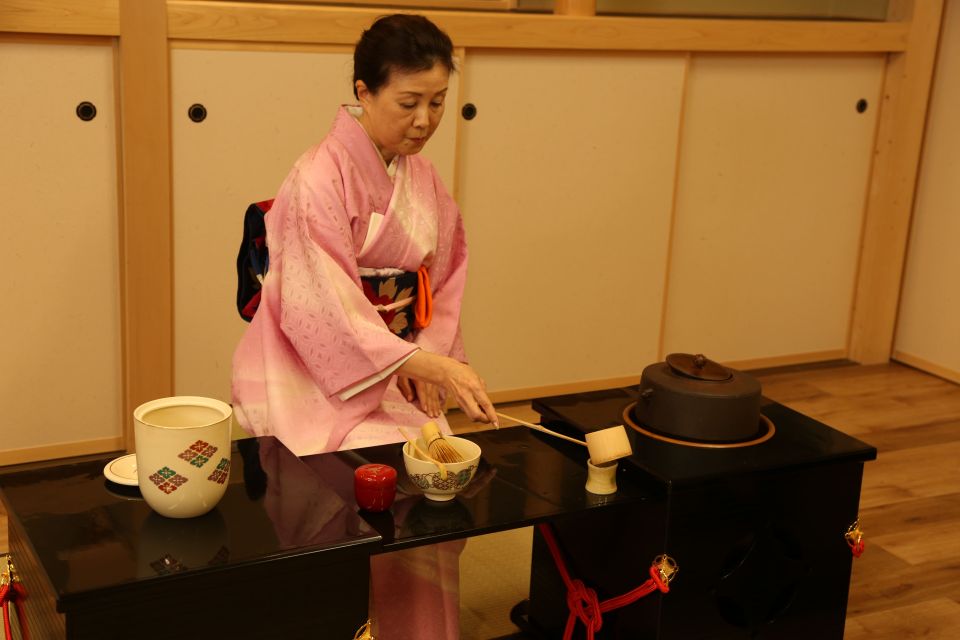
The class follows a simple rhythm that works well for beginners. You start by watching your instructor prepare matcha green tea, with explanations as the steps unfold. You’ll also taste traditional Japanese sweets designed to go with the tea, so the session is sensory from the start.
After the first ceremony, you move to the teaching portion where you practice. You’ll conduct the tea ceremony yourself, with expert guidance correcting details in a gentle, supportive way. That second round is a big reason the experience lands with strong satisfaction—because you actually learn the method, not just the story.
The Zen philosophy behind the movements (not just the movements)
This is a tea ceremony with a Zen Buddhism connection at the center. You’ll learn how the ritual expresses Zen ideas through Japanese art and architecture—things like simplicity, attention, and mindful pacing.
The teaching approach is practical. Instead of throwing abstract terms at you, the instructor ties meaning to what your hands and body are doing during the ceremony. That’s why this works even if you came in with zero Zen background: you get the why alongside the how.
And yes, there’s a bit of a mental exercise built in. A short tea ceremony practice doesn’t fix your life, but it can help you slow down and notice what’s happening right now—exactly the kind of peace of mind people chase on trips.
Matcha, sweets, and the details you’ll actually remember
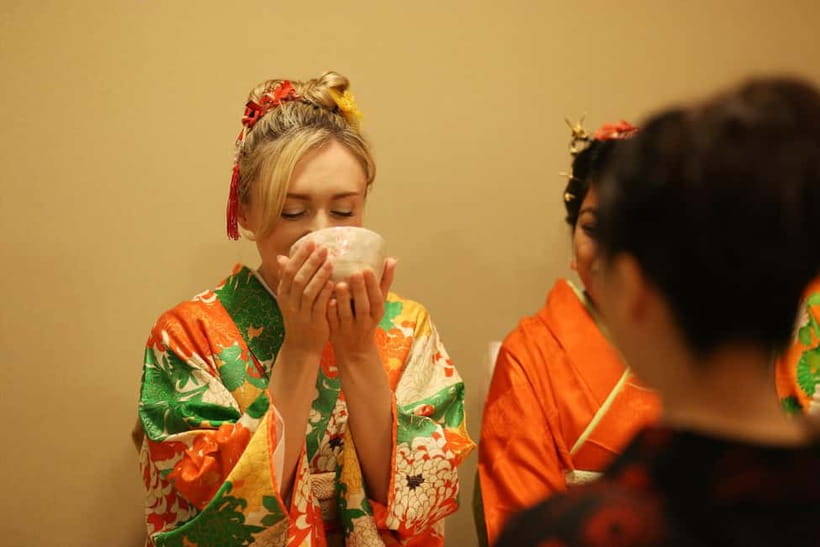
You’ll taste matcha prepared in the traditional way, and you’ll pair it with Japanese sweets. That pairing matters because tea culture treats taste as something you experience in a moment, not something you rush through.
You’ll also learn about the utensils used and the different aspects of the ceremony. Even though you may not remember every technical term afterward, you’ll likely remember the sequence and the purpose behind it—like why certain actions are done calmly and why the timing feels deliberate.
One neat aspect is how the instructor makes the room feel part of the lesson. The ceremony isn’t only in your cup. It’s in how the space and the ritual create a quiet container where you can pay attention.





Comfort rules that make it easier to participate
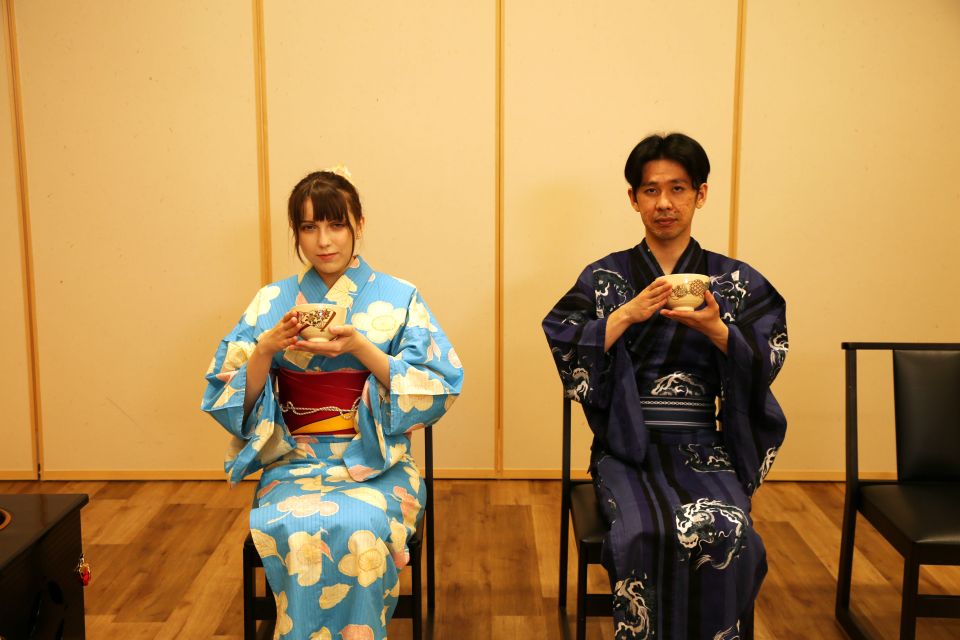
This class is designed to be accessible. It’s wheelchair accessible, and there are seats available for guests who prefer not to sit on the floor.
That’s not a small point. Many tea experiences are built around floor seating that can make newcomers tense. Here, you can stay comfortable and still participate fully, which keeps the whole point of Zen—calm focus—within reach.
The shared-venue reality: sound can affect the mood
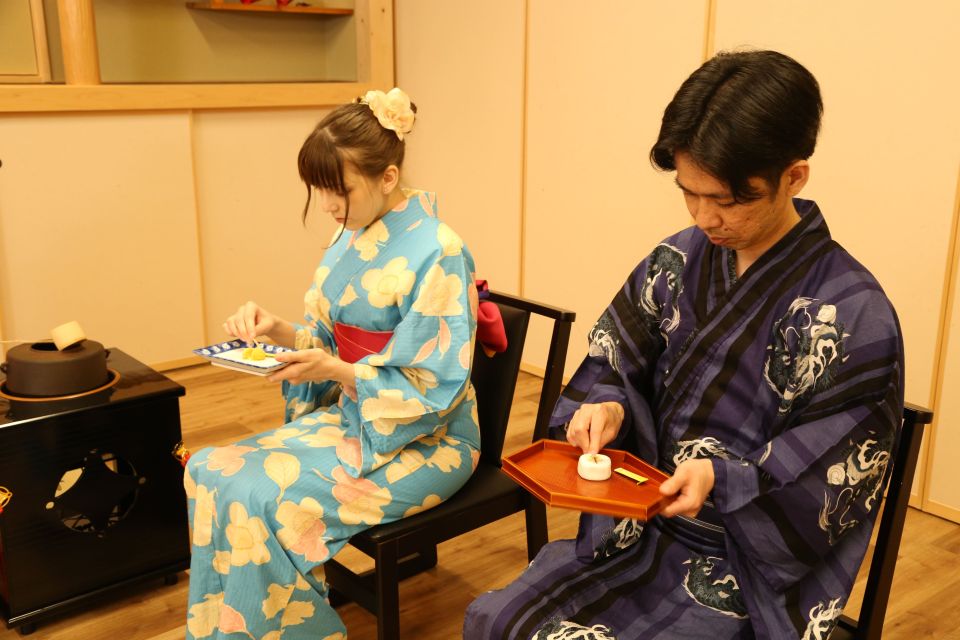
One practical consideration: the space isn’t a sealed-off, private temple of silence. Because it’s part of a building with other activity nearby, you may hear sounds from adjacent rooms during the ceremony. If you’re sensitive to noise—or you really want that floating-in-stillness feeling—aim for a spot where you can hear your instructor clearly and still feel calm.
It’s a minor drawback, but worth knowing. The tea itself is soothing; the mood can depend on what’s happening around you.
Small group size: why max 10 people helps
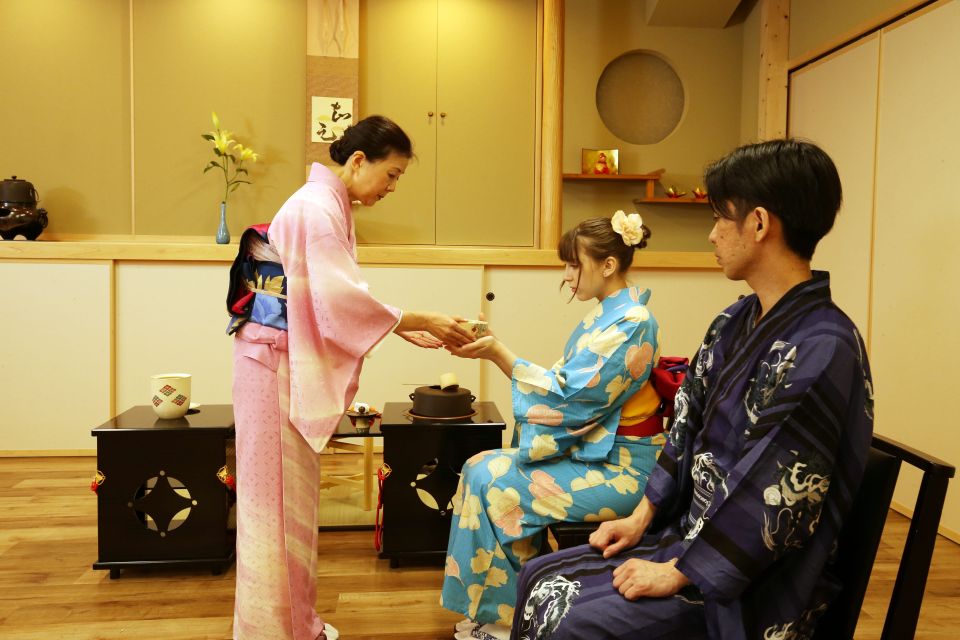
With a group limited to 10 participants, you get a quieter pace and more individual attention. You can see the details while the instructor demonstrates, and you don’t get swallowed by the crowd when it’s your turn to practice.
This is one of those “small numbers, big payoff” features. It also explains why so many people come away feeling they learned how to do it themselves—not just how to observe.
Price and value: what $63 buys you in real terms
At $63 per person for 75 minutes, the value comes from the combination of teaching + participation. You’re not paying only for a drink and a look around. You’re paying for:
- a guided tea ceremony experience
- traditional sweets and matcha
- a second tea ceremony performed by you, with expert help
That second round is where the money turns into skill. Watching a ceremony is enjoyable, but performing it—even with guidance—turns the session into something you can take home as a real ability (and a new way to slow down).
Practical tips to get the best from your session
A tea ceremony rewards focus, so I’d plan around that. Keep your schedule loose enough that you won’t feel rushed walking in, and treat the 75 minutes like a reset, not a checkbox.
A few more tips based on how the session runs:
- Don’t make noise during the ceremony. It’s part of the experience design.
- Ask questions if you’re curious. The class is built for explanation in English.
- If you’re unsure about floor seating, take advantage of the seating option so you can learn without distraction.
Also, this activity is not for very young kids. It’s not suitable for children under 4 years, which keeps the ritual respectful and calm.
Who should book this Zen tea ceremony?
This is ideal if you:
- want a hands-on cultural activity in Tokyo that doesn’t require special background
- enjoy mindful experiences and want the Zen connection explained plainly
- like small-group learning with an instructor who can correct your technique
It’s also a smart choice if you like architecture and aesthetics. The ceremony’s link to Japanese art and architecture isn’t tacked on—it’s part of how the instructor teaches meaning.
Should you book this Tokyo Zen tea ceremony?
If you want more than a tea tasting, I think it’s an easy yes. The fact that you practice a second ceremony yourself is the deciding factor. You’ll leave knowing what to do, what the steps mean, and how to slow your brain down for a moment.
Skip it only if you’re very sensitive to outside noise or you need a longer, deeper Zen session. Otherwise, this is a calm, focused, and genuinely learnable experience—right by Tokyo Tower, on a day when you also want to see plenty of Tokyo.
FAQ
How long is the tea ceremony practice?
The experience lasts 75 minutes.
What’s the meeting point in Tokyo?
Meet your instructor at the main entrance of the Kikai Shinko Kaikan building on the 1st floor, opposite Tokyo Tower. If needed, go to True Japan Tour (Room B109) on the B1 floor.
Is transportation included?
No, transportation is not included.
Is the experience taught in English?
Yes. The instructor is English.
Is this activity suitable for wheelchair users?
Yes. The experience is wheelchair accessible, and there are seats available for guests who prefer not to sit on the floor.
Are children allowed?
It’s not suitable for children under 4 years.
Can I cancel for a refund?
Yes. You can cancel up to 24 hours in advance for a full refund.