REVIEW · TOKYO
Tokyo: Samurai Ninja Museum Guided tour and Experience
Book on GetYourGuide →Operated by GLOBA Inc. · Bookable on GetYourGuide
Samurai meets ninja in under an hour. This guided Tokyo museum ticket mixes real armor and weapons with hands-on games, so you actually remember what you learn. I especially liked the way the guides (I kept hearing names like Nami, Ken, Megan, and Shin) turn typical museum talk into a lively story you can follow. One thing to consider: group size can run bigger than the 15-person max you might see on some booking sites.
You get a lot of value for the price. The experience includes a guided tour plus the fun stuff: shuriken throwing and dressing up as a samurai with a helmet and a metal sword. I liked that the pacing feels made for mixed ages, from kids to adults who want real context, not just costumes.
Before you go, know there’s a practical tradeoff. You’ll get a guided overview, but it’s not a slow, museum-by-museum crawl, so if you’re the type who wants to linger for 30 minutes in every display, you might want to budget extra time on your own afterward.
In This Review
- Key Things That Make This Tour Fun and Useful
- First Stop: A Guided Museum Tour That Moves at a Human Pace
- Samurai Gear You Can See Clearly (and Actually Appreciate)
- Ninja History Without the Hollywood Fog
- Shuriken Throwing: The Activity That Turns Learning Into Muscle Memory
- Samurai Dress-Up: Photos, Helmet Feels, and a Real Sword Moment
- What to Expect From the Group: Friendly Energy, Sometimes Bigger Than You Think
- How Long Should You Plan For in Tokyo?
- Price and Value: Why This $27 Ticket Feels Fair
- Who This Tour Suits Best (and Who Might Want to Pair It With Something Else)
- Tips That Make Your Experience Smoother
- Should You Book This Samurai Ninja Museum Tour?
- FAQ
- Is the tour in English?
- What’s included in the experience?
- Do I get to throw ninja stars?
- Can I dress up as a samurai?
- How long does the tour take?
- Where is the museum located?
- How big can the group be?
- Is there a pay later option?
- What’s the cancellation window?
Key Things That Make This Tour Fun and Useful
- Hands-on shuriken practice that turns ninja legends into a real skill you can try
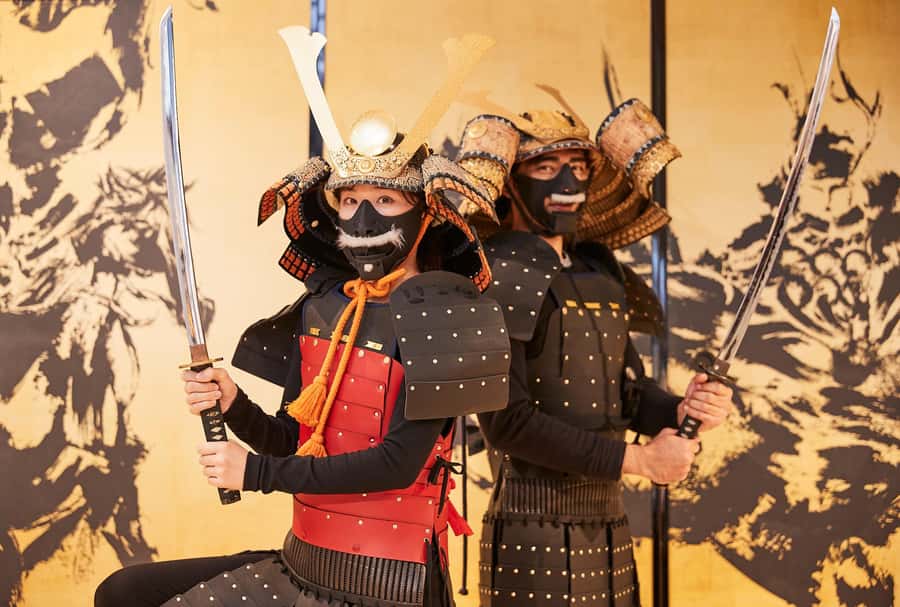
- Samurai dress-up with gear you can actually wear, including a helmet and a sword you can hold
- English-speaking guided tour that keeps the story clear, not textbook-heavy
- Armor, helmets, and swords worth looking at closely, even if you’re not a weapons nerd
- Myths and exaggerations corrected as part of the tour’s explanations
- Guides who work the room, so kids and adults stay engaged without feeling left out
First Stop: A Guided Museum Tour That Moves at a Human Pace
Tokyo can feel like a million things at once. This is the kind of attraction that gives you a clean starting point: walk in, get the history framework, then move on to activities that make the lesson stick.
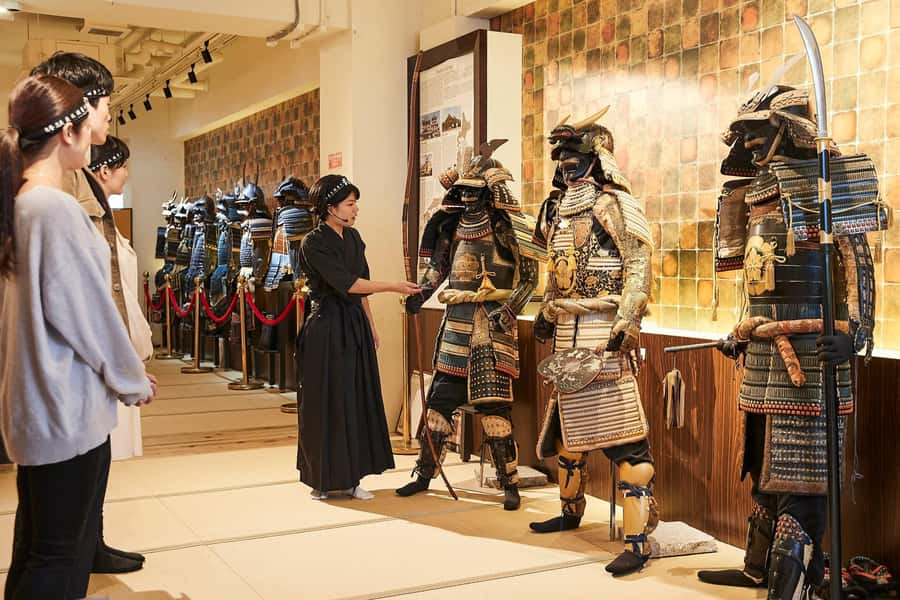
The format is simple. You start with a guided tour through museum displays about samurai and ninjas. The guide uses English and keeps explaining the role these figures played in Japanese society, not just movie-style stereotypes. One review mentioned the tour timing felt just right, not too short and not too long, and that balance matters because you’re still fresh when you get to the interactive parts.
And you’ll notice something else: the tour isn’t all lecturing. Guides often add jokes and quick participation, which helps if you’re visiting with kids or you just don’t want a quiet, sit-and-listen experience. Names like Ken, Kenny, Megan, Nao, and Shin came up repeatedly in feedback, and that points to the same pattern: strong personalities plus solid explanations.
You can also read our reviews of more guided tours in Tokyo



Samurai Gear You Can See Clearly (and Actually Appreciate)
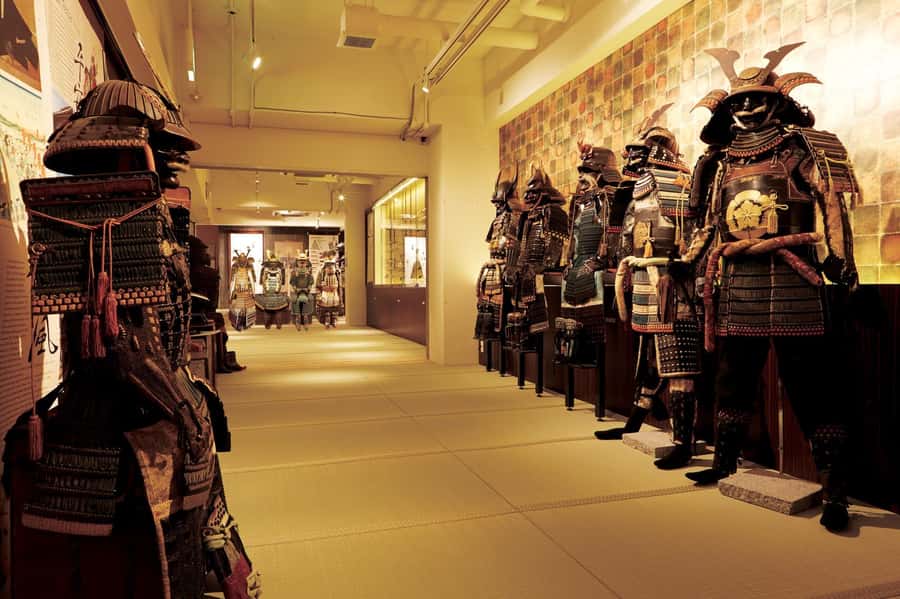
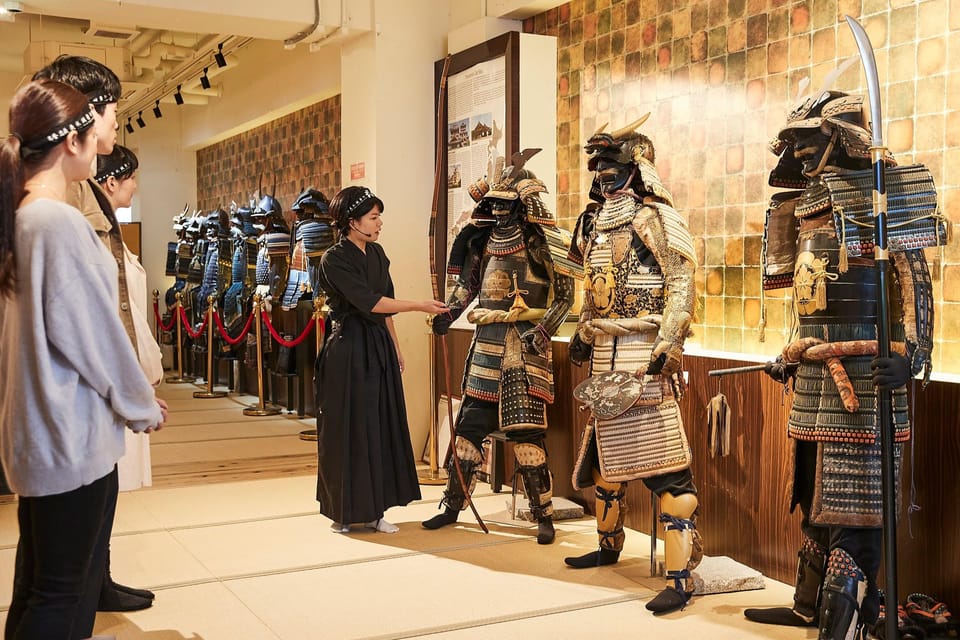
A big reason this works is the focus on tangible items. You’re not only told about samurai; you get to see the equipment—armor, helmets, and swords—up close enough to understand why these pieces mattered.
Here’s what I think you’ll like when you look at the gear. Samurai equipment wasn’t random “cool stuff.” It was designed for a specific job in combat and also for identity. Even if you don’t know the terms, you can still read the logic in the shapes and materials. The helmet design alone tells a story about protection and presence.
The displays also help break the common Western idea that samurai were all about one style of fighting or one uniform look. The guide’s explanations bring the variety into focus, so your brain stops treating samurai as a single costume.
If you’re a visual learner, this section is your payoff. You’ll come away with more than trivia. You’ll have a clearer mental picture of what people were outfitted with and why.
Ninja History Without the Hollywood Fog
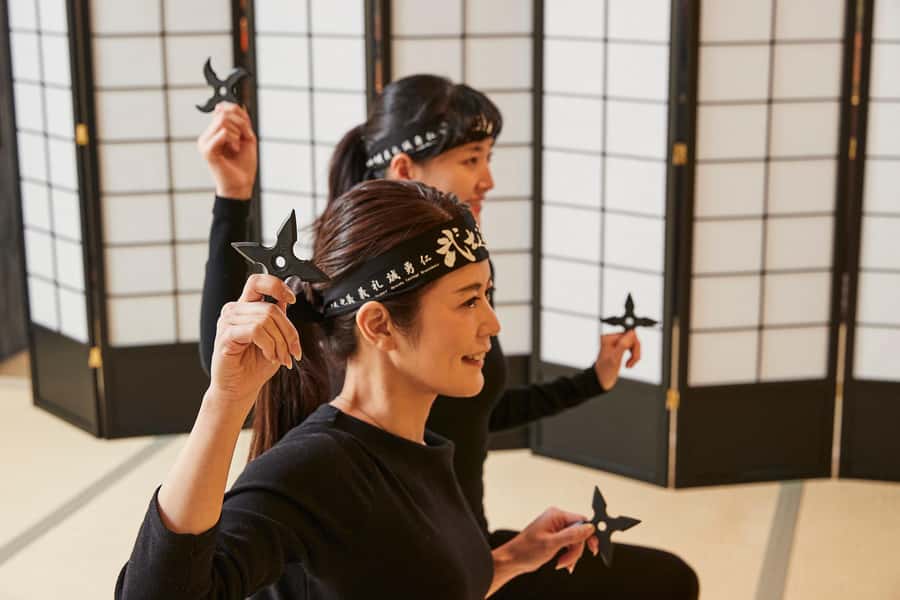
Ninja stories can get tangled fast. This tour is useful because it puts the mysterious parts in context. You learn about their role in history, not just “stealth powers” from films.
The museum experience also includes moments where myths get corrected. One review highlighted that different myths were busted, and that’s an important service when you’re trying to understand a culture. Ninja lore is full of exaggeration, and a good guide helps you separate what’s common storytelling from what’s more grounded.
And then comes the best proof of concept: the tour ends with a practical activity that connects to ninja legends—throwing shuriken (ninja stars). It’s one thing to hear the word. It’s another to practice the motion, aim, and control.
Shuriken Throwing: The Activity That Turns Learning Into Muscle Memory
This is the moment most people talk about later, and for good reason. The experience includes a ninja star throwing session where you practice your accuracy and get photos while you do it.
A couple of helpful details from the experience:
- There’s a contest-style vibe where winning may mean you keep the star (at least one person reported that rule).
- Even if you don’t win, you still walk away with the satisfaction of doing the thing, not just watching someone else do it.
For your planning, here’s what matters: give yourself enough time to concentrate. It’s easy to rush if you’re thinking about photos first. Instead, follow the guide’s cues, try to match the stance and throw technique they show you, and the whole experience becomes more fun.
This part also works well for families. Kids often get hooked because it’s interactive and visual. Adults tend to enjoy it because it’s a light, tangible way to connect to the theme without needing prior knowledge.
Samurai Dress-Up: Photos, Helmet Feels, and a Real Sword Moment
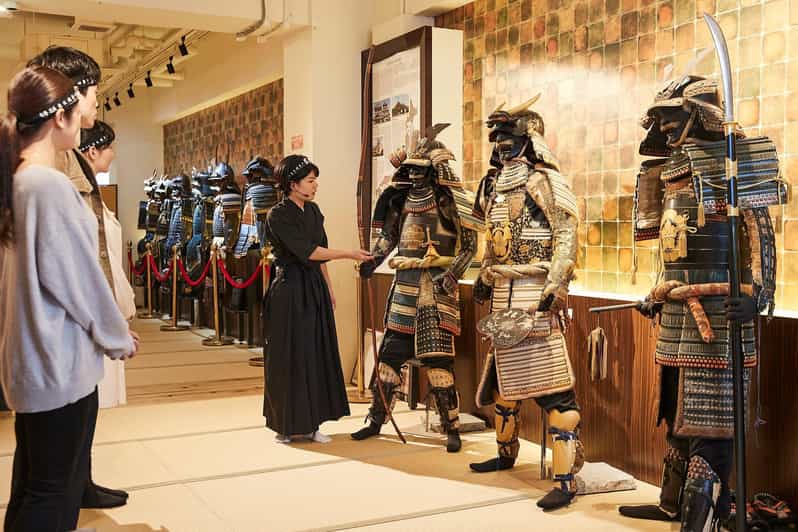
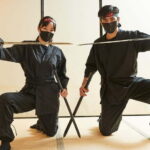
After the ninja portion (or sometimes right around the activities), you get your samurai experience. That includes dressing up like a samurai, wearing a real samurai helmet, and holding a metal samurai sword.
This is one of those rare museum-add-ons that actually earns its place. It’s not just costume time. Wearing the helmet helps you understand that these were built for real use and real weight, even if you’re just trying it on briefly. Holding the sword gives you a physical sense of scale and grip.
For photography, you’ll have a strong “Tokyo souvenir” moment. People mentioned getting great photos while dressed up. I’d treat it like a mini portrait session: take a couple of careful shots, switch angles, and don’t forget one quick photo that shows the helmet clearly.
If you’re traveling with teens, this is usually the part that gets the most laughs and the least complaining. It’s action, not homework.
You can also read our reviews of more museum experiences in Tokyo



What to Expect From the Group: Friendly Energy, Sometimes Bigger Than You Think
One practical note before you book: some listings limit groups to a maximum of 15 people, but the experience can include more participants if you book elsewhere. The key takeaway isn’t doom. It’s awareness.
With bigger groups, the guide’s job gets harder: keeping everyone included, handing out instructions quickly, and moving smoothly between exhibits and activities. Still, the feedback you have here is strongly tied to guides who manage to keep everyone comfortable—even when the group is large.
If you’re the type who gets stressed in crowded settings, consider going early in the day if you can. It’s a small adjustment that can make a big difference in how relaxed the whole museum feels.
How Long Should You Plan For in Tokyo?
Based on the experience reports, plan for about an hour. That’s a great length for Tokyo because you can fit it into a day without turning it into a half-day project.
Here’s the balance that I like:
- You get real historical explanations.
- You still get hands-on activities as a finish.
- You don’t end up feeling like you’re stuck in a slow museum loop.
If you have limited time in Tokyo, this kind of focused tour is often smarter than trying to see everything at once. It gives you a themed introduction plus memorable activities.
Price and Value: Why This $27 Ticket Feels Fair
At about $27 per person, you’re paying for three things:
1) entry into the museum,
2) an English-speaking guided tour,
3) two included hands-on activities (shuriken throwing and samurai dress-up with helmet and a metal sword).
Many attractions in Tokyo charge extra for interactive moments. Here, the interactivity is part of the core value. That’s why reviews consistently call it great value for the money, especially for families and people who want something more than a quiet walkthrough.
Also, the guided portion matters. If you’ve ever visited a museum where you can read labels but still feel like you missed the “so what?” moment, you’ll appreciate having a guide connect the objects to the story.
Who This Tour Suits Best (and Who Might Want to Pair It With Something Else)
This is a strong fit if:
- you want an easy entry point into samurai and ninja history without studying first
- you’re traveling with kids or teens who enjoy hands-on activities
- you like museums where you can touch the theme through acting, aiming, and photos
- you’re a fan of Japanese culture and want context beyond movies
It might not be ideal if:
- you prefer long, slow museum time with minimal activity
- you’re looking for deep academic detail and lots of downtime between sections
If you fall into the second group, you can still make it work by treating this as a fast, guided teaser—then give yourself extra time to re-visit the displays you liked most afterward on your own.
Tips That Make Your Experience Smoother
A few practical moves that help you get more out of the hour:
- Arrive ready to participate. The guide’s instructions make the throwing and dress-up more fun. Lean in early.
- Watch the stance and aim first, then take your shots. Trying to rush for photos usually makes your throws less accurate.
- Take helmet photos after you get comfortable. The helmet can feel awkward at first. Give it a moment.
- Listen for myth-busting moments. Ninja and samurai stories are often built on exaggeration. Those corrections are the parts that stick later.
Should You Book This Samurai Ninja Museum Tour?
If you want a Tokyo experience that’s part education, part hands-on fun, and easy to fit into a busy day, I think you should book it. The big wins are clear: real armor and weapons, an English guide who keeps the story engaging, and included activities that turn history into something you do, not just something you read.
Do it if you’re traveling with family, if you like interactive museums, or if you want a memorable, culture-themed stop that won’t drain your whole day. Skip it only if you strongly dislike group activities or you want an ultra-slow, ultra-detailed museum experience with lots of free time.
FAQ
Is the tour in English?
Yes. The guided tour is offered with an English-speaking guide.
What’s included in the experience?
The experience includes an entry ticket, a guided tour, a ninja star throwing experience, and a samurai experience where you can dress up, wear a helmet, and hold a metal samurai sword.
Do I get to throw ninja stars?
Yes. Ninja star throwing is part of the experience, and you practice your accuracy.
Can I dress up as a samurai?
Yes. The samurai experience includes dressing up like a samurai, wearing a real samurai helmet, and holding a metal samurai sword.
How long does the tour take?
One review described the tour as about an hour long.
Where is the museum located?
It’s in Honshu, Japan. One review also noted it’s in a shopping area and easy to access by train or taxi.
How big can the group be?
There is a note that you can reserve a maximum of 15 people from GetYourGuide, but the experience may include more participants if you book through other sites.
Is there a pay later option?
Yes. The listing notes a reserve & pay later option, so you can book your spot and pay nothing today.
What’s the cancellation window?
Cancellation is available up to 24 hours in advance for a full refund.