REVIEW · TOKYO
Tokyo: Mt. Fuji, Owakudani, Hakone Shrine, & Open-Air Museum
Book on GetYourGuide →Operated by JTOURSTORY · Bookable on GetYourGuide
Hakone by day trip feels like cheating. I like how this tour strings together three big hits—Hakone Open-Air Museum and Owakudani—without making you wrestle trains, transfers, or timing. I also appreciate that you get the “lakeside calm” side of Hakone at Hakone Shrine on Lake Ashi, where the scenery gives you a breather from Tokyo pace. One catch: weather and traffic can shift the order, and optional rides like the ropeway or pirate ship are only if conditions cooperate.
The best part is that the day still feels efficient. Transportation and admission are included, and the guide helps keep the flow sensible so you’re not standing around too long. Just plan for no meals, variable sightseeing order in peak season, and the practical reality that the vehicle can’t run more than 10 hours under Japanese law.
In This Review
- Key things to know before you go
- From Tokyo to Hakone: Why the Day Trip Works
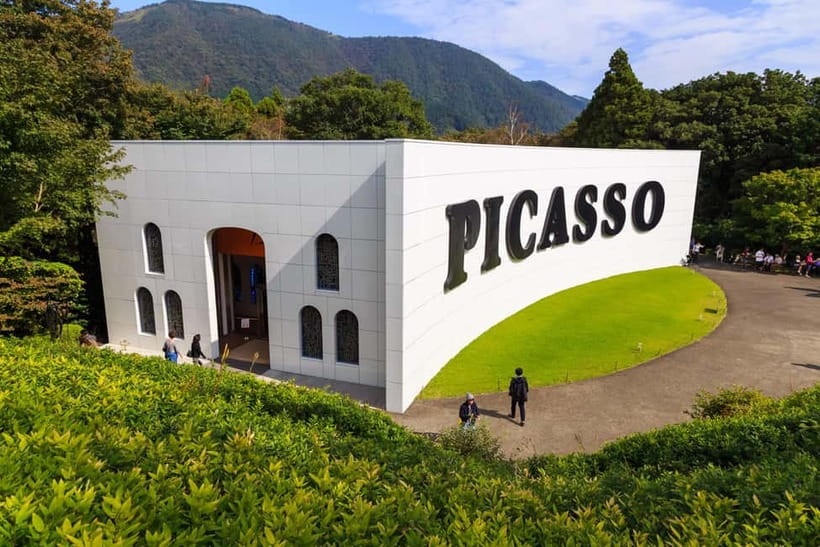
- Hakone Open-Air Museum: Henry Moore, Joan Miró, and Picasso
- Owakudani Volcanic Valley: Steam Vents and Sulfur Smell
- Hakone Shrine and Lake Ashi: The Torii Gate in the Water
- Mt. Fuji Chances: When the Guide Reorders the Day
- Optional Ropeway and Pirate Ship: Add Them Only If Weather Behaves
- Price and Logistics: What $79 Really Covers
- Practical Tips That Make the Day Easier
- Shoes and walking
- Snacks, water, and the shrine tip
- Coins and offerings
- Strollers and infants
- Itinerary changes you should expect
- Who This Tour Fits Best
- Should You Book This Hakone Day Tour?
- FAQ
- What’s included in the tour price
- Are meals provided
- Do I have to buy the Ropeway or Pirate Ship tickets separately
- Does the itinerary ever change
- Where does the tour start and end
- What languages is the guide able to speak
- What should I bring
- Are strollers and infants allowed
- Can I pay later and cancel
Key things to know before you go
- Sculpture start at Hakone Open-Air Museum with works by Henry Moore and Joan Miró, plus a Picasso gallery
- Volcanic reality at Owakudani with dramatic steam vents and sulfurous springs
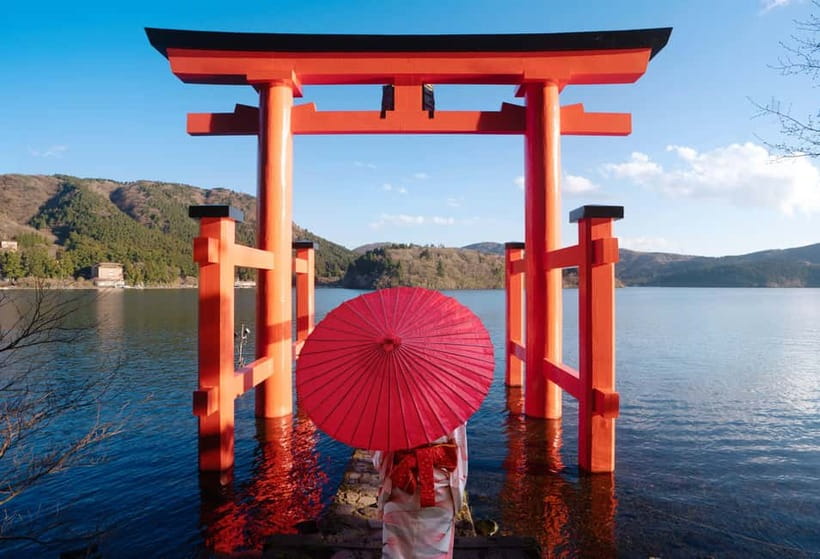
- Lake Ashi at the Hakone Shrine for the iconic torii gate standing in the water
- Mt. Fuji may appear based on timing and at least one guide rearranged the day to improve chances
- Bring a bottle and small coins for the shrine: one helpful tip is filling mineral water at the site and offering 5 yen as especially auspicious
From Tokyo to Hakone: Why the Day Trip Works
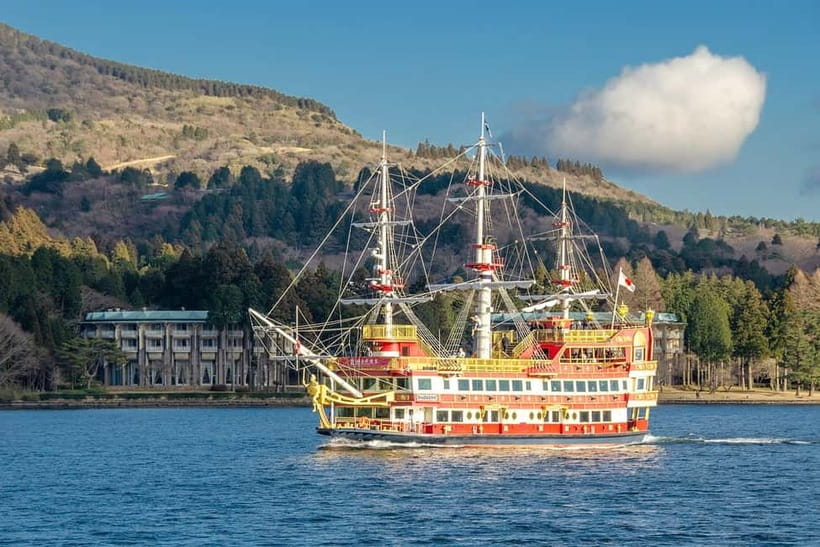
A Hakone day tour is at its best when it saves you from decision fatigue. You’re dealing with a lot of moving pieces in one go—museums, volcanic sights, then lake views—and this format is built to connect them in a logical sequence with transportation handled for you.
Value-wise, the $79 price lands better than you might expect if you’re considering DIY. You’re not just paying for a ride; you’re paying for transportation plus a guide plus admission tickets. That combo matters in Hakone because you lose time if you have to figure out ticket lines and transit connections back-to-back.
There’s also a real-world constraint you should know: Japanese law limits how long the vehicle can operate, and the guide may adjust the itinerary based on real-time conditions. Translation for you: don’t treat the schedule like a rigid script. Treat it like a plan that gets smarter once the day begins—especially in bad traffic or foul weather.
Finally, I like that the tour includes English and Korean-speaking guidance. Even if you only catch part of the explanation, the payoff is faster navigation and fewer misunderstandings at each stop.
You can also read our reviews of more museum experiences in Tokyo

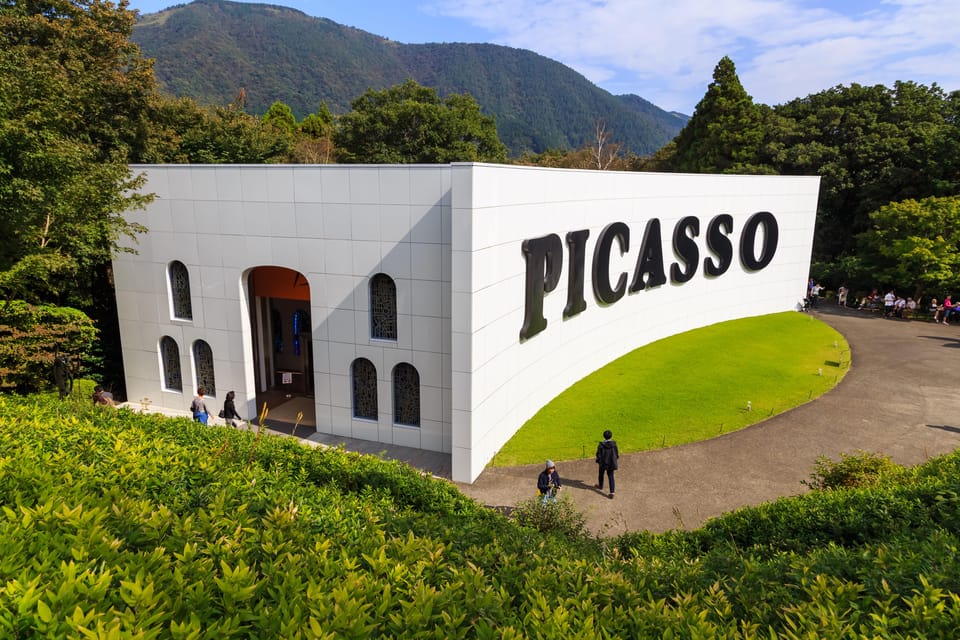
Hakone Open-Air Museum: Henry Moore, Joan Miró, and Picasso
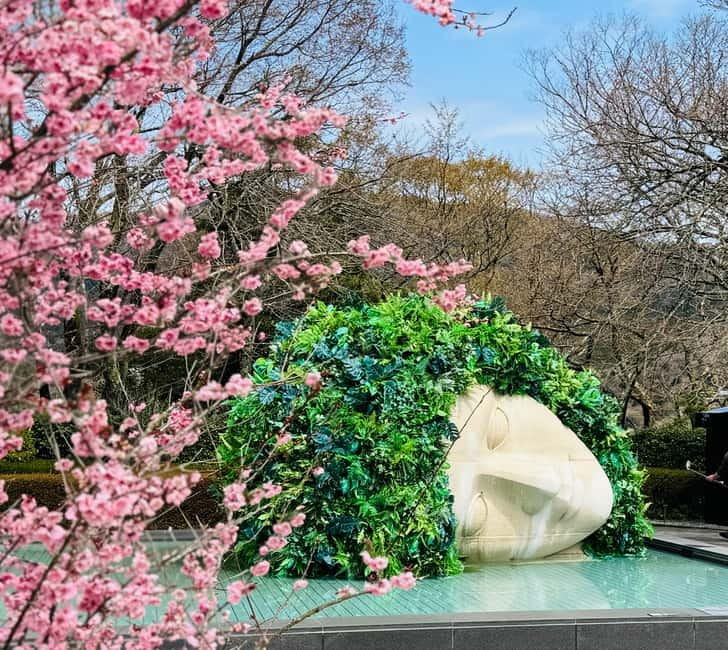
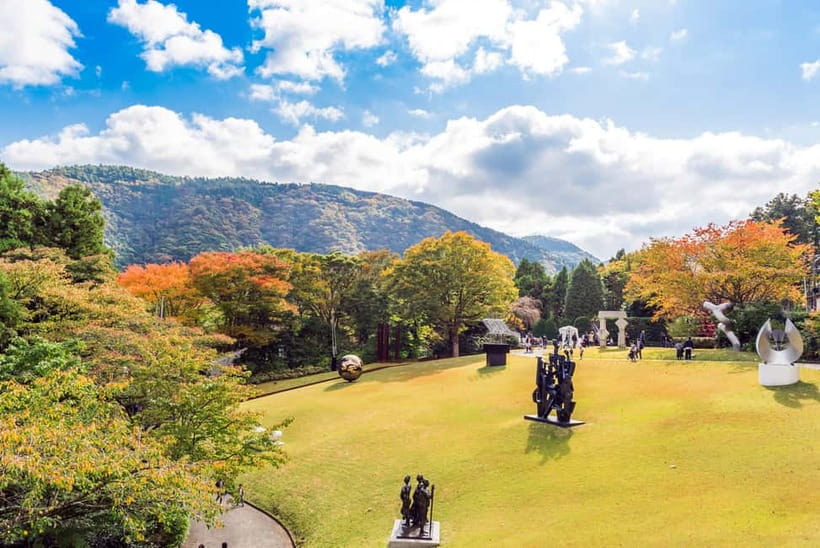
Starting at the Hakone Open-Air Museum is a smart move. It gives your eyes something calming and beautiful before the day gets sulfur-loud and steam-heavy. The museum is known for placing major sculptures and installations in a landscaped setting, so you get art plus breathing room rather than art squeezed into walls.
Here’s what you can look for:
- Artists like Henry Moore and Joan Miró
- A Picasso gallery focused on works by that artist
- Gardens and interactive installations that make the space feel less like a checklist
The practical benefit is simple: this stop helps you loosen up. If you’re the type who thinks you’ll spend the whole day rushing and taking photos, the museum changes the rhythm. It’s a chance to slow down, sit for a moment, and let the scenery do some work.
One more perk: you’re not stuck with only famous-name art. The museum experience is designed around you moving through open-air spaces. That makes it easier to take a breather when the group needs a pause and still keep the day moving.
Owakudani Volcanic Valley: Steam Vents and Sulfur Smell
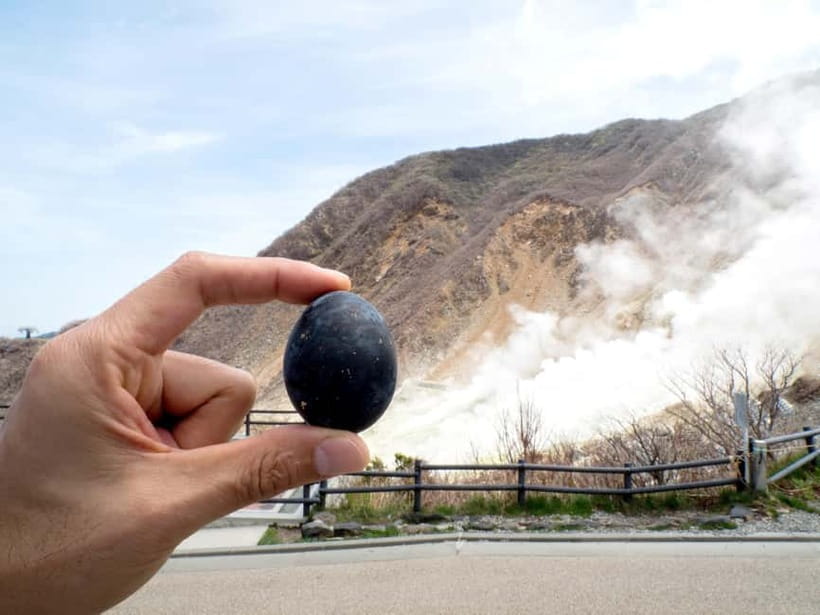
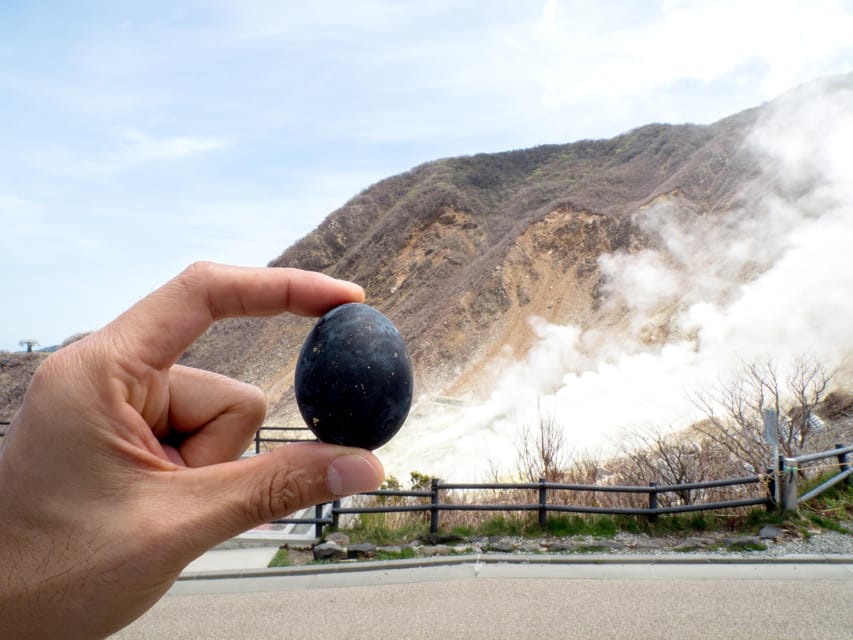
Then comes the reason Hakone is Hakone: Owakudani. This active volcanic valley is famous for sulfurous hot springs and dramatic geological effects, including visible steam vents. If you’ve never stood near an active volcanic area, you’ll feel it right away—the air can smell strongly, and the landscape looks like nature is doing something it doesn’t do in most travel photos.
What I like about Owakudani on a day tour is that it’s not treated like a vague “viewpoint stop.” The site is the whole point. You’re there to experience the volcanic zone, watch the steam activity, and see the valley’s rugged character up close.
Is there a drawback? Yes: volcanic areas can be weather-dependent. Fog, rain, or wind can make outdoor walking less fun. And if visibility is poor, you’ll spend more time paying attention to the ground activity than the distant views. Still, even with rough weather, Owakudani tends to be memorable because the geology is real and right in front of you.
Also, wear comfortable shoes. You’ll likely be walking more than you expect for a stop that sounds short on paper.
Hakone Shrine and Lake Ashi: The Torii Gate in the Water
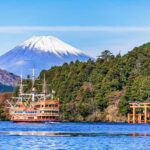
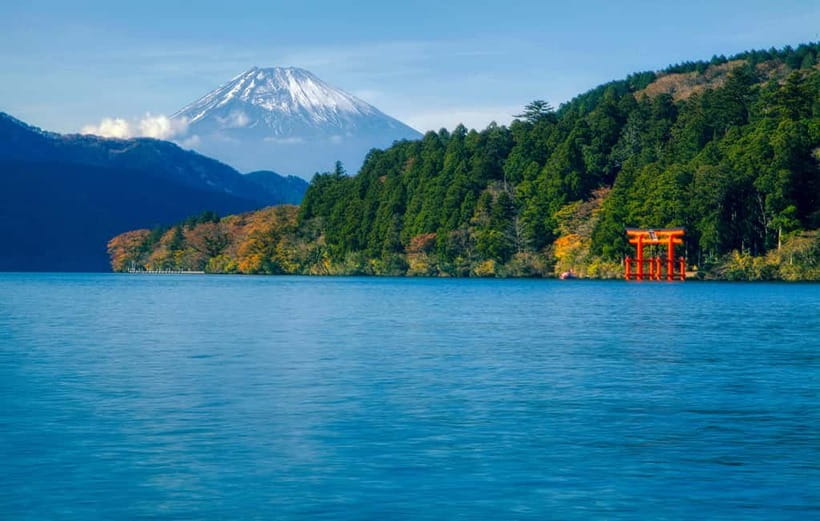
After the volcano, Hakone Shrine is your reset button. The shrine sits at the foot of Mount Hakone and is known for the iconic torii gate standing in the waters of Lake Ashi. In plain terms, it’s the moment where the day turns from “intense nature” into “calm nature.”
This is also where photography usually clicks. The lake’s quiet surface and the surrounding mountains create a frame for the shrine setting, and the view feels more spacious than the tighter urban feel you start with in Tokyo.
A useful thing to know is that the day’s order can change. On some schedules, you arrive earlier, which can mean less crowd pressure and more peaceful time around the torii. One guide even adjusted timing so the shrine and lakeside arrival worked better, and that matters because the shrine is popular.
If you want a small ritual moment, you’ll find a helpful tip from experienced guides: bring a bottle to refill with mineral water at the site, and consider offering 5 yen as an especially auspicious small offering.
Mt. Fuji Chances: When the Guide Reorders the Day
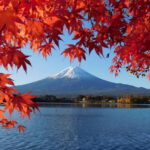
Hakone and Mt. Fuji are linked in people’s minds, but Fuji is a weather bully. Some days you see it clearly; some days it hides behind clouds.
This is where having a guide who can read conditions helps. There’s at least one example of a guide changing the itinerary so the group could arrive at Hakone Shrine and Lake Ashi first, improving the chance for a Mt. Fuji view. That doesn’t mean you’ll always see Fuji, but it does mean the plan can bend toward opportunity when it exists.
Also, peak season brings heavy traffic, and the tour may reverse the order to keep things workable. You might find you start with something different, then move to the rest of the checklist after. From a planning standpoint, I like this flexibility because it keeps the day from turning into a long sit-and-wait session.
Optional Ropeway and Pirate Ship: Add Them Only If Weather Behaves
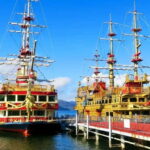
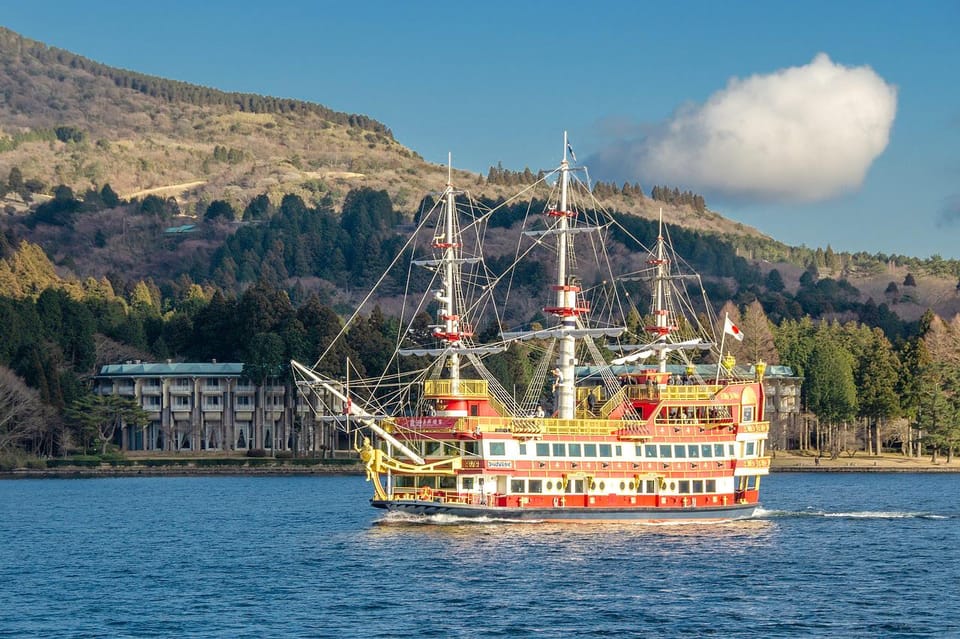
Two add-ons can be part of the day depending on conditions: Hakone Ropeway and the Pirate Ship on Lake Ashi. You buy those tickets on-site, and the guide can help you arrange them, but they’re explicitly subject to weather and local conditions.
Is it worth it? Often, yes, because they add variety:
- The ropeway gives you a different angle on the Hakone region.
- The pirate ship connects you to Lake Ashi in a way that feels slower and more scenic than just walking between stops.
But here’s the key advice: don’t fix your mood on doing both. If weather is poor, you may only manage what’s open and safe. Think of these as bonus chapters, not required plot points.
Price and Logistics: What $79 Really Covers
Let’s talk about money honestly. The tour price is listed at $79 per person, and you don’t just get a transport seat. You get:
- Transportation
- An English and Korean-speaking guide
- Admission tickets
That matters because Hakone’s major stops aren’t free, and paying for guided transit plus tickets is often what makes a day trip feel worth it. If you tried to DIY all of it, you’d spend time figuring out connections and buying separate tickets while also losing the benefit of someone steering you to the next stop efficiently.
What’s not included is where you have to stay practical:
- Meals
- Traveler’s insurance
- Other personal expenses
- Ropeway ticket (optional)
- Pirate Ship ticket (optional)
So plan for food. The tour recommends bringing some snacks or a light lunch so you can enjoy the attractions without getting stuck hunting for meals at the wrong moment. Even if you’re not a big snack person, having something in your bag can save you stress when timing runs tight.
Also, keep in mind the tour ends back at the meeting point. That makes it feel clean and low-risk compared with a half-day plan where you have to re-navigate on your own.
Practical Tips That Make the Day Easier
A smooth day tour is mostly made of small choices. Here’s what helps, based on what guides and practical info point out.
Shoes and walking
Bring comfortable shoes. Even when a tour feels “guided,” you still walk between outdoor zones, and Hakone’s terrain can be slippery depending on conditions.
Snacks, water, and the shrine tip
Since meals aren’t included, pack snacks or a light lunch. Also, one helpful on-site suggestion is to bring a bottle to refill with mineral water at Hakone Shrine.
Coins and offerings
If you’re interested in doing something respectful and simple, consider the shrine offering tip: 5 yen is described as the most auspicious amount for offerings.
Strollers and infants
If you’re traveling with a stroller, inform the operator in advance. Infants are free of charge, but there’s no seat available.
Itinerary changes you should expect
Traffic and weather can affect order, and in peak season, the sequence may reverse. It’s not a flaw; it’s the reality of running a full day with multiple outdoor stops.
Who This Tour Fits Best
This tour works especially well if you:
- Want a Tokyo-to-Hakone day trip without the headache of planning transit and tickets
- Like a mix of art, volcanic nature, and lakeside calm
- Prefer having a guide who helps with timing, especially when conditions shift
- Want the flexibility for optional add-ons like ropeway or pirate ship
It’s also a good fit for first-time Hakone visitors. The stops are “the recognizable highlights,” but the way they’re sequenced helps you experience the region’s mood swings—from sculpture serenity to active geology to shrine-lake quiet.
If you’re the kind of traveler who loves total self-direction and you’re happy handling transit and scheduling on your own, you could DIY. Still, if you want convenience and a plan that adapts, a guided format is the safer bet.
Should You Book This Hakone Day Tour?
I think this is a solid choice if you want a high-value day that hits the big Hakone themes—open-air art, Owakudani volcanic valley, and Hakone Shrine on Lake Ashi—without turning your vacation into logistics work. The included transportation, guide, and admission tickets make the $79 price feel more grounded than a menu of separate purchases.
Book it if you’re comfortable with the reality that weather and traffic can change the order, and you’re okay treating Mt. Fuji as a bonus if it appears. Skip it only if you strongly need a strict, unchangeable schedule or you’re unwilling to handle the fact that meals aren’t included.
If your goal is to see multiple Hakone highlights in one day and leave feeling tired in a good way, this is a practical way to do it.
FAQ
What’s included in the tour price
Transportation, an English and Korean-speaking guide, and admission tickets are included. Meals are not included.
Are meals provided
No. The tour does not include meals, and it’s recommended to bring snacks or a light lunch for the stops.
Do I have to buy the Ropeway or Pirate Ship tickets separately
Yes. Ropeway and Pirate Ship are optional add-ons, and the tickets are not included. You can purchase them on-site, and your guide will assist if conditions allow.
Does the itinerary ever change
Yes. The itinerary can change due to traffic and weather, and in peak season the order may be reversed.
Where does the tour start and end
The meeting point can vary depending on the option booked, and the tour ends back at the meeting point.
What languages is the guide able to speak
The tour includes an English and Korean-speaking guide.
What should I bring
Comfortable shoes are recommended. It’s also suggested to bring snacks or a light lunch, and a bottle can be useful for filling mineral water at the shrine.
Are strollers and infants allowed
You should inform the operator if you will bring a baby stroller. Infants are free of charge, but there is no seat available.
Can I pay later and cancel
Yes. You can reserve and pay later. You can cancel up to 24 hours in advance for a full refund.